To avoid these ads, REGISTER NOW!

MP&C Shop Projects

To avoid these ads, REGISTER NOW!
OP
M

MP&C

Well-known member
Joined
Oct 21, 2009
Messages
4,396
Location
Leonardtown, MD
Thanks for checking out the work Mike!


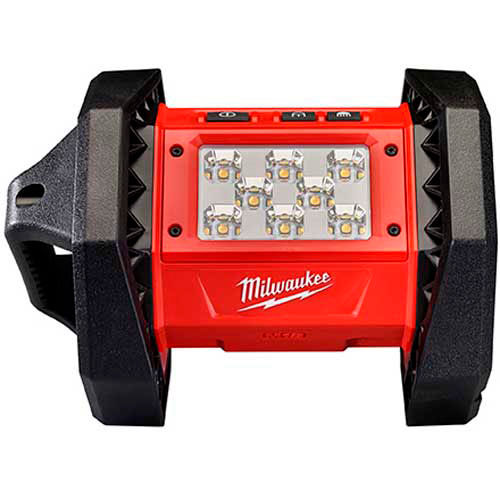
Last night I tried to tackle the wizardry of filming the gas welding with the goal of better visibility of the weld puddle. This is about as close as I can get with using a iPhone camera and a welding helmet lens. Also made use of a Milwaukee LED light to brighten things for less of a change in light.


DYcQgpYxf8fJBvnJoLqtxgEE8VWV--4WEgtKZkiJKzdAiZmDCrhhgF5D3sh1feGZ-nKponWScmjd0OUaQrPsWGYe3sFQyc75ScUzdMcRsFz5gibrOEEJ1zRmYdIP1P0LOHBfroXJ4G4jbfsAAXFDZICJLJwJGwlQoo5B2XDYnmRbugBPlAYVZvbkkiYJ6H8eL_YGCuni-eidI1vOxin_g3xdImKzCA6Xk2TabuarMx5a2tLr3goPIQTgBcxDpPFn5Uv31au7u-hForNHnn0xoYpChYrS4ykaRdL7D_3bRy3zS0MFjE0E4ZbeoYbUYQ5mGHIwWgVUJh7nICgVcnvI-IIe8BZqfFHIBZrnbP13cIgPR-ZnGrbFOSBVDG1TtzXGS6n5zz8BdPglGljBgWb8CK7AYNUVpQ66Yxp7j9uayBaoAYia7u2ePBuAjlQnnB8OCJ6VmWJ6UDnoNqeGLXo4NhcrZMfiOmgdcOOXidsDZ5vVk0EGjxXE3KXqqELXIu0scgEc8KLyhIpAW5Mjrhqo6N3toFQqHzfLquFtaEbxZKPrJRfkJ056smp9fC56qchRUZyix3-yfMihffcXPFG2AIE-aAzQT4VgmGaH346Dm94LrjIjd9k9gVbHdJlpkZjpQqDZGev7DpYlFzDzS7KelytfFWp7rAmvw3mRLumzc8knk7dJuZ4RrHzk_ZIFUzDTHezR5JIikza5Z1quvg=w723-h963-no


These are filmed through the Miller Digital Elite, Weld setting 9, delay 2. sensitivity 6. I think I still need to come up with something better, especially for showing any TIG welding. Are there any Photography guru's that can steer me in the right direction for filming weld processes?


Tacking:


Weld pass:


Last edited:

pepi

Well-known member
Joined
Mar 27, 2013
Messages
2,883
Location
Woodstock, GA
The console turned out amazing Robert, like everything else you do. Keep up the great work.


Robert is the best metal smith I've ever followed, one learns a great deal. Method wise, meaning production/building and solving problems. This wagon he's building when finished will be a true rolling work of art.

It will almost be a shame to paint, covering the workmanship that would hide. If I had this type of talent I'd just clear it. Remembering this is one individual. Unlike the SEMA bunch that has others creating ideas for them.

Robert does much, much more then a sketching, the man is hands on.

Well done Robert :bowdown:

Pep
 

mopar4don

Well-known member
Joined
Mar 9, 2013
Messages
103
Robert is the best metal smith I've ever followed, one learns a great deal. Method wise, meaning production/building and solving problems. This wagon he's building when finished will be a true rolling work of art.

It will almost be a shame to paint, covering the workmanship that would hide. If I had this type of talent I'd just clear it. Remembering this is one individual. Unlike the SEMA bunch that has others creating ideas for them.

Robert does much, much more then a sketching, the man is hands on.

Well done Robert :bowdown:

Pep

I second that! :bowdown::bowdown: THANK YOU Robert!!
 

8man

Well-known member
Joined
Oct 16, 2013
Messages
630
Location
Bryan, Texas
Are there any good videos of cutting and fitting patch panels?

Most I've found show marking and then welding, no how to on cutting everything out.

I've followed Roberts guidelines and my welds are coming out much better and are finishing out pretty nice. The problem is it is taking hours to cut out the rust and then fit a preformed panel to the cut out so I can weld it.

I'm doing a couple of 5 window Chevy trucks and I have pre-fitting panels, so I just have to cut out the rust and fit the panel to the cut out and weld it up, but it is taking hours to get them cut out and fit.
 

Toothaker

Well-known member
Joined
Nov 25, 2016
Messages
1,367
Location
Wichita, Kansas
.
.
.

These are filmed through the Miller Digital Elite, Weld setting 9, delay 2. sensitivity 6. I think I still need to come up with something better, especially for showing any TIG welding. Are there any Photography guru's that can steer me in the right direction for filming weld processes?


Tacking:


Weld pass:


How about a fixed Shade 5 filter for the camera when you're doing your gas welding? Our eyes adjust much faster than the camera does, so that way the camera can 'settle down' and stay on one setting as you start and stop welding. You could use the rectangular lens out of gas welding goggles.

You could use a Shade 15 fixed lens for TIG from a non-adjusting hood.

For example, I don't see the filler rod in your video. I can't tell if you just melt the two pieces together or if there's rod involved.
 
OP
M

MP&C

Well-known member
Joined
Oct 21, 2009
Messages
4,396
Location
Leonardtown, MD
…....Well done Robert
Pep

I second that! THANK YOU Robert!!


Thanks for the kind words guys. I guess I've run across too much hack work that I've had to repair through the years, so I try to put out information that would help anyone else to improve what they're doing on their own projects.


Are there any good videos of cutting and fitting patch panels?

Most I've found show marking and then welding, no how to on cutting everything out.

I've followed Roberts guidelines and my welds are coming out much better and are finishing out pretty nice. The problem is it is taking hours to cut out the rust and then fit a preformed panel to the cut out so I can weld it.

I'm doing a couple of 5 window Chevy trucks and I have pre-fitting panels, so I just have to cut out the rust and fit the panel to the cut out and weld it up, but it is taking hours to get them cut out and fit.


David Gardiner (UK coachbuilder) has about the best DVD out there on performing metal repairs, mainly using simple hand tools. He's an excellent teacher, and well respected for his abilities worldwide. ordering for his video can be found at

www.metalshapingzone.com


Short of that, my first suggestion would be to disregard advice that says to use as little of the repair as possible. Instead, test fit the panel and then look to the inside (backside) of where the weld seam would be located to see if there are any obstructions for using a hammer and dolly to planish or other challenges for location of a weld seam. We need to have room for planishing the welds to remove distortion, so this is the first stage in planning your patch. Next, in the case of something like a rocker panel, the factory method of installing with spot welds (or our replication by using plug welds) is going to cause far less distortion than cutting the part in smaller pieces and using a weld seam to join together. So by all means, install parts like this in their entirety. Next, using your truck as an example, you likely have cab corners or fender bottoms to repair, after an initial test fit and weld location determination, I trim the patch panel to the size desired based on weld location, and especially to remove any joggle for a lapped seam. We want a **** weld to minimize the possibility of any ghost lines in the paint job. Next, locate it on the vehicle, and then mark the edge with a marker. Now cut out the damaged area, leaving an extra inch of material from the marked line. We can now do another test fit, but the without all the bulk of metal under it, we can be more precise with locating and trimming. So here I would verify the marks made initially, adjust if needed (wipe with thinner and remark), and now trim again leaving 1/4" extra. Now another test fit and mark this time using a scribe... and then trim to the scribe line.

Side note, the 1/4" width is the ideal width for cutting with tin snips/aviation shears as that is what they are designed for. Less material and the waste curls in front of the blade obscuring your view, more and it becomes more difficult to cut, but at 1/4", the waste typically curls away from the cut path and out of the way.

Another test fit after this cut, and file as needed get a nice tight joint. Clamp as needed and start your welding.. For tin snips, don't use the straight ones found at your local box store, they are only designed to cut in the length of the jaw. This means we don't need the yellow pair at all. What we are looking for are "offset shears", where the pivot point of the jaws is not directly in line with the cut (looking at side view). The offset is designed to cut a continuous cut. Here's about the best tin snip tutorial going from my friend Bill Gibson:


Just watching and absorbing the information on this video will help out your panel trimming tremendously.


How about a fixed Shade 5 filter for the camera when you're doing your gas welding? Our eyes adjust much faster than the camera does, so that way the camera can 'settle down' and stay on one setting as you start and stop welding. You could use the rectangular lens out of gas welding goggles.

You could use a Shade 15 fixed lens for TIG from a non-adjusting hood.

For example, I don't see the filler rod in your video. I can't tell if you just melt the two pieces together or if there's rod involved.


Thanks for the suggestions, the video was a fusion weld, no filler. I also have a green tinted welding hood for gas welding that I tried initially, but the flame was too bright to be able to see the puddle.

I am looking for a filming process that doesn't darken so much that the weld arc or flame is the only thing you see, to allow you to discern what/where we are welding. (without having to mortgage the house for new camera equipment) I agree the welding lens I used is not ideal, but it's the closest I've gotten to clearly showing the puddle movement. I'm told a variable ND filter will help, but I'm looking for someone that has actually used them on the iPhone for filming a welding process so that I'm not buying something that doesn't work.

My goal is to be able to show how a different process can be used if perhaps someone doesn't have a MIG or TIG welder, with video quality such that you can see what is going on and not just see a bright light.
 
Last edited:

Retlaw 66

Well-known member
Joined
Oct 17, 2006
Messages
152
Location
Eastern Pa
....

Side note, the 1/4" width is the ideal width for cutting with tin snips/aviation shears as that is what they are designed for.
....

Here's about the best tin snip tutorial going from my friend Bill Gibson:


Just watching and absorbing the information on this video will help out your panel trimming tremendously.

Wow, I've been using tin snips for decades and this video just made me realize what I've been doing incorrectly! I'd highly recommend watching it.
Thanks for posting.

I often use a band saw for cutting patches from sheet stock. But will give the tin snips another go using tips I learned from the video.
 

Toothaker

Well-known member
Joined
Nov 25, 2016
Messages
1,367
Location
Wichita, Kansas
.
.
.

Thanks for the suggestions, the video was a fusion weld, no filler. I also have a green tinted welding hood for gas welding that I tried initially, but the flame was too bright to be able to see the puddle.

I am looking for a filming process that doesn't darken so much that the weld arc or flame is the only thing you see, to allow you to discern what/where we are welding. (without having to mortgage the house for new camera equipment) I agree the welding lens I used is not ideal, but it's the closest I've gotten to clearly showing the puddle movement. I'm told a variable ND filter will help, but I'm looking for someone that has actually used them on the iPhone for filming a welding process so that I'm not buying something that doesn't work.

My goal is to be able to show how a different process can be used if perhaps someone doesn't have a MIG or TIG welder, with video quality such that you can see what is going on and not just see a bright light.

You need to illuminate the area with several really bright lights, such as these from Amazon, mounted in some fixtures such as these. Surround the work with the lights being really close, but not blocking you or the camera.

For the camera, layer two of the Shade 5 lenses. Once you get the work field illuminated, then you can adjust your filtering for best results.
 
Last edited:
OP
M

MP&C

Well-known member
Joined
Oct 21, 2009
Messages
4,396
Location
Leonardtown, MD
Thanks Dave!


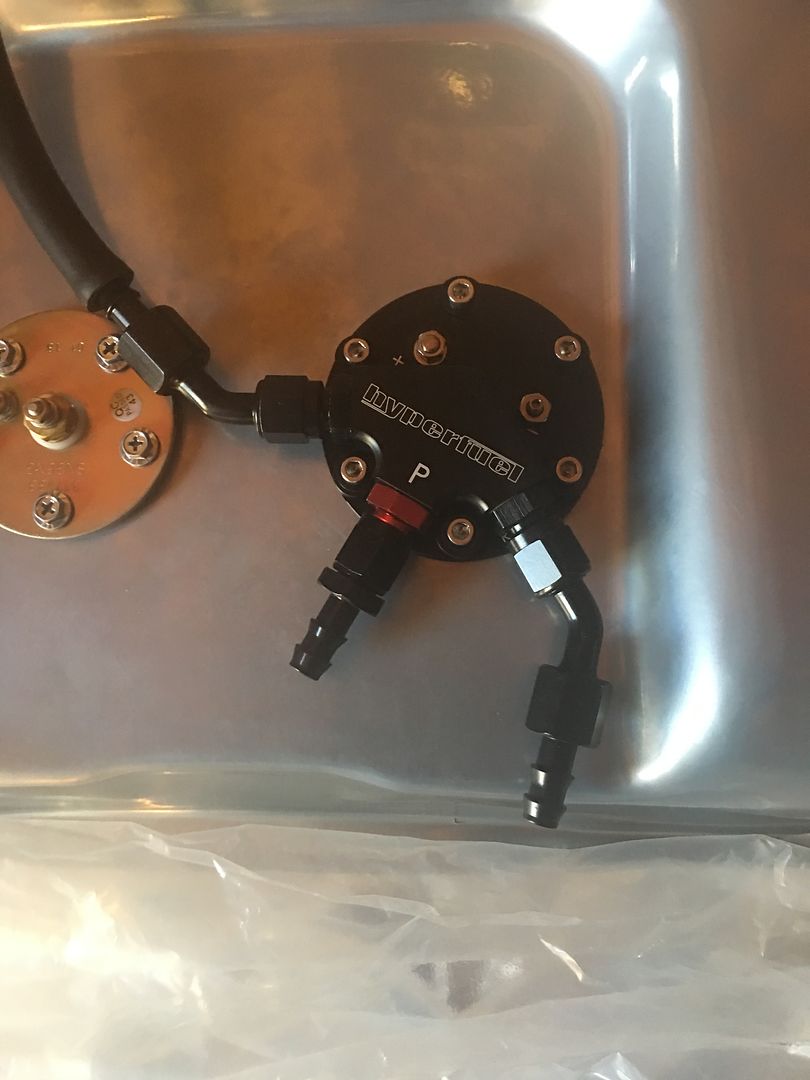
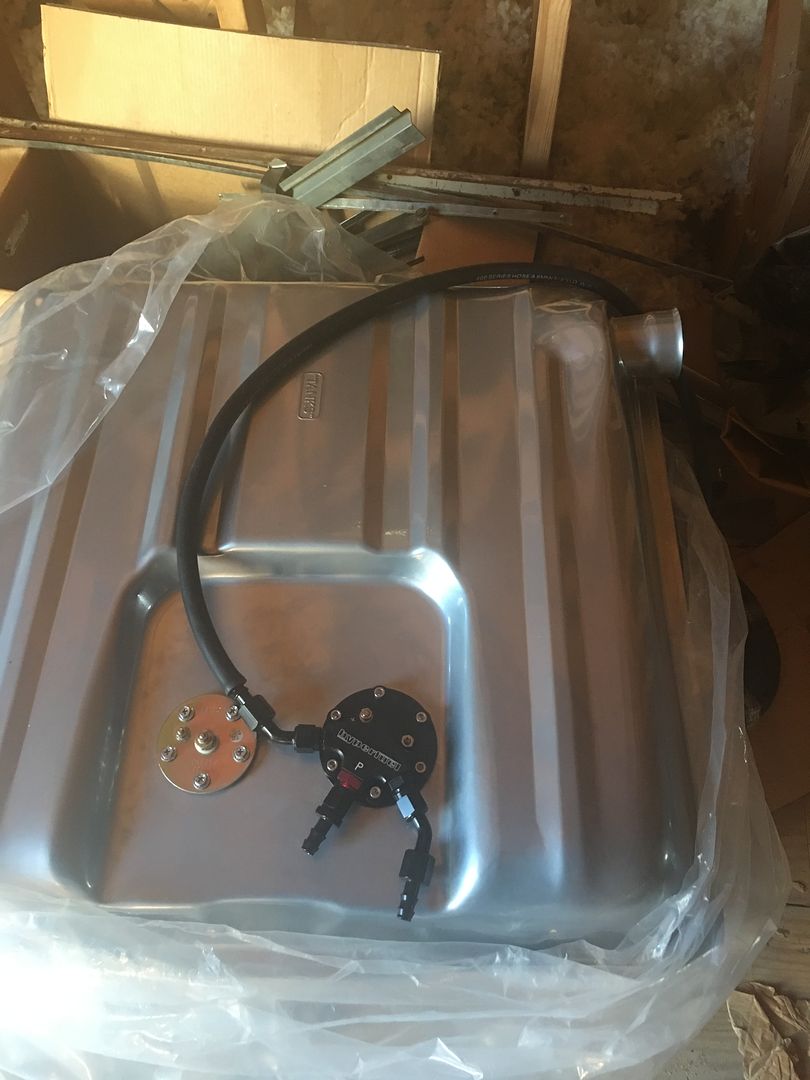
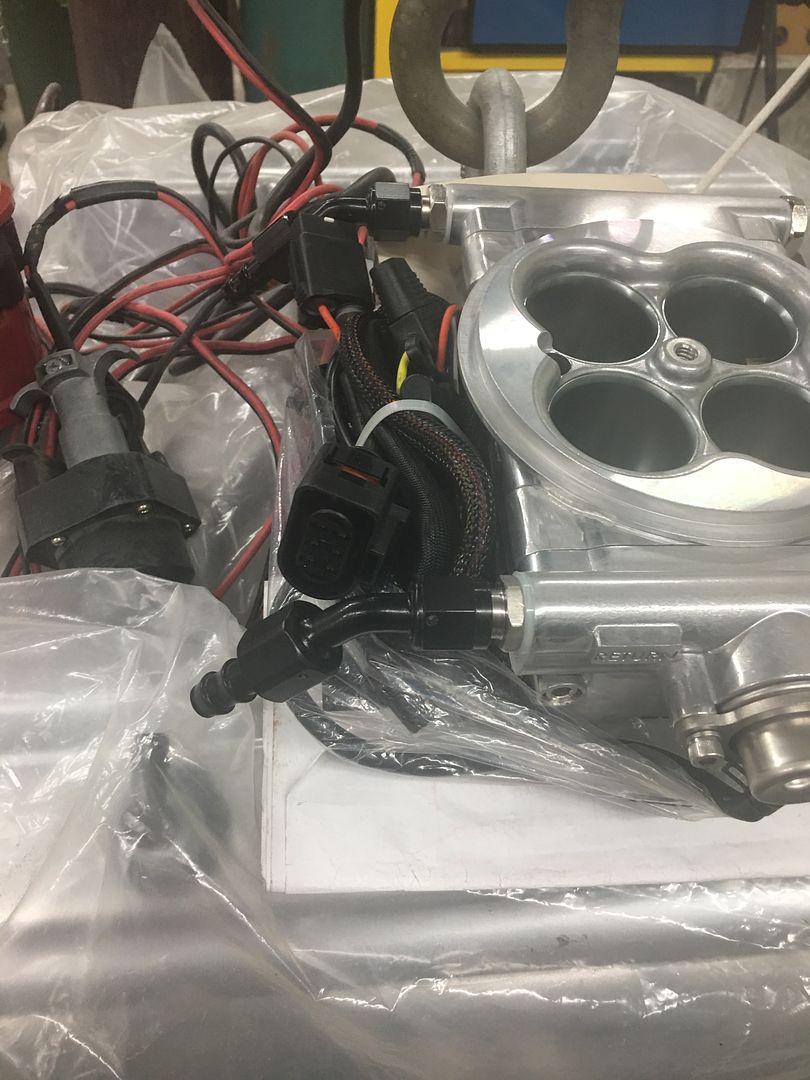
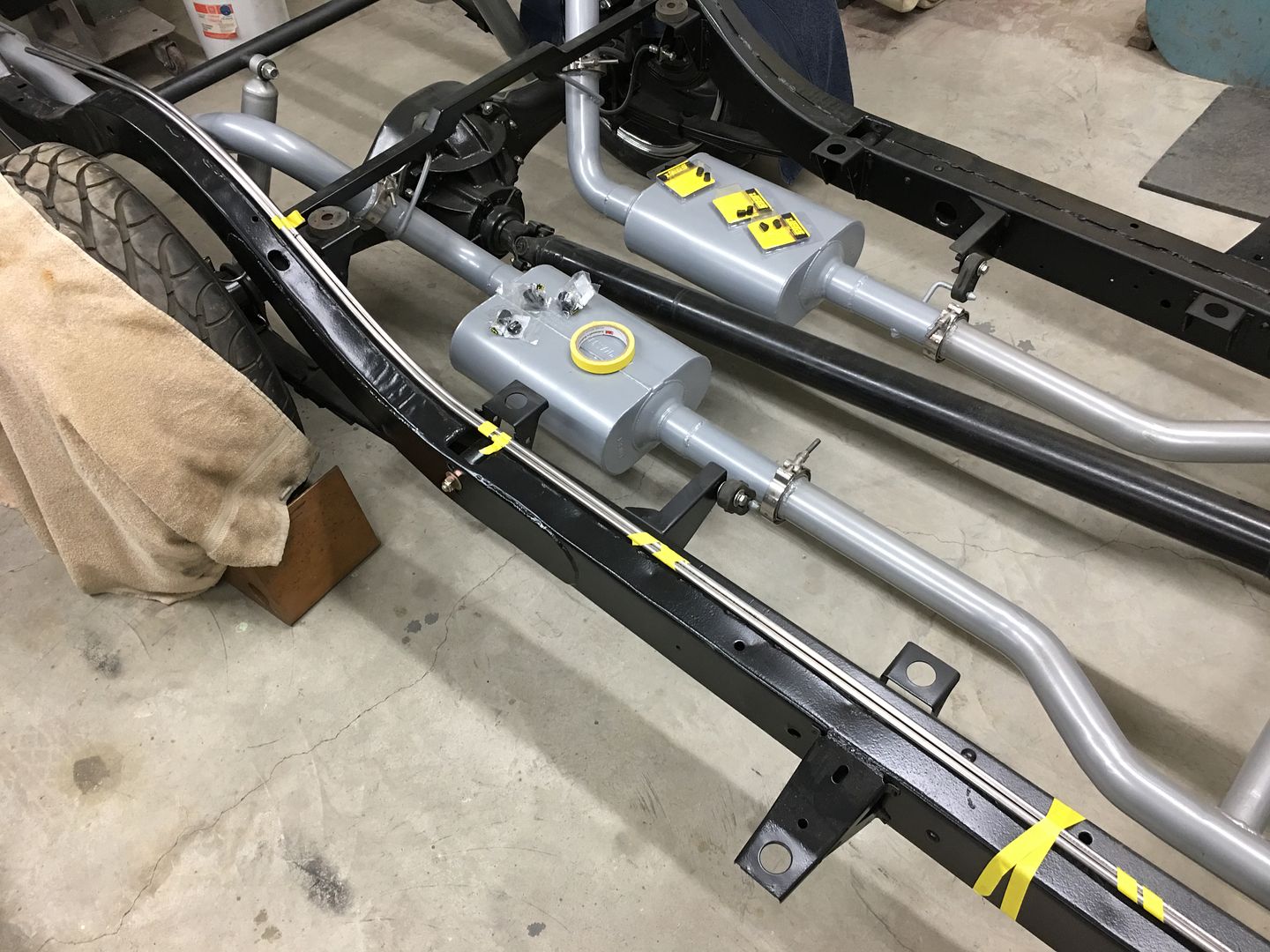
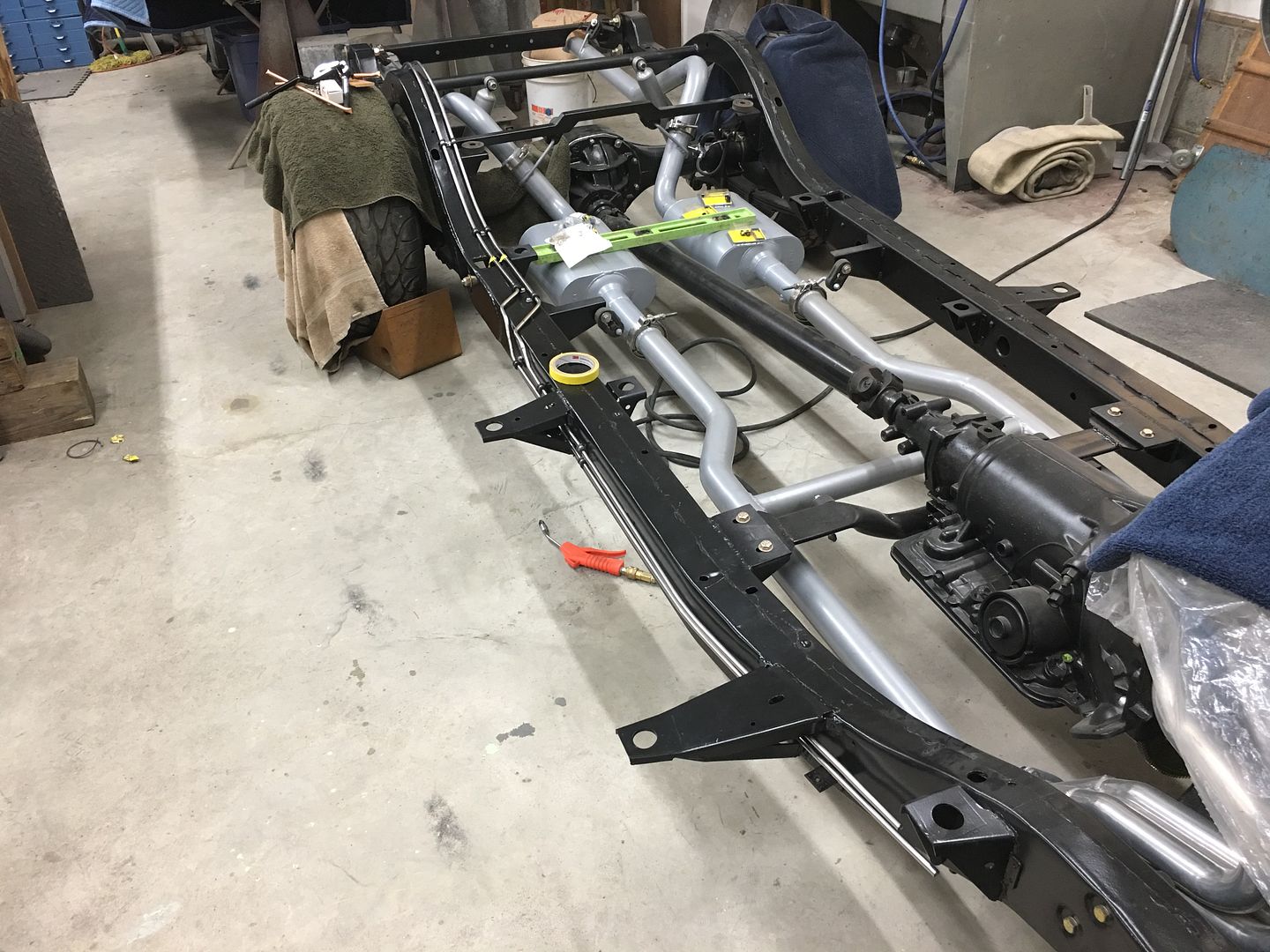
Did some mockup of the fuel lines so we could get the required fittings identified..


IMG_3981.jpg


IMG_3982.jpg


IMG_3983.jpg


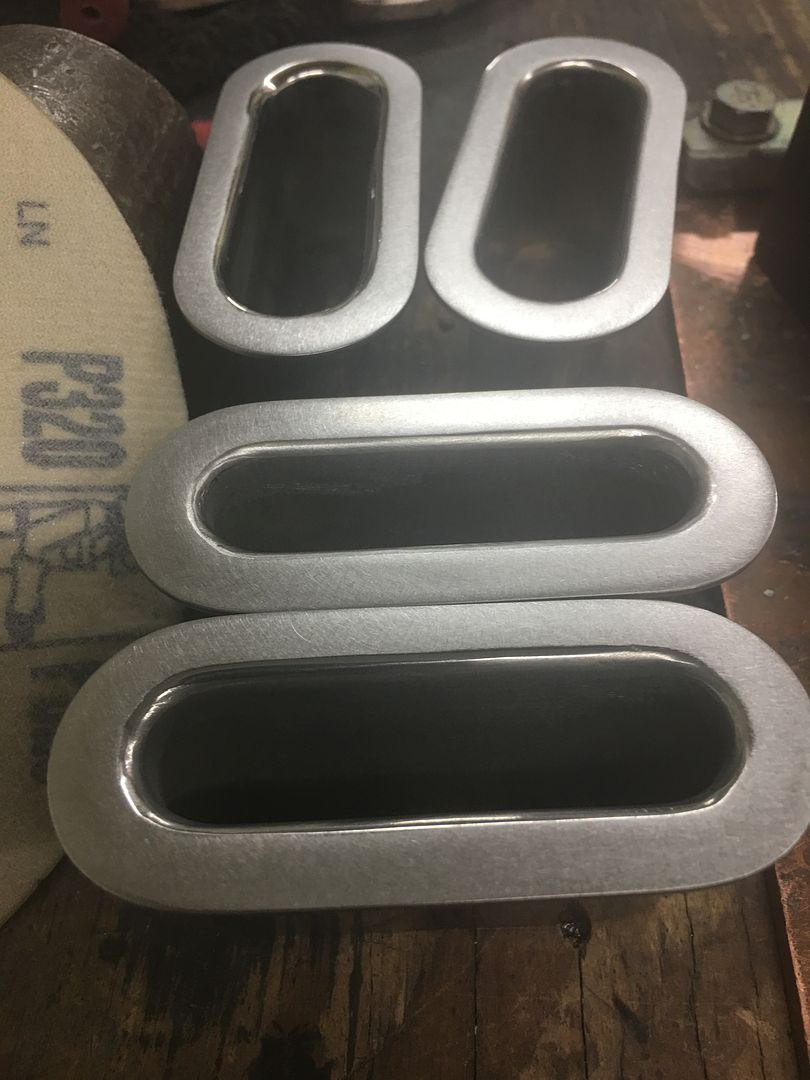
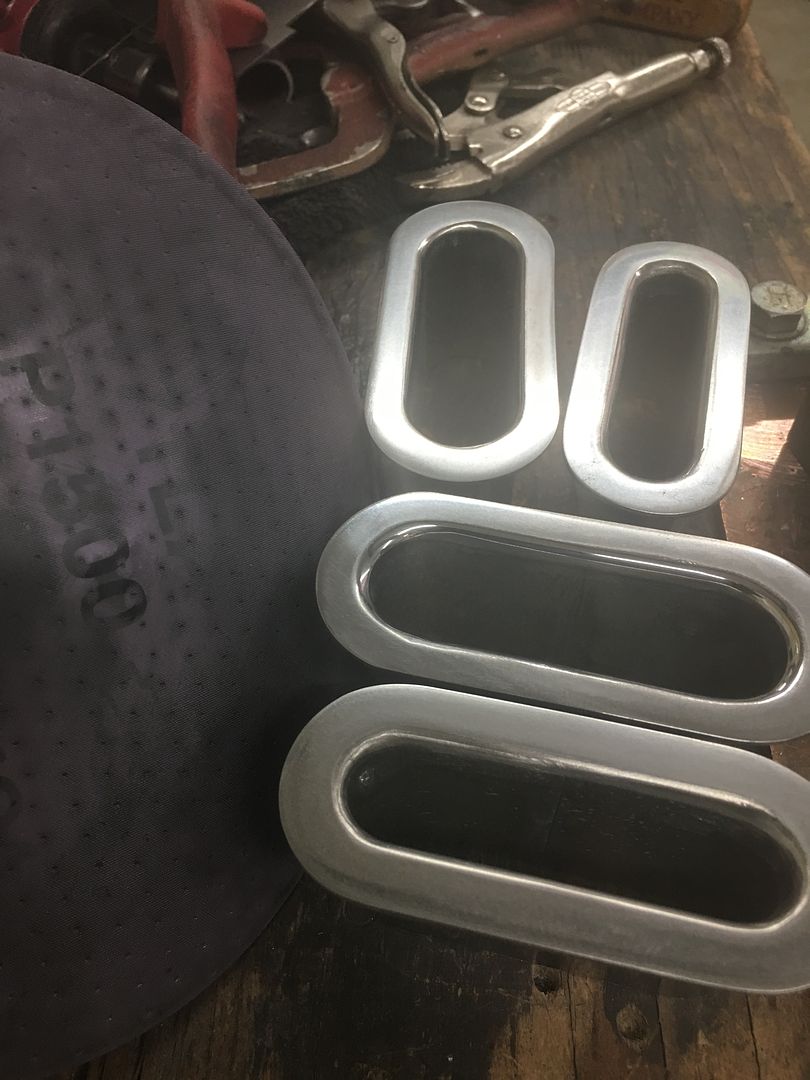
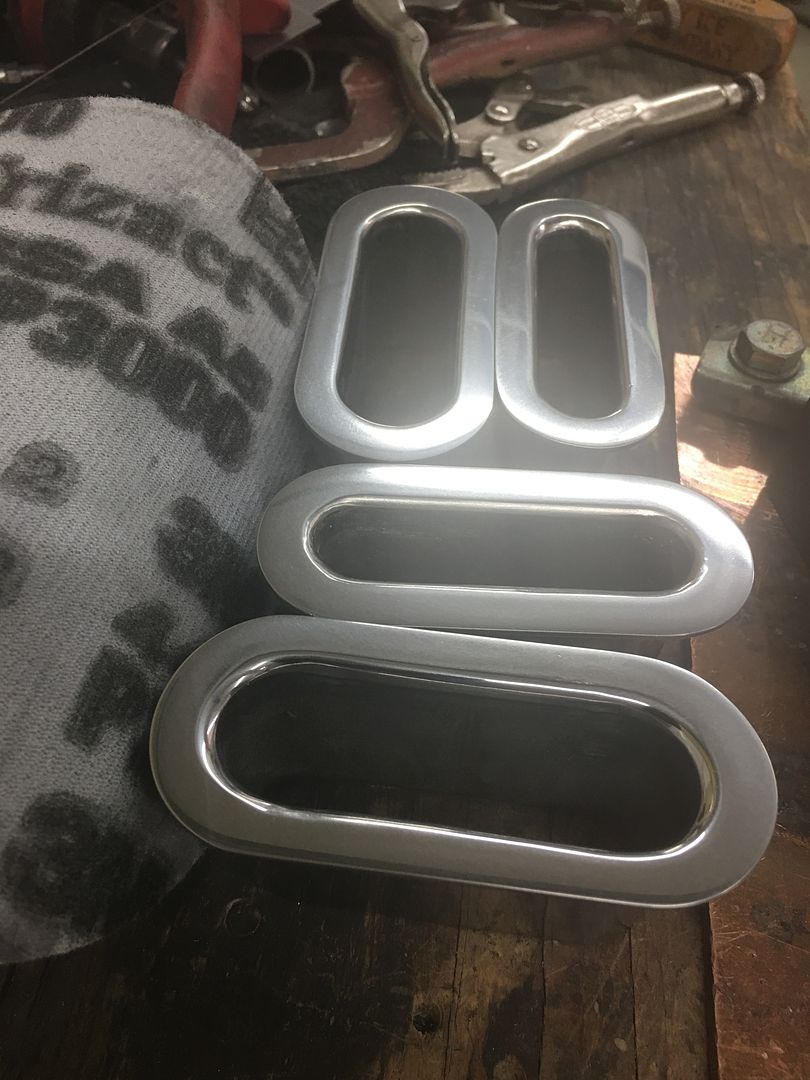
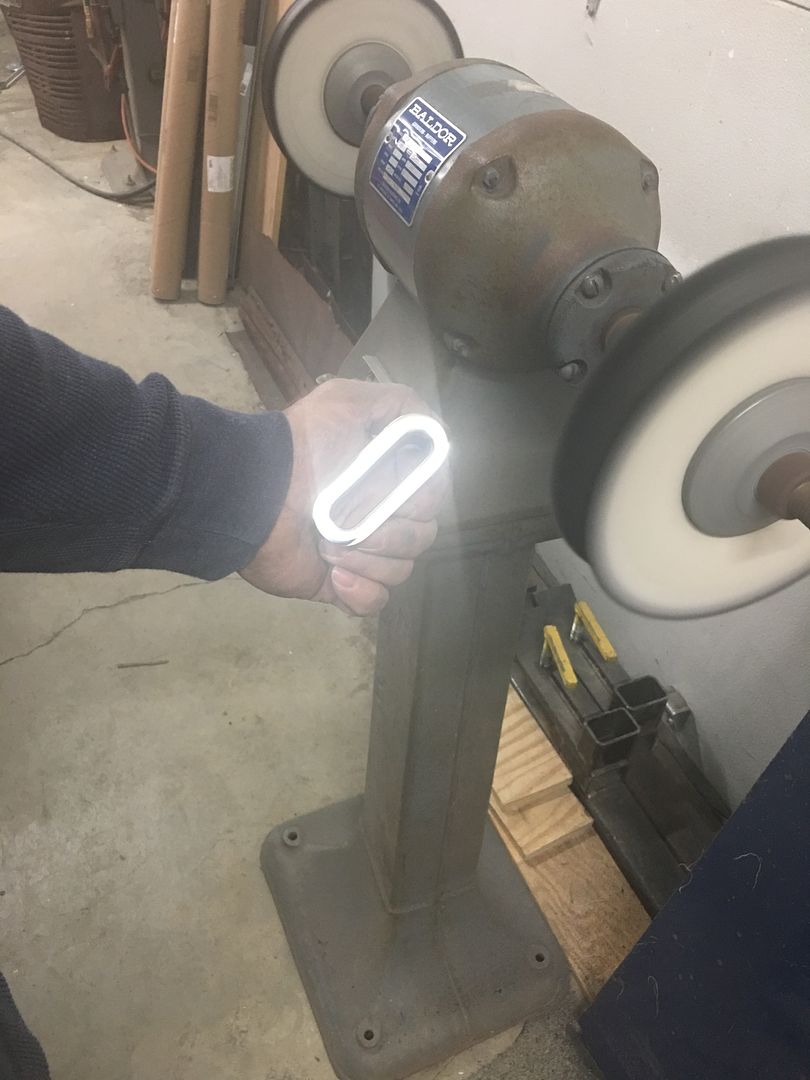
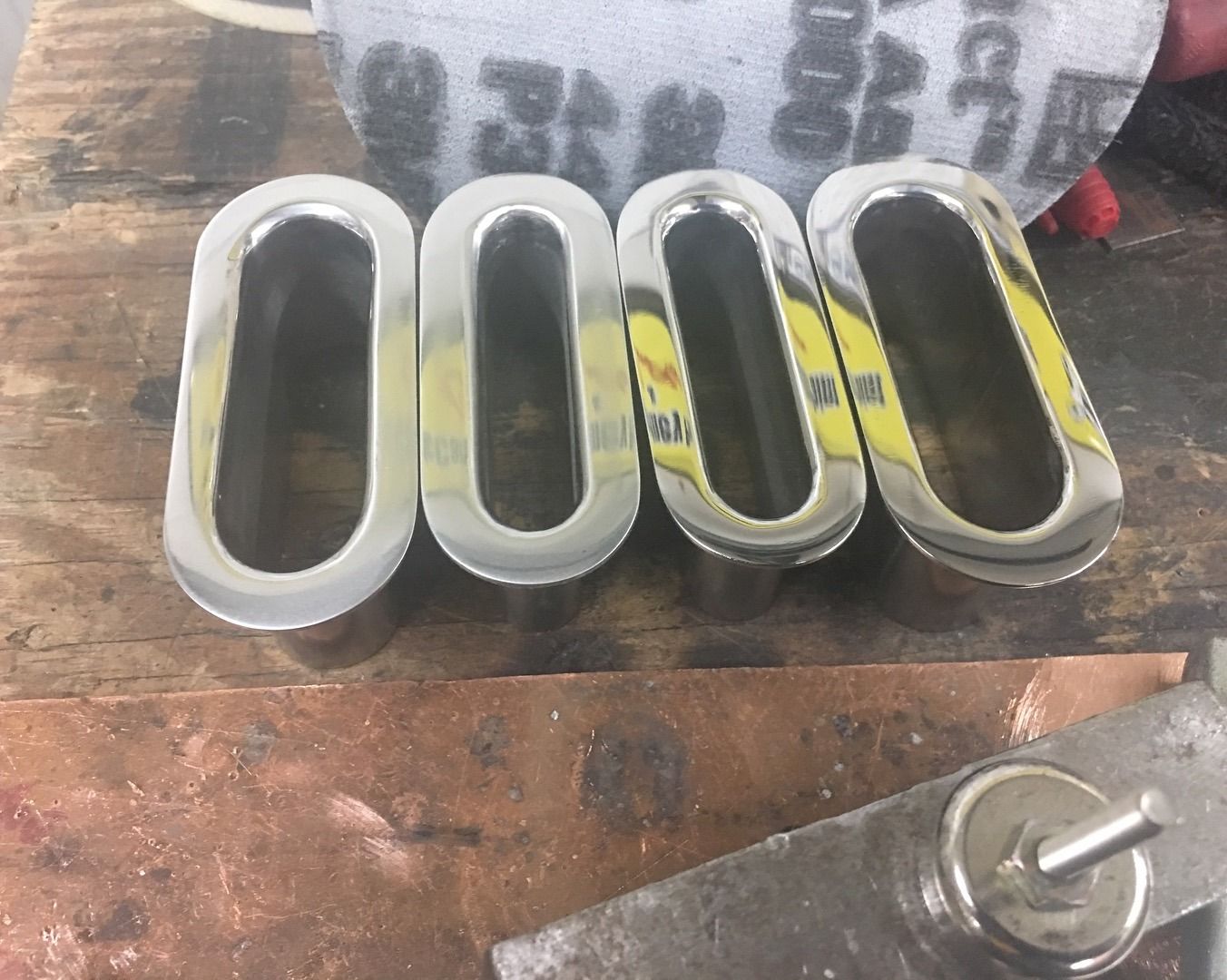
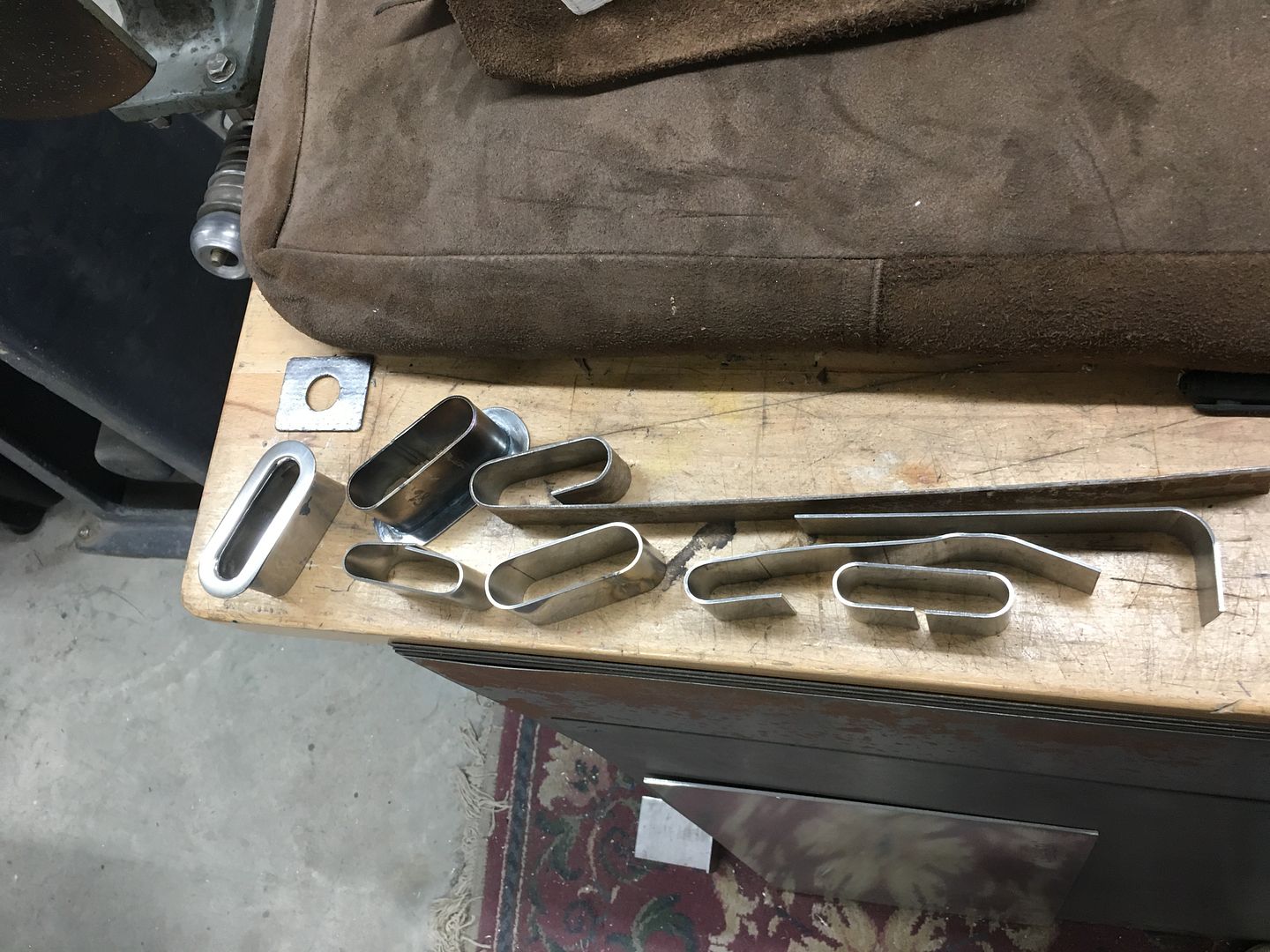
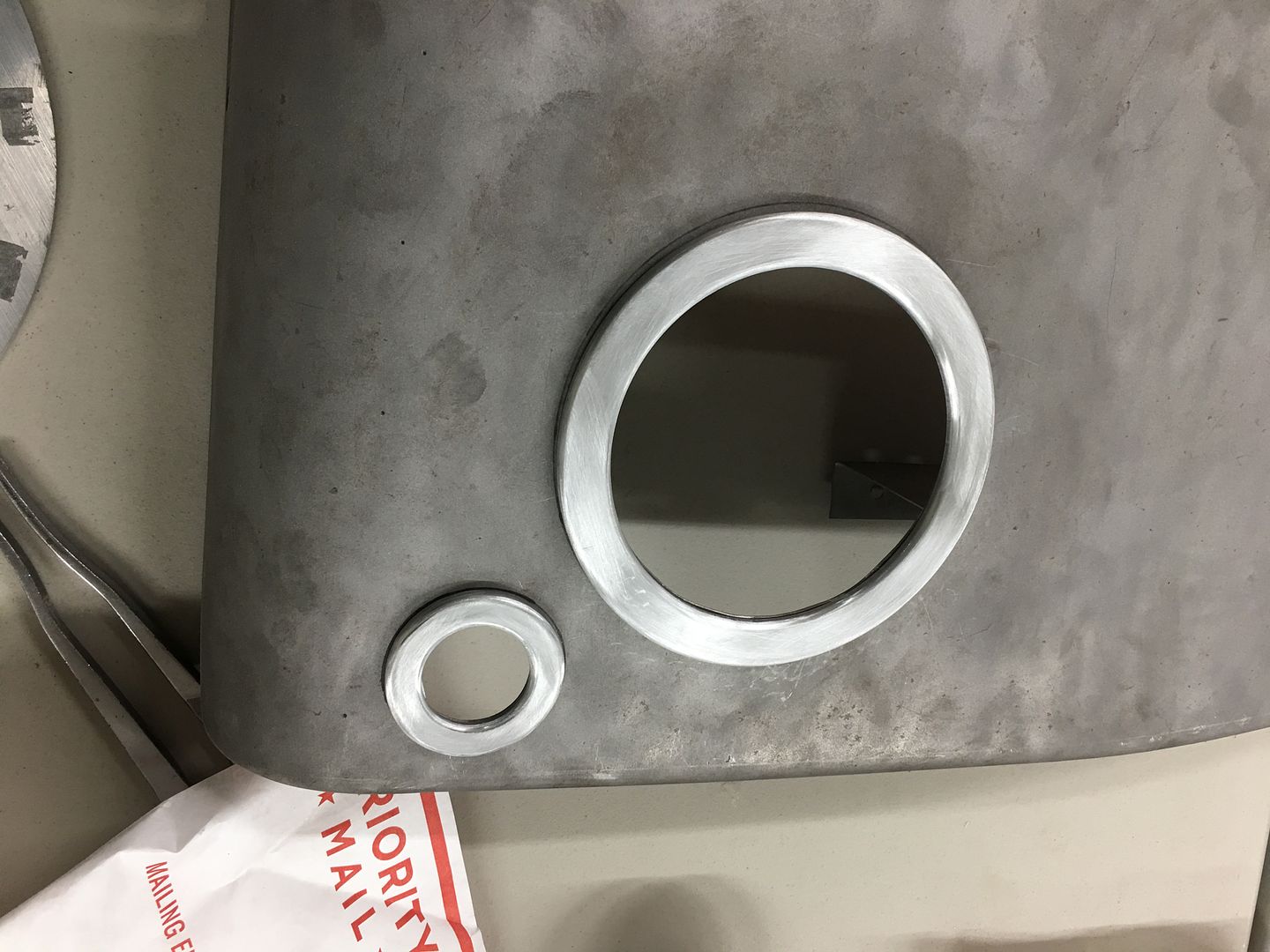
Finishing up the polishing of our seat belt escutcheons.. after using roloc scotchbrite pads to clean up the vixen file marks, we then used 320 dry, 1500 wet, and 3000 trizact damp. Then to the polishing..


IMG_3986.jpg


IMG_3987.jpg


IMG_3988.jpg


IMG_3989.jpg


Here's the comparison between the 3000 and after polishing..


IMG_3992.jpg


That should do for us..
 

22george

Well-known member
Joined
Jan 26, 2011
Messages
1,634
Location
SW Ohio
Re: MP&C Shop Projects

Thanks Dave!


Did some mockup of the fuel lines so we could get the required fittings identified..


Finishing up the polishing of our seat belt escutcheons.. after using roloc scotchbrite pads to clean up the vixen file marks, we then used 320 dry, 1500 wet, and 3000 trizact damp. Then to the polishing..

I've never polished like this before. Do you do it by hand or on a die grinder?
Thanks.
 
OP
M

MP&C

Well-known member
Joined
Oct 21, 2009
Messages
4,396
Location
Leonardtown, MD
Thanks for the comments guys!

I've never polished like this before. Do you do it by hand or on a die grinder?
Thanks.

The 320 through 3000 are 6” discs used on a DA. It’s been my experience in both polishing stainless and buffing paint finishes that the discs used on a DA are less apt to show errant scratches than had they been done using straight line sanding by hand.
 
Last edited:
To avoid these ads, REGISTER NOW!

mannydantyla

Well-known member
Joined
Jan 24, 2019
Messages
160
Location
LFK
Robert, thank you so much for sharing these techniques and pictures.

I just have one question:
where should somebody who knows next to nothing about metal working go to begin learning these skills? I just bought a small mig welder & small bead roller from Eastwood, a bench vice, angle grinder, and a hammer and dolly set.

Oh, and I bought a very rusty '67 VW Type 3. Patch panels are hard to find and expensive when you do, and I'll need so many that it's clear to me that I better just learn how to make them myself. I'll need to make rocker panels, head light "eyebrows" (for lack of better term, they're not like your client's '55 Chevy), inner fenders, and just general body patch panels for the fenders, doors, window sills, etc.

Thank you for everything
 
Last edited:

ScooterCO

Active member
Joined
Oct 31, 2013
Messages
26
Location
Parker CO
Robert, thank you so much for sharing these techniques and pictures.

I just have one question:
where should somebody who knows next to nothing about metal working go to begin learning these skills? I just bought a small mig welder & small bead roller from Eastwood, a bench vice, angle grinder, and a hammer and dolly set.

Oh, and I bought a very rusty '67 VW Type 3. Patch panels are hard to find and expensive when you do, and I'll need so many that it's clear to me that I better just learn how to make them myself. I'll need to make rocker panels, head light "eyebrows" (for lack of better term, they're not like your client's '55 Chevy), inner fenders, and just general body patch panels for the fenders, doors, window sills, etc.

Thank you for everything
I might suggest that you check out allmetalshaping.com not that you can't learn a great deal right here.
 
OP
M

MP&C

Well-known member
Joined
Oct 21, 2009
Messages
4,396
Location
Leonardtown, MD
Thanks for all the comments guys! Manny, where are you located? There are classes held all over the states in various forms and focuses. For someone green I like to suggest the DVD by David Gardiner. He is a coachbuilder in UK that has an instructional video that breaks down many of the processes to simple hand tools that most anyone can do metal/rust repairs in their own home with simple hand tools.. His DVD's can be found on www.metalshapingzone.com I would then suggest to follow that up with a metalshaping class, and based on where you are located, there are a number of good classes out there.
 

8man

Well-known member
Joined
Oct 16, 2013
Messages
630
Location
Bryan, Texas
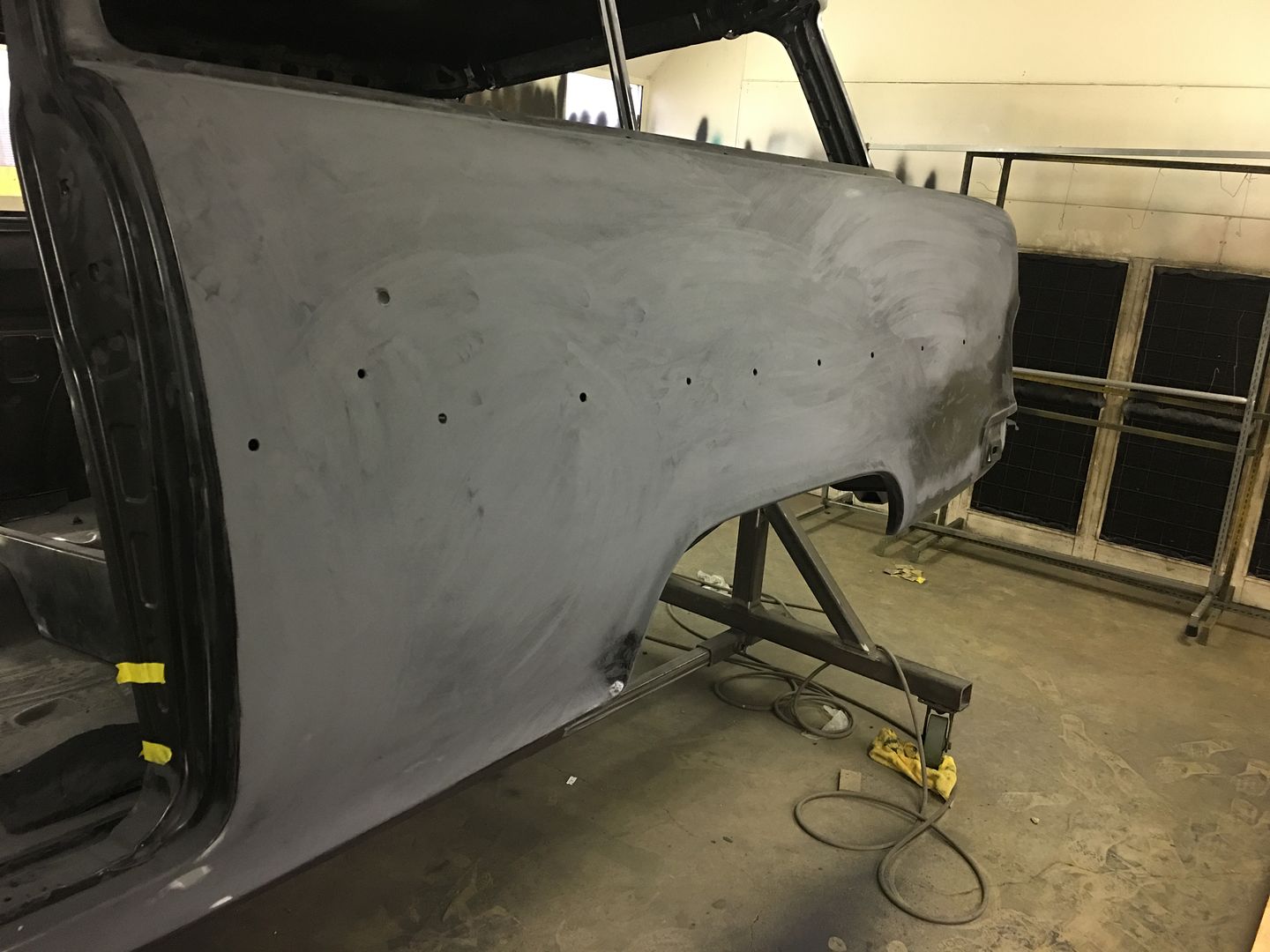
I have welded and ground down the welds on a door skin. I sprayed it with pre to check for holes. I found 7 pinholes that way. I know to weld and grind again, but I have a question.

What happens if you leave them. Do they show up in the final paint? Or is there something else?
 

8man

Well-known member
Joined
Oct 16, 2013
Messages
630
Location
Bryan, Texas
In reference to the DVD by David Gardiner, I got it and I've watched it at least 3 times. It has helped. Thanks for that tip too Robert.
 
OP
M

MP&C

Well-known member
Joined
Oct 21, 2009
Messages
4,396
Location
Leonardtown, MD
What happens if you leave them. Do they show up in the final paint? Or is there something else?
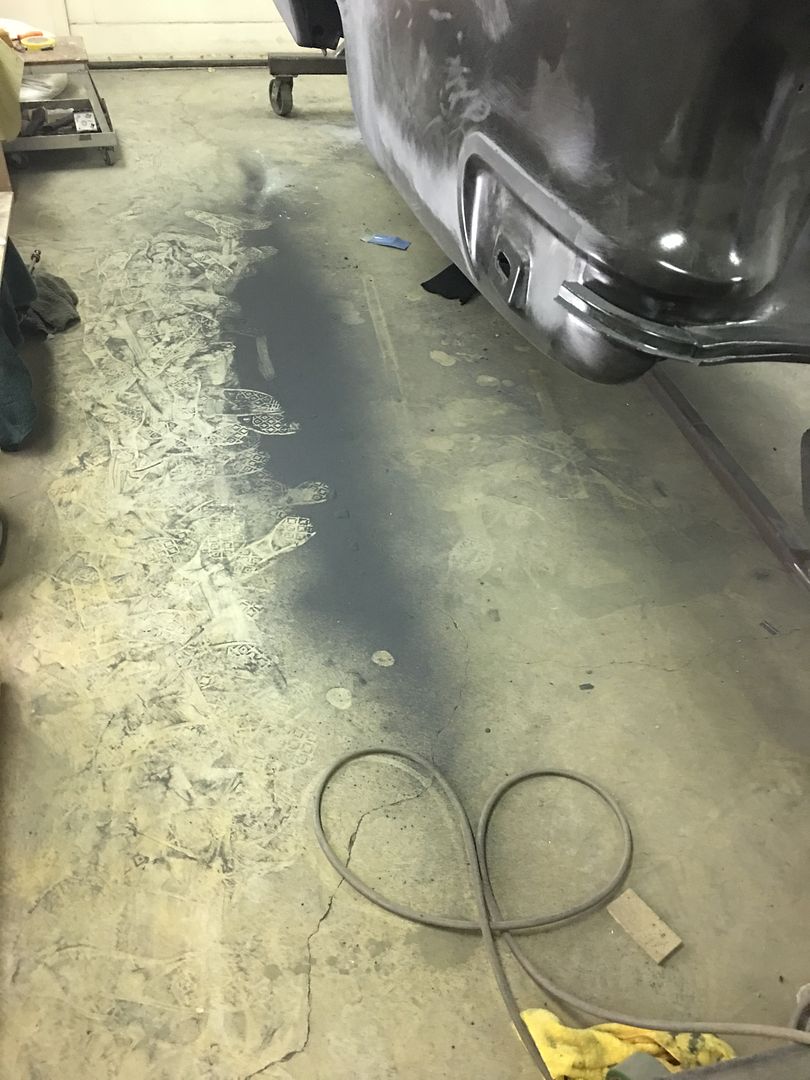
Sometimes the primer will not fill the pin hole, similar to a capillary action it draws to the steel, so it draws away from the hole/void. If a glaze is used to fill the pin holes they honestly should be sealed from both sides, to include epoxy primer for a good seal. If moisture were to get in there from the back side, it would make the repair a shorter lived one. To me it is just as easy to do the welding to seal them up while the panel is bare.
 
OP
M

MP&C

Well-known member
Joined
Oct 21, 2009
Messages
4,396
Location
Leonardtown, MD
Some progress, doesn't look like much until you look at the floor...


IMG_3998.jpg


IMG_3997.jpg


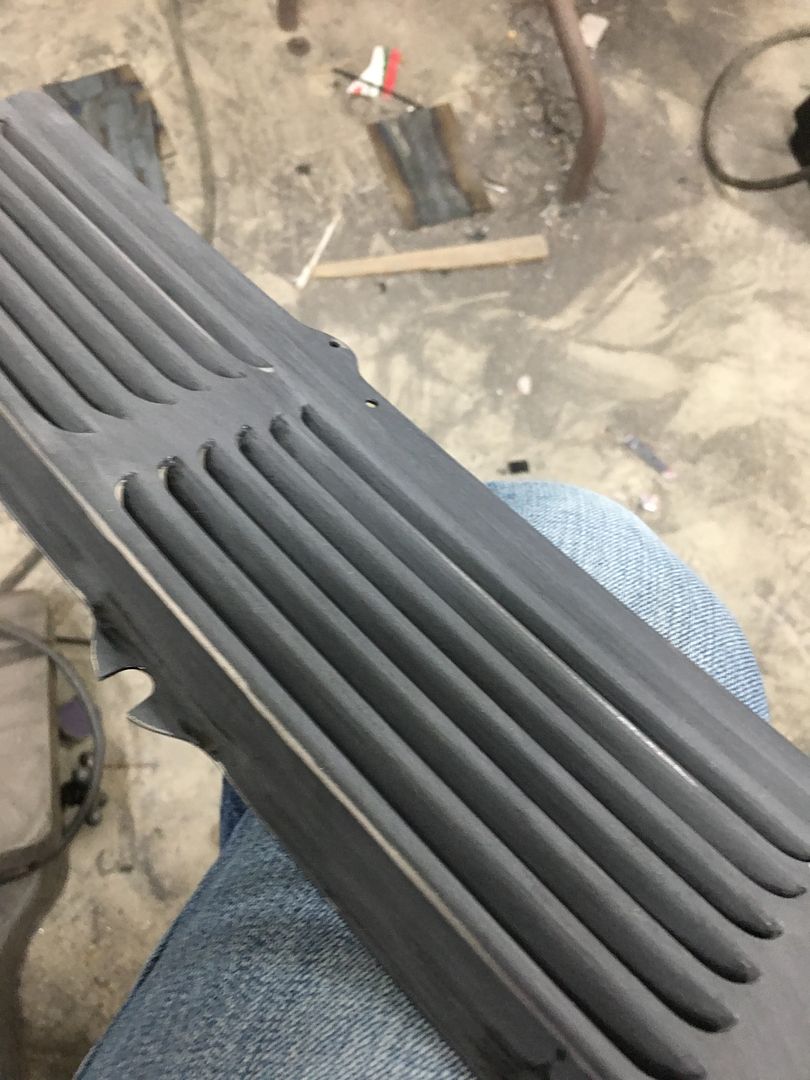
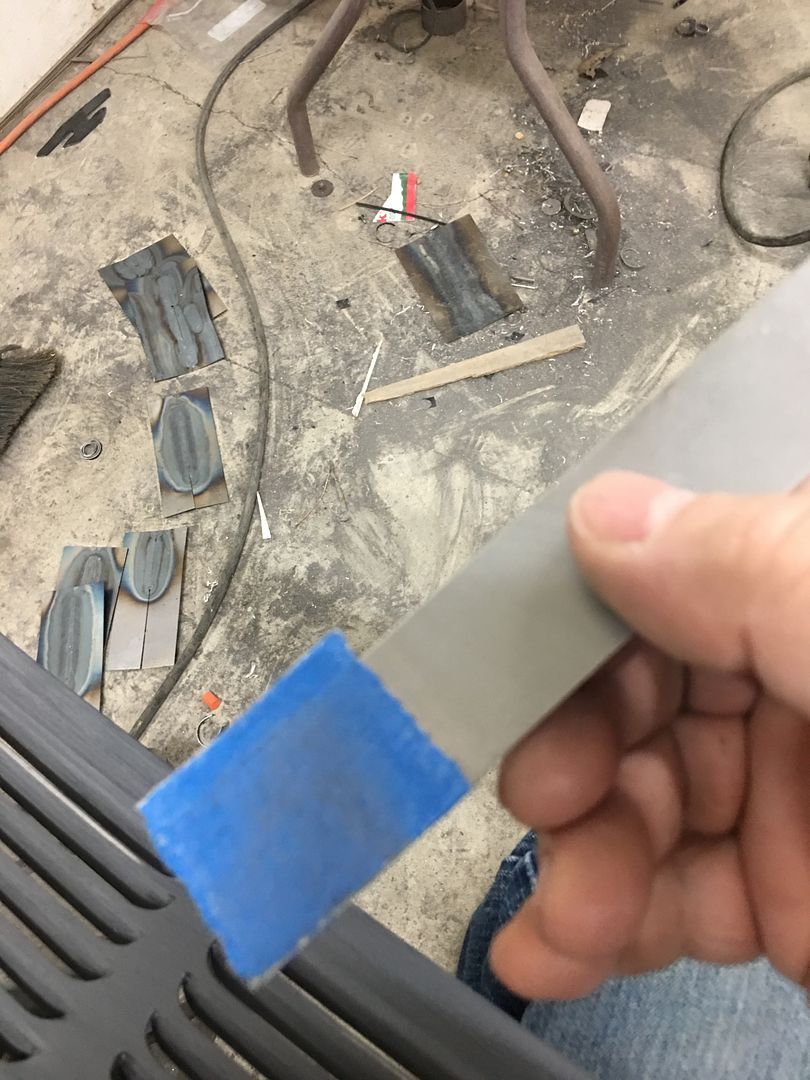
Sometimes these louvers can be a challenge to sand.


IMG_4015.jpg


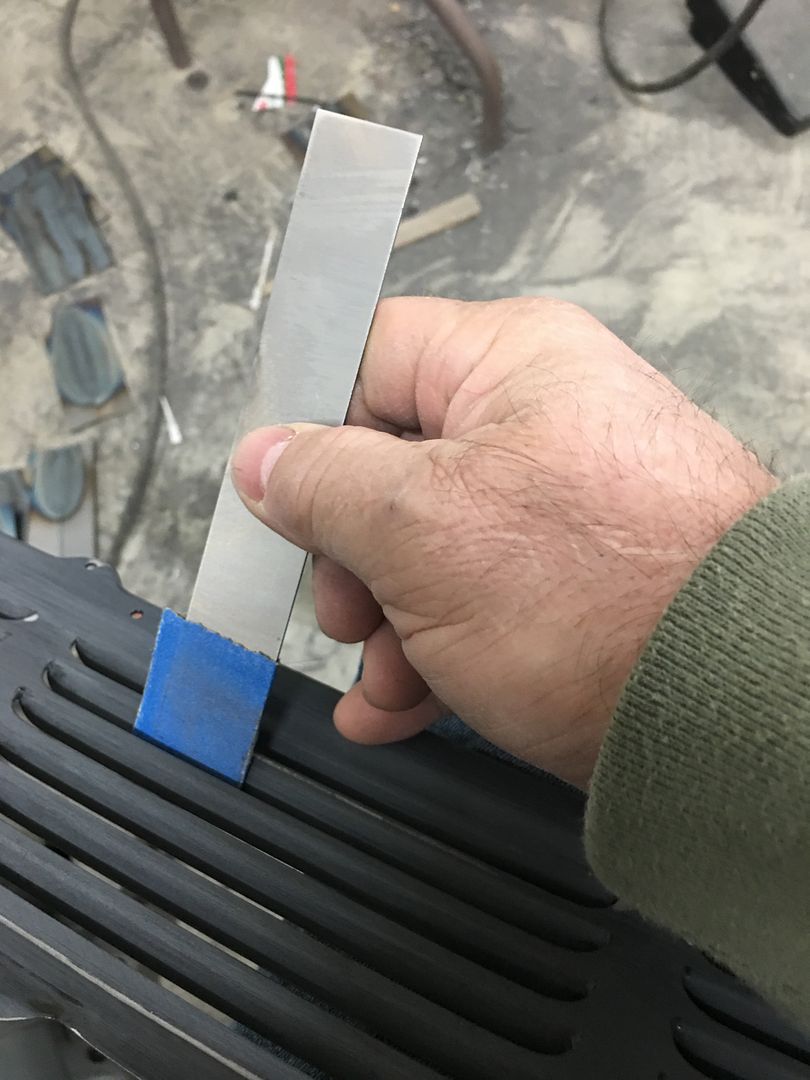
In the spirit of "everything's a tool", a strip of 18 ga steel and a wrap of PSA paper does a good job of getting in the tight spaces.


IMG_4016.jpg


IMG_4017.jpg


Another shot of the scrap pile before I clean it up, this is what went into fabricating the escutcheons..


IMG_4019.jpg


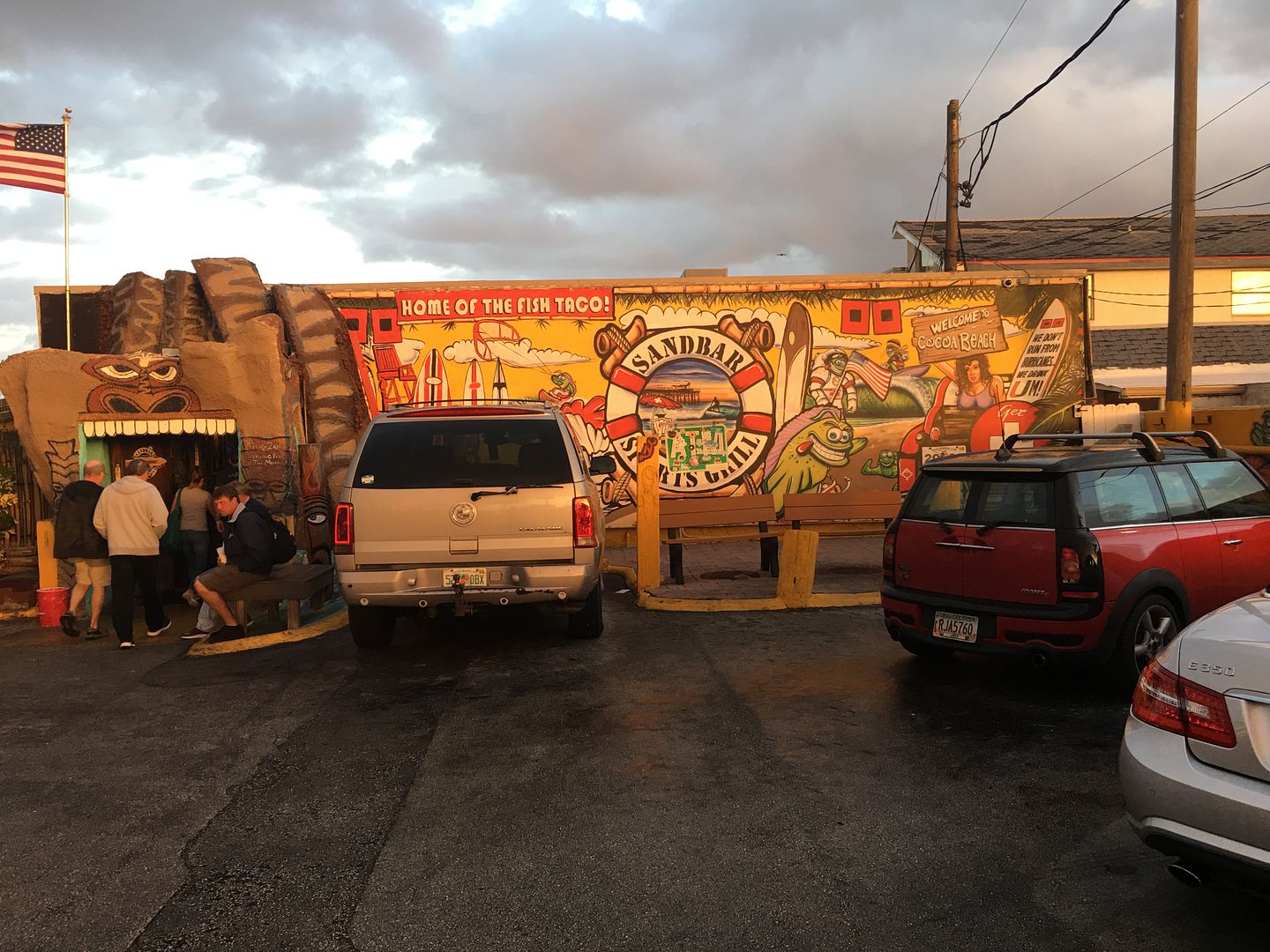
And now for the reason we didn't post earlier this week, had to make a speed run for Taco Tuesday.. even saw a full rainbow in the process.


IMG_4005.jpg


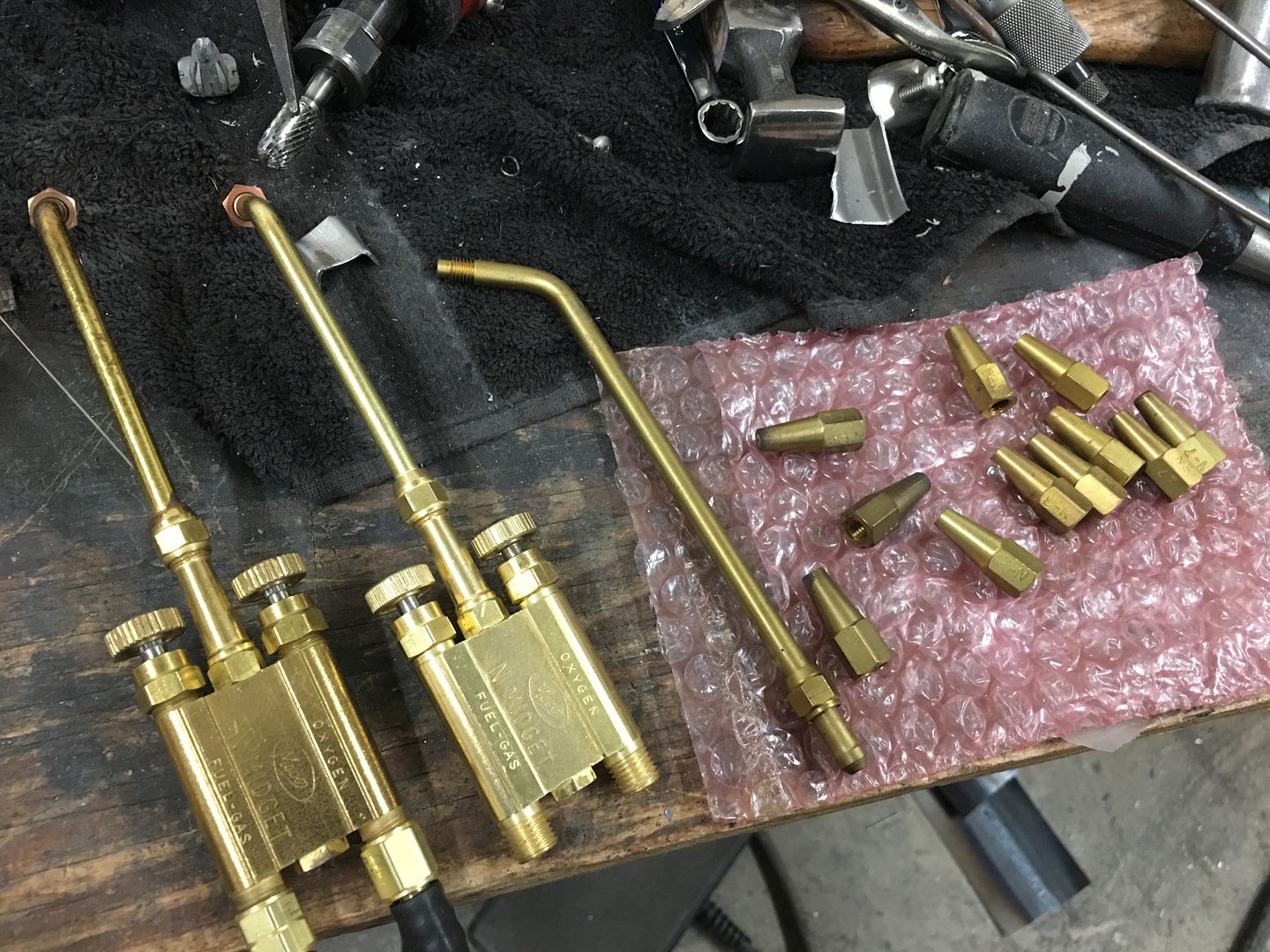
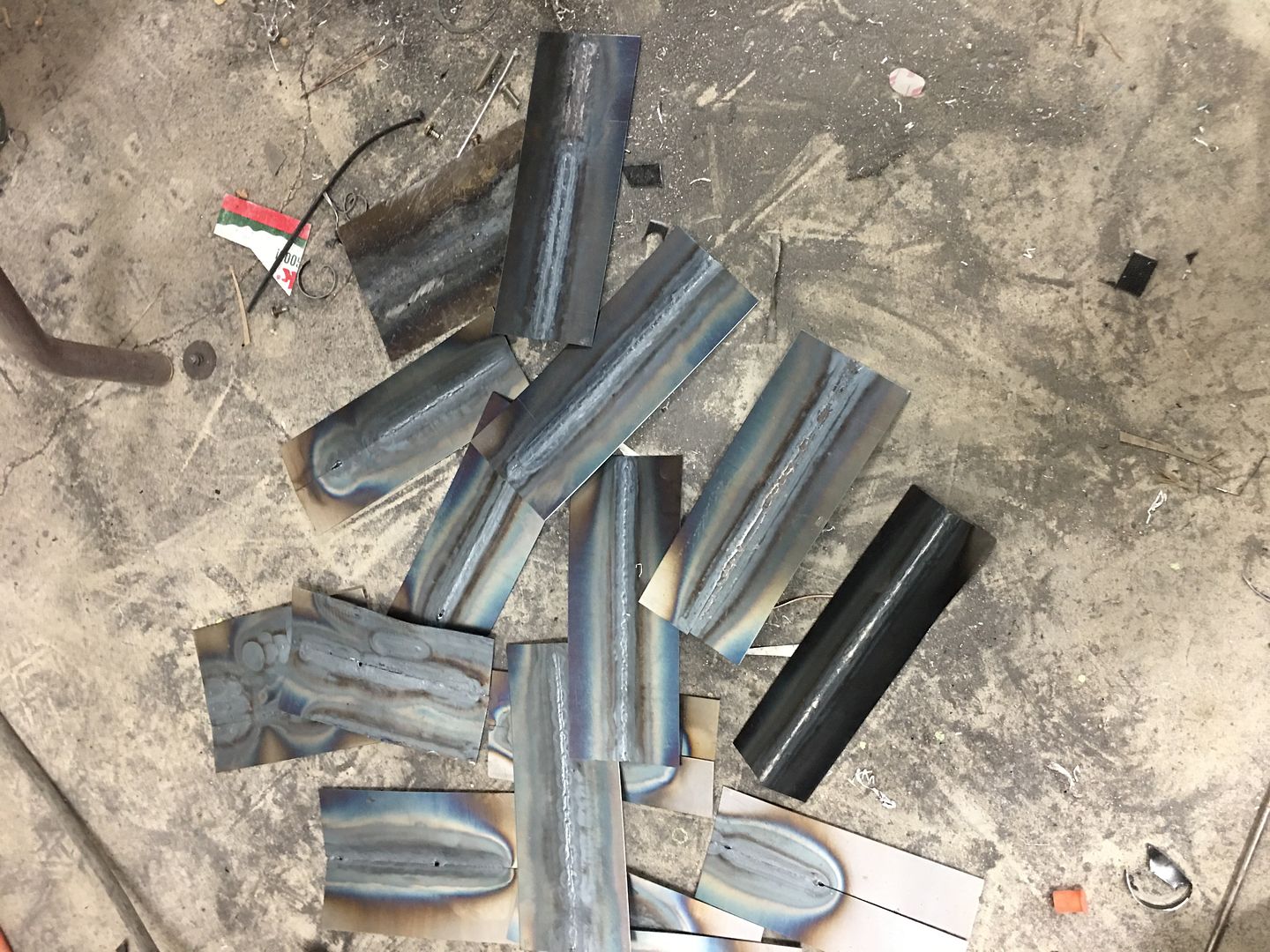
Back in the shop this weekend, but we had a distraction in another Meco torch that showed up for sale not three miles away. So needless to say about the only thing accomplished was more welding practice!!


IMG_4026.jpg


IMG_4028.jpg


After planishing...


.
 

EdT

Well-known member
Joined
Sep 21, 2010
Messages
1,104
Location
North Georgia
I recently got my second MECO as well. Came with a gas saver rig which it going to be really nice for repetitive jobs since you can just "hang-up" the torch and it goes out w/o losing your mix settings. Relights from the standing pilot on the valve.
 
OP
M

MP&C

Well-known member
Joined
Oct 21, 2009
Messages
4,396
Location
Leonardtown, MD
Thanks for the comments guys... Ronnie, I follow WM on both youtube and IG. He doesn't offer much in filming instruction though...


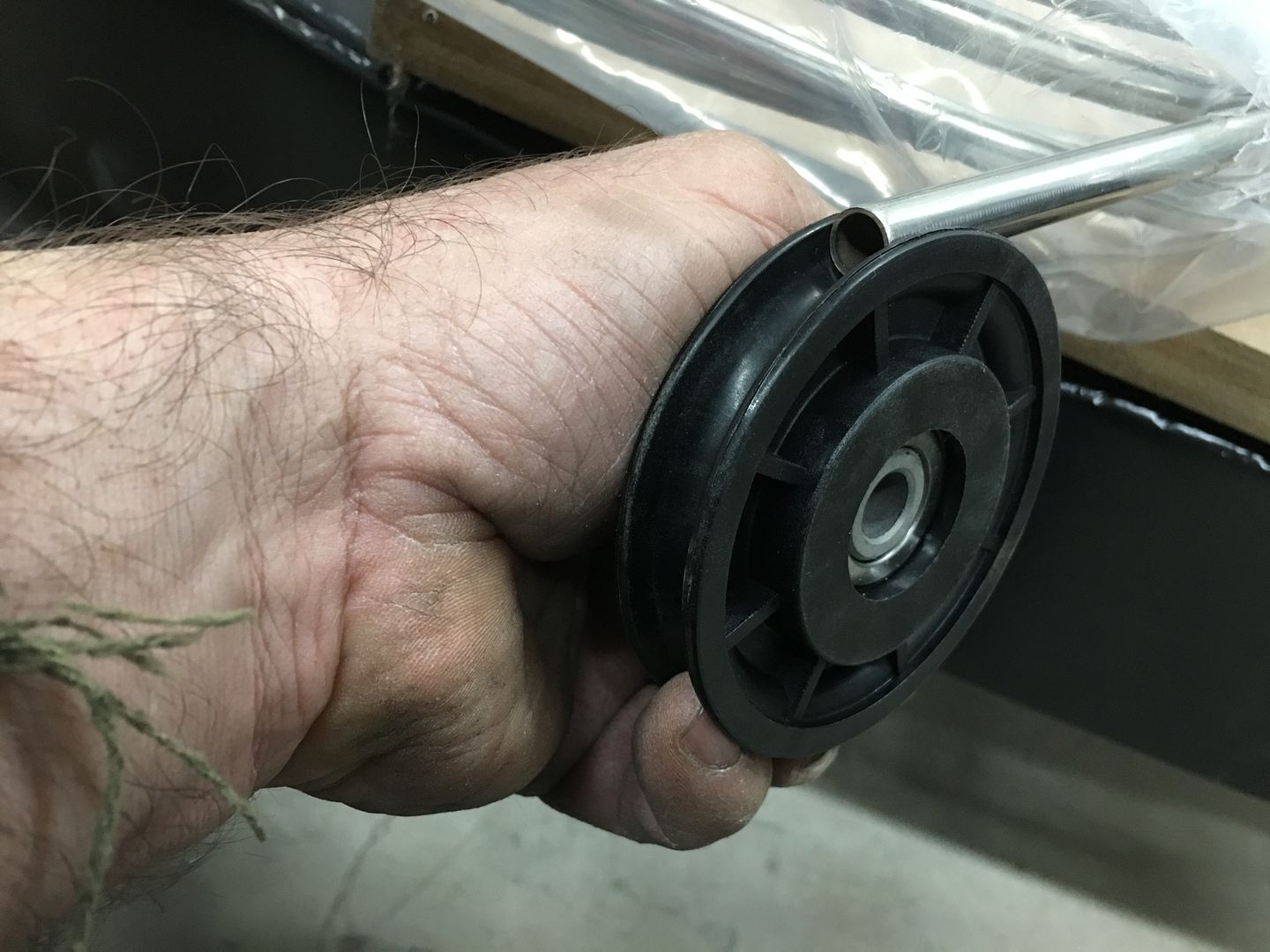
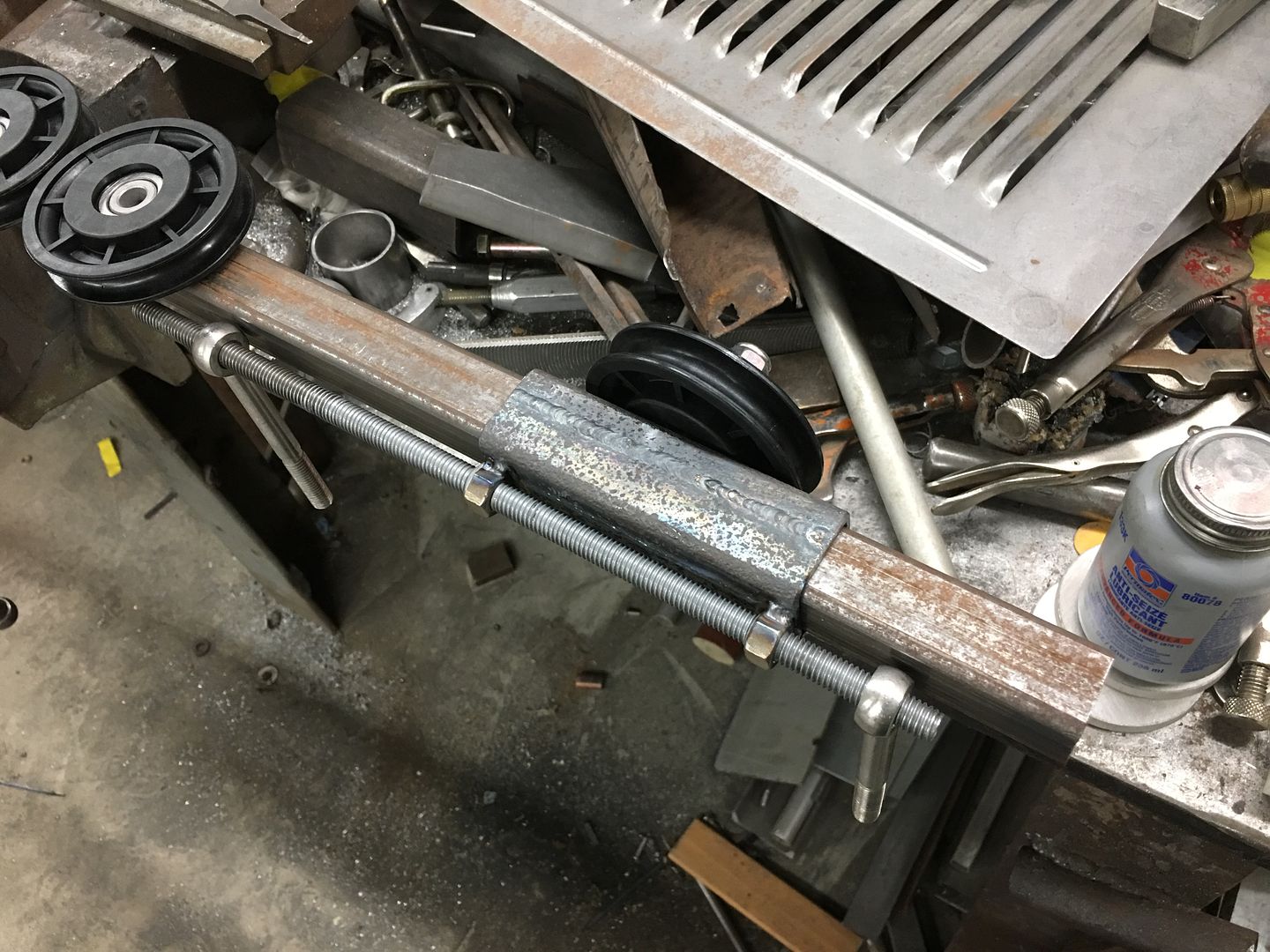
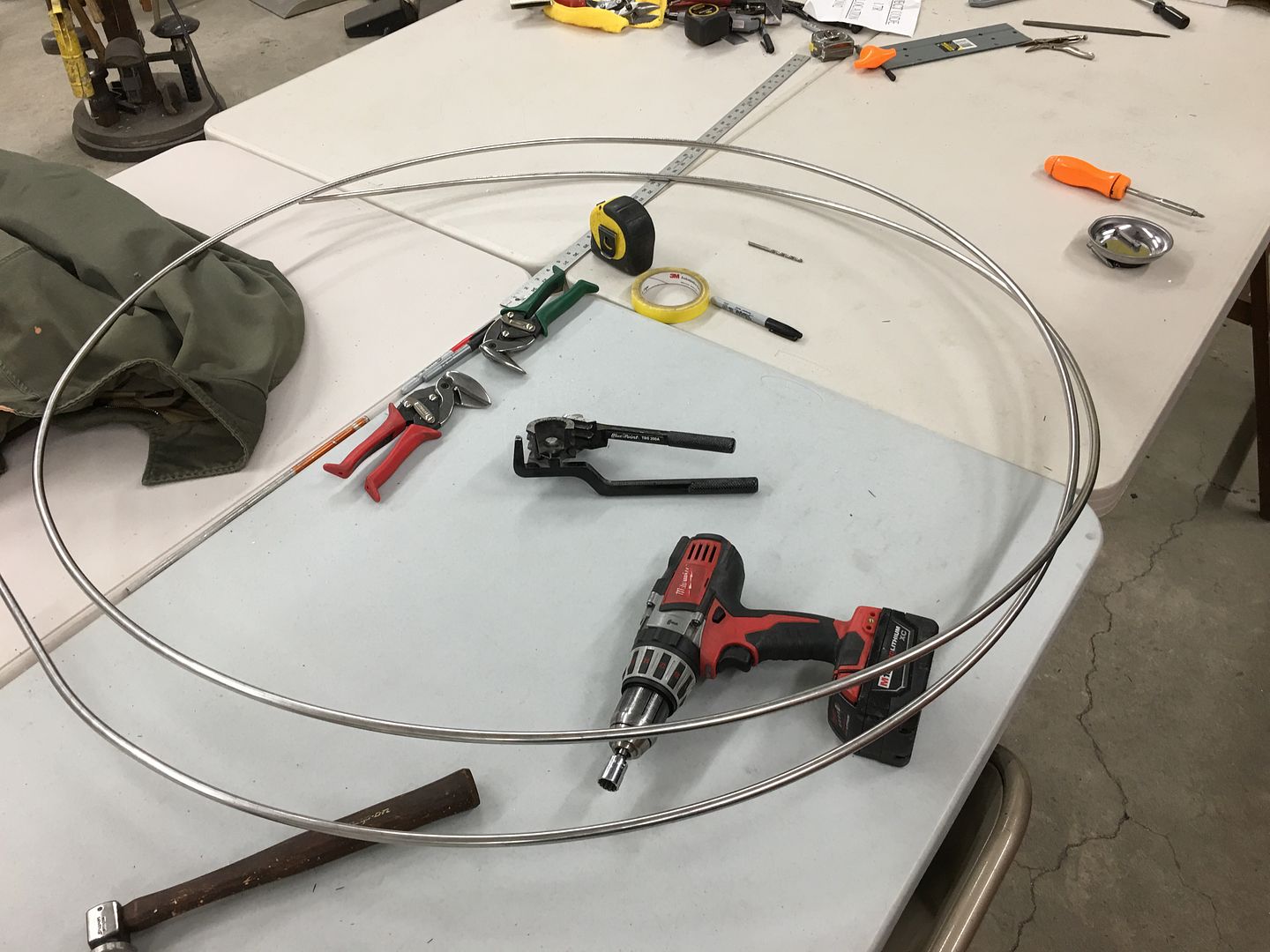
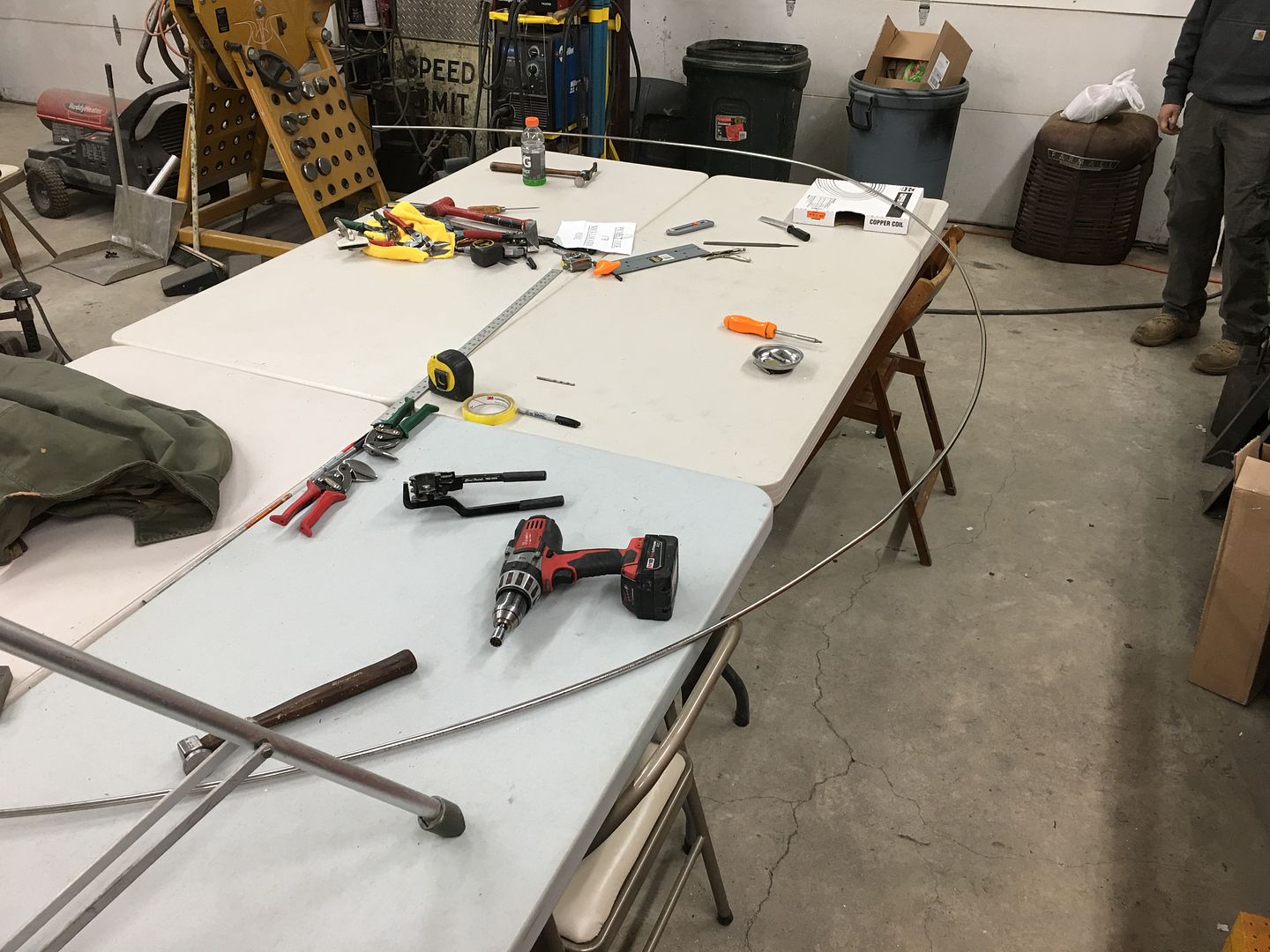
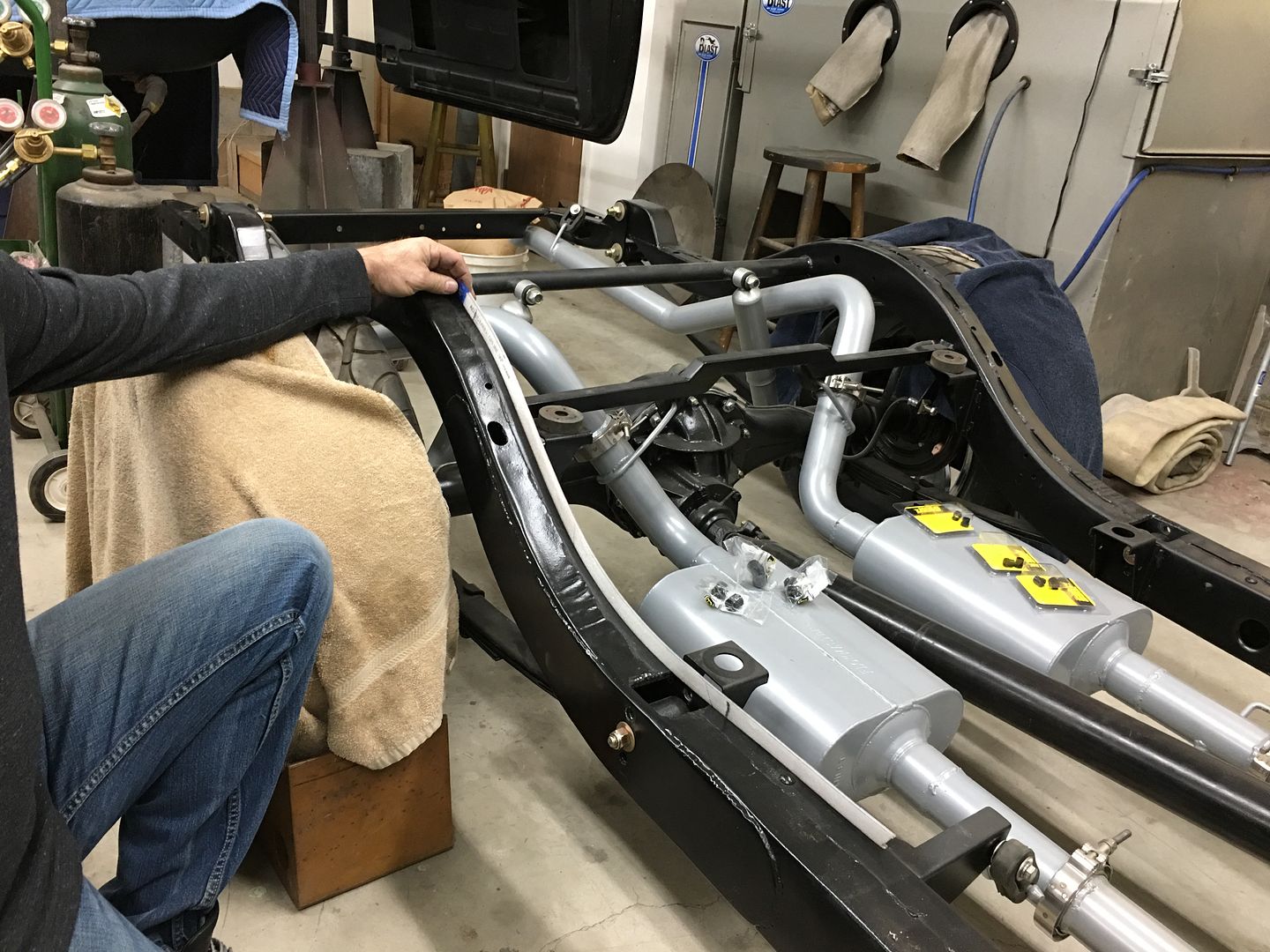
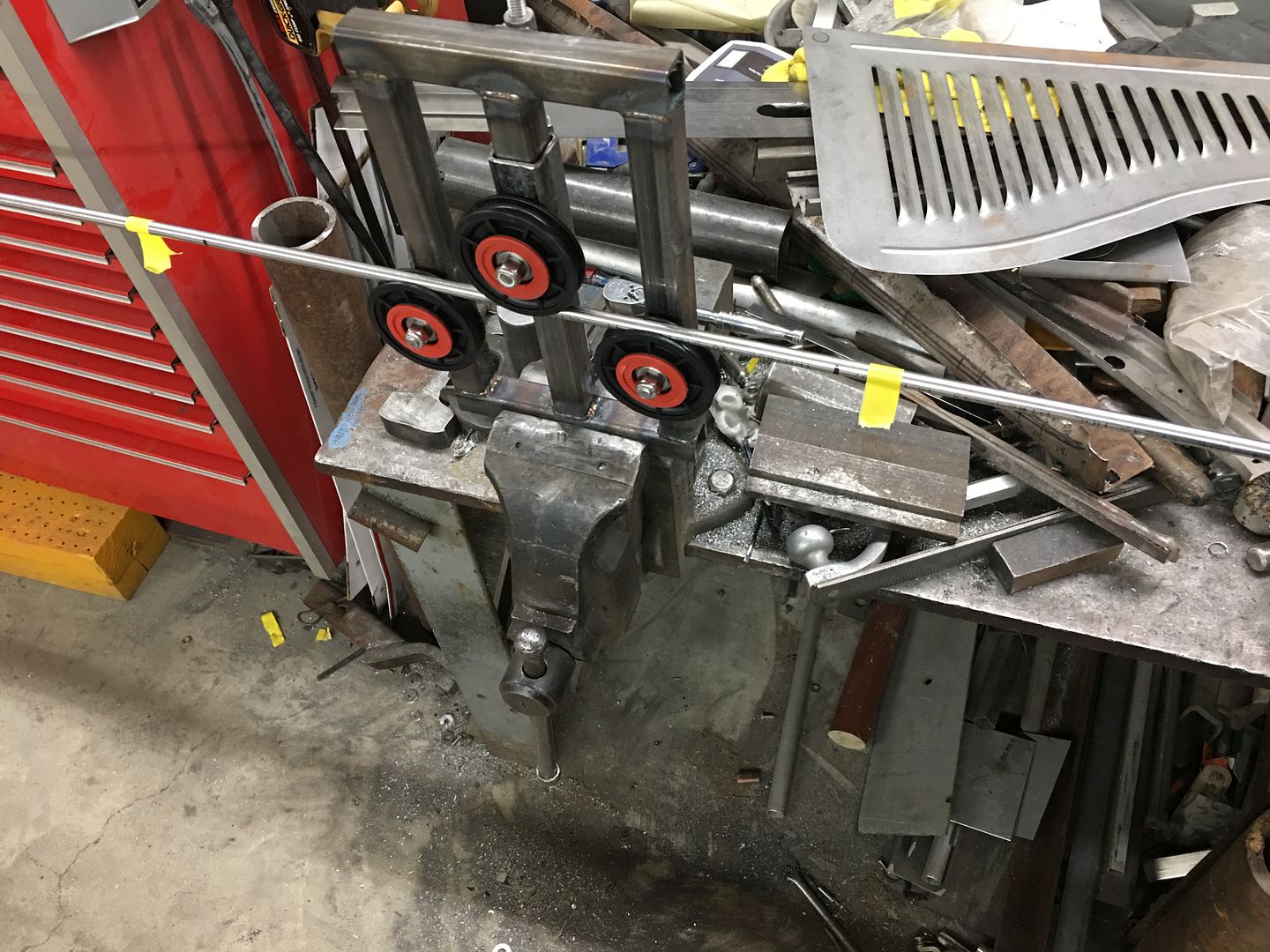
More progress on the wagon, we had ordered some 3/8 Stainless fuel line, which comes in a coil... so we needed to be able to straighten it out as I can see me "unbending" and getting it right.. So I placed an order with McMaster Carr for some pulleys designed for 3/8 rope and using 3/8 bolt hole in the bearing. Part number 59475K51.


IMG_4041.jpg


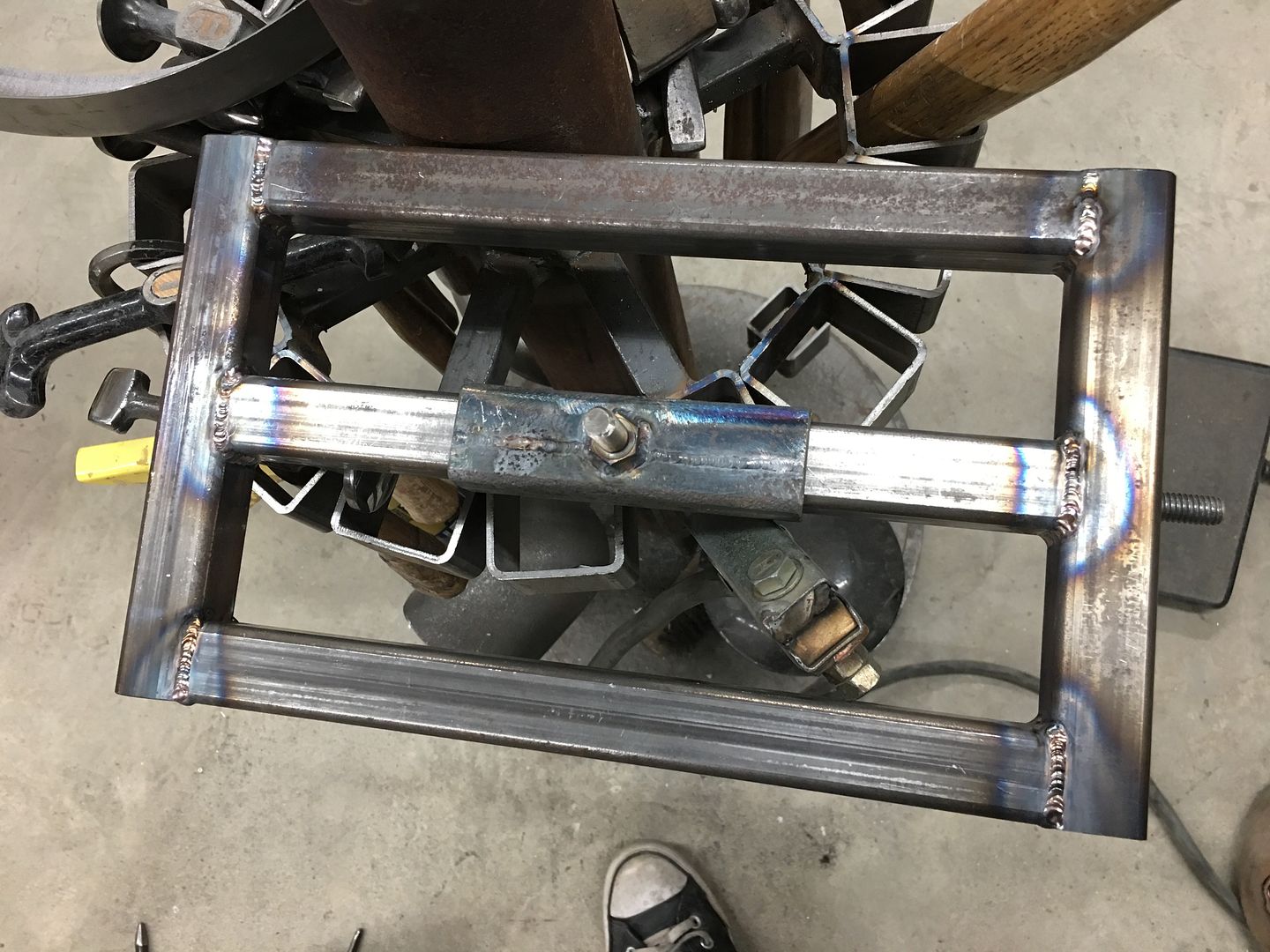
A drive mechanism was made using 3/8-16 stainless all-thread, and the slider was cut and re-welded to better fit the 1" square tubing.


IMG_4040.jpg


IMG_4045.jpg


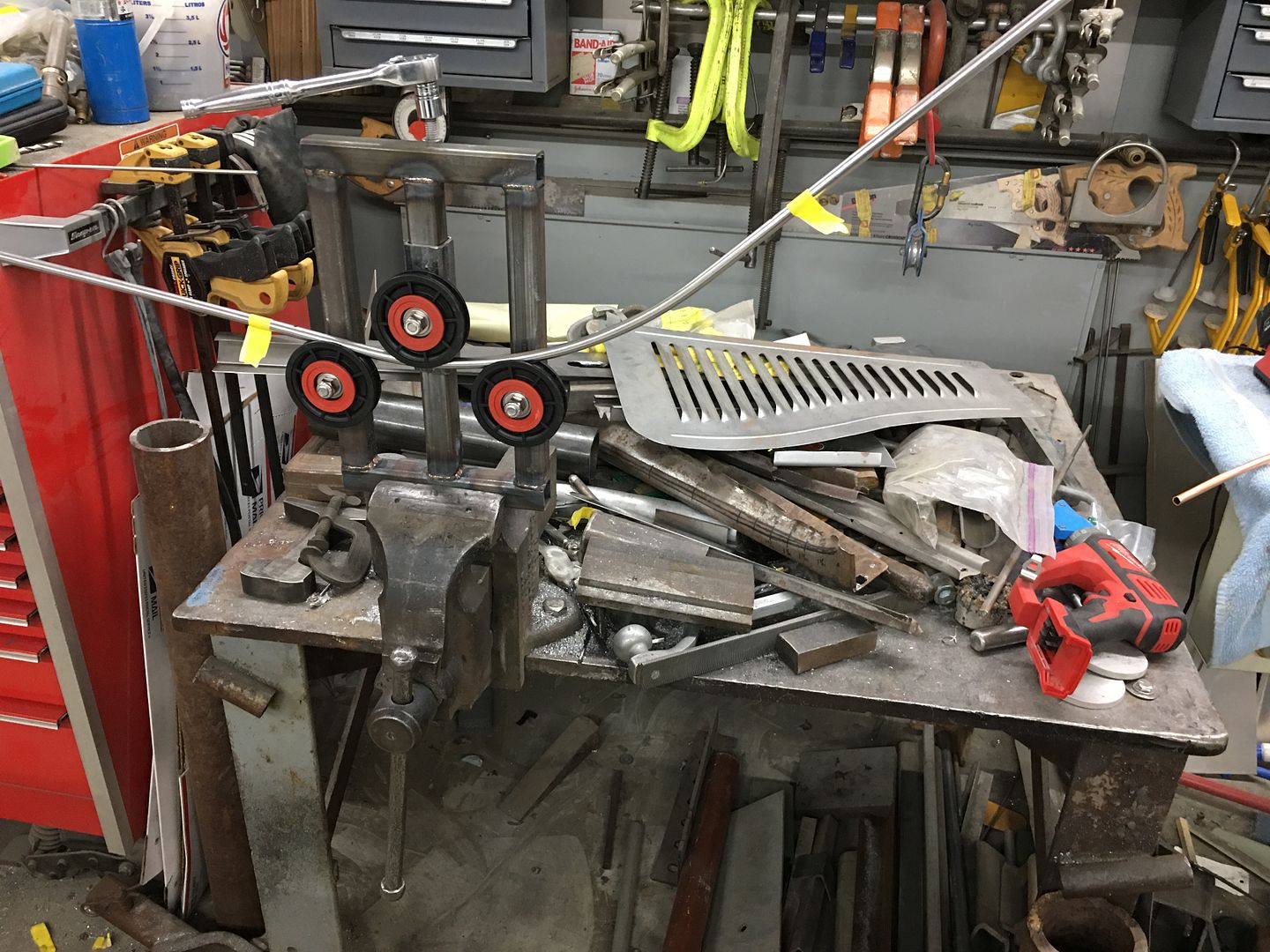
A better view all around of the design, we used three pulleys so this could also serve as a bender as well as straightener..


Then Mike and I did a test run using copper tubing...


Now onto the stainless....


IMG_4057.jpg


IMG_4060.jpg


IMG_4061.jpg


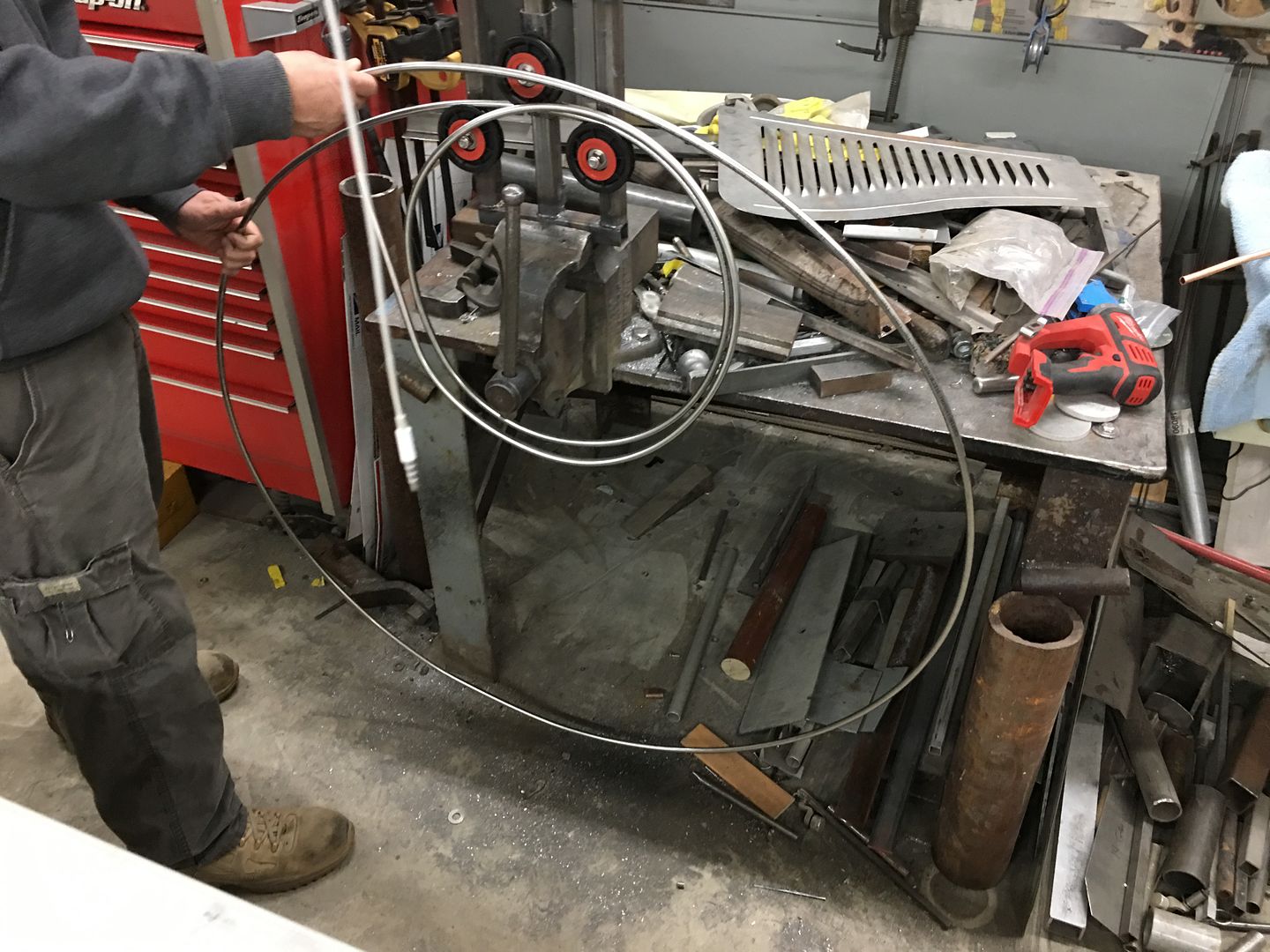
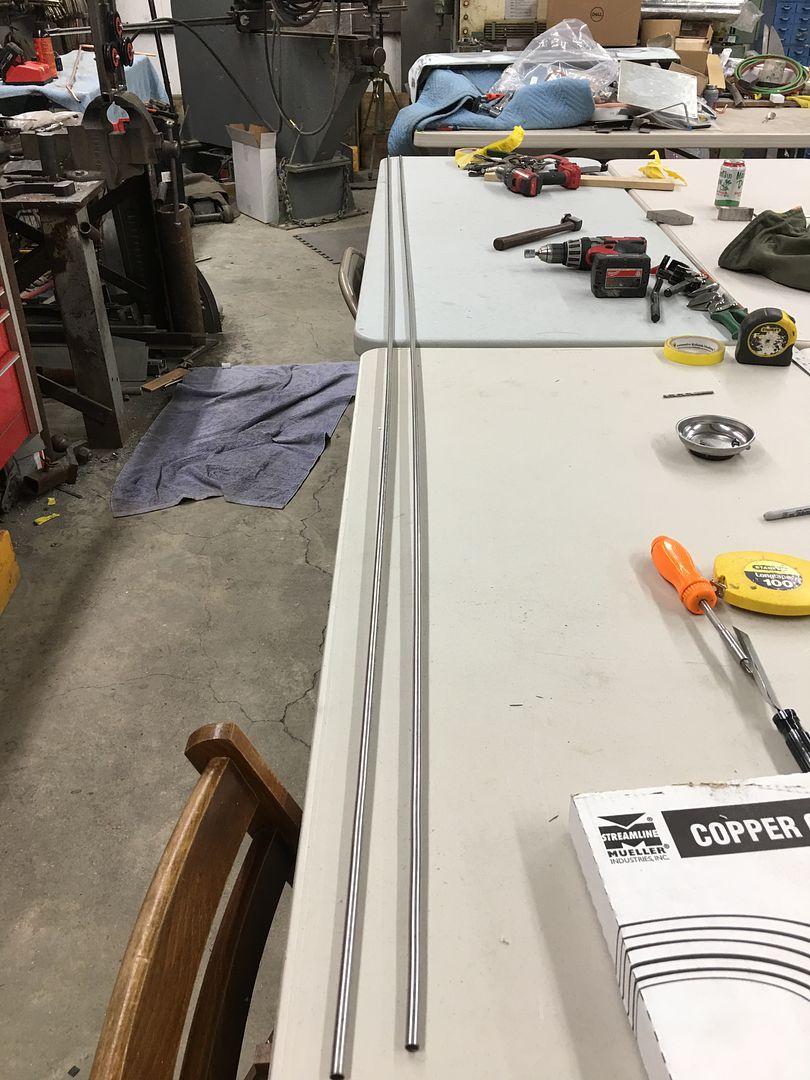
At this point we measured and cut the 20' piece in two so it would be more more manageable.


Straightened....


IMG_4064.jpg


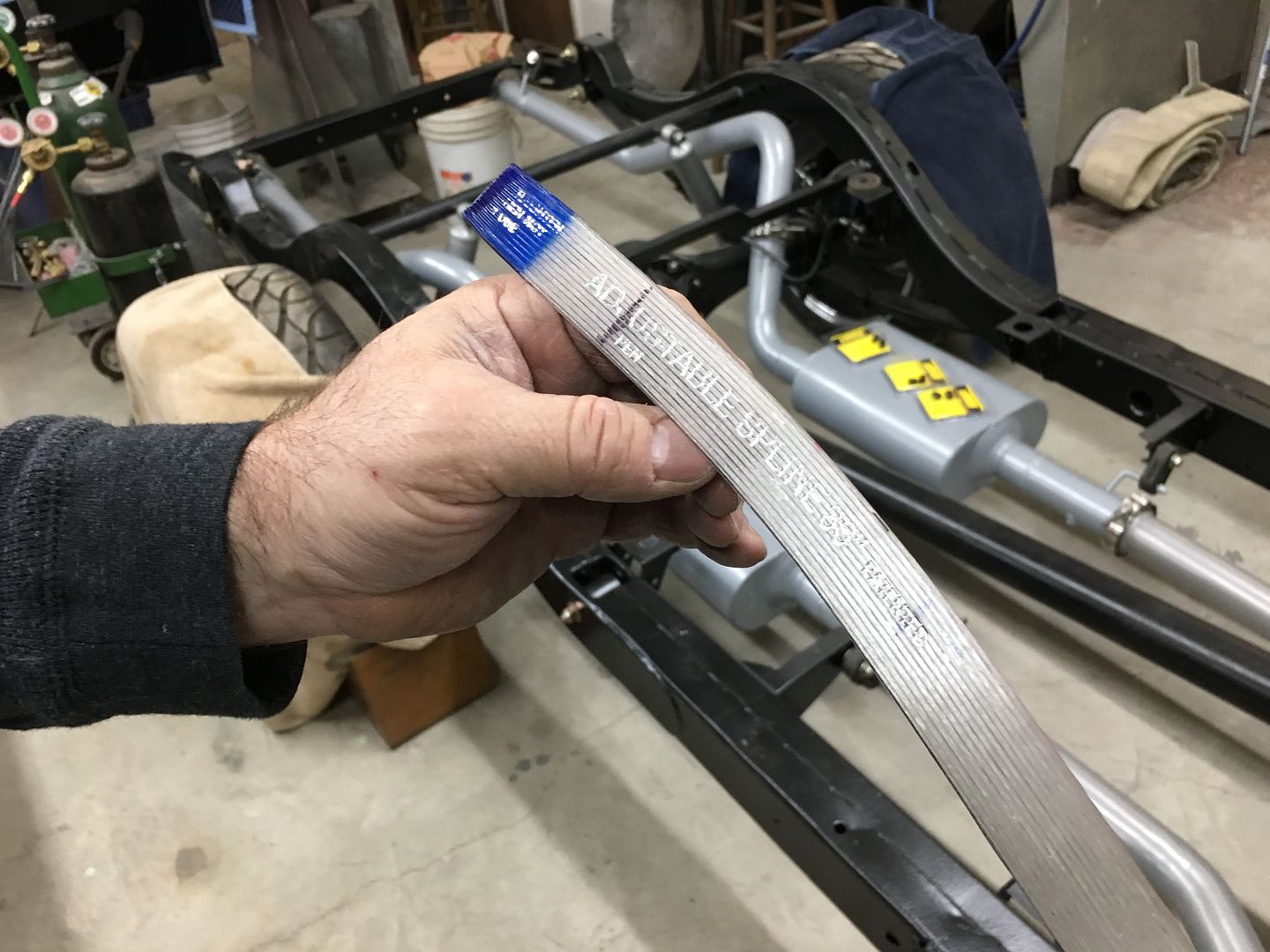
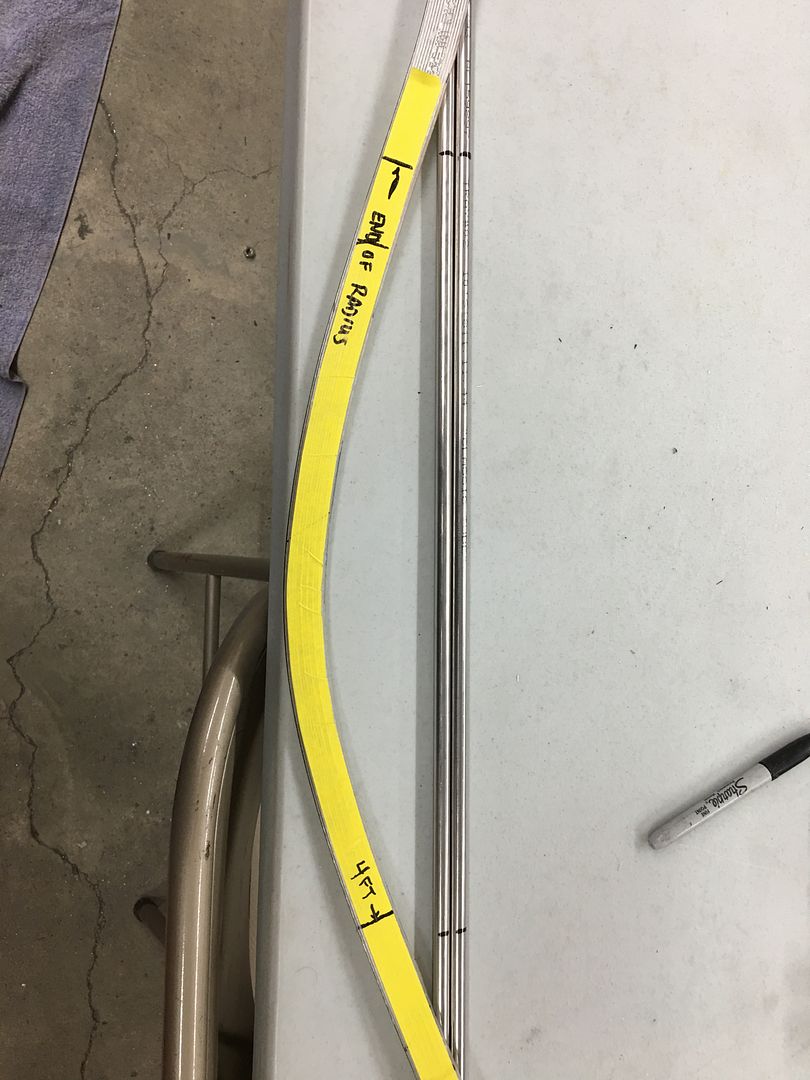
Now we used the adjustable spline to get the curve of the frame for the proper bend on the stainless...


IMG_4066.jpg


IMG_4065.jpg


A strip of tape applied helps to lock the shape from moving, and the tubing is marked for the radius distance..


IMG_4067.jpg


The tube is placed back in the new machine to add the radius to match our profile...


IMG_4068.jpg


IMG_4069.jpg


IMG_4072.jpg


Adding some of the needed bends...


IMG_4081.jpg


For some of the interior details, we took delivery of the speaker trim rings from my cousin JB, he did a nice job cutting these out for us... They still need holes drilled, stainless mesh cut to fit, and polishing...


IMG_4075.jpg


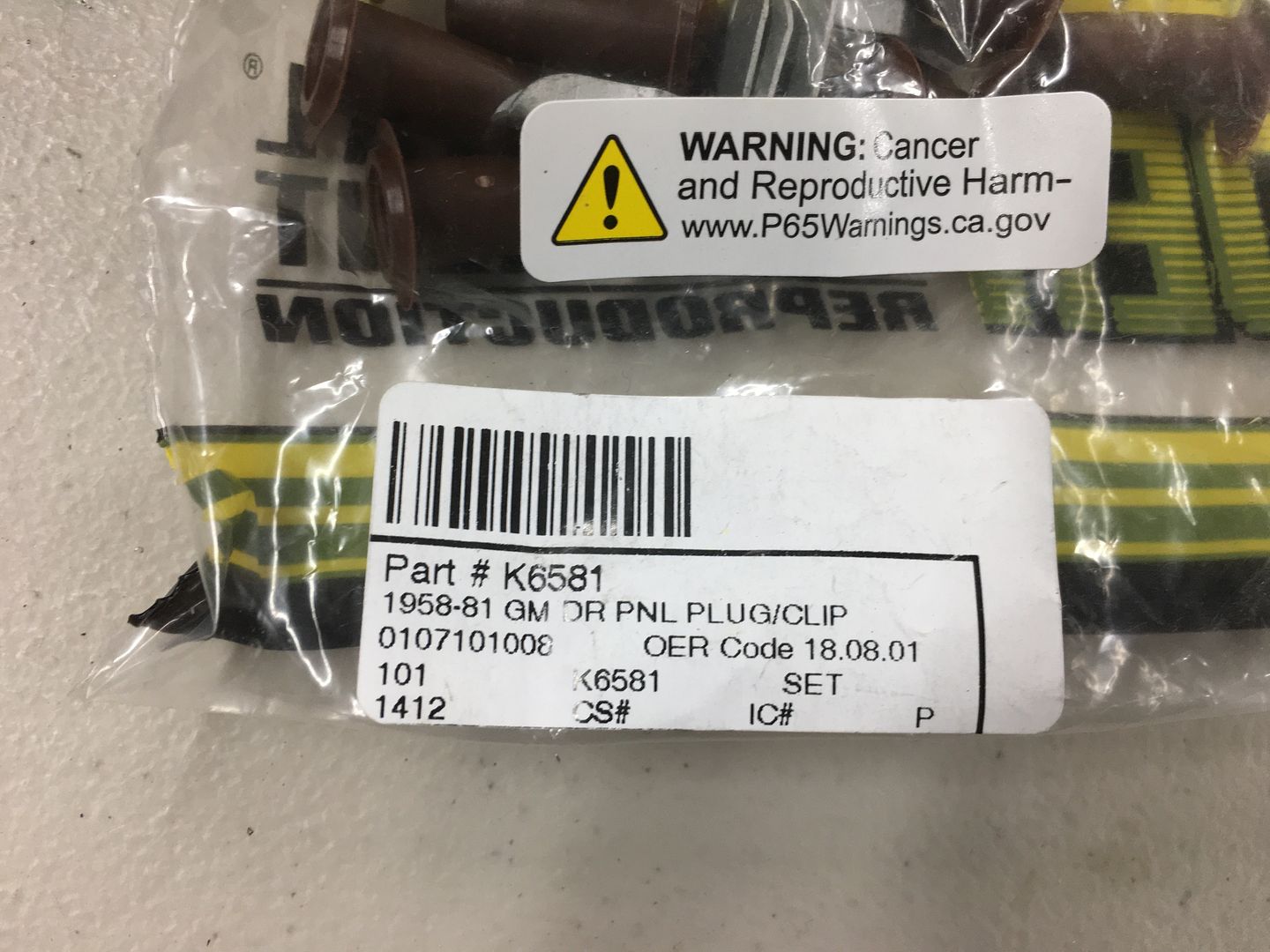
....and our Mopar door clips we were going to use for the rear arm rests turned out to be a bit brittle, most snapped off rather than pull back through the hole. So we ordered the similar GM version, keeping our fingers crossed...


IMG_4078.jpg


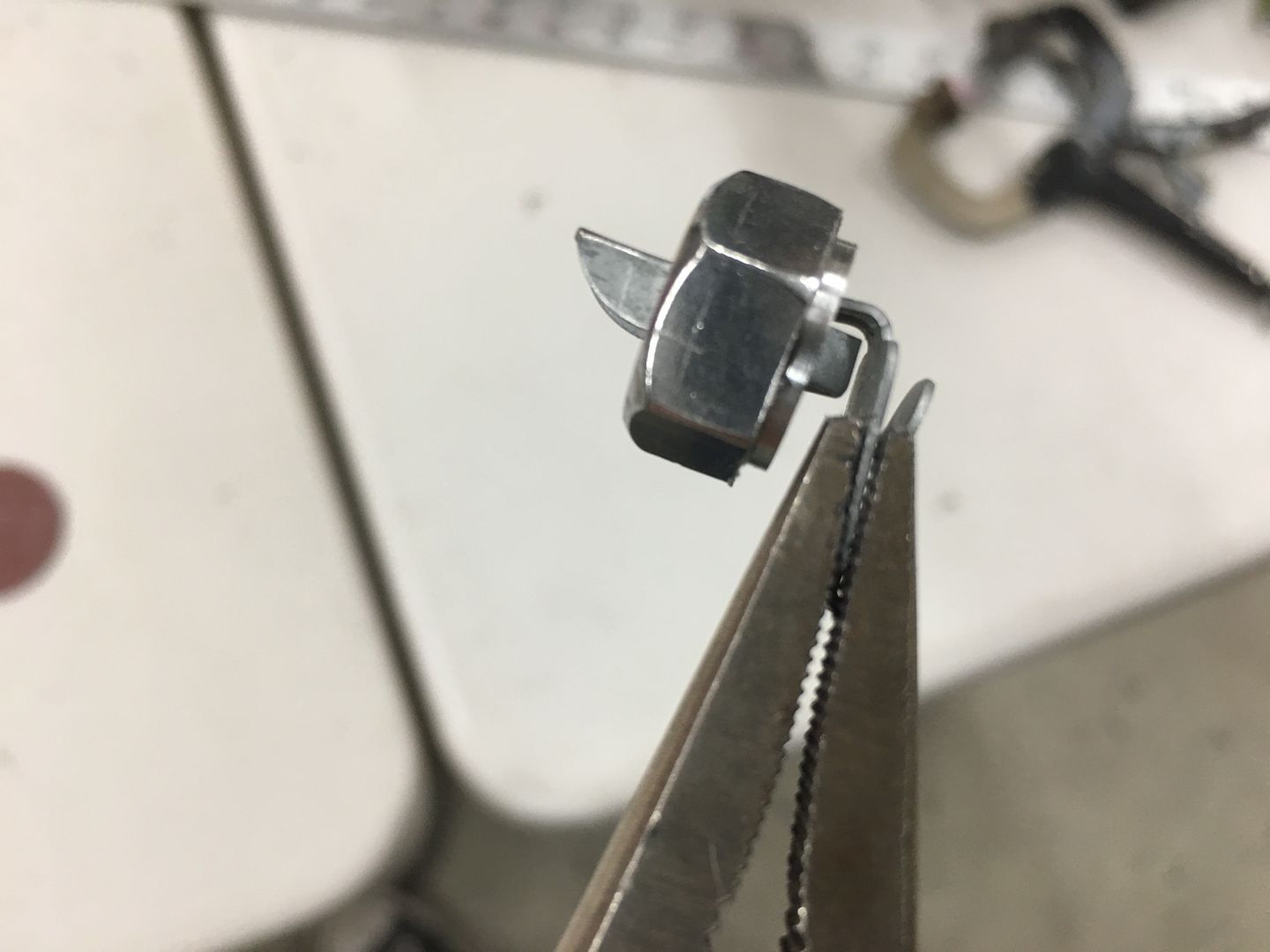
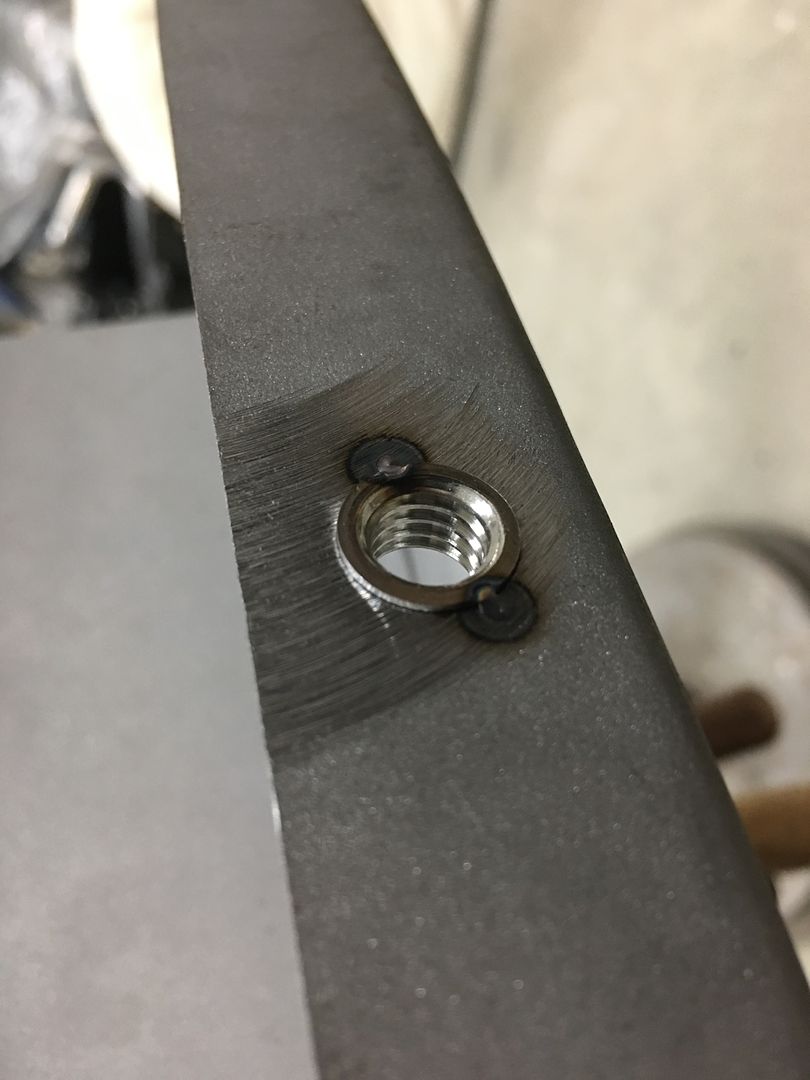
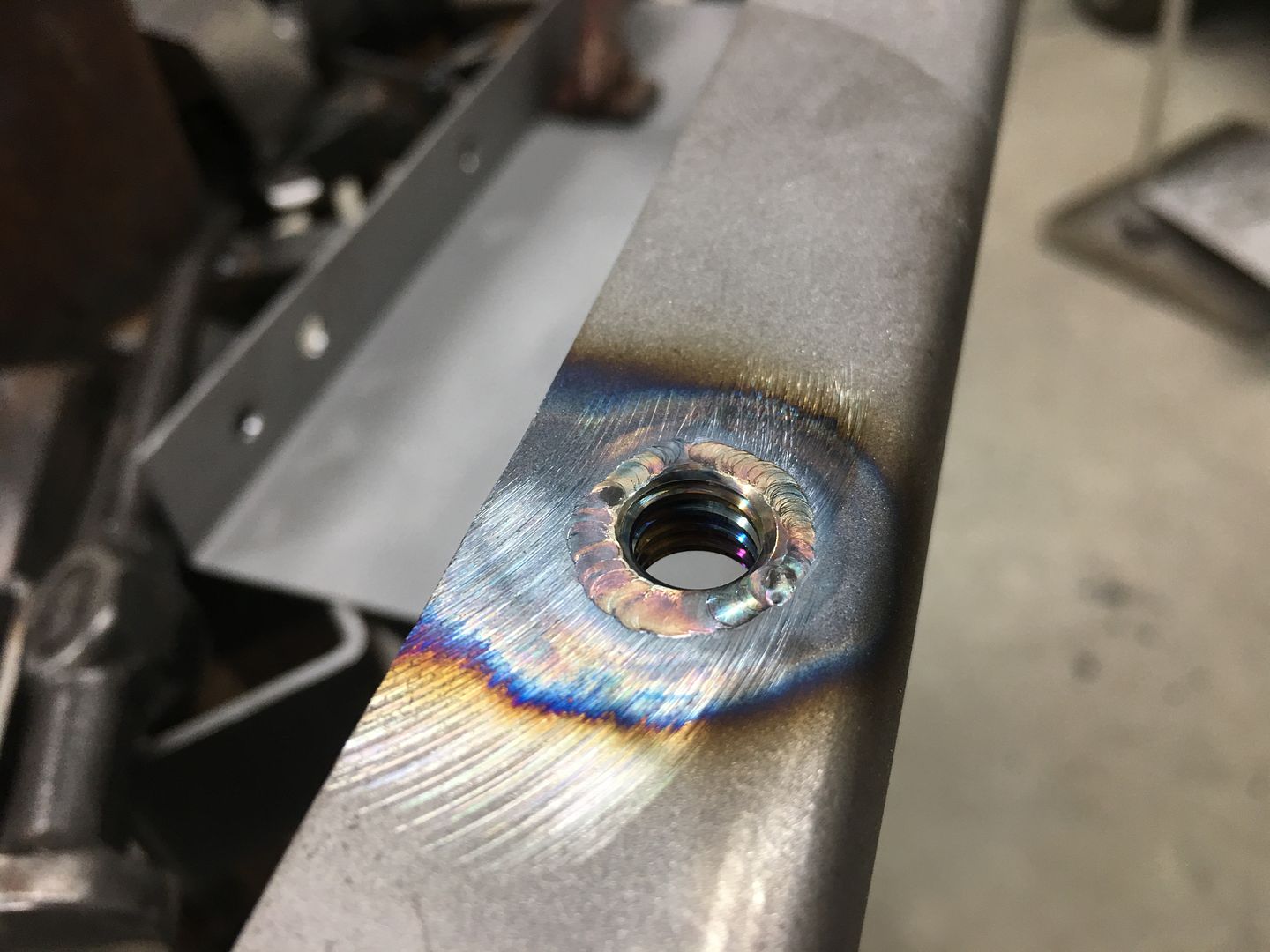
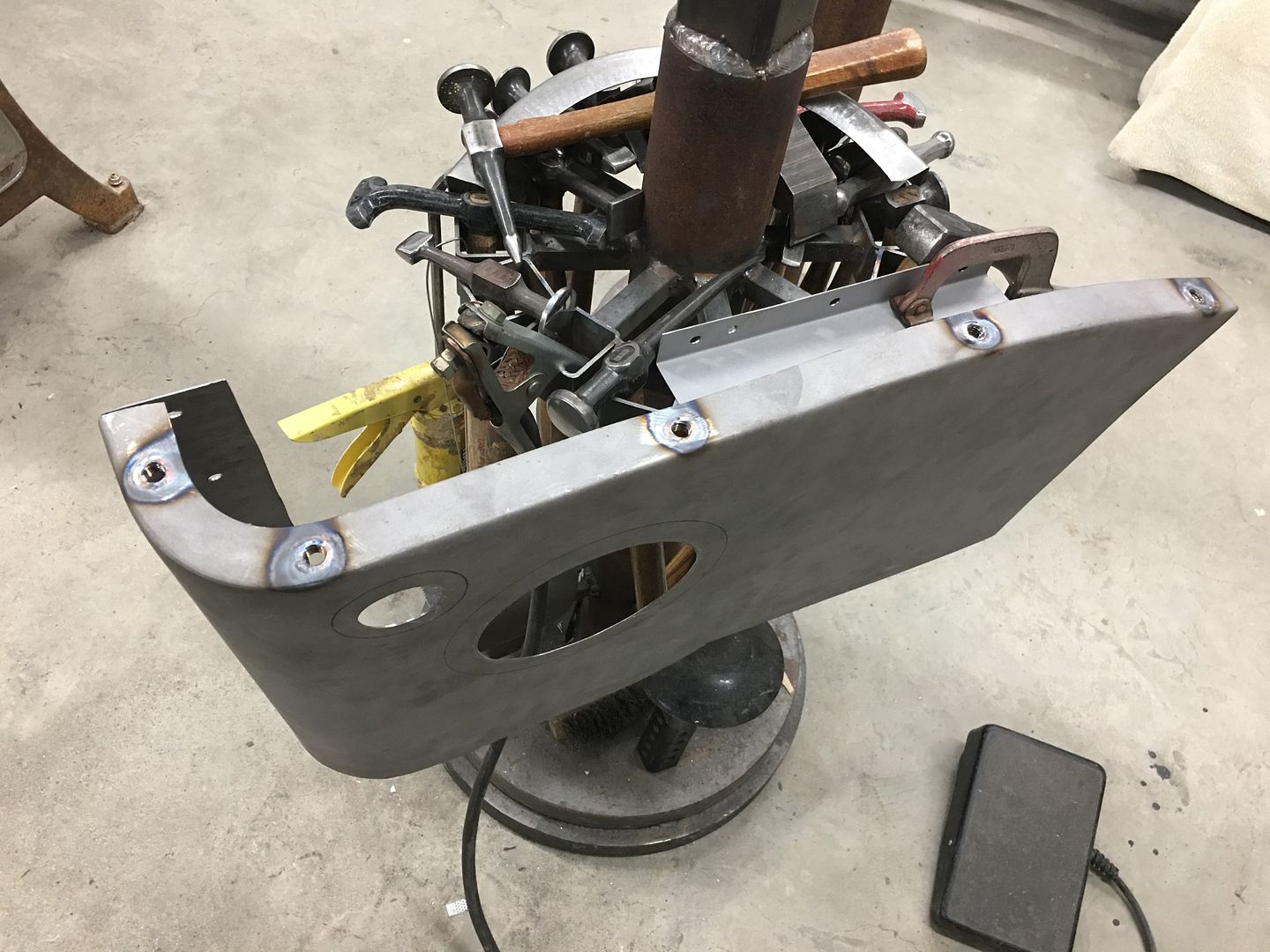
Alas, in my typical Murphy strikes again mode, these were slightly smaller and/or the holes already located in the kick panels were slightly gaping.. We searched the entire shop for a MacGyver solution and found that a 3/8-16 hex nut did a good job of "capturing" the clip, but without the "not letting go" part that a hole in sheet metal provides if the clip rotates slightly while in the hole. So some 3/8 stainless nuts were machined so that they could be welded into the kick panel and yet have the thread grip flush at the surface.


IMG_4079.jpg


IMG_4082.jpg


IMG_4084.jpg


IMG_4085.jpg
 
Last edited:

xtremek

Well-known member
Joined
Apr 13, 2012
Messages
11,603
Location
St. Johns, Mi
Incredible work. Stanley Engineered makes all sorts of automotive clips and fasteners. Maybe see what they have next time?
 

iajonesy

Well-known member
Joined
Feb 8, 2009
Messages
2,467
Location
Iowa
Robert, are you laying that fuel line right on the frame rail or do you use an adel clamp or something similar? This thread always gets me pumped.

Mike
 
OP
M

MP&C

Well-known member
Joined
Oct 21, 2009
Messages
4,396
Location
Leonardtown, MD
Thanks for the questions and comments guys!


Incredible work. Stanley Engineered makes all sorts of automotive clips and fasteners. Maybe see what they have next time?

We checked into quite a few different fasteners, the biggest concern here was being able to replace something from the bottom side of the arm rest in case it broke as after upholstery you won’t have any other option if the clips break. The seat belt retractor and speakers are housed in here so future accessibility was required. This left out plastic panel clips and I swore off wire clips long ago. These style clips seemed the best option, we just started with the wrong ones.

Robert, are you laying that fuel line right on the frame rail or do you use an adel clamp or something similar? This thread always gets me pumped.

Mike

Mike, we’re using stainless adel clamps to keep a slight gap to the frame.
 

gofastwclass

Well-known member
Joined
Oct 23, 2015
Messages
116
Location
KC Area
Wow. Amazing solutions to problems as usual Robert.

Why did you use stainless fuel line, was that to keep with the stainless theme? I use NiCopp for fuel and brake lines as it's much easier to work and has great corrosion resistance.
 

NASTYZEN

Well-known member
Joined
Jun 11, 2010
Messages
2,823
Location
St-Colomban,Que. Canada
Just outstanding Robert! Boy,you must be anxious to get to the end of this project by now. Almost done, GO! GO! GO!


Great move on those torches. The Portuguese craftsman that helped me out with the Aston Martin had one of those. Tremendous control. He would weld up Alu. sheet with great ease. I believe he used a flux from EU called Harra Kirri. Made it look easy. The welds would stay soft and we could hammer form and planish without having the welds crack on us like Tig welds often do.
 
OP
M

MP&C

Well-known member
Joined
Oct 21, 2009
Messages
4,396
Location
Leonardtown, MD
Thanks Claude, I attended a metalshaping workshop this past spring with Kent White in attendance, and won some of his aluminum flux as a door prize. A good friend had given me a proper shield for the orange glare of the flux, so it was down to getting a good torch. So now I have no excuses other than some practice with aluminum. I'll cross that bridge after I get just a bit more comfortable with the steel.. I'll have to look into that flux as well, thanks for sharing the details..
 
To avoid these ads, REGISTER NOW!
Top Bottom