To avoid these ads, REGISTER NOW!

Older air compressor - safety question

kenzo42

Member
Joined
Oct 3, 2012
Messages
7
I have a Harbor Freight Central Pneumatic 40400 air compressor that a friend gave me. When I brought it over 1.5 years ago, we pulled the safety valve but did not drain the water (I've never used a compressor before). After reading up on them, I decided to drain it today and ~1tsp of brown sludge came out the drain bolt. It has not been used since the day I brought it home.1.5 years ago.

Is this compressor done for?

Would building a wooden box from 2x4s around the tank prevent shrapnel if an explosion occurred?

pnucmp_Dennis.jpg


Thanks.
 
To avoid these ads, REGISTER NOW!

CGT80

Well-known member
Joined
Aug 29, 2014
Messages
863
Location
IE, SoCal, USA
1 tsp of goo is nothing.

You should see the sludge that I have blown out of my 60 gallon oil lube compressor. My dad and I blew a half gallon or more of water out of a 20 gallon compressor we were using. Tonight I got that compressor running again. It had a bad crank bearing and I needed one to fill in for the pump on my 60 gallon unit. That one blew apart a connecting rod and cracked the case. It is junk. I have no problems running the old compressor, but it sits outside in a corner.

It is not good to leave water in the tank because it rusts and turns to brown liquid or goo, when combined with oil that blows by the rings on an oil lube unit. I have not had any compressor blow apart where I have been working and don't personally know anyone who has. I worked in the construction industry for about 20 years.

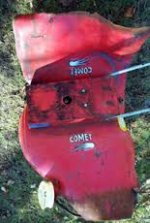
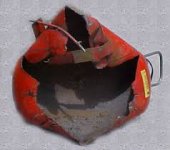
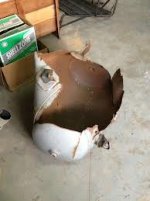
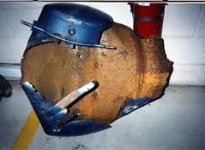
I have read of stories on this forum where a tank has blown. It is possible, but it takes a long time to rust through a tank. People on here have complained of pin holes in their tanks. When it gets to that point, destroy the tank. The rust from the inside out, so you have no idea how many more failure points are just about ready to go.

After reading about failures, it seems like a good idea to have the compressor away from people. Before I knew about the failures, I put mine away from my work area to keep down the noise. Now, I sometimes think about what would happen if it did blow a tank. It is not likely to happen, but I don't have a desire to work next to it, even when it is turned off. That area is used mainly for storage.

The other compressor I have had for years is a Porter Cable 4.5 gallon suitcase style. I have loaded it in my truck way too many times to count. I rolled the wheels up my legs to lift it and then set it in the truck. It is not small. The water only got drained once in a while. It sits for long periods without being used. I have used it for the last few weeks since the big one died. It just keeps on going. These things are not live ordinance just waiting to go off.
 

EDGAR

Well-known member
Joined
Aug 21, 2010
Messages
437
Be scared, be very scared...:scared:
 

Attachments

  • 8.JPG
    8.JPG
    107 KB · Views: 67
  • 5.jpg
    5.jpg
    7.6 KB · Views: 58
  • 7.jpg
    7.jpg
    6.2 KB · Views: 57
  • 11.jpg
    11.jpg
    7.1 KB · Views: 58
  • 14.jpg
    14.jpg
    6.1 KB · Views: 57
  • 15.jpg
    15.jpg
    5.4 KB · Views: 54
  • 3.jpg
    3.jpg
    7.7 KB · Views: 55

Heavymetalmechanic

Well-known member
Joined
Apr 4, 2013
Messages
625
Location
Calgary, Alberta, Canada
I know I sound like trolling...

How many of these failures are due ONLY to corrosion? After all I have read and searched the conclusion I have reached is that the vast majority of vessel failures is due solely to relief valve failure/tampering coupled with a pump that does not cycle off at the correct pressure.

I am not suggesting that ANYONE take the dangers associated with compressed gasses lightly. I have had the cap come off a pressurized hydraulic reservoir near my head, the cap hit the roof, at 5psi. It is nothing to joke about.

There are lots of reports of the actual failure, but few I have found include the information needed to form an accurate judgment on the root cause of the failure. Yes, the tank may have shown evidence of corrosion, but without the information regarding pressure switch and blow out valve condition it is impossible to determin why the failure occured.
 
To avoid these ads, REGISTER NOW!

bsaint

Well-known member
Joined
Apr 26, 2010
Messages
5,109
Location
Manchester, CT
Only junk crappy tanks explode. I have a tank from 1950's and the bottom is SOLID. Just hit it gingerly with a ball pein and if it dents easy or sounds like rust, dont buy it.
 

cdseven95

Well-known member
Joined
Jun 15, 2009
Messages
1,561
Thats not old

People go lifetimes without servicing or draining compressors.. dangerous yes
1.5 years. Zero risk
 

454ragtop

Well-known member
Joined
Mar 24, 2008
Messages
5,011
Location
Carver, MA
I know I sound like trolling...

How many of these failures are due ONLY to corrosion? After all I have read and searched the conclusion I have reached is that the vast majority of vessel failures is due solely to relief valve failure/tampering coupled with a pump that does not cycle off at the correct pressure.

I am not suggesting that ANYONE take the dangers associated with compressed gasses lightly. I have had the cap come off a pressurized hydraulic reservoir near my head, the cap hit the roof, at 5psi. It is nothing to joke about.

There are lots of reports of the actual failure, but few I have found include the information needed to form an accurate judgment on the root cause of the failure. Yes, the tank may have shown evidence of corrosion, but without the information regarding pressure switch and blow out valve condition it is impossible to determin why the failure occured.

X2, I've seen rusted tank failures, they get holes in the bottom when they get too thin, really can't see how one would explode from rust. I can easily see how one could explode if the safety valve and pressure switch failed, and the tank was pressurized past its safe working pressure.
Jim
 
To avoid these ads, REGISTER NOW!
Top Bottom