To avoid these ads, REGISTER NOW!

Paste Wax only for dining table finish

Uncle Ben

Well-known member
Joined
Dec 16, 2010
Messages
319
Hello, I wanted to get some input about using Finishing Paste Wax as the sole finish on a dining room table.

My wife and I just finished building a new dining room table, and for the table top we wanted a natural-looking finish that kept the wood color as light as possible, so we settled on a natural-colored finishing paste wax by Minwax. We put on 2 coats and polished after letting the 2nd coat dry, and we were happy with the look and feel of the "finish", but after we had our first meal at the new table, we noticed significant water rings from the condensation of glasses that had been sitting in various spots around the table.

Is the wax alone not enough to function as a finish and protectant, or do we just need to add several more coats in order for the wax to adequately protect the table top?

Thanks for your input!
 
To avoid these ads, REGISTER NOW!

Jeff

Well-known member
Joined
Dec 10, 2009
Messages
2,706
Location
Sonova Beach
After staining I used a hand rubbed satin finish varnish. 4 coats. After 5 years I just scuffed it with a 3M pad and reapplied. Better protection than the wax.
 

cgrutt

Well-known member
Joined
Mar 4, 2016
Messages
8,195
Wouldn't recommend it as only finish but it's good over most oil based finishes and/or shellac. Limited protection against moisture, can be damaged by heat (from hot plates) or solvents (spilt martini), easily wears off and needs to be reapplied pretty frequently. Carnuba (sp?) is best for woodworking.
 

rlitman

Well-known member
Joined
Oct 18, 2010
Messages
24,582
Location
Long Island
No amount of wax will work to protect from condensation rings under glasses or from warm plates (let alone hot dishes). If you have a wax finished dining room table (which I'm sure looks absolutely beautiful), you will want a waterproof insulated pad under your tablecloth.
 

Nutria

Well-known member
Joined
Jun 23, 2015
Messages
797
Location
Eastern Sierra
Just not enough protection IMO. I wouldn't want to risk all of my hard work with such a minimal coating. There are lots of good alternatives out there.
 

CGarage

Well-known member
Joined
Nov 23, 2018
Messages
2,995
Location
United States/Switzerland
I do wax some of my furniture, but I think you should use something from a wood finish protection company. Walrus oil makes a wax that isn’t bad. But you need to make sure the finish is compatible with this product. There are a few good brands offering something like this. Another one I use is called “Feed-n-Wax” by Howard.


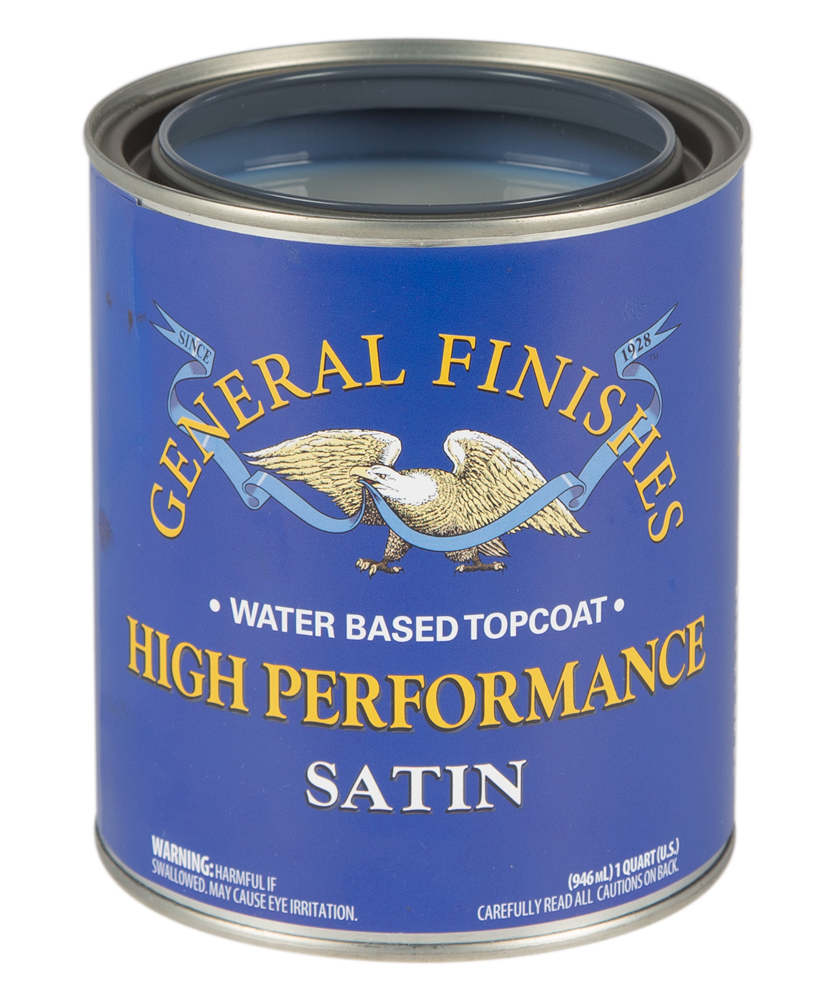
Take a look at this finish for your application.
Have a 1920s dining table in restoration currently and may select this finish because of the wear protection offered.

 
OP
U

Uncle Ben

Well-known member
Joined
Dec 16, 2010
Messages
319
Thanks for your input so far everyone...and nice table, Jeff!

So now I'm thinking I should remove the wax (if possible) so I can start over and apply a good hand-rubbed finish instead.
Any suggestions for fully removing the wax finish?
 

cgrutt

Well-known member
Joined
Mar 4, 2016
Messages
8,195
Thanks for your input so far everyone...and nice table, Jeff!

So now I'm thinking I should remove the wax (if possible) so I can start over and apply a good hand-rubbed finish instead.
Any suggestions for fully removing the wax finish?
What wood did you use for table? Most wax dissolves in alcohol and alcohol usually doesn't raise grain of wood so I'd start there (with denatured alcohol). Lacquer thinner and acetone are other options. You probably will need to flood the area somewhat and do it several times to get all of the wax out of pores. May need to sand as well. Depending on how porous wood is may come right off or be a PITA. I'd test whatever finish you plan to use if it starts to bullseye you still have wax interfering with finish. Good luck.
 

CGarage

Well-known member
Joined
Nov 23, 2018
Messages
2,995
Location
United States/Switzerland
What wood did you use for table? Most wax dissolves in alcohol and alcohol usually doesn't raise grain of wood so I'd start there (with denatured alcohol). Lacquer thinner and acetone are other options. You probably will need to flood the area somewhat and do it several times to get all of the wax out of pores. May need to sand as well. Depending on how porous wood is may come right off or be a PITA. I'd test whatever finish you plan to use if it starts to bullseye you still have wax interfering with finish. Good luck.


He could potentially really screw up the appearance of the wood if he doesn’t know what was used previously.

Proceed with lots of caution here and only begin in a non-visible area. My advice.
 

cgrutt

Well-known member
Joined
Mar 4, 2016
Messages
8,195
He could potentially really screw up the appearance of the wood if he doesn’t know what was used previously.

Proceed with lots of caution here and only begin in a non-visible area. My advice.
He said he built table and used Minwax paste wax???
 

strutaeng

Well-known member
Joined
Dec 12, 2011
Messages
2,253
Location
Dallas, TX
OP, are you serious about using wax-only as a finish for a dining table?

That may work on a dining table that's not used at all, like in a museum. Not so much for dining table that gets used.

I don't get the whole, "...oh, I want the blah blah blah IN the wood, not ON the wood" old wives tale from hobbyist. To me that's the dumbest argument when it comes to wood finishing.

So I'm not a fan of waxes, oils (non-film, of course) and all of that types of "finishes" out there. We're not in the 1800s anymore. Precatalyzed, conversion varnish, epoxies, 2ks and all of these modern finishes kick-@$$ compared to non-film oils. Even old-fashioned oil varnish like Minwax polyurethane is really good, cheap and easy to apply and very durable.
 

cgrutt

Well-known member
Joined
Mar 4, 2016
Messages
8,195
OP
U

Uncle Ben

Well-known member
Joined
Dec 16, 2010
Messages
319
The top was built with 2 sheets of maple ply (stacked on top of each other, for thickness) and then edged with a glued veneer to cover the plywood edge. Obviously, since it is plywood, only a thin outer layer is Maple, but it is a tight grain and not very porous.

Thanks for the other resources that you provided above!
 

RTM

Well-known member
Joined
May 13, 2019
Messages
13,089
Location
SF Bay Area
In my opinion wax only is good for decorative things that you don't ever touch or use for anything other than display.

Wax is a nice top coat over a lot of finishes, but by itself it's pretty useless.

If you want a nice, close to the wood finish, there are better options.
 
To avoid these ads, REGISTER NOW!

rlitman

Well-known member
Joined
Oct 18, 2010
Messages
24,582
Location
Long Island
(¿Per Jeff at Homestead, linked above?) a quick wipe with a mineral spirits soaked rag will take off the wax layer. It's only a few molecules thick
<sigh> No.

Paste wax is just wax suspended in a solvent. Mineral spirits (odorless is fine, but non-flammable paint thinner is NOT going to cut it here) should lift the bulk of the wax, but will also help some wax residue sink even deeper. And it is not as simple as a quick wipe. You'll want to switch out rags (I'd use paper towels) frequently as you lift less and less wax. A quick wipe will merely move the wax around. Look at it this way. Rub a circle of wax on a dress shirt. Now see how much a quick wipe with mineral spirits does to remove that stain. LOL.

If you're going to top coat over that with a finish that's compatible with wax (shellac is the only thing that comes to mind, which would imply a "french polish"), then you may get away with washing off the wax. But keep in mind that a shellac finish is damned near as sensitive to water and heat as a wax finish (it's only marginally better at best, and some of today's best wax finishes can exceed the performance of shellac anyway), so I doubt it's worth the effort.

But a water-based finish over this is never going to adhere as well as it was designed to, and you will likely also run into issues with wetting out and with splotchiness. An oil based finish may wet out well, but will have adhesion issues and can turn flakey.

You MIGHT be able to use a rubbed on shellac as an intermediary for an oil based finish, but wax will rise through shellac and will still interfere with a water based finish over it. And in any case, if you wanted to natural waxed look, adding shellac and then a film forming oil finish over that is going to greatly change the nature of the piece.

If you read this far, perhaps now you get why I recommended a waterproof insulating barrier to go under your tablecloth for when you want to use a waxed table for dining. At least wax is easy to touch up.
 
Last edited:

Shocker

Well-known member
Joined
Nov 23, 2008
Messages
2,015
Location
Olympia, WA
So I used a paste wax on the interior fir doors in our house when I added them. I find that the wax works great on a vertical surface.

I build a hairpin leg coffee table for my daughter and her husband. 3 coats of satin poly, oil based, put on with a fine brush. Sanded lightly between each coat then I used a grey 3m scotchbrite pad on my Milwaukee random orbital and lightly polished the whole surface.

Came out pretty close to Jeff's table. It wears like iron with 3 kids using it for everything from lunch to a makeshift racetrack.
 

Steve_P

Well-known member
Joined
Sep 15, 2010
Messages
5,181
I don't have experience removing wax from wood, but do with other porous surfaces; it's a PITA and I hope the OP is able to succeed. You can try mineral spirits, automotive wax and grease remover, etc. You want a slower evaporating solvent, not lacquer thinner; spray it on in a small section and wipe it off. Repeat. And yes, there is a proper wiping technique. One direction, one wipe, not like scrubbing a floor; change out paper towels ideally after every wipe.
 

Voi

Well-known member
Joined
Oct 10, 2010
Messages
5,139
Location
Western South Dakota
I don't have experience removing wax from wood, but do with other porous surfaces; it's a PITA and I hope the OP is able to succeed. You can try mineral spirits, automotive wax and grease remover, etc. You want a slower evaporating solvent, not lacquer thinner; spray it on in a small section and wipe it off. Repeat. And yes, there is a proper wiping technique. One direction, one wipe, not like scrubbing a floor; change out paper towels ideally after every wipe.

This. And since there is a good chance of wax still remaining, I would consider a hard wax oil for the final finish. They are expensive but are a popular choice for tables & probably would have the best chance of being compatible.
 

Davefr

Well-known member
Joined
Jan 7, 2010
Messages
11,819
Location
OR
I'd use a Danish oil type finish like Sam Maloofs formula of equal parts turpentine, varnish and boiled linseed oil. Rub it into the wood. Repeat 3-4 times letting each application dry and lightly sand the surface (600 grit) prior to subsequent coats. Any residual wax should be no problem. This finish offers a "close to the wood finish" with more protection than wax.

Using it for an everyday dining table might be too much to ask but it's my favorite finish for most everything else. Unlike polyurethane, it looks deep and rich without that plastic look of Poly.
 

rlitman

Well-known member
Joined
Oct 18, 2010
Messages
24,582
Location
Long Island
Wild thought. What if you put a flammable solvent on the table … lighter fluid maybe ... and set it on fire. Would the wax burn off like a candle?
No. The solvent fumes would burn until no vapors are left. Then the table would start to burn. If you put a layer of cloth over the table to act as a wick, that might lift and consume a little wax, but my experience with candles is that the wick will burn back as the wax flow stops cooling it, so we're back to burning the table.

The funny thing is that burning solvents out of wood finishes is actually an accepted practice in certain limited uses. But in those cases, it removes the solvent WITHOUT consuming the finish.
 

cgrutt

Well-known member
Joined
Mar 4, 2016
Messages
8,195
Since the table is maple veneer the wax may not have actually penatrated that deeply (imagine it would have been blocked by the glue under veneer). You may have good luck just wiping it with some solvent. I wouldn't sand that much if at all. Do you have a piece of plywood left over from project? I'd try waxing it then removing and refinishing with whatever product you decide to use and see how it comes out. You can cut blonde shellac flakes with denatured alcohol. Build up layers and hand rub will give you better protection than wax without a film look but as stated shellac is not much better with water and heat. You can wax the shellac to add more protection or even top coat it with a matte poly although that may defeat the look you're going for. Pretty sure the shellac/alcohol will play nice with whatever residual is left on table though. Good luck.
 

Nutria

Well-known member
Joined
Jun 23, 2015
Messages
797
Location
Eastern Sierra
I'd suggest experimenting with scrap veneer-- apply some paste wax and then try different approaches for removal and final finish.
 

tarbellb

Well-known member
Joined
Apr 17, 2011
Messages
5,738
Location
Oregon
Tuff spot to be in, lots of good info above.

May want to also look into European hardening waxes- I prefer WOCA, but theres others out there. They may play nice with wax?


steve1976

New member
Joined
Oct 22, 2025
Messages
1
This is the dining room table I made in 2009. Hand rubbed satin finish.

drt-fini-2009.JPG
Is it possible to re lacquer and wax just a spot on a dining room table? My daughter didn’t listen and used fingernail glue on my table and I have to sand it off as nothing else worked. Only about a pencil eraser sized spot.
 

AreBeeBee

Well-known member
Joined
Sep 17, 2020
Messages
415
Location
Wisconsin
We use a waterproof sheet (plastic backed with felt) a little larger than the tabletop to prevent just the situation that the OP mentions. Over this pad goes the tablecloth. All our tablecloths have had water, wine, beer, soup, and other liquids spilled on them, but the protective sheet just keeps on protecting.

If you like the looks of the bare wood table, then remove the tablecloth and protector pad when you're not actually holding a meal.
 

tarbellb

Well-known member
Joined
Apr 17, 2011
Messages
5,738
Location
Oregon
Is it possible to re lacquer and wax just a spot on a dining room table? My daughter didn’t listen and used fingernail glue on my table and I have to sand it off as nothing else worked. Only about a pencil eraser sized spot.

Simple answer- NO

First you need to know exactly what kind of clearcoat you have on that table

Second, you will find it incredibly difficult to blend a used clearcoat finish, plus matching the stain is not easy.

Your best bet is to keep the repair to the absolute smallest footprint (the eraser size now) and sample some stains underneath on raw wood, match best as possible, then touch up with.... fingernail polish clearcoat?

Goodluck
 

gizardlizard

Well-known member
Joined
Aug 29, 2019
Messages
726
Location
Madison, WI
Odie’s is awesome. I’m a walnut guy and use it on pretty much everything. I have it on my live edge walnut bar top and we don’t use coasters. No water rings. Stuff is great. Just spendy. Minwax anything is garbage.
 

Ohio Andy

Well-known member
Joined
Jul 31, 2024
Messages
2,255
Location
Columbus, Ohio
Now that you've waxed it not a lot of things can go over the top of that, but, in general. Shellac is pretty good about going over stuff. I might wipe it down with some mineral spirits and then try some clear shellac. But if you do that, you probably want the dewaxed shellac if you intend to put anything over the top of the Shellac.

So for the most part, shellac sticks to anything and anything sticks to dewaxed shellac.. (Shellac that has had any wax removed.)
 
Last edited:

RTM

Well-known member
Joined
May 13, 2019
Messages
13,089
Location
SF Bay Area
Shellac is pretty good about going over stuff. I might wipe it down with some mineral spirits and then try some clear shellac.
If you pad on the shellac, and use good stuff, it can be thin, functional, and repairable too
 

Ohio Andy

Well-known member
Joined
Jul 31, 2024
Messages
2,255
Location
Columbus, Ohio
If you pad on the shellac, and use good stuff, it can be thin, functional, and repairable too
I would say that Shellac is always reparable because the Alcohol that is used to "melt" the shellac flakes will burn into (melt) the shellac that you already applied.

That said, Shellac is not the toughest thing, but, if you decide later that you want something tougher you can always put it over the shellac.
 
To avoid these ads, REGISTER NOW!
Top Bottom