To avoid these ads, REGISTER NOW!

Plaster walls. Please help me.

ive

Well-known member
Joined
Mar 8, 2011
Messages
1,532
Location
Canada
Hi all.

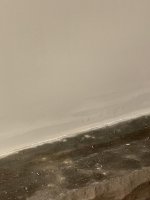
I’m doing some Reno’s for my wife, mainly patching holes in plaster and painting. I’ve never been around plaster wall before, only drywall. So I used the drywall putty, sanded and painted. Now when I look at it it seems like 2 different surfaces.

I’m sure I will have to redo this, but I don’t know what to use.

Anyone help me?

I’ll attach a pic
 
To avoid these ads, REGISTER NOW!
OP
I

ive

Well-known member
Joined
Mar 8, 2011
Messages
1,532
Location
Canada
Hi. Here’s the pic
 

Attachments

  • 7A59CF6F-CC1D-4663-B487-737449B817A3.jpg
    7A59CF6F-CC1D-4663-B487-737449B817A3.jpg
    48.6 KB · Views: 133

Dzlpete

Well-known member
Joined
Dec 23, 2017
Messages
96
Location
Williamstown, MA
Typically patching plaster, and sanding the taping is going to create 2 different surfaces initially. The plaster is old, and has been painted several times, usually taking on the texture of the roller used in painting.
Sanded taping is initally very smooth, just like the plaster was and a few coats of paint later gets much closer to a match
 
OP
I

ive

Well-known member
Joined
Mar 8, 2011
Messages
1,532
Location
Canada
Hi guys. Thanks for the input. I did prime it.

So more paint is the consensus?
 

dogdog

Well-known member
Joined
Nov 15, 2011
Messages
12,711
You could put a few thin coat of those bucket mud they call.....joint compound to smooth out the surfaces ?

you can thin out the premix joint compound (green bucket) with just a very little bit of water and a paint paddle on electric drill ... it will be cream like and easier to use as a skim coat... just mix what you needed.... extra can't be stored... apply with a 12" or 16" thing,spread out in larger area. Sand and repeat... .. that is what I did when I still have the lath/plaster walls .....

Timing consuming thought to wait for those things to dry... I usually put a fan to blow at the wall but still... takes forever for each coat to dry.
 

yeldogt

Well-known member
Joined
Jan 2, 2012
Messages
18,184
The drywall products will soak up the paint ..... the fast curing stuff being an exception.

Products like USG "first coat" have additives to coat and even out the finish across drywall and the taped area.

You have the same thing going on -- what type of primer?

On old raw plaster -- or plaster that's required lots of patching I find that an oil primer works best. So if you have any more to do or any larger room -- get some. I have done a lot of plaster patching ... years ago I used plain plaster ... but, the fast drying USG products that you buy in powder form IMO work better and are stronger patches. Old school plaster is lime and it's sticky .. so it's great for skim .... a patch is different and the reactive products hold betetr w/o shrinking
 
Last edited:
To avoid these ads, REGISTER NOW!

Leaflessshadetree

Well-known member
Joined
Aug 1, 2013
Messages
7,147
Location
Don't ask.
I've had better luck patching plaster with plaster. Not sure why but the joint compound always looked different, even after paint.
 

kbs2244

Well-known member
Joined
Nov 11, 2006
Messages
14,065
I second the need to use plaster.
They are 2 different things.
 

SALIV8

Well-known member
Joined
Dec 11, 2008
Messages
2,114
Location
chicago and s/w michigan
Ive also found it tricky. I use joint compound also.

Best i can do is feather it out as much as possible and like others said put a few coats of paint on it to match the wall texture.
 

Higgins

Well-known member
Joined
Dec 25, 2009
Messages
1,931
Location
Shepheardsville, KY
Check out this https://www.thisoldhouse.com/ideas/plaster-repair-made-easier

Will give you some history on plaster repair.

As for plaster, there were two types. The older plaster installed over thin wood lath, and had horse hair mixed in with it!

Then later, they dropped the LP for blue board, and floated with plaster.

Repair Your Lath

The lath is a thin, narrow strip of a straight grained material, such as wood or metal. Repair your lath first. Nail 1.5 inch wood strips over the frame and leave a space of 1/4 inch between each strip. Remove remaining pieces of damaged wall and debris.

The Three-Coat Plaster Technique

The three-coat plaster technique begins two rough coats of a combination of lime or gypsum, fiber, aggregate and water applied onto the lath to form the wall base. This is called the "scratch coat." It is applied at a thickness of 3/8 inch and scratched with a comb. The second rough coat, called the "brown coat" is made of the same mixture, apply in the same way, but its finish is smooth, not scratched. The final coat is called the "white coat" and it is made of plaster combined with lime or a store-bought comparable product, apply in 1/8 inch thick layers for a hard, even finish.
It's All In the Mix

Professionals tend to mix their own plaster out of a combination of putty, water, lime and comparable materials, but this is truly an art. Instead, consider buying a prepared plaster material from your local home improvement store. Use a mixing tub to combine the base material with water, until your plaster has a mud-like consistency. Mix the whole bag for large jobs but only the amount you need for smaller repairs.

Apply the Mix

Apply the plaster using a mud pan, collecting it onto the pan rim and transferring it to the wall, or transfer directly from the mixing tub. Fill in the gaps between the wood strips of the lath. Begin at a corner and push the plaster material from the pan onto the lath. Apply the first coat, scratch it, and let it dry before applying the second coat. Build up the coats to fill in empty spaces. Allow the plaster to dry overnight before proceeding to the third coat.

Finishing Touches

Once the first two layers have hardened, apply the white coat. Use a setting-type joint compound for this layer, which you can purchase. Plaster can also be used, but it can set before it has been applied so it must be mixed with precision to avoid cracking. Mix one part water to two parts plaster a little at a time until you have a mixture that holds its shape when upside down on the joint knife.

AL
 
OP
I

ive

Well-known member
Joined
Mar 8, 2011
Messages
1,532
Location
Canada
Thanks everyone!

Will let you guys know how putting more paint on works.
 

allinon72

Well-known member
Joined
Jul 5, 2010
Messages
3,305
Location
Indianapolis
I've patched a lot of button board plaster in my house. What has worked well for me is eggshell paint and a heavy nap roller to match the texture. I patch with regular drywall supplies but you must prime very well or you'll get a sheen.
 
To avoid these ads, REGISTER NOW!
Top Bottom