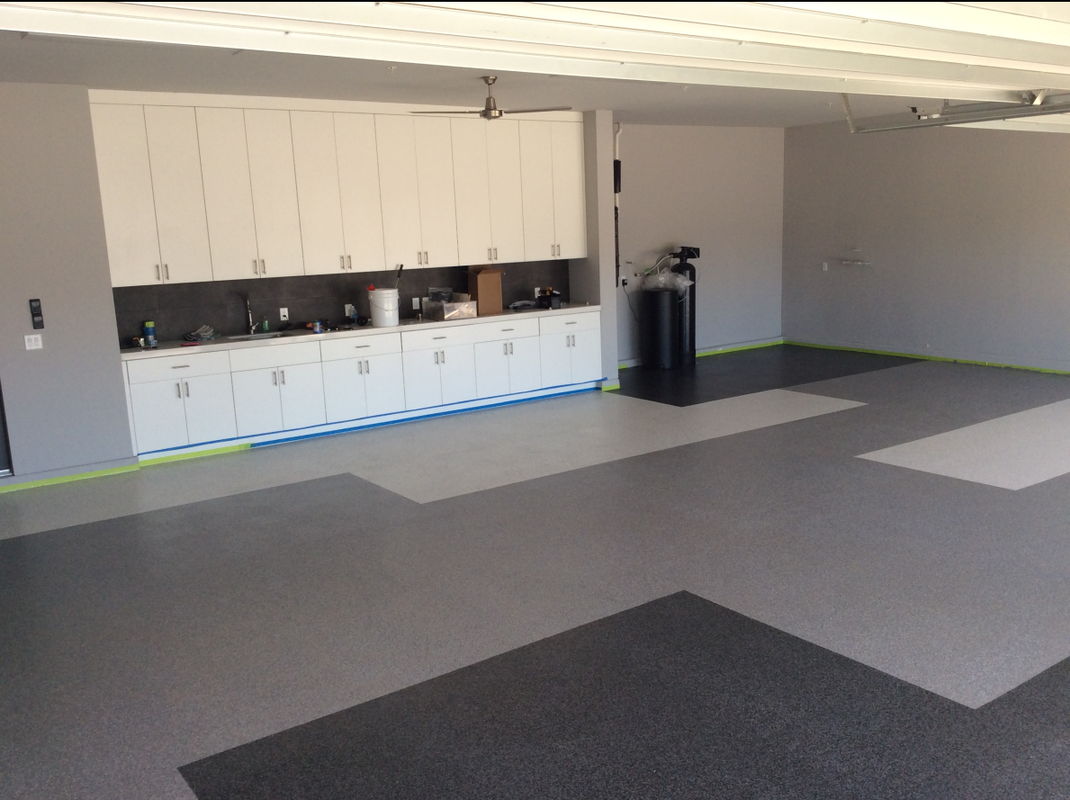
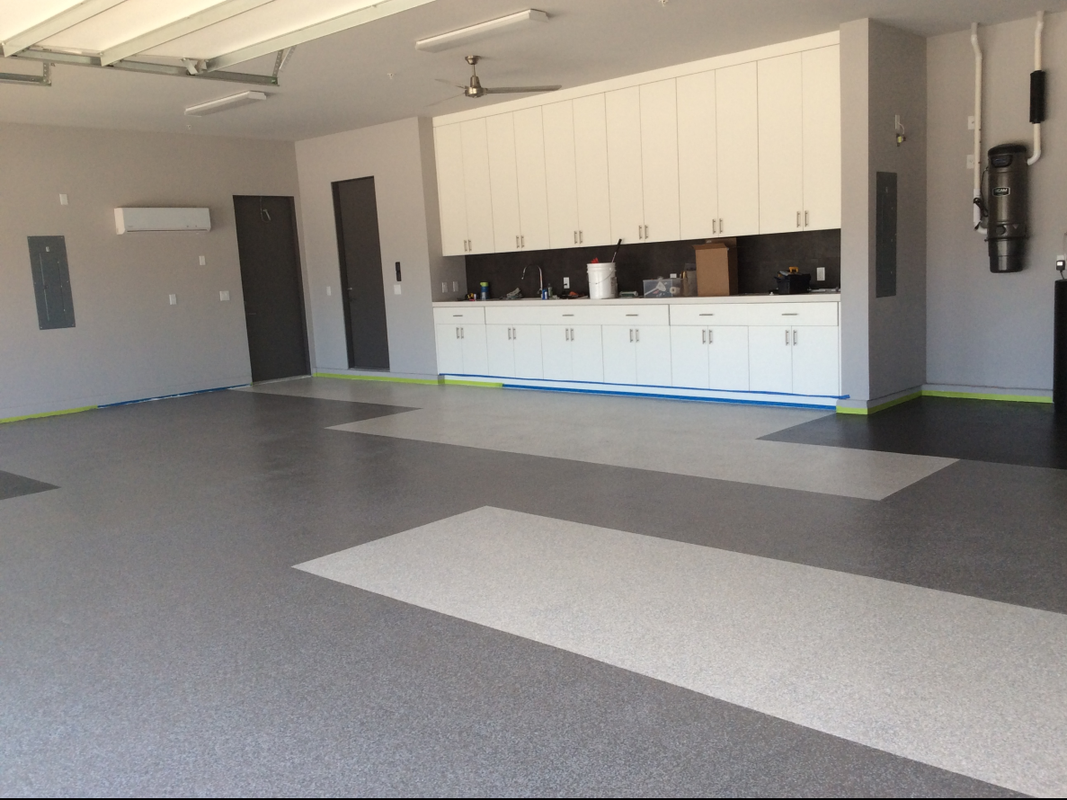
I've been researching between the two and still can't decide. I'm planning on getting this professionally done.
I do plan on working on my car from time to time, but not just the typical fluid changes. Up to the extent of a full motor swap where the car can be on jacks for weeks.
Quotes for both coatings or combination of coatings seem to fall between 1750-1850 for a 2 car garage. Which system would be more durable for my usage?
I did a 100% solids epoxy about 3 years ago at my previous home and now that I moved have been going through the same thing in planning for quite some time. I was also considering just burnishing/polishing with a densifier product. But my floor is subject to auto fluids so I decided to not go that route.
I'll give my $.02
1) Epoxy yellows. You may think your garage door isn't open much. But over the course of a year, I could definitely see my armorpoxy with urethane topcoat begin yellow. I had a light gray color (no flakes). To be fair I am guessing yellowing would probably be less noticeable with flakes, which is something to consider. But I don't like the looks of flakes as I consider it to be kind of cheesy looking. (Admittedly just my subjective opinion. But if you have a working shop, just try to find a screw on the ground in something that looks like a Jackson Pollack splatter painting.
Whatever you do, don't base your decision on claims of "military grade" or "Military topcoat" marketing hype. The product is fine, but there is no such thing as military grade epoxy or topcoats.
3) Epoxy is better about filling in imperfections. I filled in some areas I should probably have patched.. Completely unadvisable and yet I got away with it. So if your surface is poor condition or you just don't want to spend much time in prep other than profiling it is a thought.
4) The new single part polyuria out there are much easier to apply by DIYs than either 2 part epoxy or 2 part polyaspartics (really short pot and working times). It is especially a consideration if you are working by yourself as I do.
5) The polyaspartic and polyureas are not sensitive to UV. if you get a UV sensitive product it sooner or later will yellow around the doors and windows.
6) In general you can expect (at least I'm told) similar chemical and abrasion performance as epoxy with a urethane top coat. And polyaspartic/polyurea which is in itself a topcoat (that can be colored) .
7) I think your profile is in California. In states like California you may end up getting a different product to comply with their VOC laws. Some of them just exclude the entire state and some specify zip codes in the so cal AQMD areas. My previous floor was done in southern calif and as much as I tried I could never get an answer from the supplier as to what the product difference was (performance, application etc.).
8) Less than $2K for a professionally done garage (assuming 400 to 500 sq feet) seems pretty inexpensive to me. Just be clear in the product type you are getting and the prep they are doing. More than one of my new neighbors told me they had their floors done and it ended up being "painters" using cheap home depot "epoxy" kits. Those start delaminating and lifting under the tires very quickly and then you are left with a mess that you have to grind out eventually. My suggestion is if you installer uses the word "painter" run.
Anyway In the end I considered them comparable products, with the preference for polyurea because of the epoxy yellowing issue and the newer single part polyurea seems much easier and forgiving to apply as compared to 2 part epoxy or 2 part polyaspartic. Actually the first time around I was leaning polyaspartic, but was afraid of the complexities of the 2 part product and went with 100% solids epoxy.
That said, if you are having someone else doing the work, the difficulty in applying probably doesn't matter that much to you. I'd still do a polyaspartic or polyurea because of the UV/yellowing issue.
If you do go epoxy I'd go with a 100% solids product.
my $.02.