

So I was looking at undertaking a garage project to epoxy my floors (finally after a year of research). I have a 4 car with a decent amount to do...plus have an area between house foundation and garage floor on edges which need filled.
My question is two part:
1) I've watched a lot of videos and it seems like people grind the floors first, fill the cracks/control joints, then grind the areas where they filled. Is there a reason for this? To me it would seem easier to fill cracks/voids first, then grind entire floor, then apply more crack/joint filler if a new crack opened up?
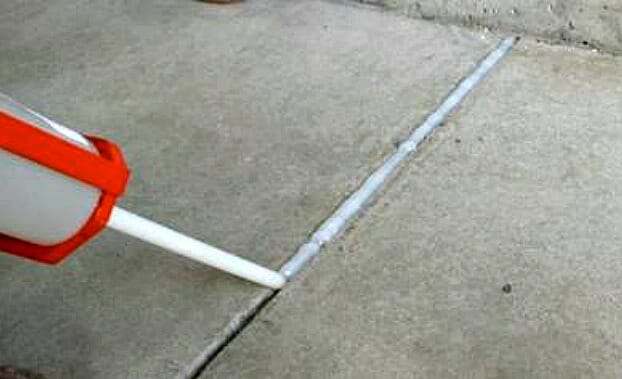
1a) Any recommended joint filler. Note that my floor only has a couple hairline cracks but has a decent amount of control joints just because of the area. I dont have exact liner foot but not sure what best bang for buck is but would have decent amount when factoring in doing the seam between foundation and garage floor. I know there's some gel, there's some where you put sand in then squirt with a poly, some caulk-like, etc. What works best?
2) What is best degreaser to use. Floor is 3 years old and doesn't have a ton of oil-based stains but I do have a "larger" spot where chainsaw oil leaked on the floor. I tried "Pour N Restore" and got bad results. Should I do an overall floor degreaser prior to the project and focus heavily on the spot -- or just focus on the spot without doing overall degreaser.
3) Tagging on Grinding Questions -- I plan to Wet Grind since I don't have the appropriate vacumn to dry grind. Would it be appropriate to wash the floor with a pressure water (or a hose) after finishing the wet grind? I know floor has to be dry prior to the primer coat going on but how long can a ground floor sit prior to apply the first primer coat? This is in case I can't get to the floor for like 2 weeks after the grinding is finished and just want to clean off any dirt/debris between grinding and coating.
Thanks for your help!!!
My question is two part:
1) I've watched a lot of videos and it seems like people grind the floors first, fill the cracks/control joints, then grind the areas where they filled. Is there a reason for this? To me it would seem easier to fill cracks/voids first, then grind entire floor, then apply more crack/joint filler if a new crack opened up?
1a) Any recommended joint filler. Note that my floor only has a couple hairline cracks but has a decent amount of control joints just because of the area. I dont have exact liner foot but not sure what best bang for buck is but would have decent amount when factoring in doing the seam between foundation and garage floor. I know there's some gel, there's some where you put sand in then squirt with a poly, some caulk-like, etc. What works best?
2) What is best degreaser to use. Floor is 3 years old and doesn't have a ton of oil-based stains but I do have a "larger" spot where chainsaw oil leaked on the floor. I tried "Pour N Restore" and got bad results. Should I do an overall floor degreaser prior to the project and focus heavily on the spot -- or just focus on the spot without doing overall degreaser.
3) Tagging on Grinding Questions -- I plan to Wet Grind since I don't have the appropriate vacumn to dry grind. Would it be appropriate to wash the floor with a pressure water (or a hose) after finishing the wet grind? I know floor has to be dry prior to the primer coat going on but how long can a ground floor sit prior to apply the first primer coat? This is in case I can't get to the floor for like 2 weeks after the grinding is finished and just want to clean off any dirt/debris between grinding and coating.
Thanks for your help!!!
Last edited:

 . If it's rainy you can use plastic sheeting. During the day I parked outside and removed the cardboard. You want to let the concrete dry for a few days. Once I was ready to coat I gave the floor a good sweeping to remove any dust, etc.