danmcph
Well-known member
I wrote read carefully because my question is NOT 6 vs 12 point sockets.
I have read a bunch of the 6 point vs 12 point threads and I know there is a load of back and forth on that. My take away is that if it is rusted or stubborn and I have a 6 point socket I should use it just to be certain.
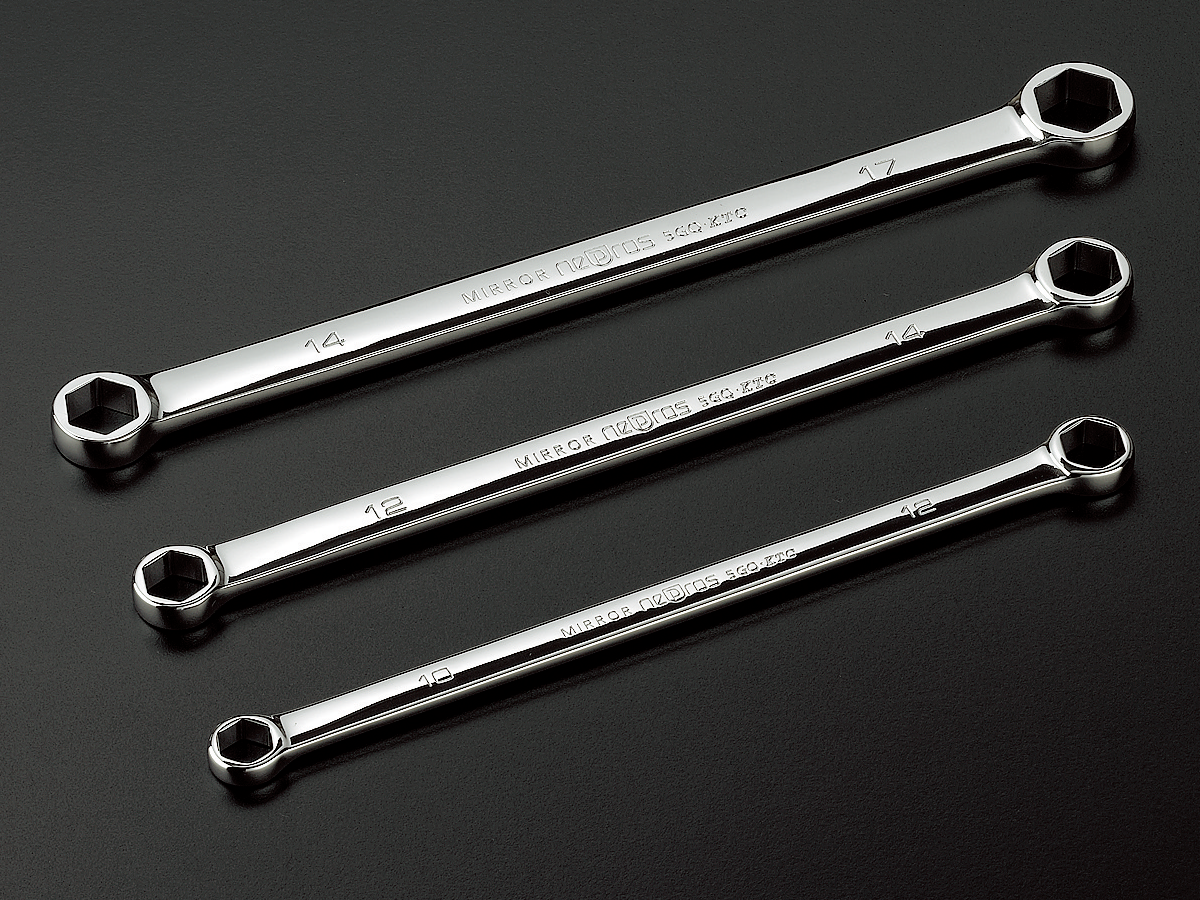
So here is my question. If I have a very rusted fastener and I need to break it free is it better to use a 6 point socket or a 12 point box end wrench? The wrench would deliver the rotation on the same plane as the fastener needs to turn. The socket is delivering the rotational force in a plane that is offset from the fastener by roughly the height of the socket and the ratchet.
I know that I don't have all the technical terms correct in that question but I am hoping it is clear enough. So would it be better to reach for a 12 point that delivers the force in the same plane or a 6 point that delivers it in a slightly different plan along with the slight camming action this would create?
I have read a bunch of the 6 point vs 12 point threads and I know there is a load of back and forth on that. My take away is that if it is rusted or stubborn and I have a 6 point socket I should use it just to be certain.
So here is my question. If I have a very rusted fastener and I need to break it free is it better to use a 6 point socket or a 12 point box end wrench? The wrench would deliver the rotation on the same plane as the fastener needs to turn. The socket is delivering the rotational force in a plane that is offset from the fastener by roughly the height of the socket and the ratchet.
I know that I don't have all the technical terms correct in that question but I am hoping it is clear enough. So would it be better to reach for a 12 point that delivers the force in the same plane or a 6 point that delivers it in a slightly different plan along with the slight camming action this would create?