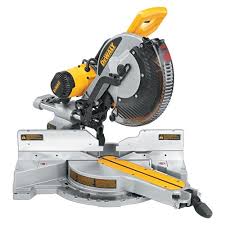
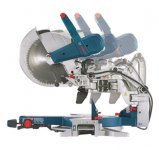
Do not buy one of the cheaper Harbor Freight or whatever brands. These saws tend to have slop in them and without constant adjusting you will never get consistent cuts. I got a good deal on a low end Ryobi, along w/ a bunch of other tools, otherwise I would have dropped more money on a nicer saw.
This is incorrect. The 12" slider from HF is a fine saw. The 10", not so much.
E-Tek:
IMHO, you want a slider. They are so much more flexible and capable than non-sliders.
10" saws generally give more precise cuts than 12" because most 10" blades have less run-out than 12's. Just the nature of the geometry there. The difference is only precision, though. If you were a pro doing stain grade trim and finish work and furniture making, I'd say 10". A pro doing PAINT grade finish work or general construction, 12" is fine.
Double bevel (bevel both right and left) is nice... but not required.
Nobody's mentioned fence height or workpiece support. You definitely want to examine the height of the different fences and the different methods used to clamp and support the work. My mitering got a lot better once I built proper table extensions to support my workpieces.
As mentioned, get a good blade. I'll assume you don't know what a good blade is. A good blade is one appropriate for your application (solid wood, plywood, laminated/veneer) that has a friction reducing coating (Teflon, etc, not just paint) and has some sort of vibration reduction channels laser cut into it. Some folks say those are a gimmick, but I've used lasered and un-lasered blades back to back and the laser cut channel blades are much quieter and smoother.
Oh, and make sure the blade you buy has a "negative hook angle". Due to the way the blades move, Radial Arm Saws and Sliding Miter saws need this to keep from climbing the workpiece. Table saws don't.


 THANKS!