
You are using an out of date browser. It may not display this or other websites correctly.
You should upgrade or use an alternative browser.
You should upgrade or use an alternative browser.
Sheet metal screws
- Thread starter dan1552
- Start date
tpolley
Well-known member
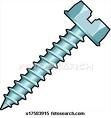
Why do sheetmetal screws have slotted heads?
I seem to loose blood every time i use a screwdriver on one of these
i can't figure out why we still manufacture slotted screws at all. they've been out dated since the advent of power tools. they're as worthless as t**s on a boar hog. i'm done with phillips screws, too. they cam out too easy. as soon as i use up my last box of phillips wood screws i'm buying all torx head bits when i can. if torx isn't avalible i'll buy hex head and use a nut driver.
66HertzClone
ALLIANCE MEMBER
I'm done with phillips head screws for wood working. I switched to the square drive screws, I have had zero problems with these.
You guys missed the boat many years ago when ROBERTSON came calling on Henry Ford. Robertson's are tapered and do not fall off. Still curse those Phillips.
http://www.mysteriesofcanada.com/Ontario/robertson_screws.htm
http://www.mysteriesofcanada.com/Ontario/robertson_screws.htm
Coach James
Well-known member
On sheet metal screws I use a nutdriver or spinner handle and socket.
Coach
Coach
Flathead Red
Well-known member
I second the nut driver....
russlaferrera
Well-known member
Canada has the answer. Square drive. Why the US hasn't been using them more is still a mystery to me.
rsanter
Well-known member
Why do sheetmetal screws have slotted heads?
I seem to loose blood every time i use a screwdriver on one of these
one word....Tradition
bob
Im an electrician, us electricians in canada swear by the #2 robertson. All of our connectors fittings devices have a square drive. Everyonce and a while we will get a box from the states of phillips or even worse yet slotted, they quickly make there way back to the wholesaler or the trash can.
Canada has the answer. Square drive. Why the US hasn't been using them more is still a mystery to me.
FastenAll.com then Robertson screws
If I was in the office, I could tell you the name of the best drivers for the Robertson screws. Fegleys, Fhegleys, something like that. I am sure others here purchase screws from them and can post the name.
Garagero
Member
This is funny, but true. The phillips head is definitely superior.
fordracing200
Well-known member
- Joined
- Apr 17, 2009
- Messages
- 629
I hate those slotted screws, I'm going to kick whoever designed them right in the sack! I use a socket and the 3/8 or 1/4 socket driver on my 1/4" 19.2 cman impact
superautobacs
Well-known member
Apparently, square drive tips can have a different profile than a true Robertson tip. The genuine Robertson tip is black and the tip and blade is comprised of two peices; not one. And, like someone mentioned it already, the Robertson tip has a tapered profile.
You'd probably have to go back a few centuries to accomplish that.
I hate those slotted screws, I'm going to kick whoever designed them right in the sack! ...
You'd probably have to go back a few centuries to accomplish that.
peter_x
Well-known member
I thought the point of Philips is that it will cam out when too much torque is applied.
superautobacs
Well-known member
I thought the point of Philips is that it will cam out when too much torque is applied.
 IIRC, that was Phillip's intention.
malibu101
Well-known member
I thought the point of Philips is that it will cam out when too much torque is applied.
That might not be a bad idea to keep gorillas from tightening screws.
When it comes to removing screws-I want to apply as much torque as a gorilla without stripping anything.
Sounds like Mr. Phillips only thought of 50% of useing a screw.
tpolley
Well-known member
That might not be a bad idea to keep gorillas from tightening screws.
When it comes to removing screws-I want to apply as much torque as a gorilla without stripping anything.
Sounds like Mr. Phillips only thought of 50% of useing a screw.
95% of modern motorized drivers (with the exception of impact drivers) have adjustible torque settings. there isn't much need any more for a fastener to cam out when too much torque is applied.
speed bump
Well-known member
I always use a nut driver on those but hey some people are weird and like using screwdrivers.
Since robertson came up I will ask have you ever had to take one out at a weird angle? I had to once and it was enough for me to be fairly particular about using them if access is ever an issue. With philips you can take them out at an angle though.
Since robertson came up I will ask have you ever had to take one out at a weird angle? I had to once and it was enough for me to be fairly particular about using them if access is ever an issue. With philips you can take them out at an angle though.
Machine screws originally had slotted heads due to practicality of manufacturing. Back in the early days, high-speed cold headers were years in the future. As a consequence, the drive recess of each screw had to be machined. The most practical driving recess was the slot, made with a slotting saw:


Those cheap sheet metal screws with the hex OD aren't meant to be driven with a screwdriver, even though the have a poor excuse for a slot.
Properly made slotted screws are a joy to use, I think. They have a nice look, too.
Modern screws are headed either hot or cold, just like bolts. Essentially, drawn wire enters the machine and is gripped by what will become the threaded portion of the screw. The heading die hits the protruding end of the wire and flows into the shape. The entire heading operation only takes a few 100ths of a second. After heading, the wire advances a set amount, equal to the length of the screw, and the screw blank is clipped off in preparation of heading the next screw.
Because modern screws are headed with a die, almost any shape that has form relief can be imparted on the head of the screw. It also means that modern slotted screws require the slot to have relief, to allow the die to be withdrawn from the newly formed head. This means the driver to mate with the slot must also be tapered.
Proper slotted screws are machined and the slot doesn't have a tapered side. Proper slotted screwdrivers have a blade of uniform thickness, which will NOT cam out of the slot.
Those cheap sheet metal screws with the hex OD aren't meant to be driven with a screwdriver, even though the have a poor excuse for a slot.
Properly made slotted screws are a joy to use, I think. They have a nice look, too.
Modern screws are headed either hot or cold, just like bolts. Essentially, drawn wire enters the machine and is gripped by what will become the threaded portion of the screw. The heading die hits the protruding end of the wire and flows into the shape. The entire heading operation only takes a few 100ths of a second. After heading, the wire advances a set amount, equal to the length of the screw, and the screw blank is clipped off in preparation of heading the next screw.
Because modern screws are headed with a die, almost any shape that has form relief can be imparted on the head of the screw. It also means that modern slotted screws require the slot to have relief, to allow the die to be withdrawn from the newly formed head. This means the driver to mate with the slot must also be tapered.
Proper slotted screws are machined and the slot doesn't have a tapered side. Proper slotted screwdrivers have a blade of uniform thickness, which will NOT cam out of the slot.
tatra
Well-known member
there isn't much need any more for a fastener to cam out when too much torque is applied.
when i was applying strapping to old fir 2x4, i was using robertson screws and they would cam out if they hit a knot........switched to spax i think they are called, torx drive, no cam out and hardly any effort to drive in..........phillips and roberstson are ok in my book but torx is far superior.............and pozi-drive is definetly better than phillips, if you have the correct driver and don't substitute a phillps......