Massive Overkill
Member
- Joined
- Jun 30, 2009
- Messages
- 16
It had been raining for about a week straight before the weather had started to let up. The plumbing was put in the ground and then more rain. They placed the vapor barrier which saw some flash showers, but overall two days passed and then the slab was poured.
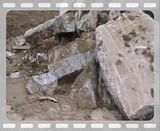
Only one day had passed since the pour and a loader loaded the concrete block shipment onto the slab. There was a blowout in the slab and in the hole you can clearly see/feel water trapped underneath the vapor barrier in that spot.
Now, I know this can be fixed, but what worries me is the possibiliity of either other water pockets or air pockets underneath the slab. I've taken video and forwarded it to code enforcement who put a temporary halt on construction until the architect/engineer can propose a solution.
Are there any tests (other than tapping the concrete with a metal/wooden rod and listening) that can be done to locate other compromised areas under the slab? I want my house done right but cringe at having to have the slab broken up and repoured (fibermesh btw.........stemwall construction with floating slab..........stemwall was done in dry weather).
Here is video of the conditions before and another video of the hole. I'm sorry I didn't come here first, but went to CFOT (if you're a member there you know what I'm talking about). Anything flies over at CFOT, but please, I only want profossional opinions here and yes I've been ribbed enough about the traffic and housing cost. I don't need/want opinions about that, only the slab please. Thanks.
Links to video:
Hole:

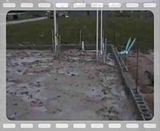
Conditions before the pour:
Only one day had passed since the pour and a loader loaded the concrete block shipment onto the slab. There was a blowout in the slab and in the hole you can clearly see/feel water trapped underneath the vapor barrier in that spot.
Now, I know this can be fixed, but what worries me is the possibiliity of either other water pockets or air pockets underneath the slab. I've taken video and forwarded it to code enforcement who put a temporary halt on construction until the architect/engineer can propose a solution.
Are there any tests (other than tapping the concrete with a metal/wooden rod and listening) that can be done to locate other compromised areas under the slab? I want my house done right but cringe at having to have the slab broken up and repoured (fibermesh btw.........stemwall construction with floating slab..........stemwall was done in dry weather).
Here is video of the conditions before and another video of the hole. I'm sorry I didn't come here first, but went to CFOT (if you're a member there you know what I'm talking about). Anything flies over at CFOT, but please, I only want profossional opinions here and yes I've been ribbed enough about the traffic and housing cost. I don't need/want opinions about that, only the slab please. Thanks.
Links to video:
Hole:
Conditions before the pour: