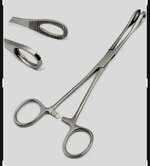
Rockable
Well-known member
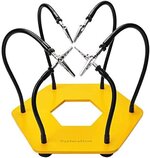
Has anyone tried these types of pliers for holding 2 wires when soldering? I have a 3rd hand device that is ok for bench work but I need something that will hold them in tight spaces like when working on a car.



Sometimes length is a problem.Unless you have something to set them on, I'd attach a strong magnet to stick the pliers in position to solder. The weight of the pliers hanging between the two wires and pulling them down would be a drawback.
Do a Western Union splice and you will likely not need the pliers.
Solder in an extension.Sometimes length is a problem.
Has anyone tried these types of pliers for holding 2 wires when soldering? I have a 3rd hand device that is ok for bench work but I need something that will hold them in tight spaces like when working on a car.
My personal opinion, solder is a 100% solid connection with all strands where a crimp has one wire touching a crimp that touches the other wire. And soldier is not going to pull apart or loosen up.Is there a need for solder? If you're working on vehicles or most 12v systems, I would just use crimp/heat shrink connectors. Really no need for solder in those applications unless a circuit board is involved.
If it makes you sleep better there's also crimp/solder/heat shrink connectors.
Sometimes length is a problem.
Solder in an extension.
That's what she said.

Neither is a correctly done crimp.And solder is not going to pull apart or loosen up.
This is the problem with solder. 100% solid until it ends and you have ductile copper. Always breaks at that point with any physical movement, even from thermal expansion.solder is a 100% solid connection...
Solder joints fail all the time. There is a reason almost every electrical connection is done with a crimped fitting except PCBsMy personal opinion, solder is a 100% solid connection with all strands where a crimp has one wire touching a crimp that touches the other wire. And soldier is not going to pull apart or loosen up.
And this is the issue with crimps. They rely on being the correct style and size of crimp tool for the connector, and correct size crimp connector for the wire size.Neither is a correctly done crimp.
If you feel you need solder for a wire connection, then you should be crimping and soldering. Solder is a great electrical connection but a very poor mechanical connection on it's own.My personal opinion, solder is a 100% solid connection with all strands where a crimp has one wire touching a crimp that touches the other wire. And soldier is not going to pull apart or loosen up.
Solder joints absolutely do fail, especially if you're using solder-alone in a place subject to vibrations or other disturbances.And this is the issue with crimps. They rely on being the correct style and size of crimp tool for the connector, and correct size crimp connector for the wire size.
These are a lot of variables for a diyer to get right. I’ve had crimps pull out but never had a solder joint fail.
Solder joints absolutely do fail, especially if you're using solder-alone in a place subject to vibrations or other disturbances.
Do you use lead or lead free solder?So the internet tells me, but I’ve never had one fail in 20 years and a lot of engine conversion’s.
One has done a hard 80k in a car with stiff suspension, it’s still running great, if any joints were going to fail I’d have expected them to there. They are always heat shrinked and wrapped into a loom.
I stand that a decent solder joint is more reliable than a crimp for the average diyer, given the need for the correct sizing of crimp, correct tool, and cable.
On the contrary, it's quite difficult to screw up a crimp joint if you're using an actual crimp tool and not a pair of pliers or hammering a screwdriver. Solder joints (much like welding) are easy to screw up if one has little experience with them.So the internet tells me, but I’ve never had one fail in 20 years and a lot of engine conversion’s.
One has done a hard 80k in a car with stiff suspension, it’s still running great, if any joints were going to fail I’d have expected them to there. They are always heat shrinked and wrapped into a loom.
I stand that a decent solder joint is more reliable than a crimp for the average diyer, given the need for the correct sizing of crimp, correct tool, and cable.
Lead by preference, although I’m running low on the good stuff.Do you use lead or lead free solder?
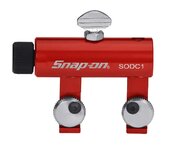
Now this is an item Harbor Freight could copy, not high stress or precision machined.The new hot ticket item. Nevermind the price.