Hi All,
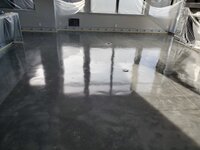
To clarify, Ballistix will stick to virtually any clean, dry surface that is not curing or outgassing. For outdoor use the best practice is to apply it directly to concrete for the best bond. The downside of this method is that often the concrete is very porous so you could need 2-3 coats of this not inexpensive coating to get an even finish, but you would end up with an incredibly durable surface that would last 5-10x longer than a standard sealer outdoors which tend to break down in 1-2 years from the UV.
Indoors we have had tremendous success, and be able to save our customers money by first using 1-2 coats of our ARM8400X water based sealer. Solvent based acrylic sealers work fine also but in either case they must be fully cured which can take 24-48 hours depending on conditions.
Ghostshield (which we carry) is not a traditional acrylic sealer it has silicones and flourocarbons (teflon type material) that will resist the application of Ballistix and they are not compatible products. Also since Ghostshield penetrates, and not topical like sealers, it's almost impossible to remove to then apply Ballistix. Ballistix will not adhere to products with silicone or similar type resistive additives. Ghostshield is a great product for protecting the floor from liquids and since it's penetrating doesn't change the surface at all so it's great for where there is lots of welding, but you need protection but don't want the floor damaged from welding.
While on this topic, if applying Ballistix directly to epoxy or urethane, please make sure that the surface is fully cured (at least a week) and properly prepped with the Iso99 and if applying in less than a week different prep procedures using several buff pads and Iso99 are needed and we can assist so contact us directly at below for guidance and instructions.
Ballistix does adhere right away with minimal prep to polyaspartics that have cured just an hour or two. Many of our professional garage installers are now using Ballistix as an additional topcoat to stop tire staining and marking and applying to polyaspartic topcoat so they don't have to do the additional urethane or epoxy prep, or wait the week for curing.