To avoid these ads, REGISTER NOW!

speed reducer for band saw

yankeeone

Member
Joined
Jan 1, 2016
Messages
7
Location
Mass
Hi, I am going to use a speed reducer to make it posable to cut thin steel with what is currently a wood bandsaw, the motor is 1hp and 1750 rpm. I am looking at 30/1 ratio, I see some that look like they will do the job but they give max output torque at 300 or so inch pounds. What kind of values should I be looking for ?
Thanks
 
Last edited:
To avoid these ads, REGISTER NOW!

metlmunchr

Well-known member
Joined
Sep 10, 2011
Messages
1,278
torque in foot lbs = (5252 x 1 hp)/1725 rpm, or about 3 ft-lbs or 36 in lb for a 1 hp motor. Assuming 100% efficiency for the gearbox for worst case, the output would be 30 x 36 or 1080 in-lb.

It doesn't take much power to saw thin steel in a vertical, but the problem comes when the blade snags, and it will. At that point, the motor's full output is going to be fed into the gearbox and it likely won't survive.

A 1/3 hp motor should work, and used fractional hp motors are always around for dirt cheap prices. Would be a bunch cheaper than a speed reducer that'll handle a 1 hp motor.

Just curious.... what sort of blade speed in fpm would the 30 to 1 give you?
 

matt_i

Well-known member
Joined
Mar 14, 2008
Messages
10,724
Location
SE Michigan
With a diameter measurement of the saw wheels it could be easily calculated.

I have always had it tucked back that a 30:1 was a good starting point if converting for metal sawing.

As the Metlmunchr is alluding, you want 3 teeth engaged in the thickness you are trying to saw or else the blade is rapidly trashed. For example, 16ga steel is a nightmare on most every bandsaw. Its also indirectly why shears exist.
 

seber

Well-known member
Joined
May 31, 2016
Messages
4,195
Location
Deep East Tx.
I did that some years ago with a jackshaft. I moved the motor down below and added the jackshaft where the motor had been. Giving a double reduction. The pulleys slip if the teeth catch on thin material. I believe I had to reverse the motor rotation, but it's been a long time and my memory is faded.
 
OP
Y

yankeeone

Member
Joined
Jan 1, 2016
Messages
7
Location
Mass
Thanks, I am basing the thirty to one on an chapter from how to book published in the mid fifty's ,The popular Mechanics do it yourself encyclopedia. I have had them since I was a kid and probably gone thru them a dozen times. I will check out what the blade speed should be with just the reducer, there are also some pully ratios added.
I agree about the 1 hp being a bit much, and I will look for a 1/3 hp
 
Last edited:
To avoid these ads, REGISTER NOW!
OP
Y

yankeeone

Member
Joined
Jan 1, 2016
Messages
7
Location
Mass
here are the photos from the book, there is also the lathe option
 

Attachments

  • IMG_4890.jpg
    IMG_4890.jpg
    108.7 KB · Views: 41
  • IMG_4893.jpg
    IMG_4893.jpg
    108.7 KB · Views: 42
Last edited:

Lucid Moments

Well-known member
Joined
Aug 9, 2015
Messages
1,775
Location
Gainesville, Ga
might be able to swap out the pulley to meet the drive speed needed.

Unlikely. I did some similar looking a while back. I did end up swapping out the drive pulley and that brought the blade speed down to about 60% of what it had been. There just isn't enough room to go much bigger on the driven pulley. Or at least not on the saw I have, and all their designs seem pretty similar to me.
 

macgee

Well-known member
Joined
Jan 11, 2014
Messages
2,834
Location
Sepulveda Pass, CA
Unlikely. I did some similar looking a while back. I did end up swapping out the drive pulley and that brought the blade speed down to about 60% of what it had been. There just isn't enough room to go much bigger on the driven pulley. Or at least not on the saw I have, and all their designs seem pretty similar to me.

Agree, and this has been discussed previously many times. Just changing out the pulley's will not give you remotely what you need. You literally have to slow down the bandsaw's FPM speed by 90%. That will require a jack shaft (additional pulleys) or:

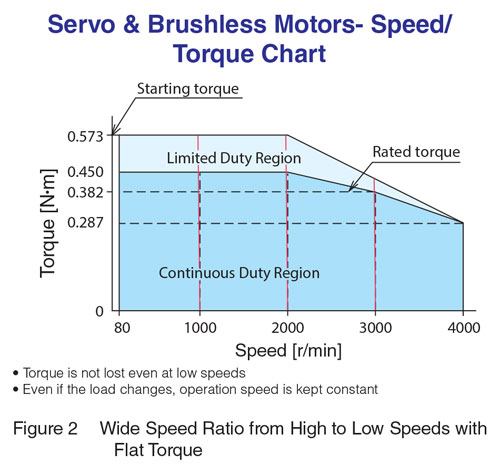
You could try changing out the two pulley's and then getting a DC brushless servo motor with variable speed. Changing out the pulleys to help slow down the saw some and then let the variable speed motor do the rest. DC brushless servo motors are very good at delivering high toque at slow speeds. With this set up, you can then speed it up to cut aluminum and wood if you chose the right pulley combo to work for both scenario's. Three phase VFD is another option but the new inexpensive DC brushless servo motor setups in sewing are getting a lot of praise when using them for machines in shops.

As discussed, there is no cheap or low labor solution for this.
 

MJD1

Well-known member
Joined
Dec 28, 2014
Messages
606
I'm assuming a 14" saw when you say 30-1 reduction, should get you around 200 sfpm. I would use a right angle speed reducer. They come in left or right hand orientation. if using original motor, a shaft type would work, either with pulleys or a coupling. You could also use step pulleys on the reducer to give you a faster speed for soft metals. I would stay away from the vfd on a 3 phase or DC motor, since you would really be limiting the torque due to low motor speeds. Another issue is overheating due to slow fan speeds.
 

macgee

Well-known member
Joined
Jan 11, 2014
Messages
2,834
Location
Sepulveda Pass, CA
MJDI,

I agree about heat and torque with a VFD but you should look into the new brushless DC servo motor now being used in the sewing industry, it been a game changer for them for using super slow speeds with good torque compared to the previous DC bushed motors. Bandsaws and sewing machines have similar characteristics and issues.

Also, if you add a much larger pulley like a 8” dia. on BS side and a 1.25” pulley on motor side on a 14" BS, then you're already @ 987 SFPM (790 sfpm with 1.0" pulley & AX belt) when at full speed; this would really help the motor keep some of the rpm’s up that will help with heat and torque. Without changing the pulleys, then for sure you’re definitely asking for all kinds of real problems like the ones you brought up.

@30% (38%) motor speed giving you 290sfm which is fine for most carbon steel cuts, there should still be enough fan spin to help keep it cool and torque available and most motors are fine working at that speed, but it's not the same torque as 100%. All of this includes some labor and money but should be cheaper and much better (torque) than a treadmill motor scenario after its all said and done.

servo-brushless-speed-torque-chart.jpg
 
Last edited:

seber

Well-known member
Joined
May 31, 2016
Messages
4,195
Location
Deep East Tx.
If I were going to do this today, I'd look for a powered treadmill. Around here they sell for $50 pretty frequently. That gives you a variable speed DC motor and control.
 
To avoid these ads, REGISTER NOW!
Top Bottom