OP
You're right. That was easy.


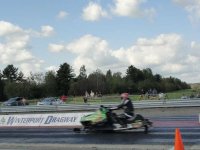
 How do you stand it!Up here this is about all we get to race.
 Seriously Jack, very interesting stuff on your Porsche and your great garage!
We went through dozens of airfoils in choosing this one. The criteria were (in order of importance) lift at lower-than-usually-tested speeds, how gradual the drop-off was right before stall, and drag. This profile was the final wing standing. But if there's a better one out there, I'm all ears.Jack,
"I hope the support struts are stiff enough to resist the down force generated at speed. I wonder if some wire cross-bracing would help the struts twist resistance?" (post #1937)
When I typed that thought, I was trying to imagine the dynamic airflow deltas presented in the turns. Looking at your history charts, I could not see the change in performance stats versus the physical position on the track, but you say your foil's drag really penalizes you on the straights. I'm wondering now if a different foil profile would possibly give you a better trade-off between drag and lift to make the most of what power you have available before you hit the rev limiter. You'd be trading less drag in the long straights for somewhat less down force in the (relatively) shorter turns.
It's a delicate dance you are doing on the track; trying to squeeze the most overall performance out of that lovely machine. I guess I'm proposing the different foil profile might provide a bigger benefit in the straights (less drag = higher speed = quicker time) than the penalty of less down force costs you in the turns (time-wise).

I envy you guys with your fancy-dancy race tracks,hi-falutin' german race cars and almost constant great weather.


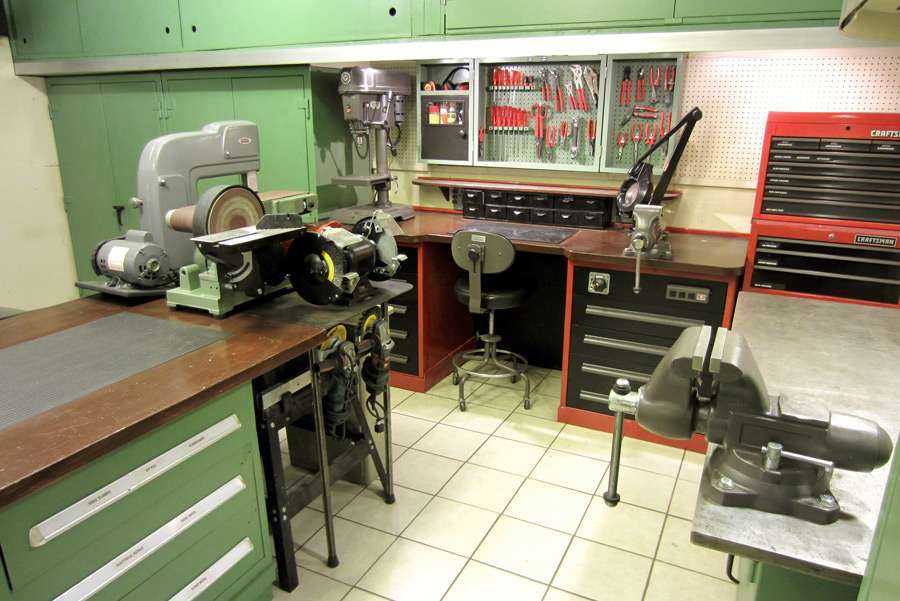
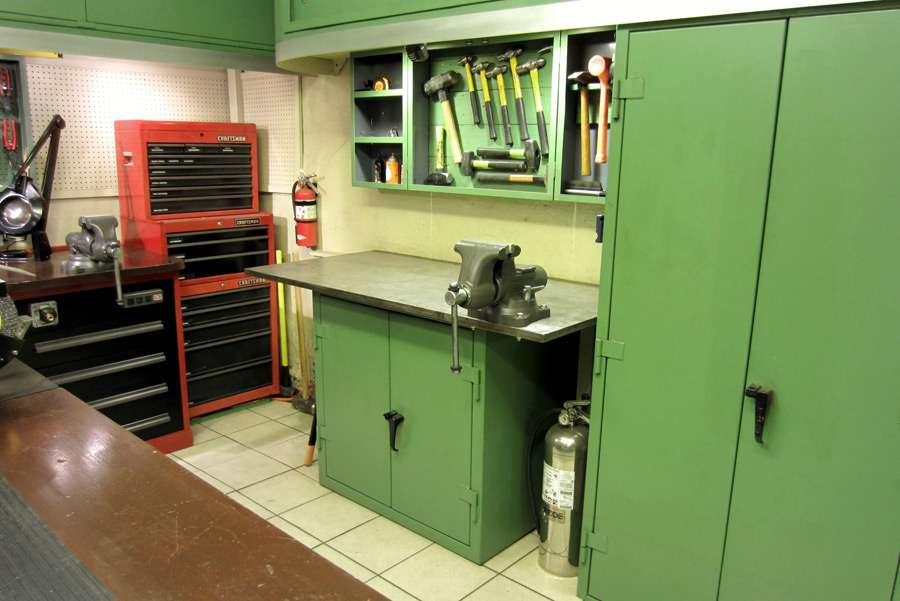
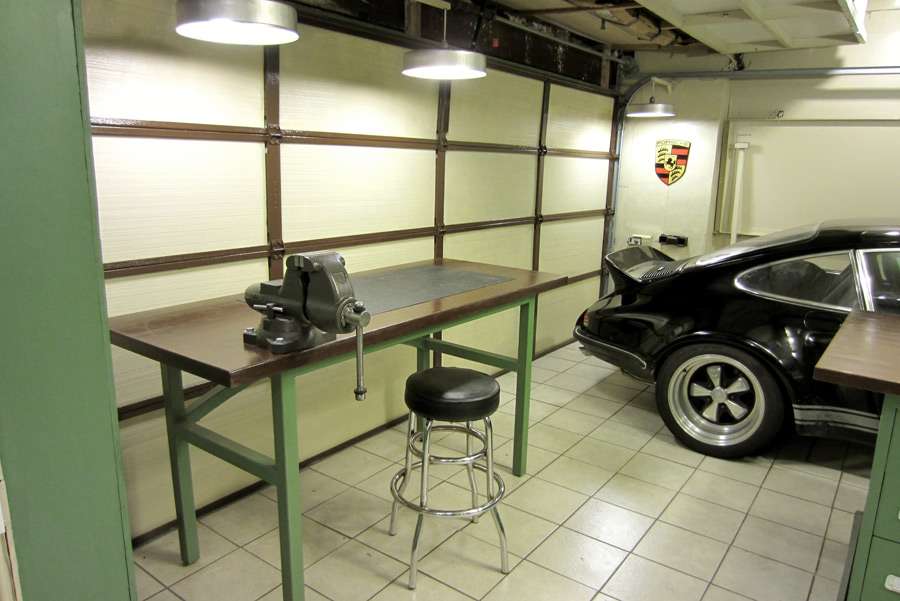
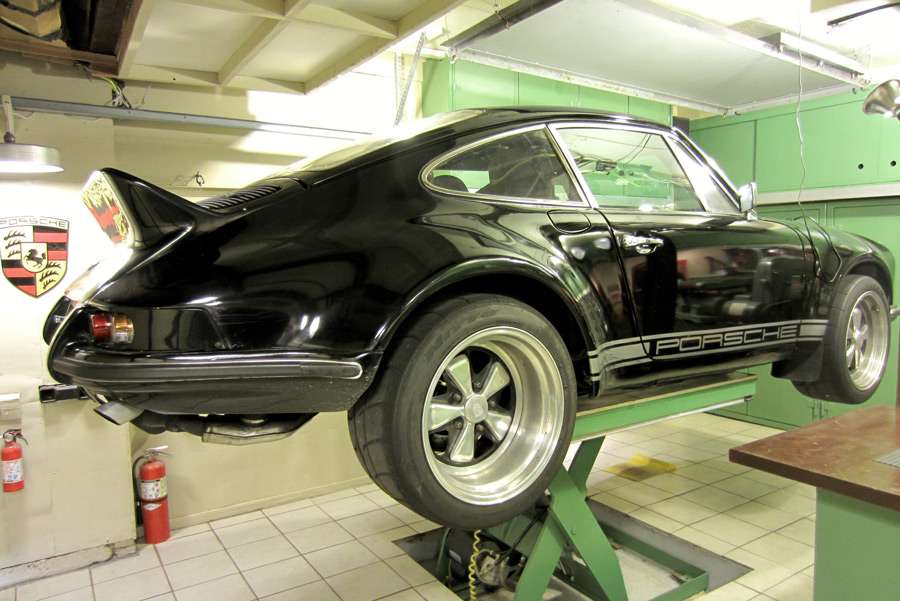
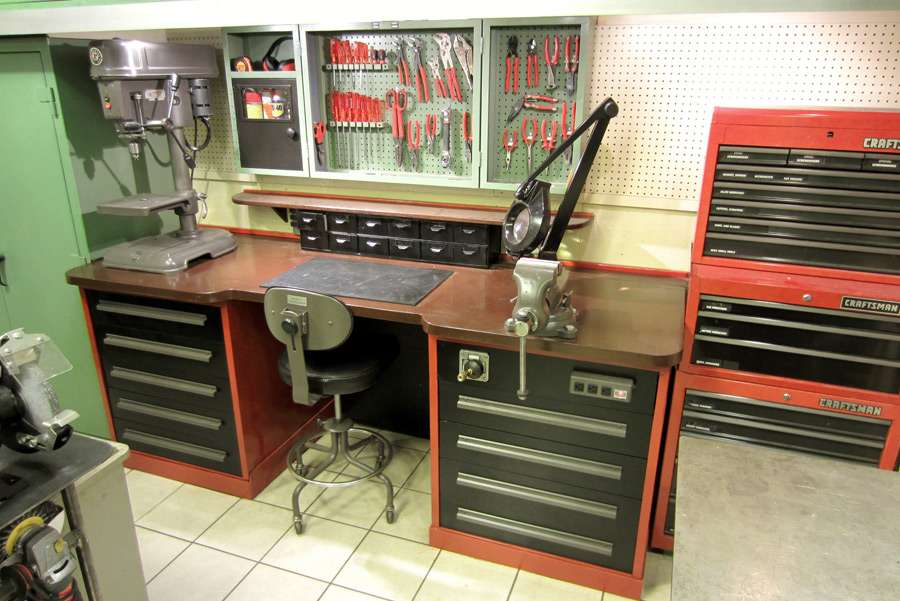
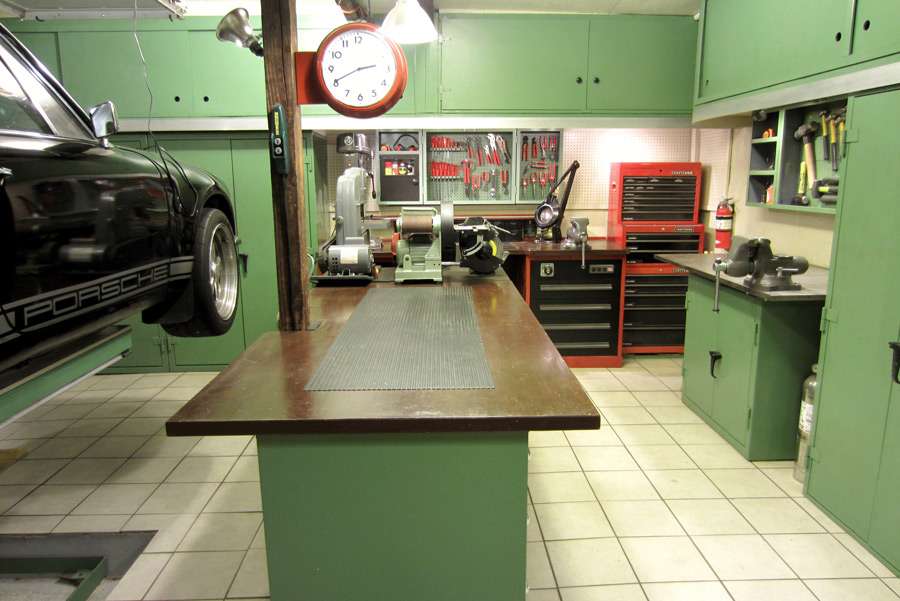
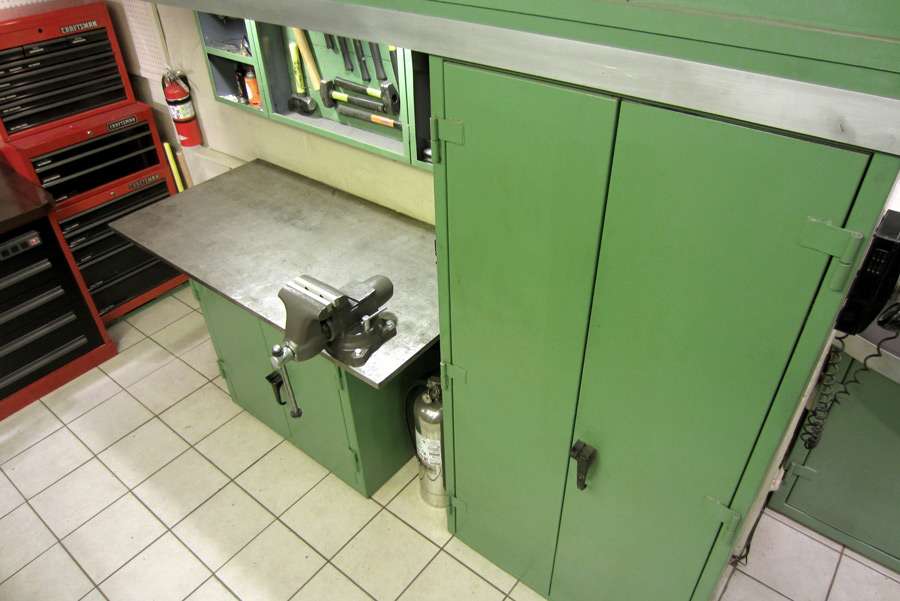
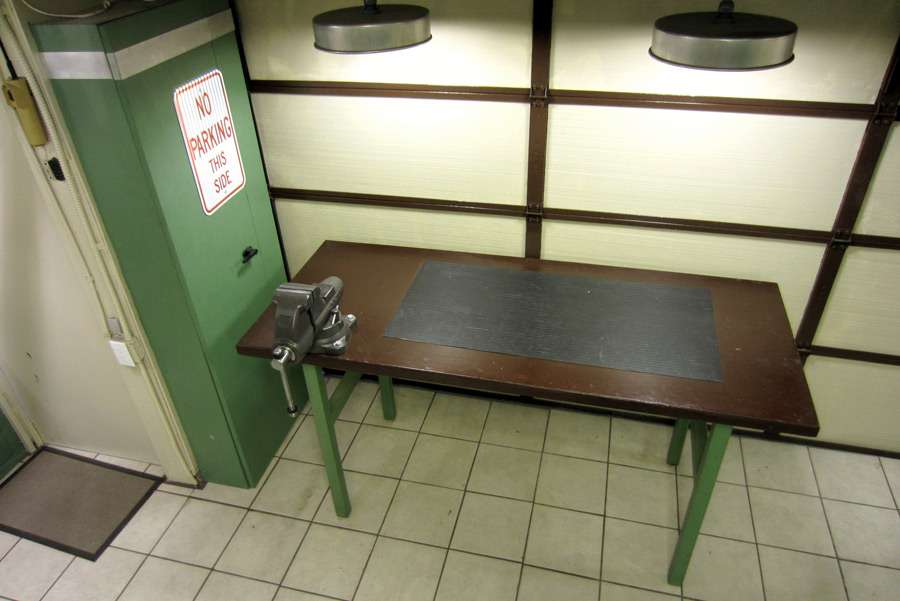
 Yes Jack, that is snowless snowmobile racing!


Nice pics Jack, but I have to ask: no valve stem cap and rubber valve stems? I would have thought you'd have to run metal screw-in stems with metal caps to pass tech inspection. Just food for thought (and my OCD contribution)!
A lot of racers use rubber valve stems because they will flex when something rubs against them. Caps should be used as they seal. Centrifugal force can sometimes cause a valve to unseat.Nice pics Jack, but I have to ask: no valve stem cap and rubber valve stems? I would have thought you'd have to run metal screw-in stems with metal caps to pass tech inspection. Just food for thought (and my OCD contribution)!
I think you'll find that they're his "daily driver" wheels & tyres, he carries the race wheels & tyres on a roof rack, shown in an earlier post.

Thanks.
Actually, those are the same wheels and tires I run at the track. I've heard about metal valve stems, but it's never come up in tech-ing my car with any of the sanctioning groups I've run with. I wonder if it's more of a NHRA thing? In any case, I'll look into it -- it seems like a pretty inexpensive step to take, whether or not stem failure is a possibility in road racing.

Thanks.
Actually, those are the same wheels and tires I run at the track. I've heard about metal valve stems, but it's never come up in tech-ing my car with any of the sanctioning groups I've run with. I wonder if it's more of a NHRA thing? In any case, I'll look into it -- it seems like a pretty inexpensive step to take, whether or not stem failure is a possibility in road racing.
Thanks.
Actually, those are the same wheels and tires I run at the track. I've heard about metal valve stems, but it's never come up in tech-ing my car with any of the sanctioning groups I've run with. I wonder if it's more of a NHRA thing? In any case, I'll look into it -- it seems like a pretty inexpensive step to take, whether or not stem failure is a possibility in road racing.

And while I'm talking about Thunderhill, I once caught a pheasant there.
Ah yes....garage **** of the very highest quality, only for the most discriminating of palates!
Thanks.
Actually, those are the same wheels and tires I run at the track. I've heard about metal valve stems, but it's never come up in tech-ing my car with any of the sanctioning groups I've run with. I wonder if it's more of a NHRA thing? In any case, I'll look into it -- it seems like a pretty inexpensive step to take, whether or not stem failure is a possibility in road racing.
Those pilots don't worry about birds in their path - those jet engines are usually designed to withstand one getting sucked through, aren't they?'Pheasant under (fiber)glass.'
The guy riding in the passenger seat, oddly enough, was an instructor at the Navy's fighter pilot school. I've never seen a more calm reaction to a bird in our path. He told me it was coming and reminded me not to turn -- all in spite of the fact that he was my student that day. We were going somewhere near 100 at the point of impact, and the bird was just pulverized.
It was the very first track day on that paint job, naturally.
(I seem to recall something called "The Chicken Test", or was it "Pheasant" )Those pilots don't worry about birds in their path - those jet engines are usually designed to withstand one getting sucked through, aren't they?
Those pilots don't worry about birds in their path - those jet engines are usually designed to withstand one getting sucked through, aren't they?