First time I've ever seen a lefty actually use a saw left-handed, and that's a beast of a saw to do that with. Every left-handed person I've worked with would still run a saw with their right hand on the throttle in a normal right-handed orientation like it was designed to be used.
As far as the OP goes, fallen trees will have twisting tension forces on them in more than one direction that can make them not only tricky/dangerous to cut up but also make it very easy to get your saw stuck in a cut to where if that happens you will need another like-sized or larger saw to be able to get it out. Just be cognizant of that and watch for the kerf trying to close up behind you.
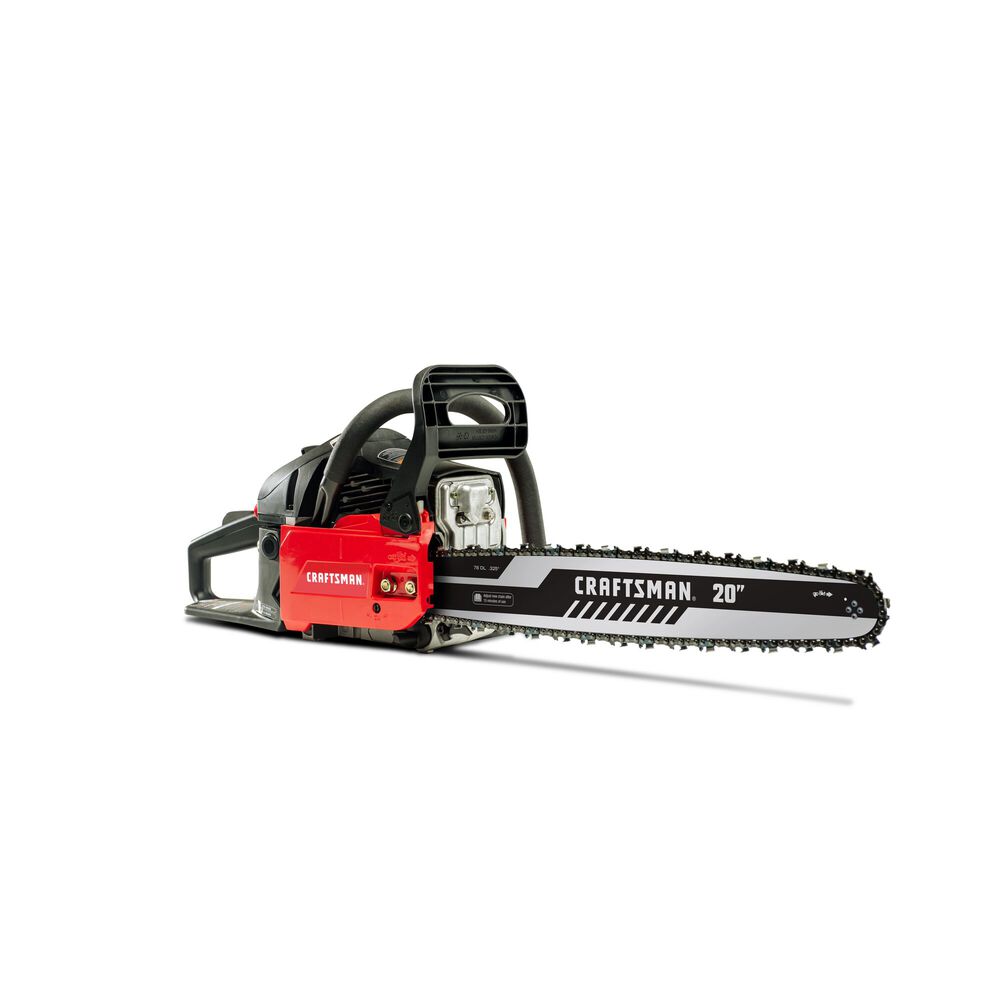
I always aim to size the saw I'm using up to what I'm cutting so that I don't bury the bar tip/sprocket in wood for very long. ie: I try to use a saw with a longer bar than the diameter of the wood I'm cutting. Trying to cut much wood with a bar that's not even close to the diameter of the wood I'm cutting is no beuno. Keeping that tip buried in a cut over and over will smoke a bar.
While I prefer pro-grade Stihls and Huskys, if you plan on selling them when you are done that Stihl name will pay for itself. Stihls put on Marketplace or Craigslist have always gotten me calls and sales within a day or two of listing. I've had people come from a half a day's drive away to get them. Husky's often sit there for weeks without a peep. Homeowner saws like Poulan and McCulloch can be almost impossible to sell until they are priced down to please-just-take-me. A Chinese saw? lol

 slickdeals.net
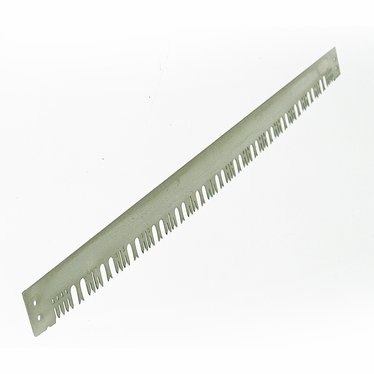


 . Those saws weighed a ton. Smoked like the Marlboro man. Manual oilers.
