Imagine if instead of the multimeters that they (HF) were giving away free 4" shifters (adjustable wrenches). Now imagine that someone busted up their knuckles and mashed up the bolts while trying to tension the head in their truck with one of these 4" shifters and a 2 foot pipe/cheater. So what, is everyone going to blame these free shifters? Or they going top blame the idiot wielding it?
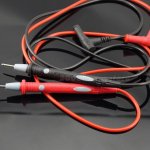
You know the answer, and I don't see why it's any different for these multimeters. They have their uses and they have their place, and used within their limitations they work fine. I wouldn't recommend them around high voltages, purely because the leads are so flimsy, but I can assure you that you can still blow yourself up around high voltage, no matter what quality equipment you have, if you don't know what you're doing.
I do a lot of electrical work and have various good quality meters and oscilloscopes, but I also have one of those little "830" meters, and it's usable if you know what you're doing. Mine is mostly just kept in the car for "emergencies", but occasionally it will be the only meter I have on hand and I'll have to use it on something "serious".
There are good reasons however why a serious tech wouldn't use one of these as their "go to" meter. As I said these are usable, but they generally require a bit more work (or "sanity tests") on the part of the user in order to ensure reliable results. Sanity tests involve things like testing a known voltage (to make sure meter is giving reliable results) prior to measuring an unknown. Another good sanity test is to compare results across two or more ranges, to make sure they're consistent. For example a 1k resistor may measure 993 ohms on the 2k range, and 0.99k on the 20k range, which would demonstrate good consistency.
Sometimes with these cheap meters you may need to wiggle the plugs, or switch the rotary dial back and forth across ranges a few times, to make sure everything is making good contact before those "sanity tests" are passed. All of the very cheap meters that I've ever used have required more of these type of consistency checks in order to ensure reliable results compared to quality instruments. So they're generally more effort to use, but if you know what you're doing then they are usable.