JohnReynolds
Active member
- Joined
- Apr 5, 2006
- Messages
- 32
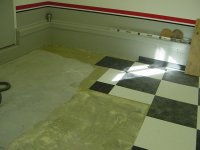
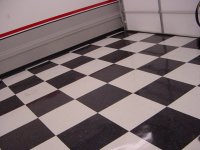
I called Armstrong Tech Line today to ask about using VCT for a garage floor. I read in the details on the tile that it is not supposed to ever be below 55F and a garage here in Michigan, even heated, will get that cold when you open the doors!
Here is her reply, including a Technical Services Report on using VCT in automobile showrooms from 1992:
QUOTE:
Installation of resilient flooring into a garage is not an Armstrong recommended application. Resilient flooring should only be installed in temperature-controlled environments. It is highly recommended that the permanent HVAC system be in operation before the installation of resilient flooring. The area to receive resilient flooring should be maintained at a minimum of 65 degrees F (18 degrees C) and a maximum of 100 degrees F (38 degrees C) for 48 hours before, during and 48 hours after completion of the installation. Normally garages are not temperature controlled areas. After installation, the temperature should be maintained at a minimum of 55 degrees. The performance of the flooring material and adhesives can be adversely affected below this minimum temperature. Most garage floors have had gas and oil dripped or spilled on them. This residue in the substrate will inhibit the adhesive from working properly. Automobile fluids, such as brake, transmission and oil, if leaked onto the resilient flooring can get into the joints of the tile and break down the adhesive creating a bonding issue and a possible installation failure. The oils and antioxidants used in the manufacturing process of rubber tires will cause a permanent yellow discoloration to any resilient (vinyl) flooring. Also, exposure to the moisture from rain, snow or sleet and varying temperatures will have a damaging affect on both tile and sheet flooring.
Technical Information \ Technical Bulletins\Technical Services Report:
No. 3 April 1992 (Revised 9/2000 and 10/2004)
Armstrong Resilient Flooring in Auto Showrooms
We frequently receive inquiries concerning the use of Armstrong commercial resilient flooring in automobile showrooms. Armstrong commercial sheet and tile floors are an excellent choice for these areas, where a durable, easily maintained, and attractive flooring surface is required.
The first question that usually arises is if the weight of the cars would exceed the static load limit of our flooring. Due to the contact area of the tires, the static load is approximately the same as the tire air pressure---30 to 35 psi (pounds/square inch). This is well below the static load limits of Armstrong commercial floors.
There are, however, some precautions that should be taken to protect the flooring from damage and discoloration in this particular application:
· When cars are driven into position in the showroom, avoid turning the wheels unless the car is moving. Also, avoid spinning the tires. Either of these actions could cause damage to the floor.
· When auto tires remain in contact with the floor for a period of time, the oils and antioxidants used in their manufacture can stain vinyl flooring. To avoid this situation, a sheet of plastic should be placed under the tires in the showroom.
· Oil drippage, even from new cars, sometimes occurs. When this happens, the spill should be cleaned up immediately, and a drop cloth or pan should be placed under these cars. Prolonged contact with some automotive fluids, such as brake fluid, can discolor vinyl flooring.
· Because of the large window areas in auto showrooms, the flooring should be protected from extended direct exposure to sunlight. The ultraviolet (UV) portion of sunlight can discolor interior furnishings and flooring over extended periods. Showrooms should be constructed using tinted or low-E glass that effectively blocks out most of the UV radiation and also controls heat gain and loss from the building.
Armstrong's best flooring choice for auto showrooms is Possibilities, with its carpet-like visual. Other good selections for auto showrooms are Medintech, Medinpoint, Connection Corlon and Classic Corlon.
Other products that can be used include Medintech Tandem, Perspectives (Sheet & Tile), Translations, Timberline, Linoleum, Stonetex, Companion Square, Feature Tile (for borders and accents only), Imperial Texture, MultiColor, Natural Creations and Natural Options.
Lois C. Eshleman
Armstrong Floor Products - Commercial TechLine
Customer Relations and Technical Services
Armstrong World Industries, Inc.
Visit our website at www.Armstrong.com and our technical website at www.FloorExpert.com.
END QUOTE
Here is her reply, including a Technical Services Report on using VCT in automobile showrooms from 1992:
QUOTE:
Installation of resilient flooring into a garage is not an Armstrong recommended application. Resilient flooring should only be installed in temperature-controlled environments. It is highly recommended that the permanent HVAC system be in operation before the installation of resilient flooring. The area to receive resilient flooring should be maintained at a minimum of 65 degrees F (18 degrees C) and a maximum of 100 degrees F (38 degrees C) for 48 hours before, during and 48 hours after completion of the installation. Normally garages are not temperature controlled areas. After installation, the temperature should be maintained at a minimum of 55 degrees. The performance of the flooring material and adhesives can be adversely affected below this minimum temperature. Most garage floors have had gas and oil dripped or spilled on them. This residue in the substrate will inhibit the adhesive from working properly. Automobile fluids, such as brake, transmission and oil, if leaked onto the resilient flooring can get into the joints of the tile and break down the adhesive creating a bonding issue and a possible installation failure. The oils and antioxidants used in the manufacturing process of rubber tires will cause a permanent yellow discoloration to any resilient (vinyl) flooring. Also, exposure to the moisture from rain, snow or sleet and varying temperatures will have a damaging affect on both tile and sheet flooring.
Technical Information \ Technical Bulletins\Technical Services Report:
No. 3 April 1992 (Revised 9/2000 and 10/2004)
Armstrong Resilient Flooring in Auto Showrooms
We frequently receive inquiries concerning the use of Armstrong commercial resilient flooring in automobile showrooms. Armstrong commercial sheet and tile floors are an excellent choice for these areas, where a durable, easily maintained, and attractive flooring surface is required.
The first question that usually arises is if the weight of the cars would exceed the static load limit of our flooring. Due to the contact area of the tires, the static load is approximately the same as the tire air pressure---30 to 35 psi (pounds/square inch). This is well below the static load limits of Armstrong commercial floors.
There are, however, some precautions that should be taken to protect the flooring from damage and discoloration in this particular application:
· When cars are driven into position in the showroom, avoid turning the wheels unless the car is moving. Also, avoid spinning the tires. Either of these actions could cause damage to the floor.
· When auto tires remain in contact with the floor for a period of time, the oils and antioxidants used in their manufacture can stain vinyl flooring. To avoid this situation, a sheet of plastic should be placed under the tires in the showroom.
· Oil drippage, even from new cars, sometimes occurs. When this happens, the spill should be cleaned up immediately, and a drop cloth or pan should be placed under these cars. Prolonged contact with some automotive fluids, such as brake fluid, can discolor vinyl flooring.
· Because of the large window areas in auto showrooms, the flooring should be protected from extended direct exposure to sunlight. The ultraviolet (UV) portion of sunlight can discolor interior furnishings and flooring over extended periods. Showrooms should be constructed using tinted or low-E glass that effectively blocks out most of the UV radiation and also controls heat gain and loss from the building.
Armstrong's best flooring choice for auto showrooms is Possibilities, with its carpet-like visual. Other good selections for auto showrooms are Medintech, Medinpoint, Connection Corlon and Classic Corlon.
Other products that can be used include Medintech Tandem, Perspectives (Sheet & Tile), Translations, Timberline, Linoleum, Stonetex, Companion Square, Feature Tile (for borders and accents only), Imperial Texture, MultiColor, Natural Creations and Natural Options.
Lois C. Eshleman
Armstrong Floor Products - Commercial TechLine
Customer Relations and Technical Services
Armstrong World Industries, Inc.
Visit our website at www.Armstrong.com and our technical website at www.FloorExpert.com.
END QUOTE