

Coolerman
Well-known member
I'm back with more questions!
I have a 24 x 40 foot insulated (3" fiberglass plastic faced) all steel building that is 14' at the peak.
I am about to install an old Kodiak Stove wood burner I picked up for $100. I am modifying the stove by adding a secondary air combustion system to increase efficiency and burn time, will reline it with new fire brick, and give it a fresh coat of high temp paint. This is a large stove(actually it's a fireplace insert) that can burn 24" logs so it should have no trouble heating my shop. It is also double walled so if needed I can install a squirrel cage fan on the bottom to blow air out the top for additional heat
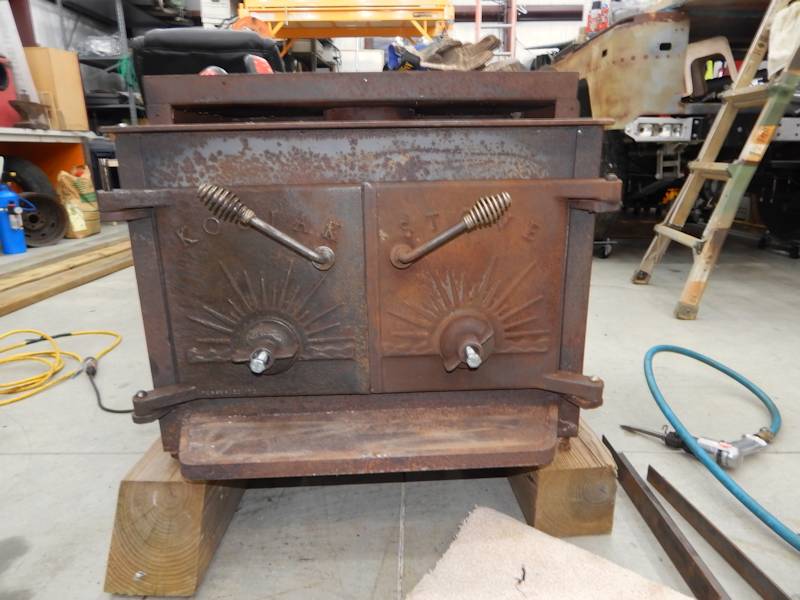
I plan to mount it about 20" off the floor for ease of loading and to prevent any fumes that might occur from spilled fuel or whatever from reaching the stove. The shop is not super sealed so I really am not worried about that issue.
What I plan to do:
I will use 8" DuraVent DVL (double wall black pipe) from the stove up to 18" away from the ceiling. I will then put a DVL to chimney adapter on the end of the DVL. Next I will cut the insulation back to 6" clearance then penetrate the roof using the Duravent Chimney pipe (stainless double wall) to the height above the peak required by code. To seal it to the metal roof
I will install a red silicon boot (high temp) covered by a storm collar to help protect the boot. Last will be a stainless cap on the chimney. So does that sound like it's correct? Am I missing anything?
Another question is this: The total length of pipe including the chimney will be about 16'. The entire weight of the pipe in the above plan will be on the stove collar. Do I have to support the pipe in any way INSIDE the garage? Does the chimney section have to be self supporting?
I have a 24 x 40 foot insulated (3" fiberglass plastic faced) all steel building that is 14' at the peak.
I am about to install an old Kodiak Stove wood burner I picked up for $100. I am modifying the stove by adding a secondary air combustion system to increase efficiency and burn time, will reline it with new fire brick, and give it a fresh coat of high temp paint. This is a large stove(actually it's a fireplace insert) that can burn 24" logs so it should have no trouble heating my shop. It is also double walled so if needed I can install a squirrel cage fan on the bottom to blow air out the top for additional heat
I plan to mount it about 20" off the floor for ease of loading and to prevent any fumes that might occur from spilled fuel or whatever from reaching the stove. The shop is not super sealed so I really am not worried about that issue.
What I plan to do:
I will use 8" DuraVent DVL (double wall black pipe) from the stove up to 18" away from the ceiling. I will then put a DVL to chimney adapter on the end of the DVL. Next I will cut the insulation back to 6" clearance then penetrate the roof using the Duravent Chimney pipe (stainless double wall) to the height above the peak required by code. To seal it to the metal roof
I will install a red silicon boot (high temp) covered by a storm collar to help protect the boot. Last will be a stainless cap on the chimney. So does that sound like it's correct? Am I missing anything?
Another question is this: The total length of pipe including the chimney will be about 16'. The entire weight of the pipe in the above plan will be on the stove collar. Do I have to support the pipe in any way INSIDE the garage? Does the chimney section have to be self supporting?
 (I figure I will spend another $100 modifying the stove.)