To avoid these ads, REGISTER NOW!

Weld through Primer, what brand?

To avoid these ads, REGISTER NOW!

cgrutt

Well-known member
Joined
Mar 4, 2016
Messages
8,221
I just ordered a can of 3M Weld Thru II for a patch panel I will be doing on my pickup. Haven't used it before but had good reviews. High zinc content. There are also products available that are copper based which are supposed to be pretty good but unfortunately not for MIG welding, which is what I will be doing.
 

Hammer1963

Well-known member
Joined
Jan 2, 2011
Messages
2,048
Location
Kentucky
I use 3M Weld thru II and SEM Copper coat. Both work very well. I have also used cold galvanizing spray paint in a pinch and have witnessed no complications. I do recommend that you allow the primer to flash thoroughly before attempting to weld and to scratch away the primer from the actual surface that you will be welding.for best results.
 

PCustoms

Well-known member
Joined
Jul 23, 2011
Messages
22,624
Location
VT
What about projects that are ongoing? Maybe I don't need a weld thru, but I need something to protect projects I might not get back to for a few weeks
 

Kaizen

Well-known member
Joined
Jan 9, 2015
Messages
6,948
Location
New England
What about projects that are ongoing? Maybe I don't need a weld thru, but I need something to protect projects I might not get back to for a few weeks

Cheapest weld through I can get is eastwood. welds fine after application.
use an etching primer to cover bare metal as you go. Then when you get a few panels done sand it to get some tooth and spray epoxy primer over it. if it comes off easy then best to take it off to metal again. at least it keeps the rust away.
 

MP&C

Well-known member
Joined
Oct 21, 2009
Messages
4,401
Location
Leonardtown, MD
I'd suggest that anything out of a spray can is limited in it's protection, stability, and life span, and find it hard to believe that any aerosol can product will even come close to those same characteristics of a catalyzed/epoxy product. I know, I-CAR recommends it's use.. But they also push processes and products that are more likely to happen in a collision repair environment to insure it actually occurs. This leaves out epoxy primer, as it takes too long to cure for a repair that has to be in and out the door in about three days.. So for their purpose, a spray can works.


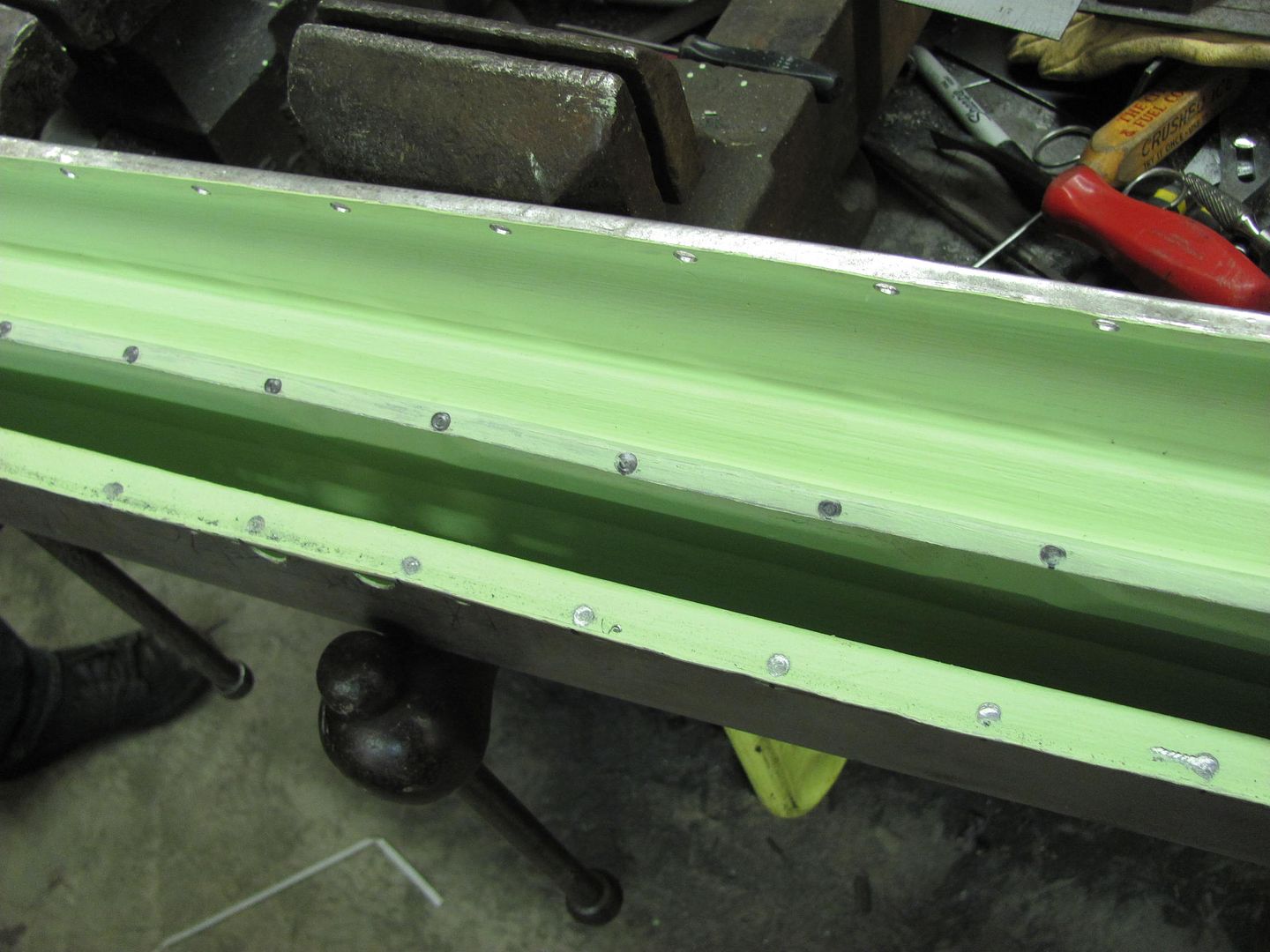
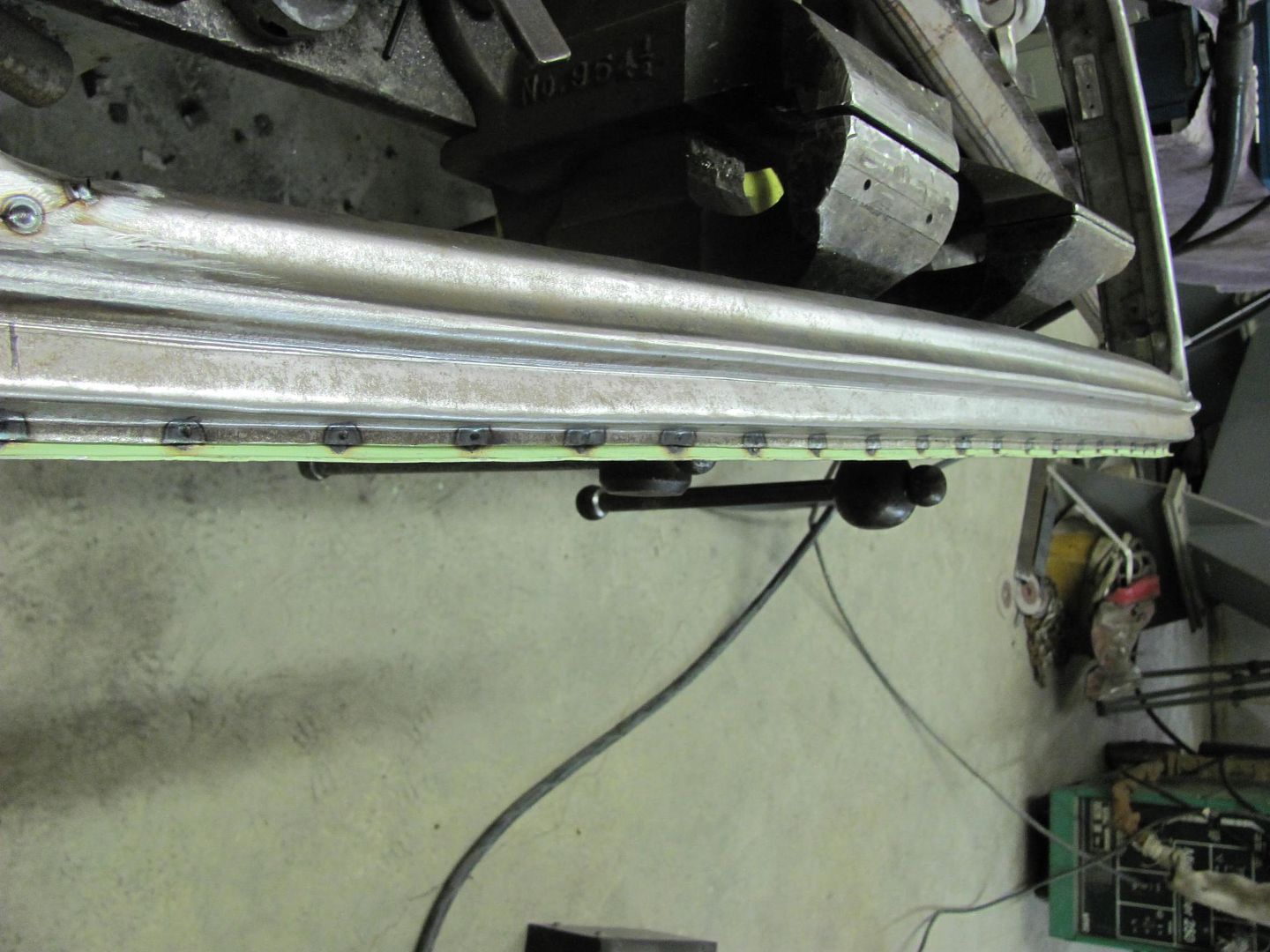
I prefer to epoxy the two adjacent sides, let it cure, then plug weld. I have done the same with the spot welder, as shown:

Spot welding:
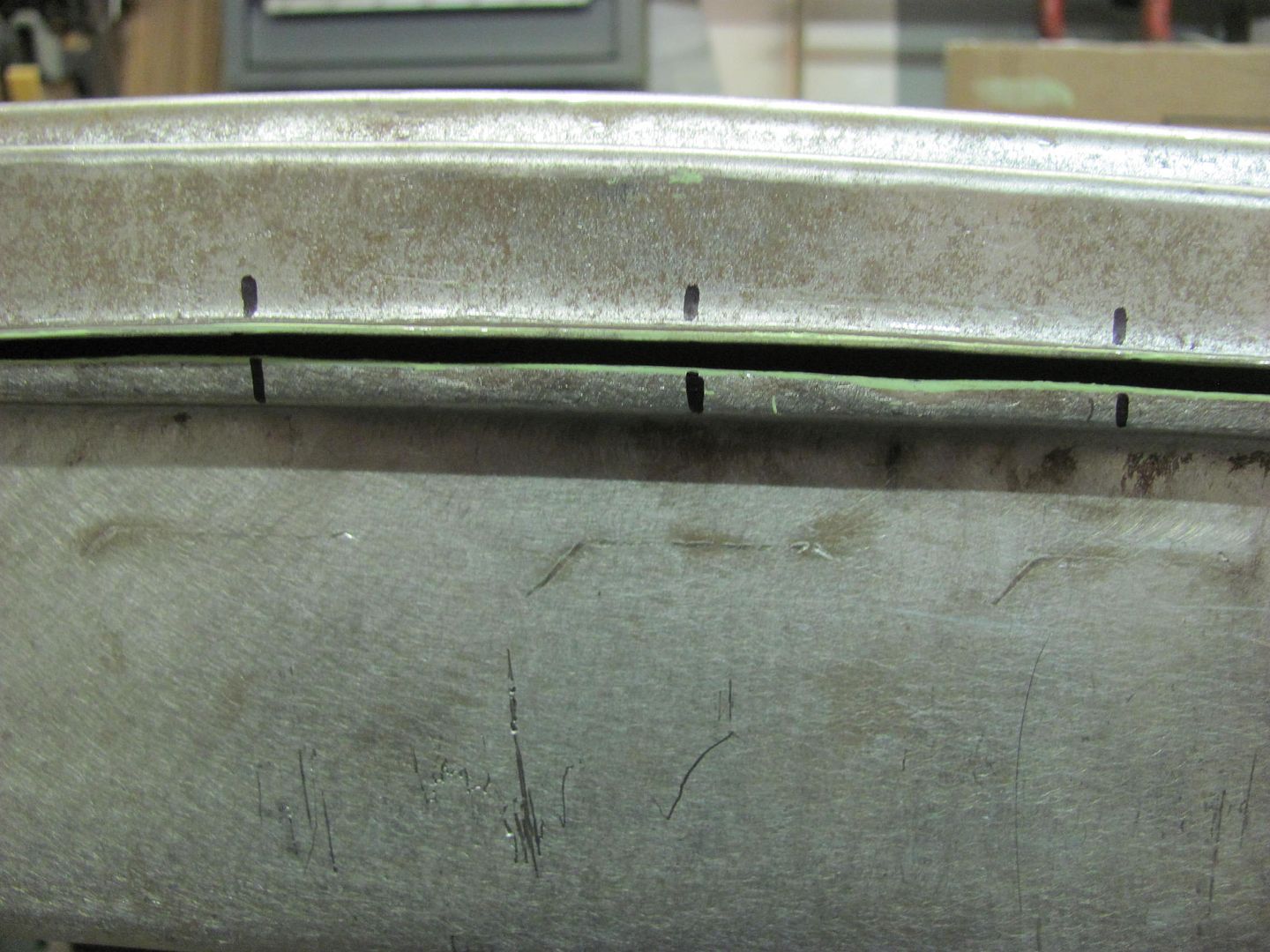
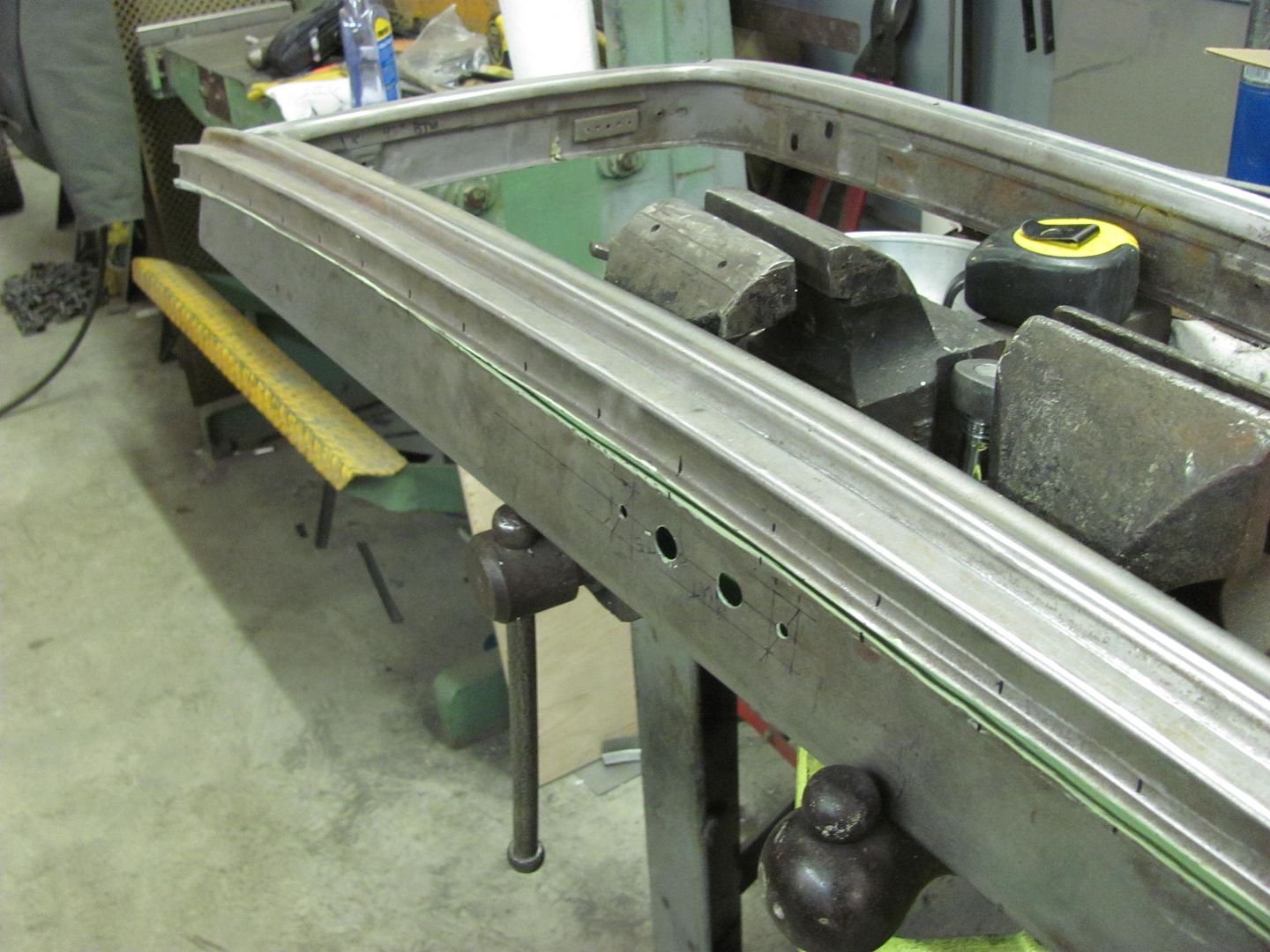
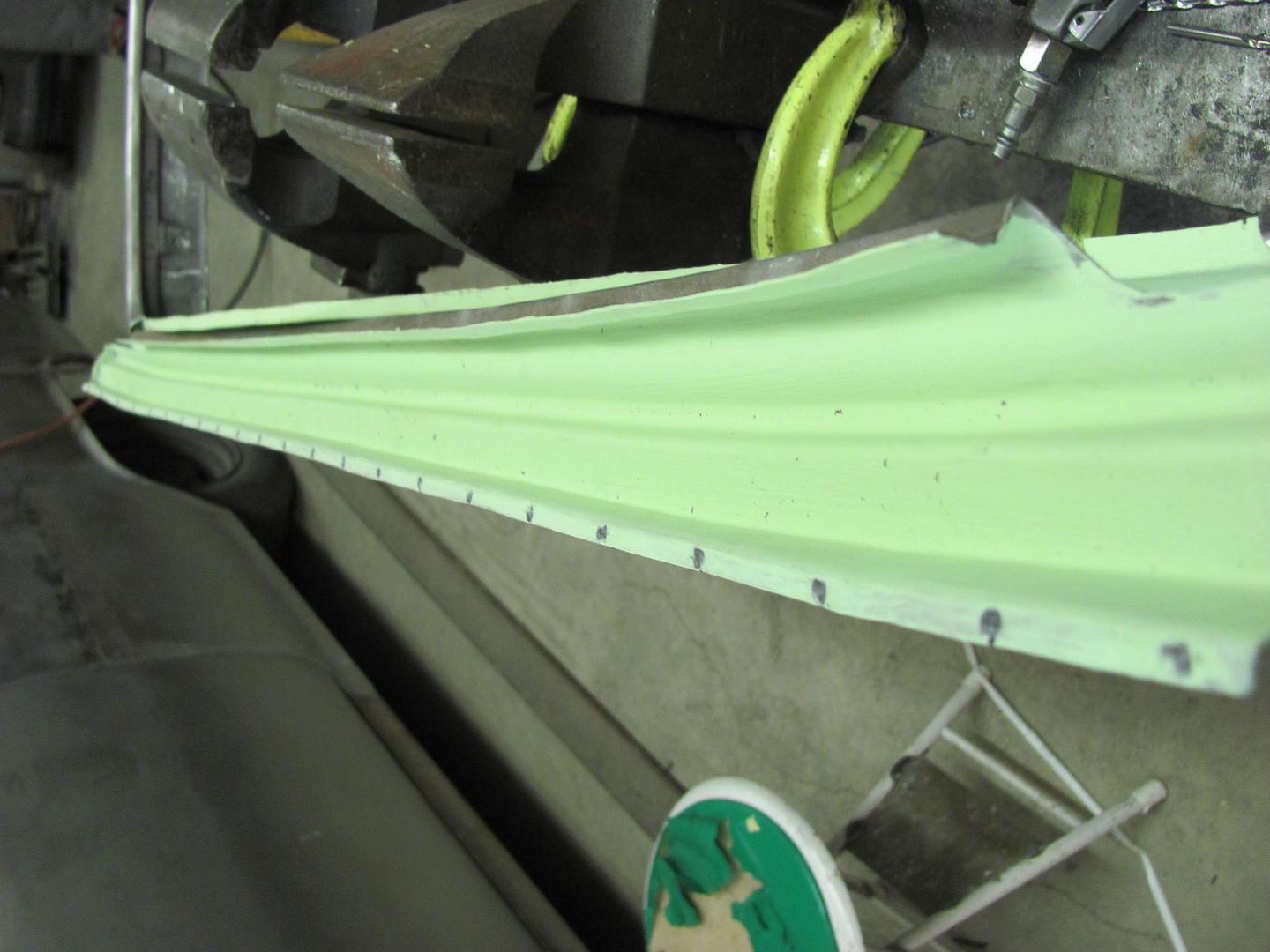
In order to use the spot welder along the bottom seam of the lift gate, we needed to clean off some epoxy primer where the spot welds would be located. Used and even spacing of 2" and marked both flanges...
Picture685.jpg

Picture686.jpg

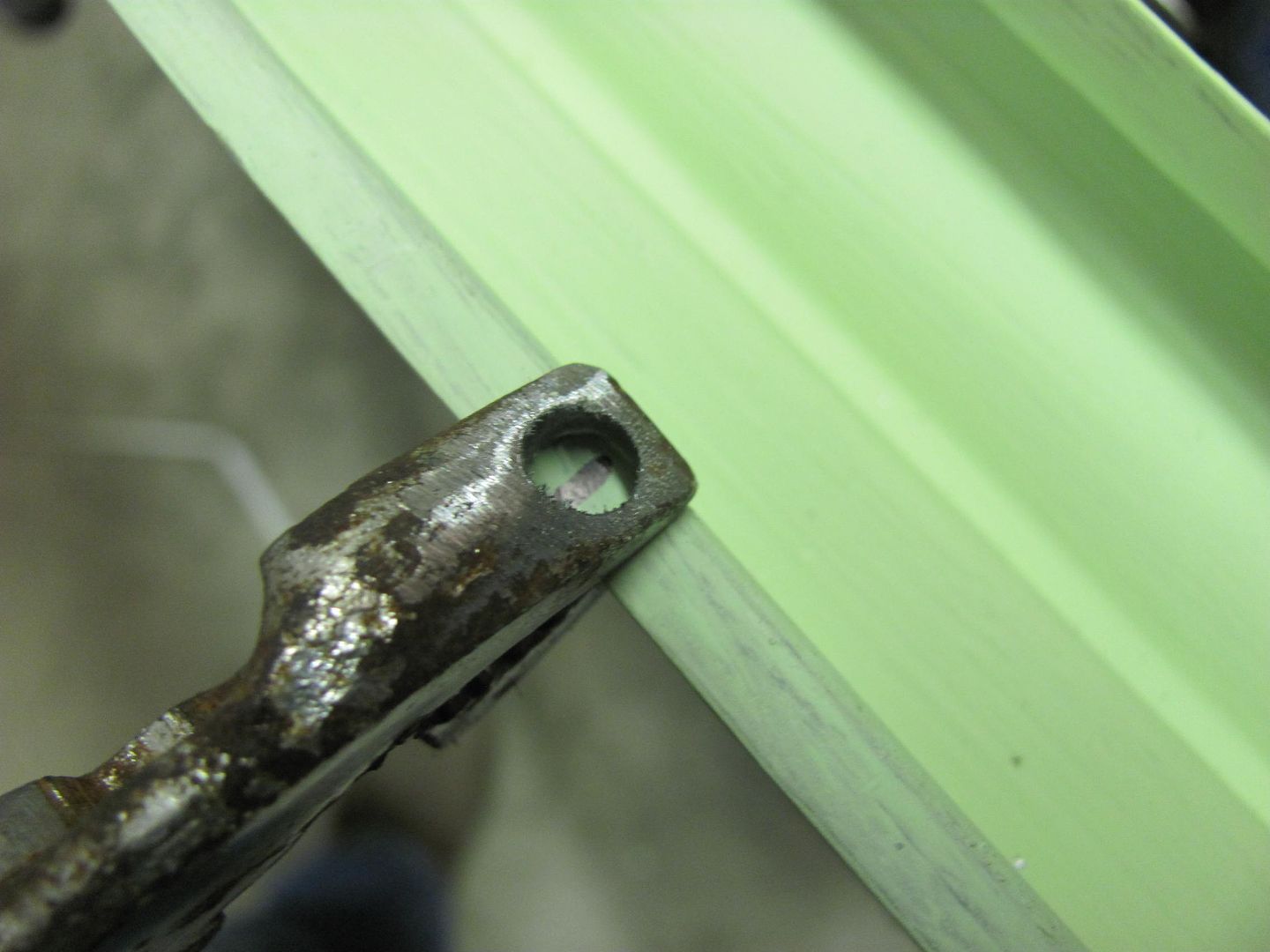
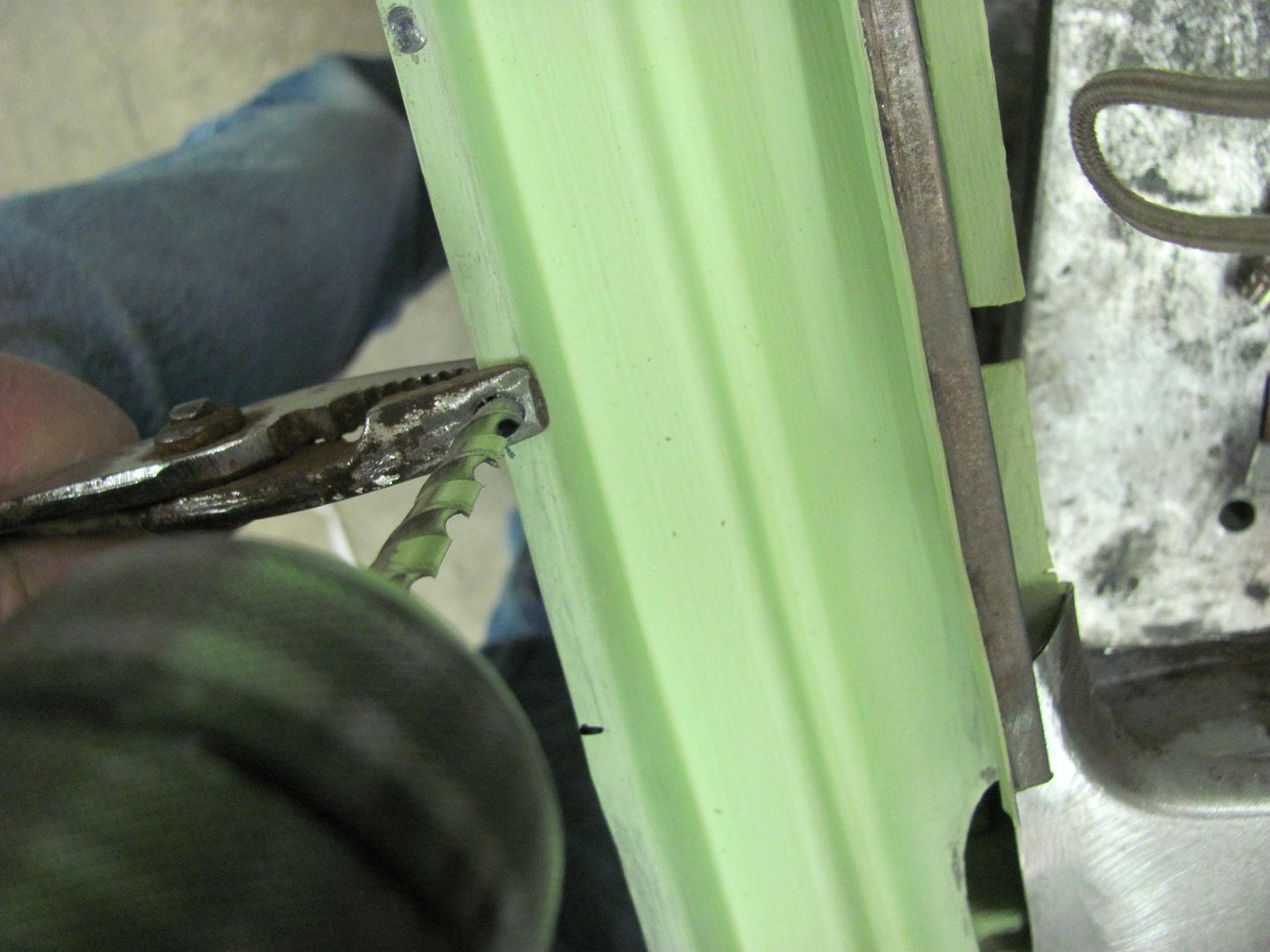
In order to remove as little epoxy primer as possible, we decided to use the modified plug weld drill bit (the flattened one) rather than the errant marks and excessive paint removal that a roloc sander would make. In order that the flat drill bit didn't walk all over the place, another specialized tool was made....
Picture687.jpg

Picture688.jpg

Picture689.jpg

Picture690.jpg

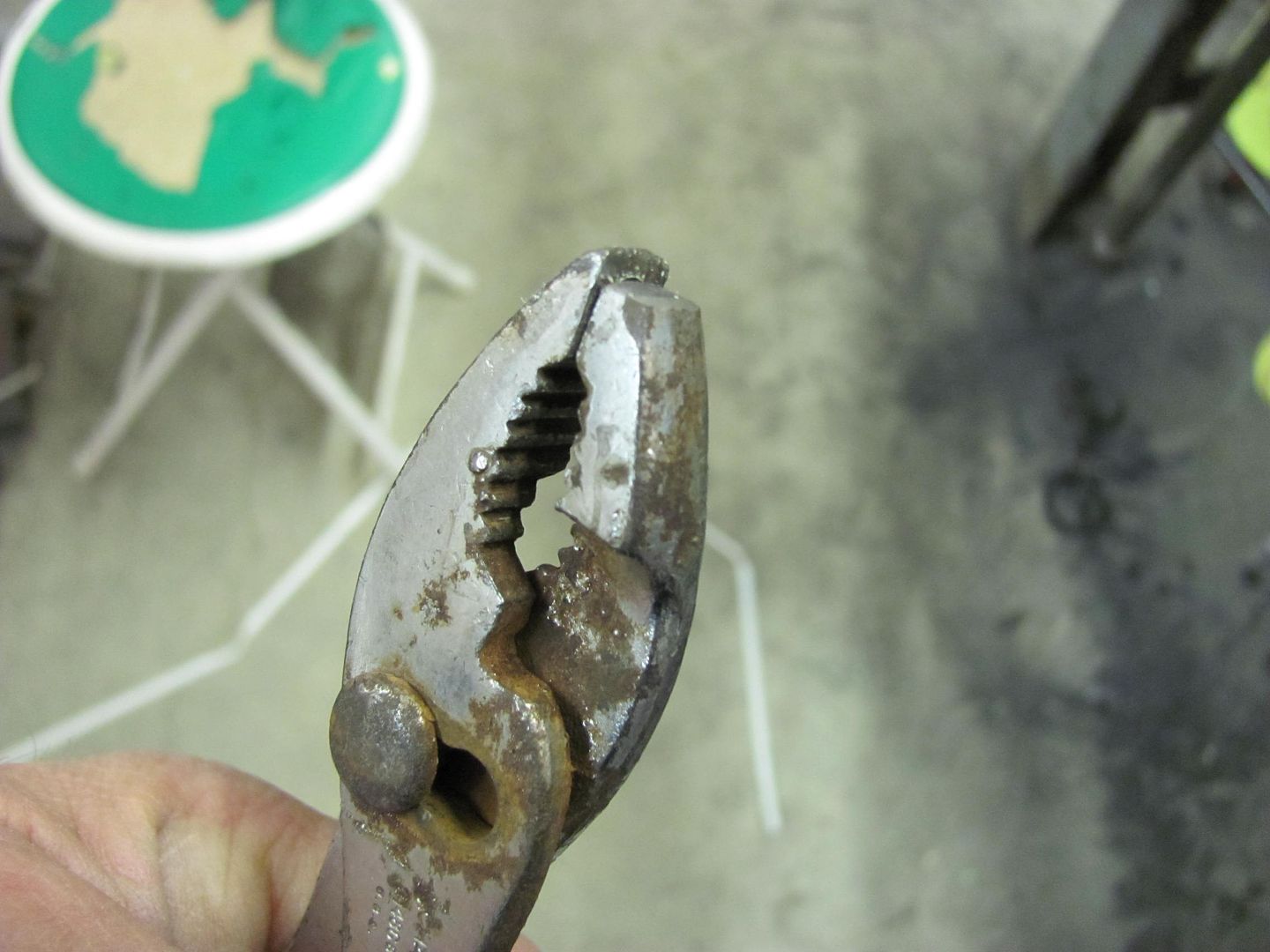
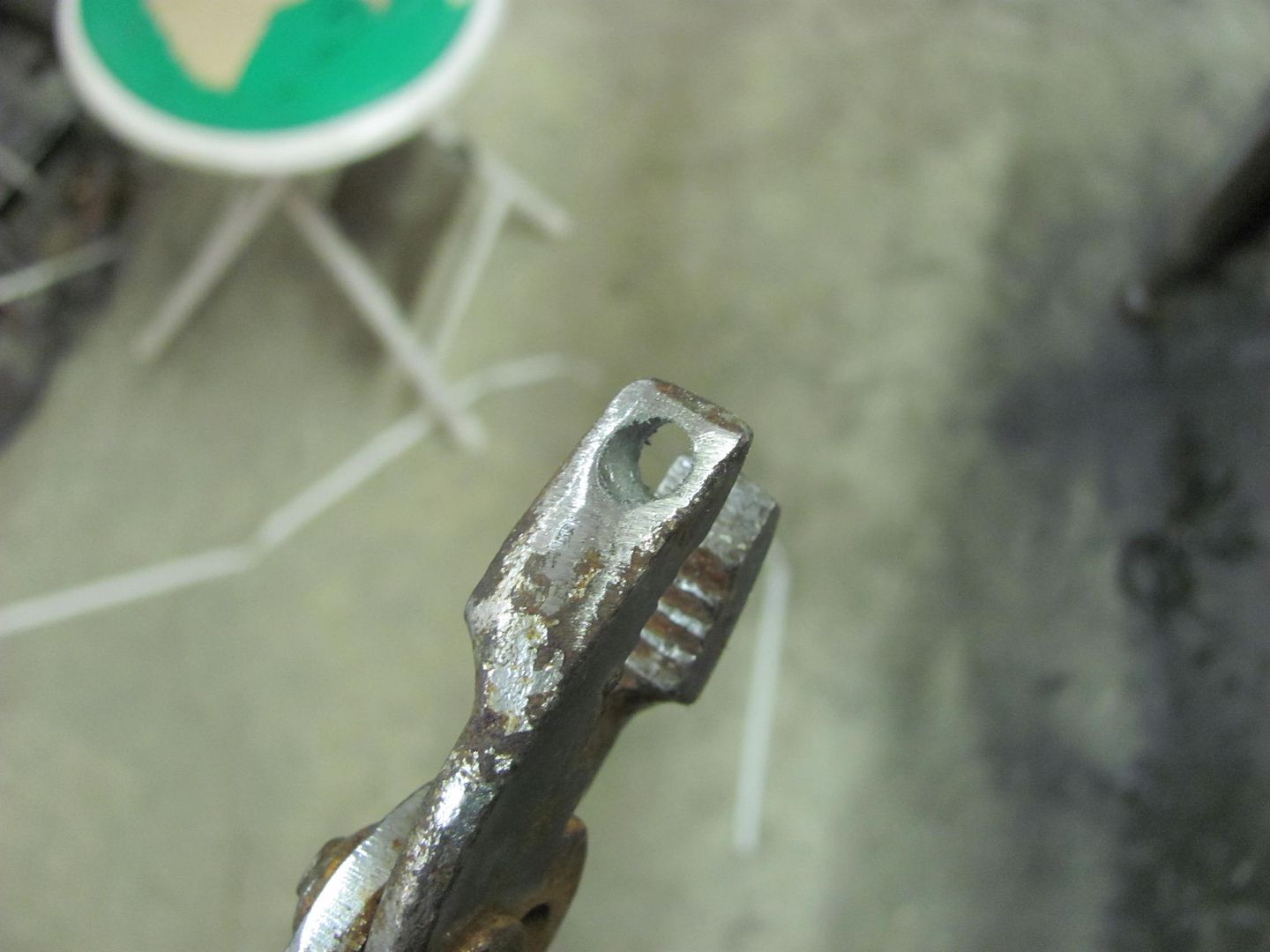
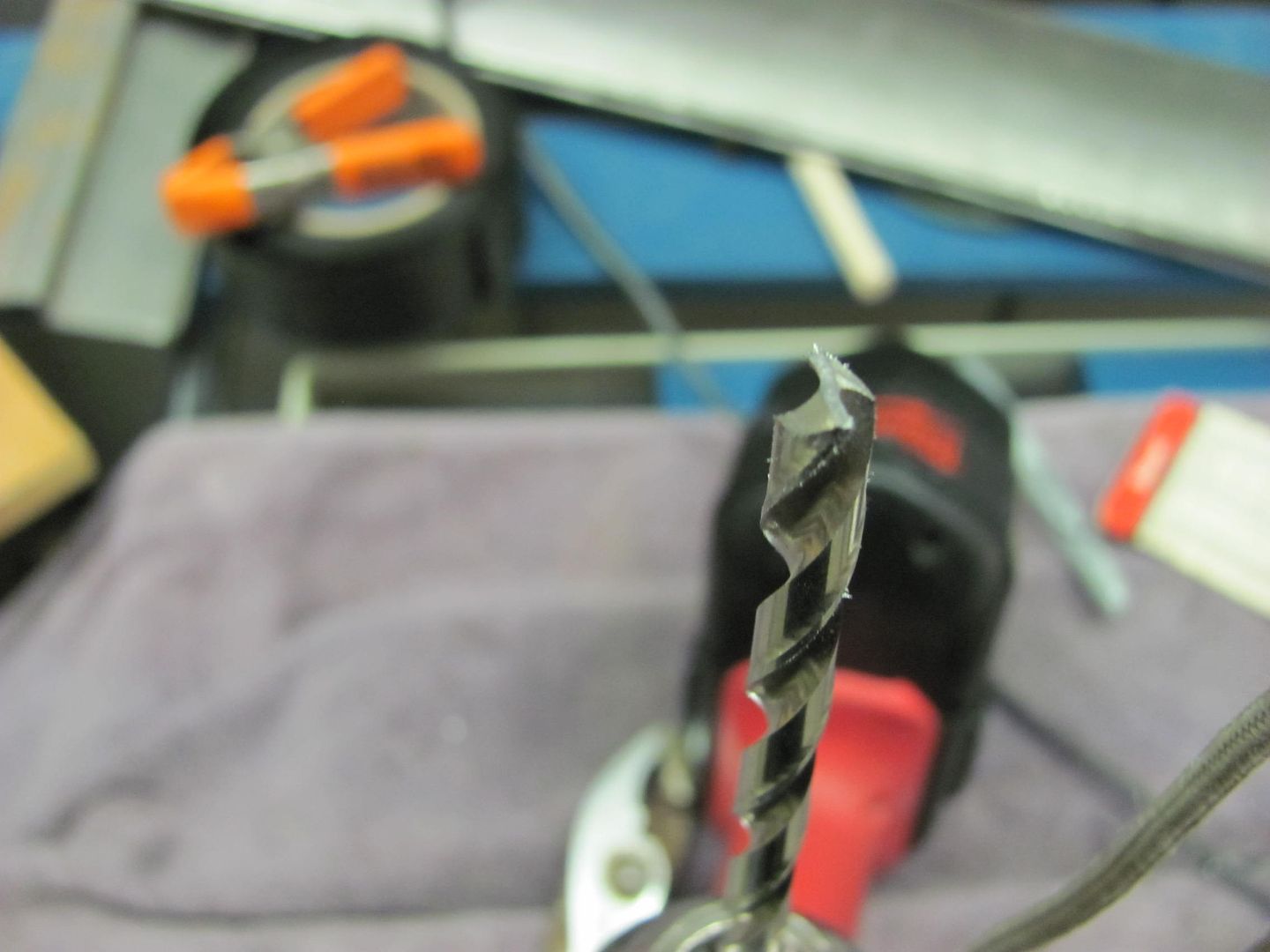
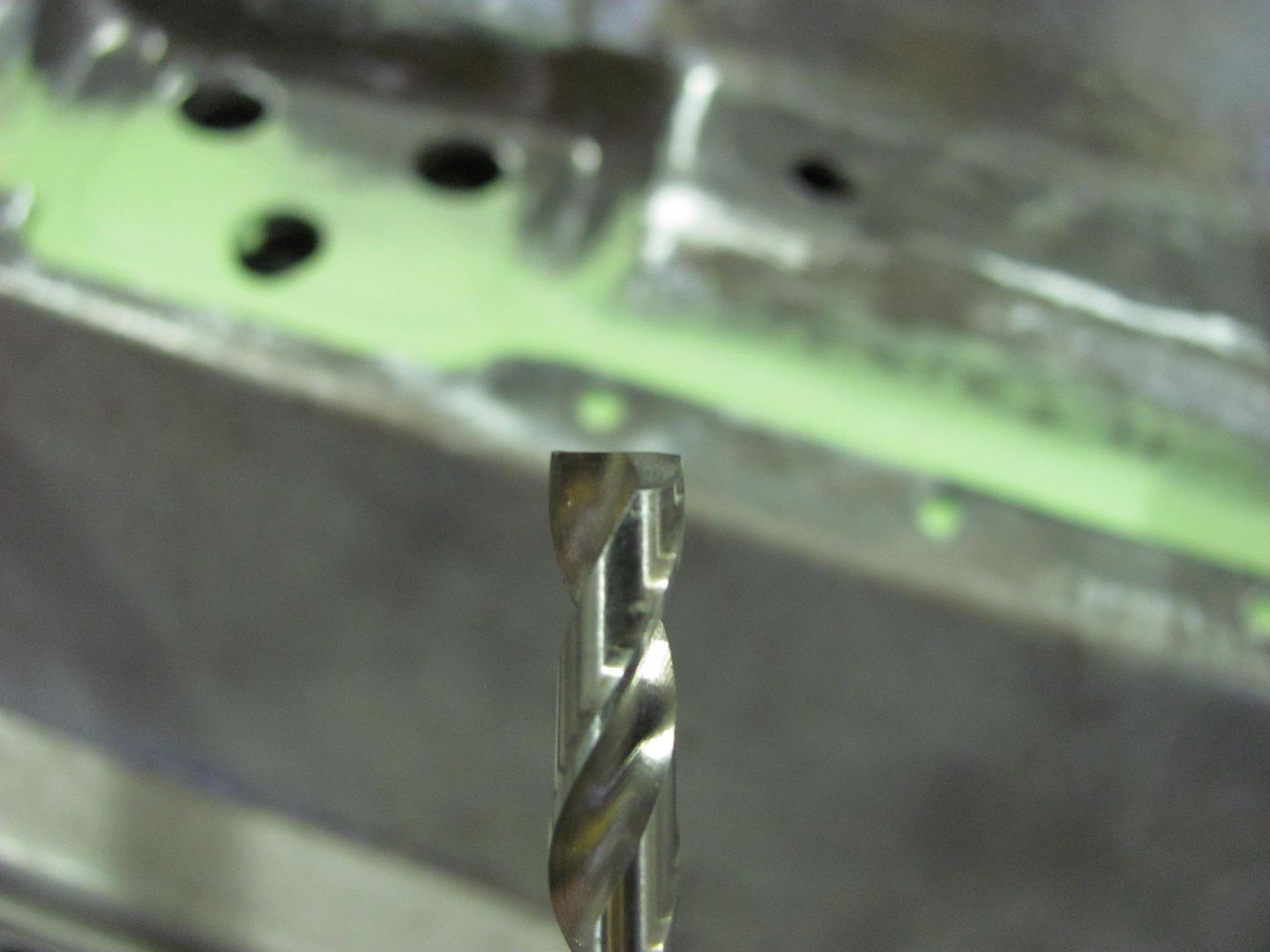
Here's another close up of the modified bit...
Picture692.jpg

.....and the "prepped" flanges...
Picture694.jpg

Picture695.jpg

Bottom flanges spot welded together...
Picture702.jpg
Plug welds.. (repeat post to help with the topic at hand)

When assembling adjacent panels I'll typically just use epoxy between the two, as shown here, painted on the rear tailgate opening, and also on the underside of the tailpan. This provides rust protection where in many cases the factory process does not add any paint until after assembly. In cars like this 55, in many cases the inner voids such as in the rockers or floor crossmembers never receive any paint finish inside, making them prone to moisture and rust issues.
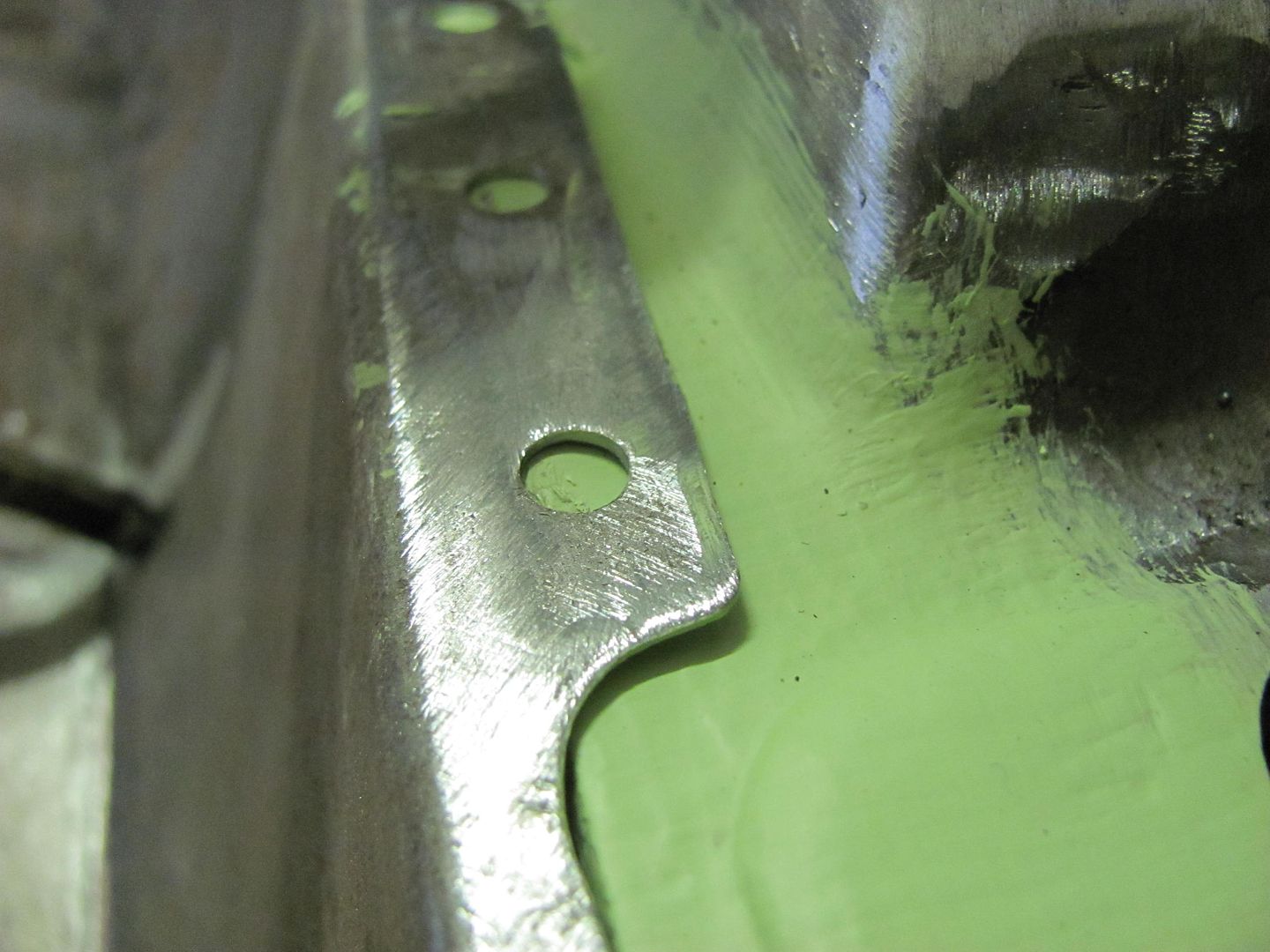
Where this epoxy will not allow welding, you will need to clean the paint off the adjacent panel within the drilled plug weld hole.

Picture314.jpg


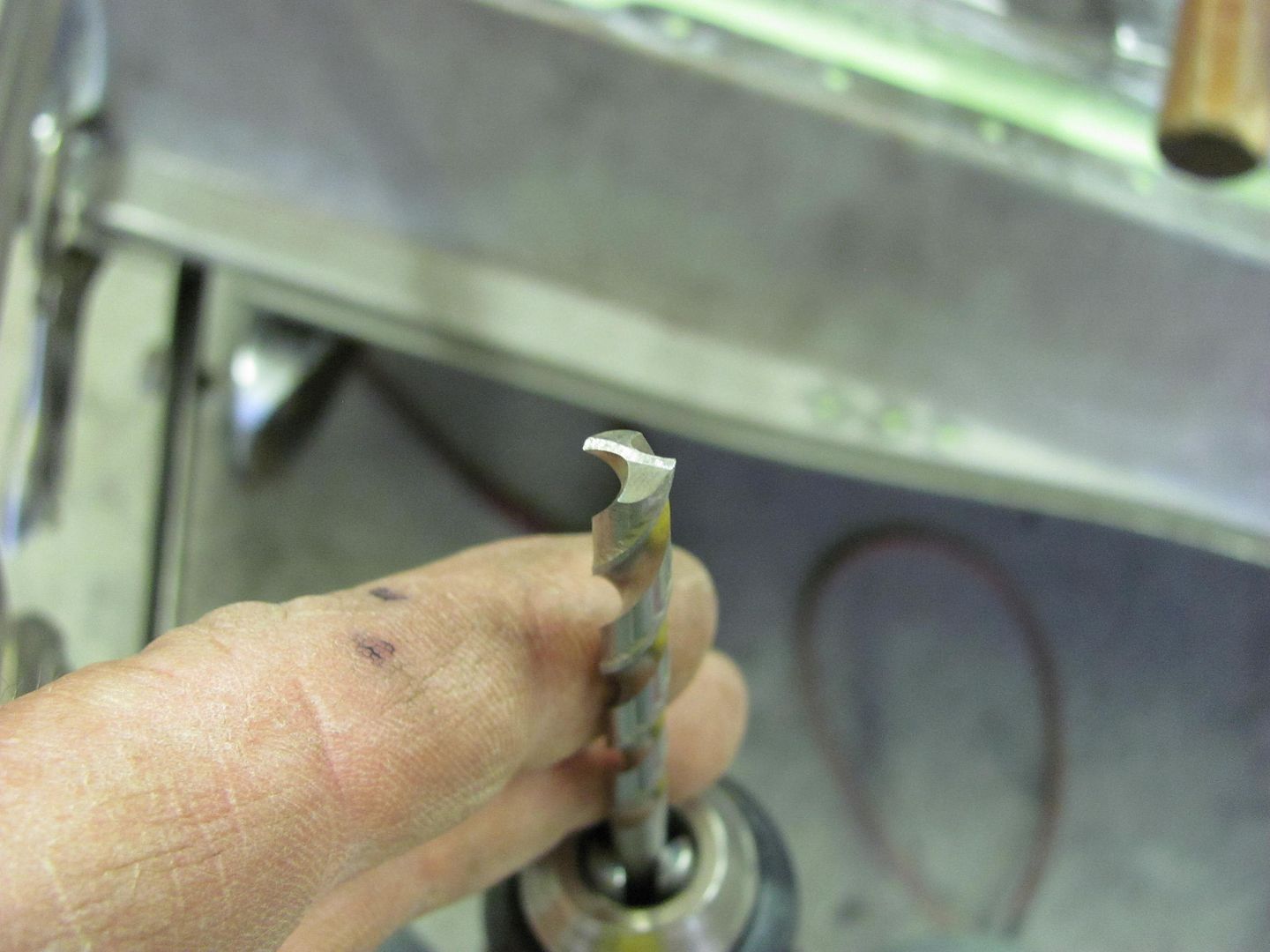
Which is what brought about the need for this tool, made from the same size drill bit as I use for plug weld holes. It is flattened using about a 120 grit sanding disc, and the back side of the flute is sanded at an angle to leave a narrow flat strip in the middle. This works well to remove the paint inside the hole with minimal damage to the metal.

Picture315.jpg


Picture316.jpg


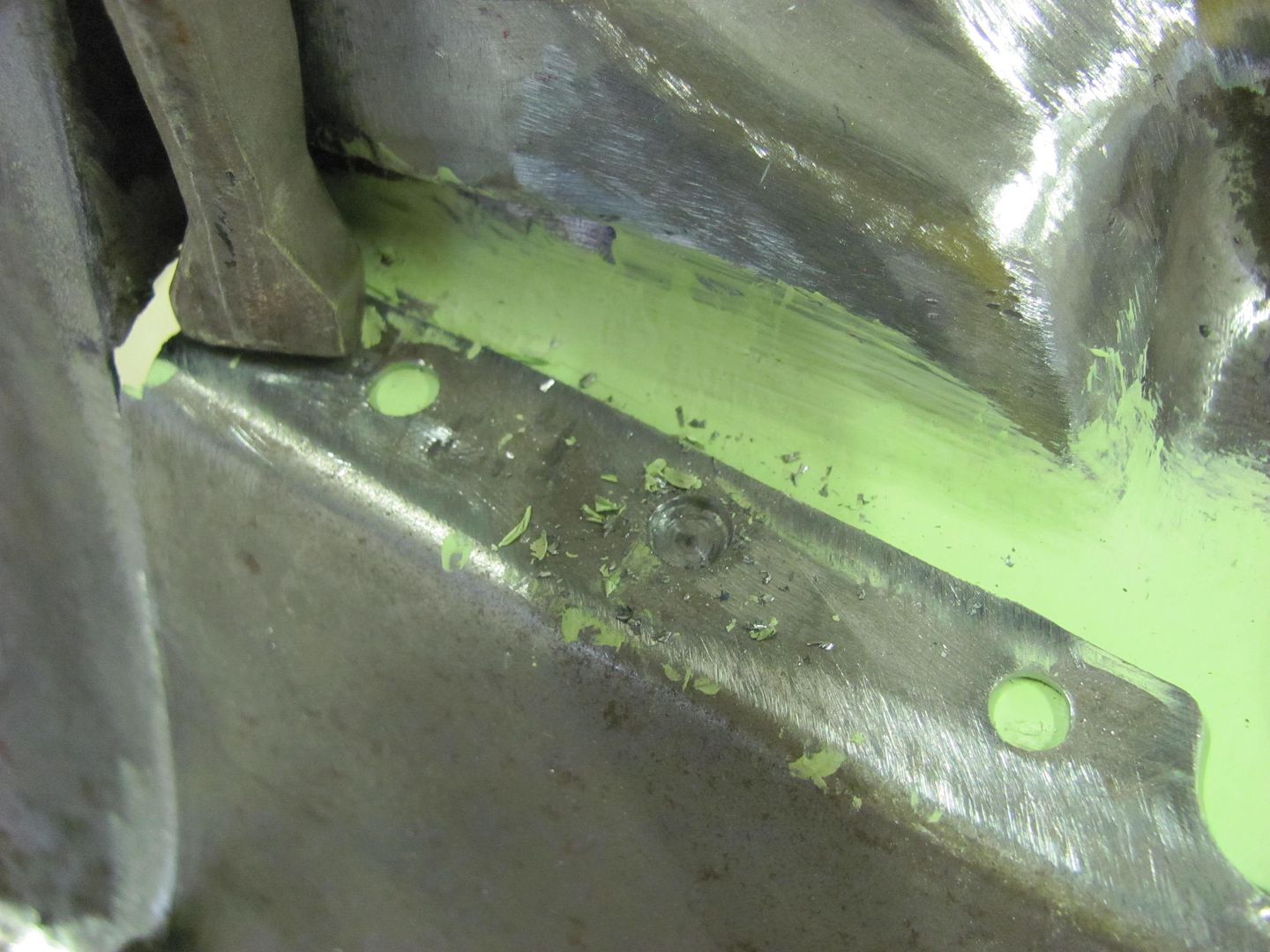
This shows how it works, cleans the paint from the metal surface, but having a flat face on the cutter, it doesn't affect the metal as a regular drill bit would. Notice most of the "chips" are paint....

Picture318.jpg


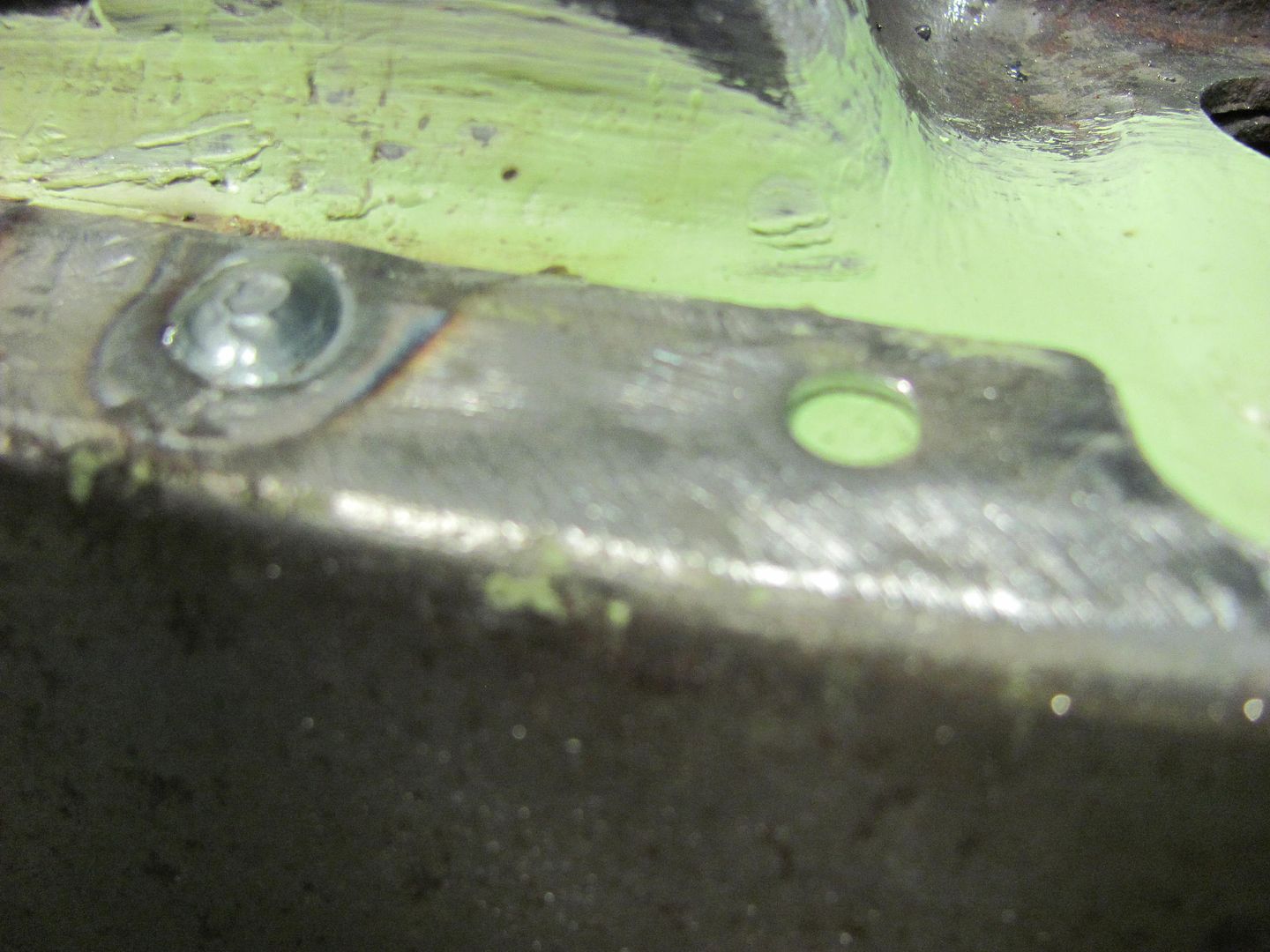
And welded......

Picture321.jpg


Some guys will use a weld through primer to accomplish this same process, I prefer the epoxy as I read an issue of Auto Restorer magazine quite a few years back that a study showed epoxy offered better long term protection from rust. I'd say use either method, as something, no matter whether you choose weld through or epoxy, will be better than nothing at all.
For application, I spray inside my paint booth. For a small application like you see here, I'll mix up some epoxy and brush it on. (note brush strokes in first pic above) Again, the application process won't matter much as any exposed epoxy will be sanded and re-applied later, but now that we have some epoxy between the two panels, there is better rust protection regardless of how it got there.
Lastly, I think you'll find the name "weld-through" does not actually indicate the process. as too much located too close to the weld puddle will contaminate and "balloon" the weld. So regardless of which primer you wish to use, you may find the modified drill bit shown above helpful for the weld through primers as well.
 
Last edited:
To avoid these ads, REGISTER NOW!

SM Racing

Well-known member
Joined
May 3, 2006
Messages
856
Location
Huntsville, AL
I have used SEM copper on a regular basis. I have MIG welded it and TIG welded it. Works great. I just did a roll bar and MIG welded the primed reinforcing pads to the body and then TIG welded the roll bar feet to the primed pads

These are some trailing arms I am working on. Primed the inside before welding on the reinforcing plate.


Rory Bellows

Well-known member
Joined
Jan 14, 2006
Messages
1,083
Location
Ohio
I actually bought some at a Sherwin Williams commercial store a few years back. It worked well. It was Sherwin Williams brand. I believe it was around $7.95 can
 
OP
C

Capt Chrysler

Well-known member
Joined
Mar 6, 2011
Messages
1,160
Location
Middle of nowhere.
Hello Again,

Thanks for the input.

Hey Robert, what brand of epoxy are you using now? SPI seems to coming on strong in this area.

Capt. Chrysler
 
Last edited:

Stooge

Well-known member
Joined
Mar 24, 2013
Messages
3,533
Location
South Shore, MA
the last time I used the aerosol can Sem brand grey weld through primer, I had less than favorable results from its incessant popping from what seems like poor conductivity, also smoked like a *******.


when I was doing a deck lid replacement yesterday, I actually ended up on an MP&c post from the Hamb, that he's also posted above. I didn't have the machined drill bit, so I marked off where the holes were on the replacement panel onto the structural piece it was being plug welded to and touched the marked areas with a ball end die grinder bit to just remove the paint from those specific areas. worked really well was just a bit more set up taking the panel off and on so many times to make sure I had all of the spots cleaned of paint since there were atleast 40 of them.
 
Last edited:

Garage Josh

Well-known member
Joined
Sep 21, 2014
Messages
67
Yes definitely only use weld through primers in between areas that are to be welded. Biggest mistake is leaving any in areas you can visibly see once the panels are fit up and more importantly during the welding process at the weld site itself. Scrape away with a pocket screw driver, and the stuff also makes the rest of your process I assume to paint later harder to apply. That's why I prefer the brush on variety as I have less waste and don't deal with overspray.
 

countryroad82

Well-known member
Joined
Mar 18, 2011
Messages
3,447
Location
Kentucky
I mainly use 3M brand. But I've also had good luck with SEM.

PCustoms, best thing I can say is either epoxy or etch prime then 2K prime your long term bare metal projects. My teacher was one who believed in keeping a bare metal car in bare metal as long as you were working the body. That's fine and dandy if you only have the car in bare metal for a couple weeks, but some will sit for months at a time. I finally got him to understanding the method to my insanity when I get a car stripped I imediatly etch then prime (I'm old school on that, I don't use epoxy) as I'm not constantly afraid of handling the car as I work on it and when I'm working out a dent all I have to do is grind back the primer, fix the dent, and spot prime. No worries of the whole car flash rusting either.
 
To avoid these ads, REGISTER NOW!
Top Bottom