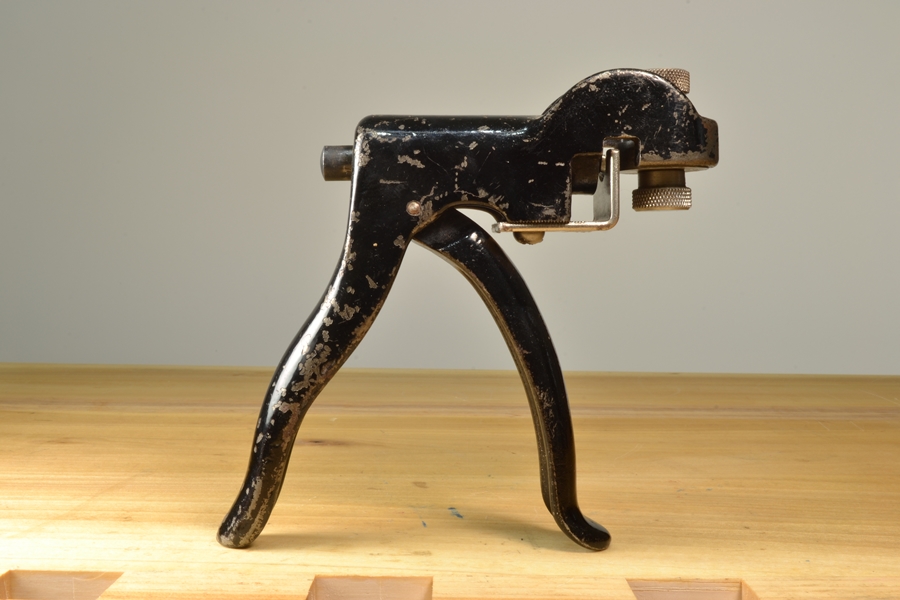
The saw teeth alternate right and left to increase the width of the cut so that the body of the saw blade does not drag on the wood. Each time you sharpen a saw you have to correct the set of the teeth to adjust for how much you file off the teeth sharpening them. All saw blades normally used have a tooth set or the equivalent with wider carbide tips that the tips themselves are sharpened right left and sometimes center. There are some saw blades for cutting dowels off flush, that have tooth set only one one side to keep from scratching the workpiece. The offset teeth on those are little more bent than usual to keep the blade from binding.
Not too many of these are used today since almost no one hand sharpens their saw blades any longer. Setting the saw kerf on a hand saw back in the day was a tedious and slow process, but if done properly was a joy to use as the saw blade glided through the wood with little effort.
This thread made me realize why my hand saws always bound up when I was a kid. I never saw that tool around, so the teeth were probabably not offset to clear the blade. Once I discovered power tools, I just never thought about it again. I just remember fighting with those old hand saws and more than half the time was struggling with it binding up. The only maintenance I ever learned for handsaws back then was to coat them with some oil to stave off rust.