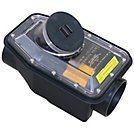
A sewer backup valve (waste backwater valve) can make the difference between having your basement flooded knee-deep with raw sewage and staying high and dry. They are an important part of any homeowner's plumbing system. They usually work using gravity, so, once installed, the device will work on its own to keep your home dry.
I got mine installed last year by the mainline backwater valve installation in Toronto. When I searched online for your query "when do you not need one?" I could find something which might be the possible answer. Here is what I found:
"Your home does not need a backwater valve if the water would drain from an upstream sanitary sewer manhole which must be lower than the inlet to the drain pipe in this home's basement."
You will find plenty of reasons why you need to get one installed for your home, especially if you are living in an area that experiences a lot of rain, or has occasional flash floods. While most cities prioritize their sewage and drainage systems, you cannot just rely on city works to keep your own home safe from unusually high rainfall. Instead, be proactive and install a backwater valve.
Backwater valves are becoming increasingly mandatory in homes, so check your local laws and see if you need one. In Toronto, there are some City rebates that you may qualify for. If you live in an older home before the law was introduced, you may have to install one to keep your house up to code. Like everything in your home, backwater valves need to be maintained, so be sure to clean and inspect yours every six months to keep it working.
You can read more about the functioning of a Backflow prevention device here
http://www.brothersplumbing.ca/blog/backflow-prevention/backflow-prevention-devices-work/.