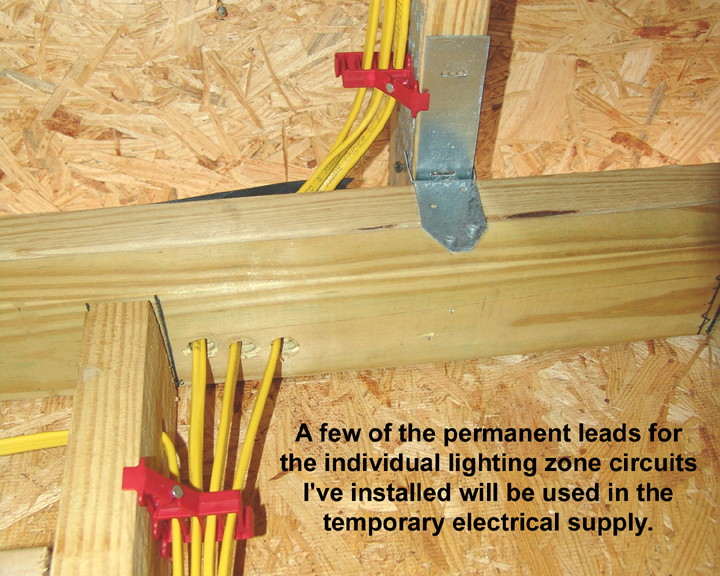
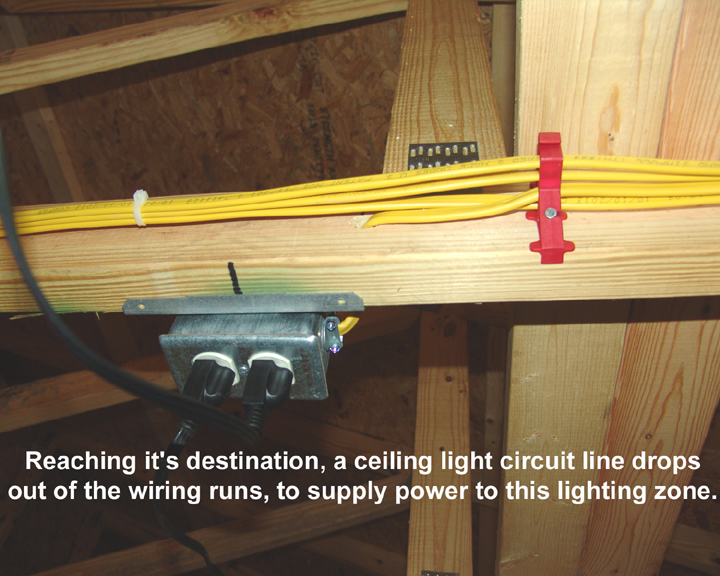
Starting to plan my circut layout etc. Interior 24 X 32 is virgin studs. I'll be insulating and covering. Steel for ceiling. Undecided for walls( plywood,osb or steel. not drywall)
I presume that your distaste for drywall is related to its less-than-stellar impact resistance? If so, then why steel on the ceiling? That is obviously not an impact-prone area; and I would guess that steel would be a larger maintenance issue than drywall, particularly after it starts to rust.
In any event, whatever material you use for the walls, do count on painting it some light color (preferably white or a VERY light grey)
Question- will it be better to wire behind the wall through the studs or on top of wall after finishing through conduit? I was thinking on top of wall would leave the insulation and wall cover solid keeping a better seal for these cold Canadian winters. vs behind the wall will look neater.
Presuming you have studs, I prefer to keep the wiring hidden behind the wall. This not only produces a "cleaner" less-cluttered appearance, it also provides good protection for the wiring. The insulation is not an issue, as long as it is installed correctly.
PS Is 1 -15 AMP breaker to 2- 60 watt outside door lights and 4 recepticles (14-2 wire) on inside wall ok?
First, as others have mentioned, you should NEVER mix lighting and outlets on the same circuit. But beyond that, I would strongly suggest using at least TWO circuits for each of these applications: Two 15A breakers feeding (at least) AWG 14-2 NM-B, then splitting the total lighting load more-or-less evenly between them, will allow you to maintain SOME lighting even if/when one breaker trips and/or must be shut down for maintenance. Two 20A breakers feeding (at least) AWG 12-2 NM-B for the outlets will permit you to put pairs of duplexes in double-gang boxes at convenient intervals all around the space (6-8 feet is usually good), with each duplex in those boxes fed from a different circuit. If you have a lot of 120V machinery (bench grinder drill press, etc.) in the vicinity of your workbench, you MIGHT want to run a third circuit to that area.