To avoid these ads, REGISTER NOW!

Zip Sheathing Do I need barrier inside

decrepitdrew

Well-known member
Joined
Feb 2, 2025
Messages
48
I have a new garage and the exterior used the Zip Sheathing that is permeable to allow drying to the outside.

After I put up insulation on the inside, should I add an air barrier between the insulation and drywall?
I’m in the Metro DC area in Virginia.
This will be climate controlled with a mini split.
 
To avoid these ads, REGISTER NOW!

PCustoms

Well-known member
Joined
Jul 23, 2011
Messages
22,545
Location
VT
What zip sheathing, just the green OSB?

Your insulation should either be craft faced or plastic sheated on the face against the drywall
 
Last edited:
OP
D

decrepitdrew

Well-known member
Joined
Feb 2, 2025
Messages
48
What zip sheathing, just the green OSB?

Your insulation should either be craft faced or plastic a heated on the face against the drywall
That’s what I figure with the plastic, but didn’t even know about the kraft faced. This helps a ton! Thank you
 

PCustoms

Well-known member
Joined
Jul 23, 2011
Messages
22,545
Location
VT
Yeah, you can use the green OSB, but it's better to get the insulated ZIP. Continuous exterior insulation in addition to cavity insulation can quickly satisfy building code thermal envelope requirements for energy efficiency.
Has nothing to do with what the OP asked, but sure.
 

Hank11

Well-known member
Joined
Aug 19, 2019
Messages
1,147
Location
Tennessee
Just insulation, no vapor barrier inside. If your walls are sealed per Huber’s taping and flashing the outside is waterproof. Its not permeable.
 
To avoid these ads, REGISTER NOW!

loganb

ALLIANCE MEMBER
Joined
Dec 29, 2011
Messages
5,514
Location
Omaha, NE
The question should probably be asked "Do I need a vapor barrier on a garage I plan to insulate and climate control in the DC Metro/Northern VA area?"

The variables here that matter are the interior condition, usage and the location. ZIP is the combination of a weather barrier and OSB type sheathing into a single product, the sheathing/weather barrier chosen for the structure shouldn't matter as ZIP performs comparably to the other WRB systems like a sheet type(Tyvek/Typar or similar), fluid applied etc when they're properly installed. Now if they get properly installed is another bag of worms, but ZIP isn't error proof either

So I'd start with the local Authority Having Jurisdiction(AHJ) and determine if they have a code requirement for vapor barrier for the structure type. In that area, I doubt you can build it without a permit and inspections but maybe. Generally kraft backed insulation with properly overlapped seams and tape if called out will meet the requirement. But again...start with your local permitting office...they're frequently very open for questions like this when properly phrased as passing a structure on the first visit is less work for everyone
 

tmp

Active member
Joined
Sep 12, 2023
Messages
41
There’s specifics here that matter a lot to this question.

You mention that you are mainly concerned with the “air barrier” but also mention that the zip system is permeable. It’s really important to know in this context that is is vapor permeable, not air permeable. So in addition to keeping water out it will prevent outdoor air from leaking in to the structure (good for comfort / efficiency). It will still allow for water vapor to make its way through the panel (good for drying potential for any incidental water, theoretically anyway).

You can, and many many people do, rely on the zip system as your air barrier.

So as @loganb pointed out - start poking around about whether you need a vapor barrier and you will find what you’re looking for. Or you will get sucked into a never ending debate on building science forums. I’ll second the recommendation to give a call to you local building department.
 

908Jim

Well-known member
Joined
Aug 1, 2013
Messages
555
It's entirely dependent on the zone and local codes, but my research leads me to believe that you want a vapor retarded, not a barrier, for most wall construction. Spray foam was all the rage and now it increasingly feels like something nobody wants due to rot and fire hazard. I'm thinking people will eventually realize poly sheeting traps moisture in walls and leads to mold in the real world.

Check out Building Sciences Corp white papers, it's really enlightening. In Northern NJ, Kraft face insulation is still the most common thing I see in both new home construction and renovations.
 

75gmck25

Well-known member
Joined
Jul 21, 2014
Messages
1,318
Location
Alexandria, VA
The general concept is to put the vapor/moisture barrier on the side facing the source of moisture (which is usually inside when its a conditioned space), and let the vapor move out toward the outside to prevent trapping moisture.
 

acer66

Well-known member
Joined
Dec 4, 2010
Messages
4,418
Location
Western North Carolina
What zip sheathing, just the green OSB?

Your insulation should either be craft faced or plastic a heated on the face against the drywall
This is what I did in my first major remodel in 2015 in climate zone 7 with green zip panels.

During another more recent remodel I removed some of it and I did not find any issues with it.

One new part was done with rockwool which was not faced so fingers crossed.🤪
 

Jeff C

Well-known member
Joined
May 22, 2021
Messages
637
Location
Durham, NC
The general concept is to put the vapor/moisture barrier on the side facing the source of moisture (which is usually inside when its a conditioned space), and let the vapor move out toward the outside to prevent trapping moisture.
What happens in the summer when it’s humid outside and the A/C has it nice and cool and dry inside?
 

Mr onetwo

Well-known member
Joined
Apr 6, 2011
Messages
2,006
Location
Coastal Maine
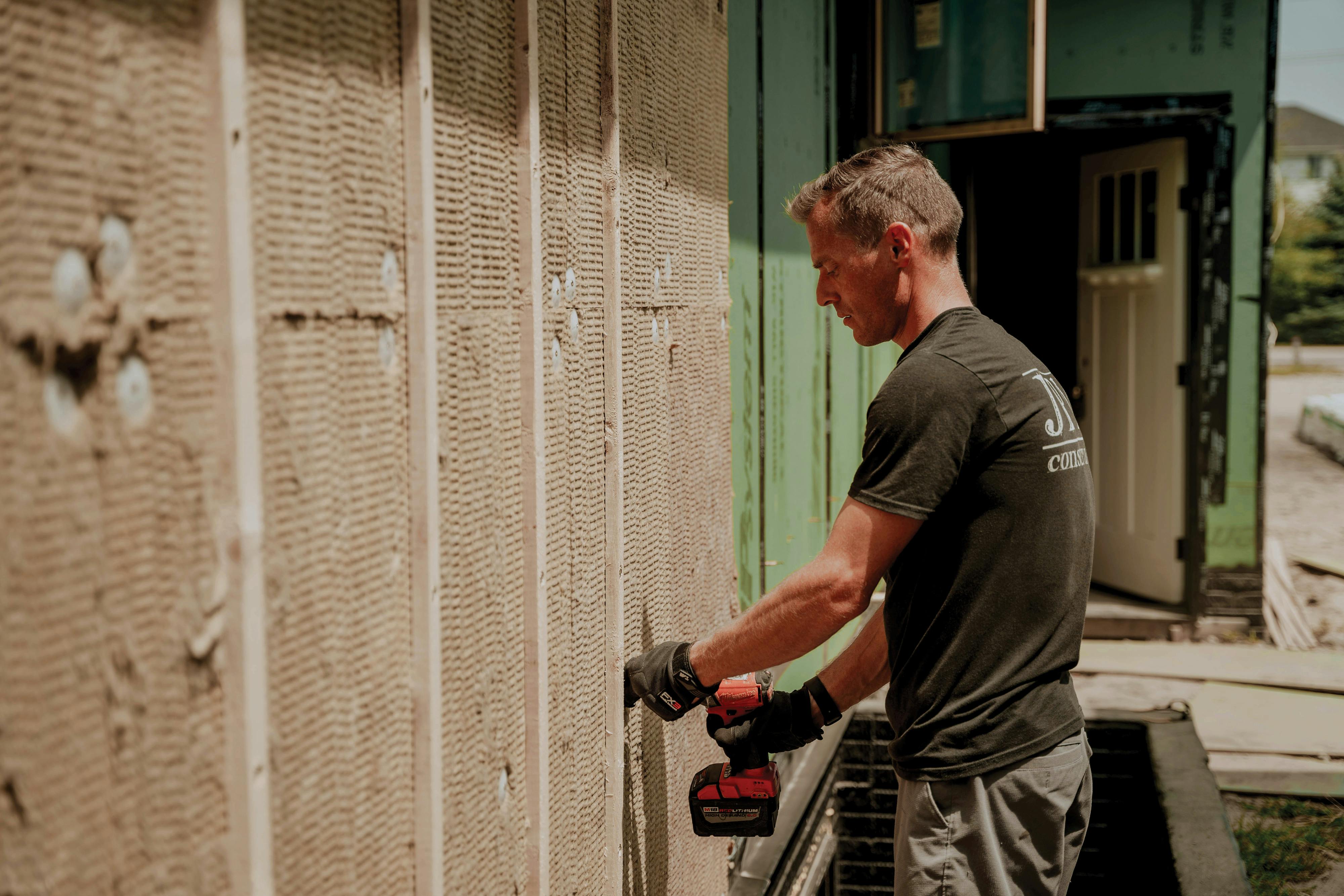
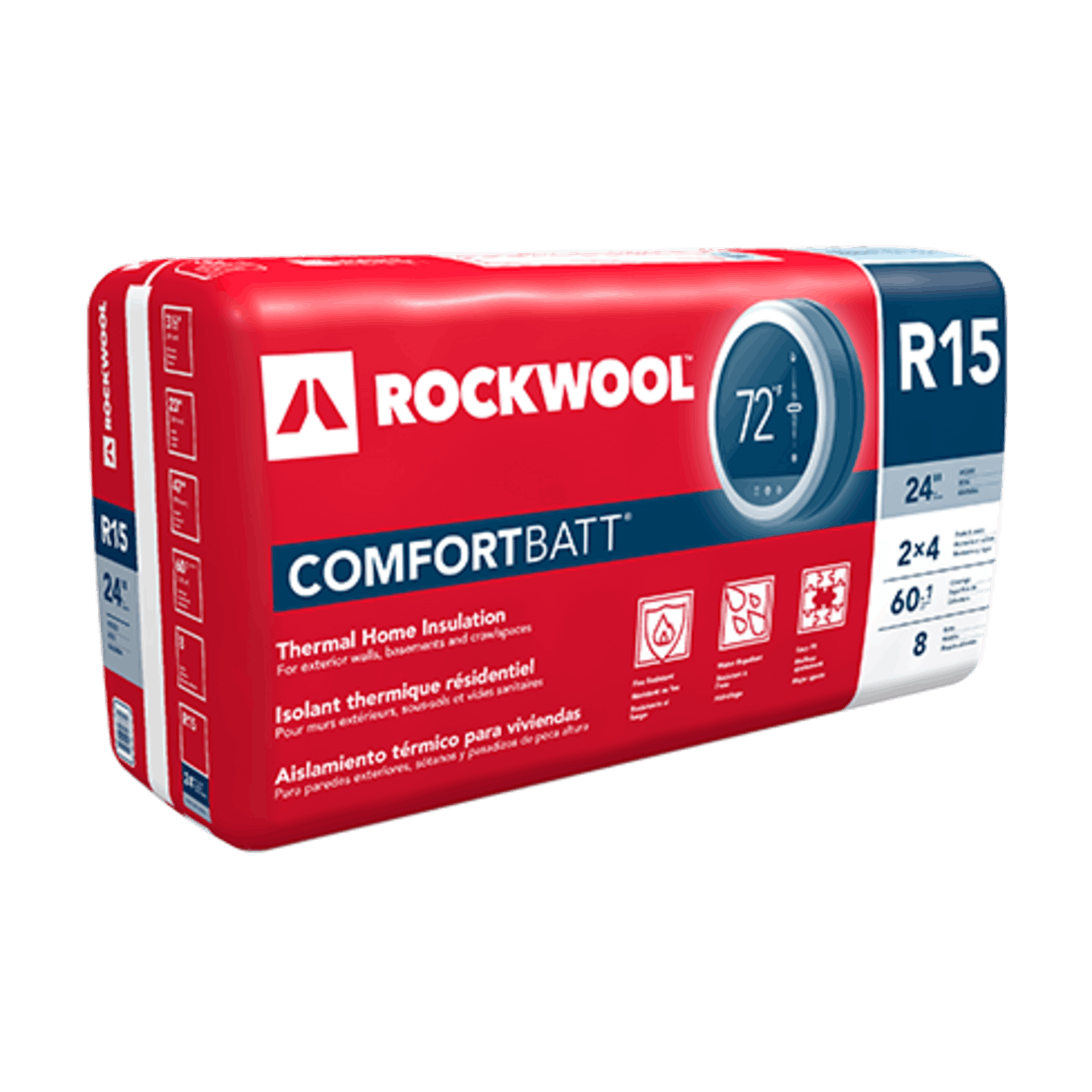
I would approach this 2 different ways. Since you didn't use ZIP-R panels my 1st choice would be to apply a layer of ROCKWOOL Comfortboard® 80 exterior insulation to the outside of the walls, fill the rest of the cavity with ROCKWOOL Comfortbatt®
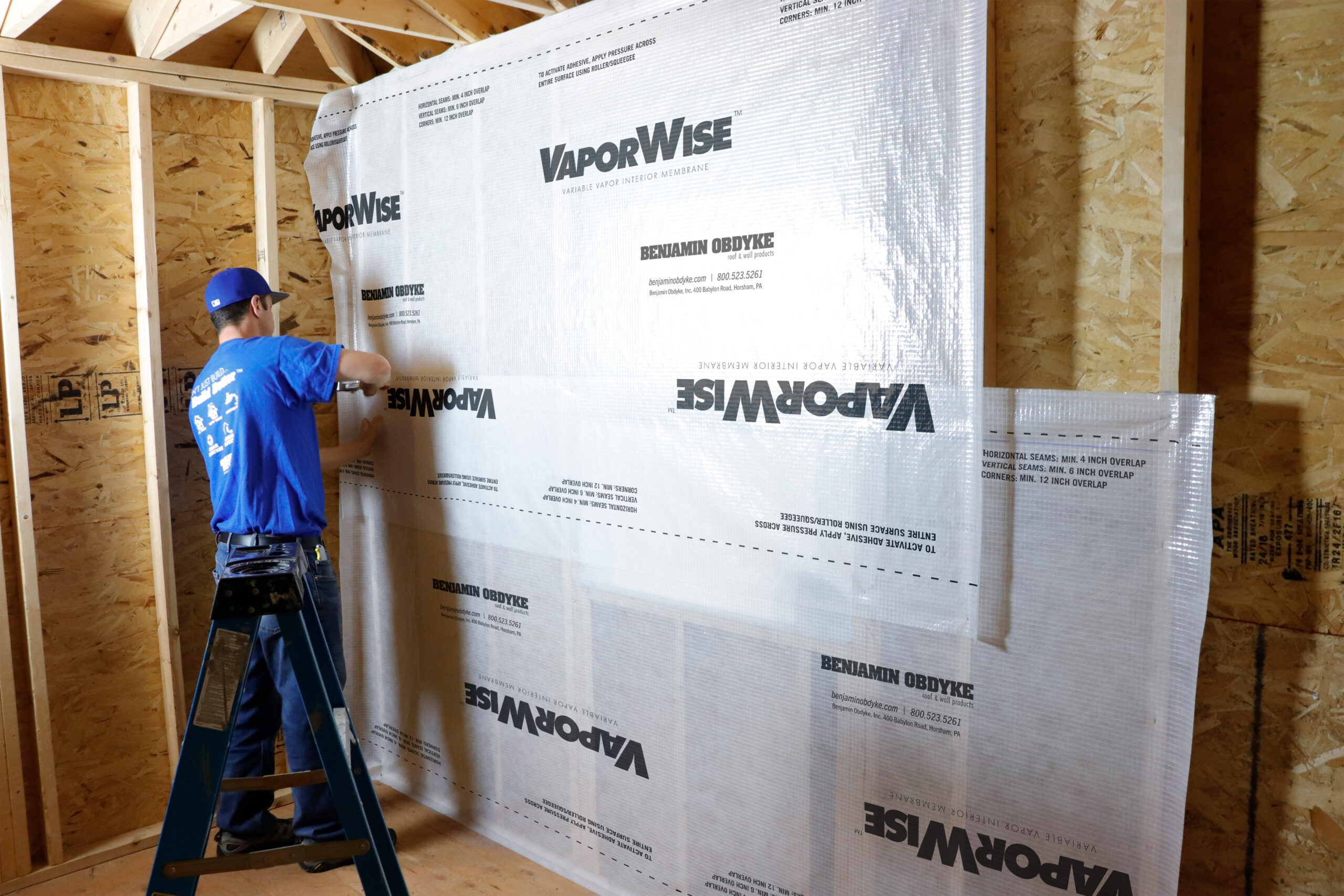
and then a variable vapor barrier such as Benjamin Obdyke VaporWise™.
My 2nd choice would be to apply 2 inches of closed cell spray foam to the inside of the walls, fill the rest of the cavity with Rockwool Comfortbatt® and then VaporWise™.
In both cases you would need a small air gap on the outside with proper detailing so your siding can dry out.Google "perfect wall" for more details about this method.

 
To avoid these ads, REGISTER NOW!
Top Bottom