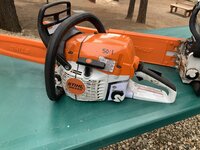
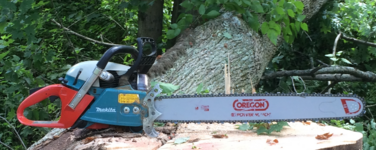
The Stihl MS 261 – The Best Chainsaw Stihl Currently Makes!
The following post was inspired by my own research when shopping for a new saw earlier this year. The more I read, the more I noticed a pattern, especially when comparing specs within the Stihl range. On dedicated chainsaw forums, whenever someone asked what brand new saw to buy, I'd say that in almost every reply, an MS 261 was mentioned.
From outset, I also need to highlight that the MS 261 is not the biggest, most powerful and fastest cutting chainsaw ever made. It’s cc count and price point kinda makes that obvious. Nor is it the best chainsaw ever made. No, what makes this saw standout within the current range is how Stihl created a machine greater than its sum of parts. And when you think about it, all truly great machines share that in common, chainsaws or otherwise.
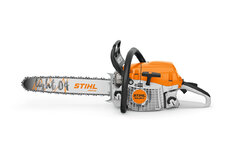

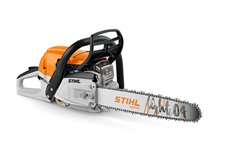
Simplistically, Stihl makes two types of chainsaw. Knowing this is the first step in discovering why the 261 is a winner -
Clamshell – These saws use a plastic “sled” that the saw is constructed around. The clamshell name comes from the engine being a fully independent unit that is split in two pieces, the cylinder and lower crankcase cap. All homeowner and farm-grade saws use this design, from the baby MS 172 right through to the big dog MS 311 and MS 391. While there isn't necessarily anything wrong with this type of construction, but realistically, the only main benefit of a clamshell design is the lower manufacturing costs for Stihl.
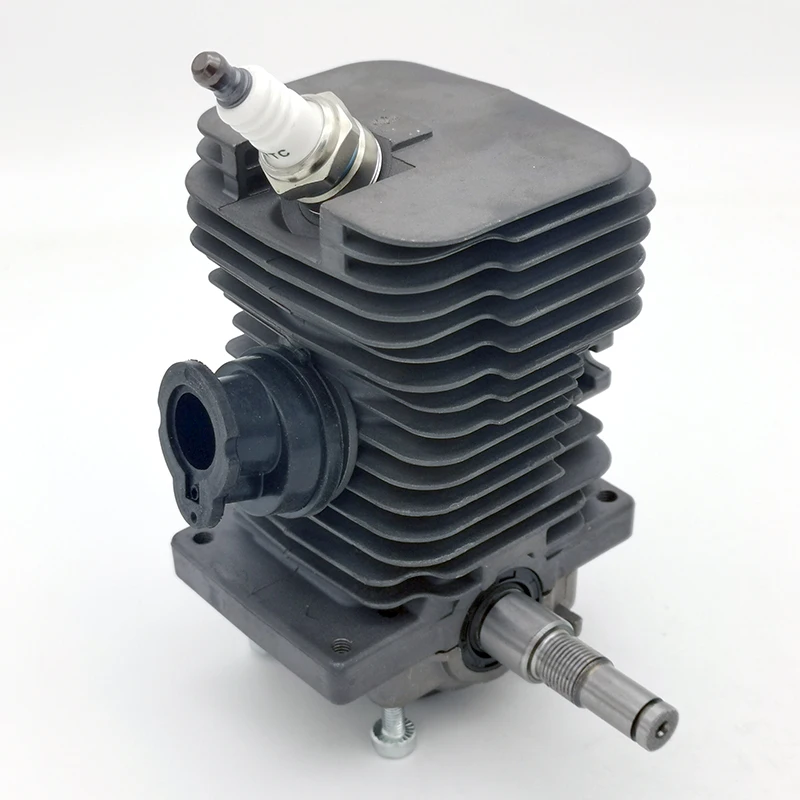


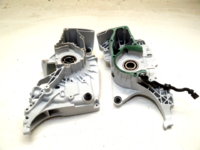
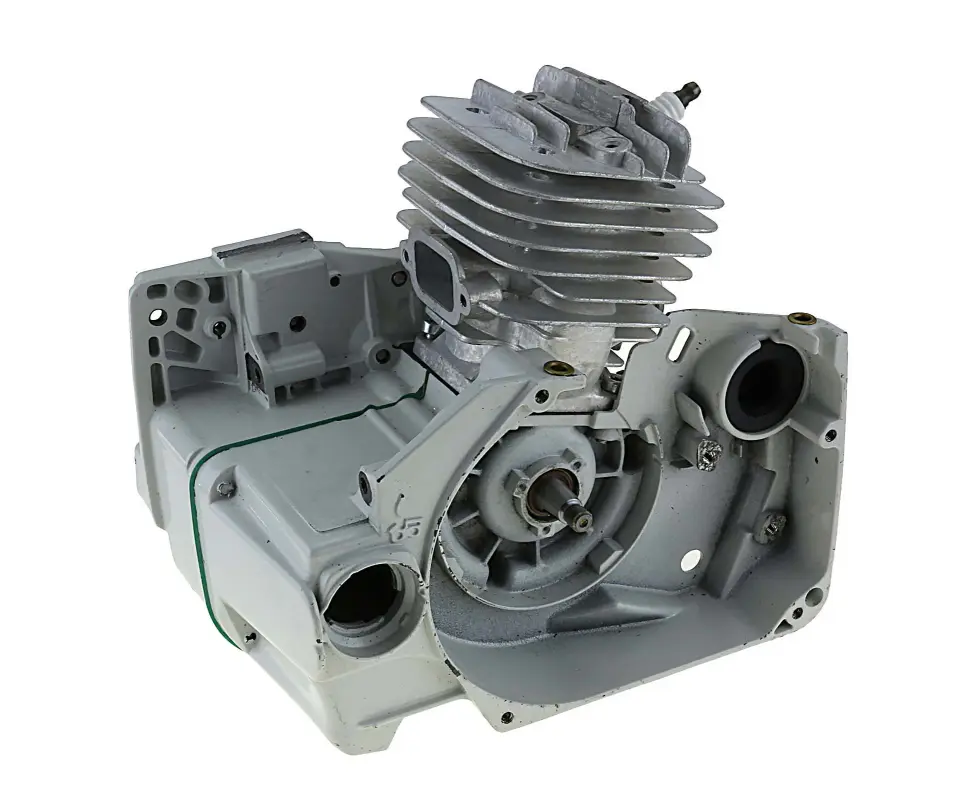
Full Case - These saws sandwich the crankshaft and connecting rod assembly between a two-piece magnesium crankcase. This case also forms the bar oil tank. A separate cylinder is then bolted down onto the crankcase and the rest of the machine assembled around this unit. Once upon a time, all Stihl chainsaws used this design, but these days its reserved for the professional grade models, the MS 261 included.
There are multiple benefits of this design –
- A stronger support structure for the crankshaft. This makes the engine run smoother and helps support sustained high rpm running.
- Contrary to what you’d think, these magnesium case saws are lighter than the plastic clamshell saws. This is especially noticeable when comparing the entry level pro-grade saws to the farm-class MS 271, 291, 311 and 391, more on this shortly.
- More durable over the longer term.
- More conducive to rebuilding as you can simply replace the piston and cylinder without completely stripping the saw down.
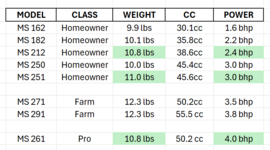
Delving into the specs, this is where the picture becomes clearer. Once you see how it compares side-by-side with its siblings, it becomes quite obvious Stihl created a freak……………………..
(Please note those prices are AUD)

What the power and weight figures show the most though is how fat those farm-grade saws are. The likes of the 291 and 311 have the worst power to weight numbers, a result of excessive weight and lower power relative to the cc count. Then check out the power numbers, the 50cc 261 is not bettered for power until you look at the MS 311. The power to weight factor is not bettered till you spend big on a MS 400, which asks for an extra $350. The 261, she’s a freak in the best possible way.
So, lower weight with more or similar power means you can use the saw for longer without fatigue. This makes the 261 the perfect firewood saw, a situation where you are using the machine for extended periods making the same type of cuts over and over and over again. It’s lighter weight also makes it a go-to selection for tree climbers chunking down larger trunk sections.

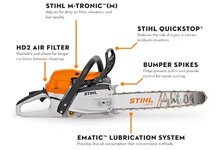
Yes, the MS 261 costs more than all of it’s farm-class relatives. The MS 271 and MS 291 requiring an extra $650 or $450 respectively, the MS 311 and MS 391 needing $200 or $100 more. At the 271 and 291 price point, I get it, that’s a significant price premium. However, if you walked into a Stihl dealer with the intent on buying a 311 or 391, you’d be crazy to not spend the extra few hundred on the supposedly “lesser” MS 261. In any case, the extra spend delivers more power in a smaller, more comfortable package. You also get pro-grade features such as the manual decompressor valve, a clutch cover with captive bar nuts, ElastoStart pull rope for smoother starting, a quick release air filter cover, adjustable bar oil pump, and M-tronic automatic fuel delivery tuning (on MS 261 C-M, which is the only variant offered in Australia). Not to mention a longer lasting saw that can be rebuilt if needed. Oh, and it’s a German made Stihl.
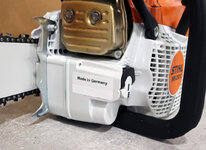


As mentioned at the start, there are bigger and badder saws on the market. But the MS 261 is a freak of nature, a machine that punches well above its weight. Think of it like the Porsche Cayman. There are other sports cars on the market that are faster, even within the wider Porsche lineup. But the Caymen is arguably the sweet spot, a nimble and easy to handle machine that does its job in perfect balance, no part overwhelms another.
All things considered, the MS 261 is the best chainsaw Stihl currently makes.
Disclaimer - I'm not sponsored or connected with Stihl in any way, I just love the brand and have done for decades now.
The following post was inspired by my own research when shopping for a new saw earlier this year. The more I read, the more I noticed a pattern, especially when comparing specs within the Stihl range. On dedicated chainsaw forums, whenever someone asked what brand new saw to buy, I'd say that in almost every reply, an MS 261 was mentioned.
From outset, I also need to highlight that the MS 261 is not the biggest, most powerful and fastest cutting chainsaw ever made. It’s cc count and price point kinda makes that obvious. Nor is it the best chainsaw ever made. No, what makes this saw standout within the current range is how Stihl created a machine greater than its sum of parts. And when you think about it, all truly great machines share that in common, chainsaws or otherwise.
Simplistically, Stihl makes two types of chainsaw. Knowing this is the first step in discovering why the 261 is a winner -
Clamshell – These saws use a plastic “sled” that the saw is constructed around. The clamshell name comes from the engine being a fully independent unit that is split in two pieces, the cylinder and lower crankcase cap. All homeowner and farm-grade saws use this design, from the baby MS 172 right through to the big dog MS 311 and MS 391. While there isn't necessarily anything wrong with this type of construction, but realistically, the only main benefit of a clamshell design is the lower manufacturing costs for Stihl.
Full Case - These saws sandwich the crankshaft and connecting rod assembly between a two-piece magnesium crankcase. This case also forms the bar oil tank. A separate cylinder is then bolted down onto the crankcase and the rest of the machine assembled around this unit. Once upon a time, all Stihl chainsaws used this design, but these days its reserved for the professional grade models, the MS 261 included.
There are multiple benefits of this design –
- A stronger support structure for the crankshaft. This makes the engine run smoother and helps support sustained high rpm running.
- Contrary to what you’d think, these magnesium case saws are lighter than the plastic clamshell saws. This is especially noticeable when comparing the entry level pro-grade saws to the farm-class MS 271, 291, 311 and 391, more on this shortly.
- More durable over the longer term.
- More conducive to rebuilding as you can simply replace the piston and cylinder without completely stripping the saw down.
Delving into the specs, this is where the picture becomes clearer. Once you see how it compares side-by-side with its siblings, it becomes quite obvious Stihl created a freak……………………..
(Please note those prices are AUD)
What the power and weight figures show the most though is how fat those farm-grade saws are. The likes of the 291 and 311 have the worst power to weight numbers, a result of excessive weight and lower power relative to the cc count. Then check out the power numbers, the 50cc 261 is not bettered for power until you look at the MS 311. The power to weight factor is not bettered till you spend big on a MS 400, which asks for an extra $350. The 261, she’s a freak in the best possible way.
So, lower weight with more or similar power means you can use the saw for longer without fatigue. This makes the 261 the perfect firewood saw, a situation where you are using the machine for extended periods making the same type of cuts over and over and over again. It’s lighter weight also makes it a go-to selection for tree climbers chunking down larger trunk sections.
Yes, the MS 261 costs more than all of it’s farm-class relatives. The MS 271 and MS 291 requiring an extra $650 or $450 respectively, the MS 311 and MS 391 needing $200 or $100 more. At the 271 and 291 price point, I get it, that’s a significant price premium. However, if you walked into a Stihl dealer with the intent on buying a 311 or 391, you’d be crazy to not spend the extra few hundred on the supposedly “lesser” MS 261. In any case, the extra spend delivers more power in a smaller, more comfortable package. You also get pro-grade features such as the manual decompressor valve, a clutch cover with captive bar nuts, ElastoStart pull rope for smoother starting, a quick release air filter cover, adjustable bar oil pump, and M-tronic automatic fuel delivery tuning (on MS 261 C-M, which is the only variant offered in Australia). Not to mention a longer lasting saw that can be rebuilt if needed. Oh, and it’s a German made Stihl.
As mentioned at the start, there are bigger and badder saws on the market. But the MS 261 is a freak of nature, a machine that punches well above its weight. Think of it like the Porsche Cayman. There are other sports cars on the market that are faster, even within the wider Porsche lineup. But the Caymen is arguably the sweet spot, a nimble and easy to handle machine that does its job in perfect balance, no part overwhelms another.
All things considered, the MS 261 is the best chainsaw Stihl currently makes.
Disclaimer - I'm not sponsored or connected with Stihl in any way, I just love the brand and have done for decades now.
Last edited: