I wouldn't worry as long as the architect designed it correctly for the environment. I have quite an extensive working relationship with flat membrane covered roofs in the industrial world and have overseen many repairs over the years and several full replacements. All of our 750k square foot warehouse roofs are membrane covered flat roofs. Some with standard downspouts and drainage whereas others with parapet walls will have scuppers for drainage.
When I first started back in the late 80's most of them were ballasted roofs, but over the years when roof replacements were due, we have replaced them with mechanically fastened, which is what I prefer. I'm not a fan of ballasted roofs personally as I don't think the pros outweigh the cons. There are several manufacturers of membrane for the roofs, Firestone probably being the most prevalent, but the main thing is just routine inspections and keeping drains clear of debris to prevent standing water, which can possibly work its way under a seam, but for the most part I wouldn't hesitate about a few flat sections.
I can add some more details to this as well after replacing the flat roof on our warehouse this past summer. From what I learned in that process, black flat roofs are a rubber EPDM compound. White roofs are either a TPO membrane or a PVC membrane. We went from a ballasted EPDM roof to a fully adhered (glued down) EPDM roof. So rather than the weight of the rocks holding down our roof insulation and rubber membrane that were both just laying on our steel roof deck, we had the insulation mechanically fastened down to our steel and the membrane was glued down to the insualtion. There's pros and cons to just about every material and style of installation, but I decided on our course of action after talking with a roofing specialist at a major engineering firm in our state. It was great to get an unbiased opinion rather than getting a sales pitch for whatever system each particular contractor that I had bid was trying to sell me.
But bottom line, I'd also trust the architect to know what they're doing out there. Snow loads *should* have been taken in to account when engineering the framing. I second what Zmotorsports said about getting routine inspections on it. You can probably handle making sure everything drains properly (i.e. go watch it during a rain, look for puddles remaining after a rain, remove any debris that gets up there) but I would definitely get a professional out there to do annual inspections of the membrane after a few years have gone by. They'll know what to look for in terms of seal integrity and membrane deterioration. With our roof, annual inspections by our contractor are requirement from the membrane manufacturer as part of their warranty. That reminds me, check to see what warranty you may or may not have on your flat roof.
With flat roofs an ounce of prevention is absolutely worth about 10 pounds of cure.
Good point @cs26k about the manufacturer's warranty. The Firestone TPO roof membrane that we use has a 20-year warranty, but that is contingent on annual surveys. We have a 3rd party come in annually and do thermal scanning to look for wet spots in the substrate as well as anything that we may have missed during our monthly and quarterly in-house inspections. These findings are well documented along with an action register to ensure if there is an issue that we as the responsible party followed the proper recommendations to maintain the warranty.
I've had a house with a flat roof for 14 years now without any issues. I believe it's a TPO membrane. I've heard it's not very puncture resistant but you don't have any tall trees next to your house so you'll be fine. Looking out at my neighbors houses it seems most have a white roof but a few have black. Can't say I've noticed a difference with who's roof has snow melt the fastest.
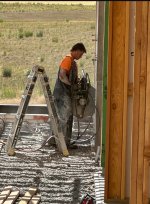
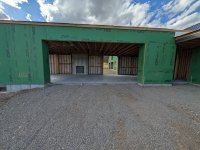
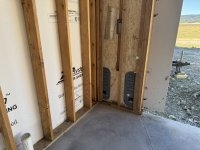
Great set of updates @Nolift911 Since few people will ever notice nor comment, I’ll be that guy: “Damn bro, nice slot drains in the slab.”
Thanks gents for all of the insightful comments...I have no idea WTF I am doing so I am just rolling with most of it...I research, push back on what seems "not" logical or way out of bounds but come the end of the day this is my first rodeo...and I am just a spud.
I do know that the flat roof has a 20 year warranty or the membrane I should say. The architect spec'd a roof with ballast...my builder was like wtf? ... for a homeowner with maintenance etc. as it sounds like these need at least yearly inspections, care and feeding...blah blah blah he was like no, no gravel.
And there was a lot of gravel that was supposed to be up there. My builder is like "how are we going to inspect with all the gravel and if you have an issue you need to remove all the gravel to repair"...so they opted for a glue down membrane - likely PVC.
I do know gravel is heavy - but that is about as far as my roof ballast expertise goes.
The 20 year warranty comes with some caveats, as in who is the owner? - and not the homeowner, like a maintenance person or even an HOA - that does the "yearly inspections" My builder signed up to do that for me as he lives in the valley. At first the manufacturer was like "no we don't do residential non-ballasted systems with a warranty". I am trying to follow along eating popcorn...knowing nuffing.

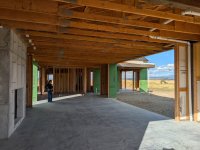
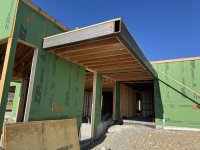
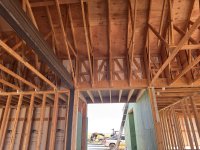
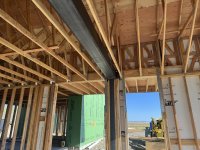
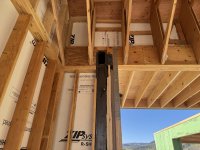
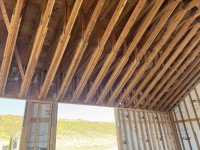
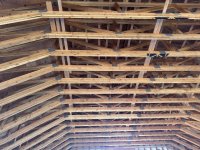
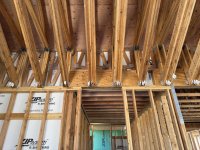
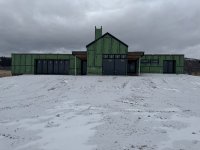
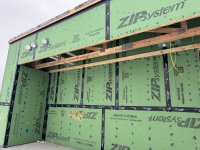
I think we are good - I trust my builder and the architect. He did say he was going to "flood that mother - f'er" for both weight and leakage once it warms up. This winter will be a good test on weather before things get sealed up for good (drywall) on where the "problem children areas are" I will post some pics of the "hardiness" of the structure...its beefy.
All of this in the name of flat roofs and architectural nuances.
 I am good...its fine, everything is going to be fine.
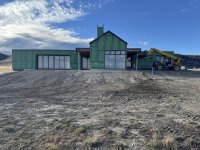
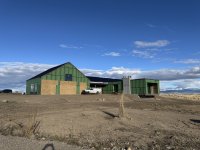
 His other area of concern was the west side slope of the garage for snow and rain. I have those 10 footer floor to ceiling deals in the garage with like zero overhang and he is like - "rain and snow, rain and snow". We will have snow bars on the roof but a couple of the summer storms indicated even gutters my not be able to keep up given the size and slope of the roof.
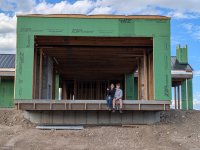
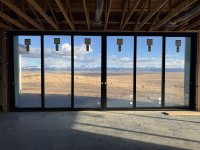
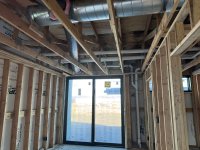
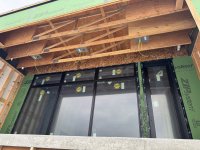
Sneak peak of window install - (will post more pics next).
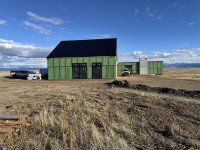
More to come - thanks for the comments and following along...