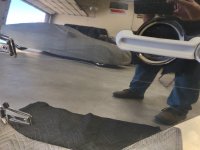
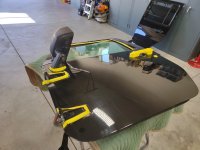
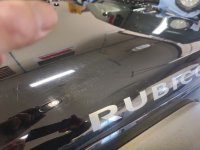
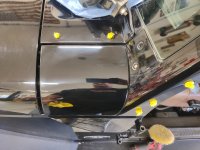
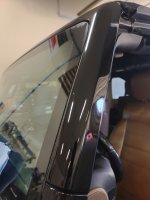
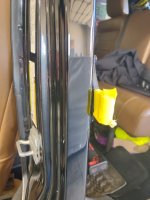
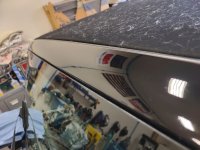
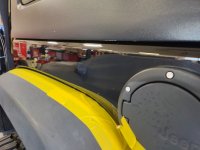
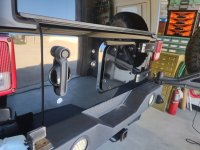
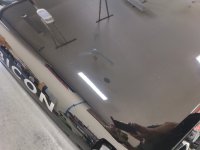
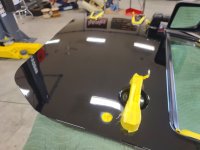
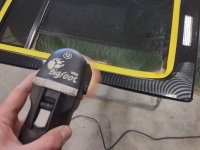
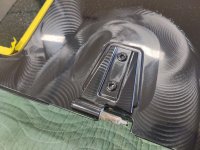
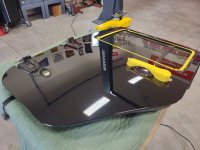
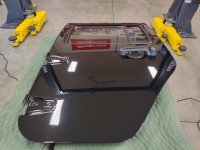
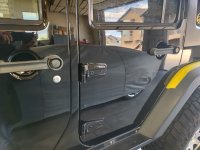
Mike, your paint work is very impressive and I appreciate you going into detail on the process. I'd be (and am) afraid to to attempt a paint repair on a vehicle I care about, and my Challenger is in need of a some paint repair due to rock chips starting to rust. We will not even bother to address hail damage, but is a 10 year old car with 218k on the odometer. The thing I really noticed is you did not have flies/gnats in the paint. I don't spray much and what I do spray is for corrosion protection, and there are always flys/gnats in the paint (aways, without fail). Is it not issue in your climate? Or are they not attracted to automotive paint like they are to Rustoleum? Just curious based on observations of my experience.
Thank you for you comments and for following along on my projects.
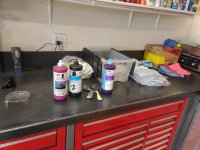
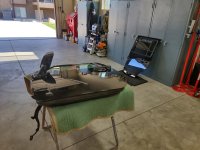
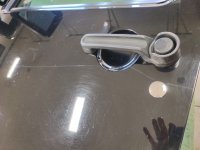
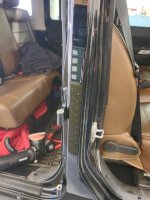
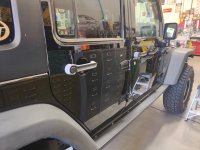
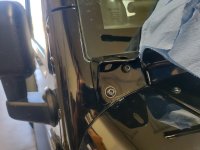
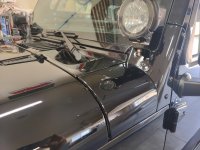
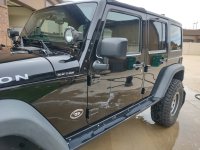
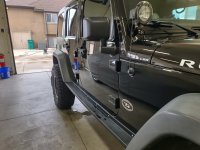
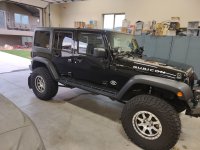
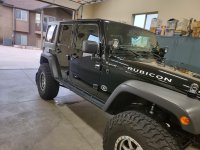
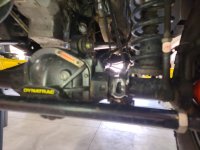
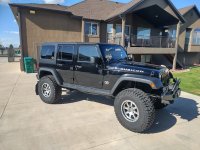
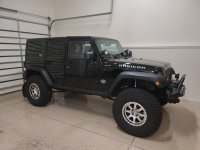
I wouldn't let the age and mileage deter you from fixing your Challenger if you really like the car and want to keep it. My wife's 2013 Acura TL has 210k on the clock and I need to touch up the rear spoiler where the clear is wearing. Everything else looks good and just needs some polishing, but I'll be repairing and re-clearing the rear spoiler on the deck lid here shortly as well as clearing the headlights. I like keeping things in proper repair and aesthetics are part of that care so it's been bugging the ever living **** out of me lately looking at that dent in the Jeep's cowl and a big scratch in the driver's door that we got last year in Kanab, UT when we got into some tight brush on Hog Canyon trail. I just noticed the clear on the wife's car last weekend while washing it and now that is bugging me, so while I have all of the paint supplies out, I may as well address that and get it over with.

I would suggest if you want to repair your Challenger to do what Scott mentioned above and go to your local wrecking yard and grab a fender or hood off of something and practice all the way up to and including some paint and clear before tackling your Challenger. I learned on my first vehicle, a 1979 GMC Jimmy, in High School and let's just say I would be ashamed if it were in my stable today.

But, was proud of it and knew I did it with my limited skills and tools, despite my peers in school that had their dad's purchase their trucks and deck them out. It just pushed me that much more to refine my skills and I find I am still pursuing that refinement today.
As for the flies and/or gnats, yes, we have them here but the temperatures over the past few weeks have been ideal to keep them at bay, I suspect that will be changing here shortly. There are some tricks to preventing dust nibs and dirt in the job, such as remasking after sanding to prevent dirt from getting in the job as well as on solid colors what I like to do is on the second to the last coat of color is lightly, emphasis on lightly, run a soft 600-grit sponge style of sanding block over the surface. This knocks down any dirt nibs before the clear goes down. Most of the time I have found the base is more susceptible to getting trash in it than people realize. Then I will apply one more coat over that before letting it flash and moving on to the clear. It will not totally prevent dirt or dust in the finished product, but it greatly reduces it.
This can be more problematic on large jobs so care must be taken and the key is not to rush it and give everything plenty of time to flash, don't rush any step in the process as the chemicals need adequate time to evaporate and flash off. One thing I see people doing, and I think I alluded to this in a previous post, it piling on the layers before they've had adequate time to flash off. I have seen people stack on 5, 6 or even 7 layers of clear, pleased with the gloss and finish only to walk away and return in 30-60 minutes to discover solvent pop issues because the trapped solvents had nowhere to go but up through the layers.
Probably more than you were asking, but hope it's helpful.