PghJKB
Well-known member
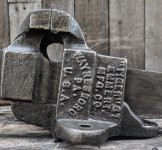
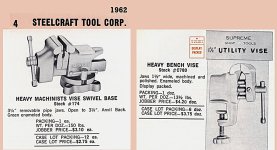
Might as well throw in Hollands of Erie, PA...Yost was originally located in Meadville PA.
Reed is located in Erie PA.
Presumably, they may have made products for each other.


Might as well throw in Hollands of Erie, PA...Yost was originally located in Meadville PA.
Reed is located in Erie PA.
Presumably, they may have made products for each other.



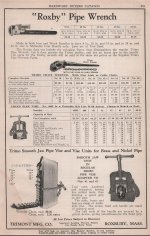
That's an interesting vintage advertisement for a vise for very niche, specialized application - thanks for showing it. This 1936 ad would have been right about the time when dairy farms were modernizing from milking cows by hand or using in-situ milking machines over to the concept of a "dairy parlor". This is a centralized location in the barn where multiple cows are milked at the same time by machines, and all the milk flows automatically from cow directly to a refrigerated collection tank via a multi-branched piping collection system, which has to be all food-grade and hygienic-rated, with no crevices that would prevent proper cleaning and sterilization. Not sure of all the details, but I think the burred edge from a typical tubing cutter didn't work with the type of fittings available in 1936, hence the special vise to ensure that the farmer or installer could make a perfect square cut when putting the piping system together.1936 TRIMO SAW VISE SET
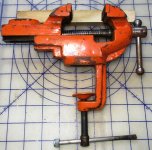
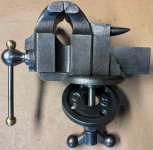
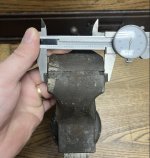
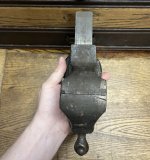
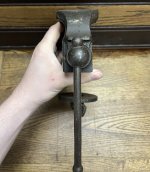
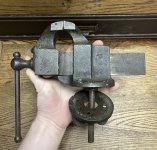
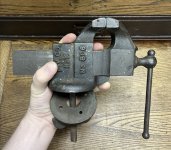
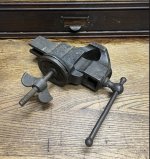
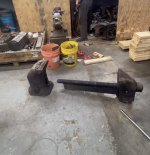
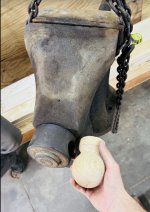
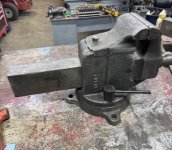
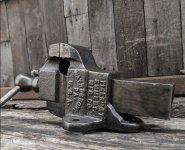
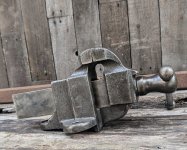
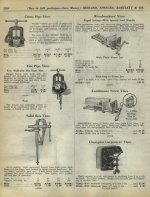
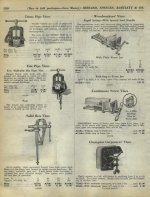
I don't quite know what to make of this but here it is.
"Special for the dairy trade"?
Bonus comment, our dairy (and brewery) product piping was often Schedule 5, so very thin, and cutting with a hacksaw was possible.That's an interesting vintage advertisement for a vise for very niche, specialized application - thanks for showing it. This 1936 ad would have been right about the time when dairy farms were modernizing from milking cows by hand or using in-situ milking machines over to the concept of a "dairy parlor". This is a centralized location in the barn where multiple cows are milked at the same time by machines, and all the milk flows automatically from cow directly to a refrigerated collection tank via a multi-branched piping collection system, which has to be all food-grade and hygienic-rated, with no crevices that would prevent proper cleaning and sterilization. Not sure of all the details, but I think the burred edge from a typical tubing cutter didn't work with the type of fittings available in 1936, hence the special vise to ensure that the farmer or installer could make a perfect square cut when putting the piping system together.
Okay, I'm confused.I don't quite know what to make of this but here it is.




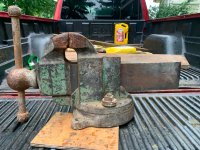


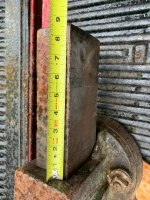


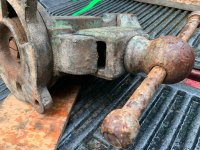

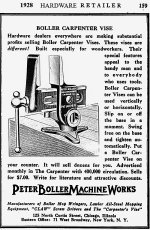
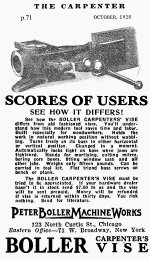
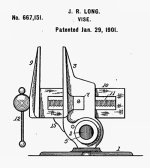


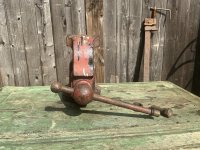

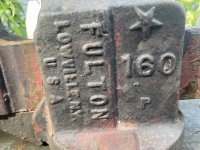
That’s crazy! Exposed screw no less.
If I didn't trust #kmscott so much, I'd assume an AI edit in there. Things just look a little off in the second and third pics.With nothing for scale and no info it would be like a homeowners vise - Not...

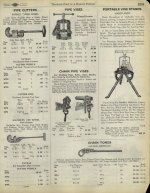
I hope there is a lot of memory available.Added pipe Vises to the Spreadsheet. Key word Pipe Vises.