Bonneville-2011
Made it back so here's an update from my adventure at the salt flats.
First a brief overview and it's relevance to the Restored 1930's Auto Shop for those who might have forgotten by now and to those who know this by heart, please forgive the repetition.
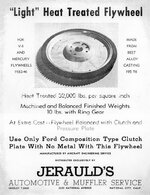
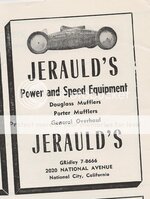
While cleaning out the shop in 2007-8 among all the material I found was an old "speed piece" made by Al Jerauld in 1938. It was a "Y" manifold that would allow 2 carburetors to be mounted onto a Flat Head V8 engine for increased performance. Al use to race a Belly Tanker on the Bonneville Salt Flats in the late 1940's and 50's and set some land speed records with it. I have an old Bonneville racer friend, Lou Bingham, who took a look at the "Y" manifold for me and it turns out he was racing in Bonneville at that same time as Al and knew about him and his Belly Tanker or Lakester as some call them. Flash forward a few months after this, I was contacted by Randy Chenowth who saw pictures of this "Y" manifold and eventually put me touch with the stepson of Al Jerauld, Jacob Bagnell. The result of Jacob gaining ownership of the "Y" manifold was his desire to seek out his stepdad's old Belly Tanker. That search led him to a gentleman by the name of Fred Lobello:
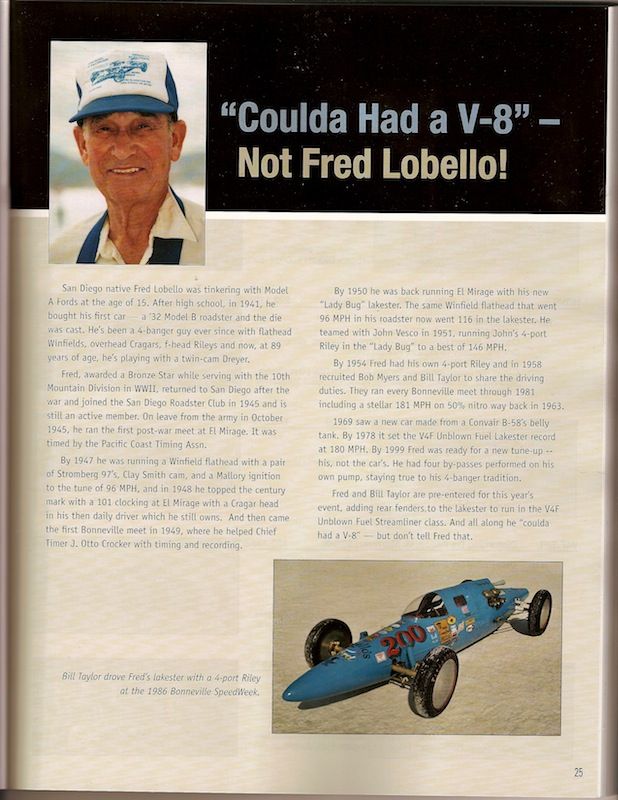
This is a copy of an article about Fred and his current car that was in this years 63rd annual Bonneville SpeedWeek program.
To follow up on Jacob, Randy and Fred's meeting see the following thread:
http://www.garagejournal.com/forum/showthread.php?t=112320
Lou and I decided last year to drive out together to Bonneville this year and it turns out Jacob and Randy were both there with Fred's current Belly Tanker. And that my friends, pretty well sizes up how this saga is interwoven, give or take and how it relates to my shop. I hope you were taking notes.
So here's what happen from my prospective.

Here's Lou's rig by the barn which we drove over 1,600 miles to the salt flats. Along the way we hooked up with Bill Brutsman...

...who drove this '27 roadster over 1,000 miles, caravanning with us. Bill raced this car at Bonneville last year. For this trip he made all the convertible top mechanism and bows from scratch and then covered the whole thing with tan colored duct tape! Very impressive and mostly water tight it turns out. You might note the lack of windshield wipers, but a little Rain X on the glass took care of that.

23+ hours later we're at "Bend in the Road" camp site, just outside the entrance to the Salt Flats. No one is allowed to overnight on the salt. That's Bill's tent pitched next to our "palace" as he called it.

One of the first things Lou did was nail this floor mat to the ground outside our steps. He used old can lids and 16 penny nails. He's experienced some pretty strong winds out there and wanted this to stay put.

Here's Bill doing a little "in the field" brake repair on his car at the camp site. That's not snow on top of his rear fenders or hood, but salt.

Salt gets EVERYWHERE so Lou and I covered his truck and trailer carpet with clear plastic that has adhesive on the back of it before we ventured out onto the salt. We also used "salt shoes" that were never allowed into the trailer to minimize tracking it in. Did I mention it gets EVERYWHERE??

Here you can see salt build up in the wheel well, rocker panel and on the front of the truck body.

To prep the salt on the race courses and in the pits a "salt sled" was towed behind this truck to even the salt out and flatten it. But enough of that, what about Jacob, Randy and Fred's Belly Tanker or Lakester??
First a little simple background information on the term "Belly Taker" for those not familiar. These were teardrop shaped fuel tanks that were attached to the bottom of WWII fighter aircraft to give them more fuel and thus extend the range at which they could fly. After the war there were lots of these surplus aircraft belly tanks and they were cheap to buy. Some enterprising soul looked at these tanks and decided to build a car around one, since the body work was already largely done. Because early on these cars primarily ran at dry lake race courses they became known as "Lakesters".

Here is a fiberglass reproduction of a belly tank. (the originals were made of steel) From this tank came a...

...a car. Lockheed P38 Lighting tanks were the most widely used and I believe that is what this one is.

You simply made a chassis that would fit the size tank you had.

Put an engine in it and off to Bonneville you go!

You can see how sleek they are from the front...

...and rear.

A little tight inside but still manageable. This was a vintage tanker that was never completed and now is battery powered, tooling around the pits. Belongs to someone in the Bean Bandits Club I believe. Very cool.

Here's a running tanker, Old Crow.

The origins of the tank clearly show, including the seam around the top and bottom halves.


Rear view.

That's the tow bar hooked to the front axel.
So here's Fred's car arriving at the San Diego Roadster Club pits...

...that's Jacob on the left in black and Randy on the right in white and the tanker in the middle. Getting ready to fulfill their quest of running a Belly Tanker at Bonneville, much as Jacobs stepfather, Al Jerauld had more than half a century earlier.

Getting the pits organized. That's Fred in the wheel chair, age 89, directing the crew.


Towing out to tech which they passed first time through. A huge tribute to Jacob, Randy and the rest of the crew. Testament to the 6 months of thrashing before hand and the skill and patience of all concerned. Here you can see the cycle fenders on the rear wheels which would allow them to run in a streamliner class. The wheels needed to be covered 120 degrees and Fred had a cardboard templet ready to show the tech inspectors they complied with that spec.
Stay tune for more on Bonneville-2011.
Thomas
Made it back so here's an update from my adventure at the salt flats.
First a brief overview and it's relevance to the Restored 1930's Auto Shop for those who might have forgotten by now and to those who know this by heart, please forgive the repetition.
While cleaning out the shop in 2007-8 among all the material I found was an old "speed piece" made by Al Jerauld in 1938. It was a "Y" manifold that would allow 2 carburetors to be mounted onto a Flat Head V8 engine for increased performance. Al use to race a Belly Tanker on the Bonneville Salt Flats in the late 1940's and 50's and set some land speed records with it. I have an old Bonneville racer friend, Lou Bingham, who took a look at the "Y" manifold for me and it turns out he was racing in Bonneville at that same time as Al and knew about him and his Belly Tanker or Lakester as some call them. Flash forward a few months after this, I was contacted by Randy Chenowth who saw pictures of this "Y" manifold and eventually put me touch with the stepson of Al Jerauld, Jacob Bagnell. The result of Jacob gaining ownership of the "Y" manifold was his desire to seek out his stepdad's old Belly Tanker. That search led him to a gentleman by the name of Fred Lobello:
This is a copy of an article about Fred and his current car that was in this years 63rd annual Bonneville SpeedWeek program.
To follow up on Jacob, Randy and Fred's meeting see the following thread:
http://www.garagejournal.com/forum/showthread.php?t=112320
Lou and I decided last year to drive out together to Bonneville this year and it turns out Jacob and Randy were both there with Fred's current Belly Tanker. And that my friends, pretty well sizes up how this saga is interwoven, give or take and how it relates to my shop.
I hope you were taking notes.So here's what happen from my prospective.
Here's Lou's rig by the barn which we drove over 1,600 miles to the salt flats. Along the way we hooked up with Bill Brutsman...
...who drove this '27 roadster over 1,000 miles, caravanning with us. Bill raced this car at Bonneville last year. For this trip he made all the convertible top mechanism and bows from scratch and then covered the whole thing with tan colored duct tape! Very impressive and mostly water tight it turns out. You might note the lack of windshield wipers, but a little Rain X on the glass took care of that.
23+ hours later we're at "Bend in the Road" camp site, just outside the entrance to the Salt Flats. No one is allowed to overnight on the salt. That's Bill's tent pitched next to our "palace" as he called it.
One of the first things Lou did was nail this floor mat to the ground outside our steps. He used old can lids and 16 penny nails. He's experienced some pretty strong winds out there and wanted this to stay put.
Here's Bill doing a little "in the field" brake repair on his car at the camp site. That's not snow on top of his rear fenders or hood, but salt.
Salt gets EVERYWHERE so Lou and I covered his truck and trailer carpet with clear plastic that has adhesive on the back of it before we ventured out onto the salt. We also used "salt shoes" that were never allowed into the trailer to minimize tracking it in. Did I mention it gets EVERYWHERE??
Here you can see salt build up in the wheel well, rocker panel and on the front of the truck body.
To prep the salt on the race courses and in the pits a "salt sled" was towed behind this truck to even the salt out and flatten it. But enough of that, what about Jacob, Randy and Fred's Belly Tanker or Lakester??
First a little simple background information on the term "Belly Taker" for those not familiar. These were teardrop shaped fuel tanks that were attached to the bottom of WWII fighter aircraft to give them more fuel and thus extend the range at which they could fly. After the war there were lots of these surplus aircraft belly tanks and they were cheap to buy. Some enterprising soul looked at these tanks and decided to build a car around one, since the body work was already largely done. Because early on these cars primarily ran at dry lake race courses they became known as "Lakesters".
Here is a fiberglass reproduction of a belly tank. (the originals were made of steel) From this tank came a...
...a car. Lockheed P38 Lighting tanks were the most widely used and I believe that is what this one is.
You simply made a chassis that would fit the size tank you had.
Put an engine in it and off to Bonneville you go!
You can see how sleek they are from the front...
...and rear.
A little tight inside but still manageable. This was a vintage tanker that was never completed and now is battery powered, tooling around the pits. Belongs to someone in the Bean Bandits Club I believe. Very cool.
Here's a running tanker, Old Crow.
The origins of the tank clearly show, including the seam around the top and bottom halves.
Rear view.
That's the tow bar hooked to the front axel.
So here's Fred's car arriving at the San Diego Roadster Club pits...
...that's Jacob on the left in black and Randy on the right in white and the tanker in the middle. Getting ready to fulfill their quest of running a Belly Tanker at Bonneville, much as Jacobs stepfather, Al Jerauld had more than half a century earlier.
Getting the pits organized. That's Fred in the wheel chair, age 89, directing the crew.
Towing out to tech which they passed first time through. A huge tribute to Jacob, Randy and the rest of the crew. Testament to the 6 months of thrashing before hand and the skill and patience of all concerned. Here you can see the cycle fenders on the rear wheels which would allow them to run in a streamliner class. The wheels needed to be covered 120 degrees and Fred had a cardboard templet ready to show the tech inspectors they complied with that spec.
Stay tune for more on Bonneville-2011.
Thomas