To avoid these ads, REGISTER NOW!

Show off your sheet metal fab projects

To avoid these ads, REGISTER NOW!

crewone

Well-known member
Joined
Mar 13, 2009
Messages
69
Location
Indiana,Pa
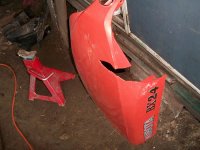
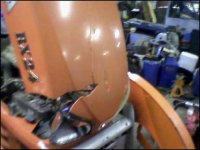
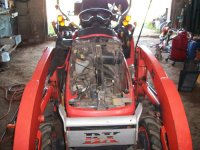
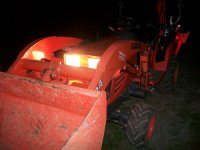
A friend of mine let me use his bx24 backhoe to do some digging. He had some rocks come over the top of his bucket and broke his hood. I don't know what a new one cost but he said it was way to much so I made him a hood for the use of his tractor.
 

Attachments

  • 6439012383_7a185bc9fb.jpg
    6439012383_7a185bc9fb.jpg
    131.1 KB · Views: 282
  • 6439025825_d9170264d0.jpg
    6439025825_d9170264d0.jpg
    87.9 KB · Views: 278
  • 6439025853_d318ec7668.jpg
    6439025853_d318ec7668.jpg
    138 KB · Views: 279
  • 6439025843_451774cf4c.jpg
    6439025843_451774cf4c.jpg
    28.8 KB · Views: 305
  • 6439025863_8ea95192ac.jpg
    6439025863_8ea95192ac.jpg
    90.6 KB · Views: 276
  • 6439025867_99b6c7e823.jpg
    6439025867_99b6c7e823.jpg
    36.9 KB · Views: 346
  • 6439025869_77923bb8fd.jpg
    6439025869_77923bb8fd.jpg
    112.6 KB · Views: 241

slowmo5o

Well-known member
Joined
Jul 23, 2009
Messages
125
Location
Minnesota
Here is a pig I made for my brother for his birthday. It is cut into its meat cuts. It mounts to the wall with a bracket that can be mounted to the wall and the pig hung on the bracket. It is about 30 inches long. I carved the letters for the stamps out of wood. The last pic is before it was cut up. I made a little one for the wife.
 

Attachments

  • p2.jpg
    p2.jpg
    94.3 KB · Views: 299
  • pig.jpg
    pig.jpg
    113.9 KB · Views: 273
  • p3.jpg
    p3.jpg
    85.4 KB · Views: 230
Last edited:

sanddan

Well-known member
Joined
Jul 7, 2005
Messages
708
Location
Oregon
Here is a pig I made for my brother for his birthday. It is cut into its meat cuts. It mounts to the wall with a bracket that can be mounted to the wall and the pig hung on the bracket. It is about 30 inches long. I carved the letters for the stamps out of wood. The last pic is before it was cut up. I made a little one for the wife.

Did you use a bead roller to get the definition in the metal?

Looks very good by the way.
 

NASTYZEN

Well-known member
Joined
Jun 11, 2010
Messages
2,823
Location
St-Colomban,Que. Canada
More amature hour... but i'm awful proud.


2011-12-02173224.jpg

You should be proud, that's great fabricating right there.:thumbup:
 

MP&C

Well-known member
Joined
Oct 21, 2009
Messages
4,396
Location
Leonardtown, MD
Need to get this thread back up top!

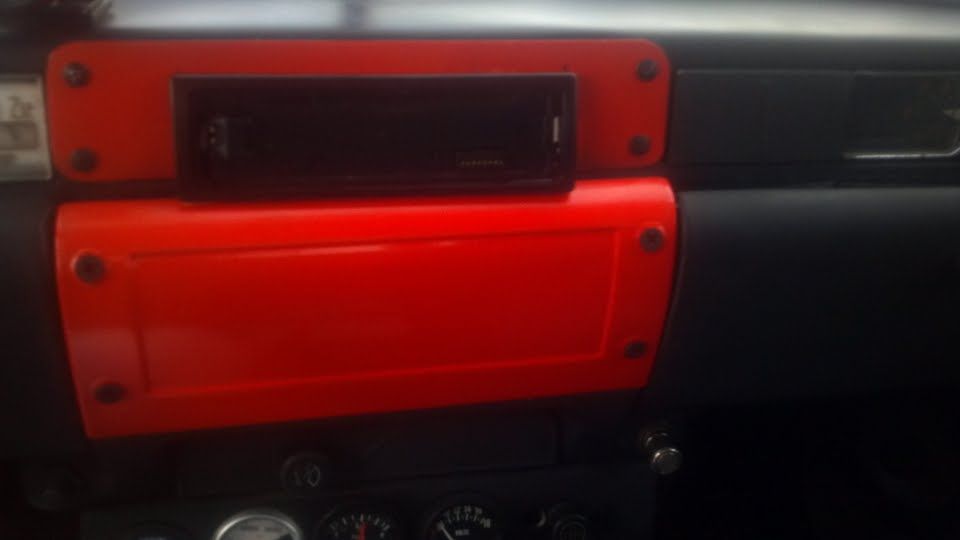
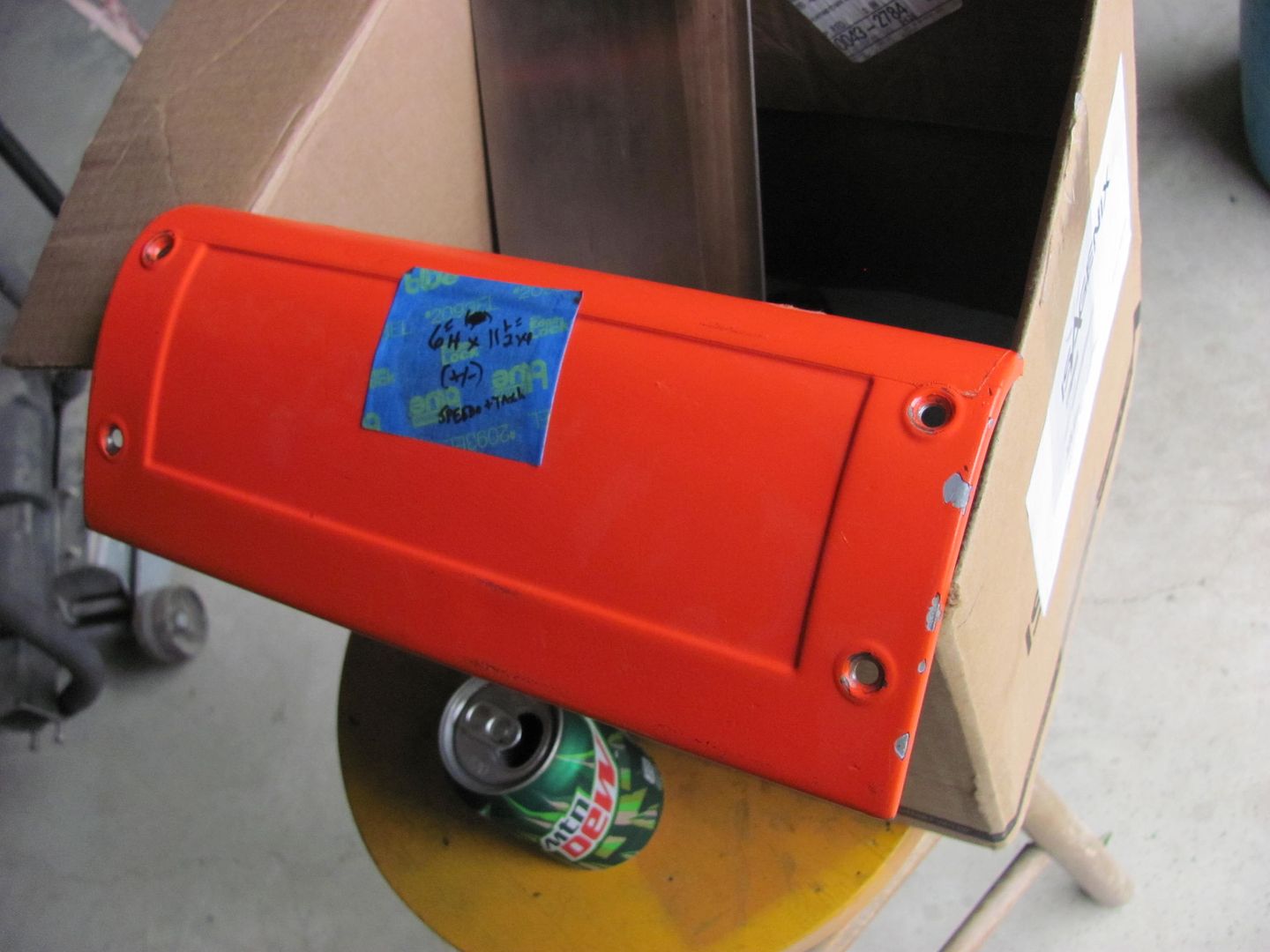
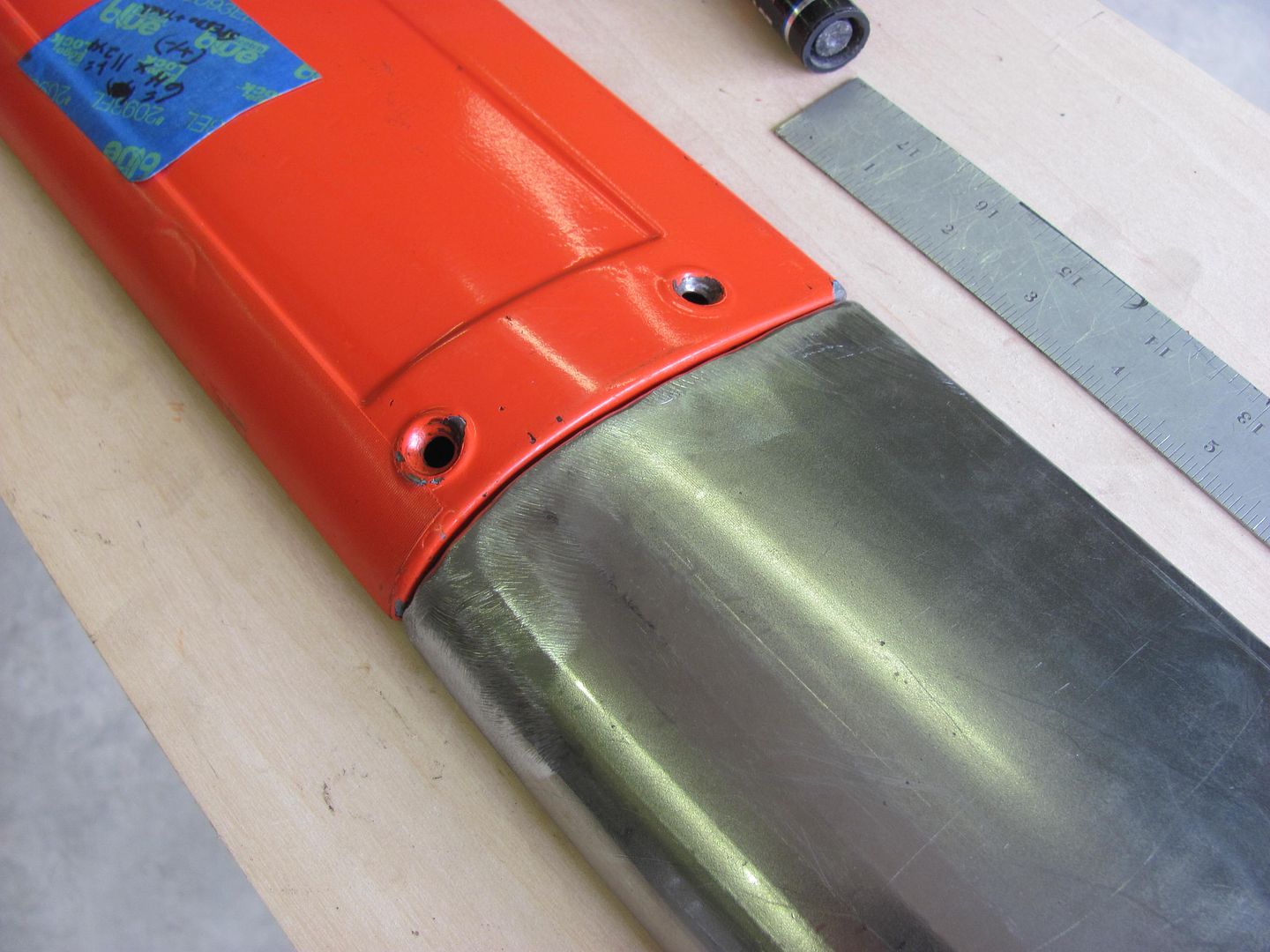
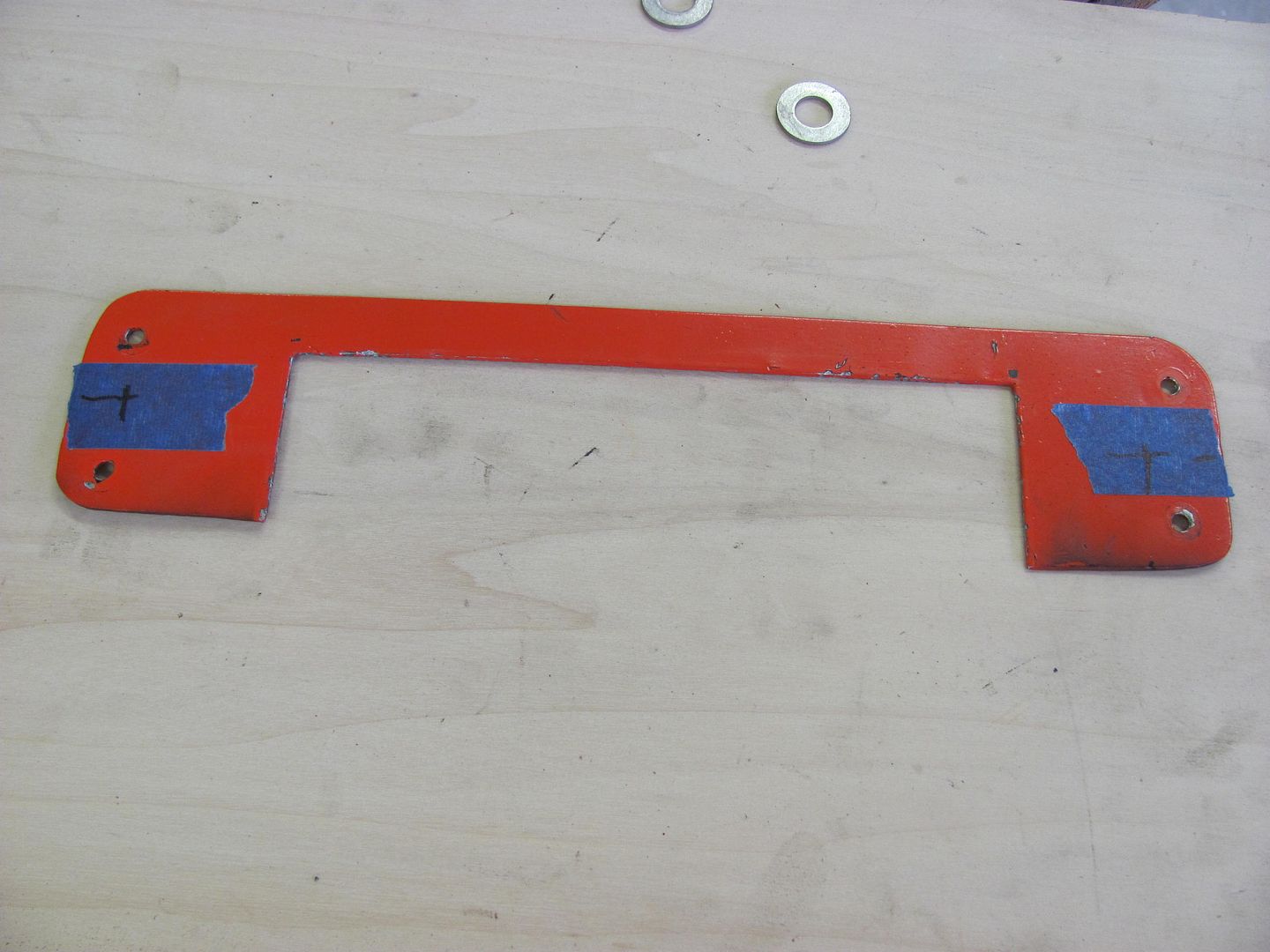
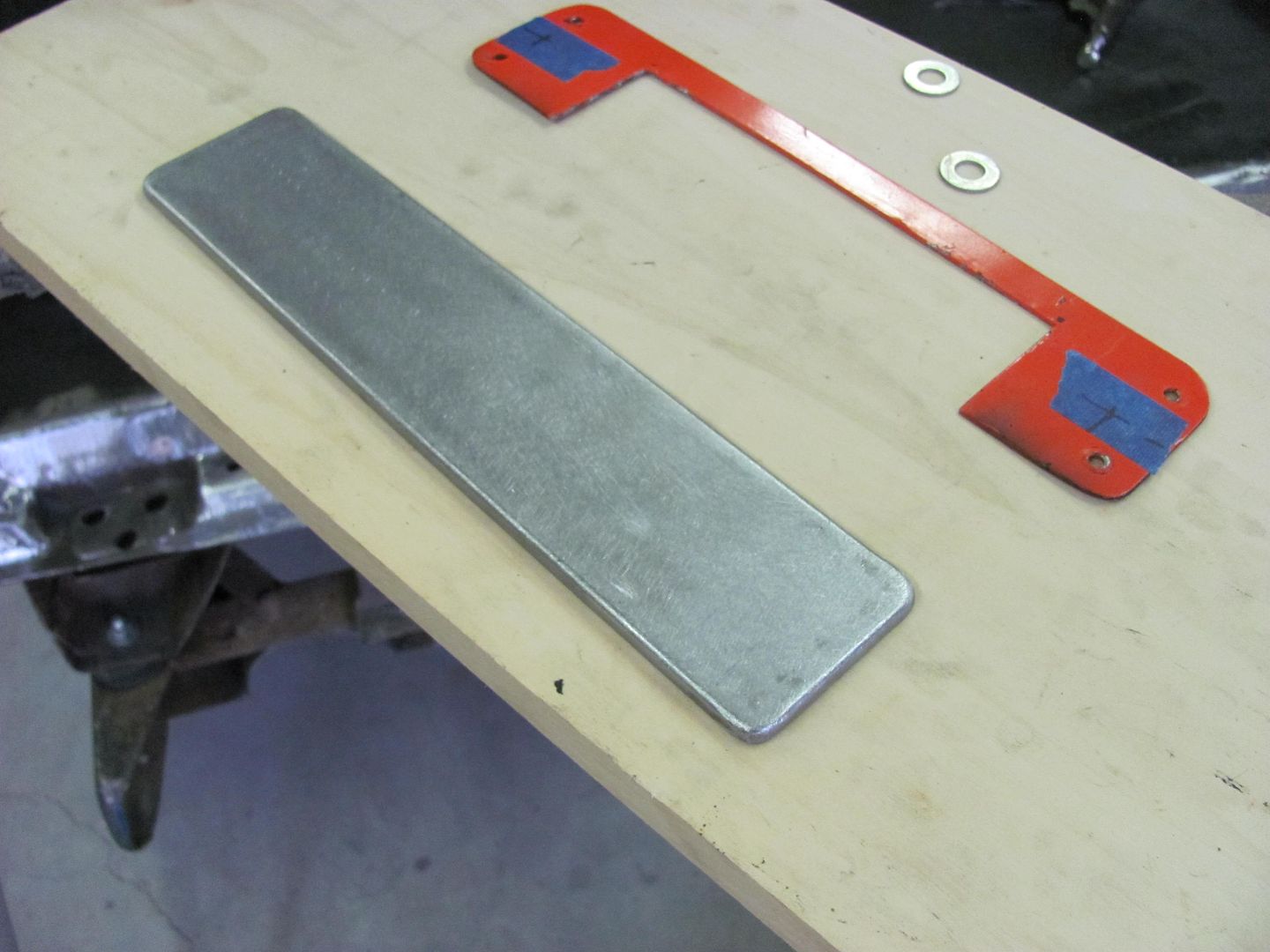
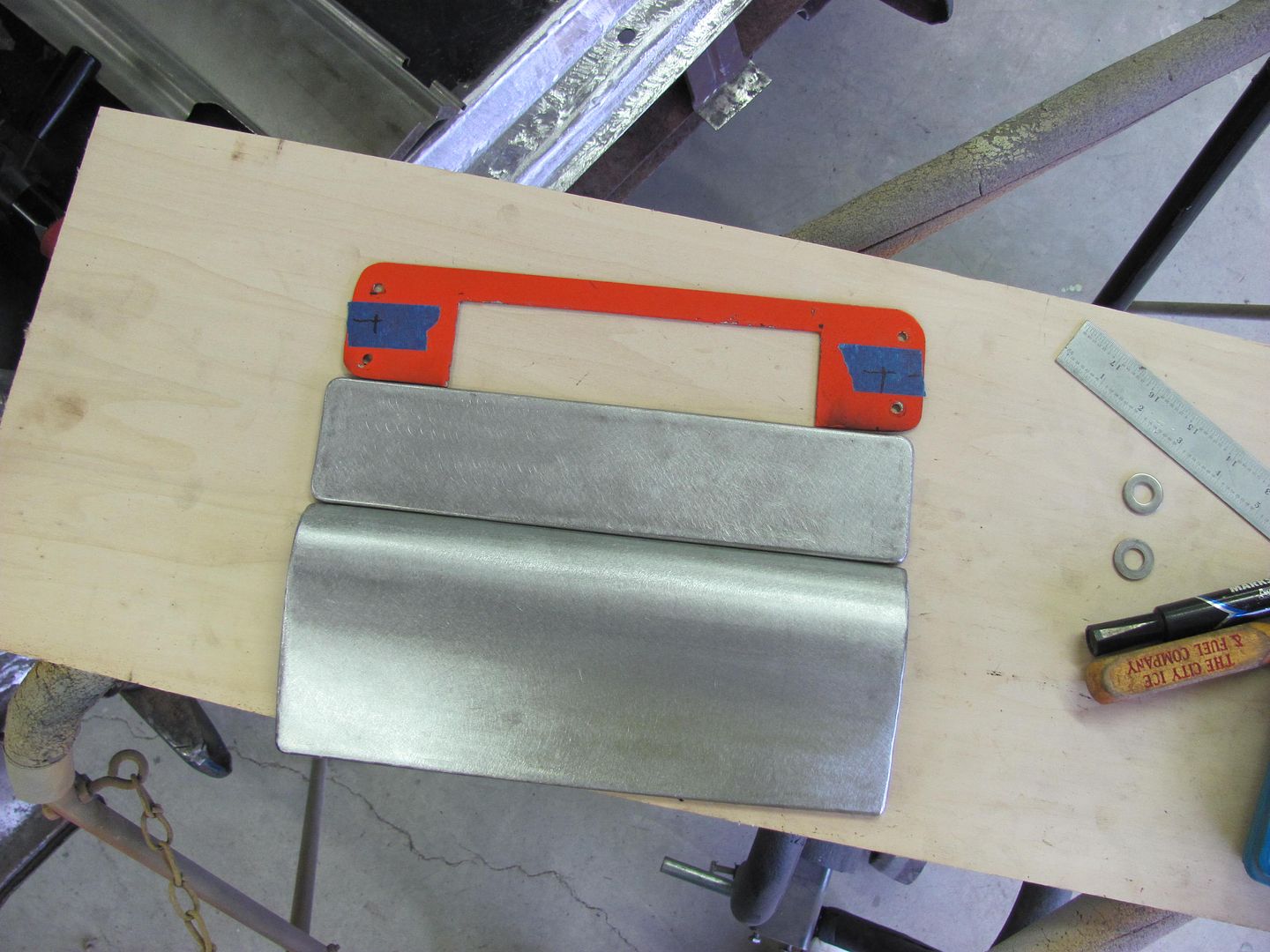
A few weeks ago one of the local Studebaker owners needed some panels made for the dash of his truck (1947 M5), he's revamping the dash gauge/radio arrangement and needed some fresh metal to work with. Here's the existing:


All_Orange_Lowr_Upr_Panel.jpg


Where the factory panel has a recess, and since he has plans for installing a couple gauges in that panel, the new will be made without the recess. The flat panel above for the DIN radio will be replaced as well, with the sides tipped for uniformity.


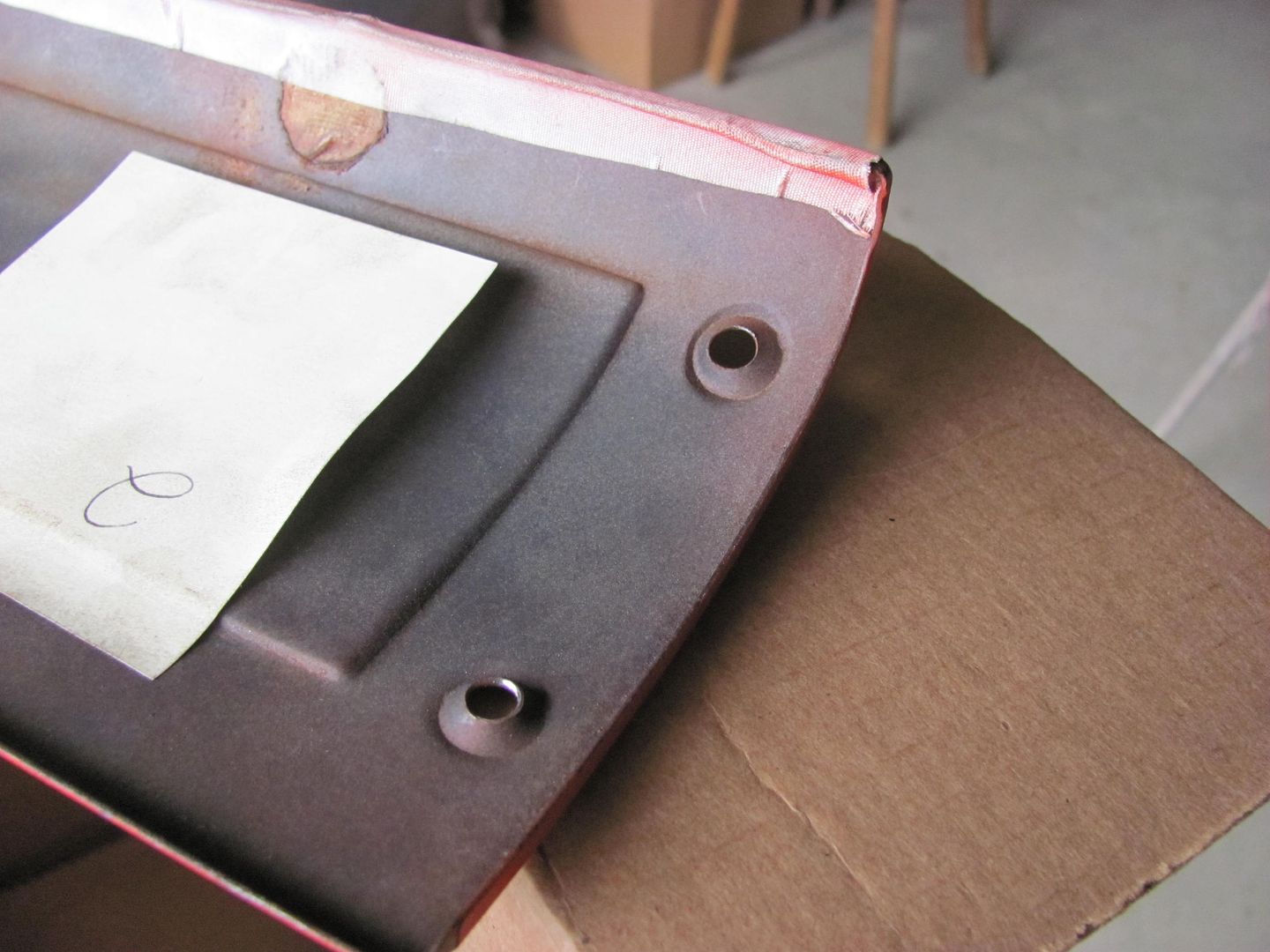
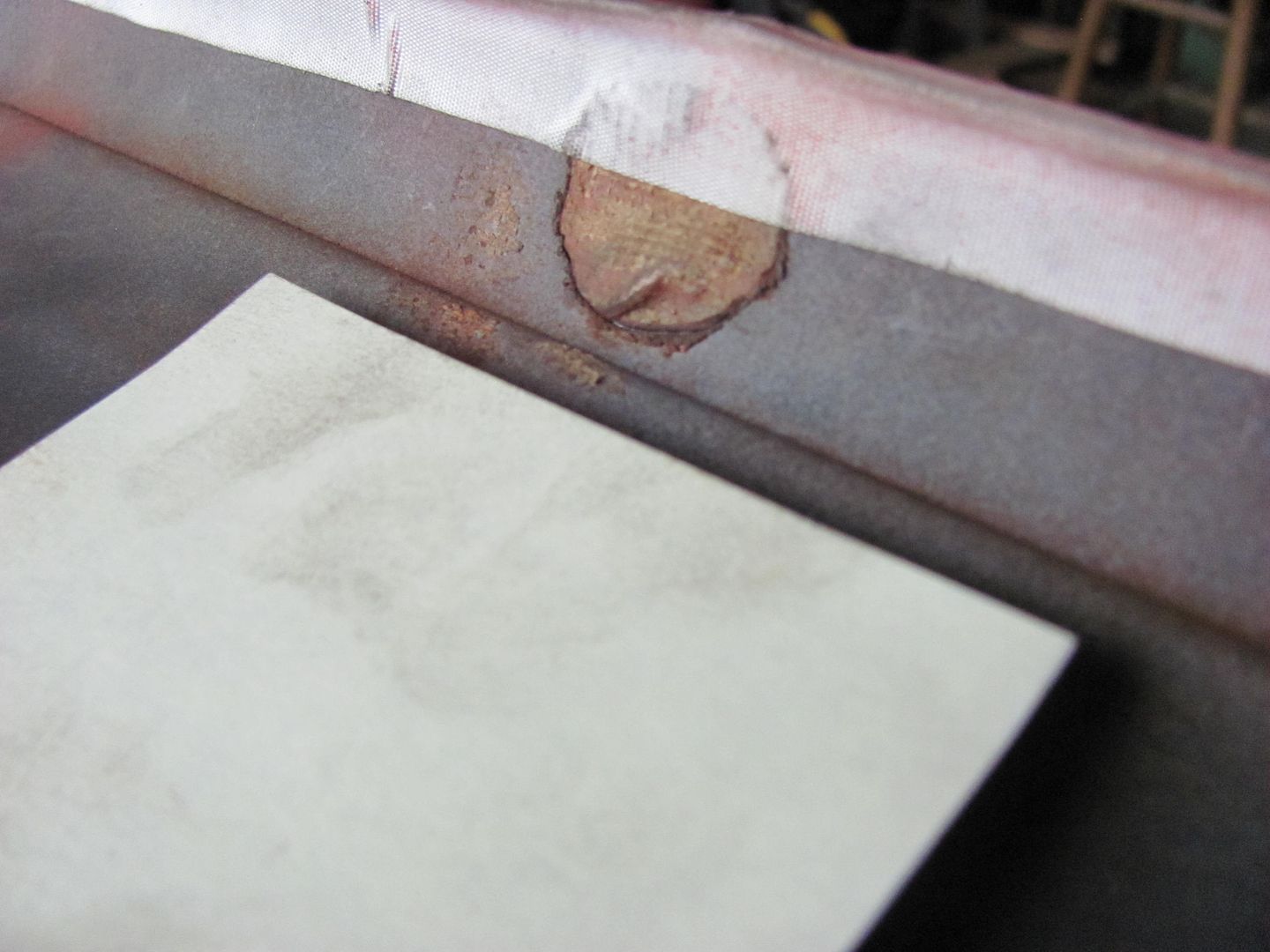
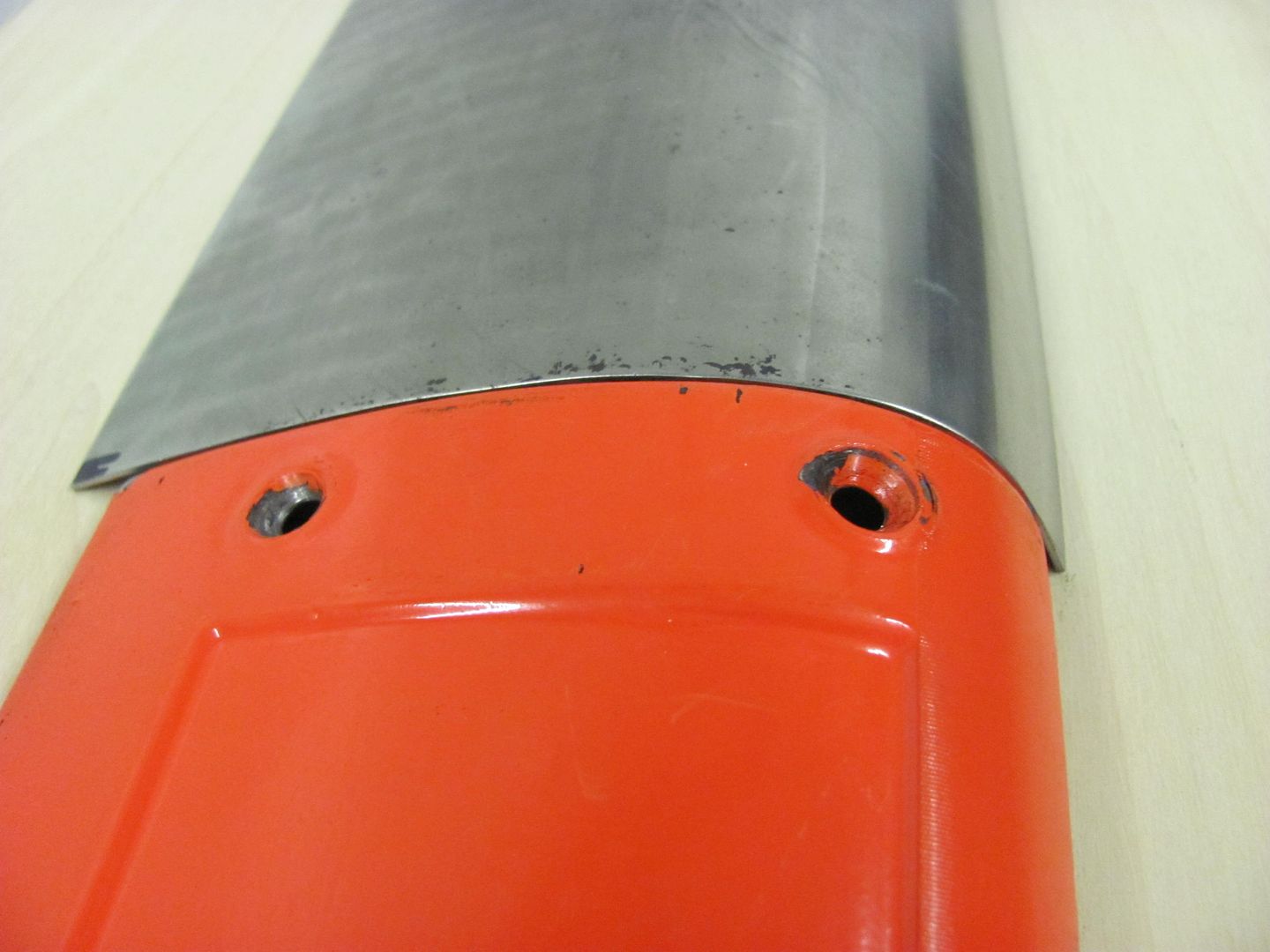
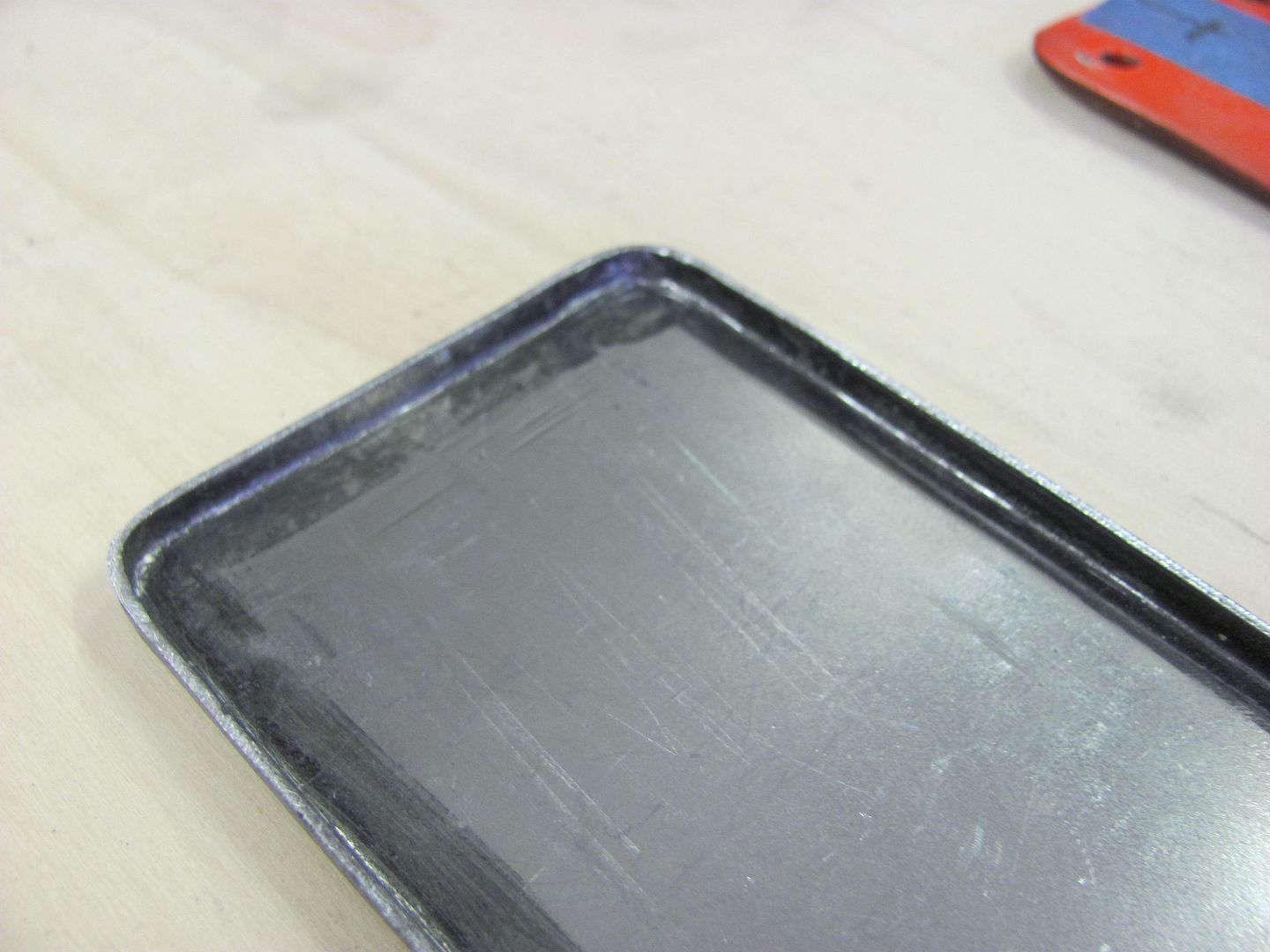
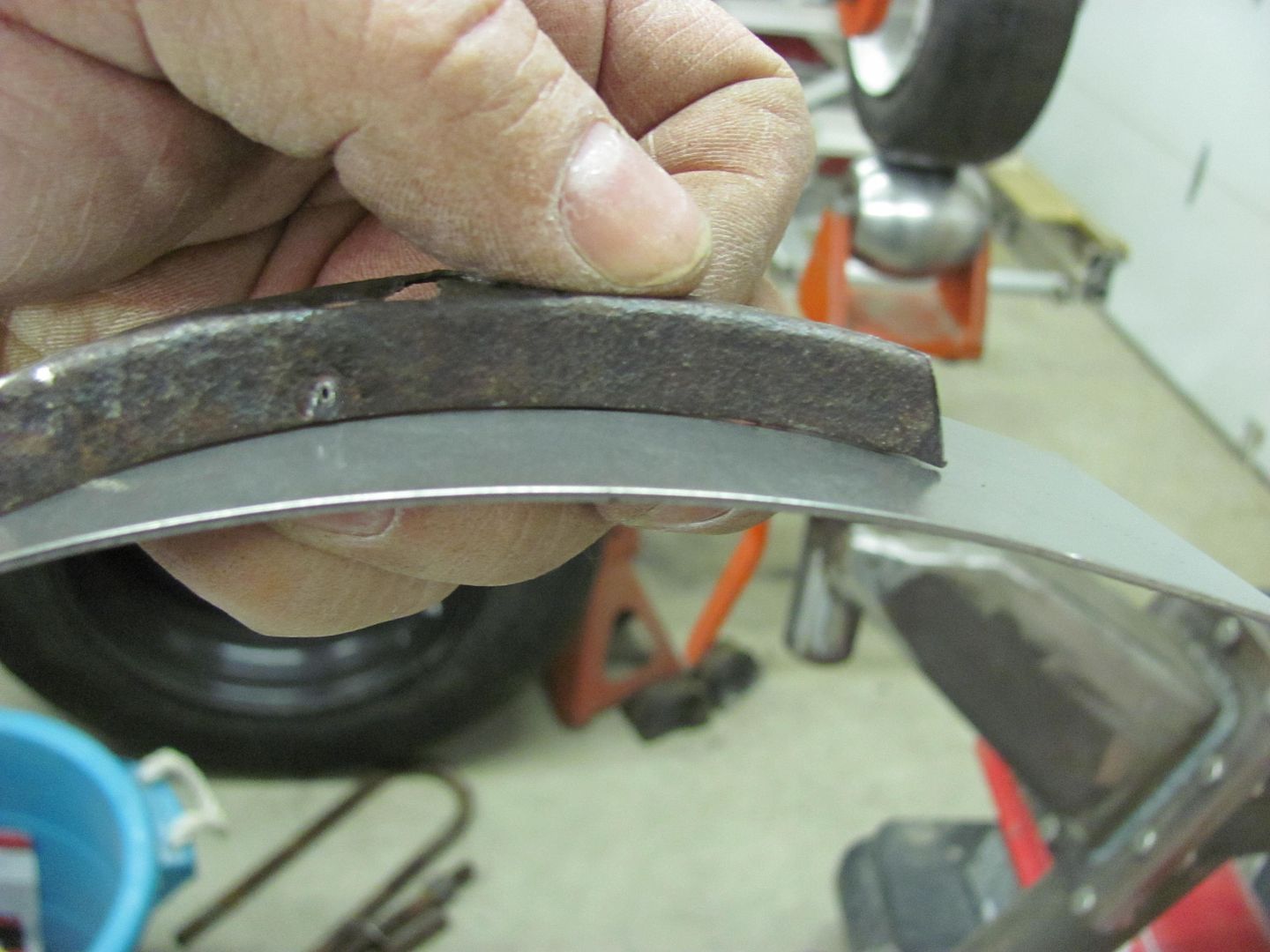
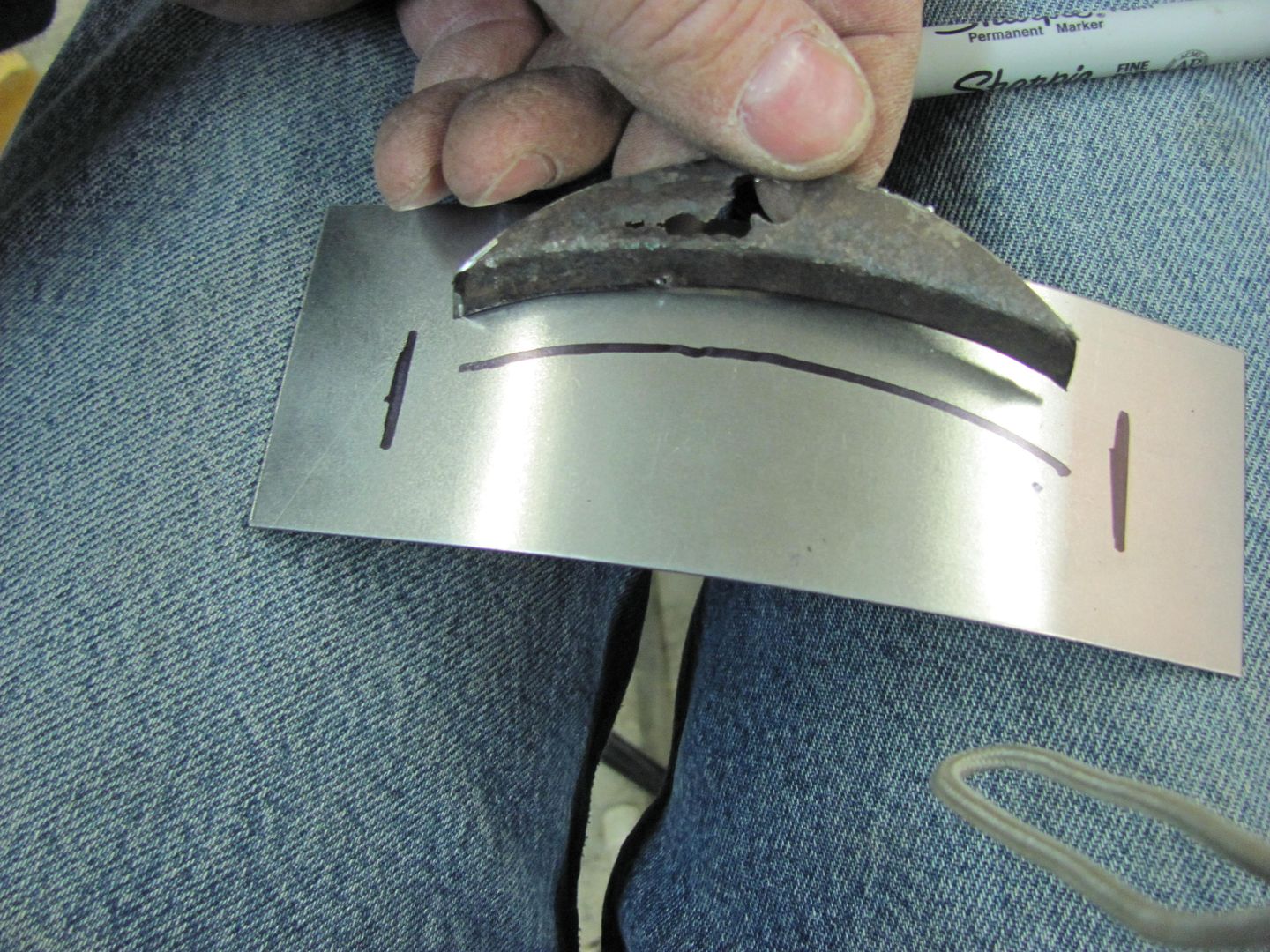
The old panel has seen some previous holes, for whatever reason.


Picture001.jpg


Picture004.jpg


Picture003.jpg


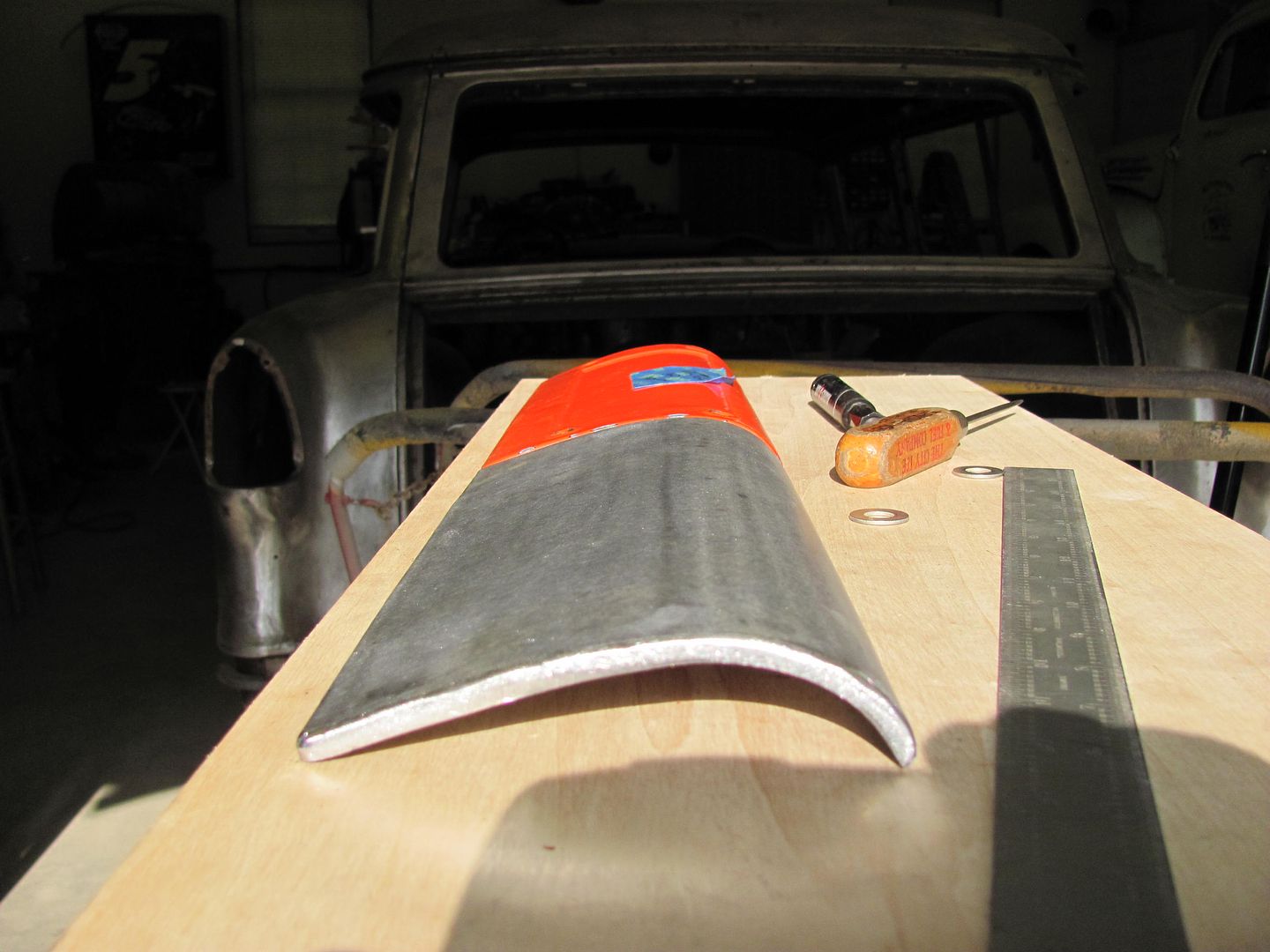
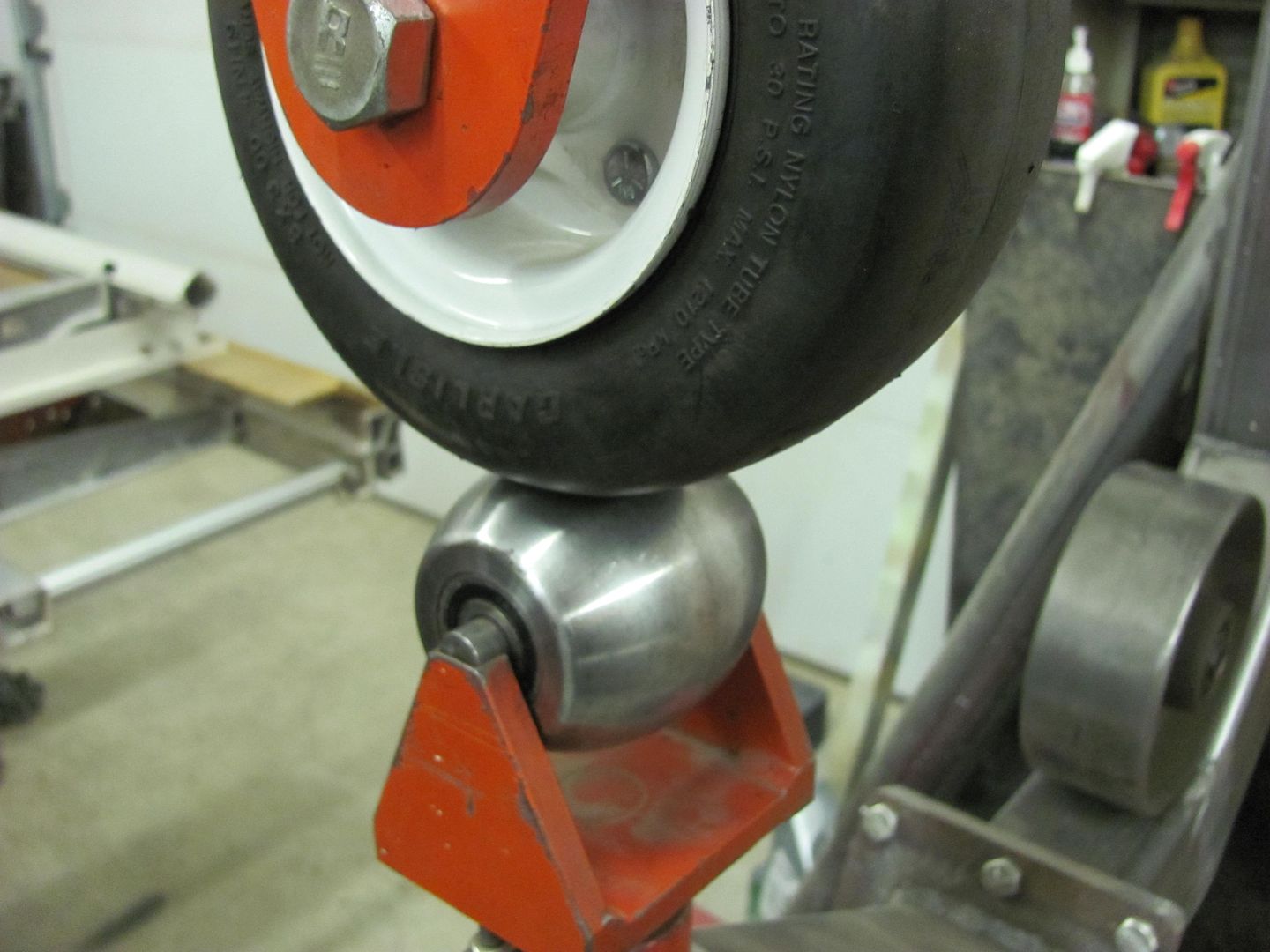
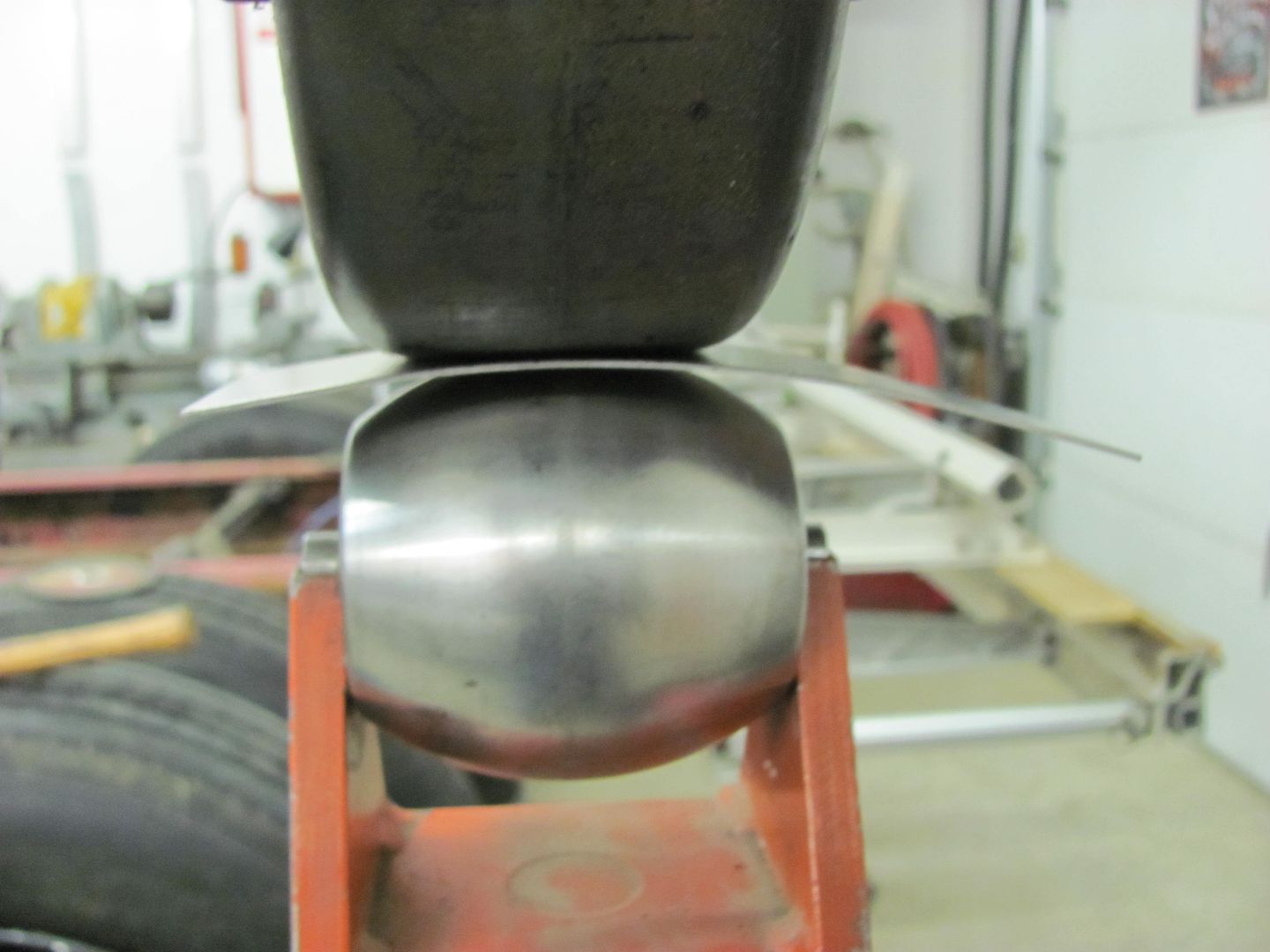
Where the rubber tire on top of the e-wheel does a nice job of forming a radius across a panel, the upper portion of the panel was a bit tighter than the 3" radius anvil will provide.


Picture105.jpg


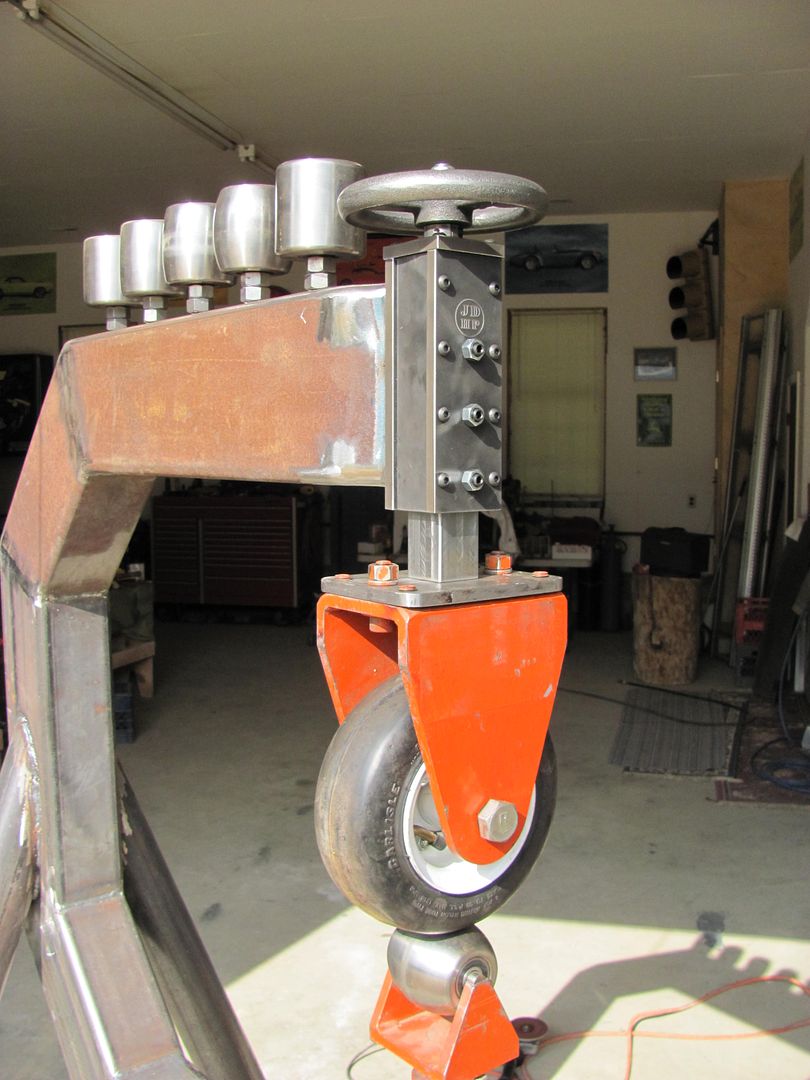
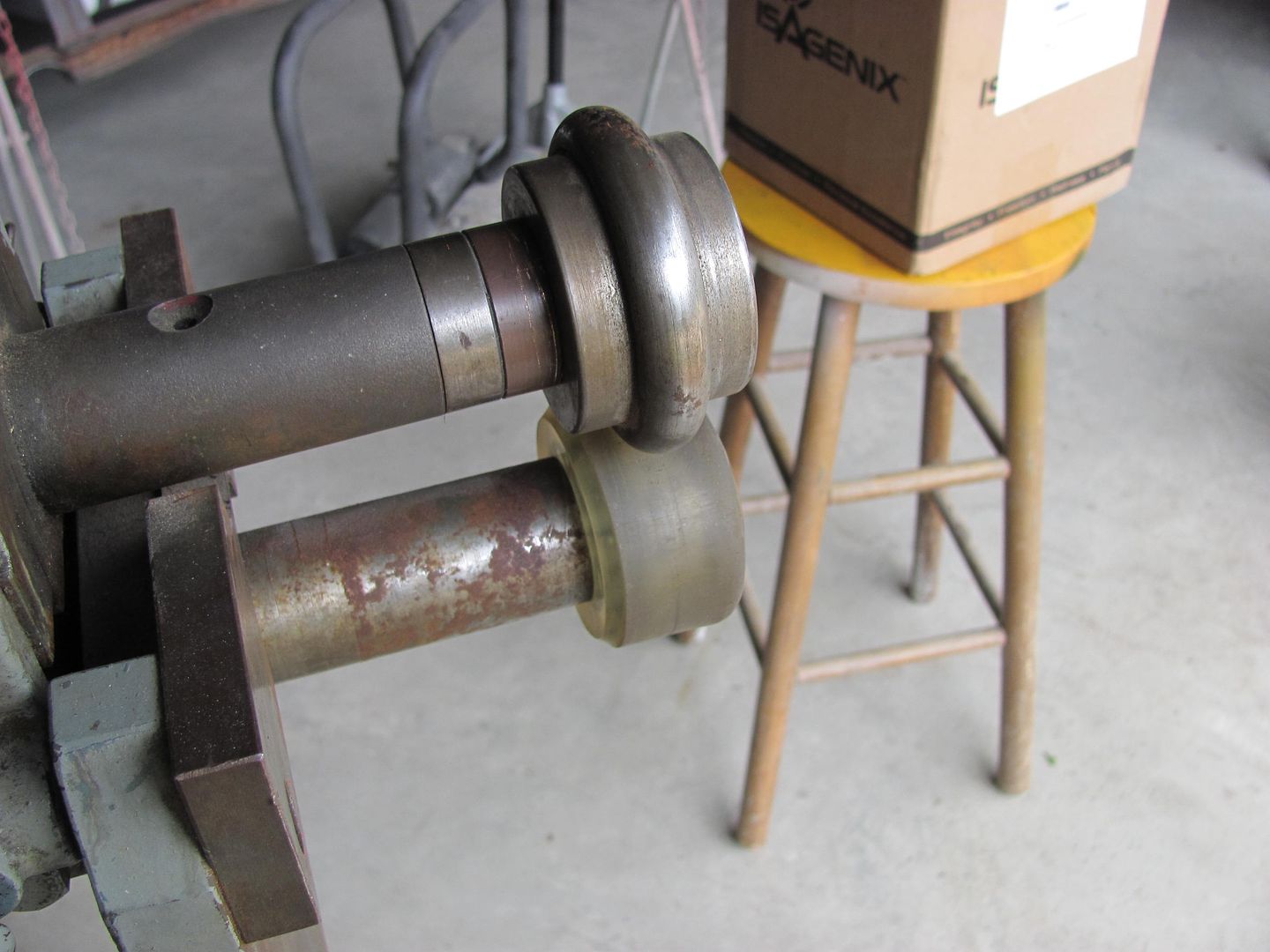
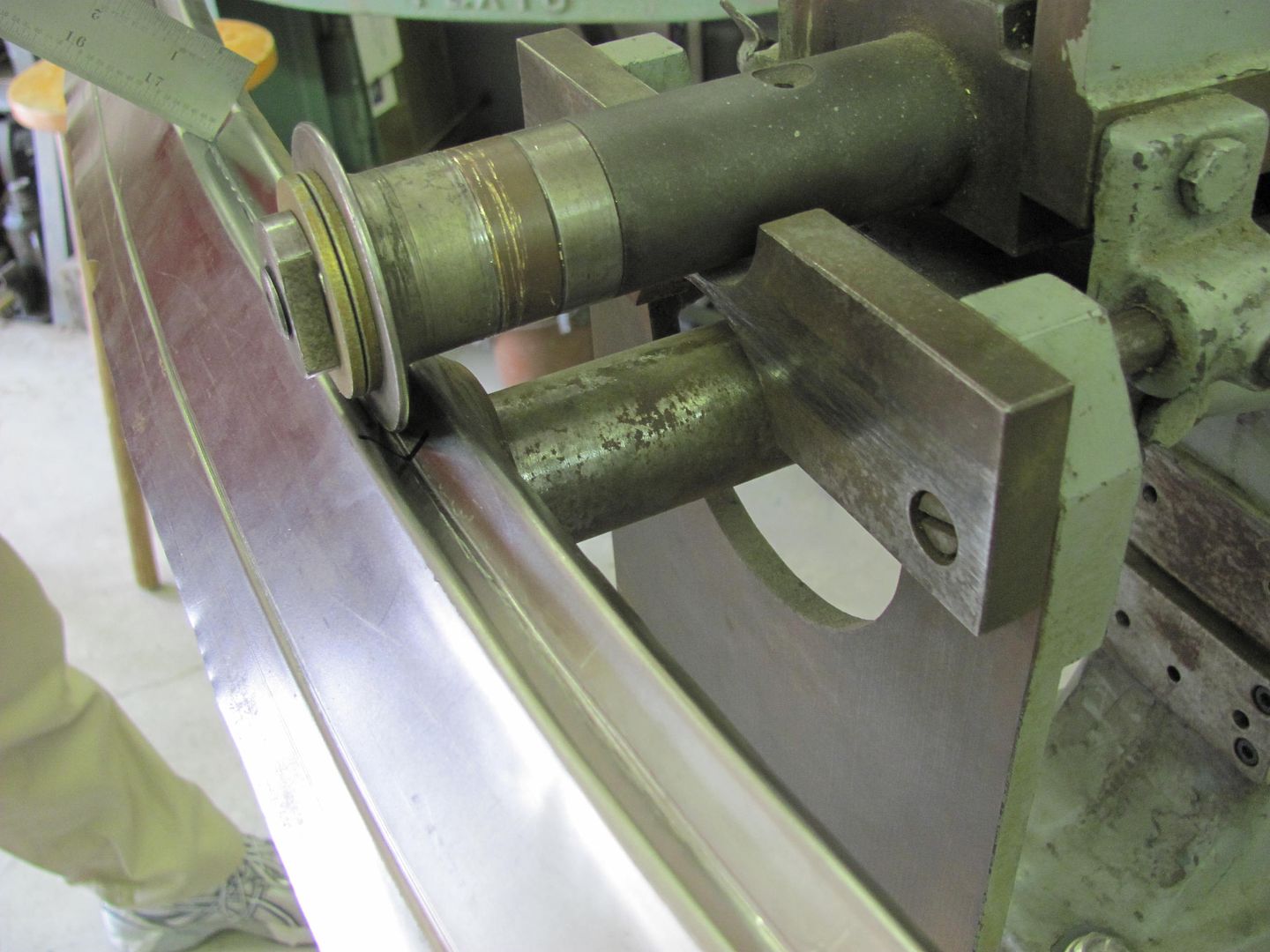
Having just set up my bead roller with the skateboard wheel for tipping, I thought to use this with a beading die to form the tighter radius.


Picture005.jpg


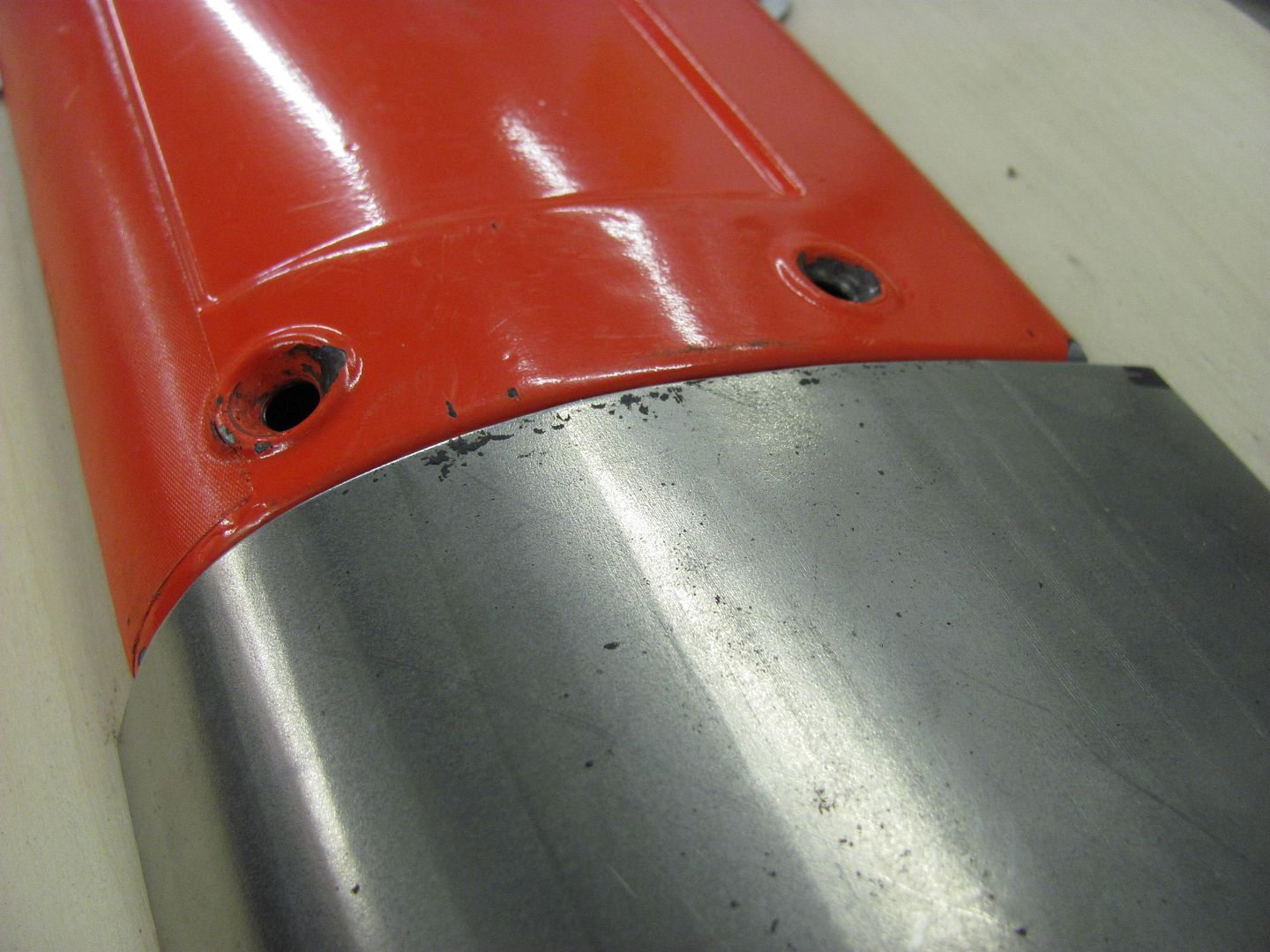
Here's the results of "rolling" the panel


Picture008.jpg


Picture009.jpg


The panel has about an 1/8" lip around the perimeter, so the radius die was changed out to one for tipping.


Picture010.jpg


With only just over 1/8 of extra to tip the flange, this process was not that effective. Hindsight, about 1/4 left over and trimmed afterwards would have been more effective. But since the panel matched so well, lets try other persuasive devices.


Picture011.jpg


Picture012.jpg


The tipping wheel did do an adequate job of marking the crease location....


Picture013.jpg


Picture014.jpg


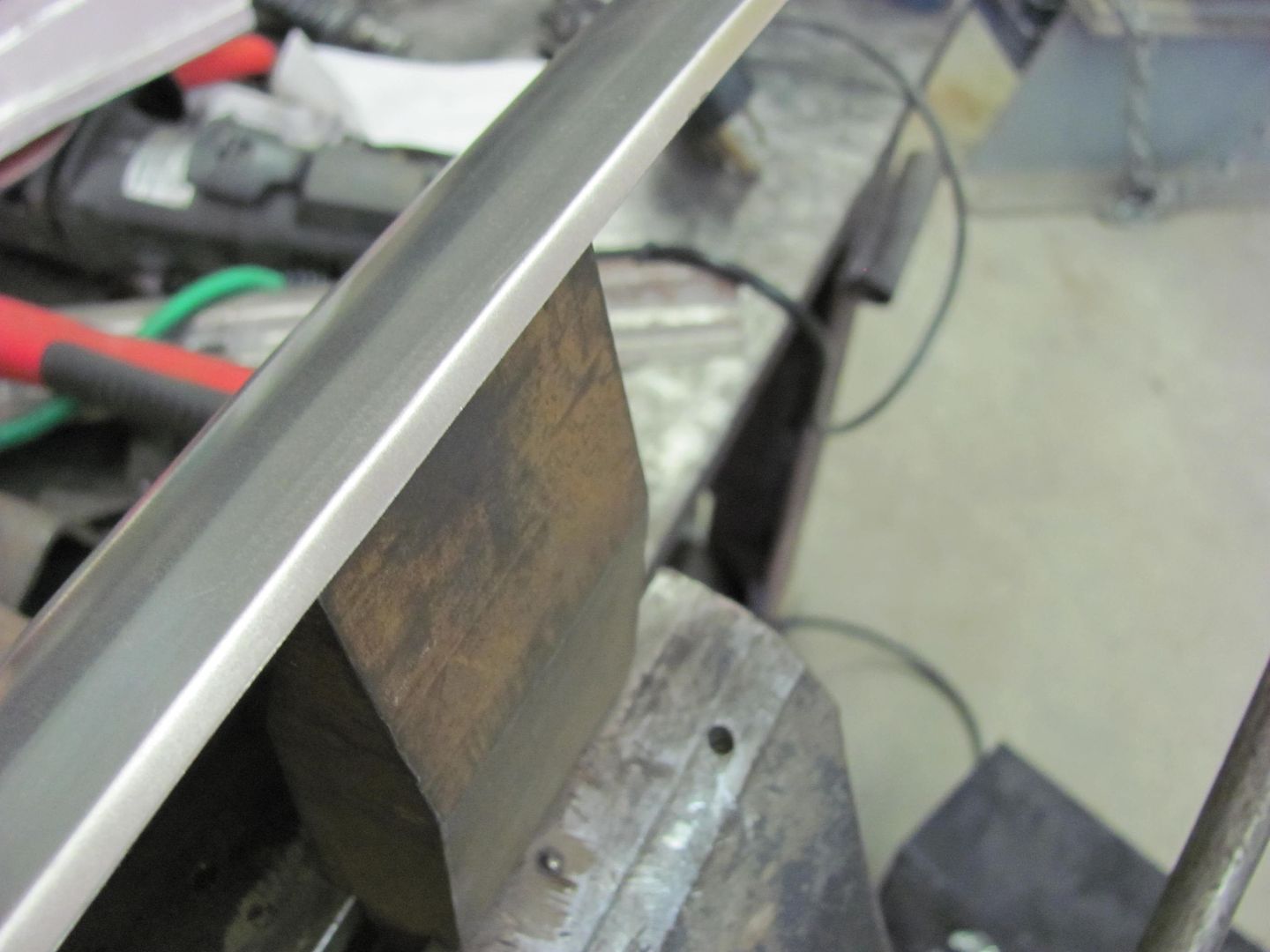
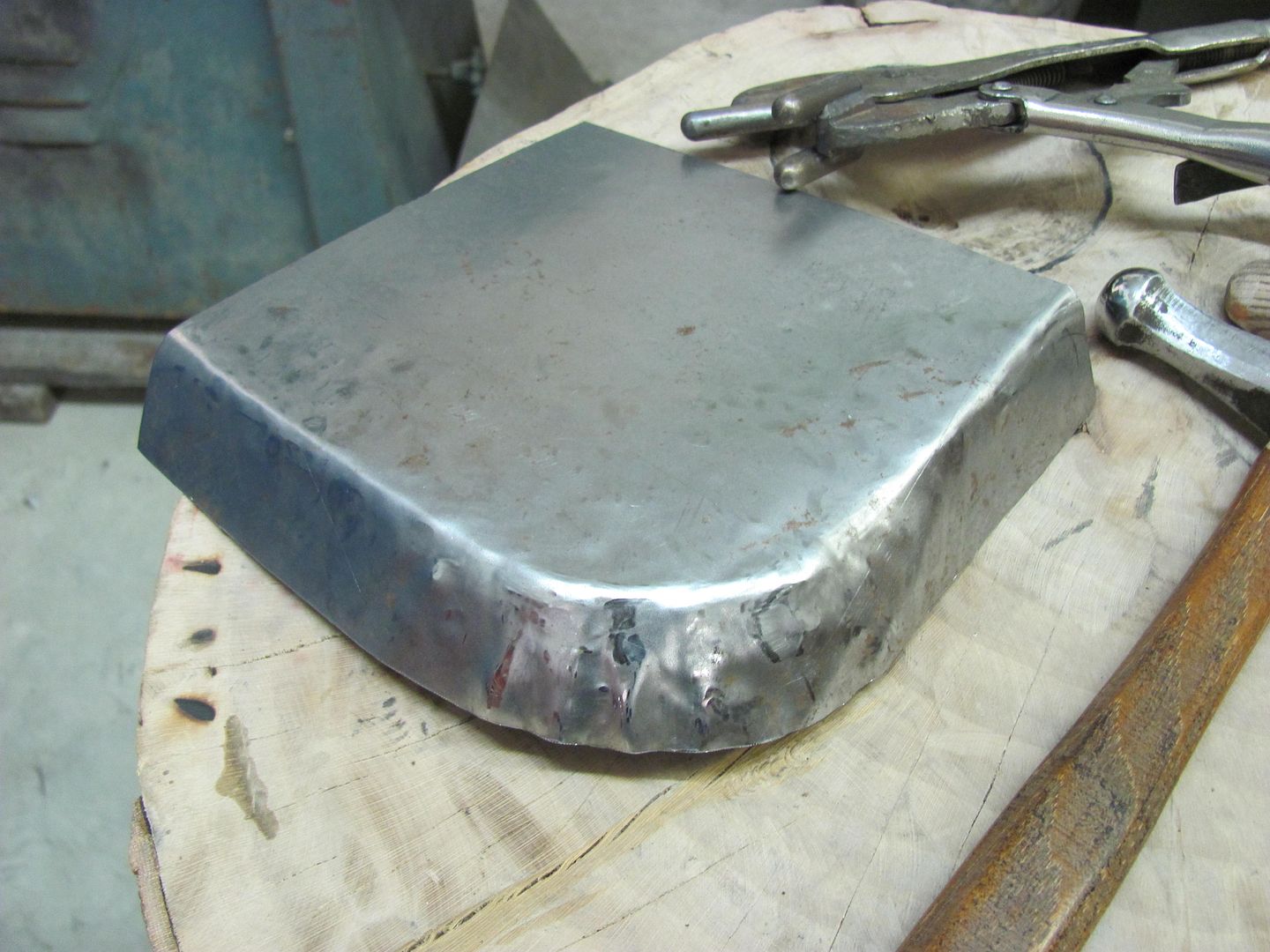
And the "vice anvil" and a ******* was used to fold the straight lip over to a 90....


Picture015.jpg


A different anvil was chosen for the radiused edges...


Picture018.jpg


Picture016.jpg


Picture017.jpg


And a punch used to form the 4 corner radiuses...


Picture019.jpg


Picture020.jpg


Picture022.jpg


And once complete, the comparison.........


Picture024.jpg


Picture027.jpg


Then the same process was used for the upper plate. The folded edges on this will make it match the lower panel a bit better and make it look more as an original piece...


Picture028.jpg


Picture029.jpg


Picture030.jpg


And the two together...


Picture032.jpg


For now, we are leaving the mounting holes out. It may even get some studs welded on the back side, for a clean look. But we'll cross that bridge when we get there.
 

bggrnchvy

Well-known member
Joined
Nov 14, 2011
Messages
579
Location
Pleasant Hill, CA
I had to design a shroud to mate a 36" fan to a DT466 radiator for a cooling skid I built. I had the panels themselves shot out on the plasma table, press broke the trapazoidal ends, ring rolled the edge flange and then worked out some method of fixturing the 18ga to weld it all up. It was definitely a learning experience.

2011-04-20_11-55-37_15.jpg


Done and powdercoated.

2011-06-27_12-00-52_201.jpg


It's not fully operational yet as it's waiting on some other items, but the plan is to build a clamp on wire shroud to shield the blades.
 

MP&C

Well-known member
Joined
Oct 21, 2009
Messages
4,396
Location
Leonardtown, MD
Time to bump this thread back up....

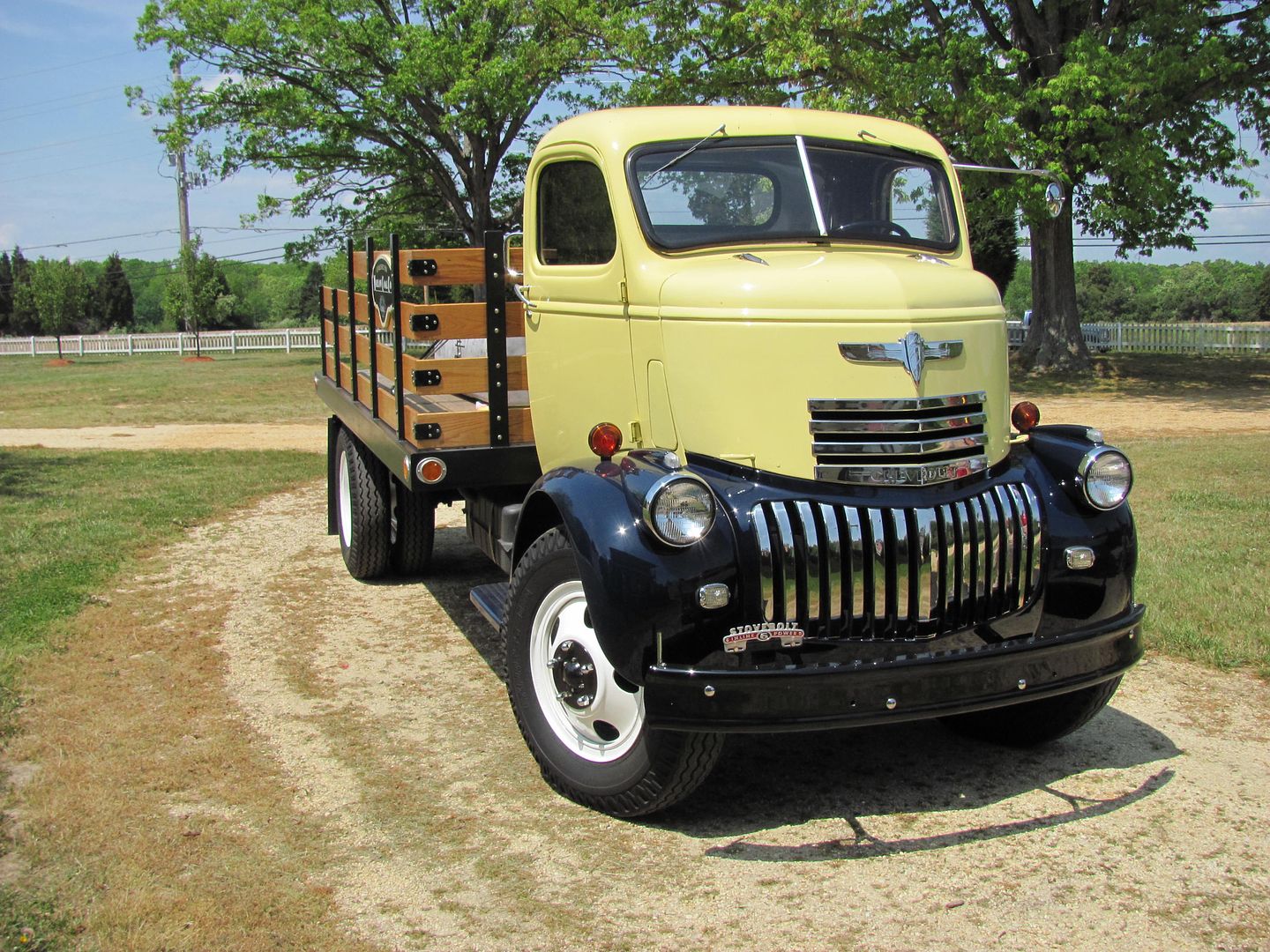
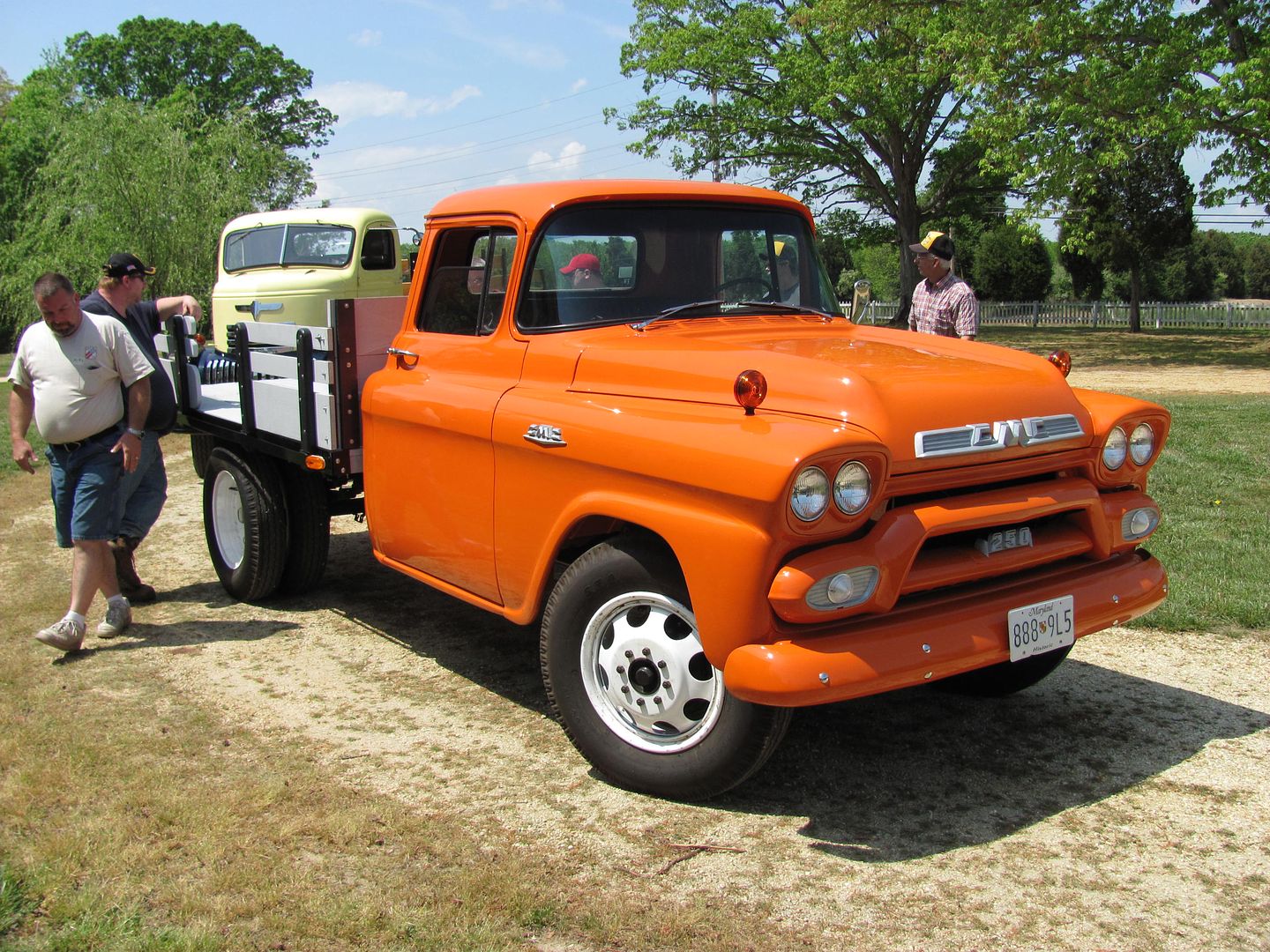
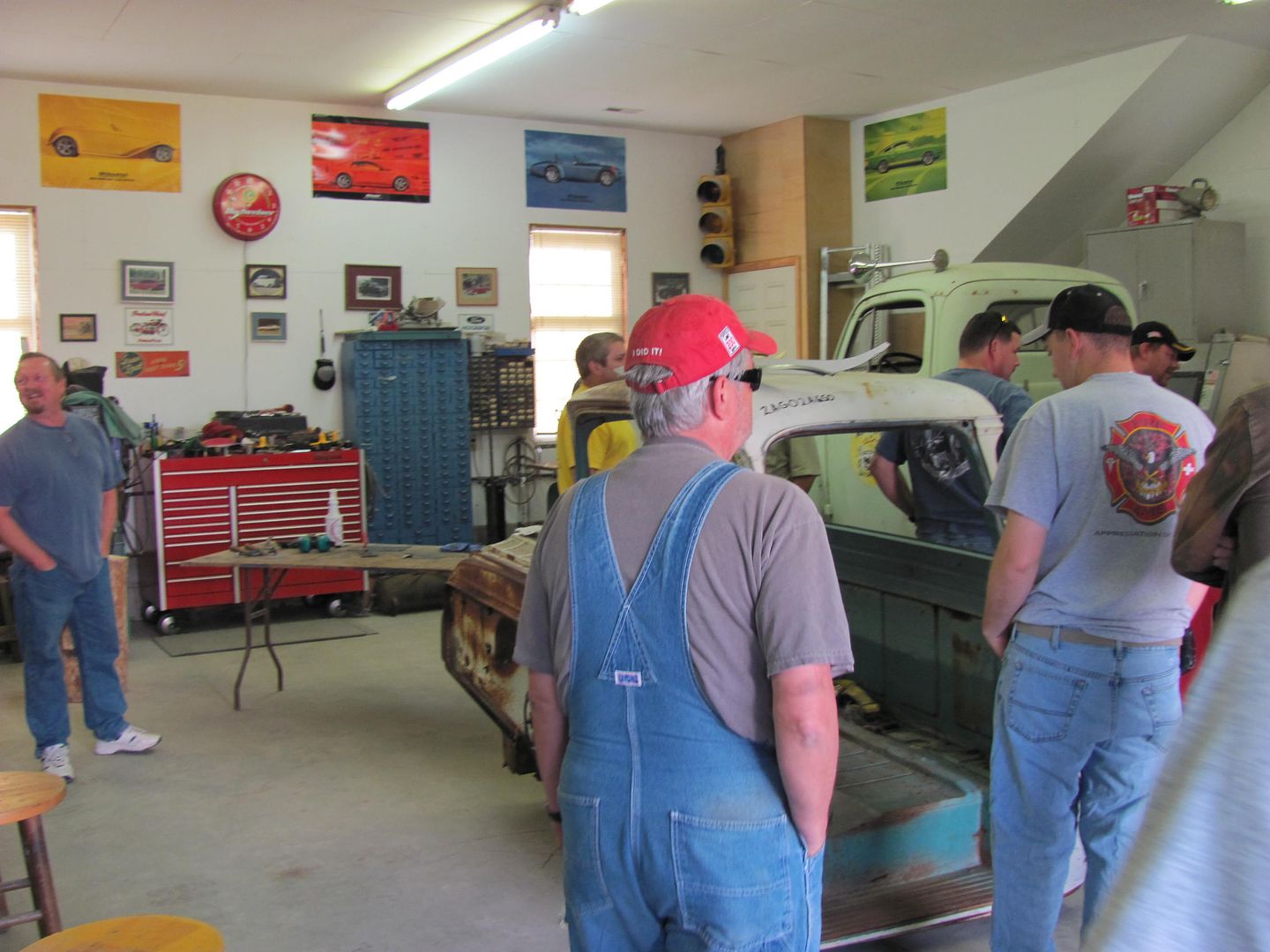
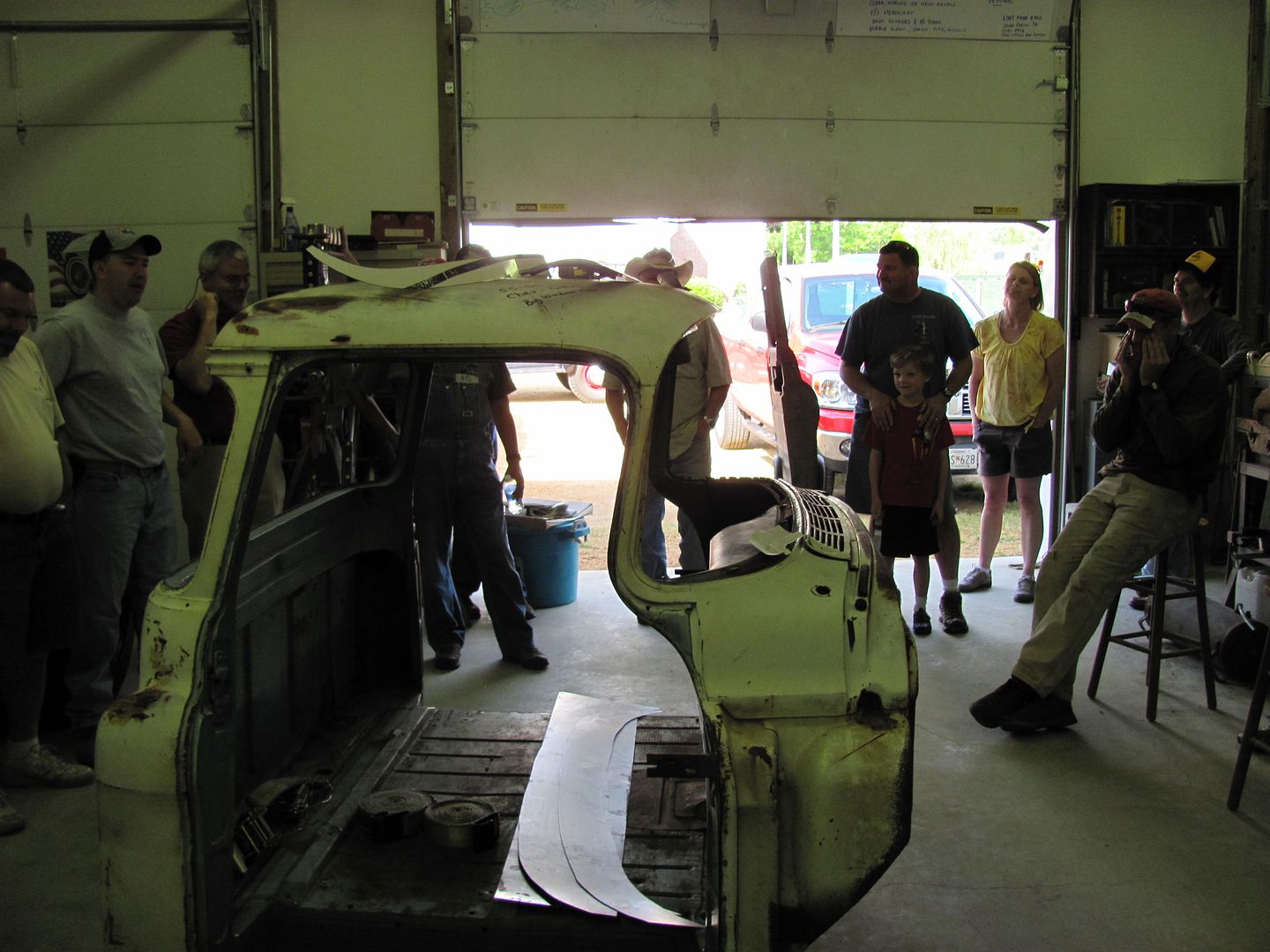
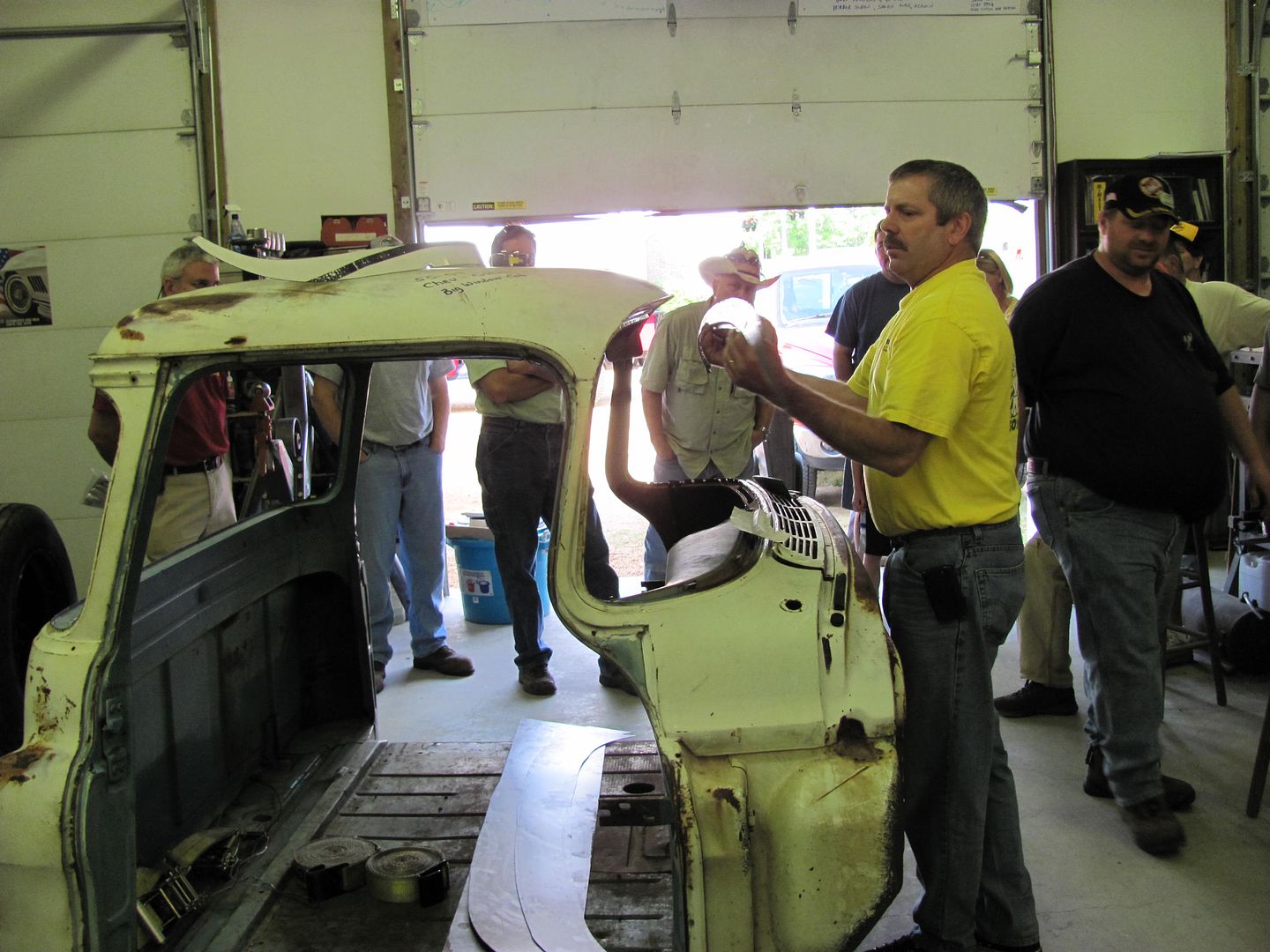
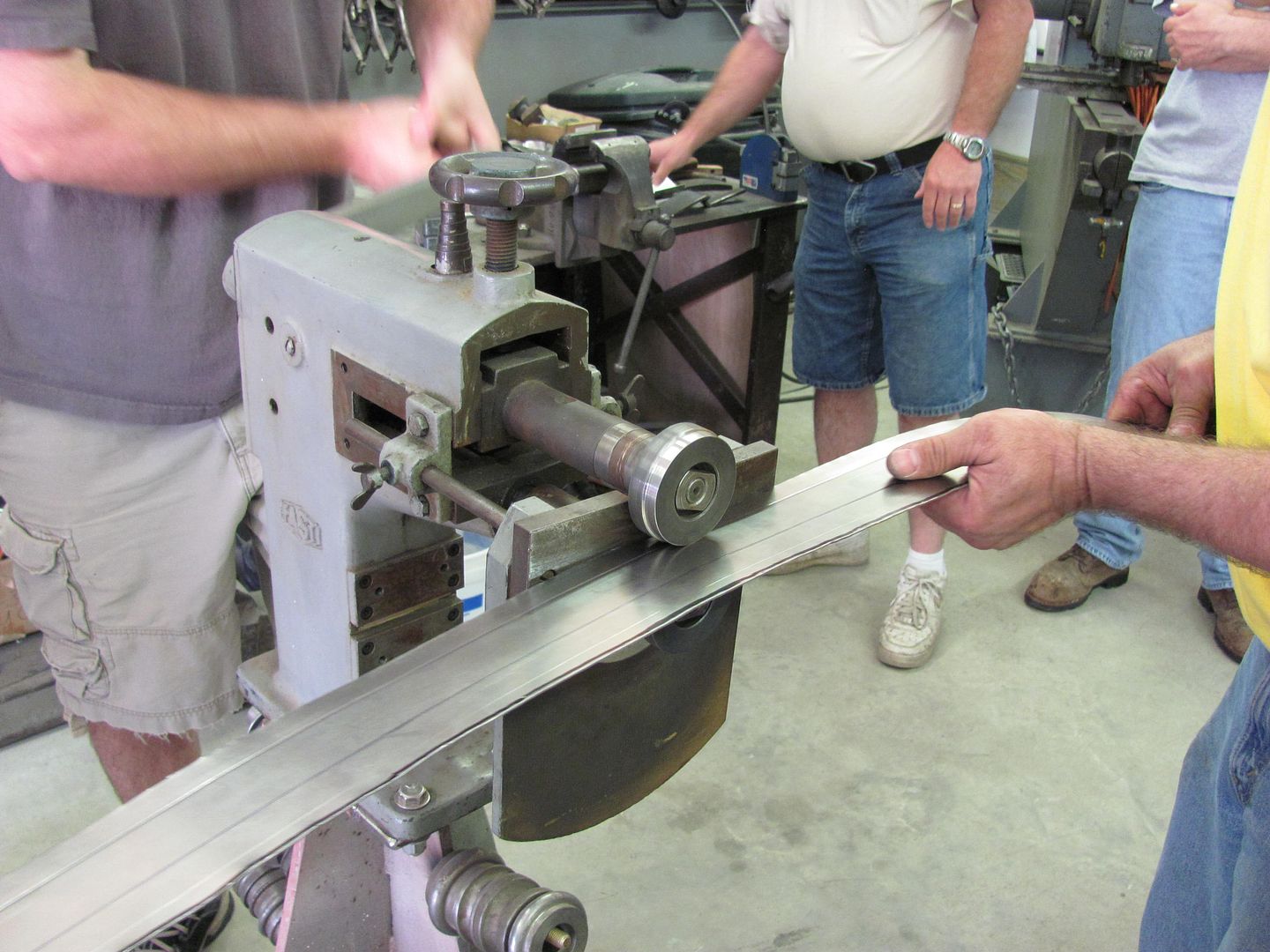
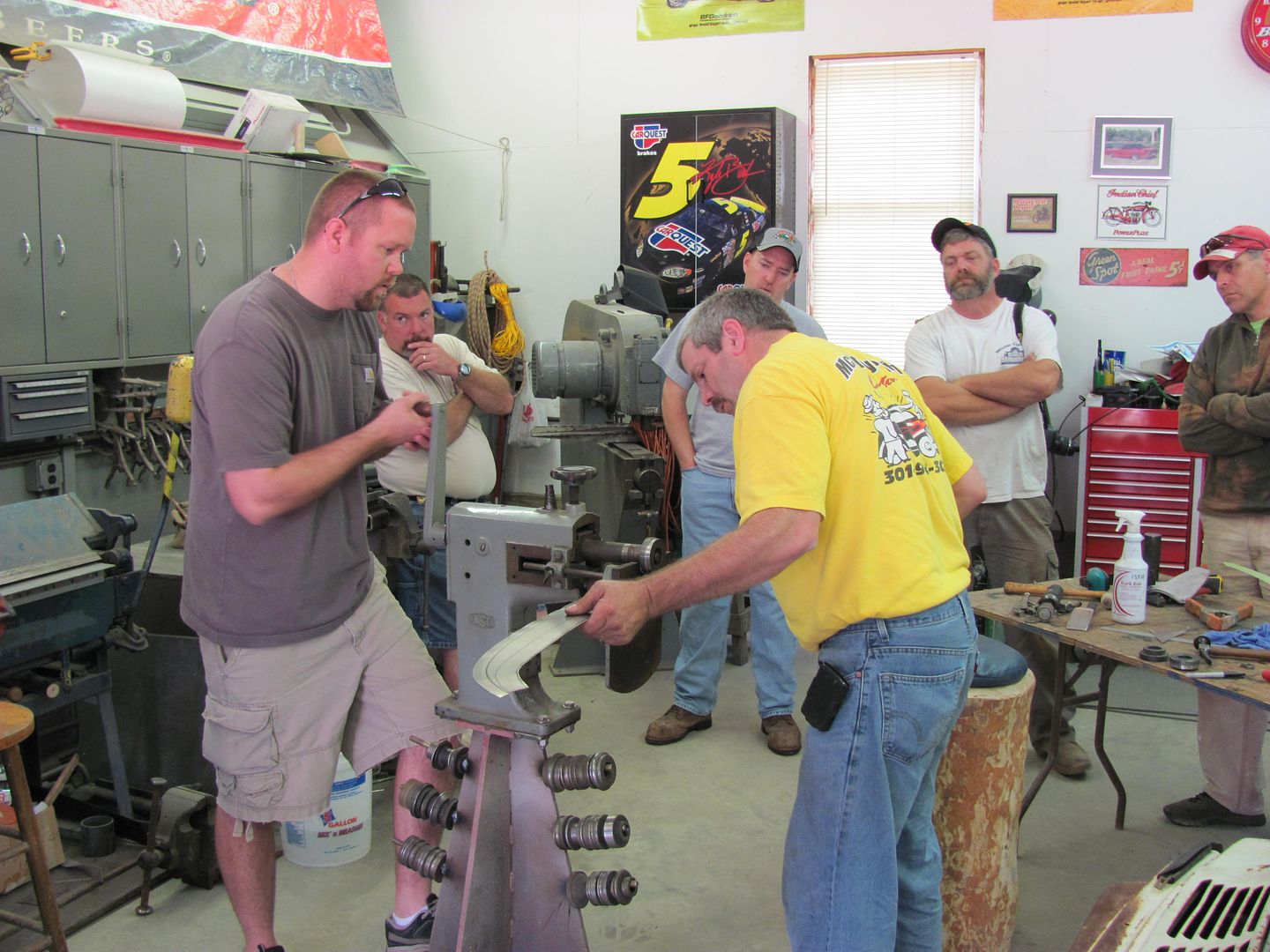
A few months ago, I put on a metalshaping demo for some of the Stovebolt guys in the area.

Some of the vintage tin that showed up:


Picture099.jpg


Picture100.jpg


Picture101.jpg


Picture102.jpg


Picture103.jpg


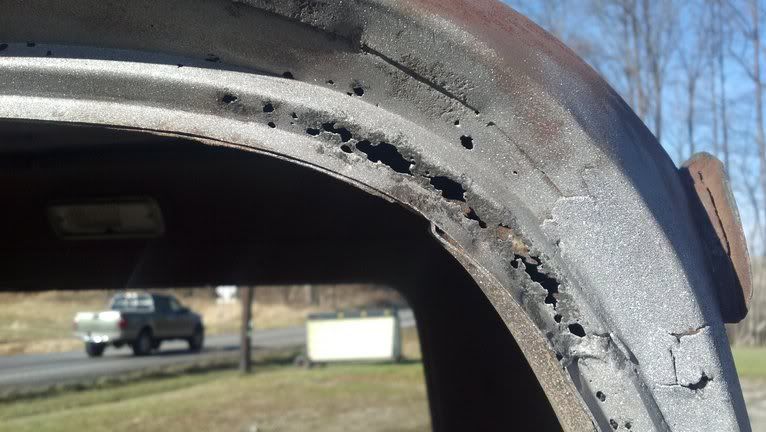
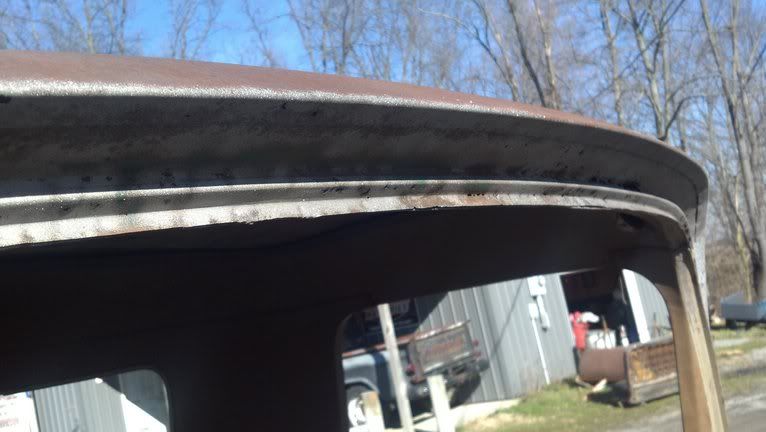
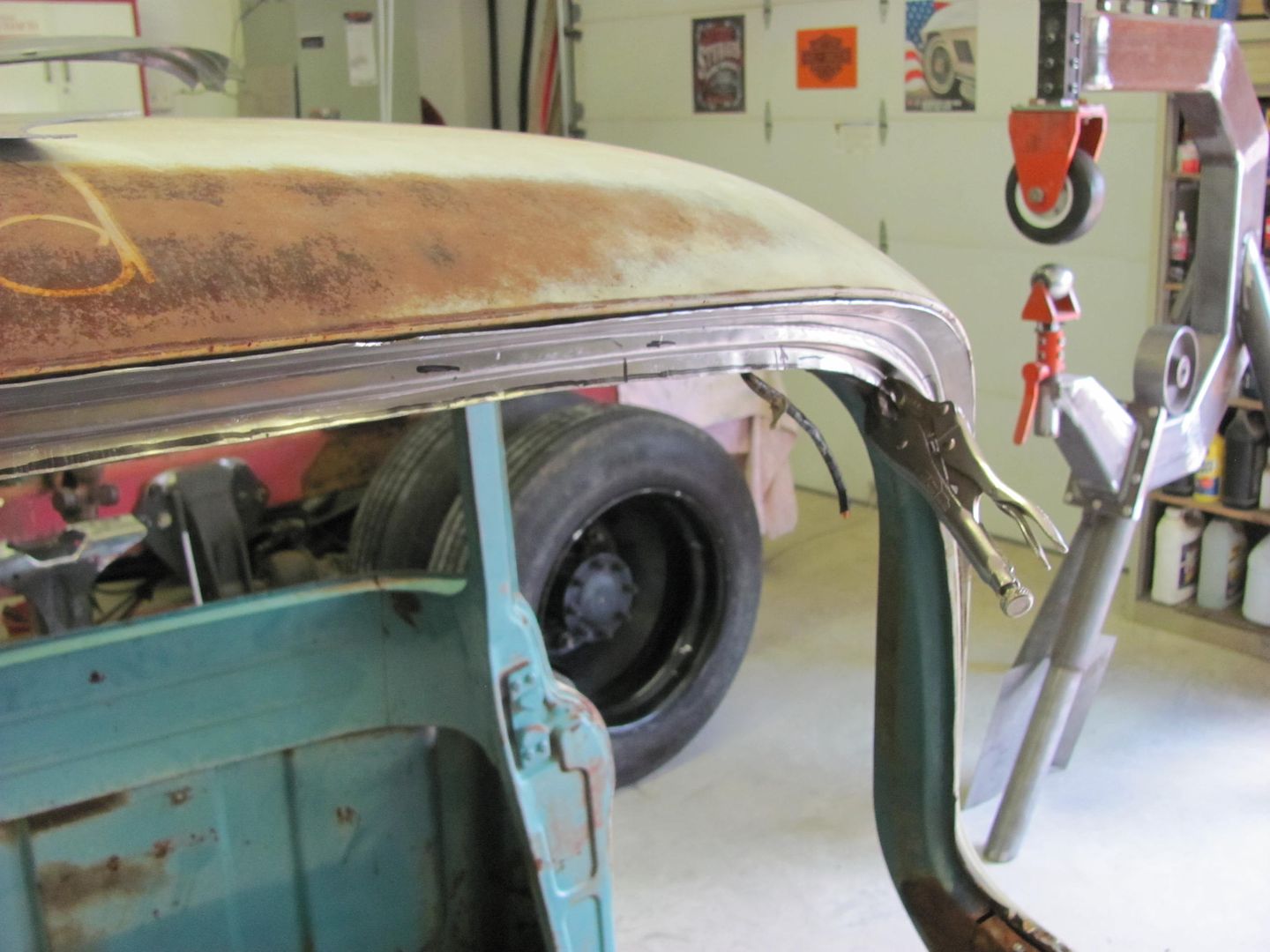
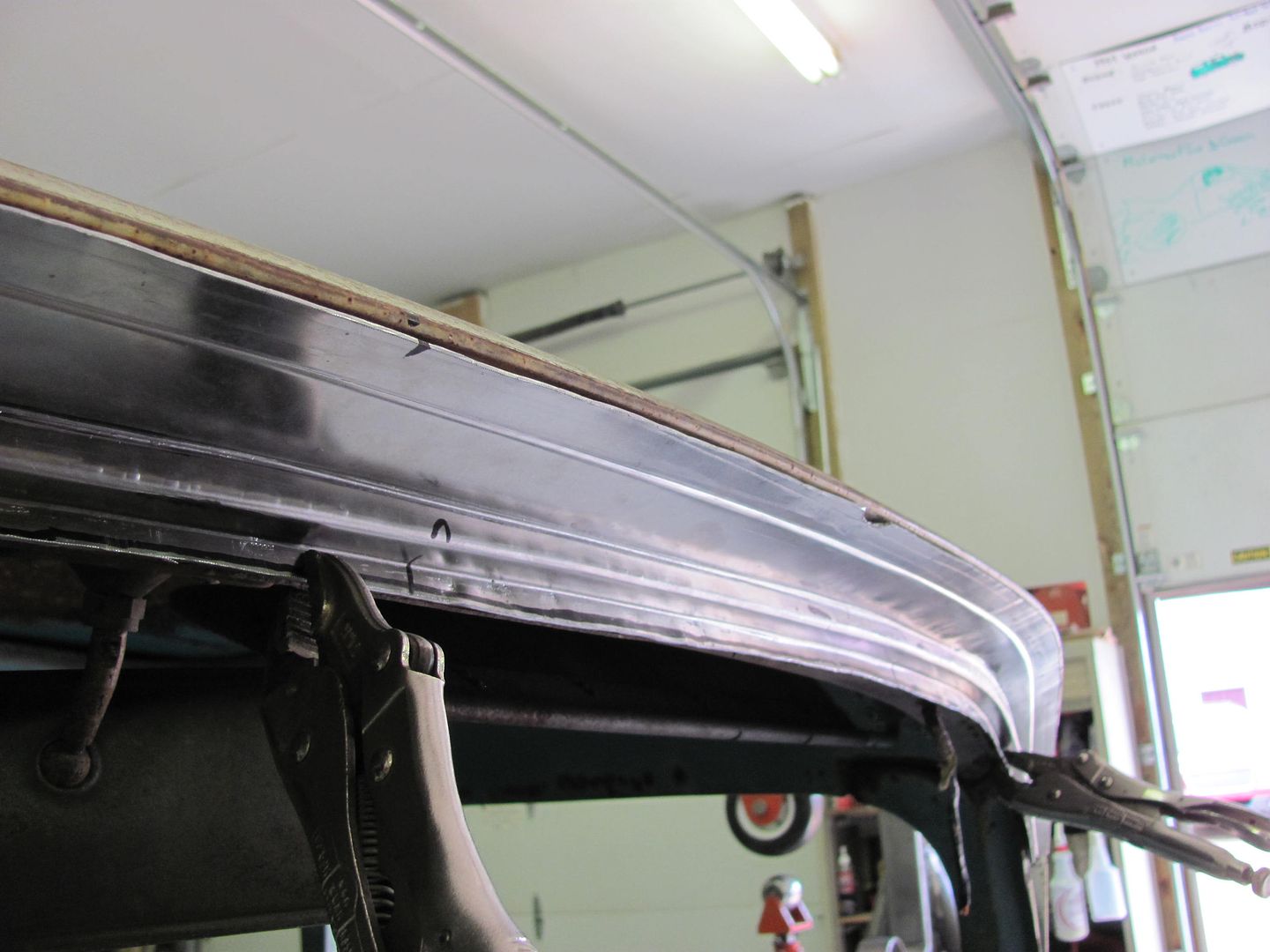
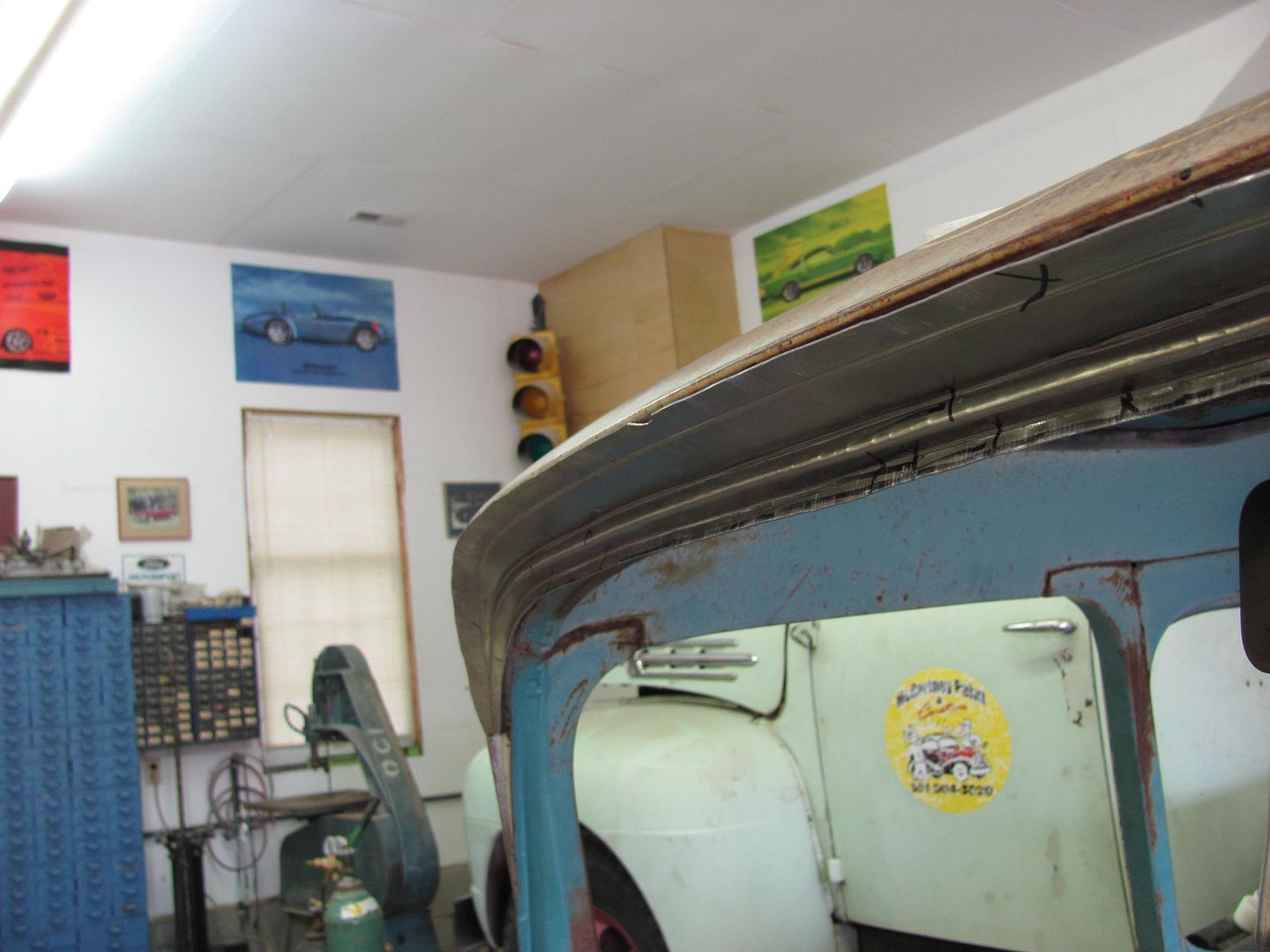
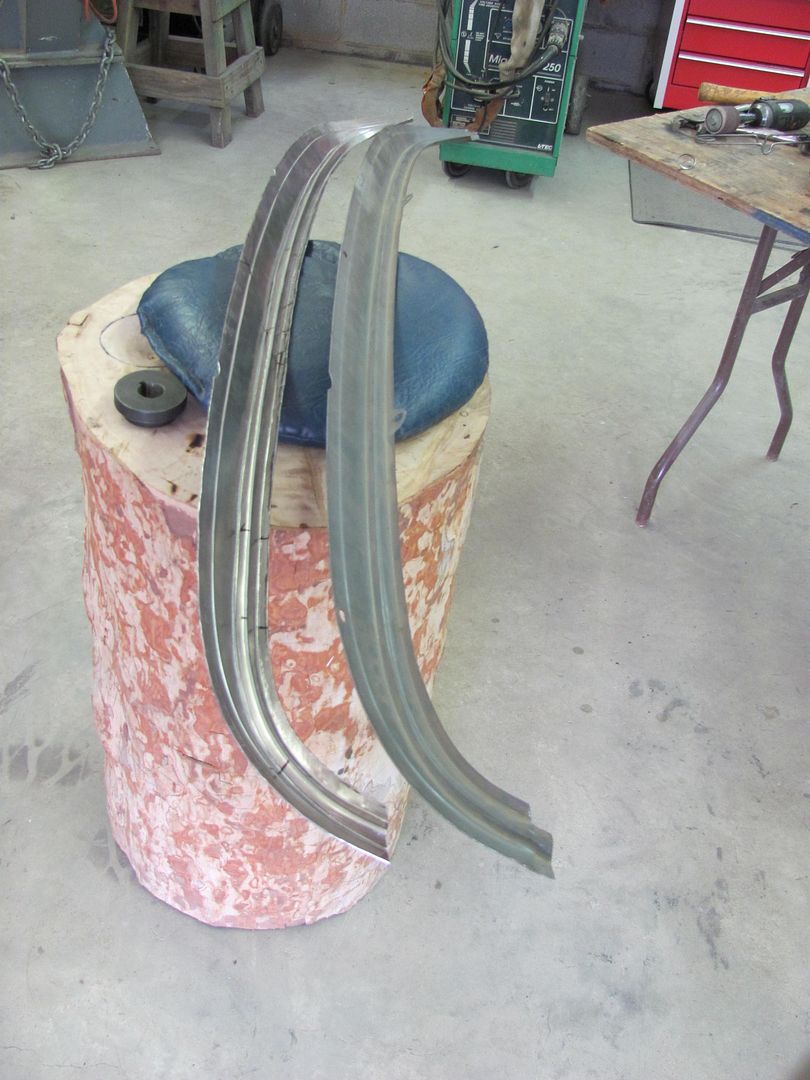
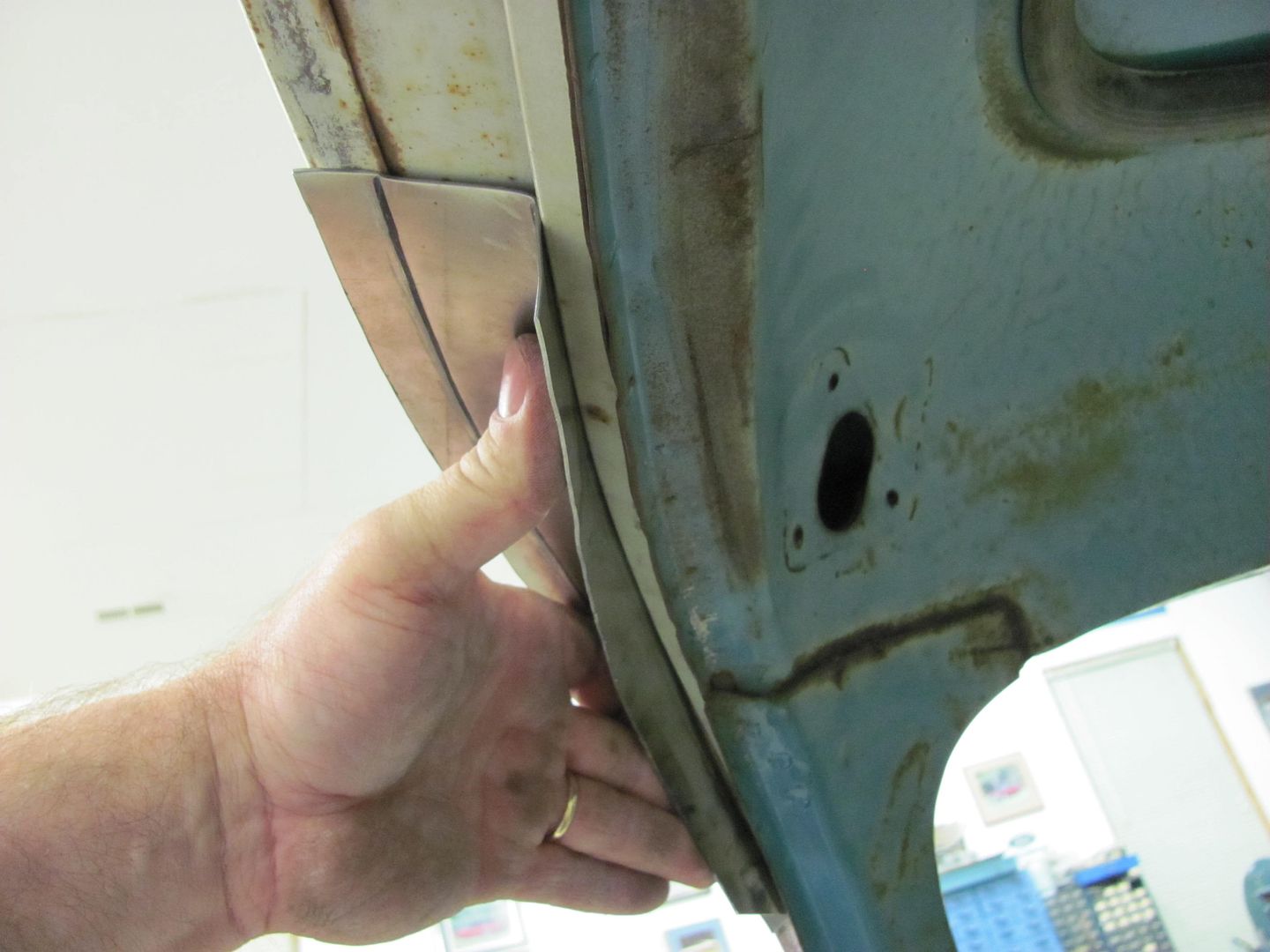
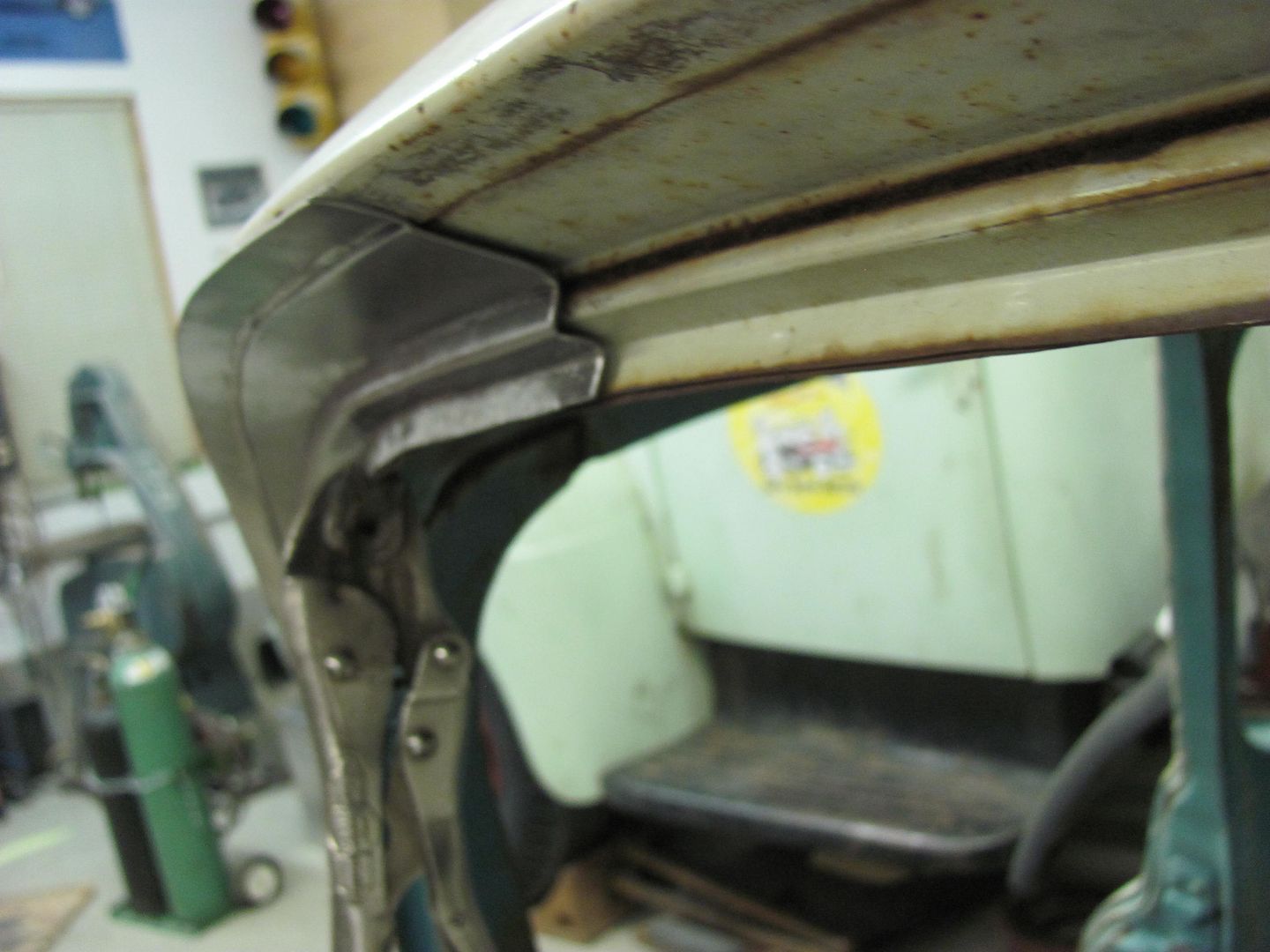
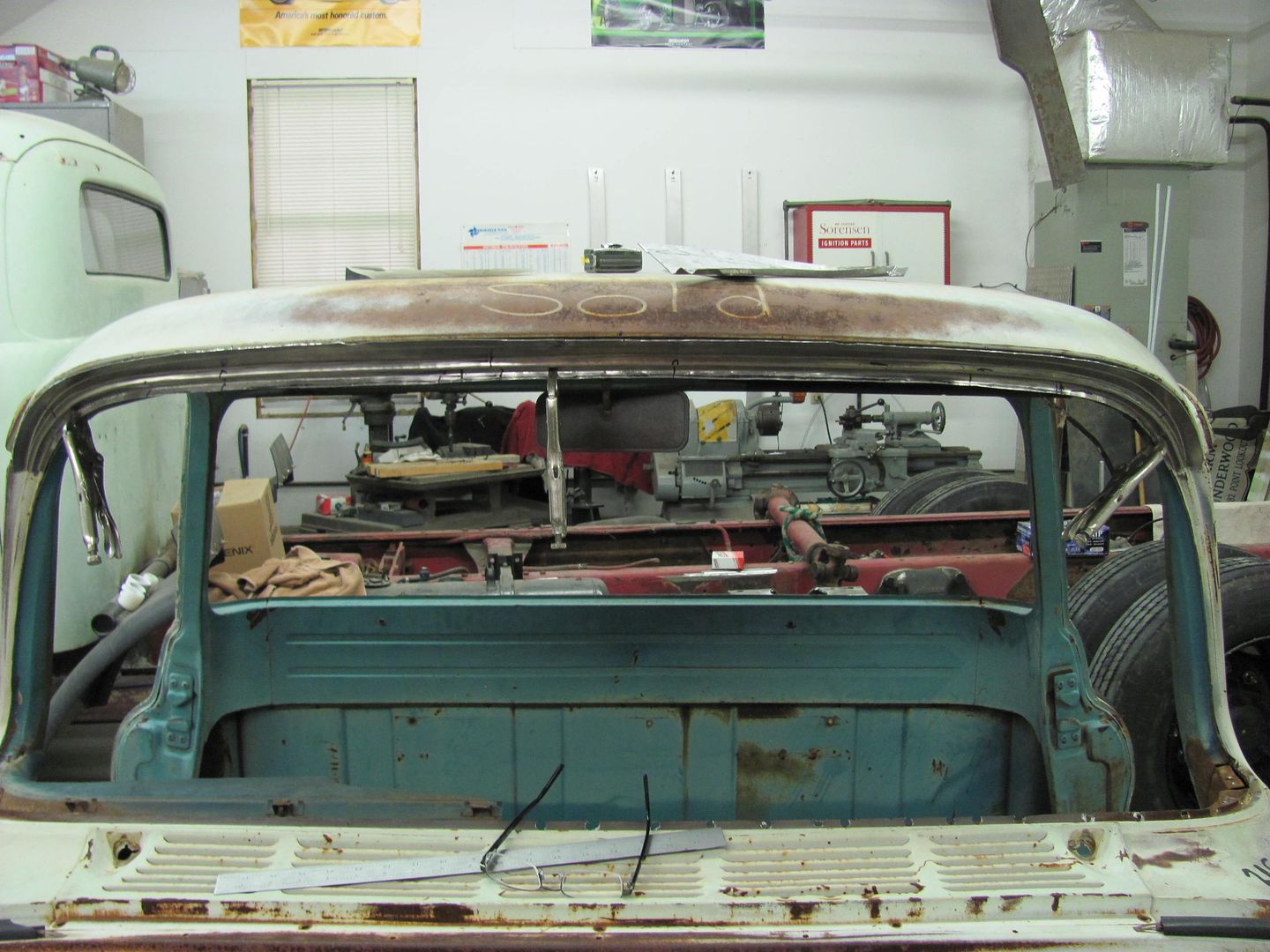
In order to have a specific fabrication project to work on, we chose the panel just above the windshield of the Task Force trucks (1955-59). This is an area commonly plagued with rust issues due to condensation inside the roof:


photobucket-2101-1325944170311.jpg


photobucket-3540-1325944185638.jpg


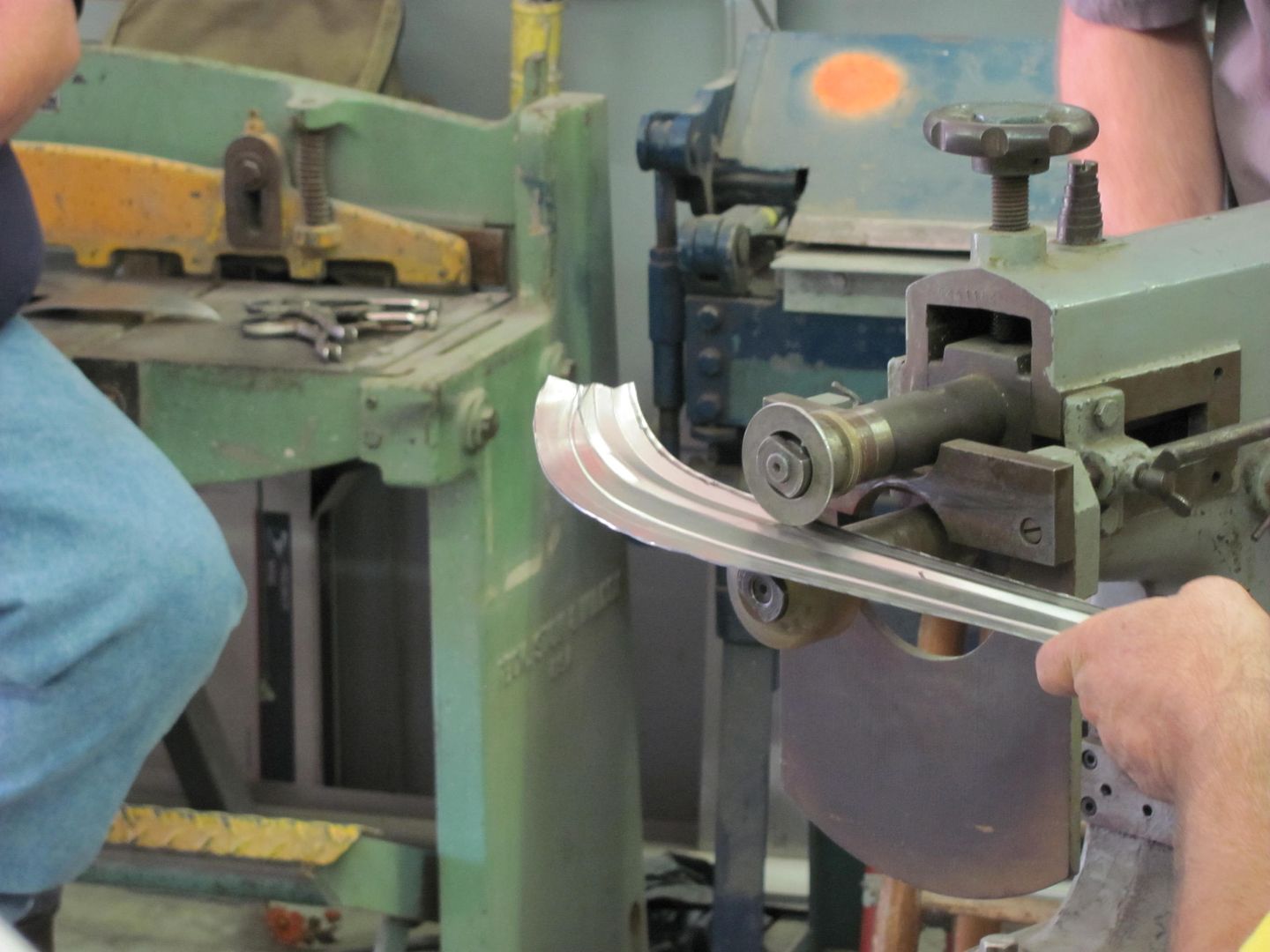
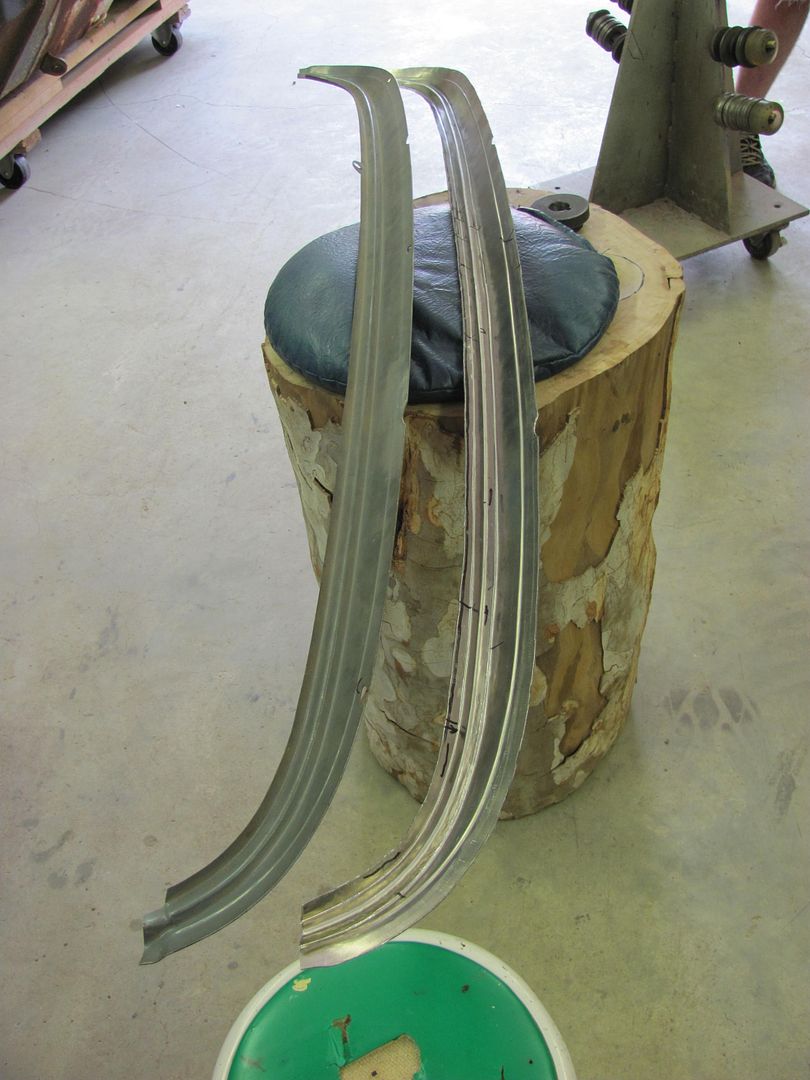
Where they are now reproducing complete cabs, or roof panels with this panel attached, they have yet to market this panel alone. Since I had just set up my bead roller with the tipping wheel, I thought it would be a good candidate for fabricating this panel.

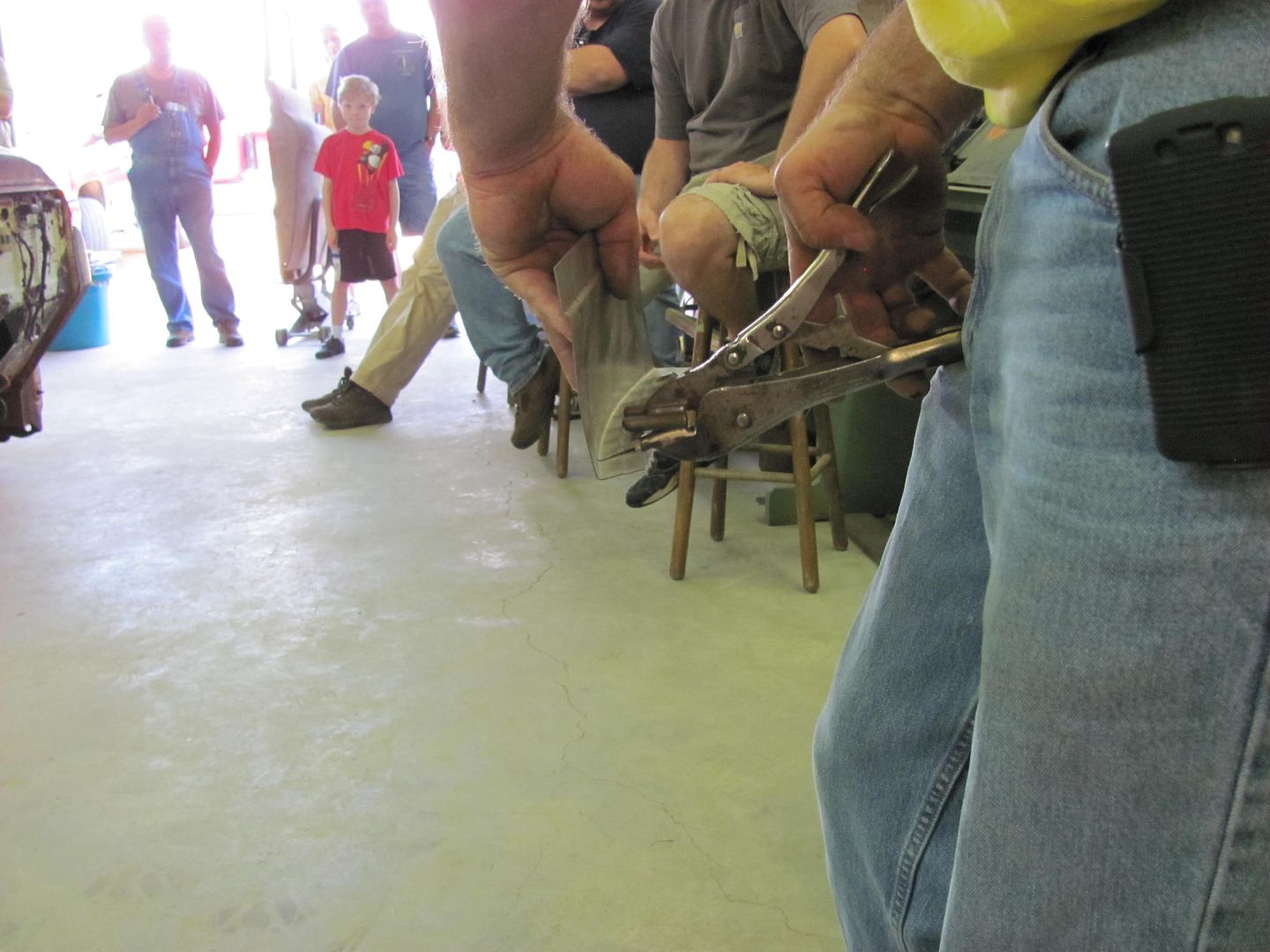
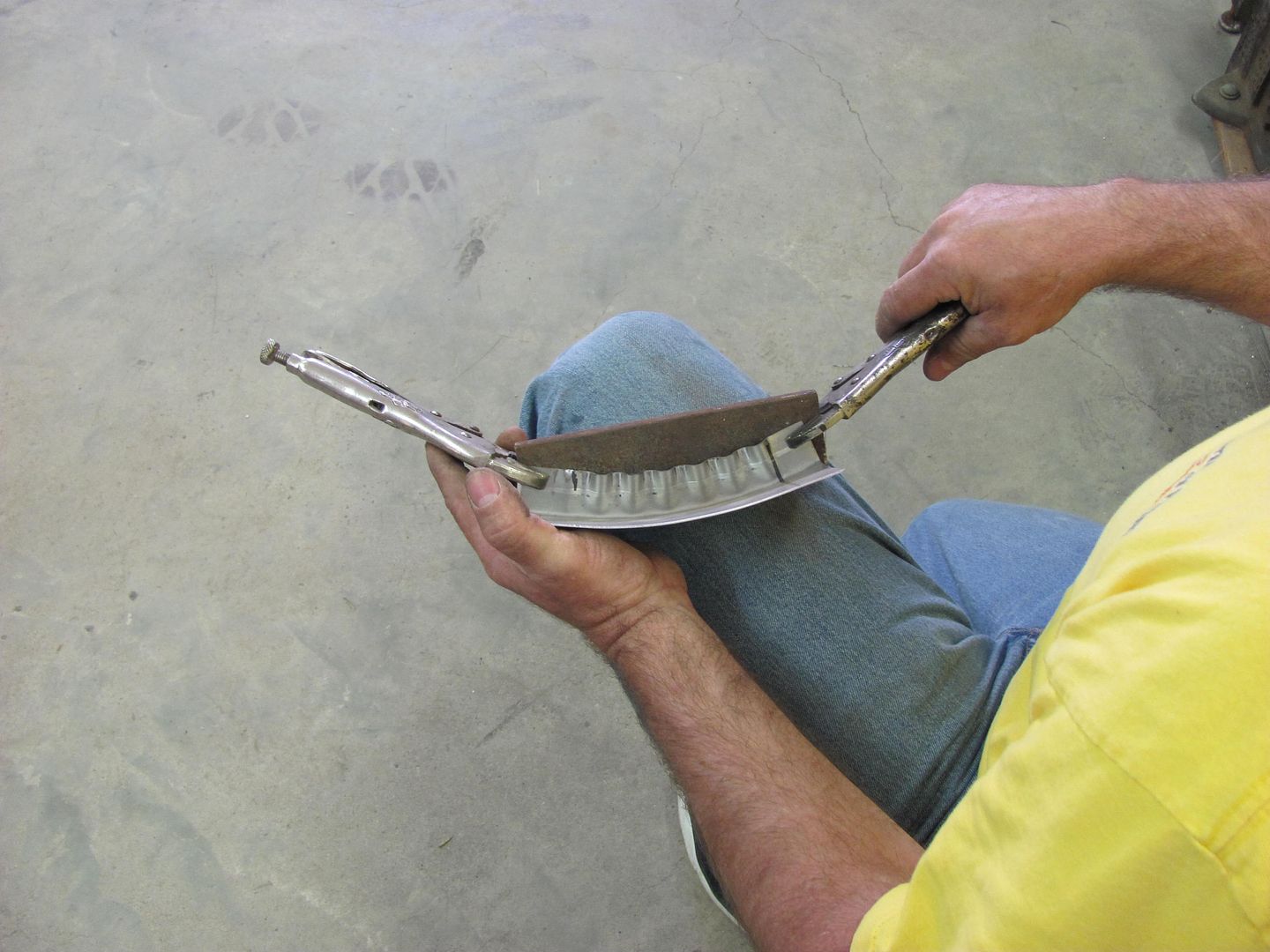
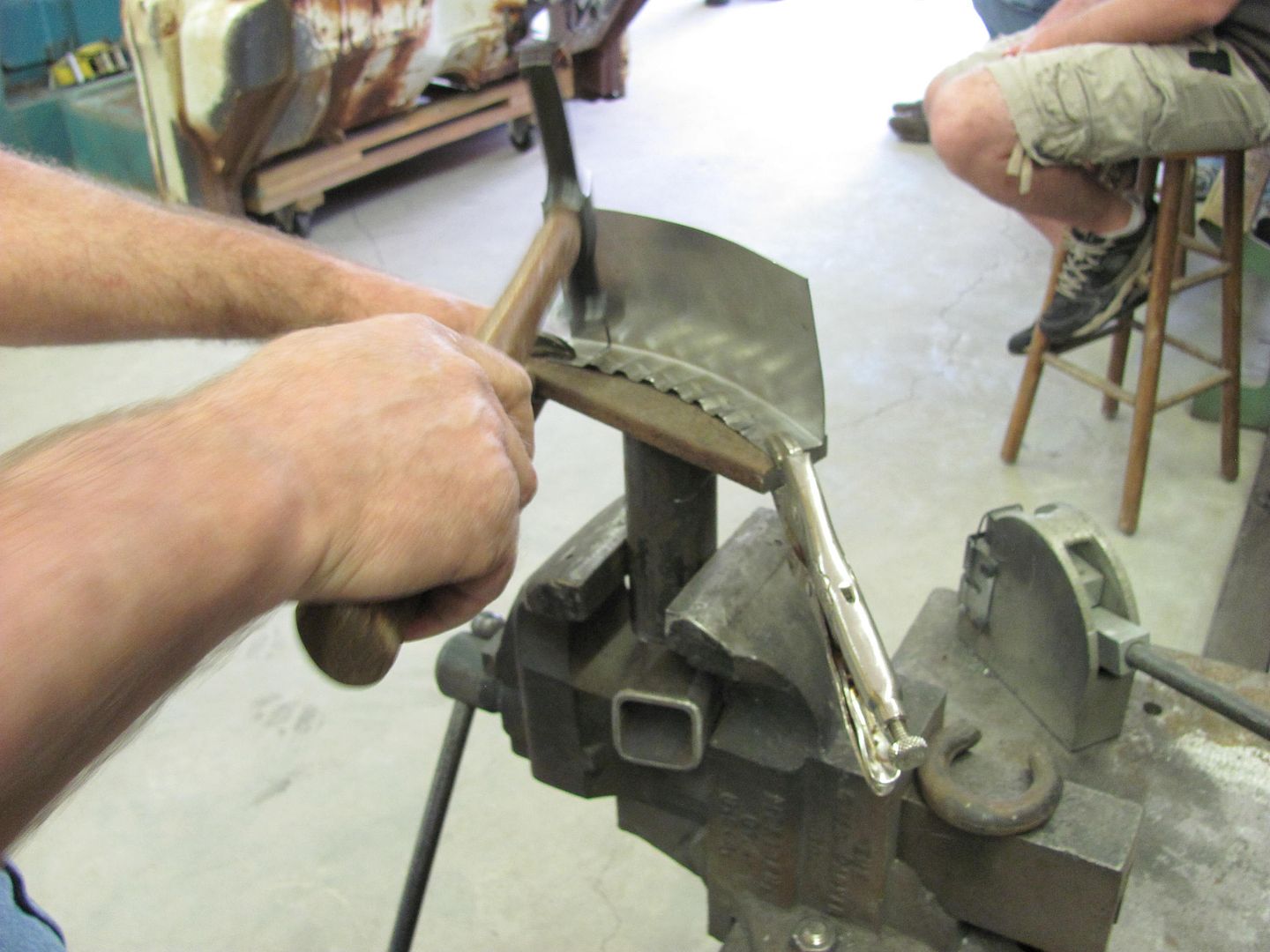
We did start the demo by showing some basic metalshaping, including tuck shrinking using modified vice grips..


Picture020.jpg


Picture021.jpg


Picture023.jpg


Picture116.jpg


Picture117.jpg


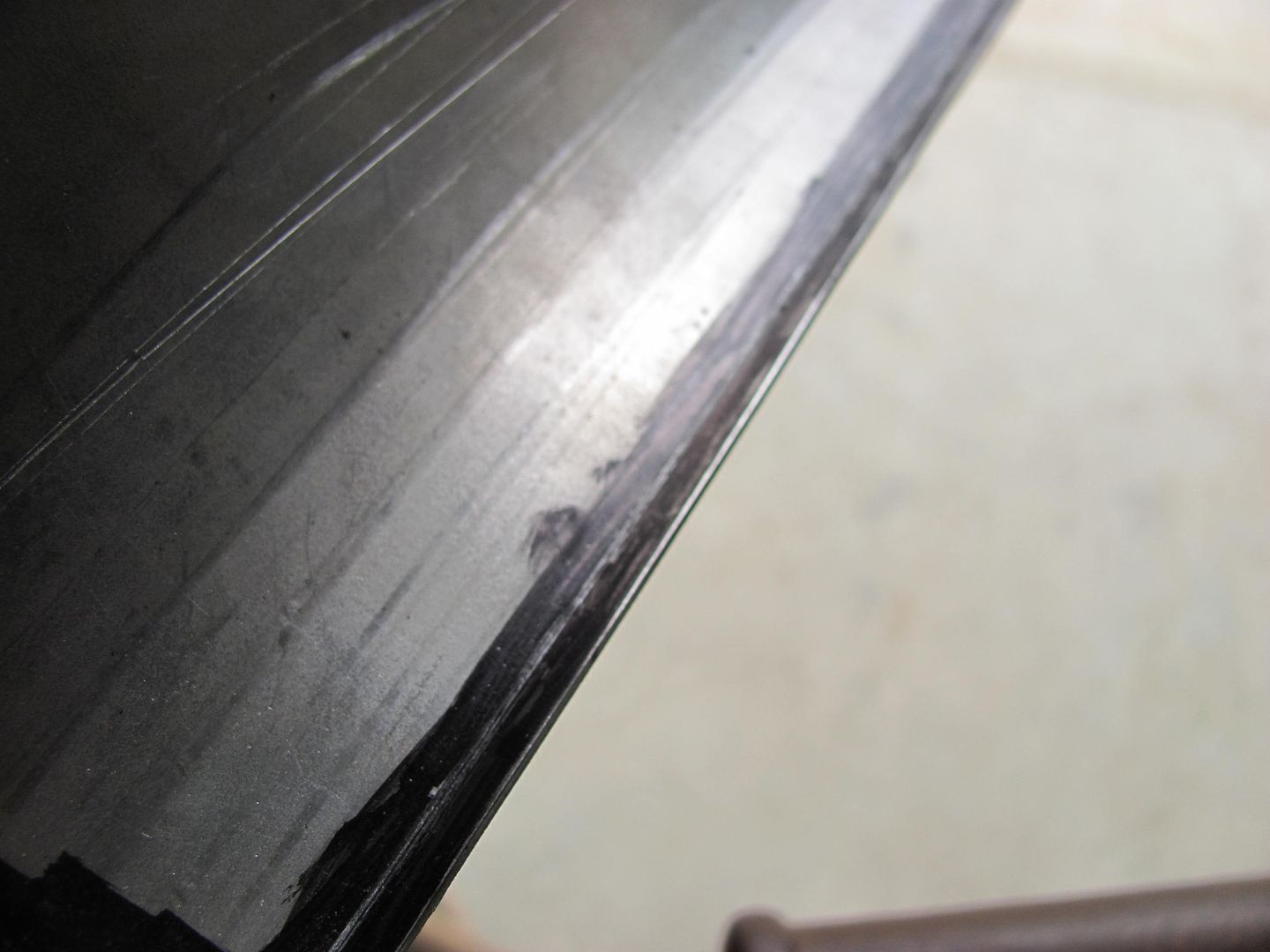
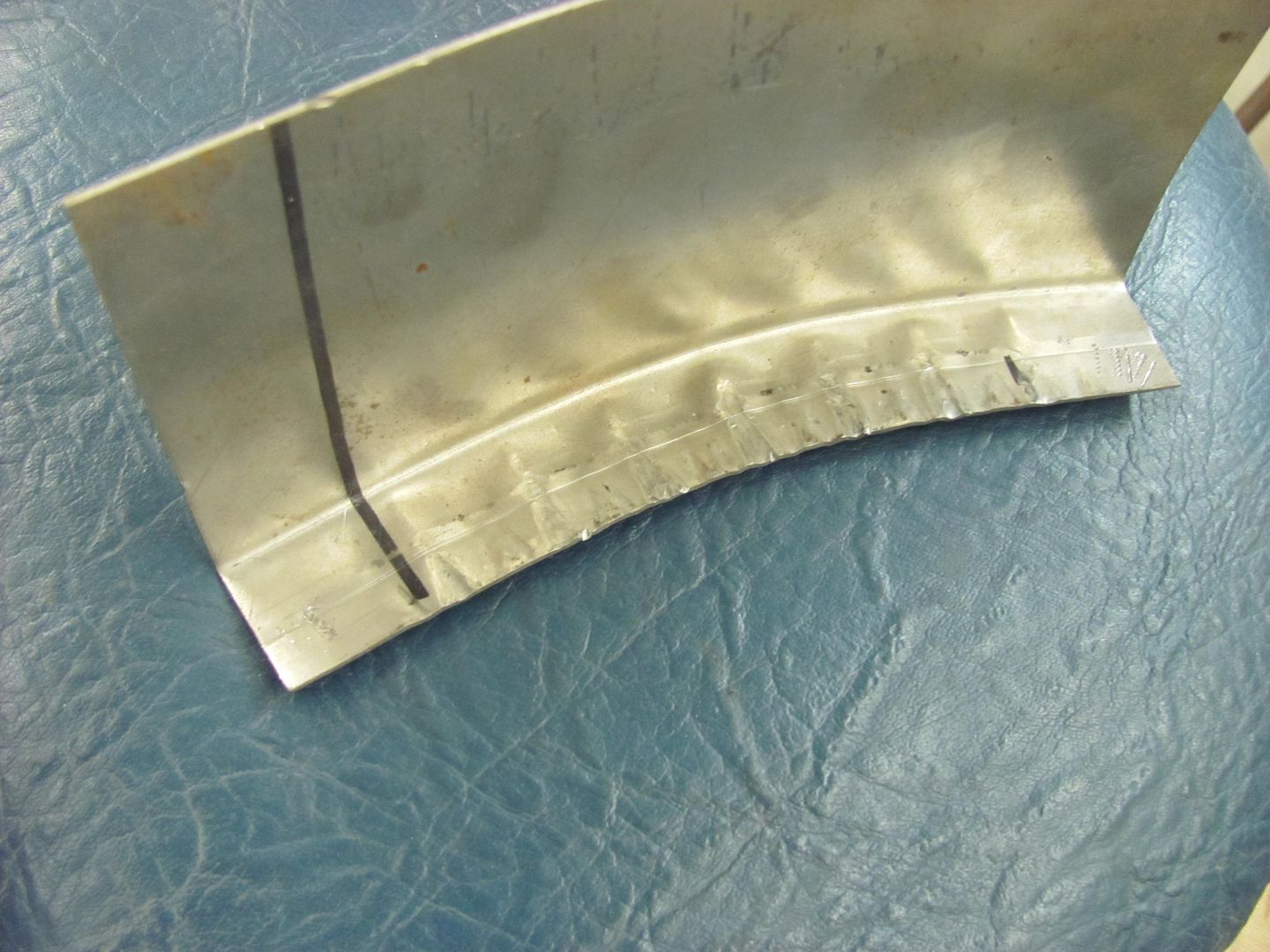
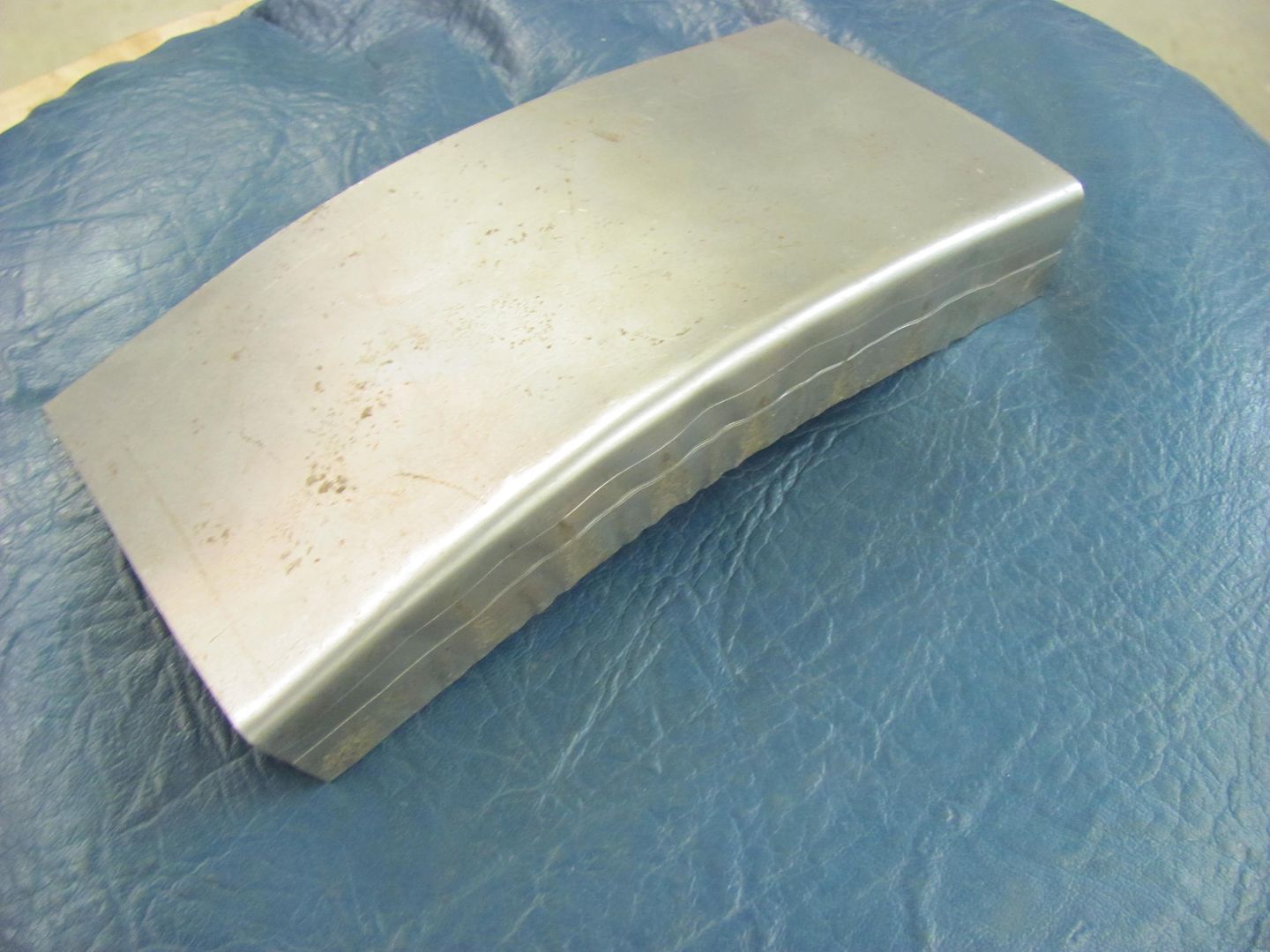
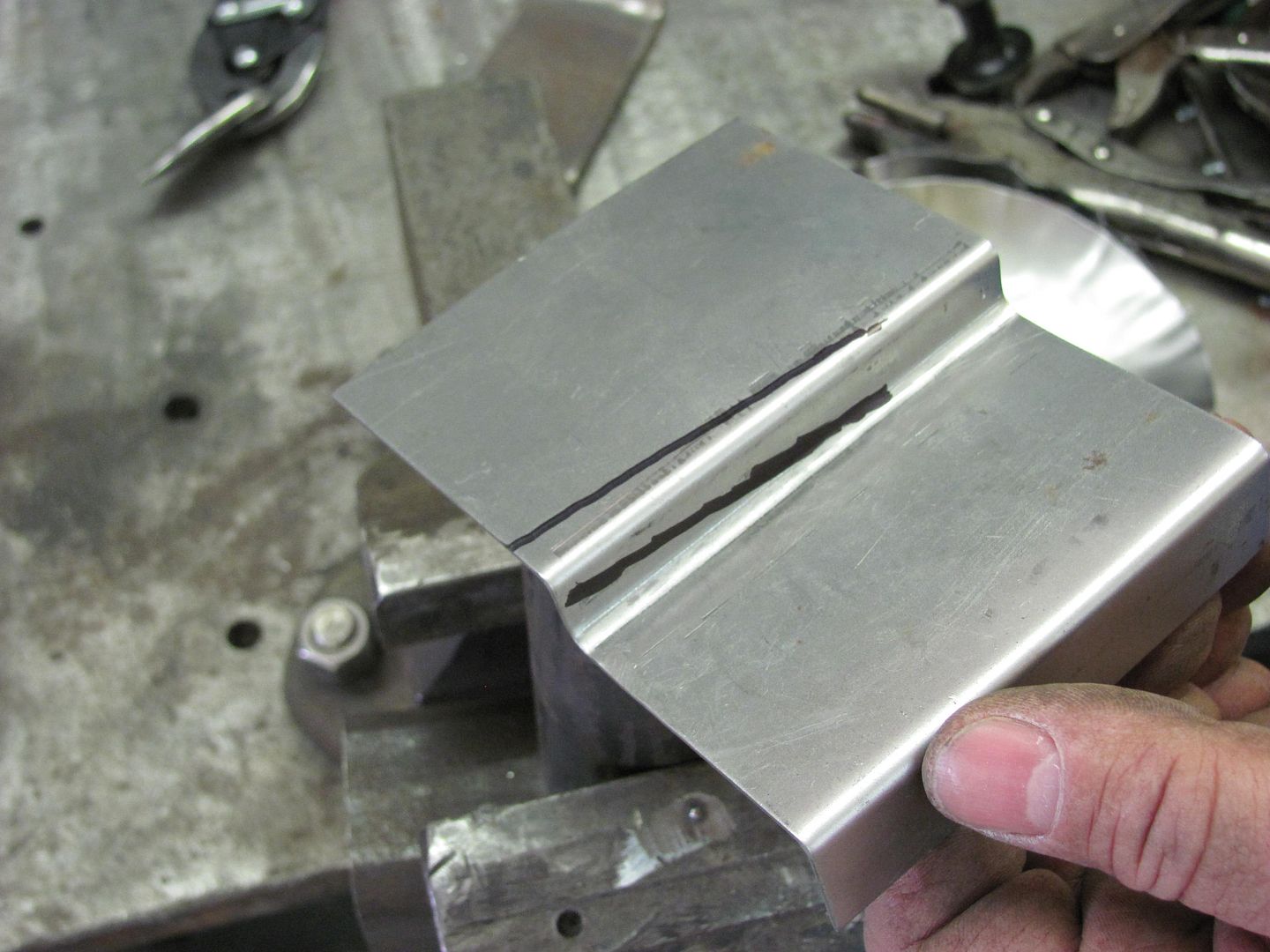
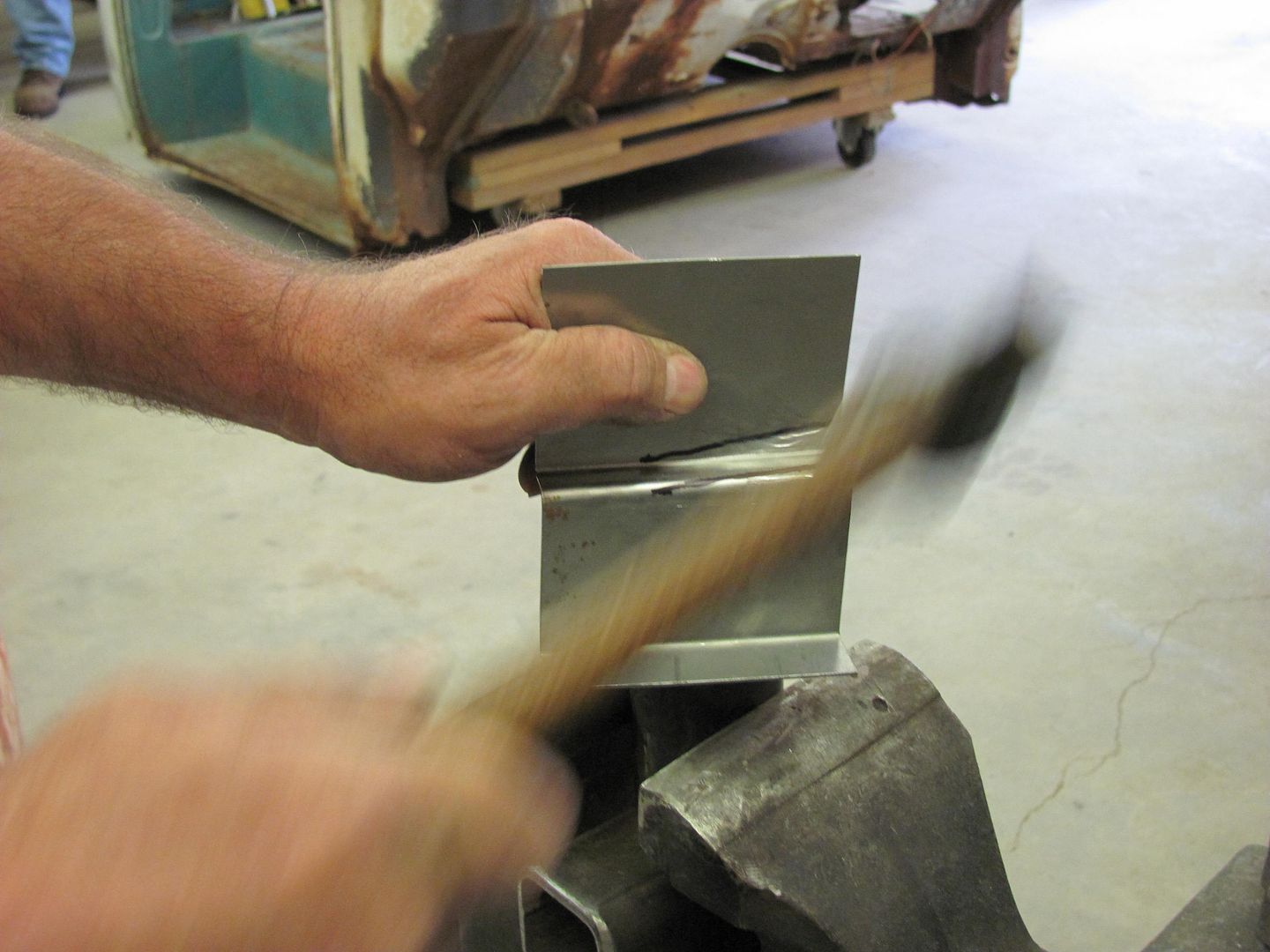
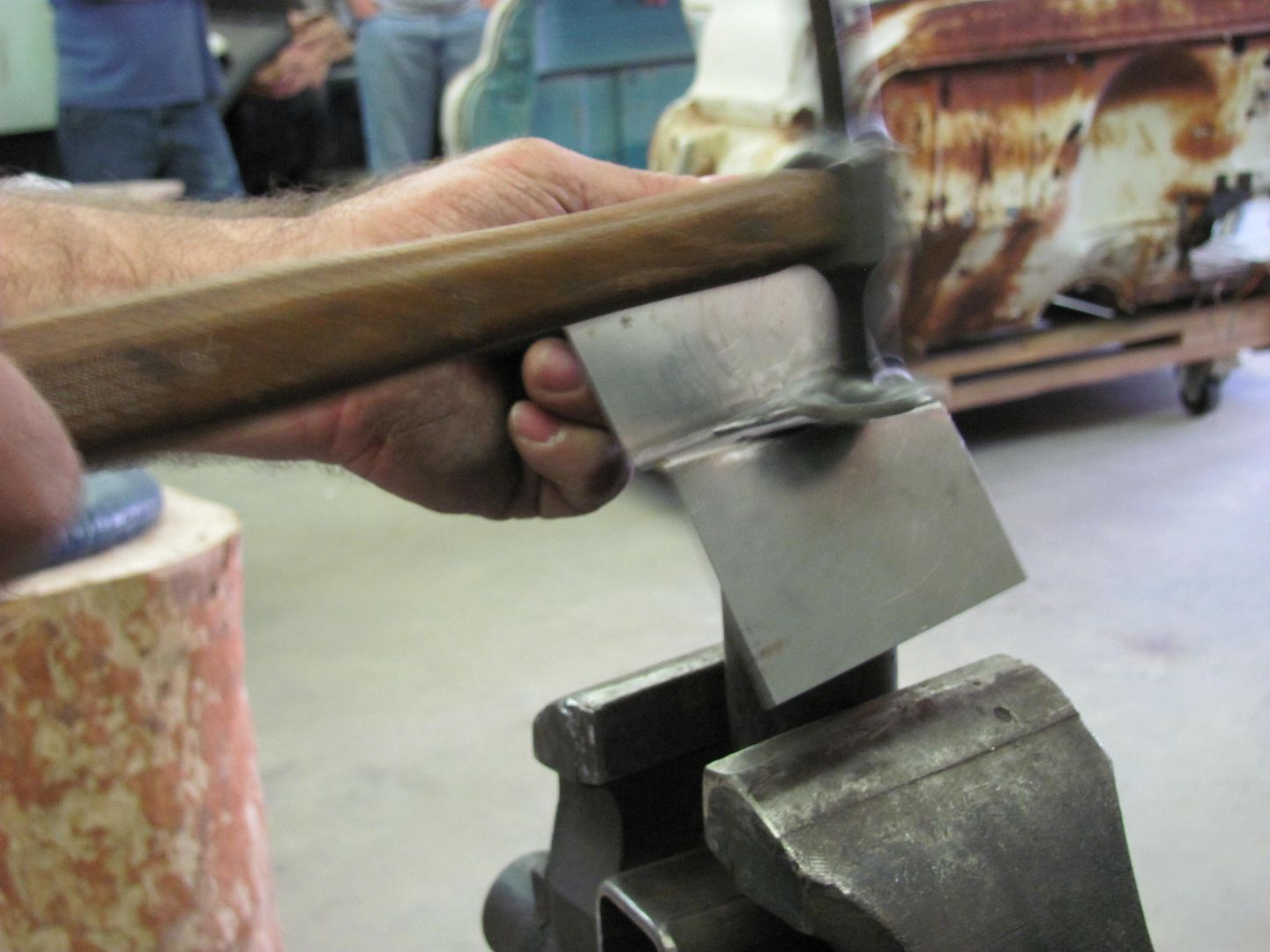
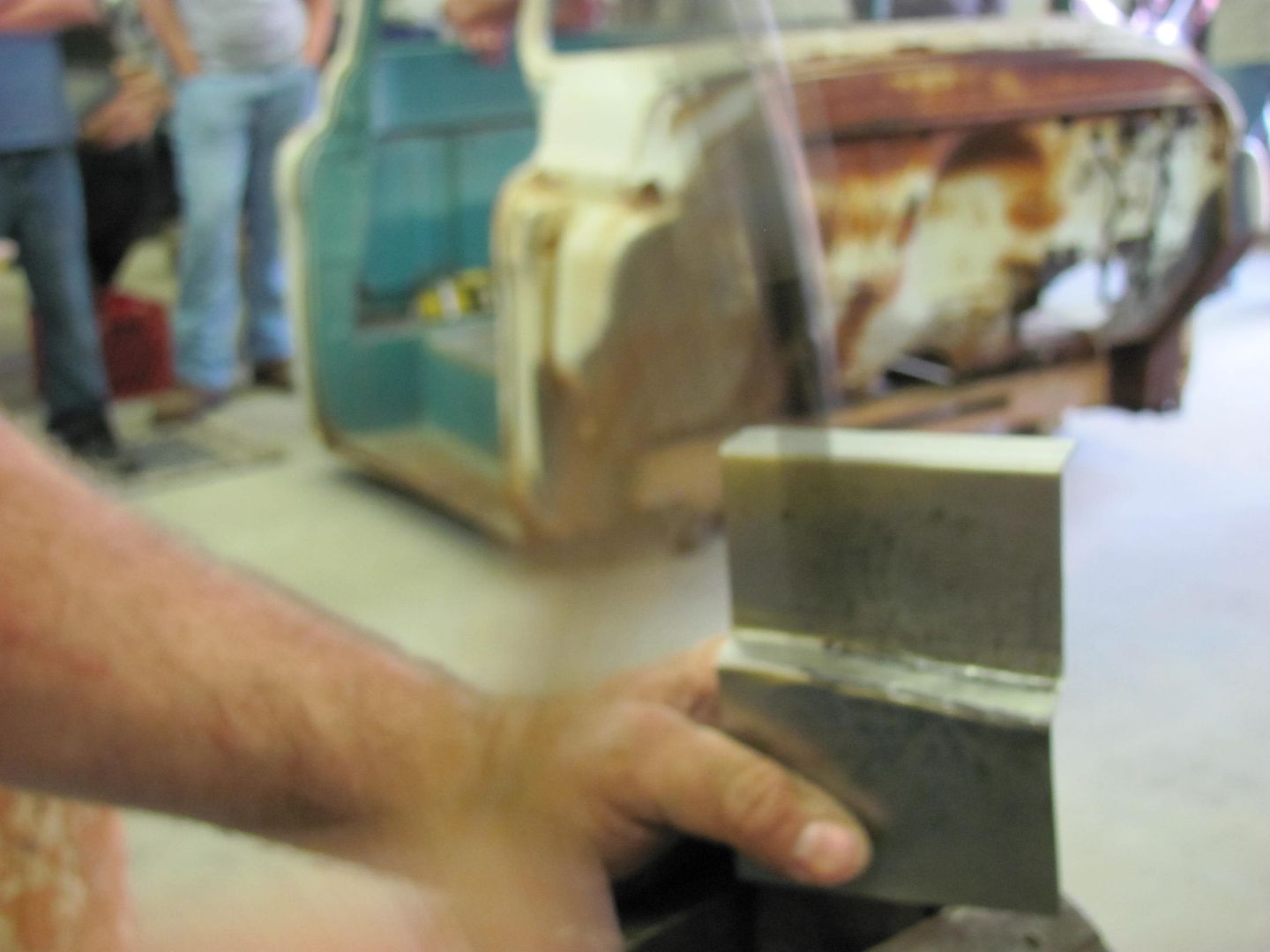
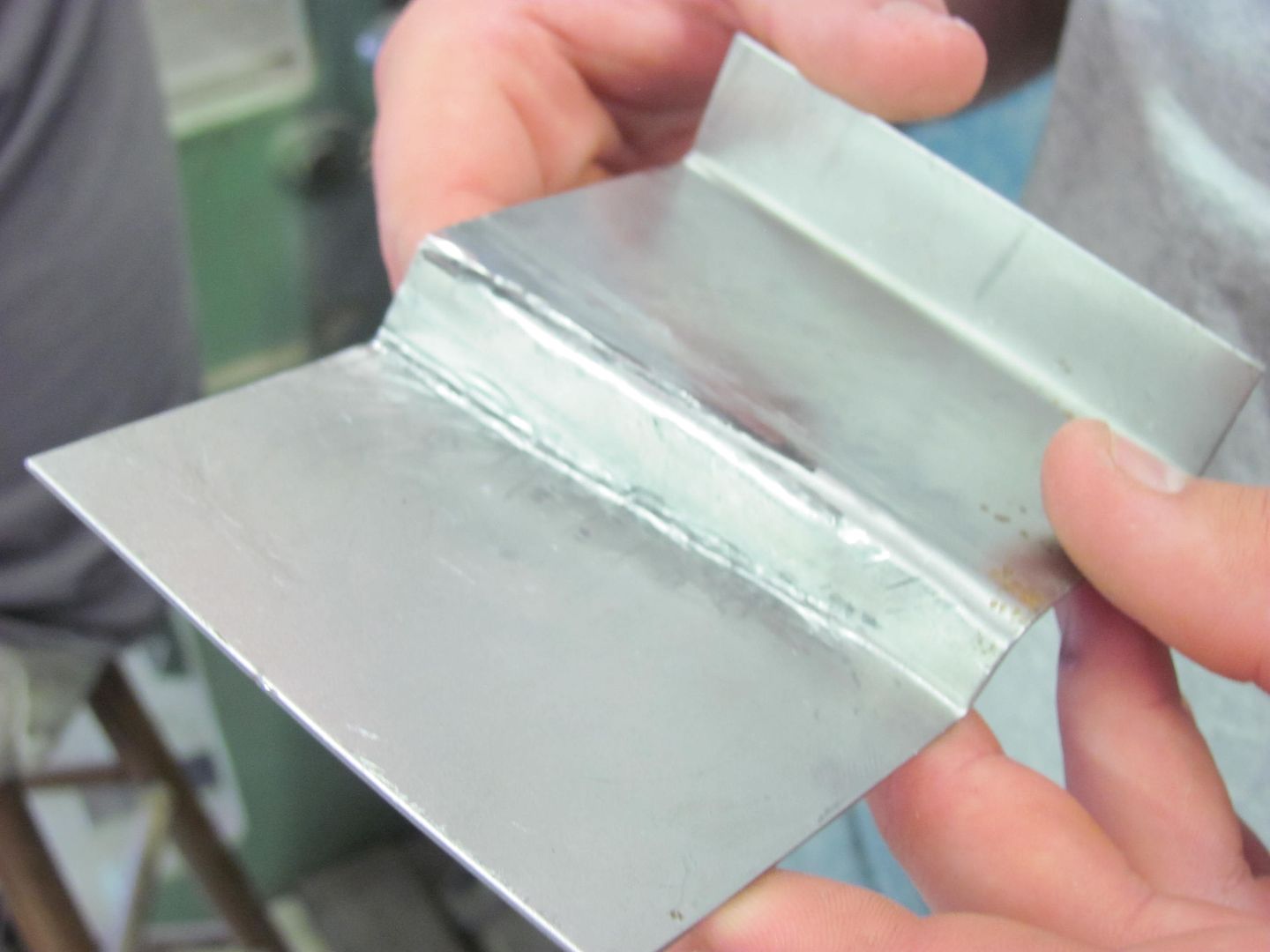
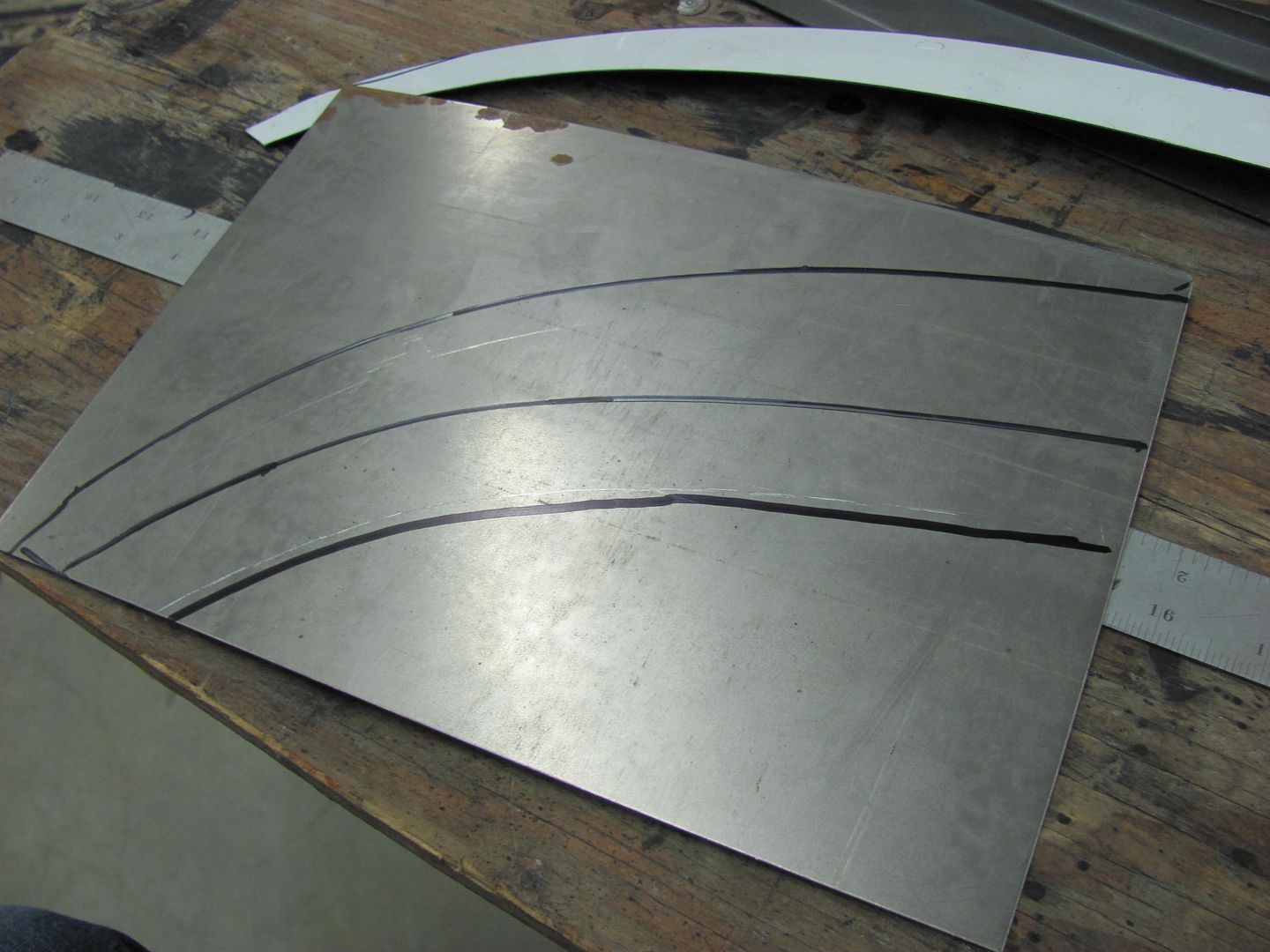
One of the questions posed was whether it was better to use and modify poorly fitting reproduction panels or attempt fabrications from scratch. To demonstrate how "tweaking" of reproduction panel creased edges could be accomplished, the following was shown: Two folds were installed in a panel to simulate a factory bend, and then lines drawn in to move the bend to a new location. Hammering gradually from one side to the other did a fairly good job of moving the crease to the new location.


Picture034.jpg


Picture035.jpg


Picture036.jpg


Picture037.jpg


Picture039.jpg


Picture040.jpg


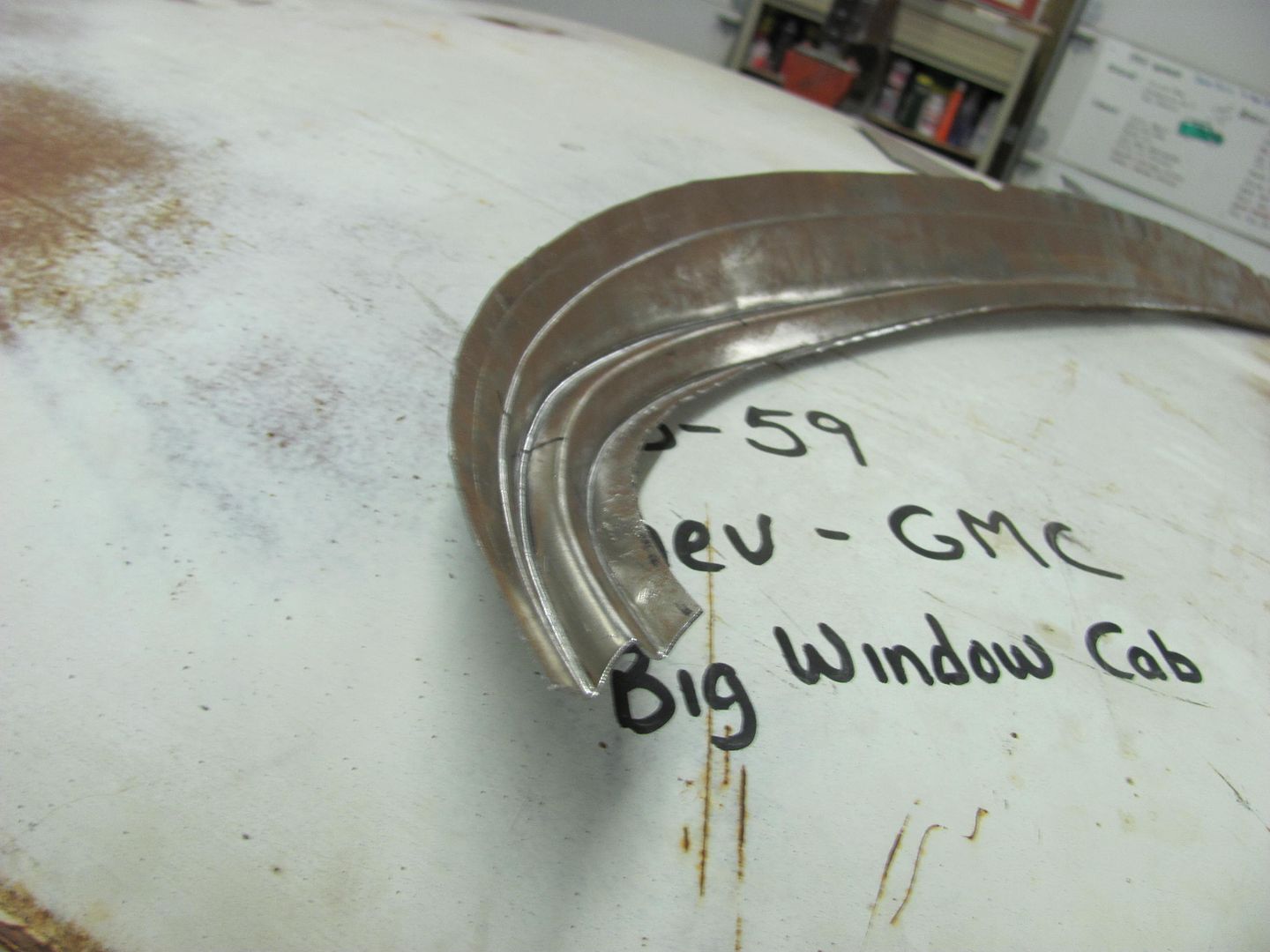
Moving on to our project fabrication, we had brought in a sample cab for fitment. As chance would have it, one of the local guys did have one of these panels in NOS form to also use as a pattern. He has it slated for installation in his own project truck later this year.


Picture001.jpg


Picture002.jpg


Picture004.jpg


Picture005.jpg


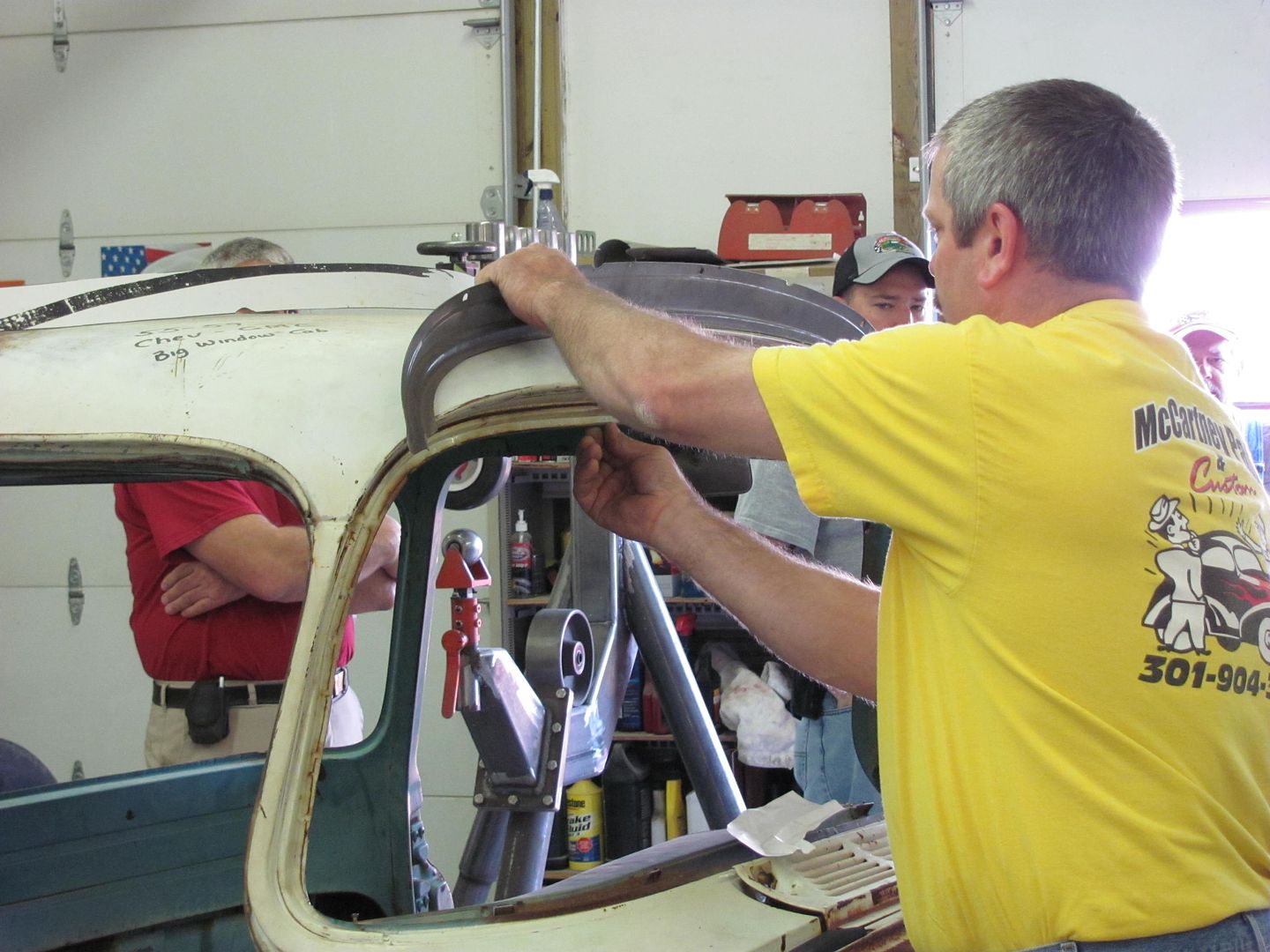
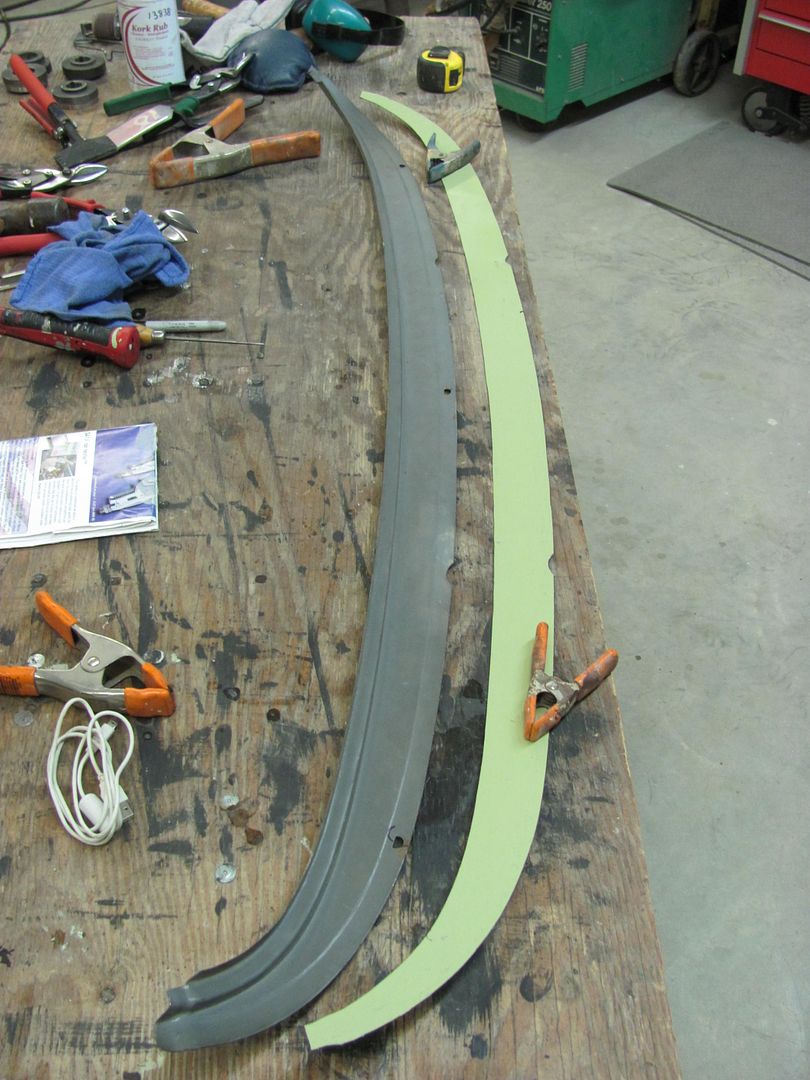
Using some rigid flashing material, a template was made of the upper portion of the NOS panel, and then also compared to the sample cab.


Picture78.jpg


Picture79.jpg


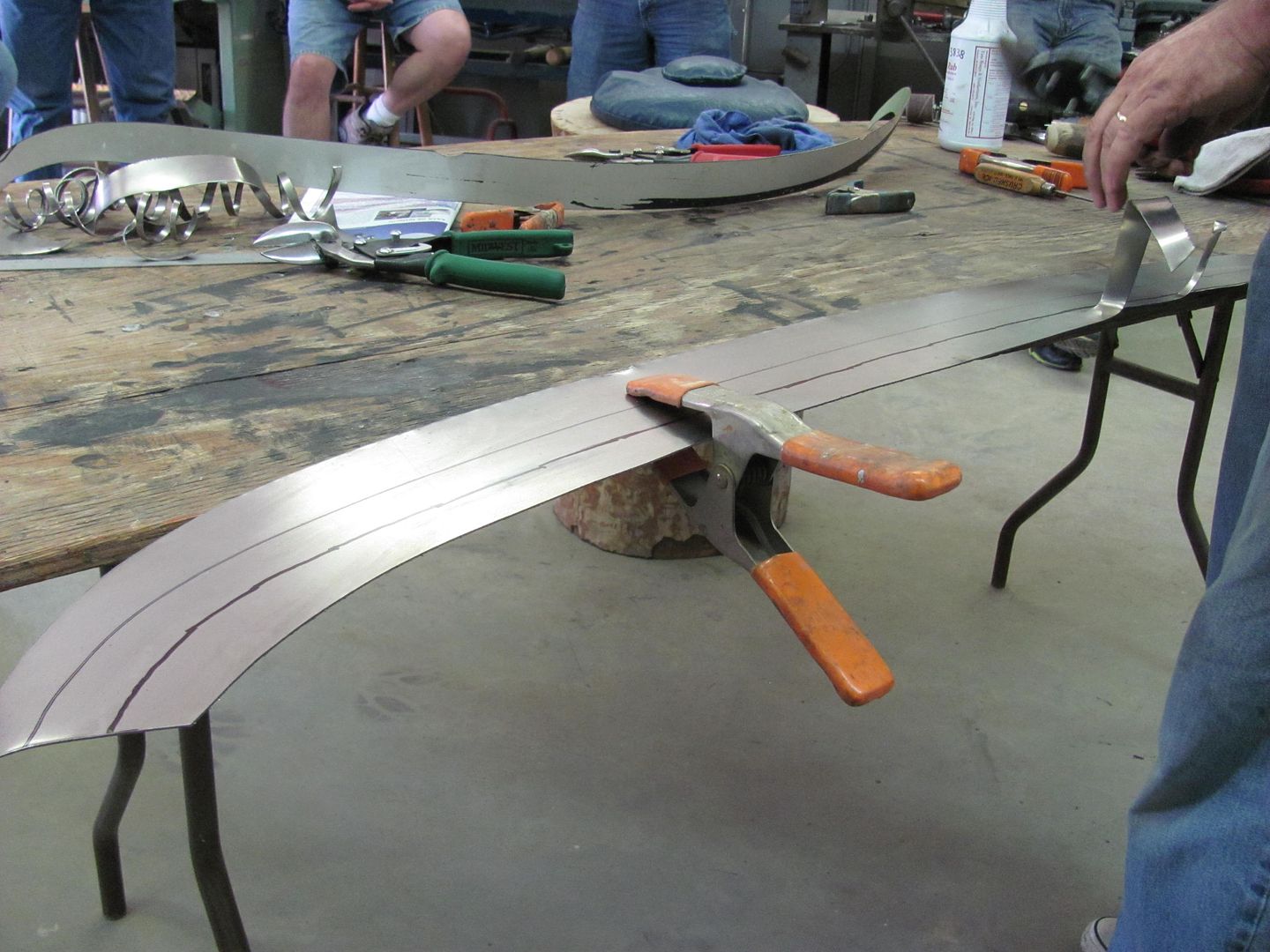
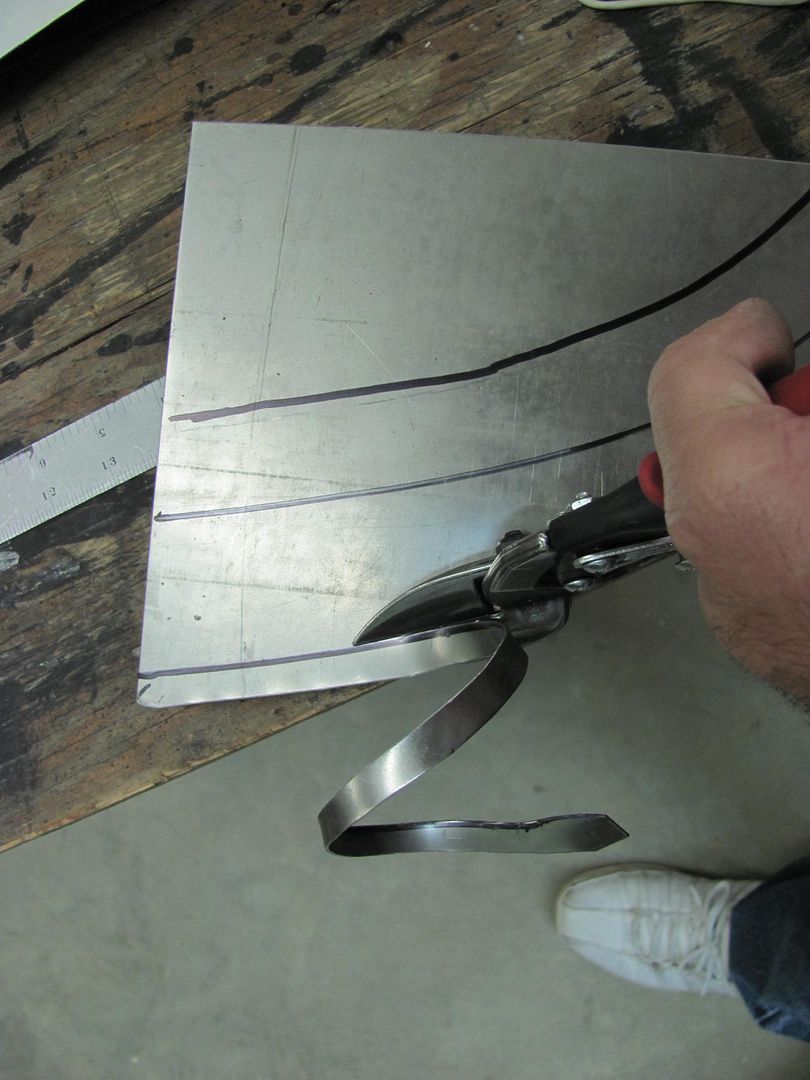
The pattern was transferred to some 18 ga with extra material left on the bottom to make the various folds, and then cut out with snips.


Picture082.jpg


Picture085.jpg


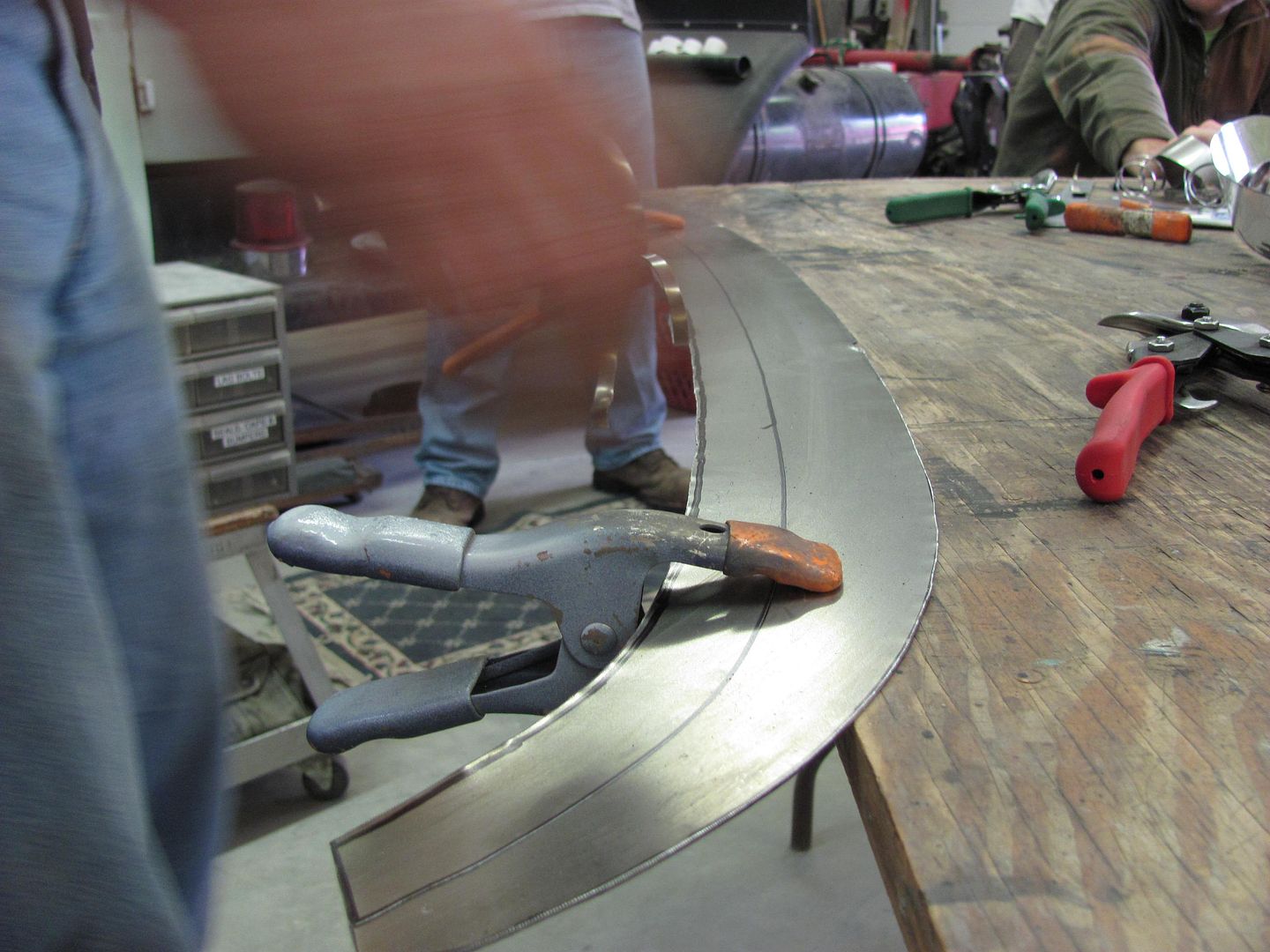
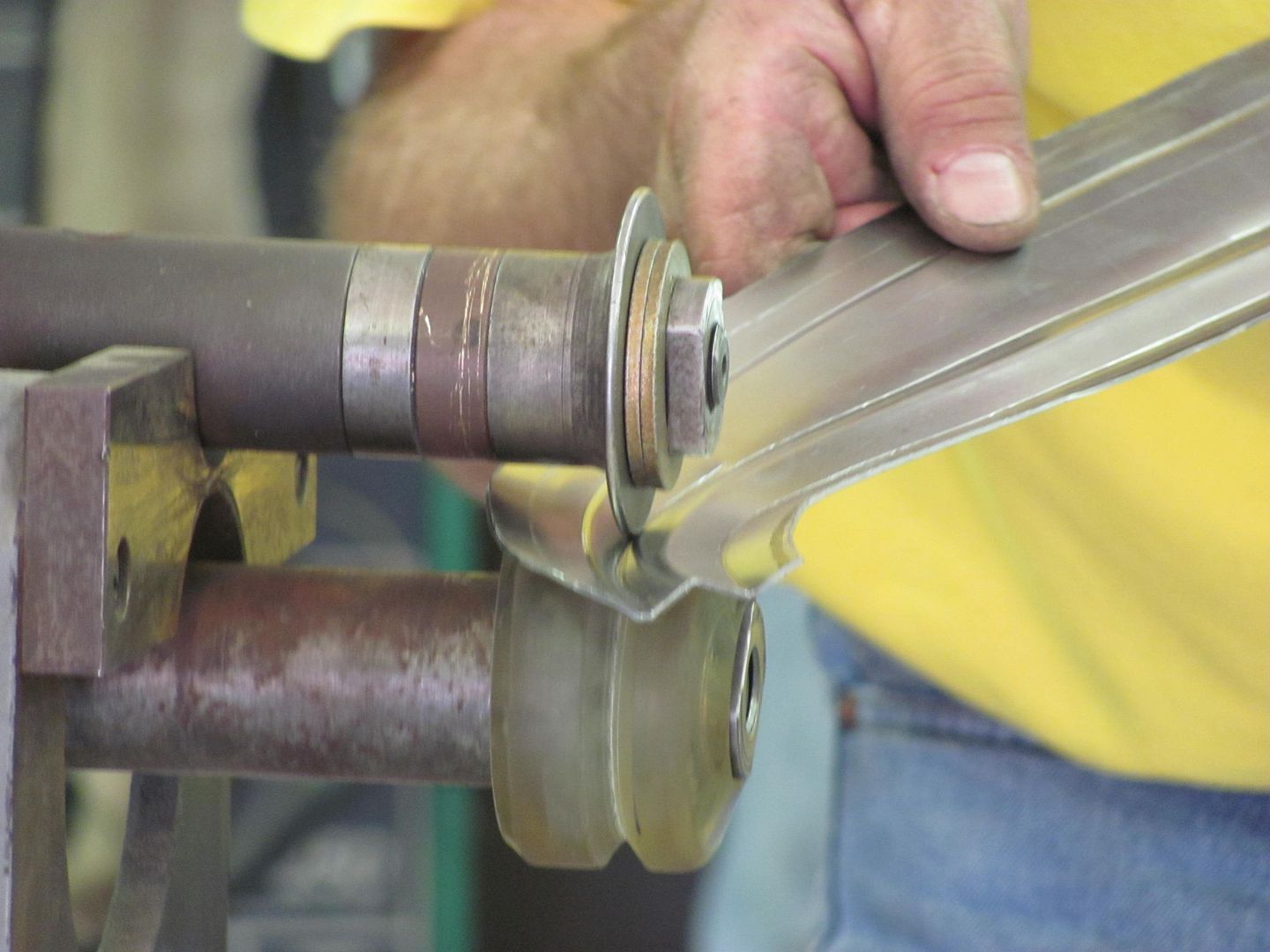
The upper portion is flanged where the roof skin folds over the leading edge, so the flaging dies were used in the bead roller...


Picture81.jpg


Picture088.jpg


Picture089.jpg


Next we moved on to the tipping dies for the various folds.


Picture092.jpg


Picture097.jpg


Picture108.jpg


Some areas were touched up with a shrinker and stretcher to help get the panel to better conform to the front of our sample cab...


Picture105.jpg


Picture107.jpg


Picture110.jpg


Picture115.jpg


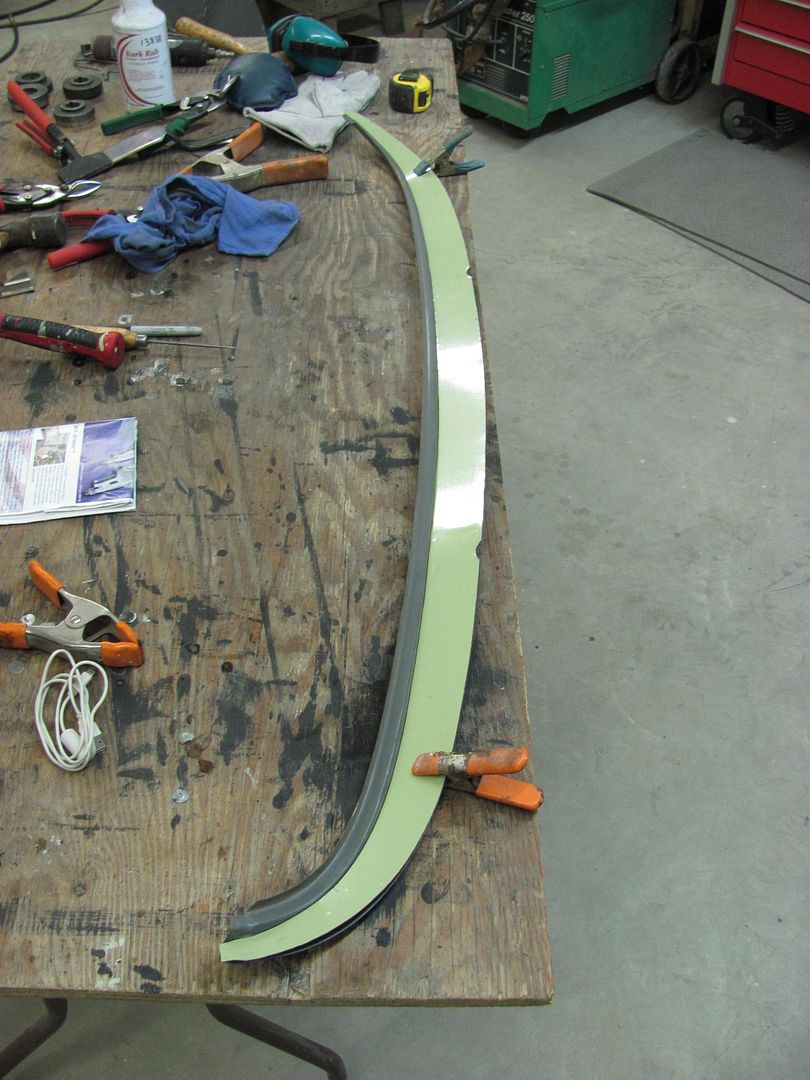
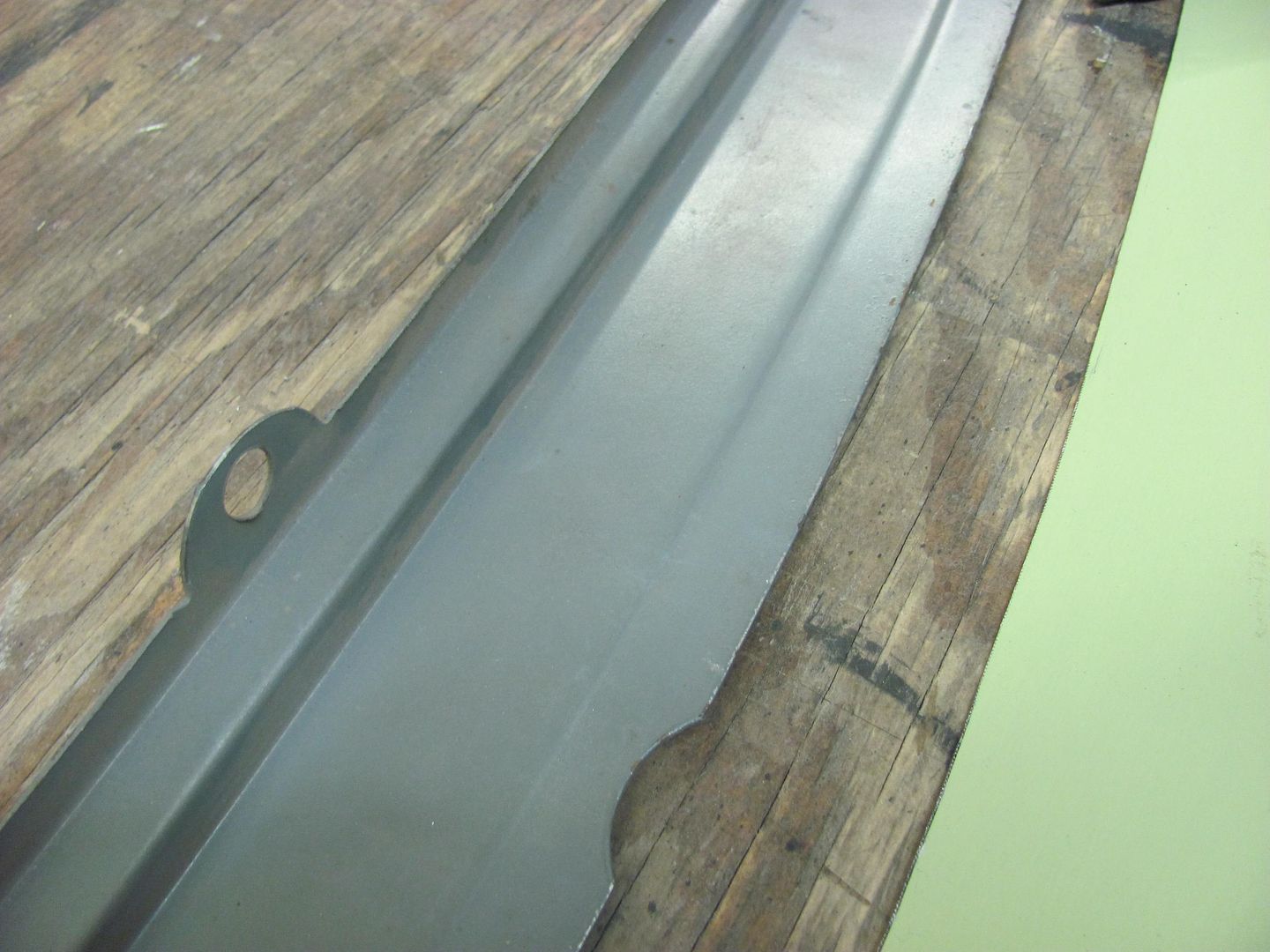
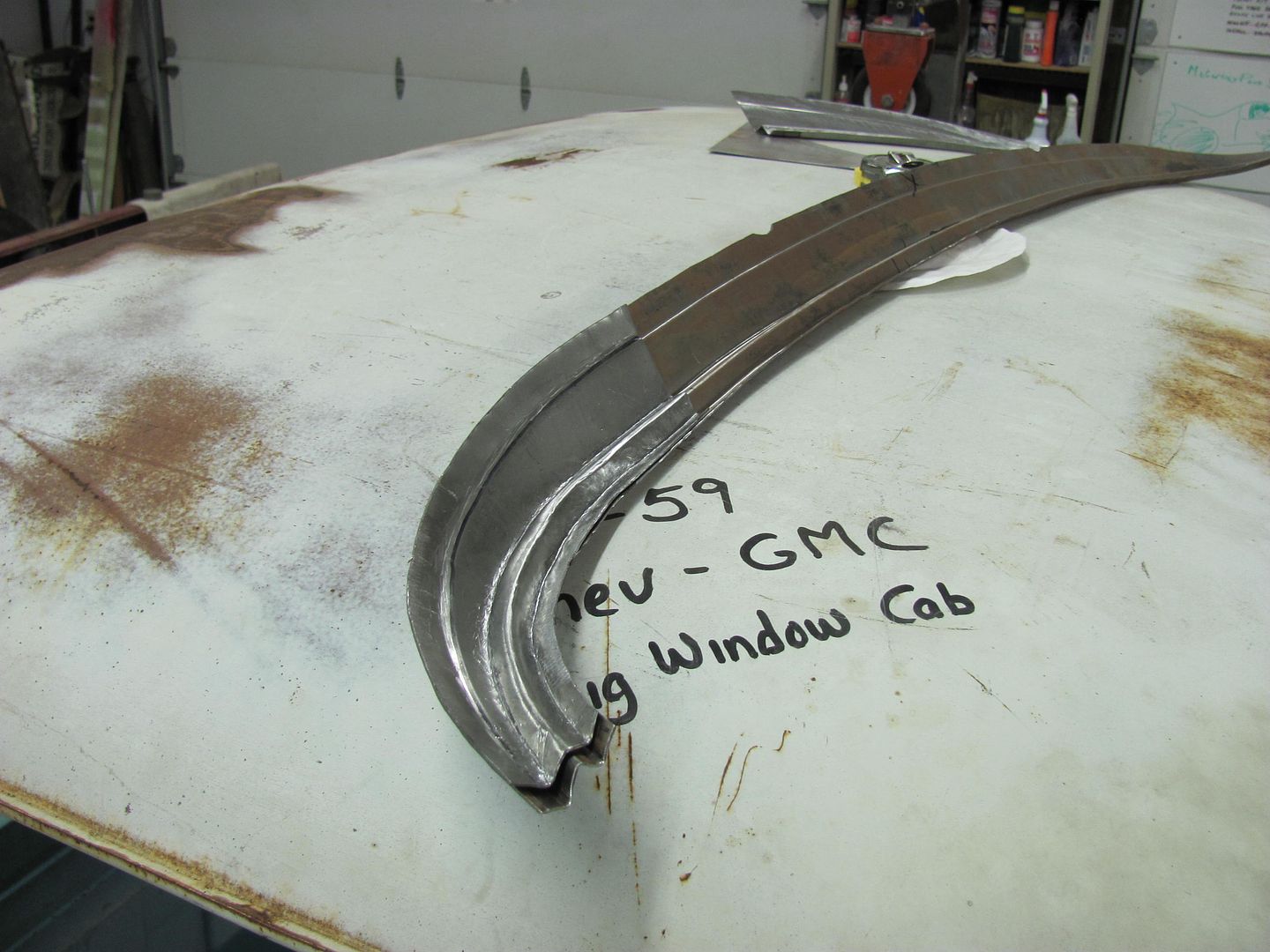
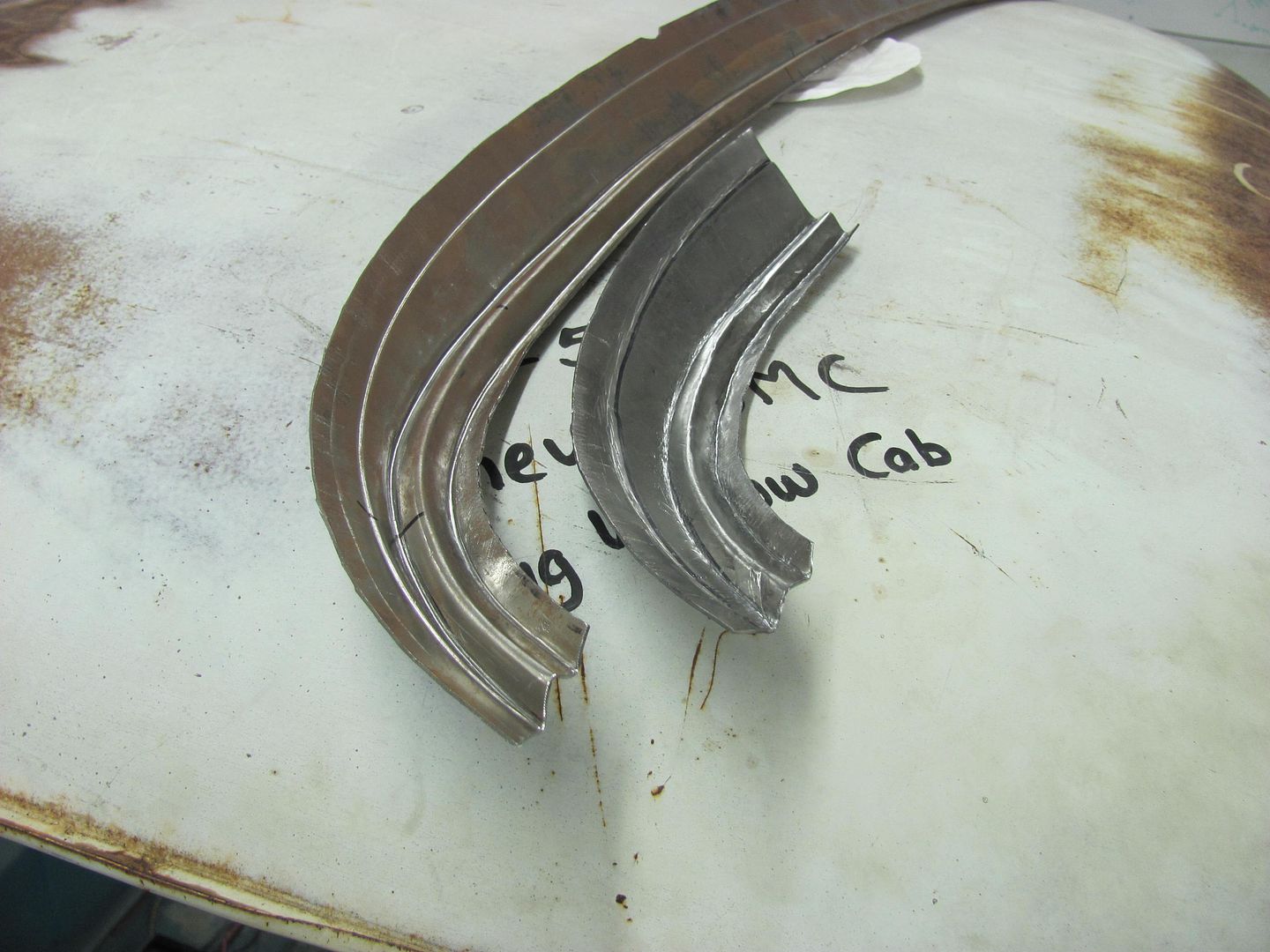
.....and compared to the NOS piece.....


Picture111.jpg


Picture112.jpg


All ready for install........


I also did an end piece using hand tools only, to show it could be made either way. (Someone shouldn't be intimidated for lack of fancy tools).

Layout of the end only "patch panel"

Picture119.jpg


Picture120.jpg


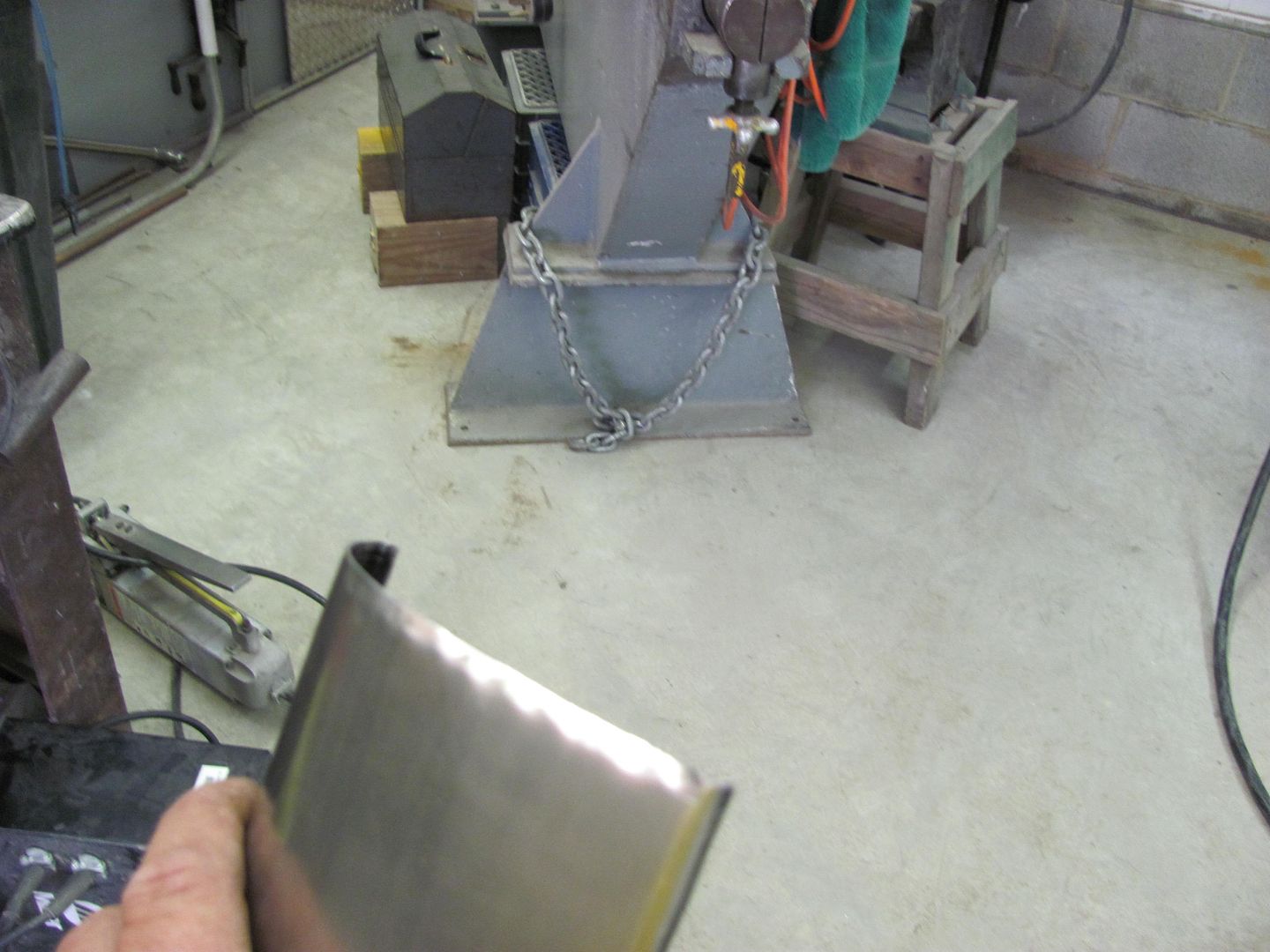
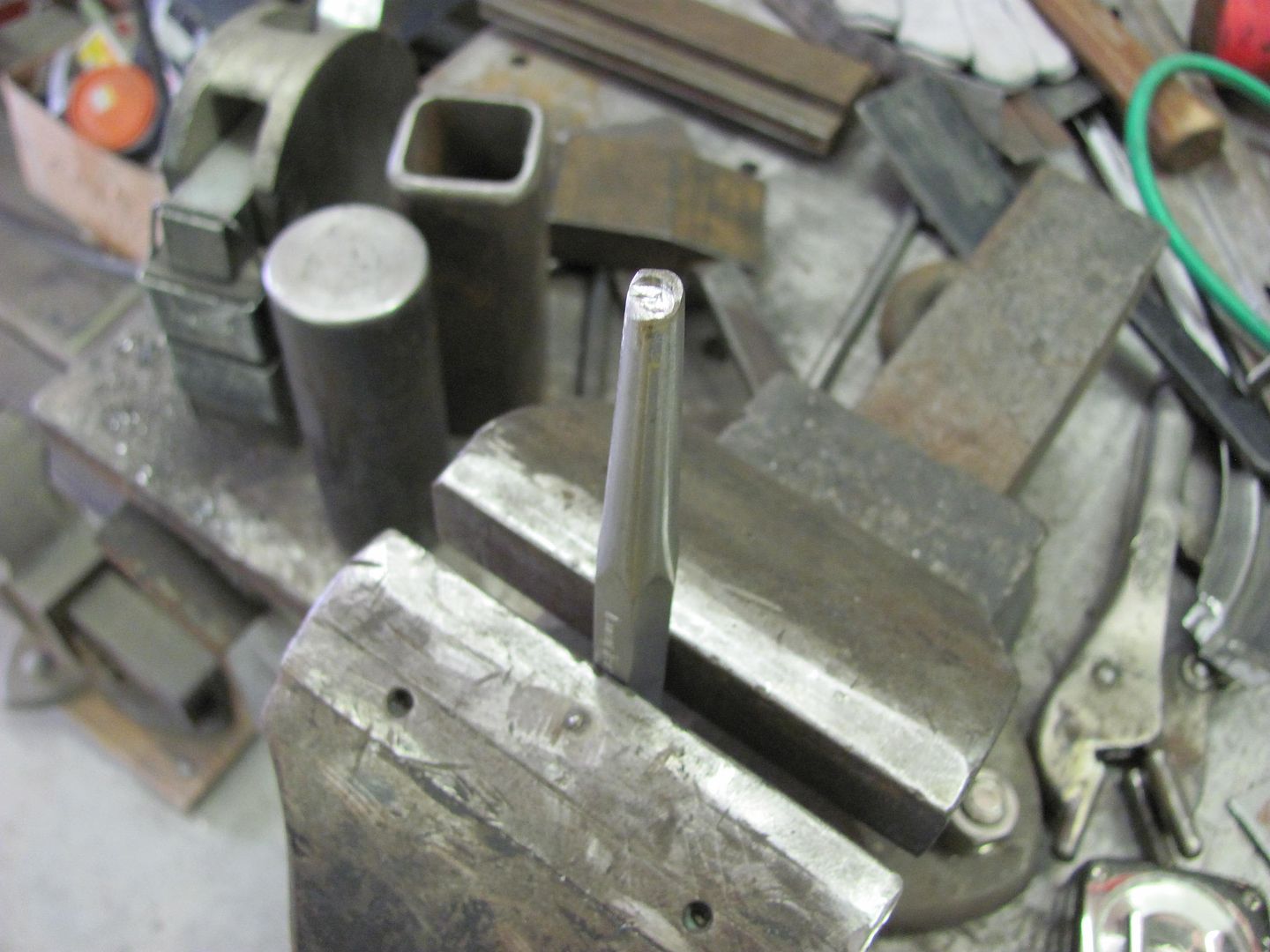
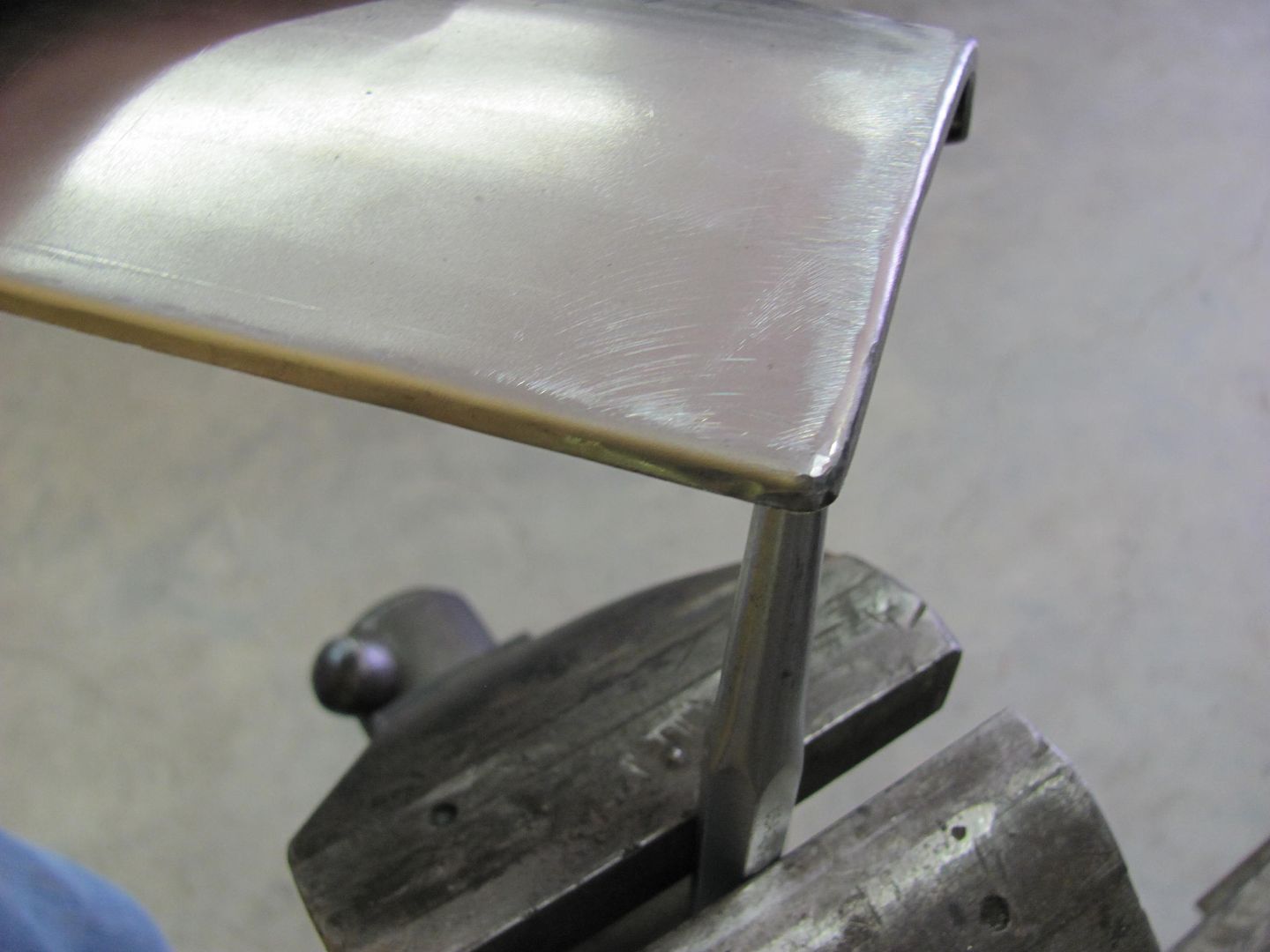
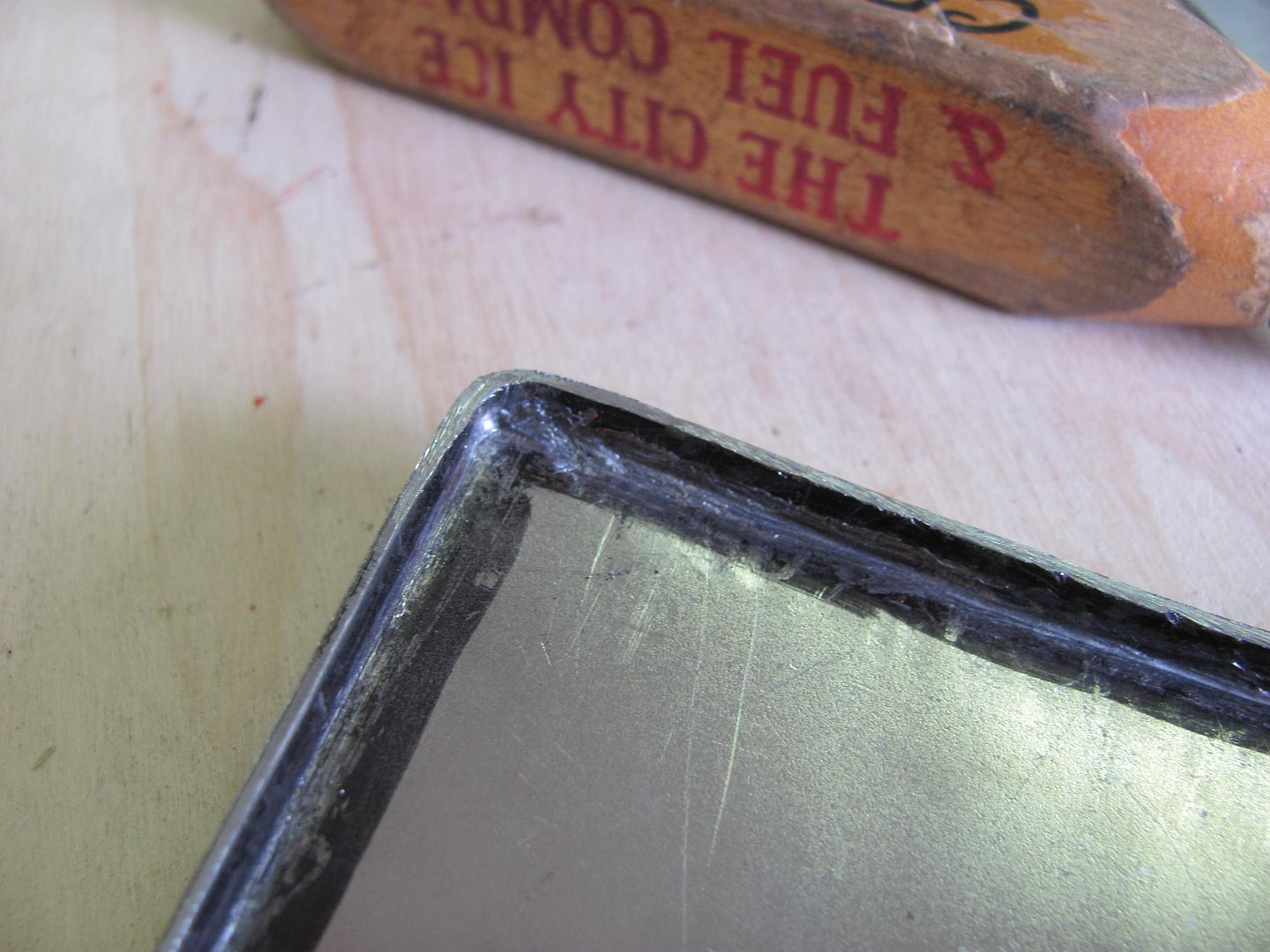
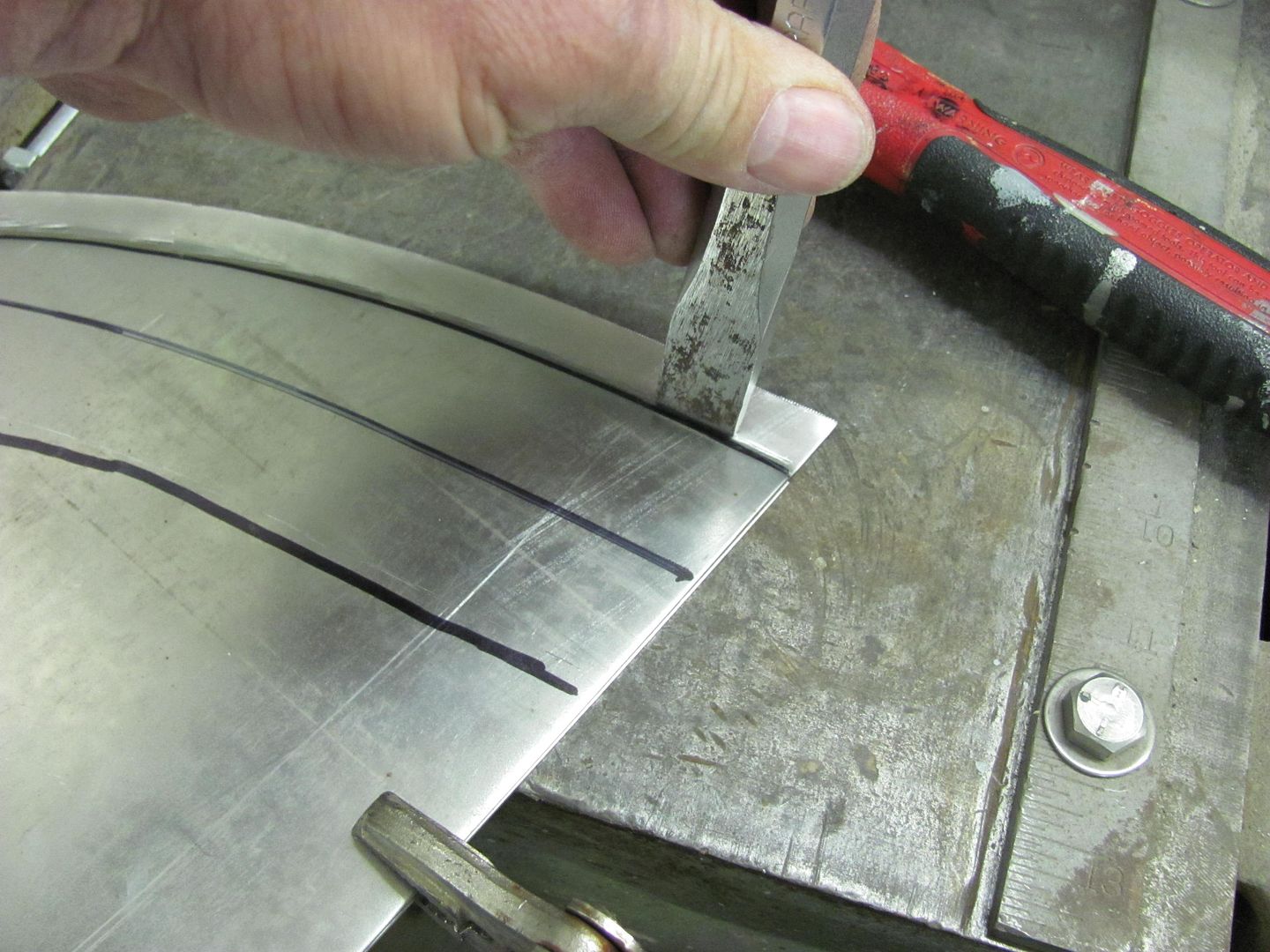
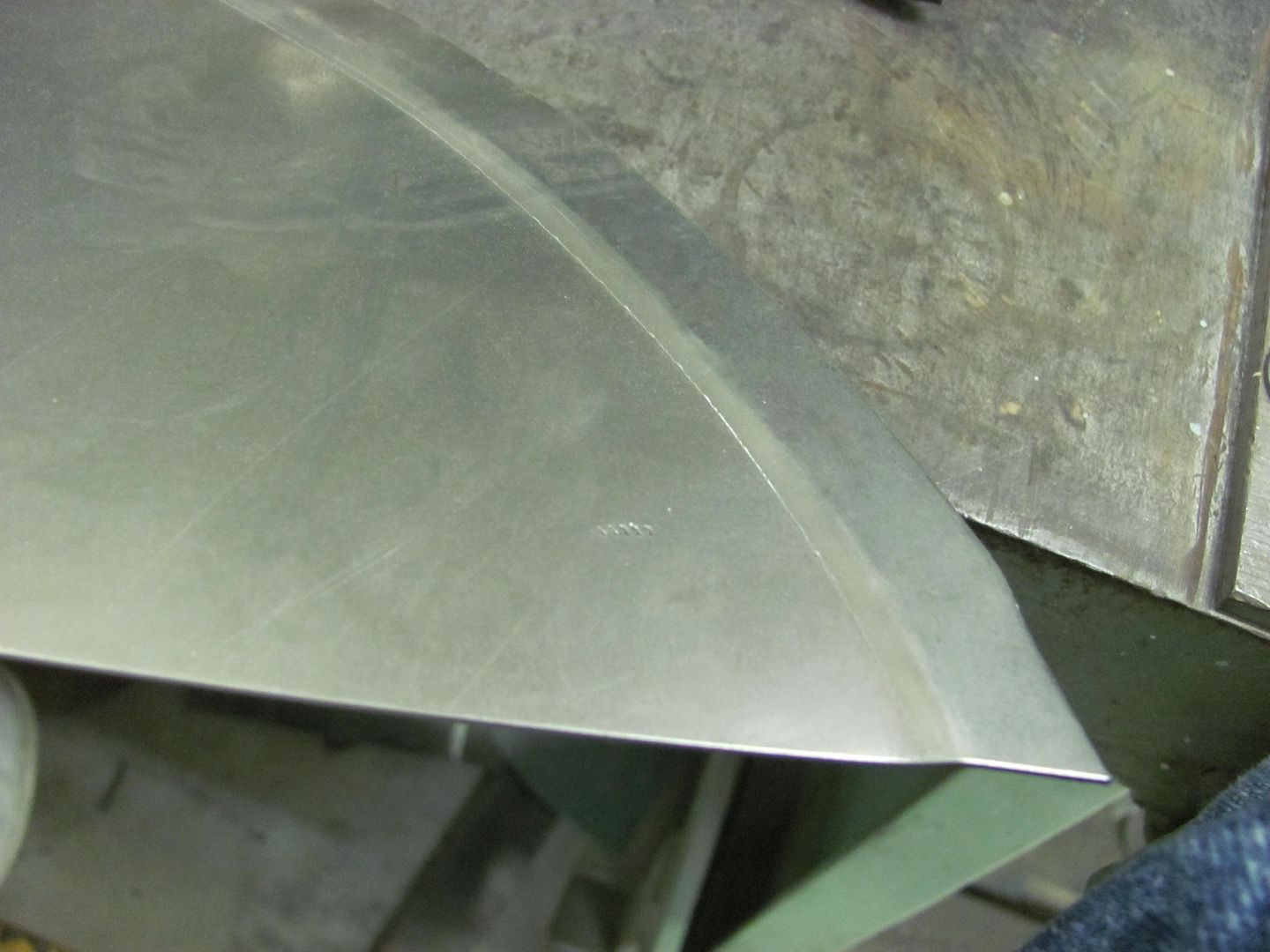
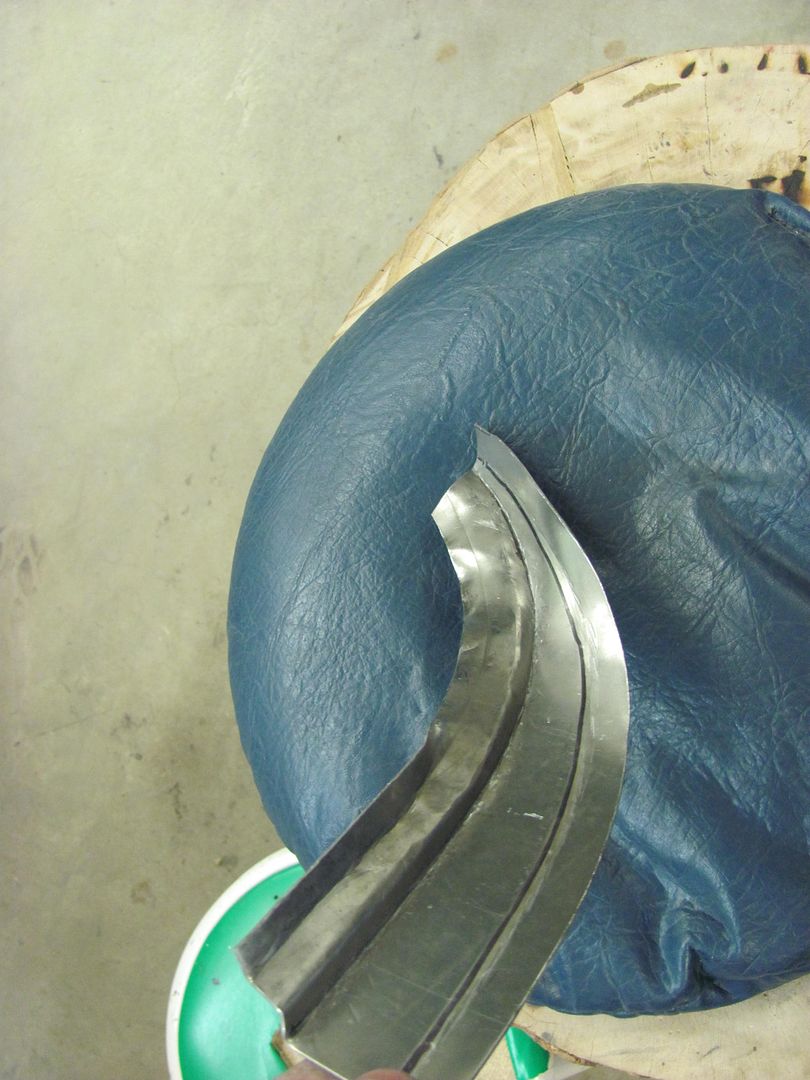
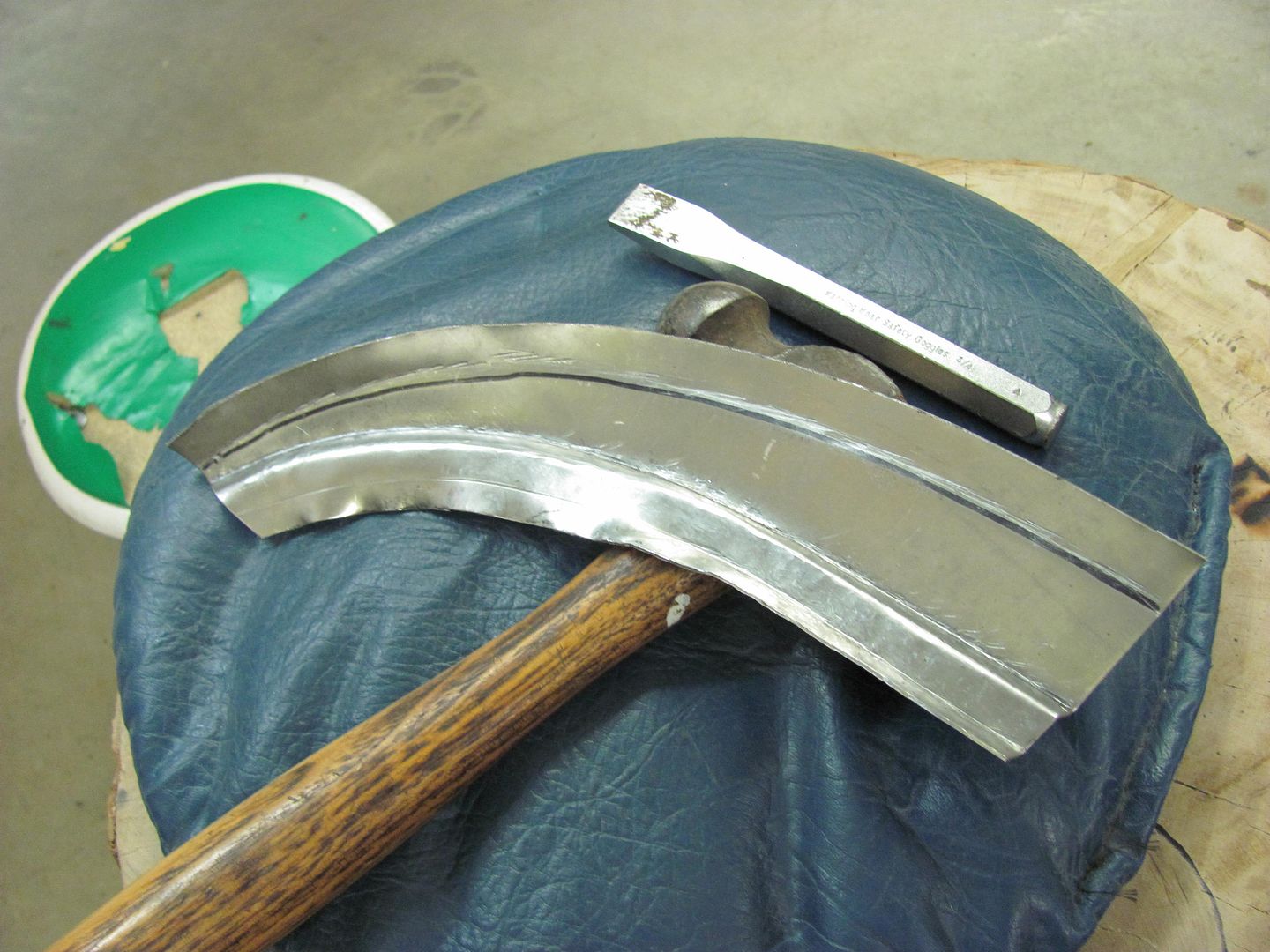
To form the upper flange, a shorter piece had been cut out and clamped to the back side, and a slightly dulled chisel used to form the offset.


Picture122.jpg


Picture125.jpg


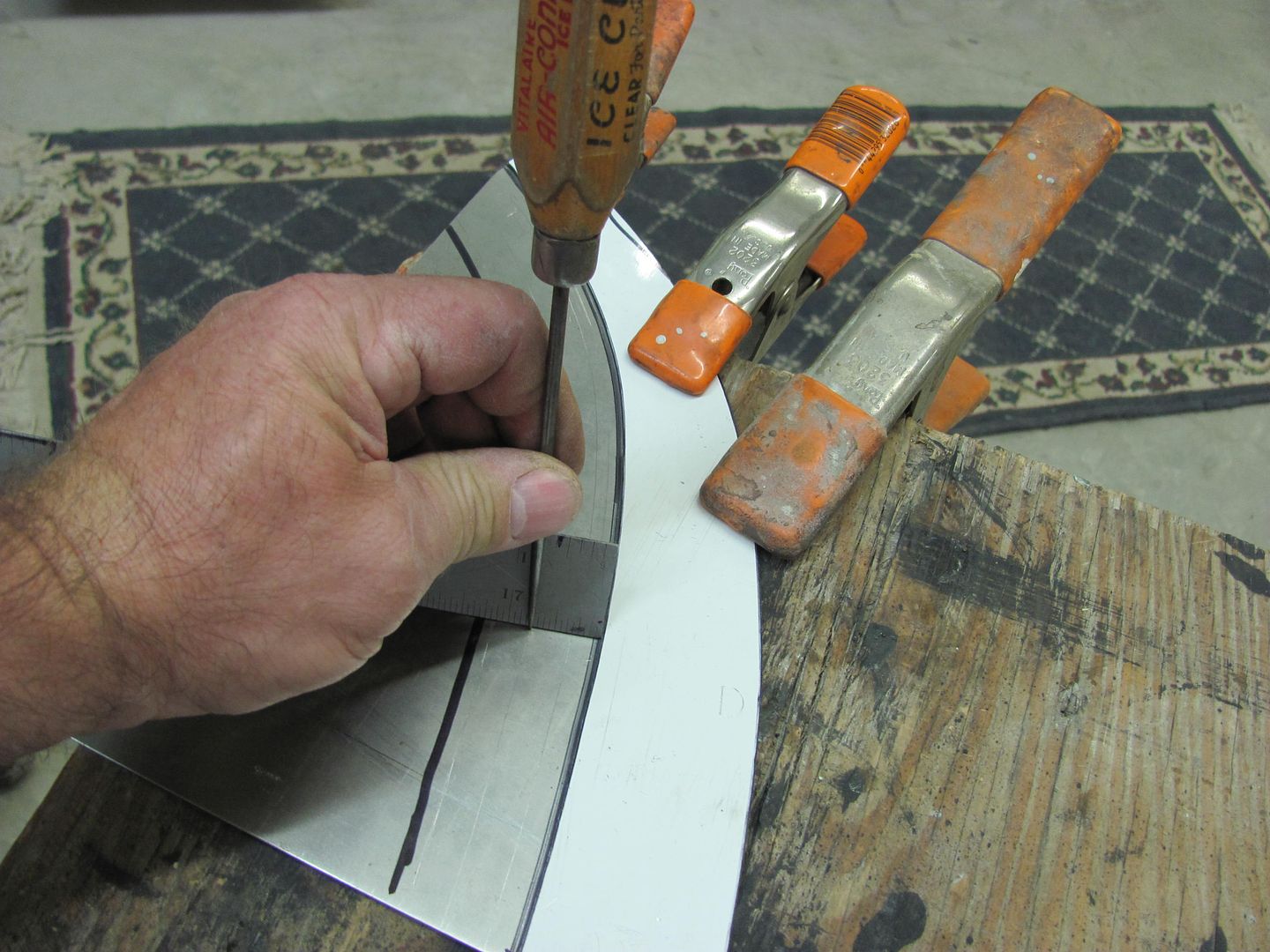
The pattern was clamped back onto our work piece to mark the bottom bends/lower edge for cutting.


Picture126.jpg


Picture128.jpg


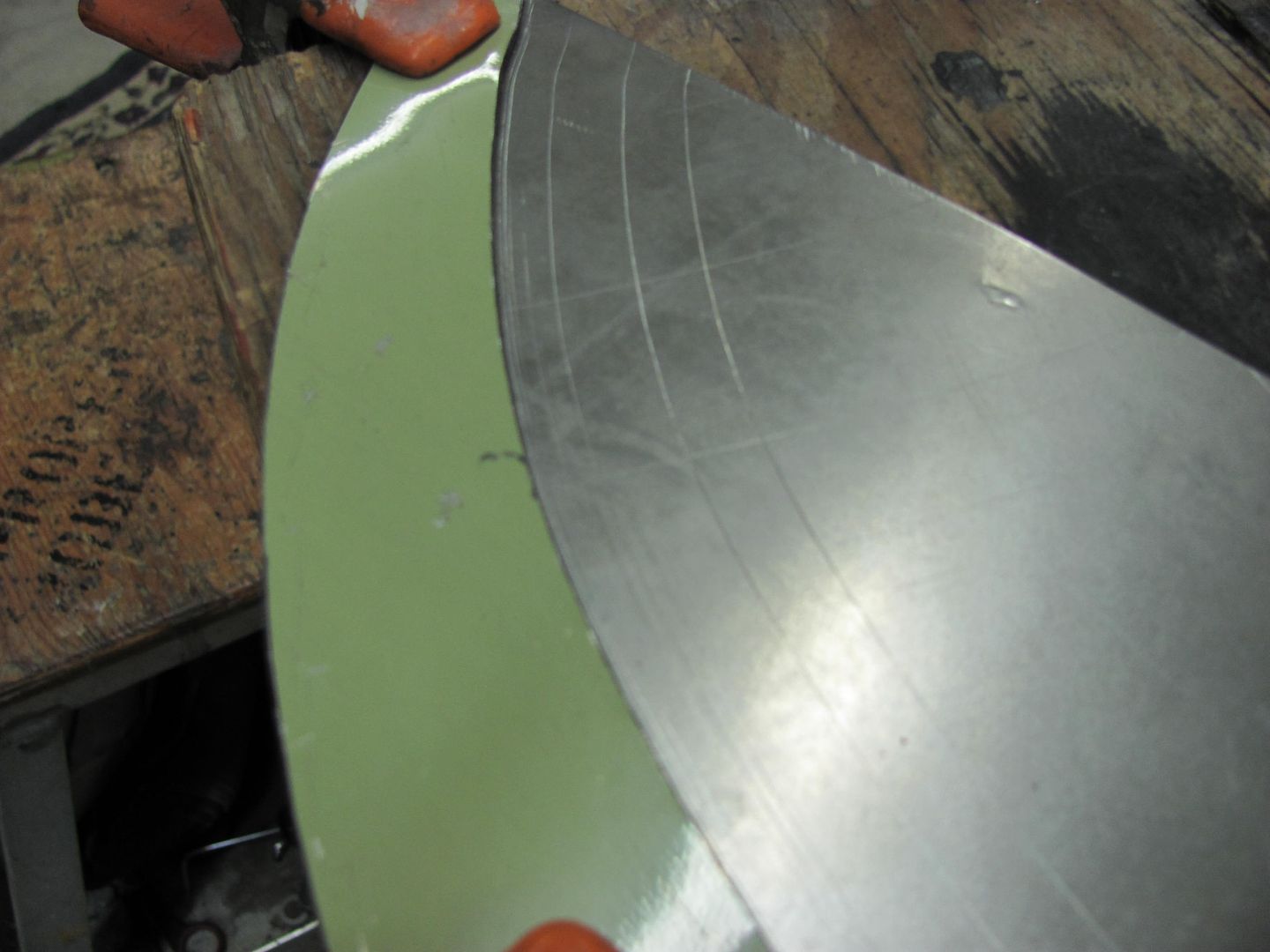
Next, as we will be hammering, I chose to use the tipping wheel on all the bend lines simply to make a better mark and keep the marks more visible.


Picture129.jpg


Picture131.jpg


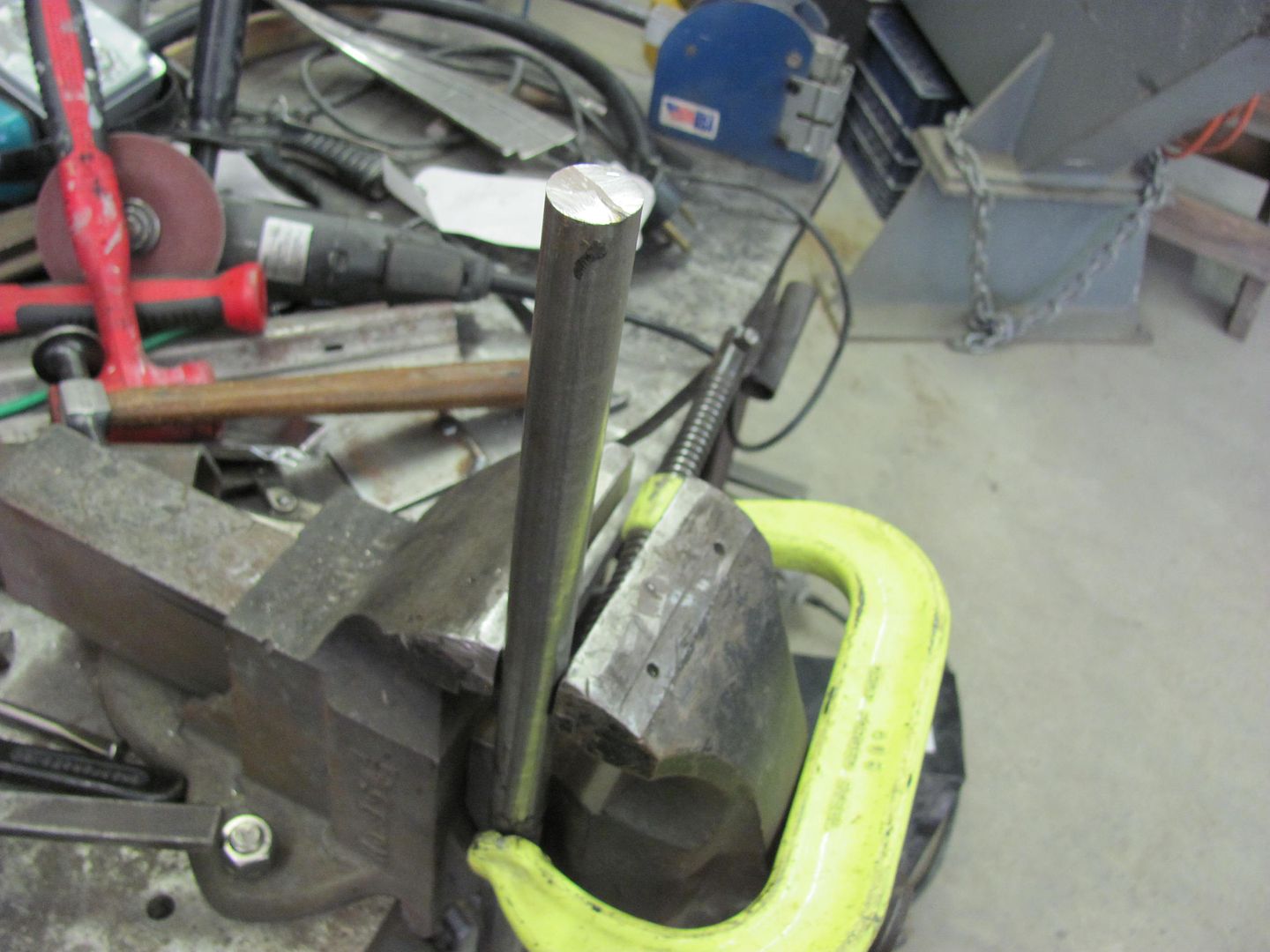
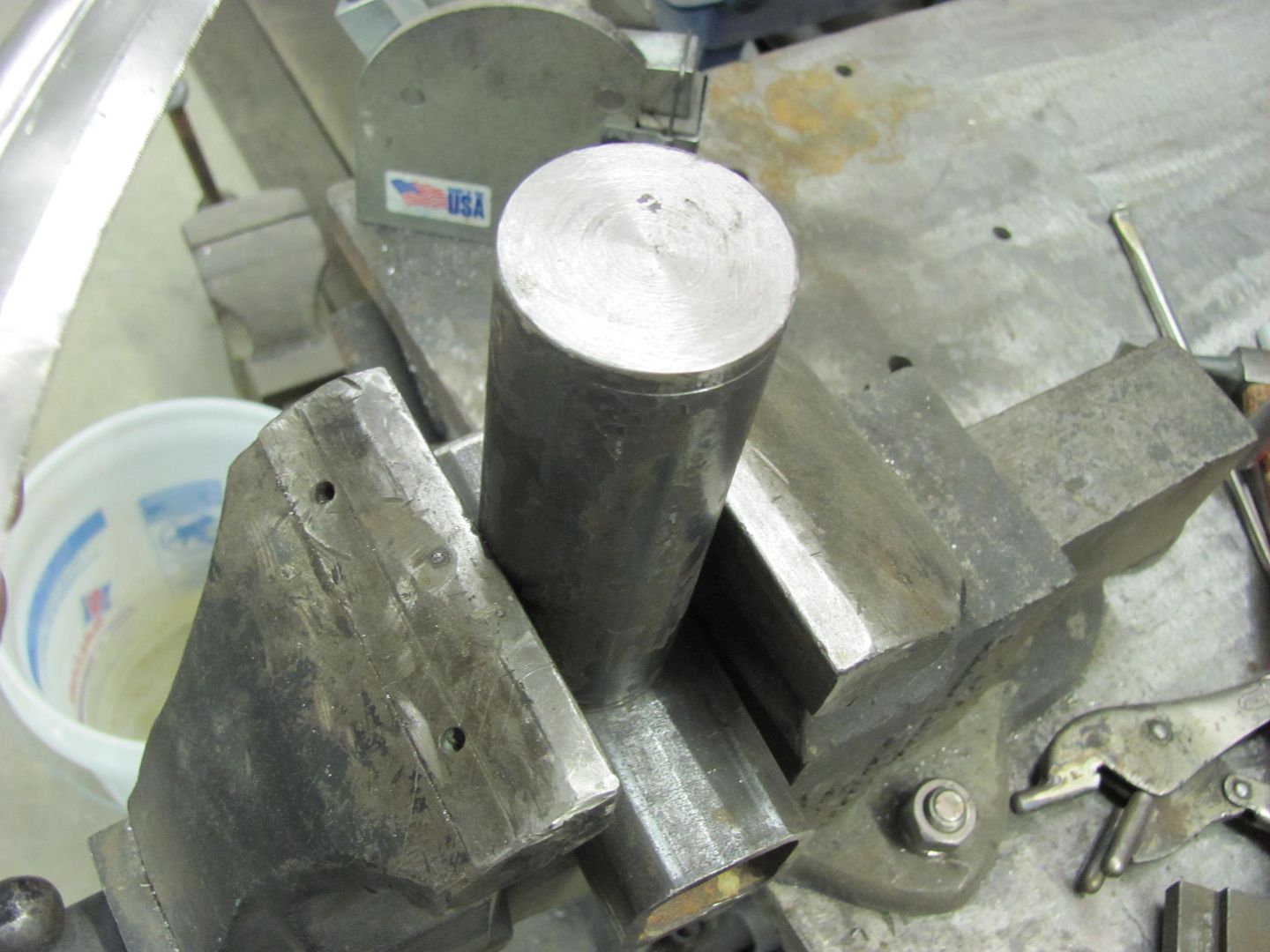
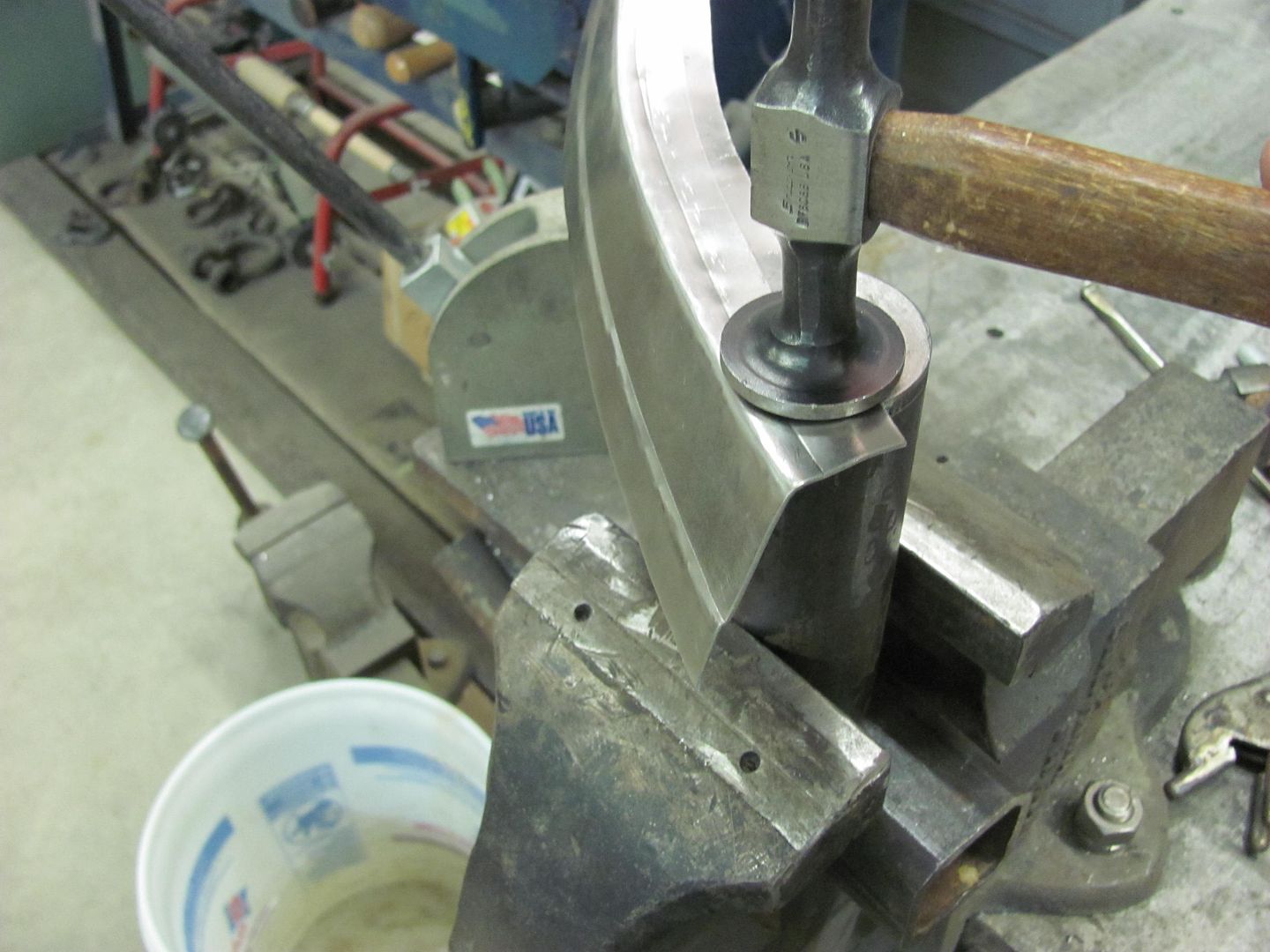
"Custom anvil"


Picture132.jpg


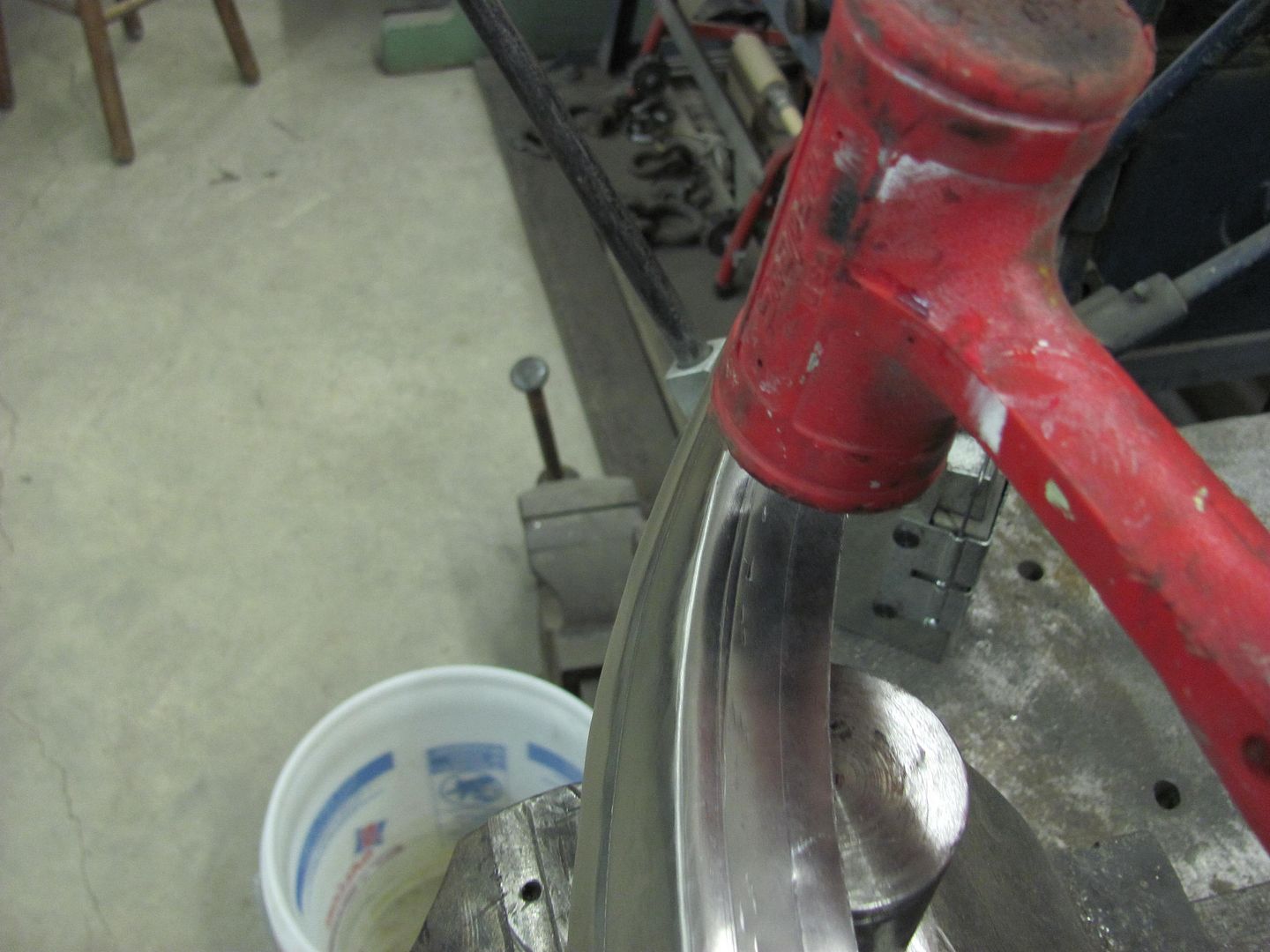
Used a body hammer on the flatter areas, and a dead blow in the radius to minimize any stretching....


Picture133.jpg


Picture134.jpg


First bend at a full 90, seems to pull the panel to fit the radius pretty well.


Picture135.jpg


Picture136.jpg


Continuing to the other bends, still using the round stock anvil, I did get to where I had to go back to incremental bends again when I got deeper into the radius...


Picture138.jpg


Picture139.jpg


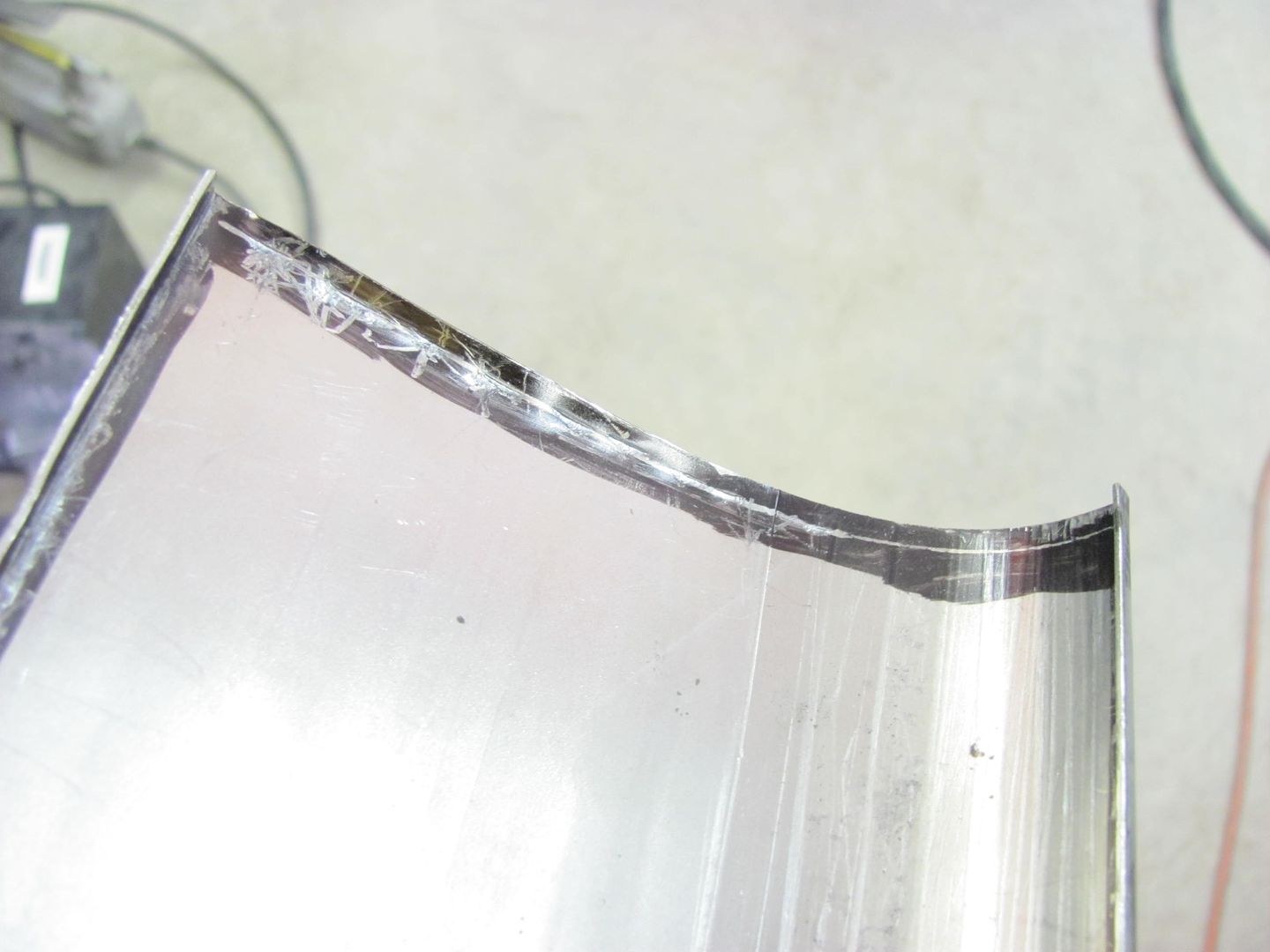
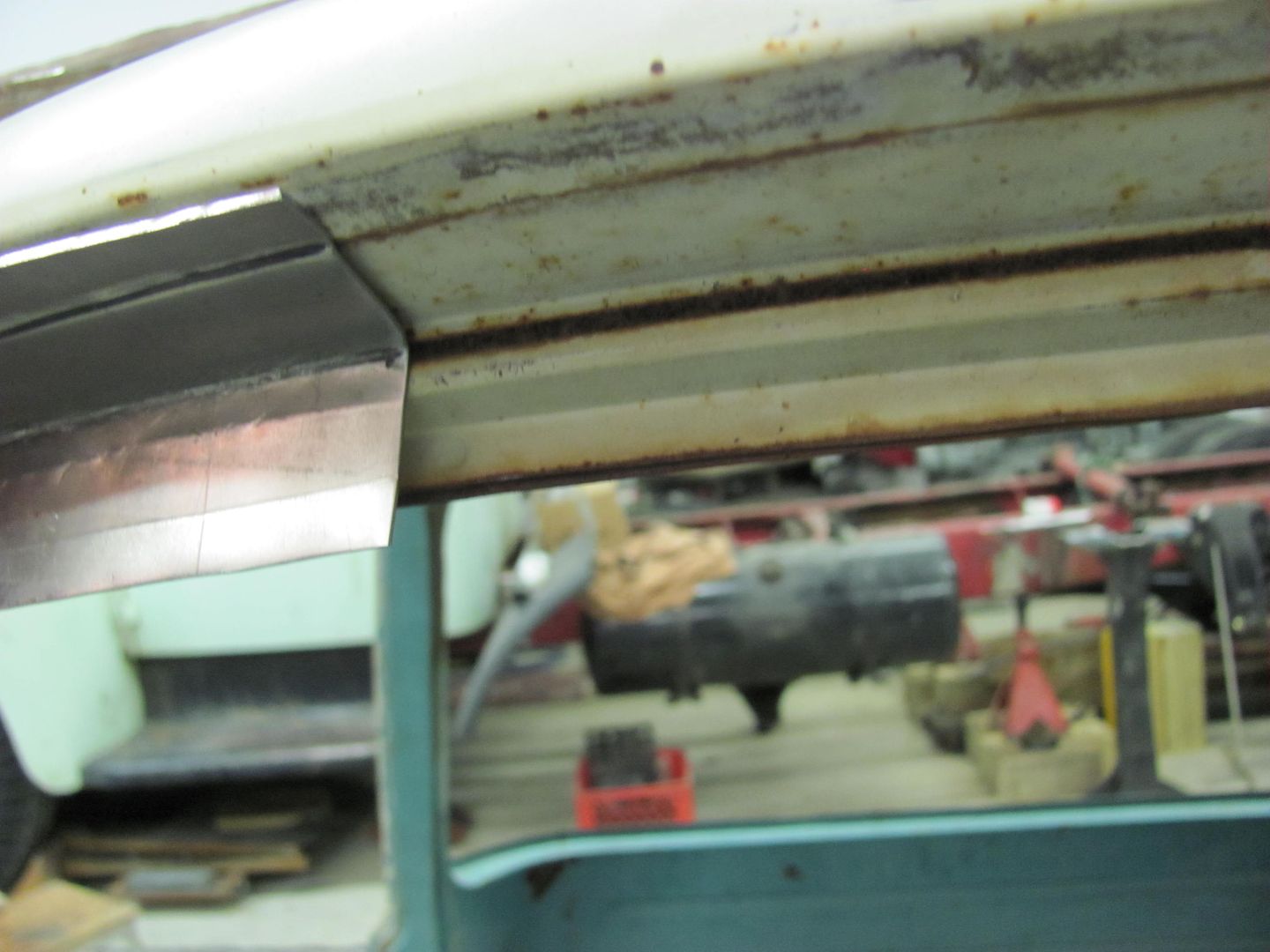
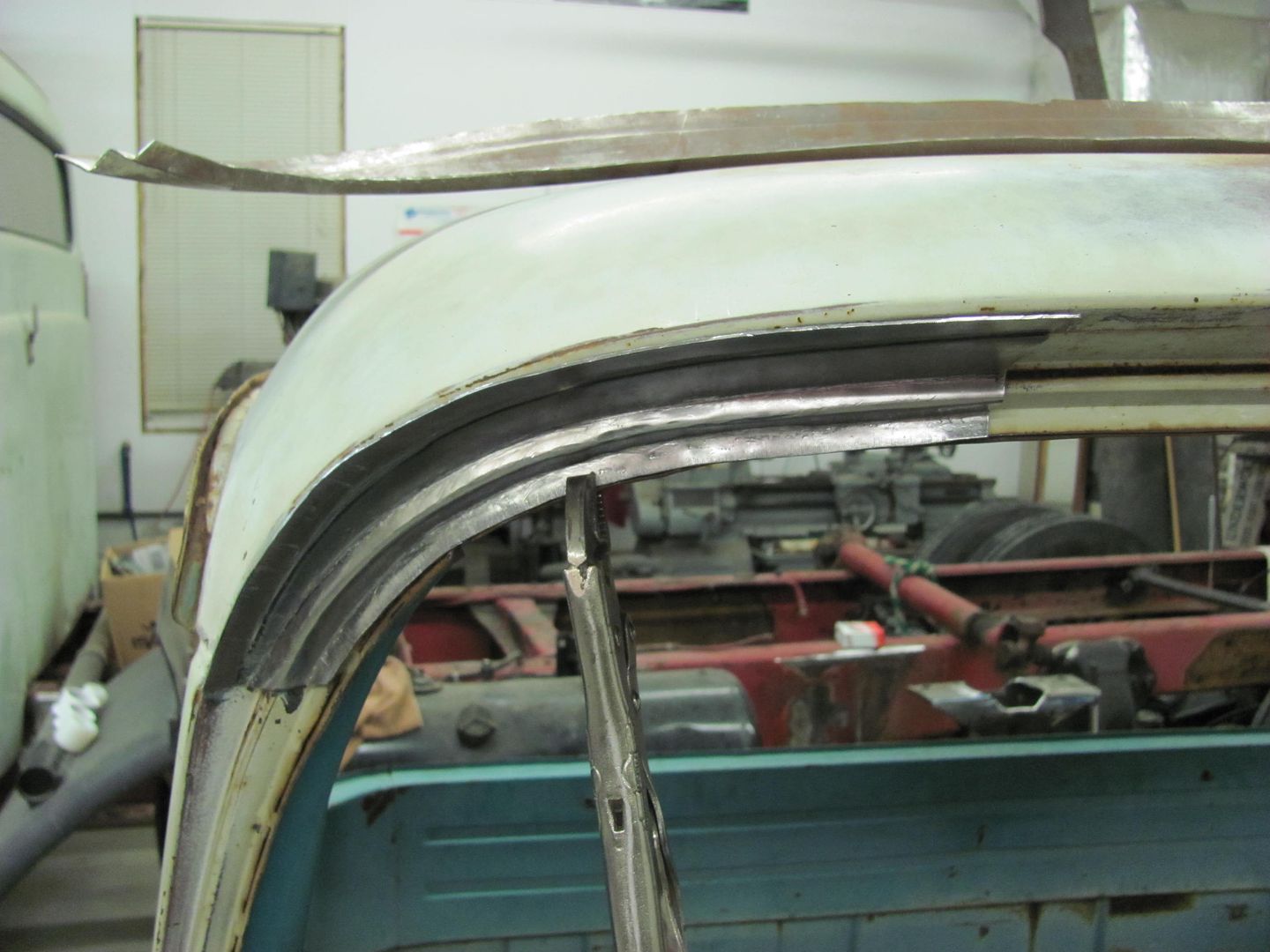
After a bit of Lancaster shrinking along the edges, it was fitting pretty good..


Picture140.jpg


Picture141.jpg


The hammered version would need a bit more cleanup work, but a comparison between the two shows it definitely would be a viable option for someone without the bead roller.


Picture143.jpg


Picture145.jpg


Picture146.jpg


********************************************


Now you guys have got to be working on some sheet metal fab work to add in here......let's see it!
 
Last edited:

NASTYZEN

Well-known member
Joined
Jun 11, 2010
Messages
2,823
Location
St-Colomban,Que. Canada
Awesome work MP&C.:thumbup:
Here is a little project for my kayak that pulls to the right a little. Not much, but enough to be a pita.

Gonna make an adjustable fixed rudder to compensate for the pull.

First off, a cardboard template.

dscn0713l.jpg


Next, a little fitting.

dscn0714n.jpg


A little more fitting.

dscn0715f.jpg


Final fit before adding the bushing.

dscn0716vy.jpg


Final fit before polishing.

dscn0717b.jpg


All mounted up. Can't wait to try it out!

dscn0720p.jpg


:beer:
 

NASTYZEN

Well-known member
Joined
Jun 11, 2010
Messages
2,823
Location
St-Colomban,Que. Canada
Got to try it out.

dscn0749y.jpg


dscn0788s.jpg


Finally the thing goes in a straight line.
But it does nothing for stability getting in and out. Right after I took this shot, I fell over and filled the kayak with water trying not to spill my beer......
Guess my next project will have to be a beer holder.:lol:
 

MP&C

Well-known member
Joined
Oct 21, 2009
Messages
4,396
Location
Leonardtown, MD
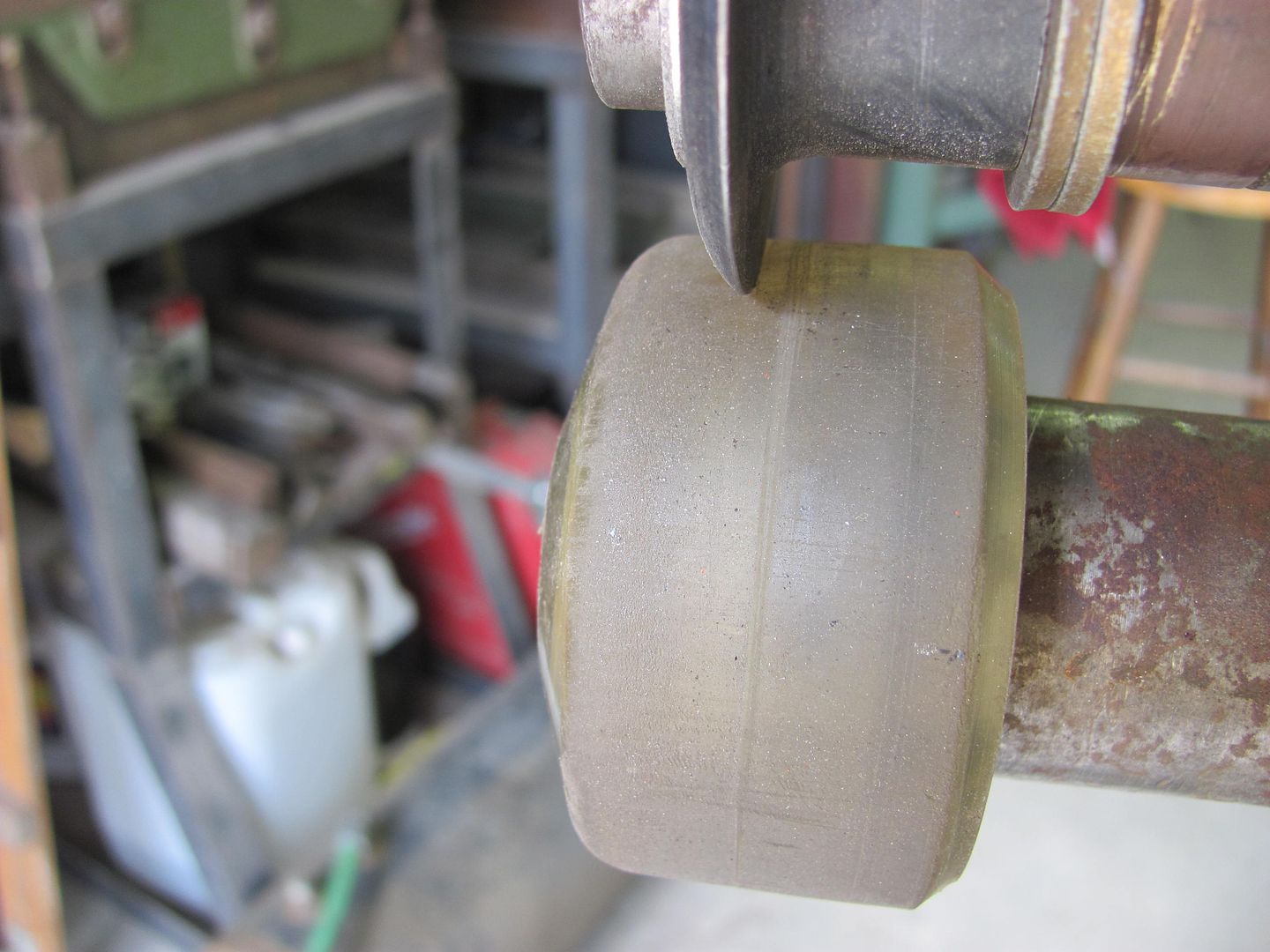
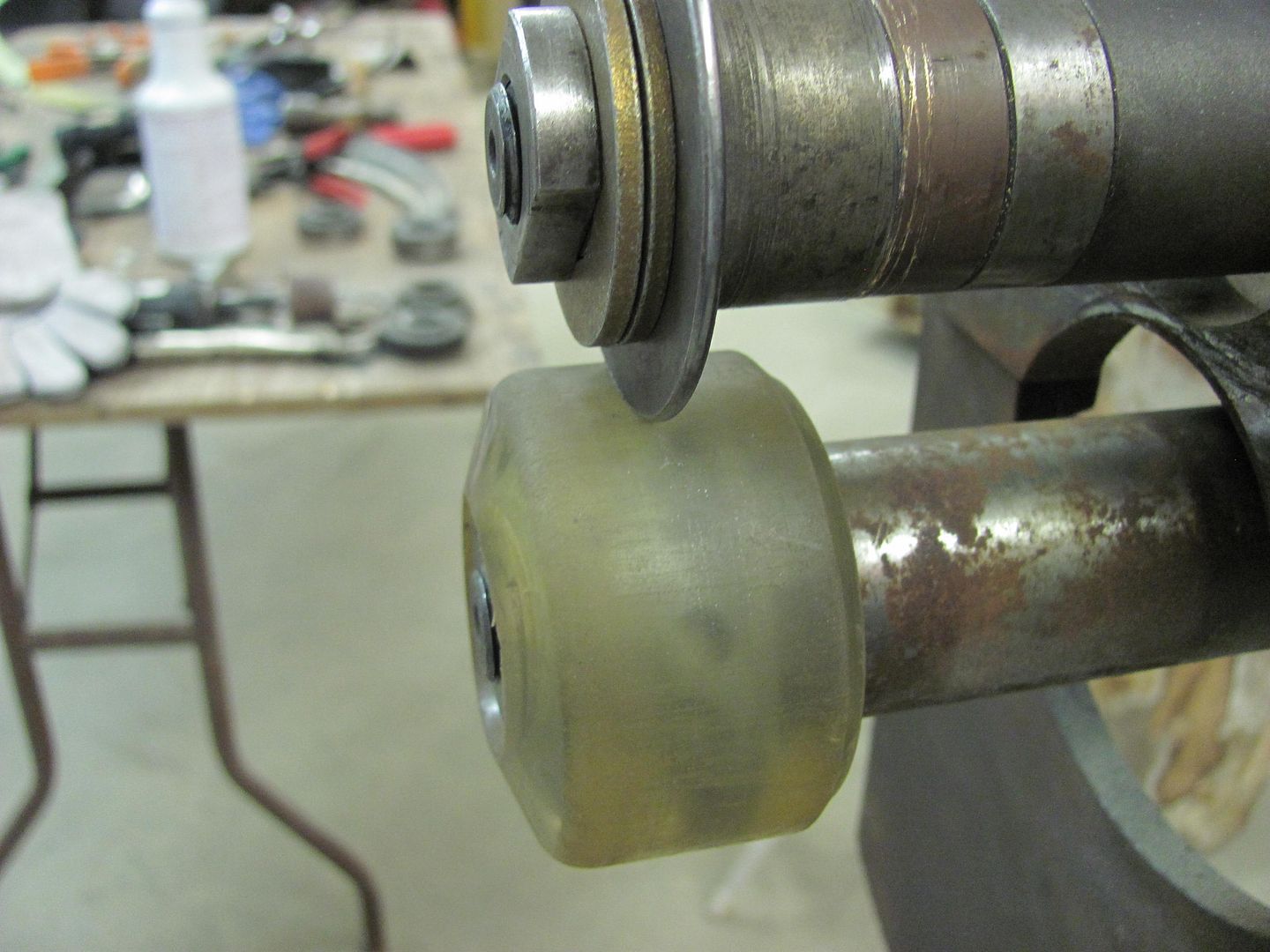
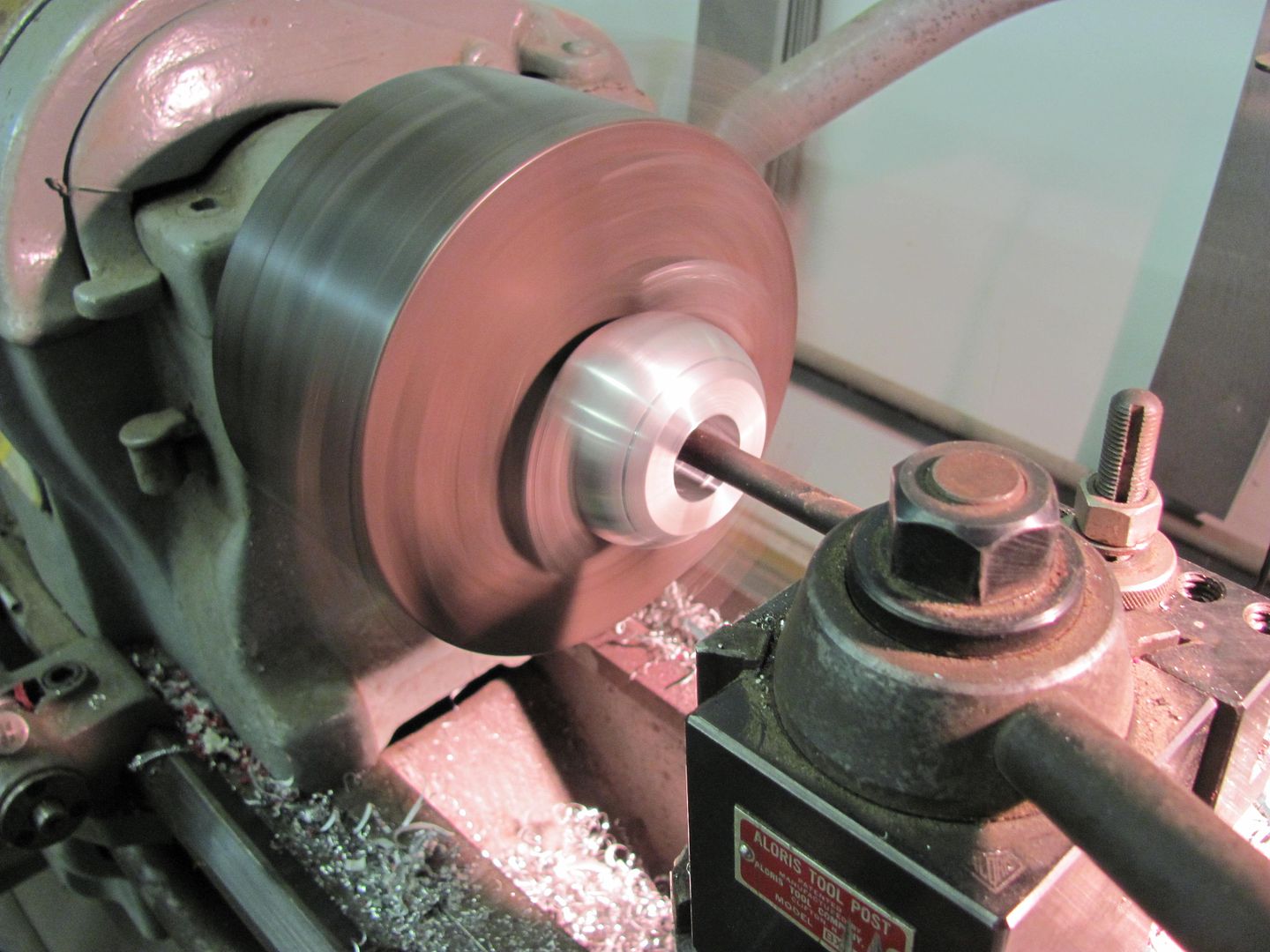
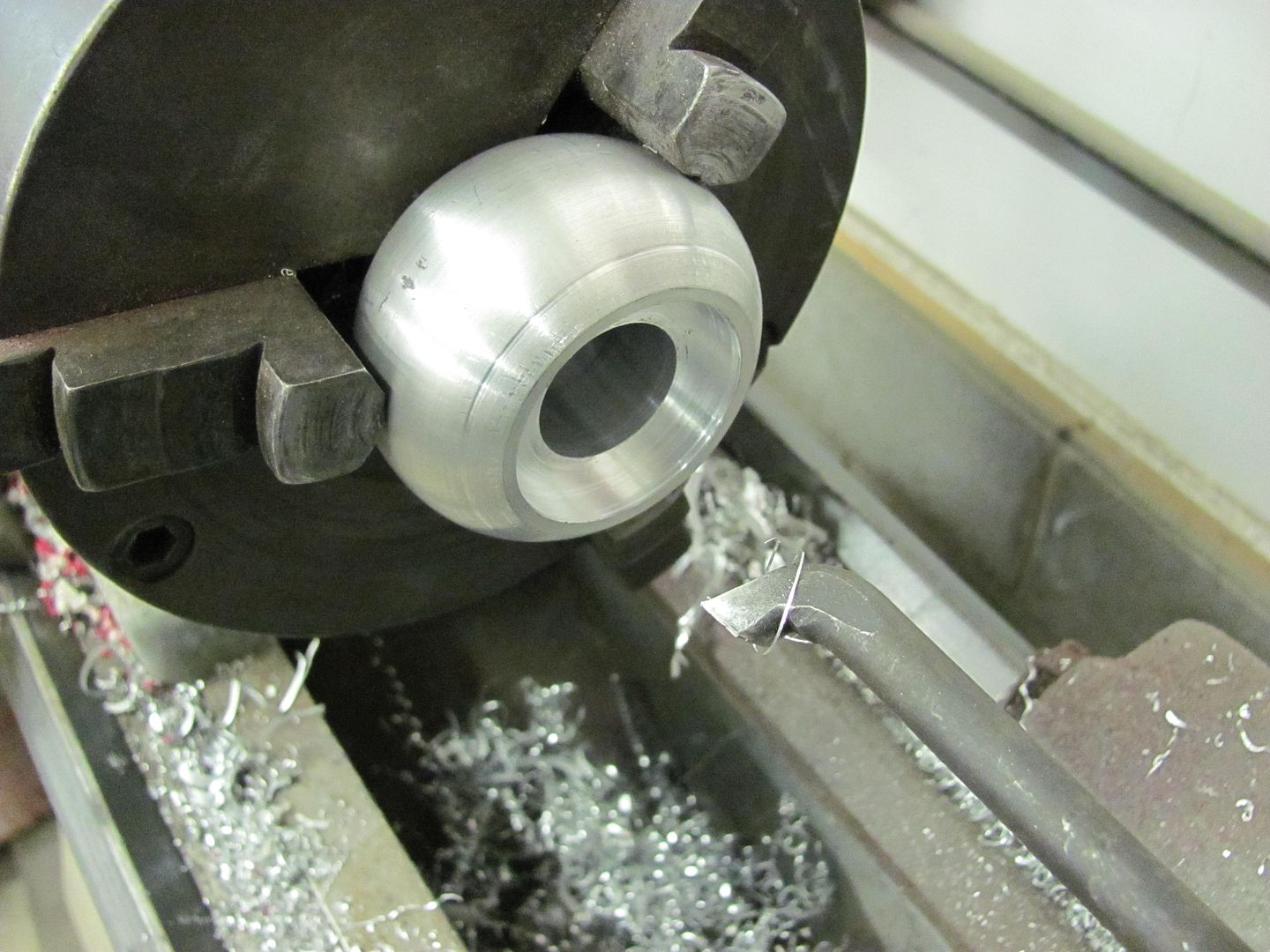
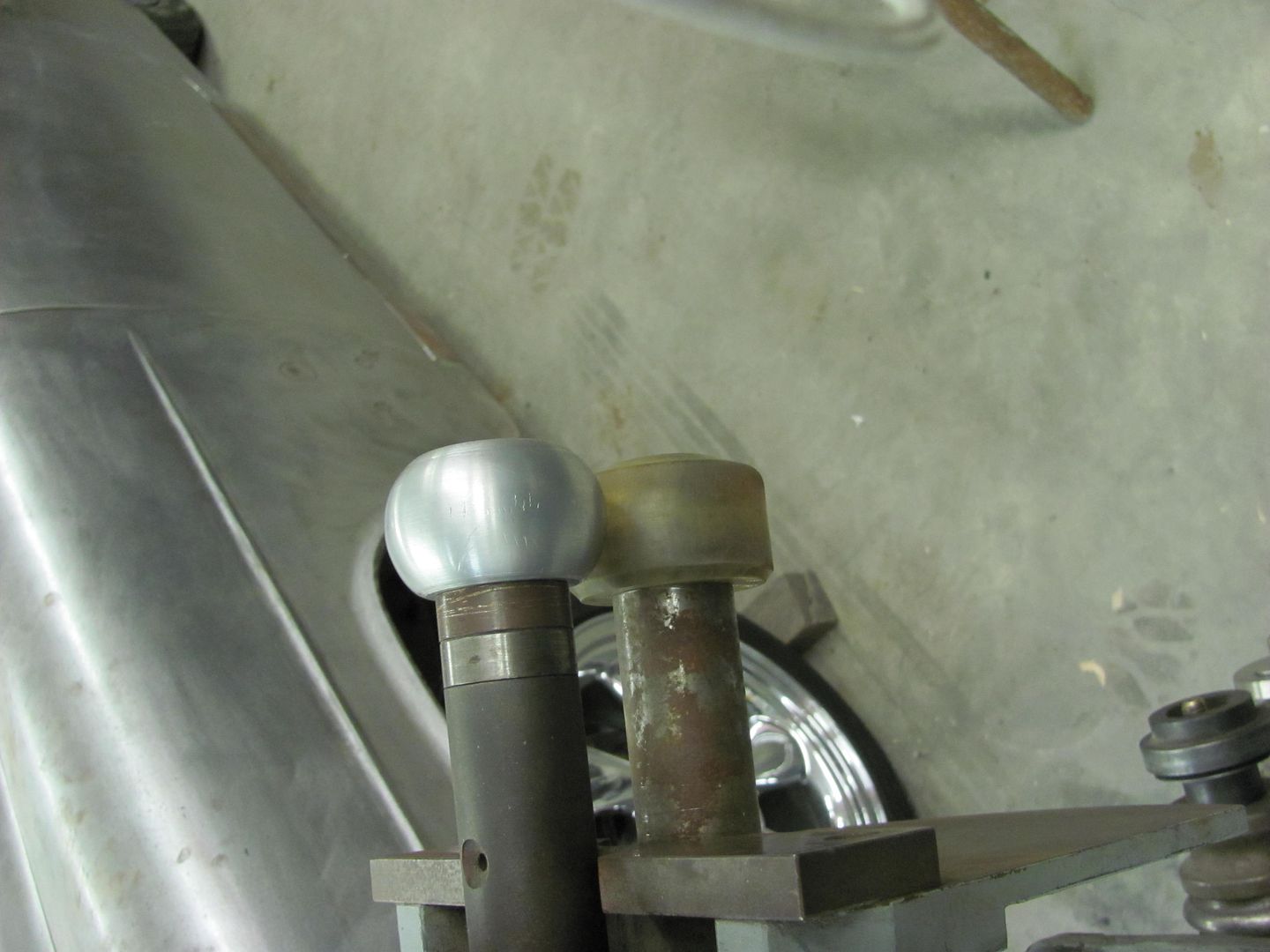
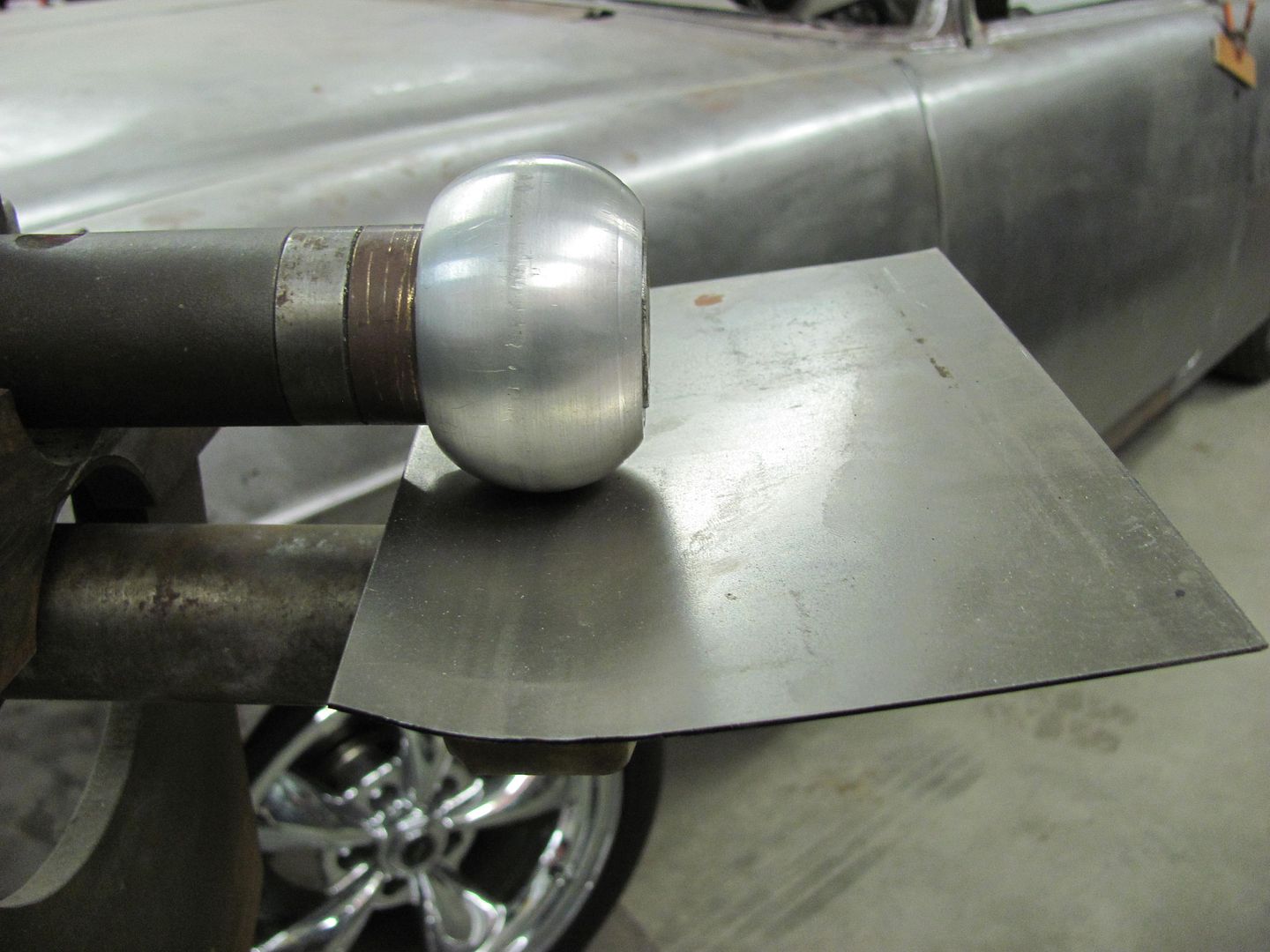
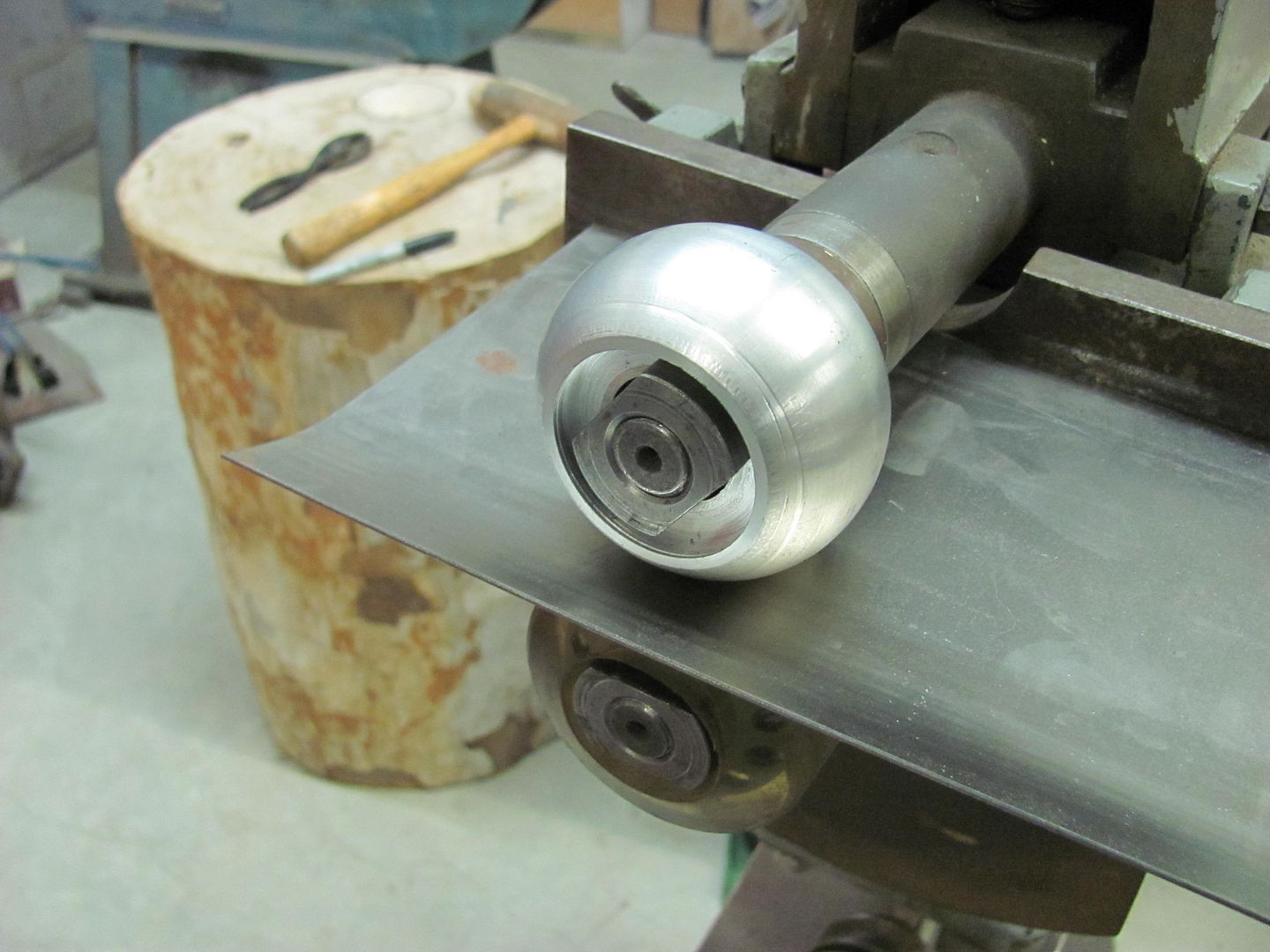
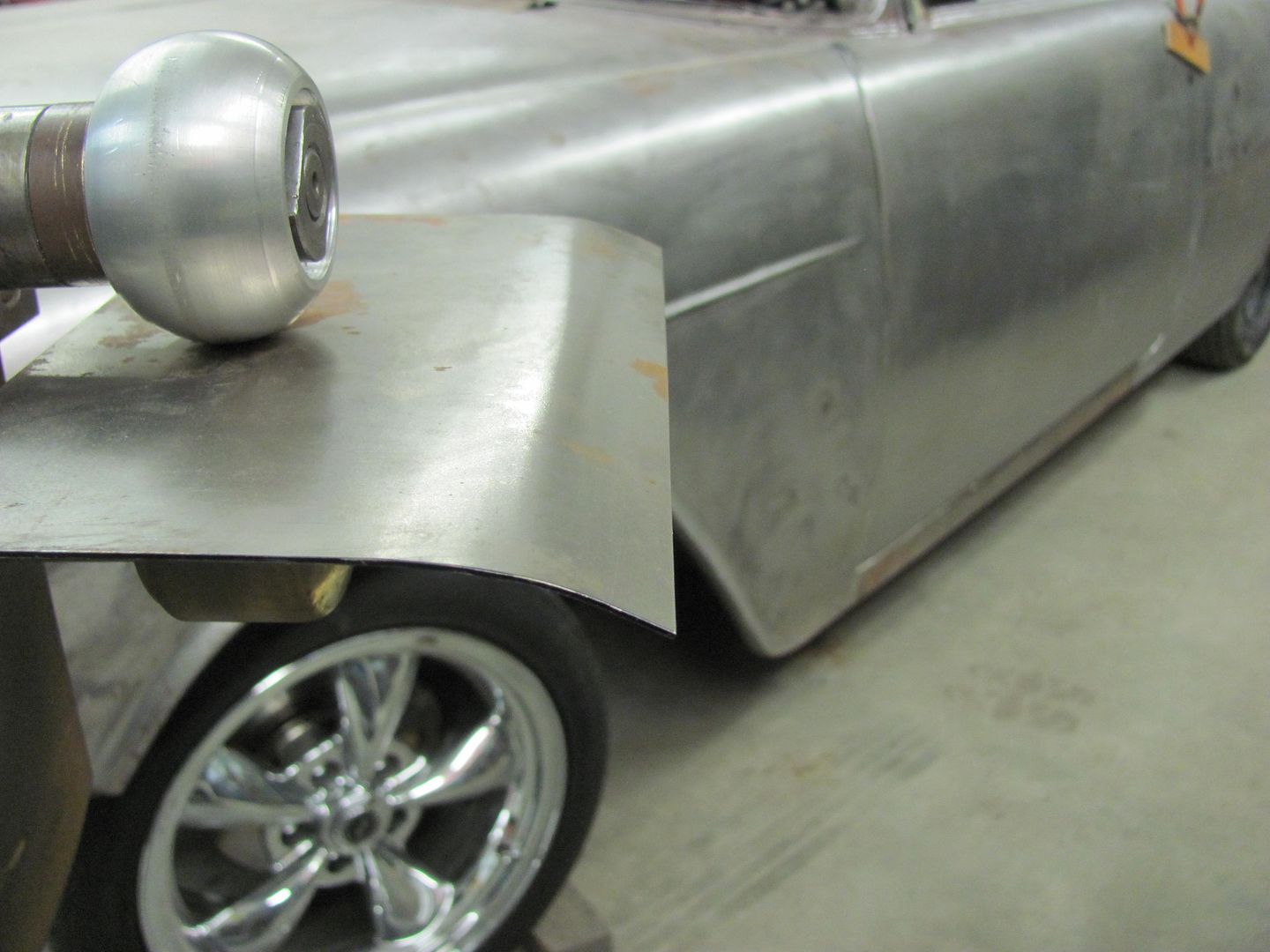
Well after about three months travelling for work, I finally was able to get back out in the shop and get some dust off the lathe today. The last time I used the bead roller I made a dash insert for a Studebaker truck. It had a considerable roll added to it, which was much too tight a radius for using the go kart slick on the wheel.. This was done using the skateboard wheel and a 1/2" wide bead roller
Picture005.jpg


Picture021.jpg


Picture025.jpg


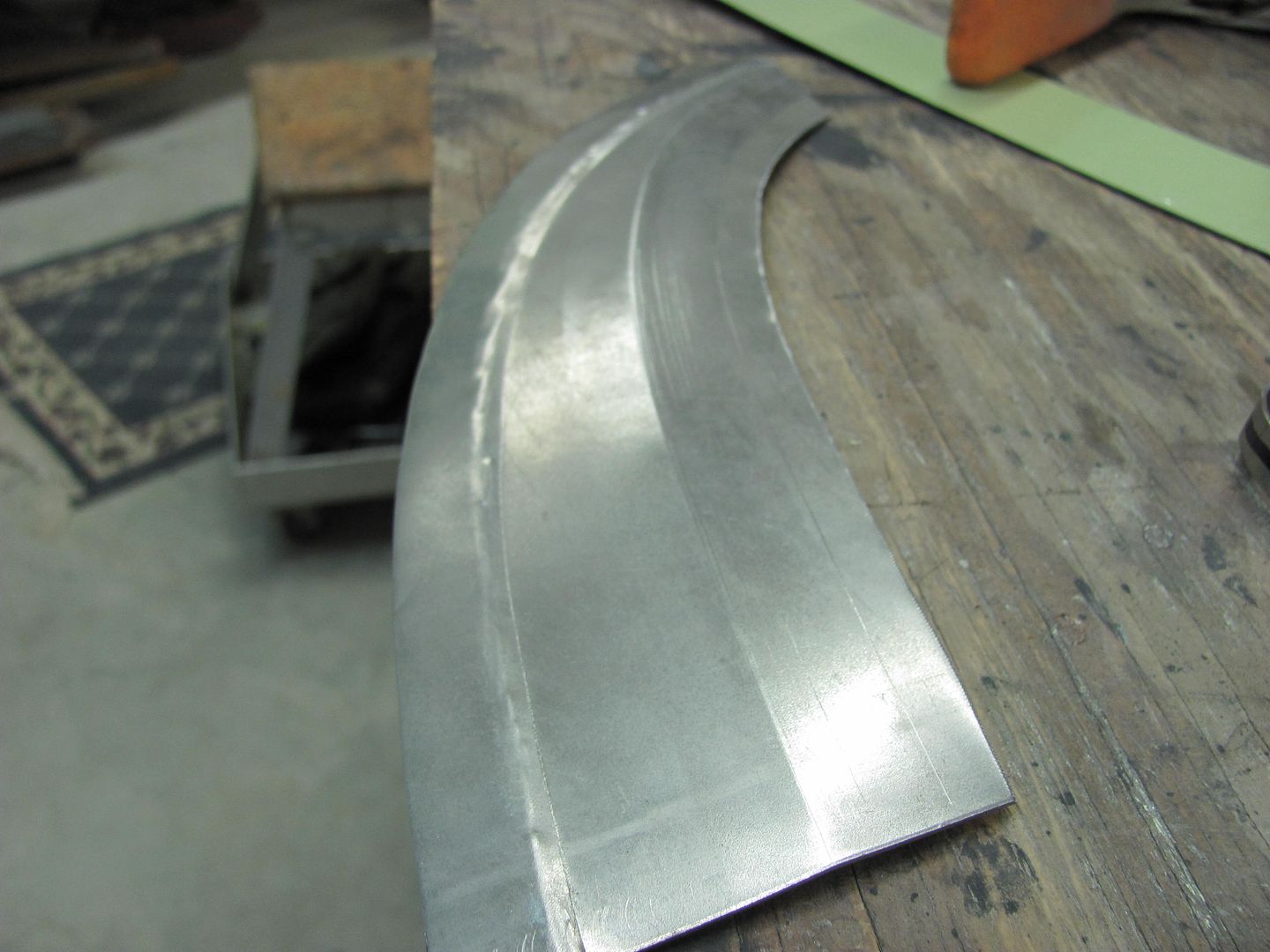
But this seemed to leave pronounced creases from the beading die, and I wanted to replace this with one with a wider radius.

Picture061-1.jpg


and a relief cut for the shaft nut...

Picture063.jpg


Picture064.jpg


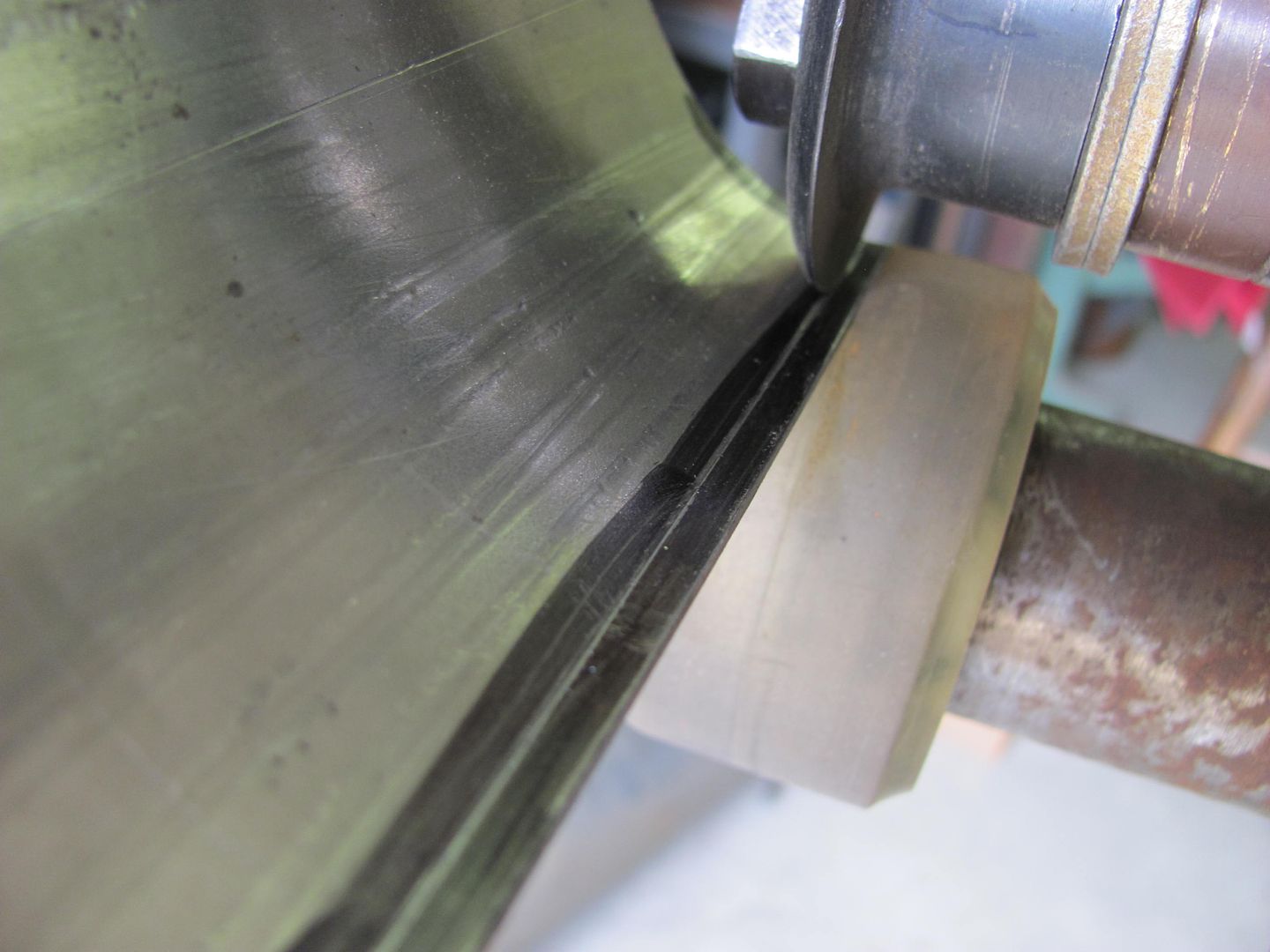
A few passes with some 18 ga......

Picture065.jpg


Picture067-1.jpg


Picture066-1.jpg


Outside has less noticeable marking.. Yeah, this should work!
 
To avoid these ads, REGISTER NOW!

MP&C

Well-known member
Joined
Oct 21, 2009
Messages
4,396
Location
Leonardtown, MD
This isn't exactly sheetmetal, but should help someone in that regard..

Credits: (and all that legal stuff) this is a slight variation on a similar tool by Per (Metalman Sweden) and Bill Gibson, as shown on Metalmeet.

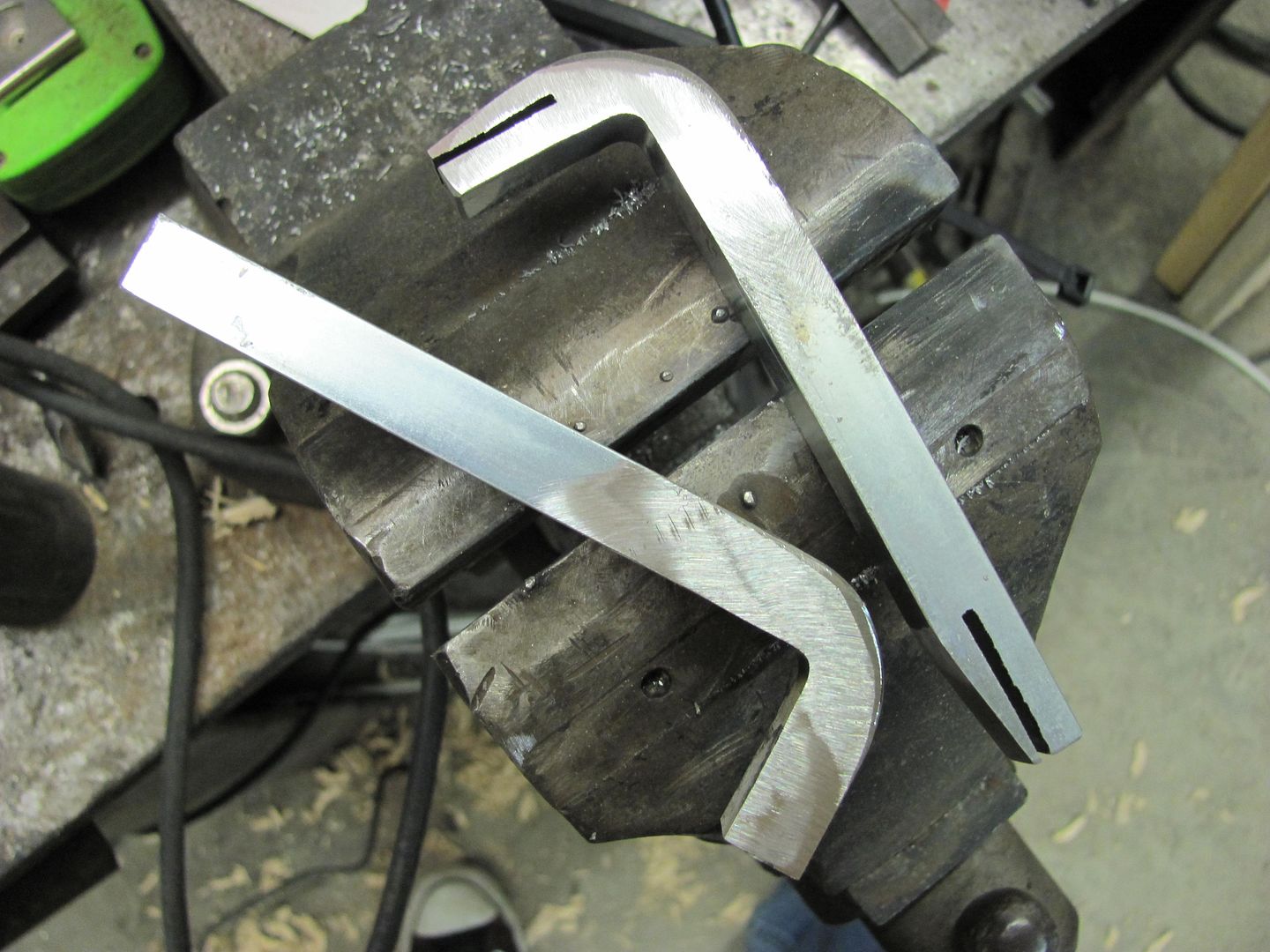
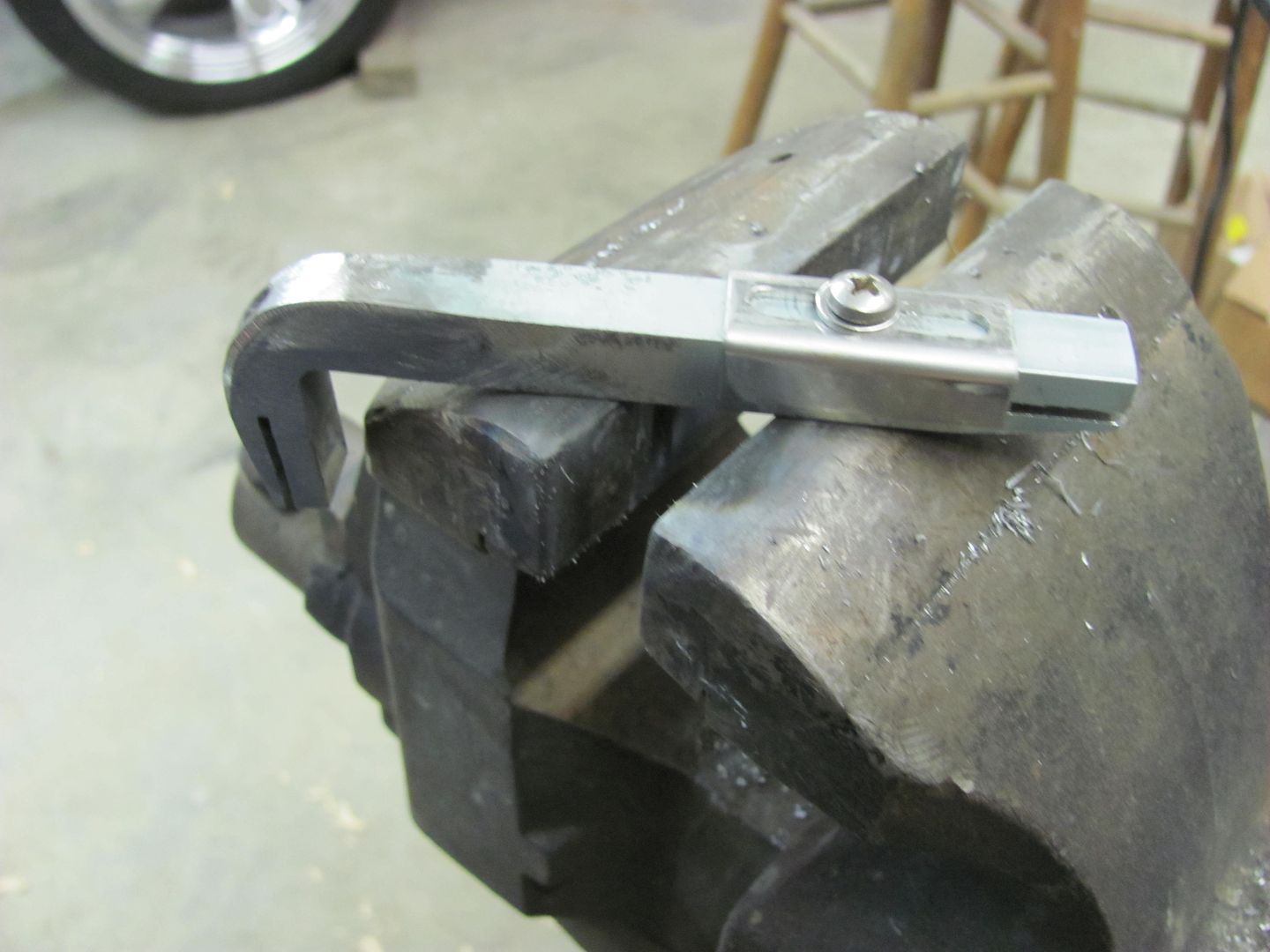
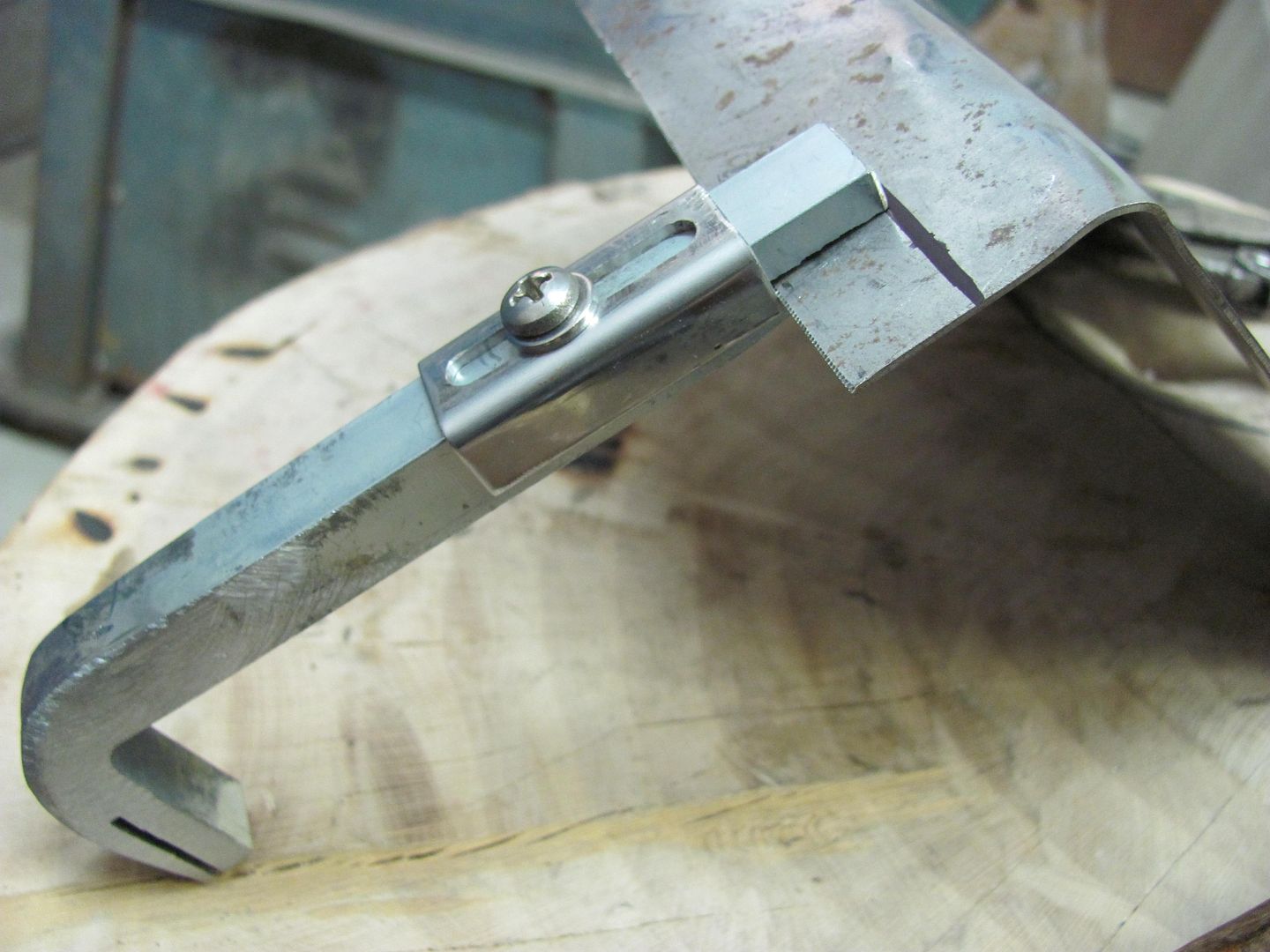
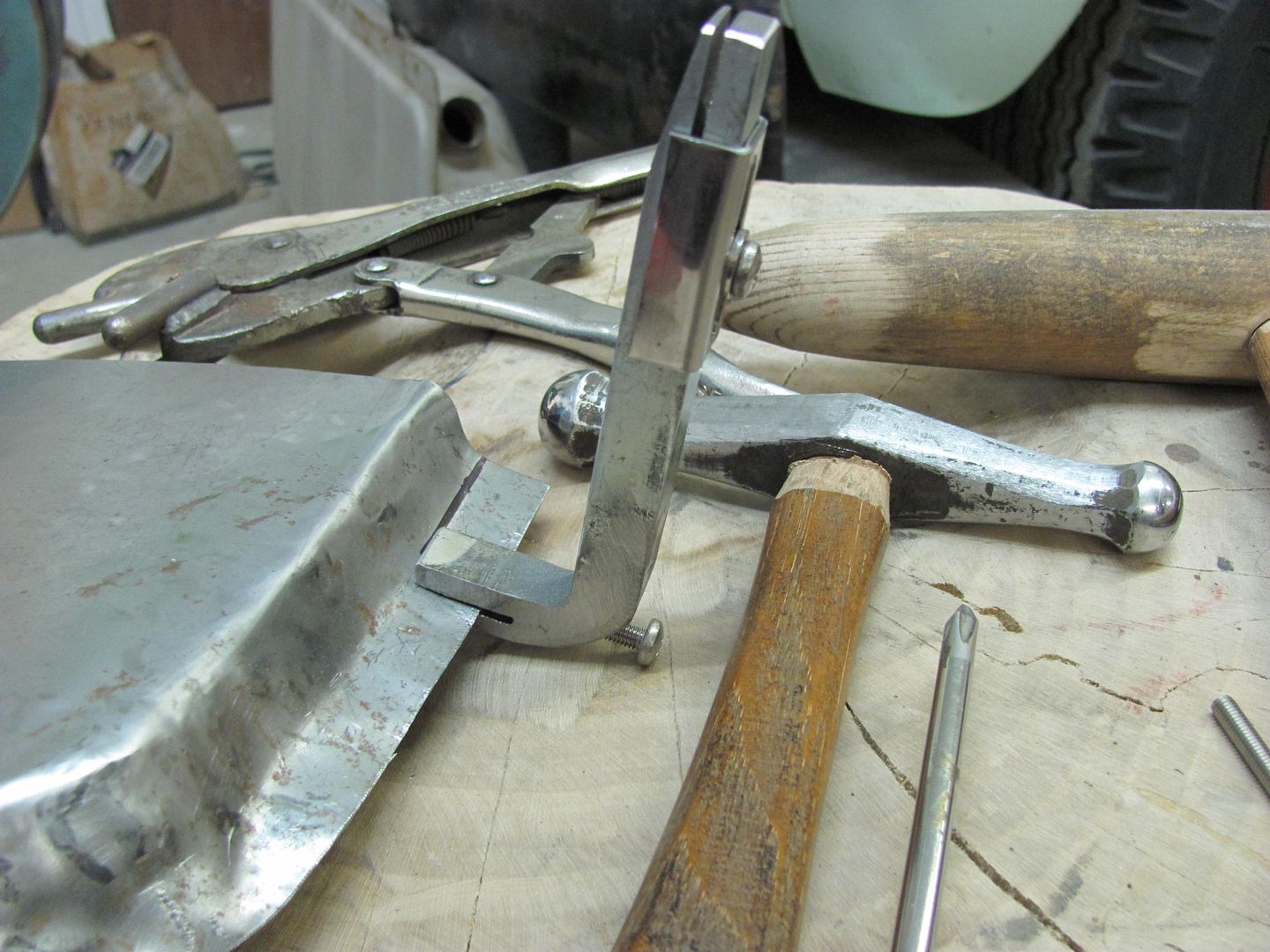
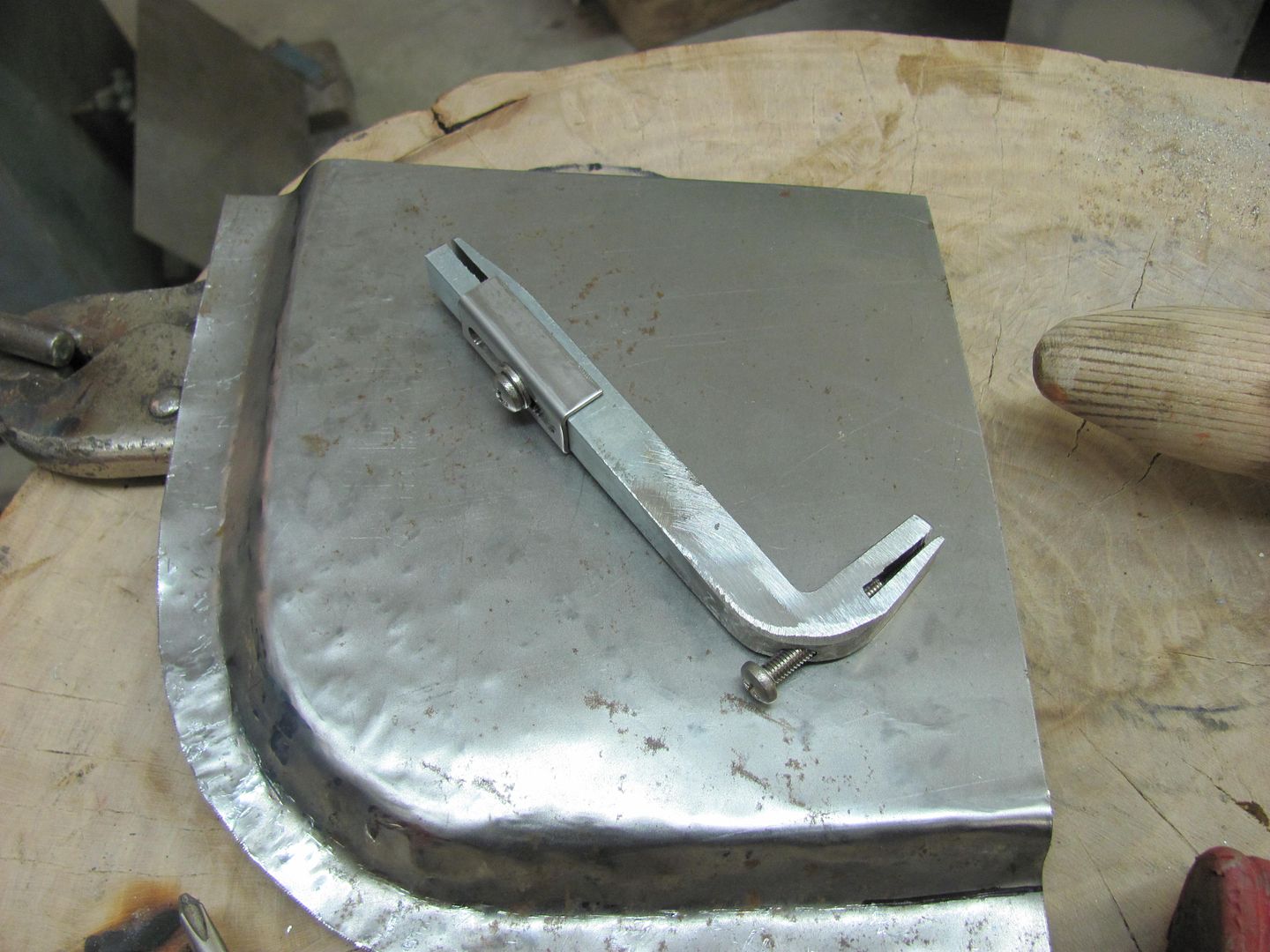
This is a tool for tipping flanges, as one would do on door skins or inner doors, offered as a low buck alternative for those who may only need a one-time/limited use of such a device. I started with 1/2" key stock, which came in a one foot length. The gave me enough material for two, if I ever get to finishing both. :D

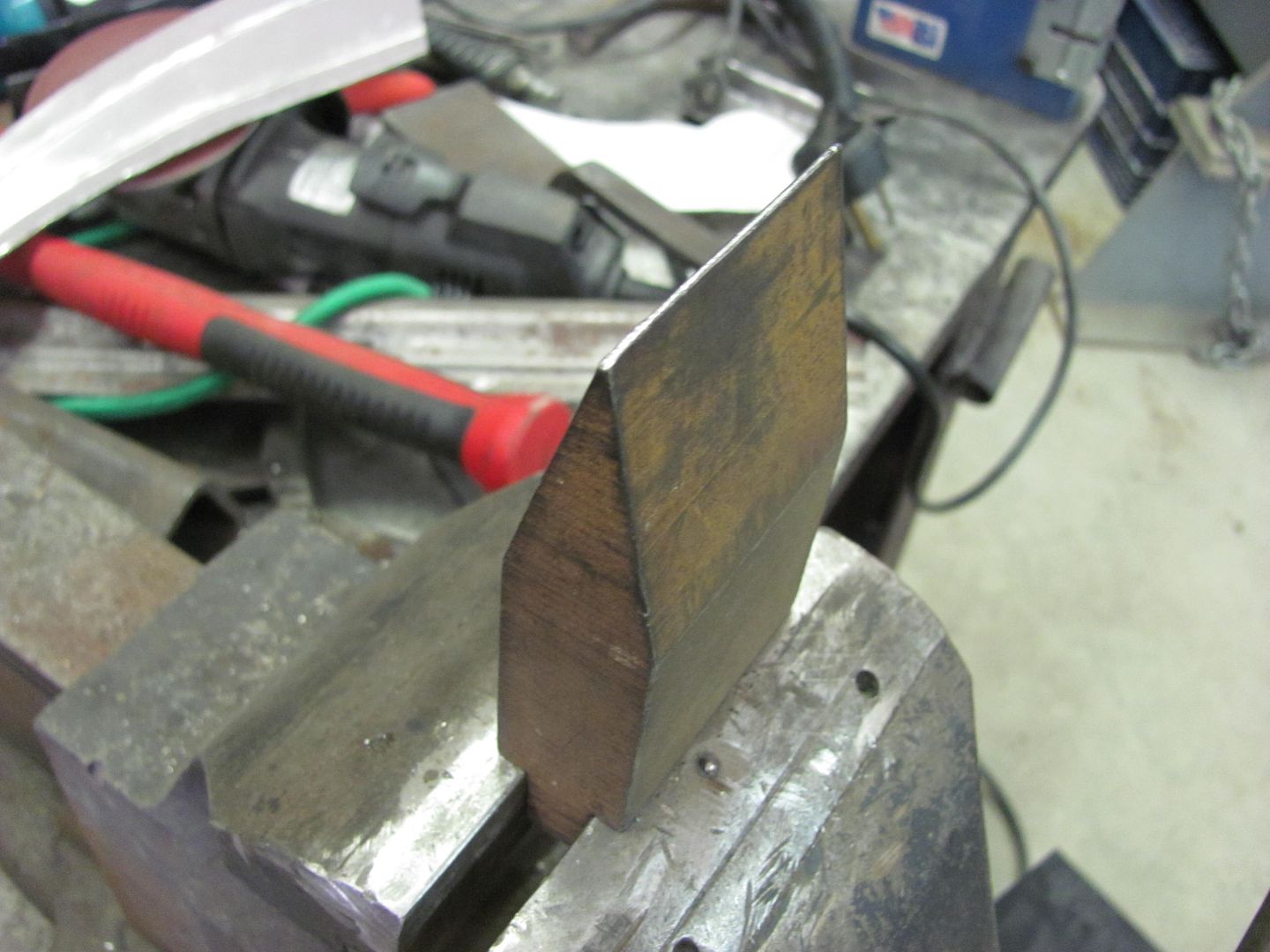
The short leg was marked at about 1-1/2" in, clamped in the vise, heated with a rosebud torch and persuaded to a 90 degree angle with a hammer.

Picture074-2.jpg


Used the bandsaw to cut some notches about an inch in. These should be about twice the thickness (or so) of the metal you plan on using, to allow some free play in using the device.

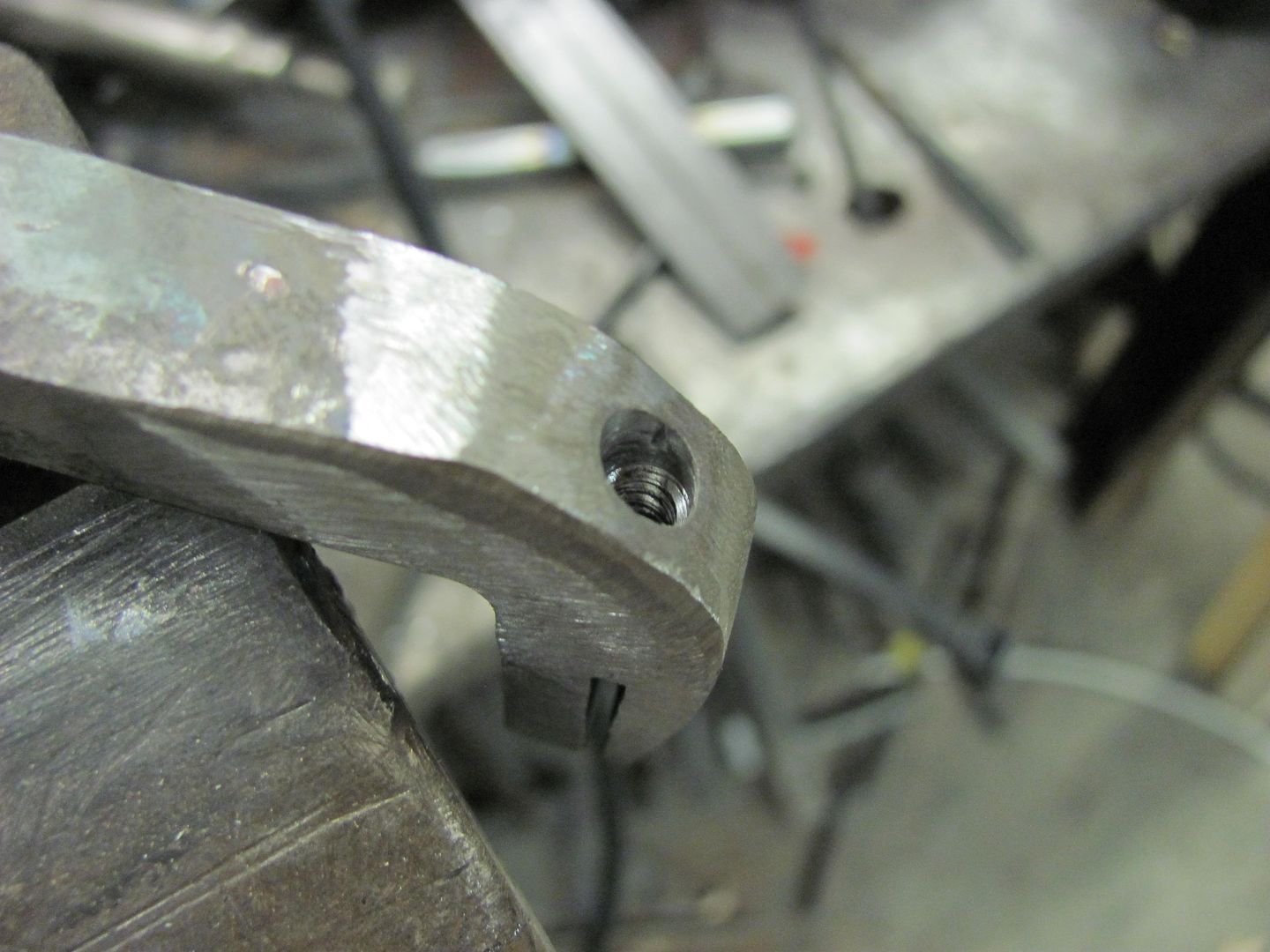
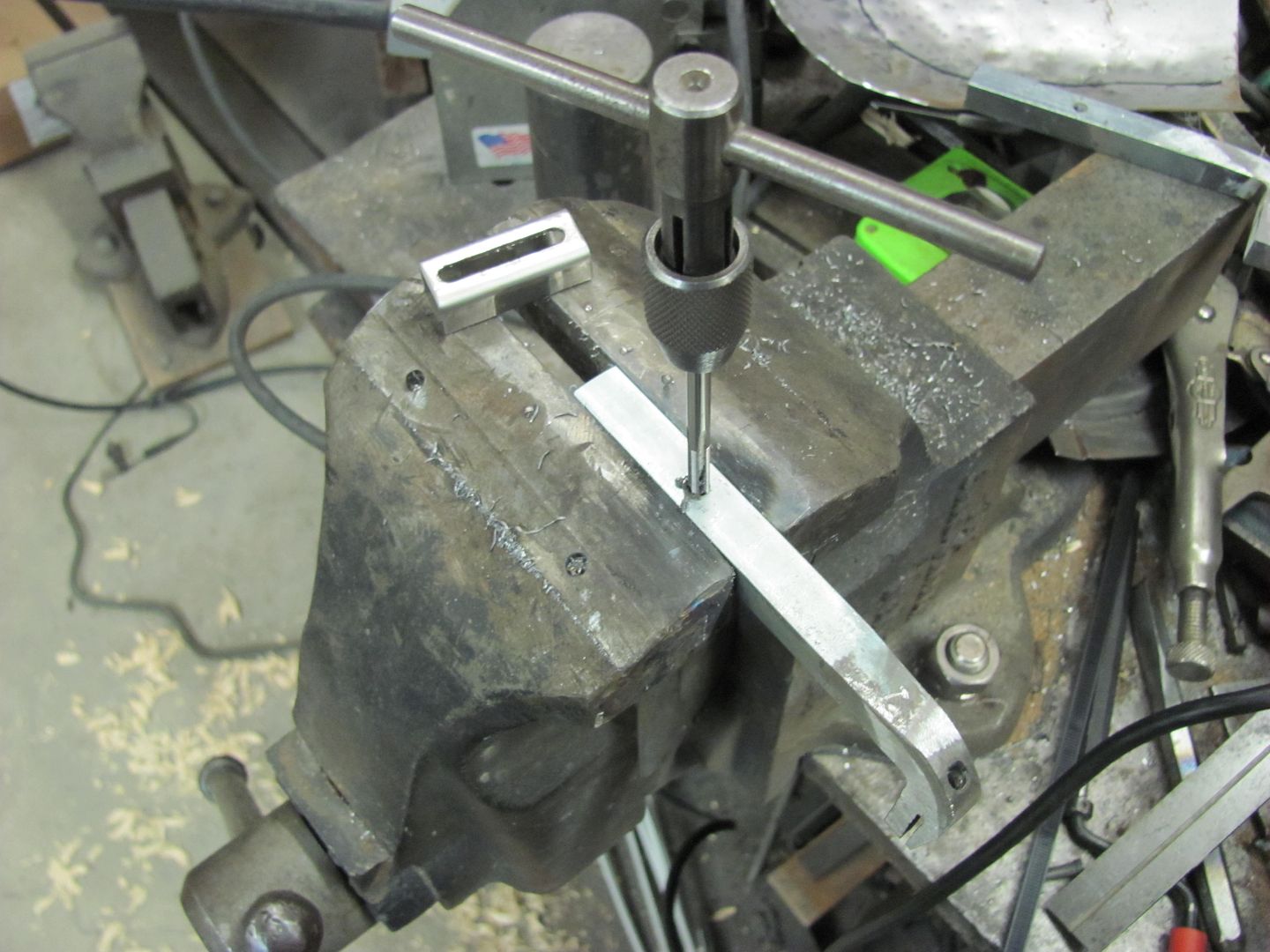
The short end had a #21 hole drilled through the slot and tapped for 10-32 screw to use as a "distance stop". The long end would use a tapped hole to secure a separate stop device.

Picture075-2.jpg


Picture076-2.jpg


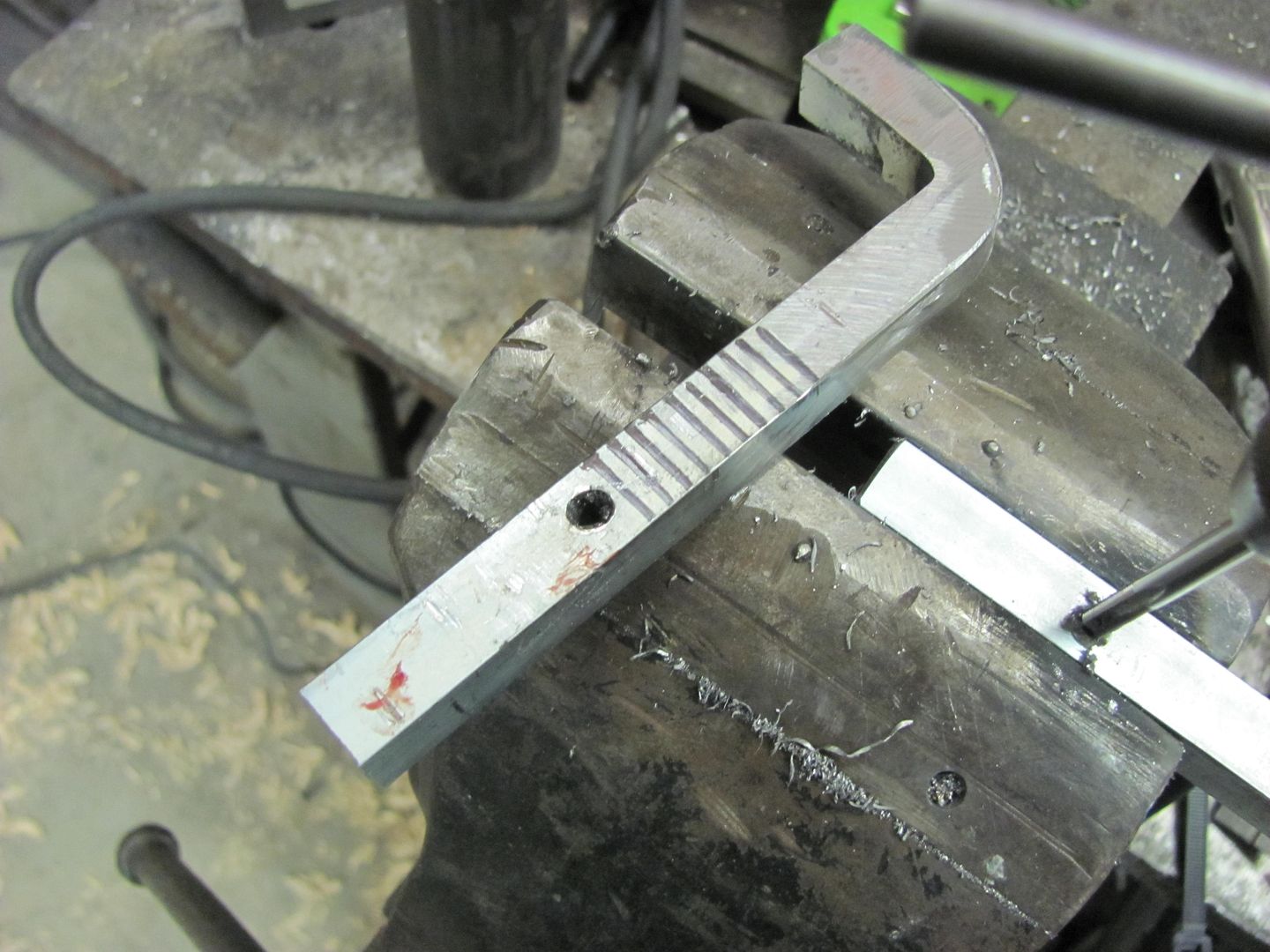
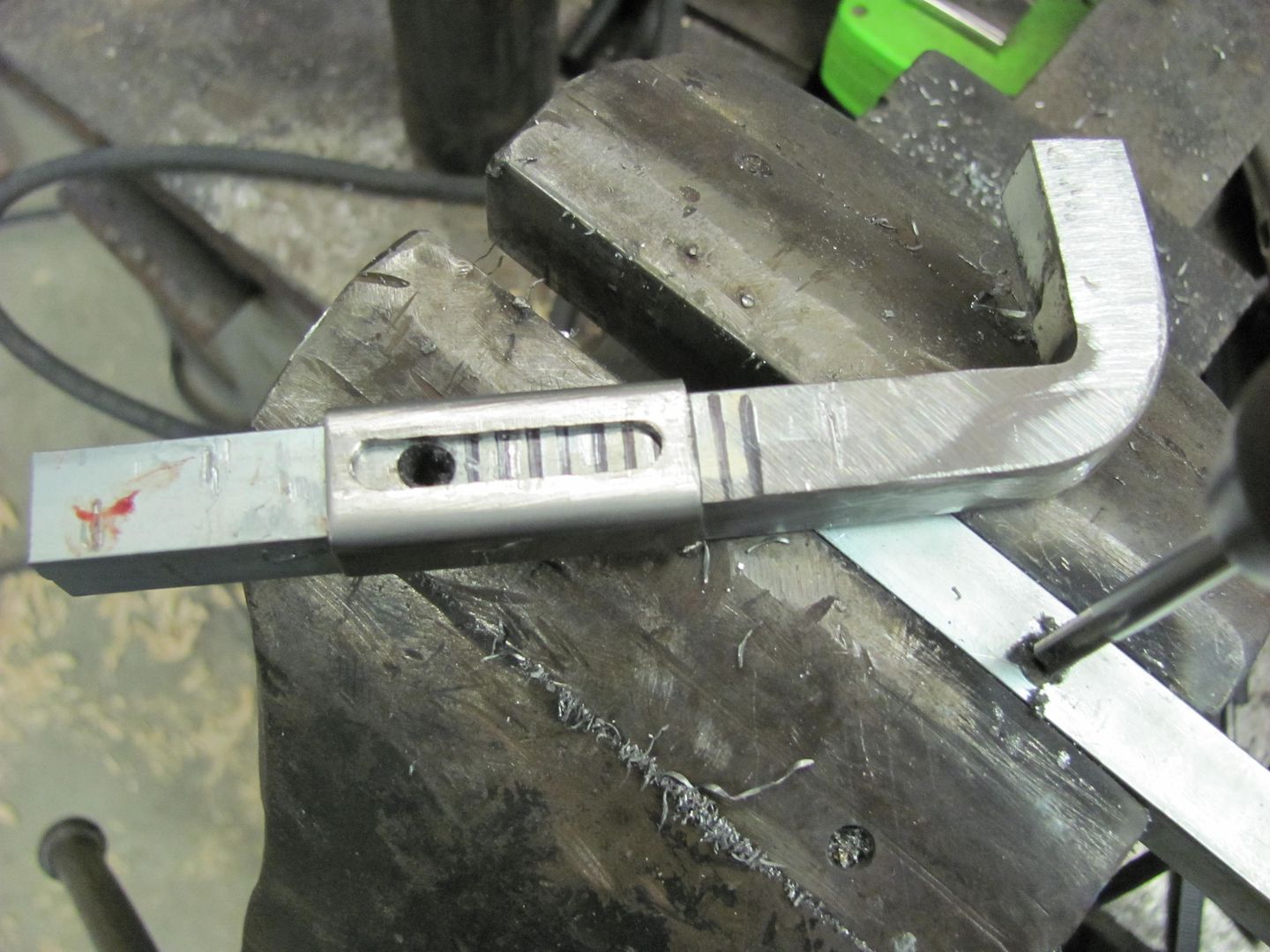
The second tool was used as a drilling/milling fixture for making the stop device for the long arm. A tight clearance hole was drilled centered on the 1/2 stock, a cap device was bent to fit snugly and come down the sides past the slot, and it was clamped in the vise at the various marks shown to start the slot. Although I neglected in-process pictures of this step, follow along with the descriptions.


Picture077-2.jpg


Picture078-2.jpg


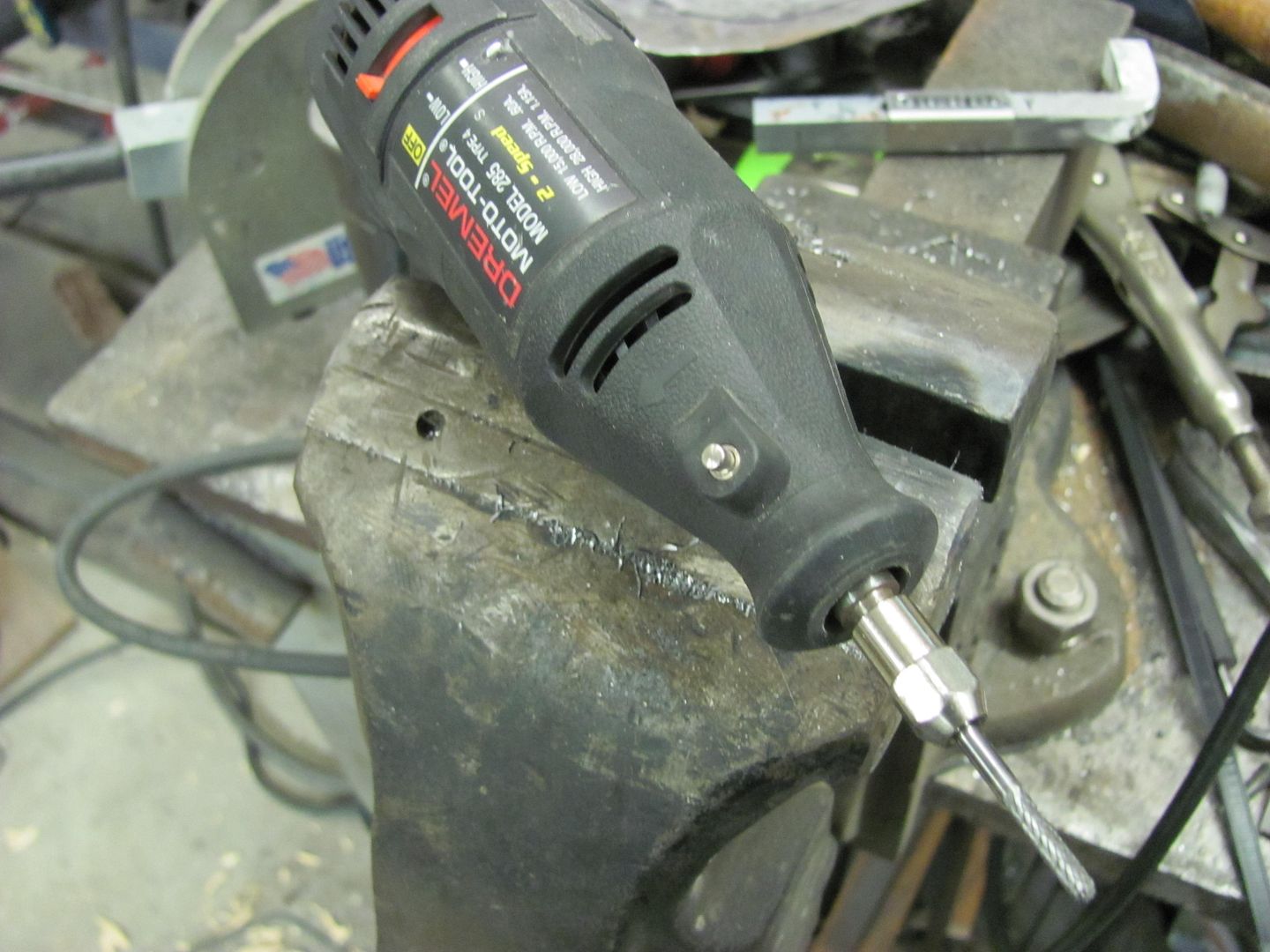
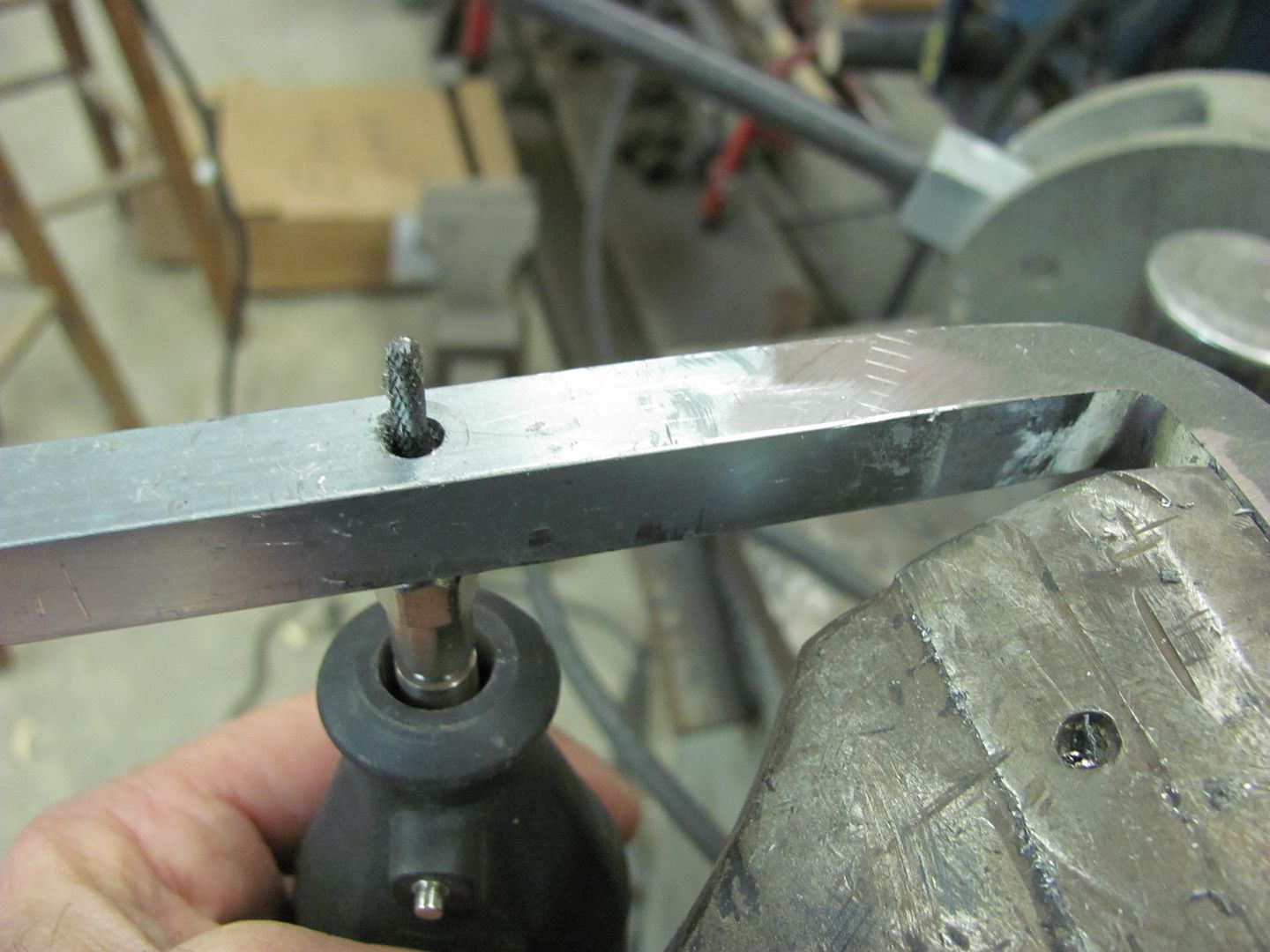
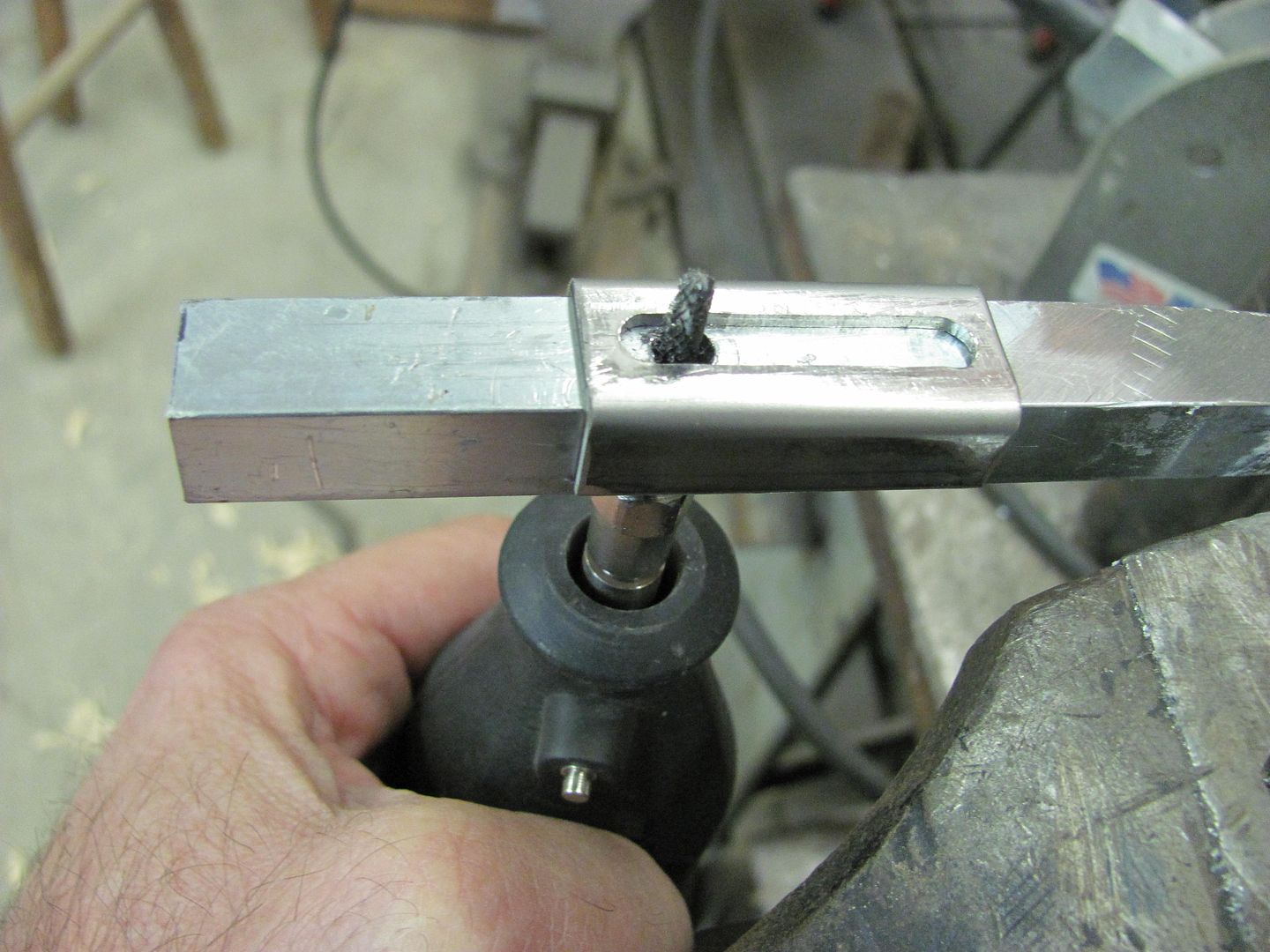
Then, to clean between the holes, a dremel with an 1/8 diameter ball end burr was used as a "milling" bit. Be sure to extend a good (safe) amount of the smooth side, so the cutter has less tendency to eat away at the drill guide. Then with the dremel bit inserted, place stop device over and work back and forth to open up the slotted hole. Repeat for other side of the slot, as this cutter is considerably smaller than our clearance hole.


Picture080-1.jpg


Picture082-1.jpg


Picture083-1.jpg


Use caution with moving fingers in close proximity of metal cutting devices, as I did draw a bit of blood (note pictures 4 and 5). Your results may vary, better or worse, so take appropriate precautions. (have band-aids handy or 911 pre-dialed, depending on how your luck runs)


Short 10-32 screw and washer added to secure the stop at dimension desired.


Picture085-1.jpg


Picture086-1.jpg


Here's an "inner door" sample I whipped up real quickly, sorry for the lack of detail :D


Picture087.jpg


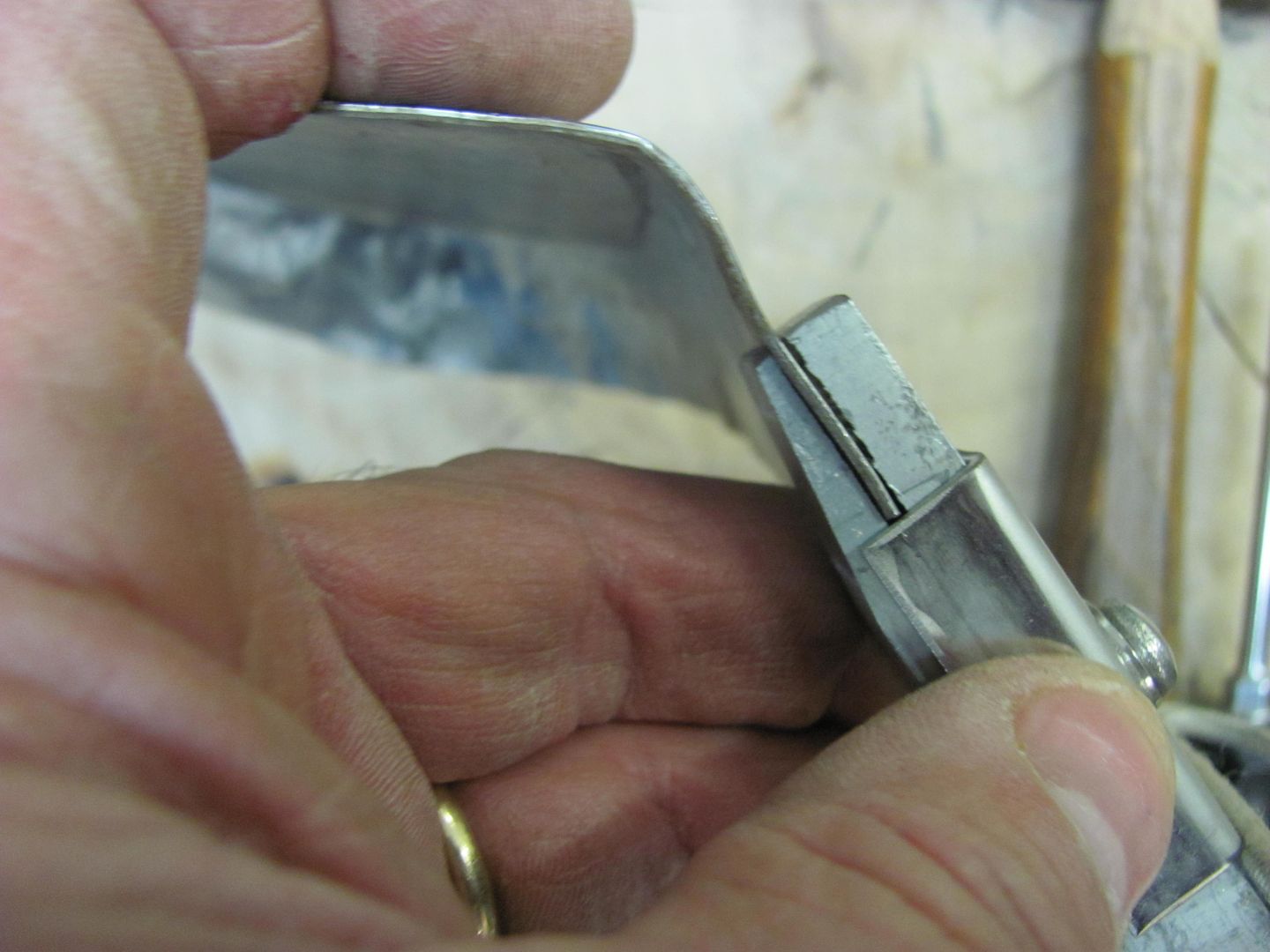
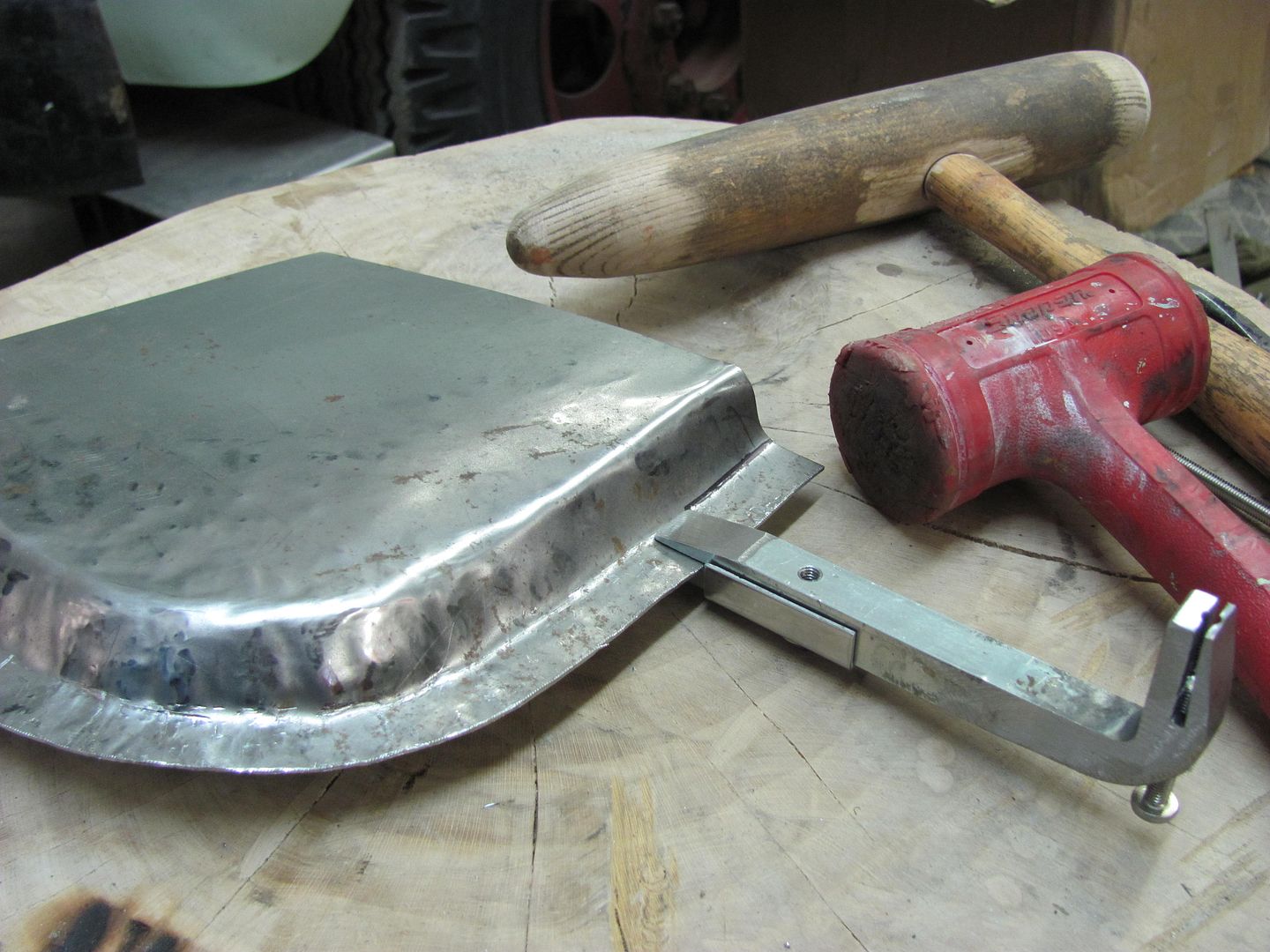
After panel and folded edge is cut to correct size for the application, mark desired flange width and adjust tool stops accordingly.

Picture088.jpg


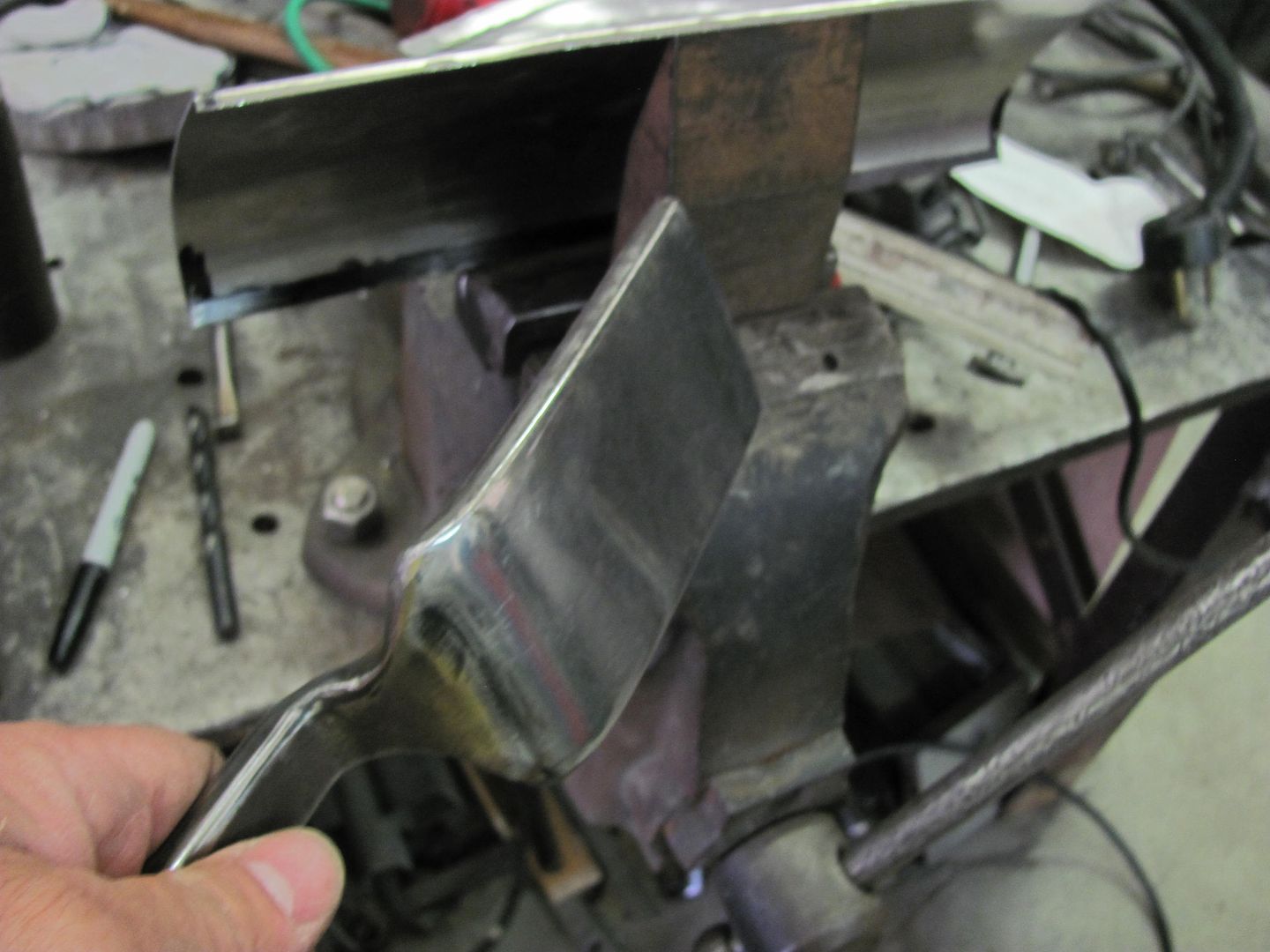
Bend slightly, working from one end to the other. Repeat repeatedly.

Picture089.jpg


Two-ended tool allows you to use whichever end provides best leverage.


Picture090.jpg


Picture091-1.jpg


All ready for the "door skin" ............


Picture093-1.jpg
 
Last edited:

ChevyShak

Member
Joined
Jan 3, 2013
Messages
17
Location
Chester, IL
Started with this on my blazer

IMGA0912.jpg


IMGA0913.jpg


IMGA0914.jpg


IMGA0915.jpg


and ended with this

I used a metal brake for this piece
IMGA0925.jpg


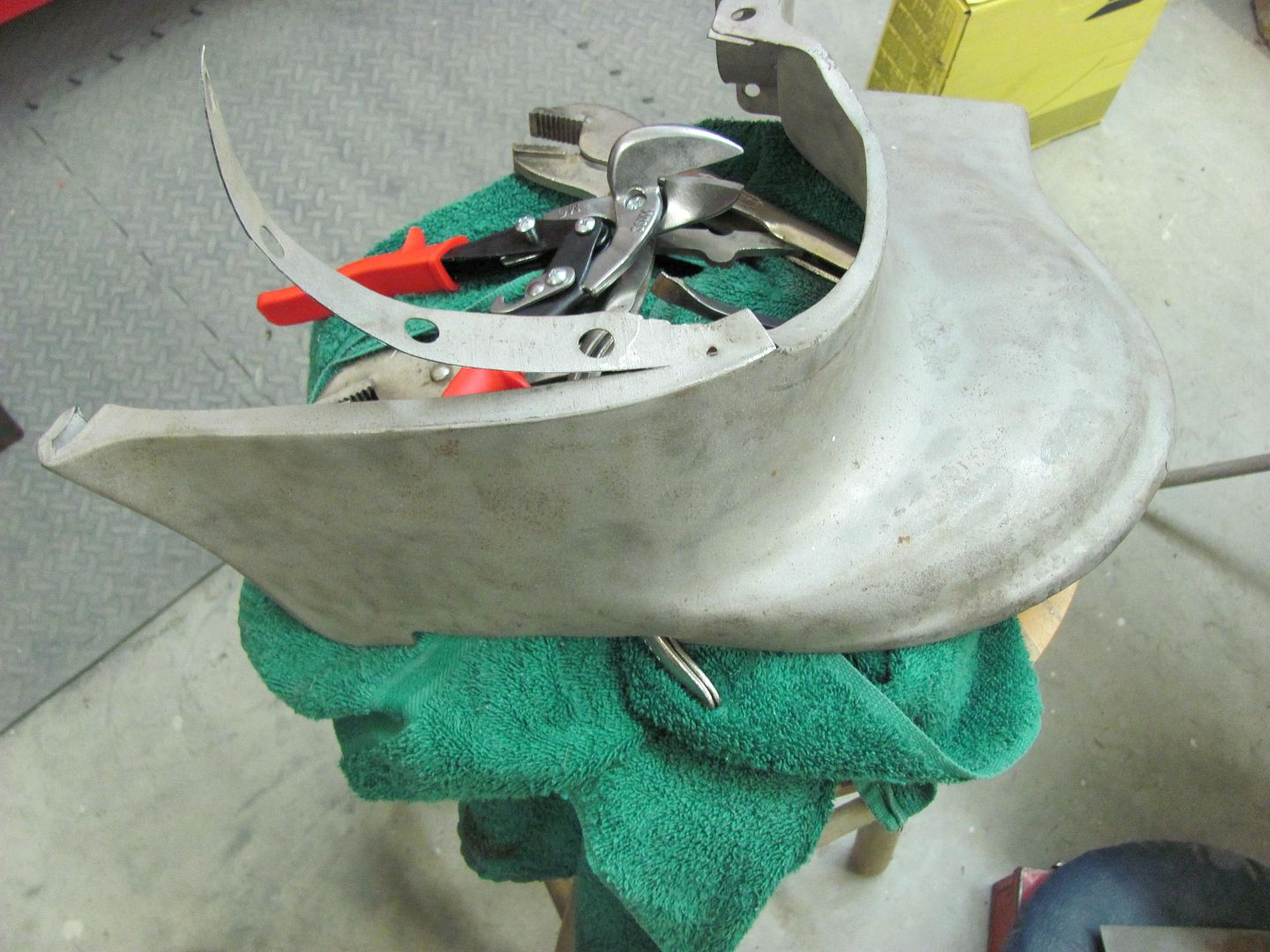
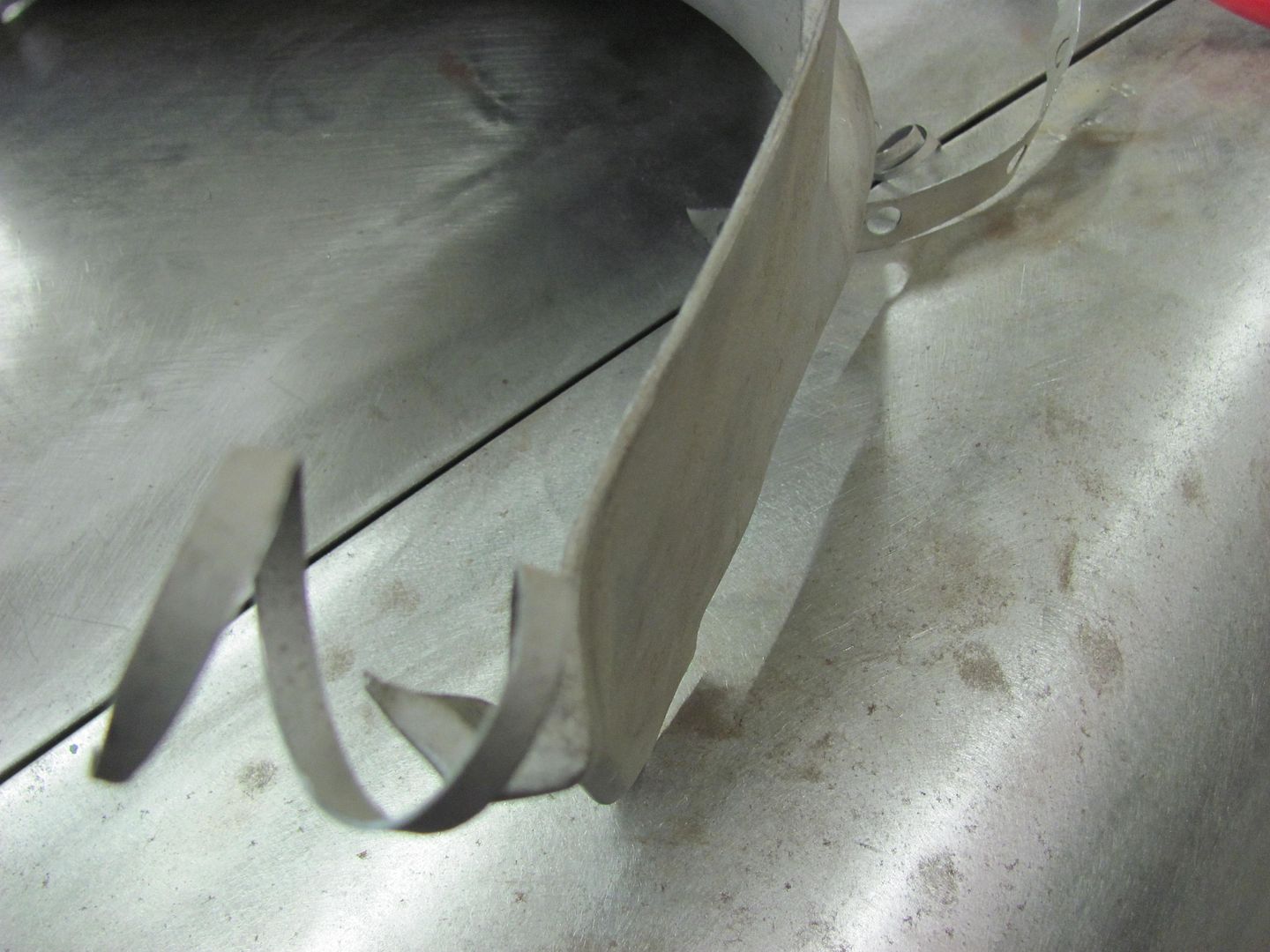
I ran the piece long and with some clever pie snips, formed the end of it.
IMGA0926.jpg


hand formed wheel well piece
IMGA0927.jpg


IMGA0928.jpg


IMGA0929.jpg


IMGA0930.jpg


used 1/4 panel to replace the bent 1/4 from a side roll over (not of my doing. Ebay find)
IMGA0920.jpg


IMGA0921.jpg


IMGA0922.jpg


IMGA0932.jpg


Thinking back, I should have coated it with por-15 before welding the 1/4 on. I didn't have any and the idea didn't strike me til later.
 
Last edited:

Tucko

Well-known member
Joined
Jul 28, 2012
Messages
1,650
Location
Whittier, Ca
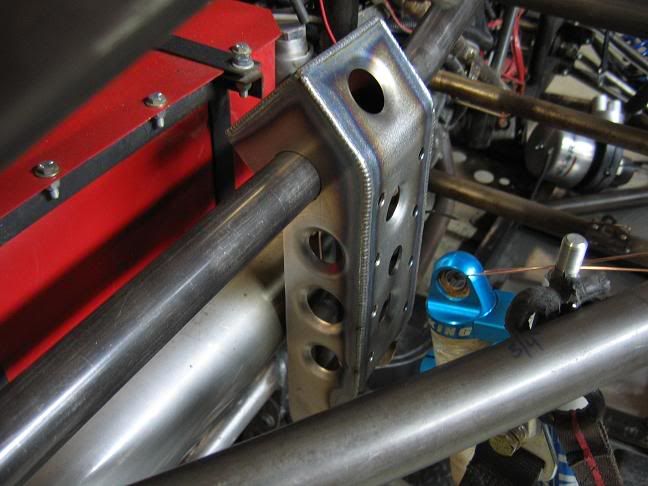
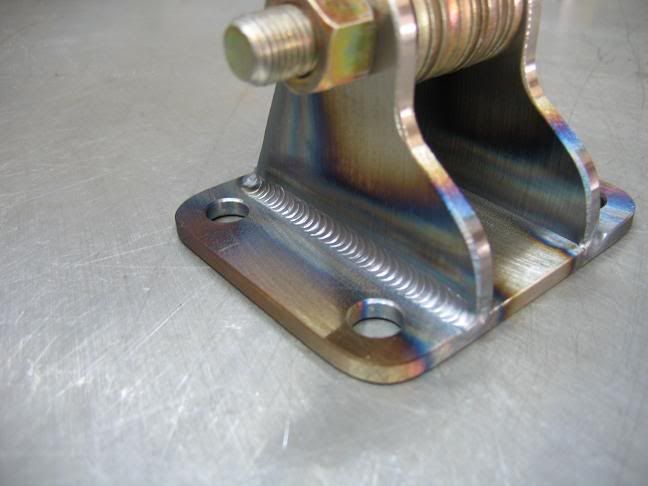
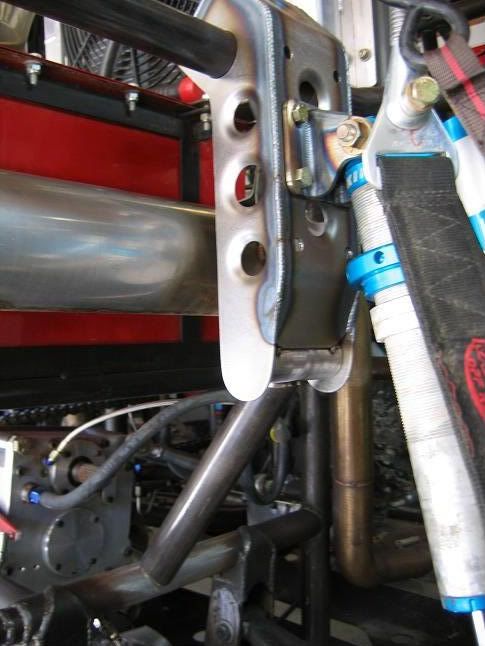
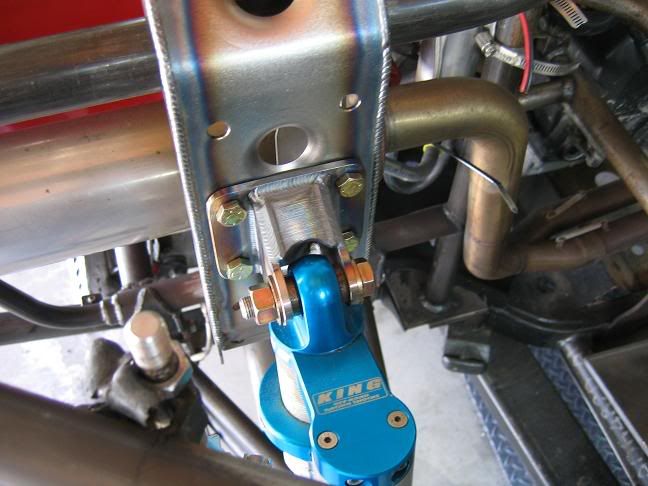
Here's some more work from the R1 Rhino.

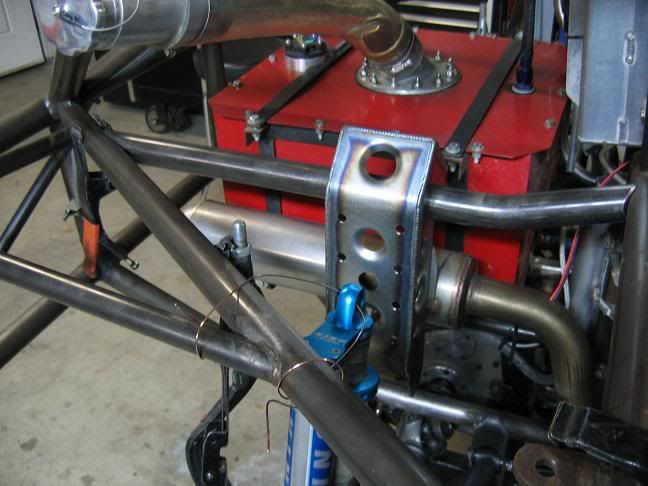
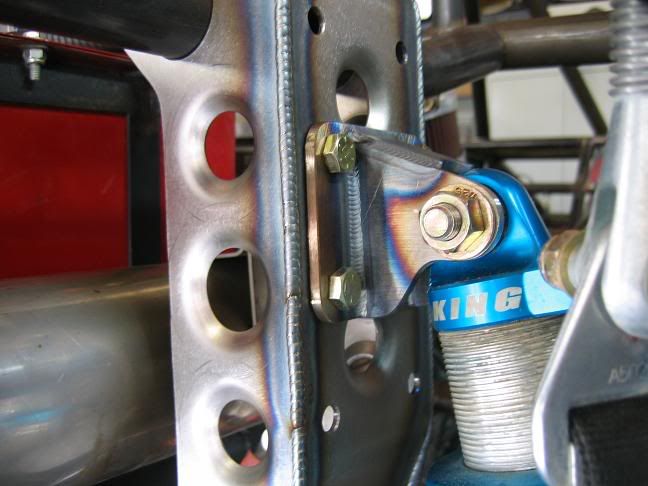
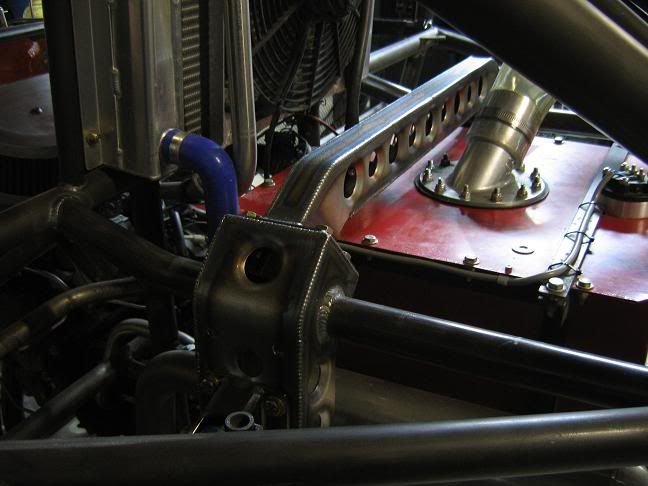
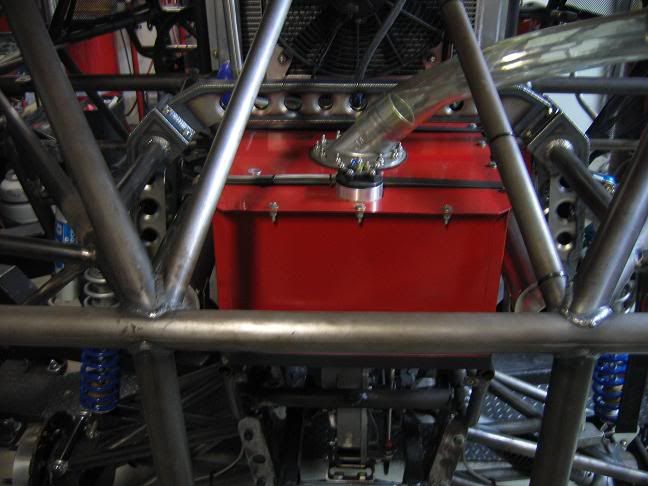
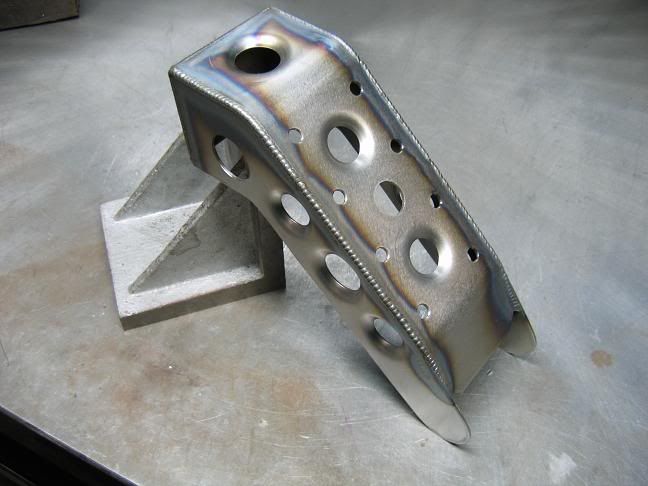
I had to redo the rear shock mounts since the guy that built the chassis didn't know how to.

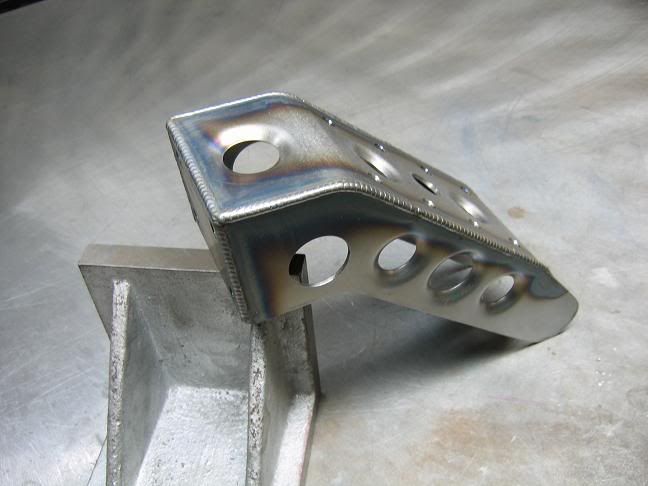
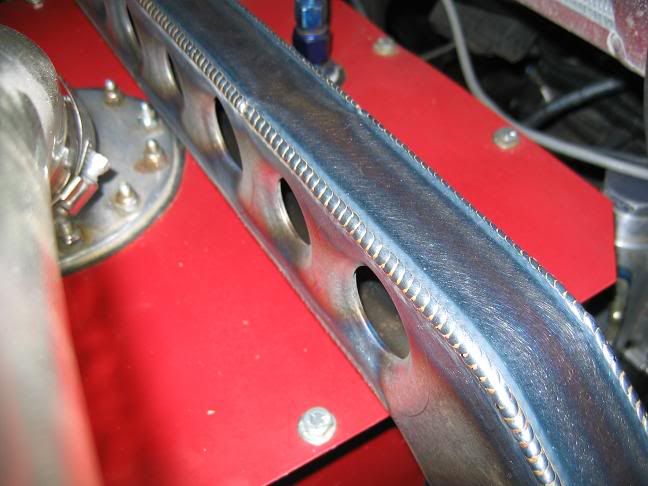
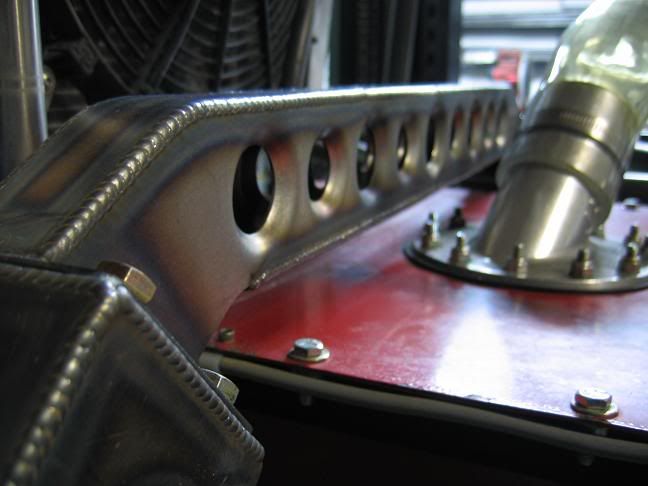
All pieces were either hand cut on my band saw or on my shear and dimpled using my JMR dimple dies. The shock tabs are 3/16" CRS and are TIG welded. The shock mounts and cross brace are all 11ga CRS are MIG welded.

The Shock mounts:
IMG_2409.jpg


IMG_2406.jpg


IMG_2394.jpg


IMG_2396.jpg


The Shock Tabs:

IMG_2411.jpg


IMG_2404.jpg


IMG_2402.jpg


IMG_2405.jpg


The Cross Brace:
IMG_2418.jpg


IMG_2419.jpg


IMG_2420.jpg


IMG_2423.jpg


IMG_2425.jpg


IMG_2429.jpg

Those are some mighty impressive looking welds...
 

MP&C

Well-known member
Joined
Oct 21, 2009
Messages
4,396
Location
Leonardtown, MD
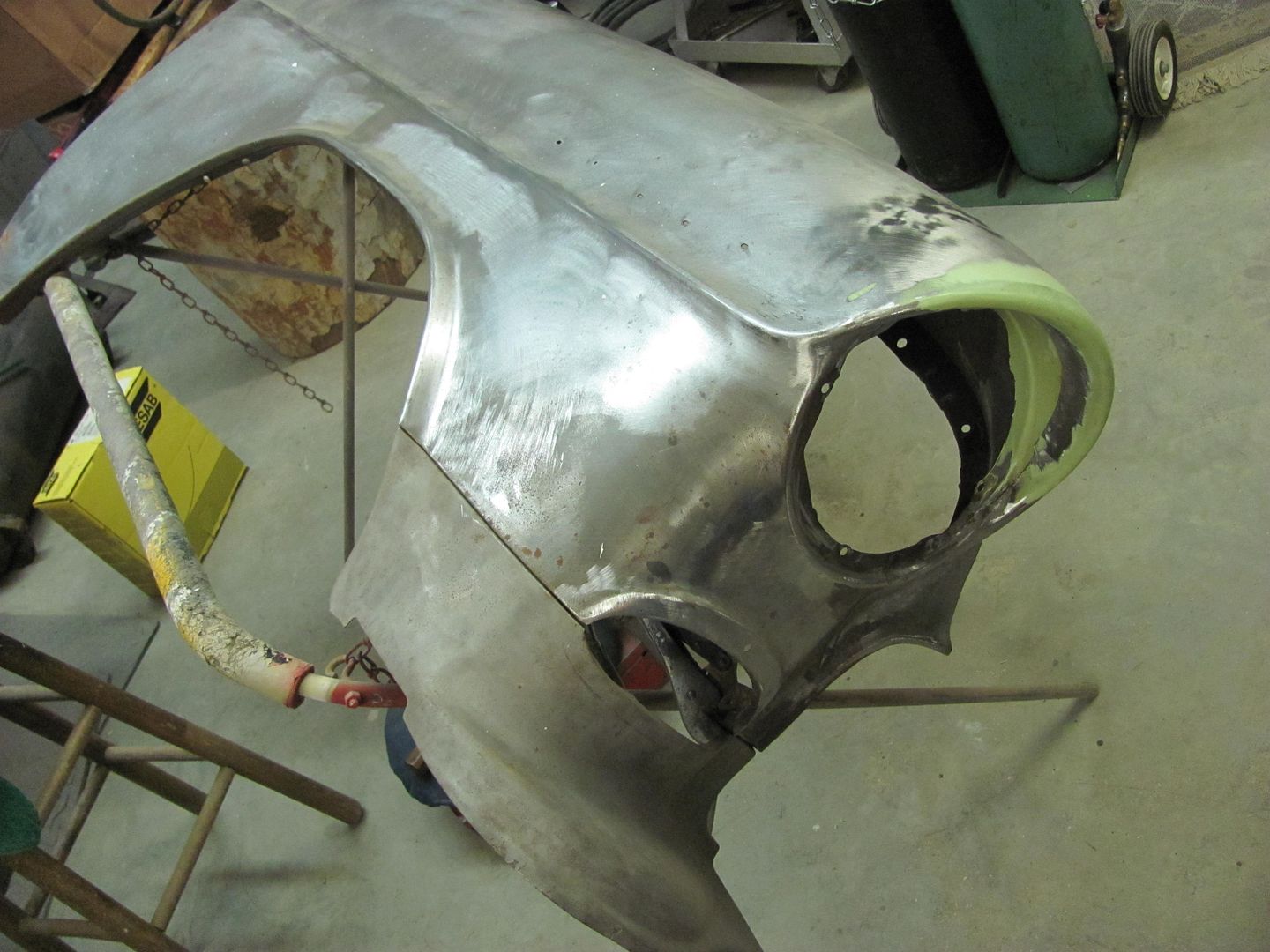
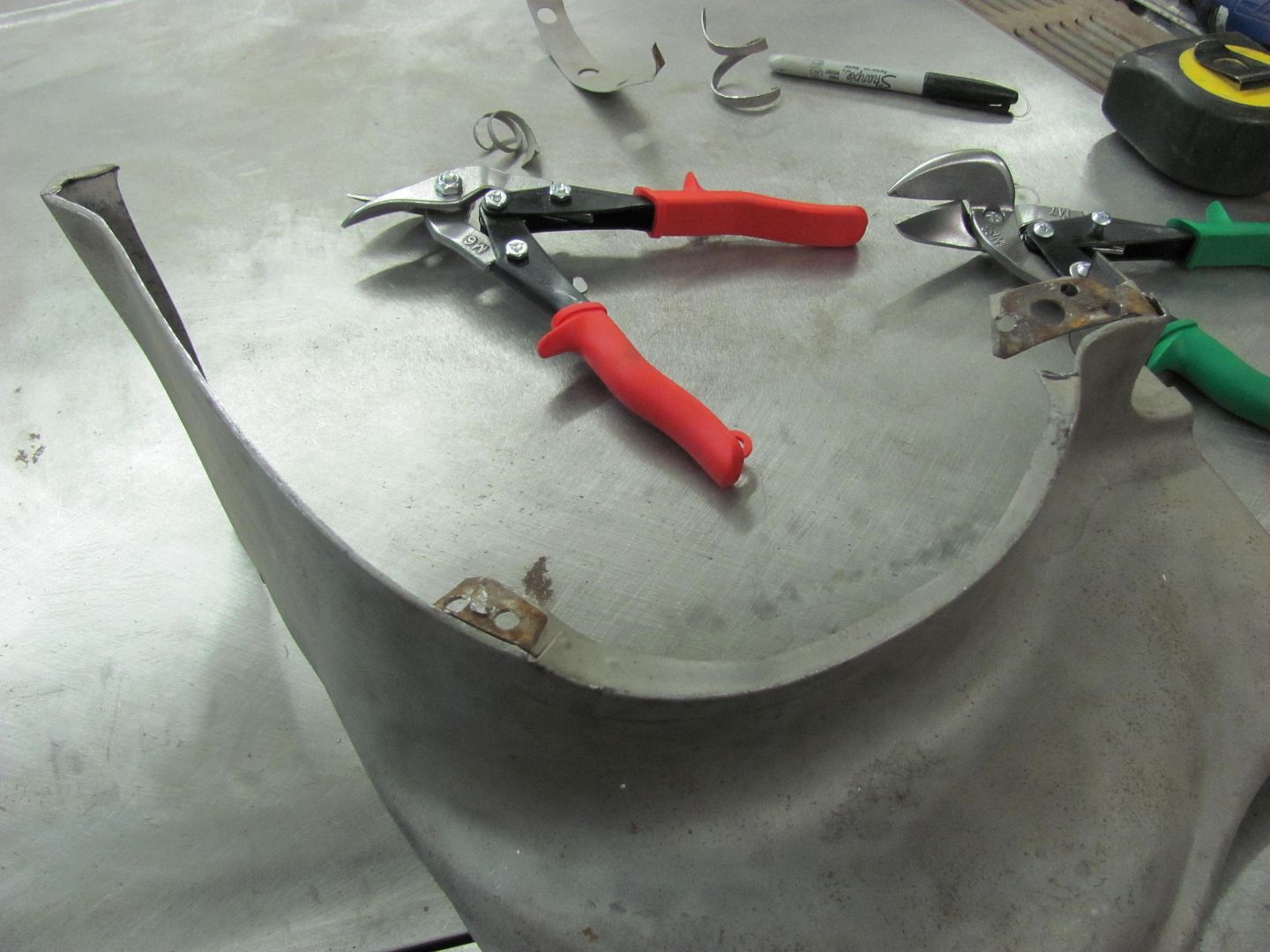
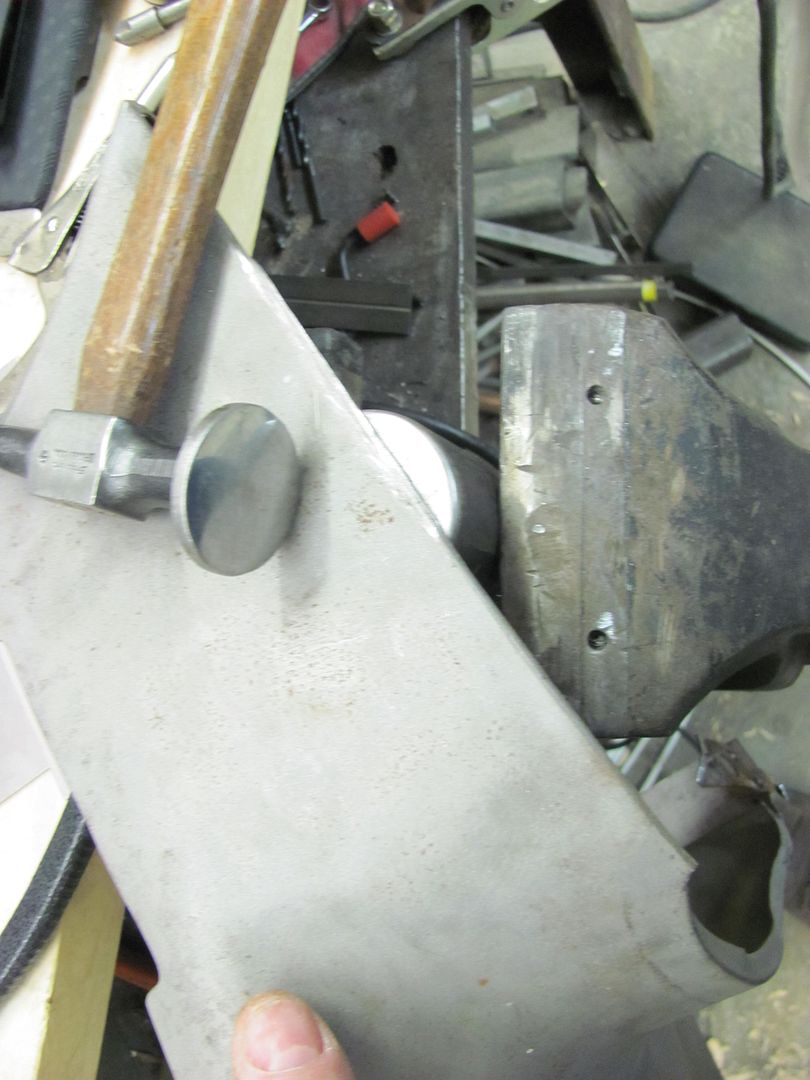
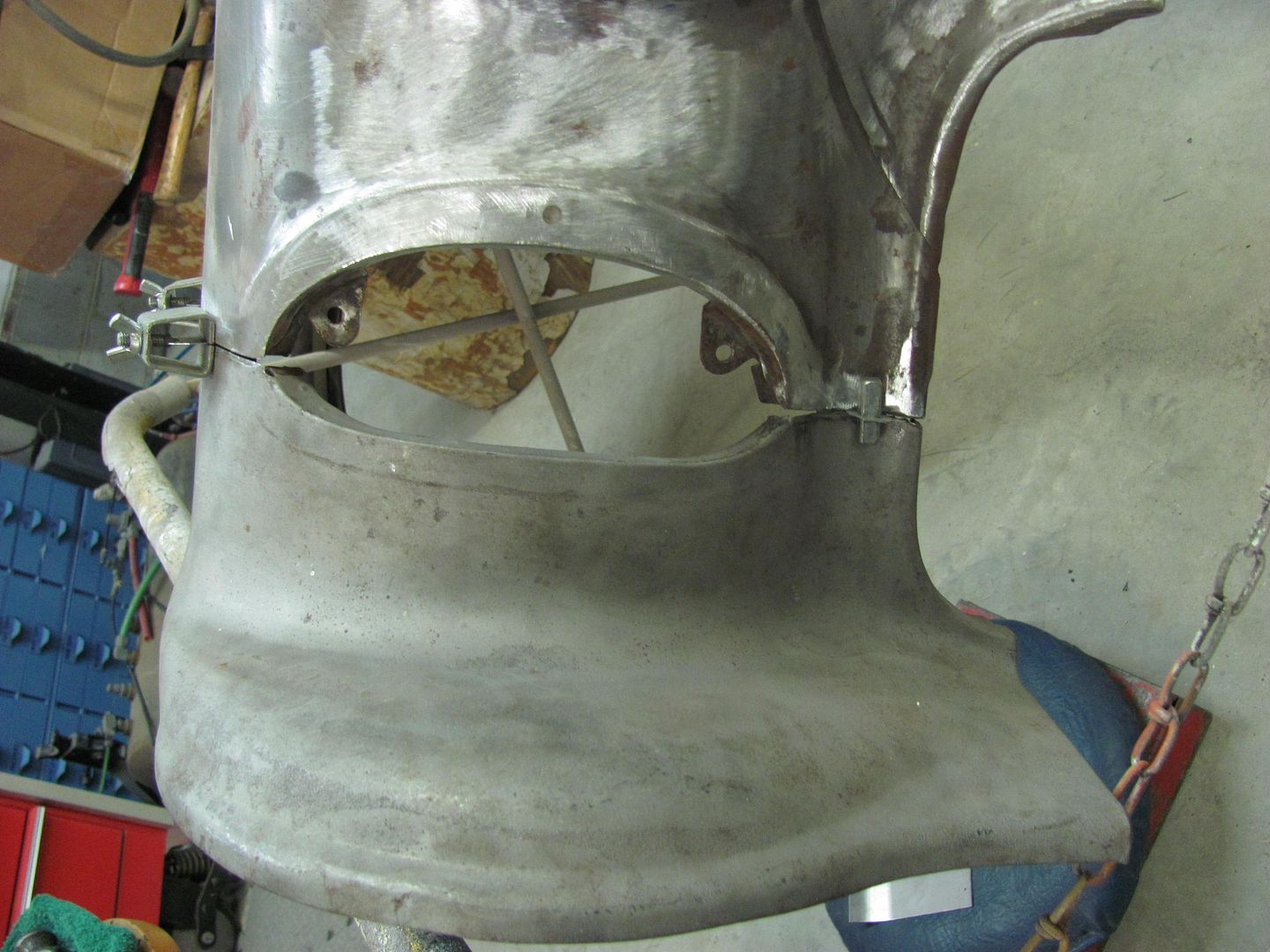
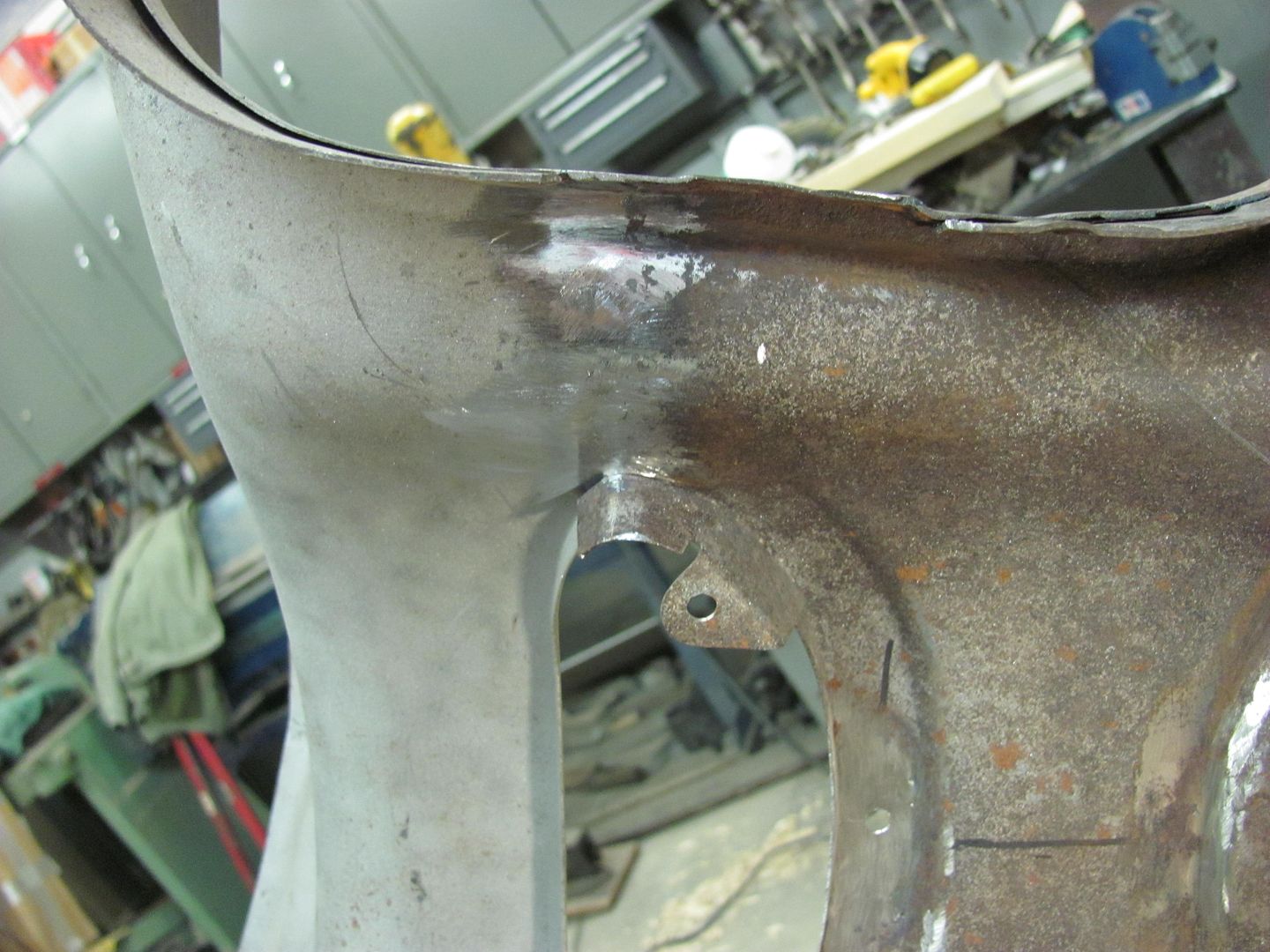
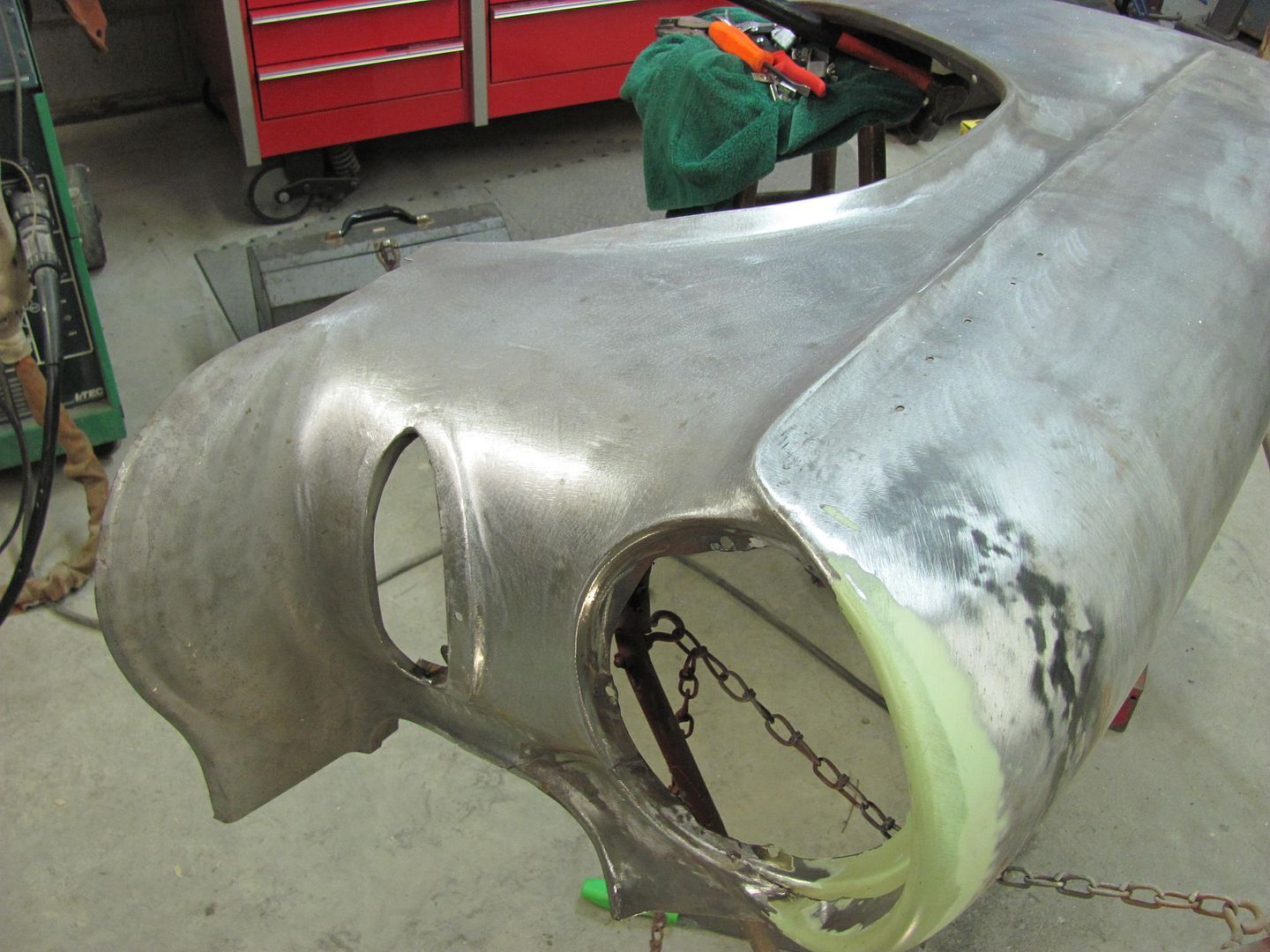
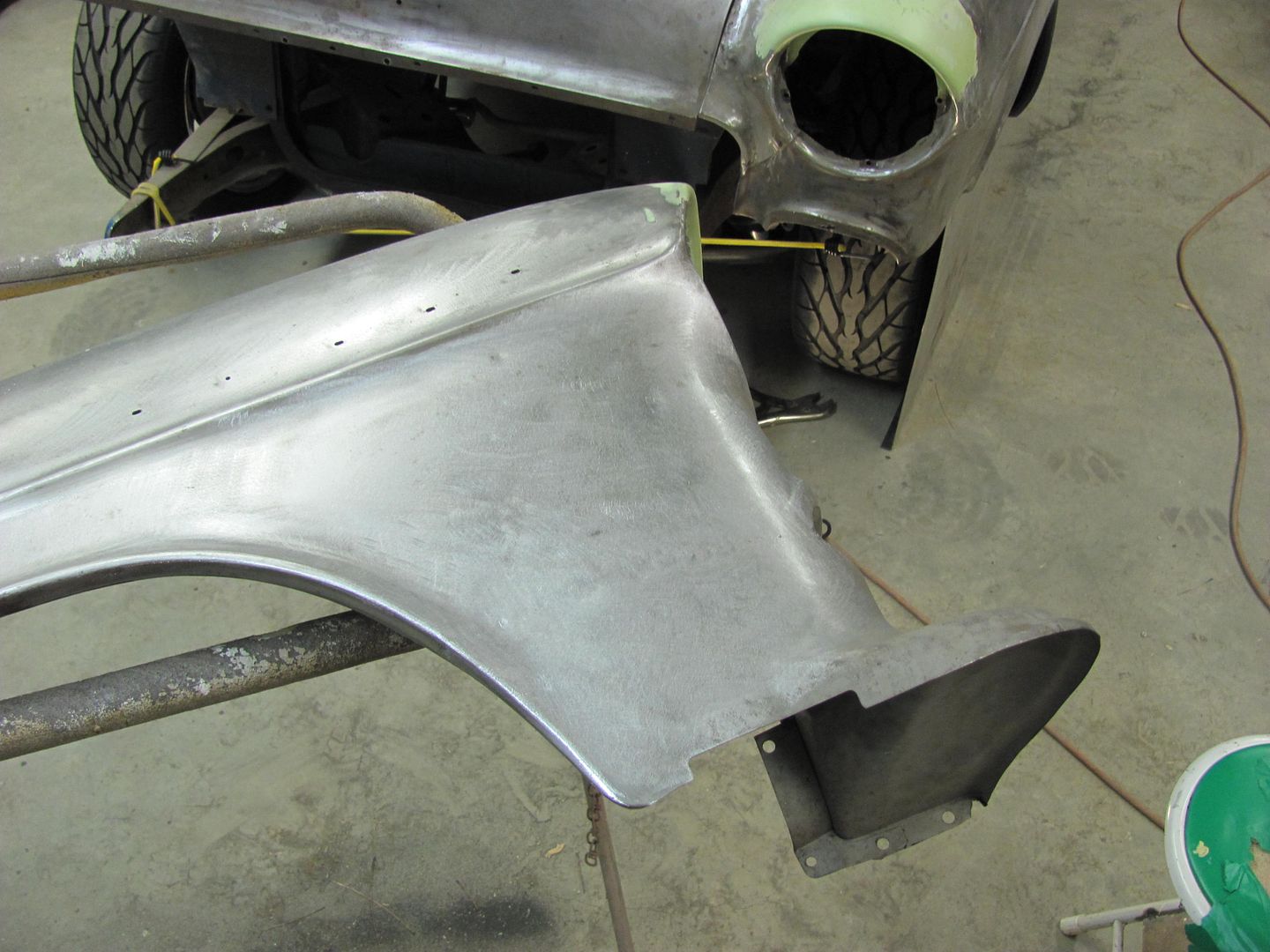
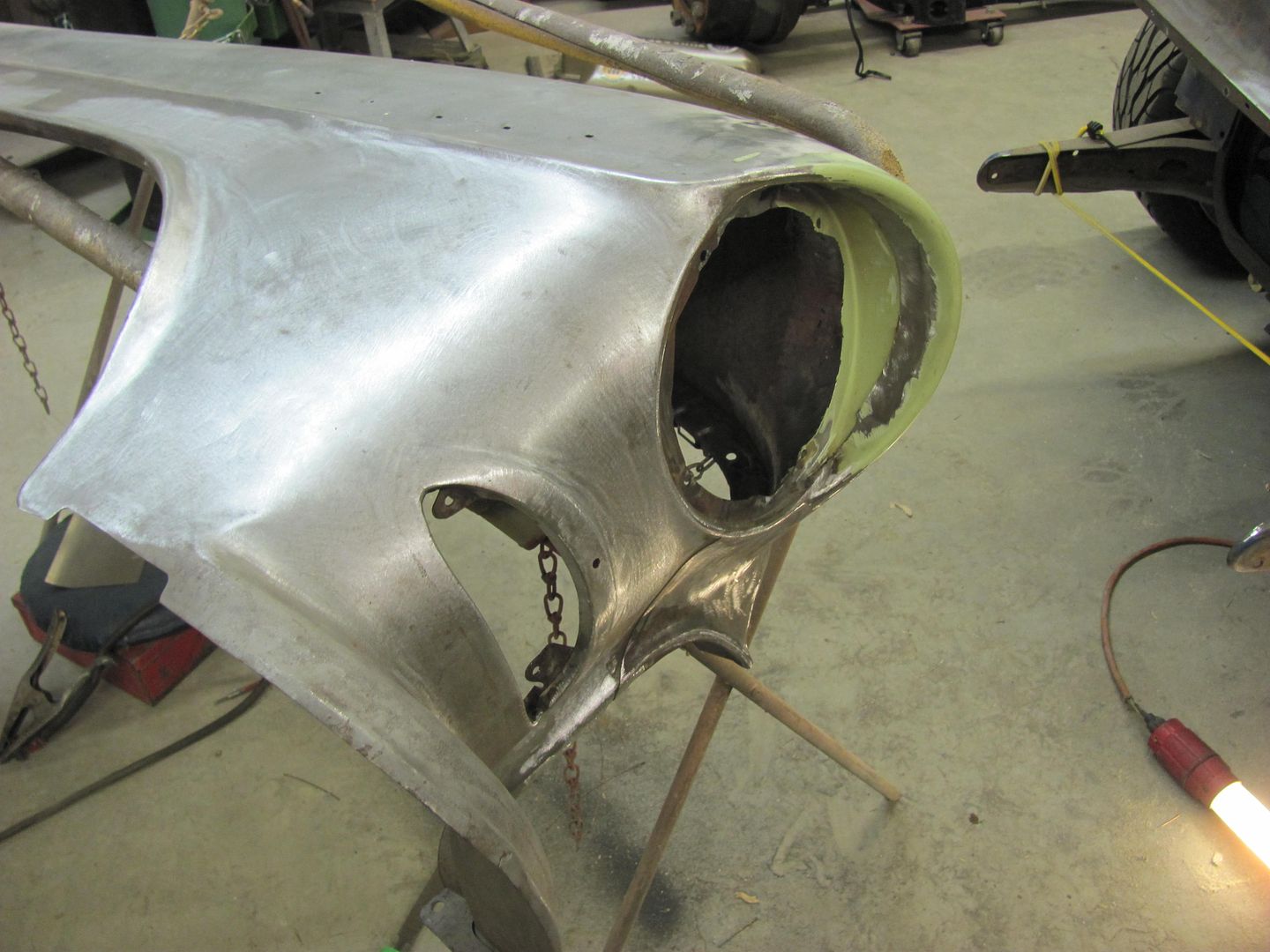
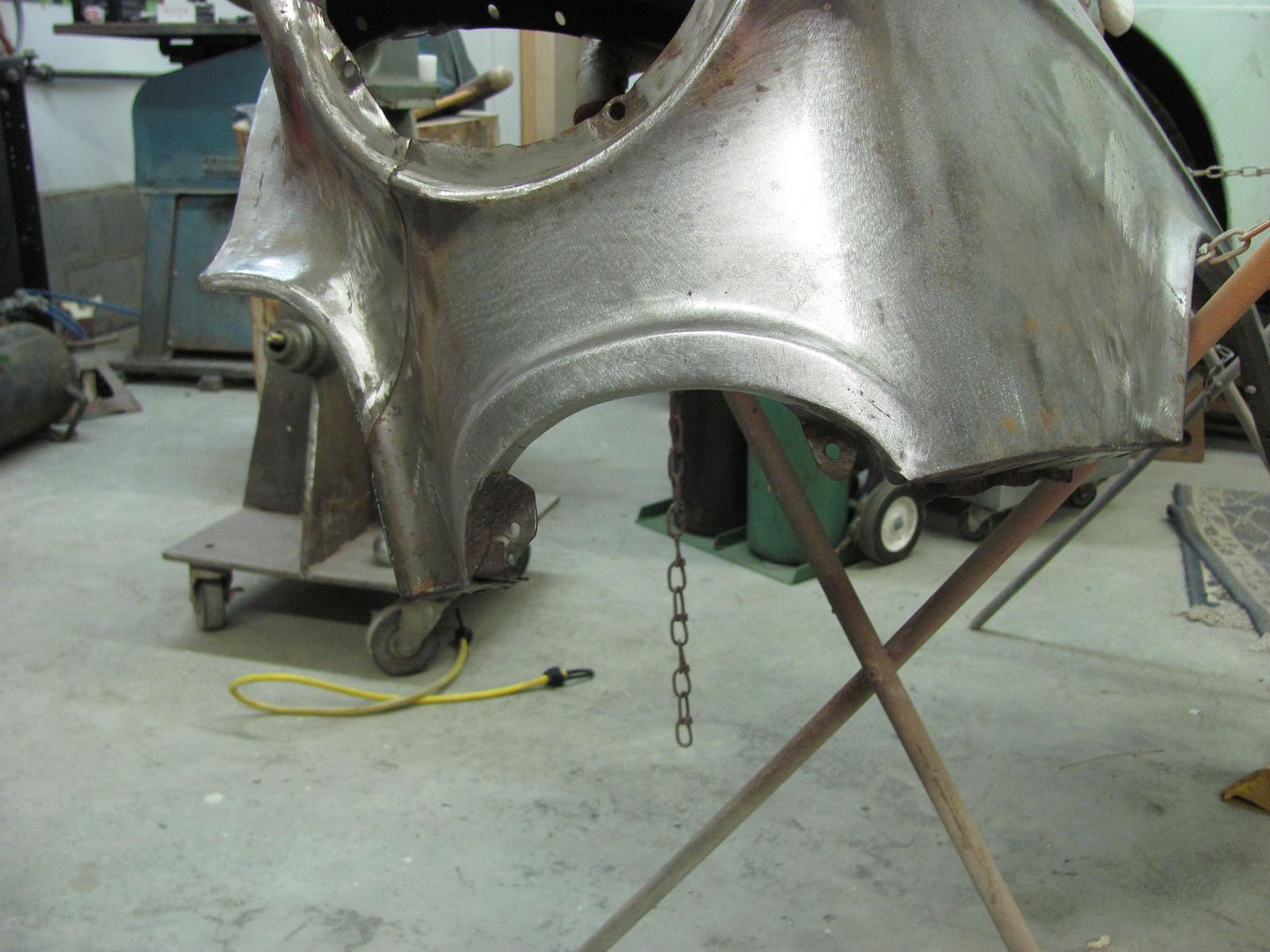
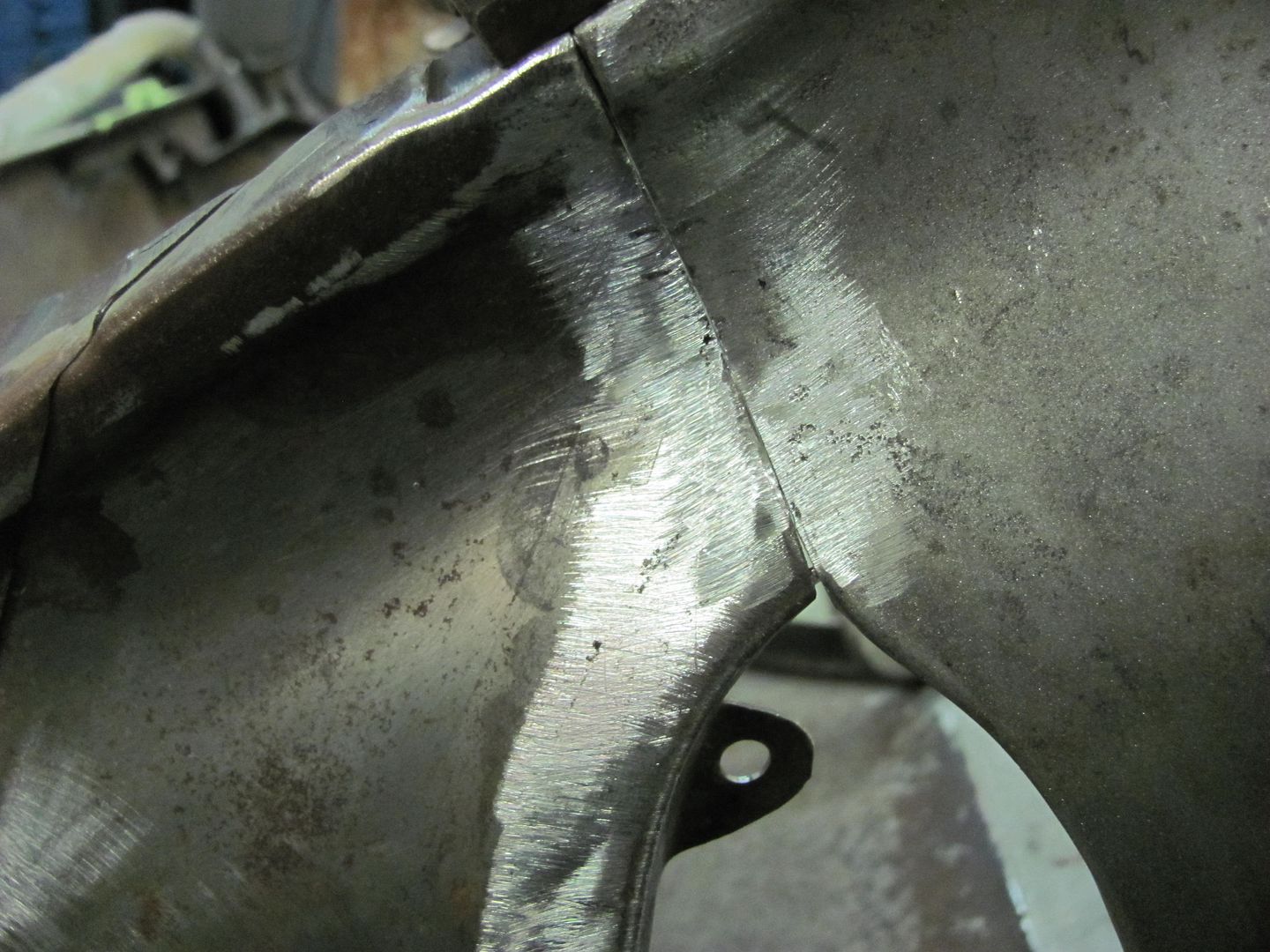
This is a mod I had discussed with the owner quite a while back, and she asked about it again last week, so I guess we're on the hook to shave some fender seams..


Picture038-1.jpg


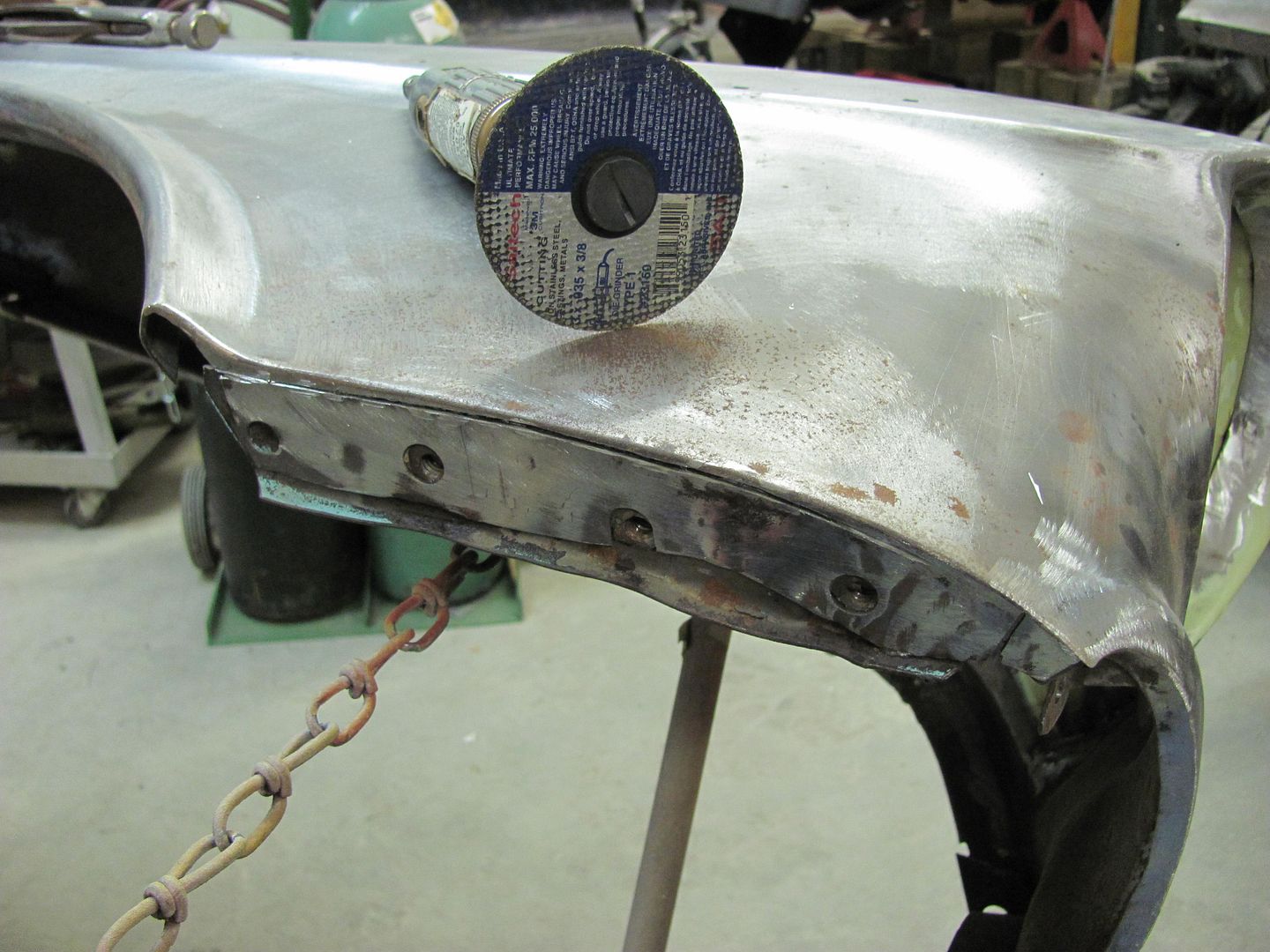
The bolting plates are cut out of the way, and the folded flange is trimmed, leaving a bit of extra to allow for fine tuning the weld joint.


Picture039-1.jpg


Picture040-1.jpg


Picture044-1.jpg


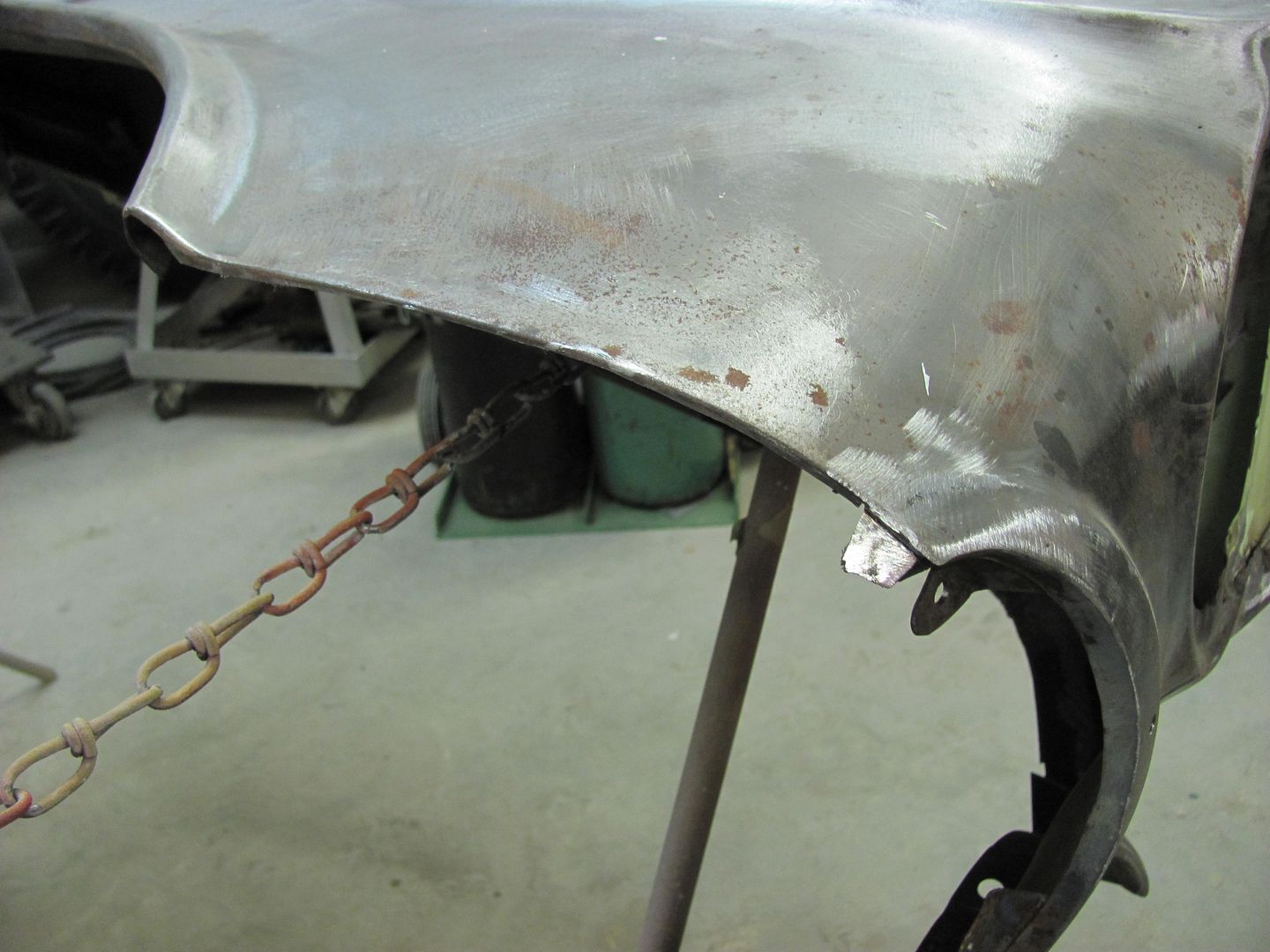
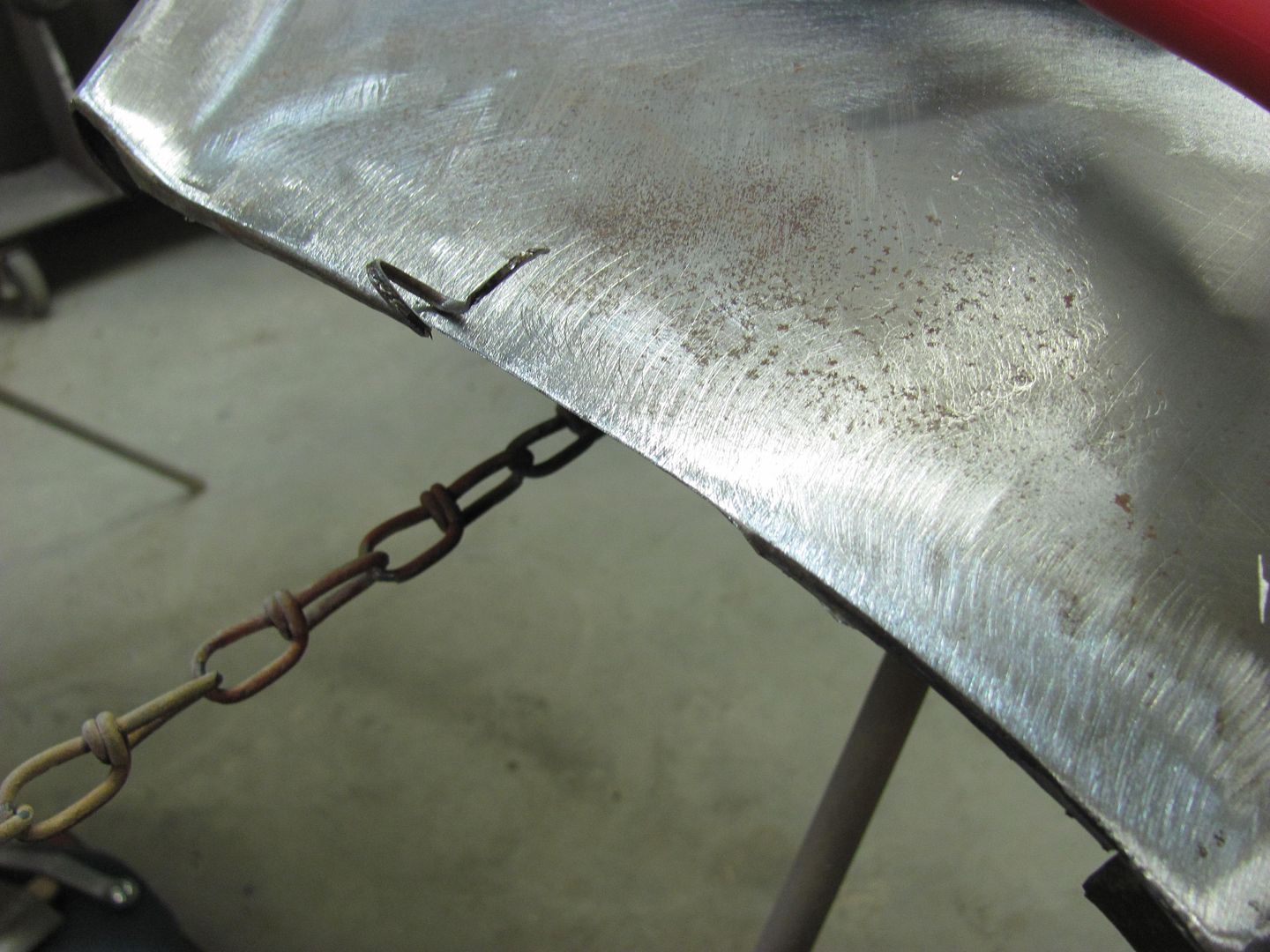
Bottom of the fender is cut loose from the bolting plate using the cutoff wheel. Then sanding the face of the fender leaves a contrast at the bend of the flange for a good guide for trimming with snips....


Picture045-1.jpg


Picture046-1.jpg


Picture049-1.jpg


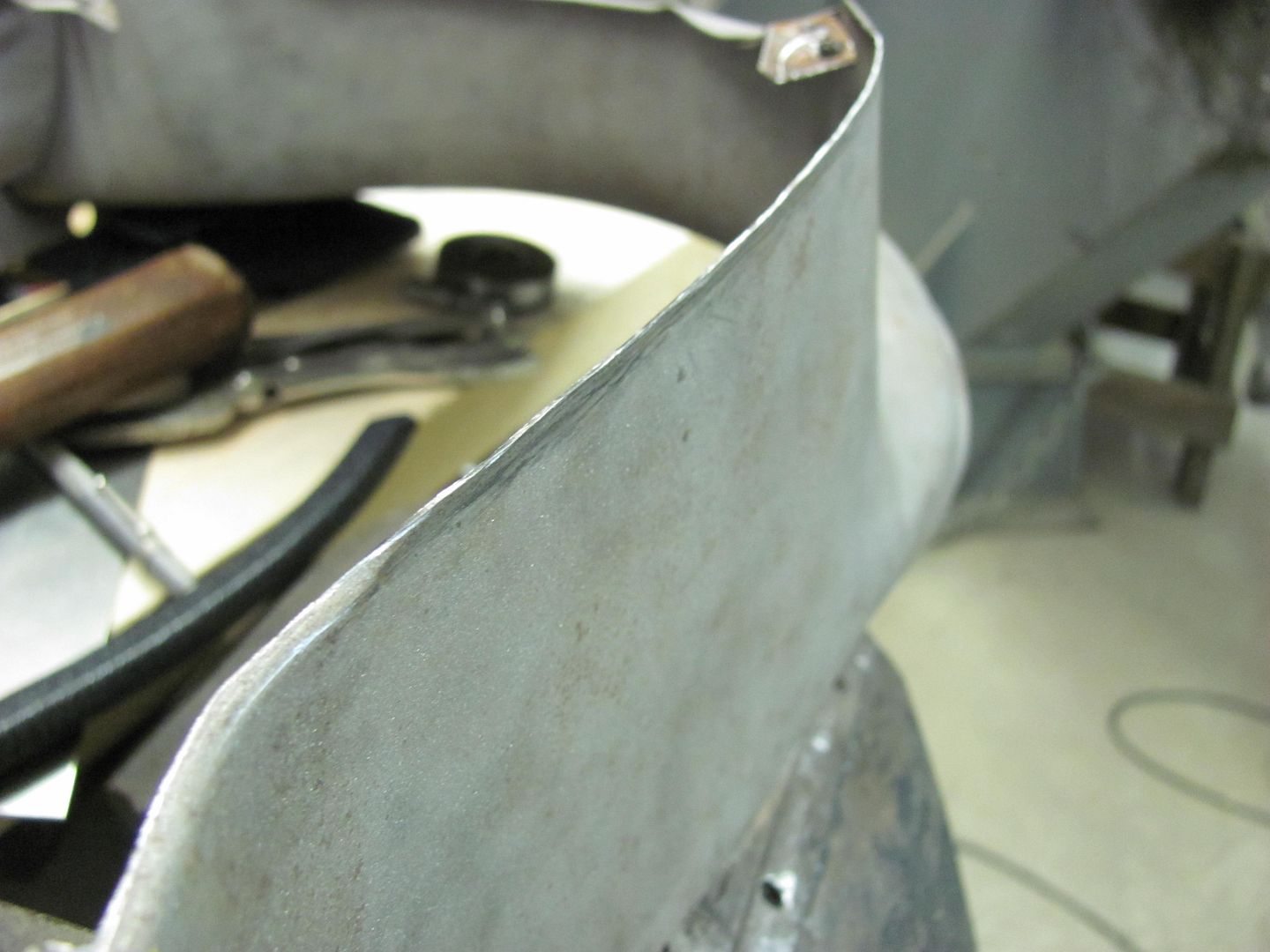
Planishing out the fold to fill the gap....


Picture050-1.jpg


Picture051-1.jpg


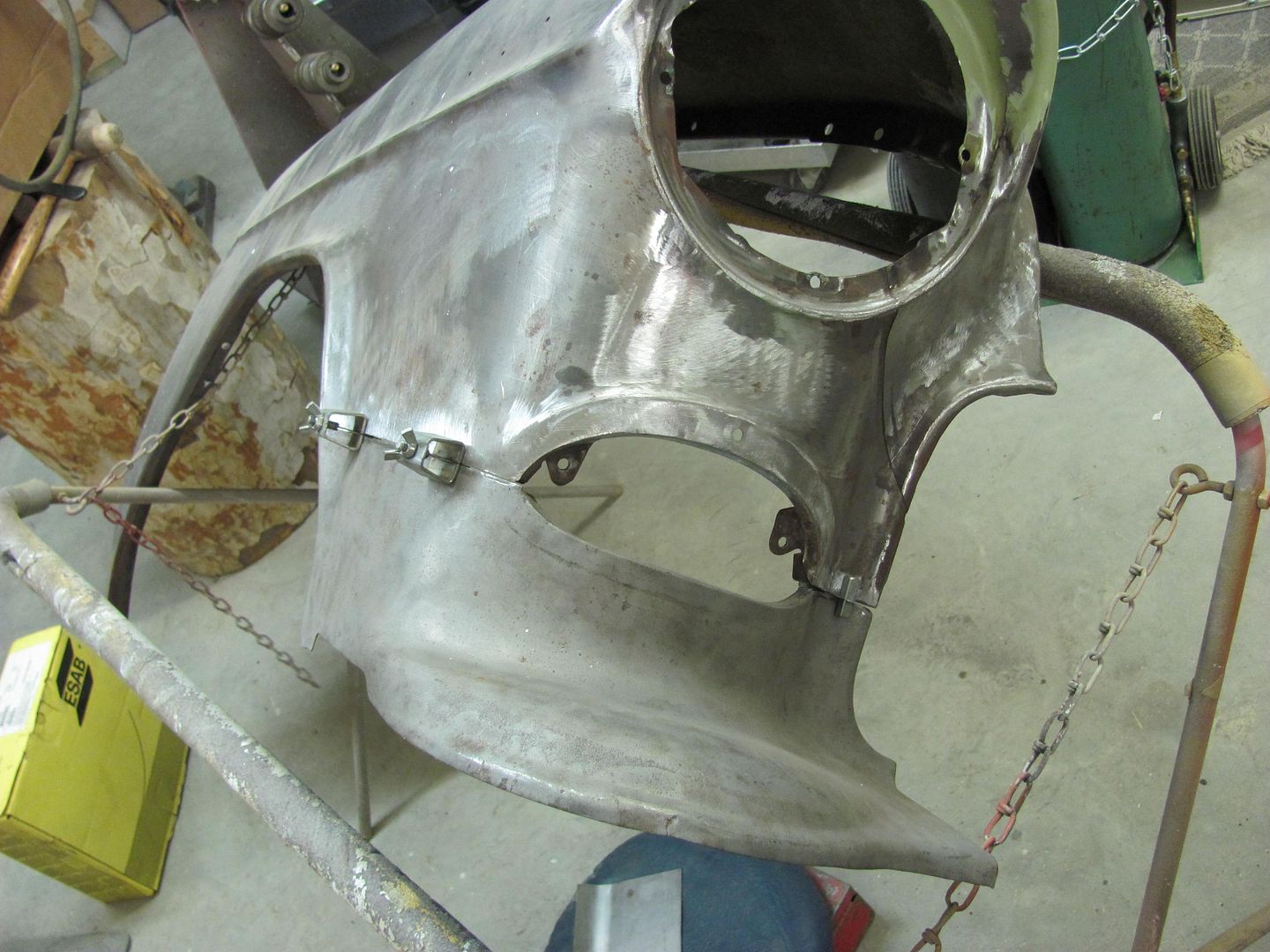
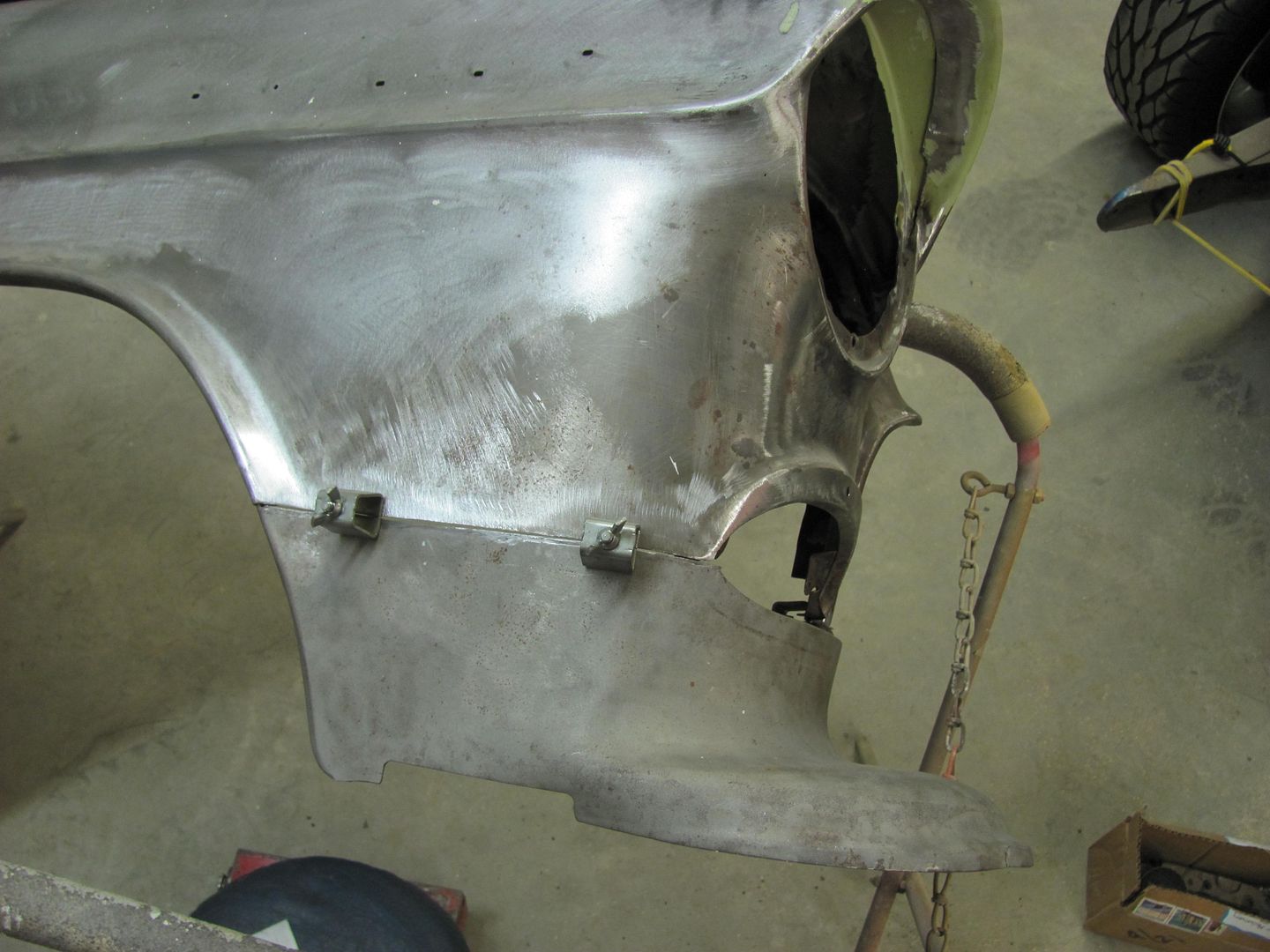
Clamps used to test fit. Still needs some fine tuning for zero gaps, but we'll finish that another day..


Picture052-1.jpg


Picture053-1.jpg


Picture054-1.jpg
 

MP&C

Well-known member
Joined
Oct 21, 2009
Messages
4,396
Location
Leonardtown, MD
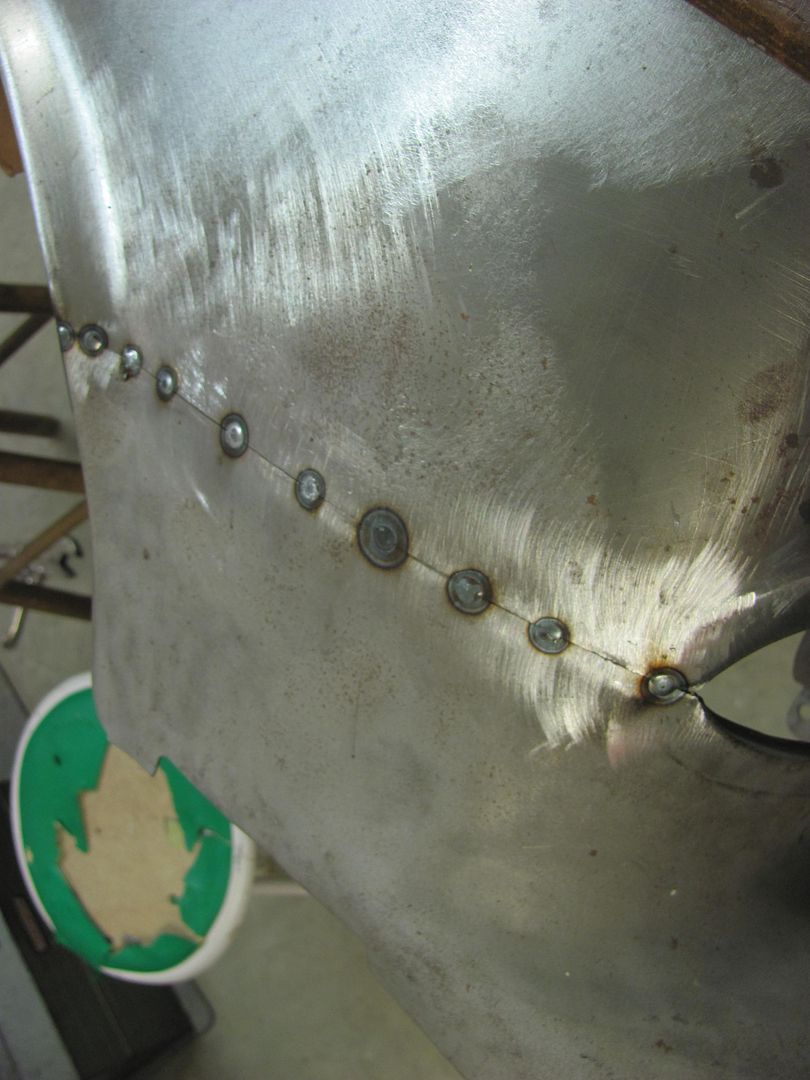
Got to trimming today, little to no gaps....


Picture055-1.jpg


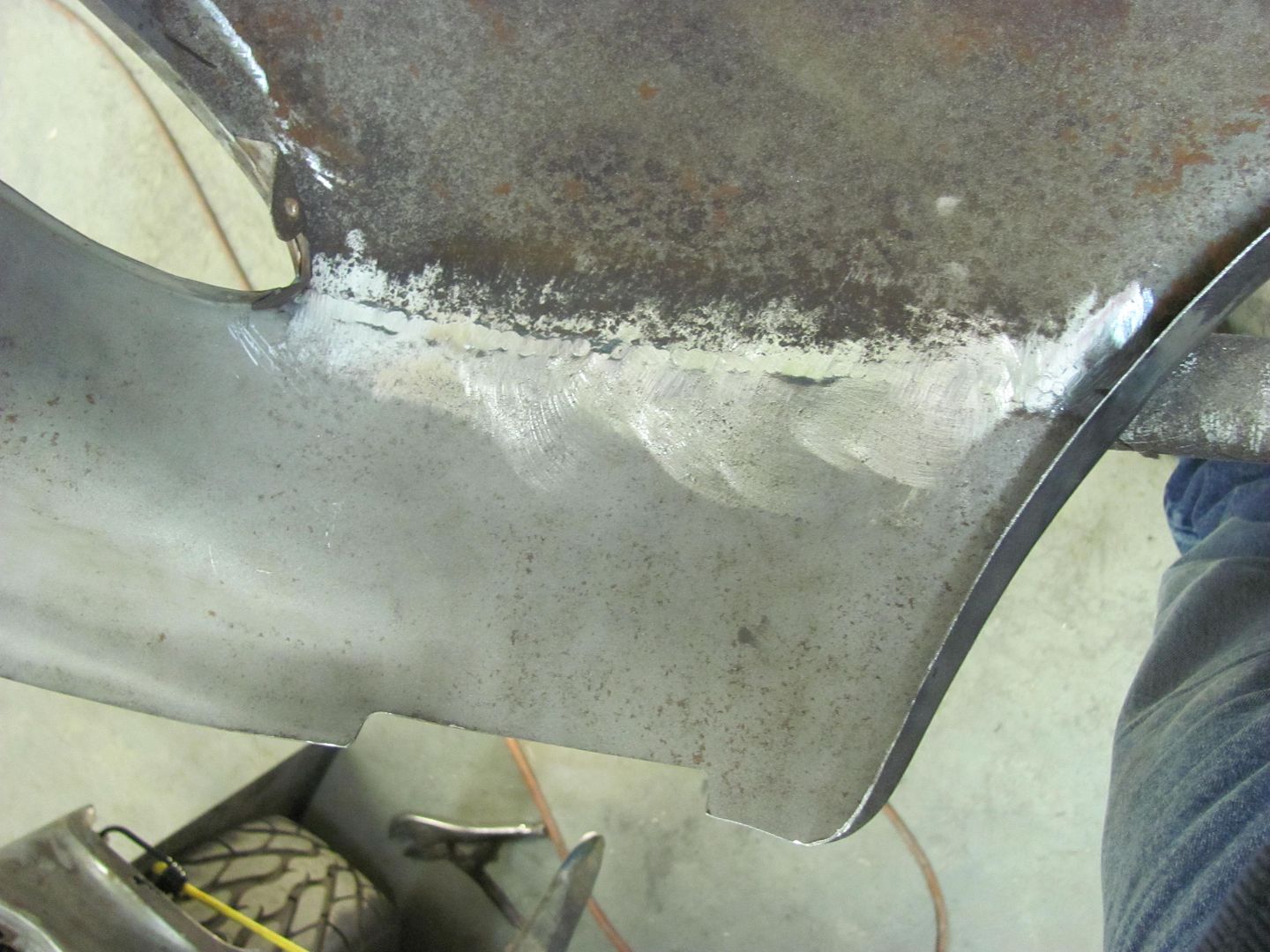
Used the new ER70S-7 wire. Looks to me like it lays out a bit flatter...


Picture057-1.jpg


Picture058-1.jpg


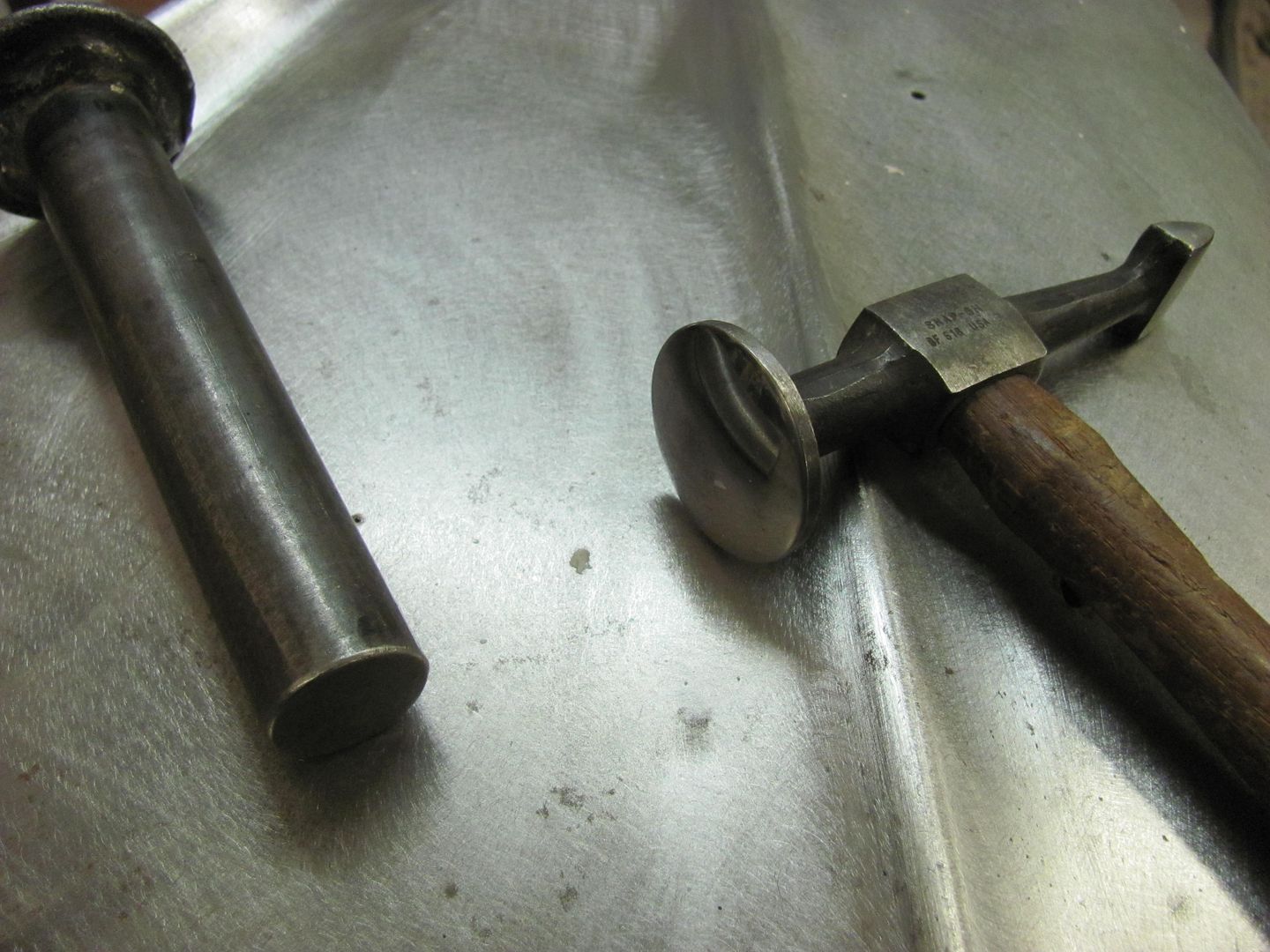
Used the crowned hammer to planish the welds. This stuff appears to planish out a bit easier as well.


Picture059-1.jpg


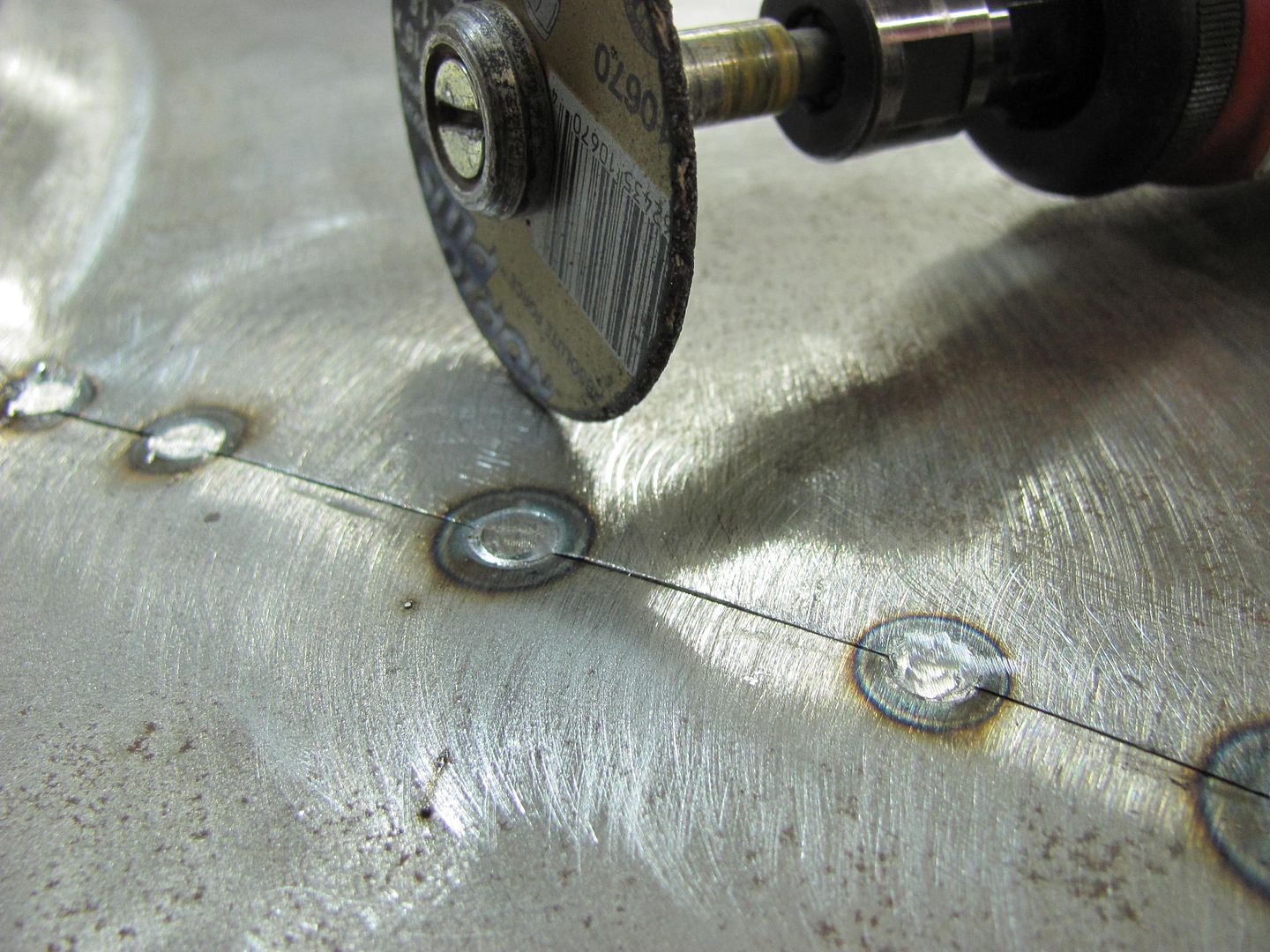
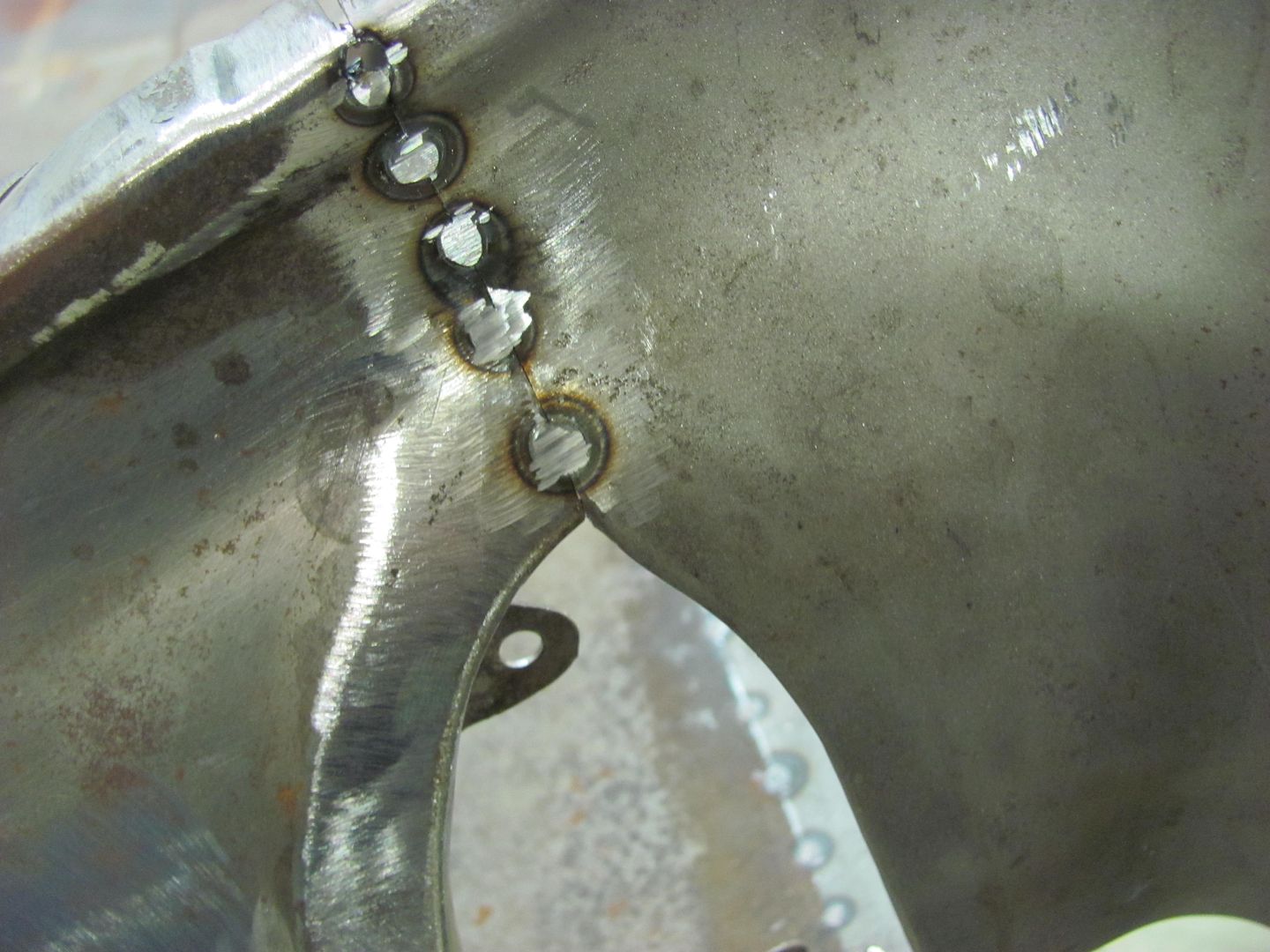
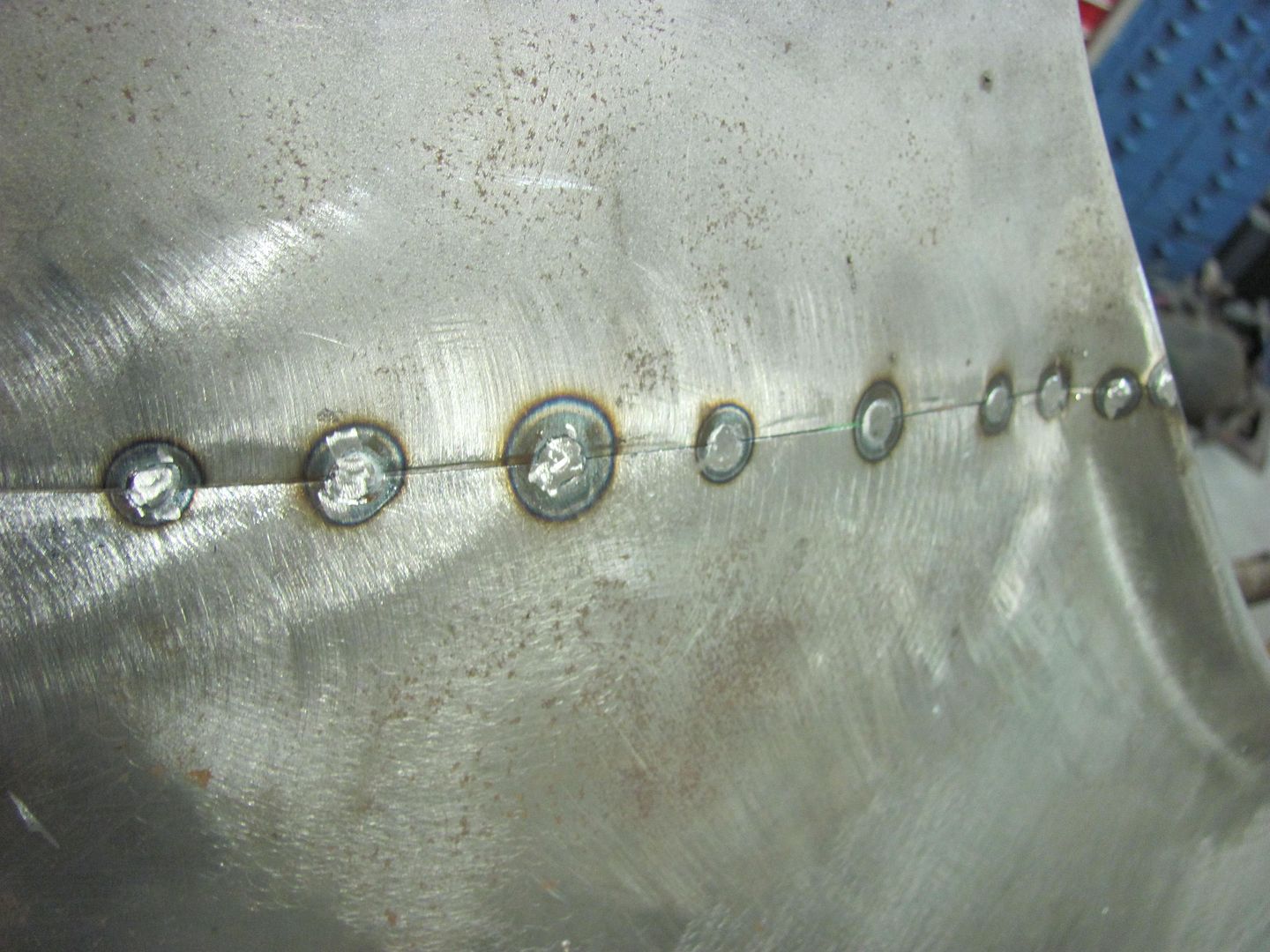
After planishing, 1/16" wide cutoff wheel used perpendicular to the weld for grinding the welds with minimal contact patch and less heat buildup. Ground welds just proud of the metal surface, front and back, to make room for planishing the next set of weld dots. Then rather than weld the next dots in the middle, I overlapped each of the previous welds to help eliminate missed spots and pinholes. Weld, planish, grind, repeat.


Picture061-1.jpg


Picture062-1.jpg


Picture063-1.jpg


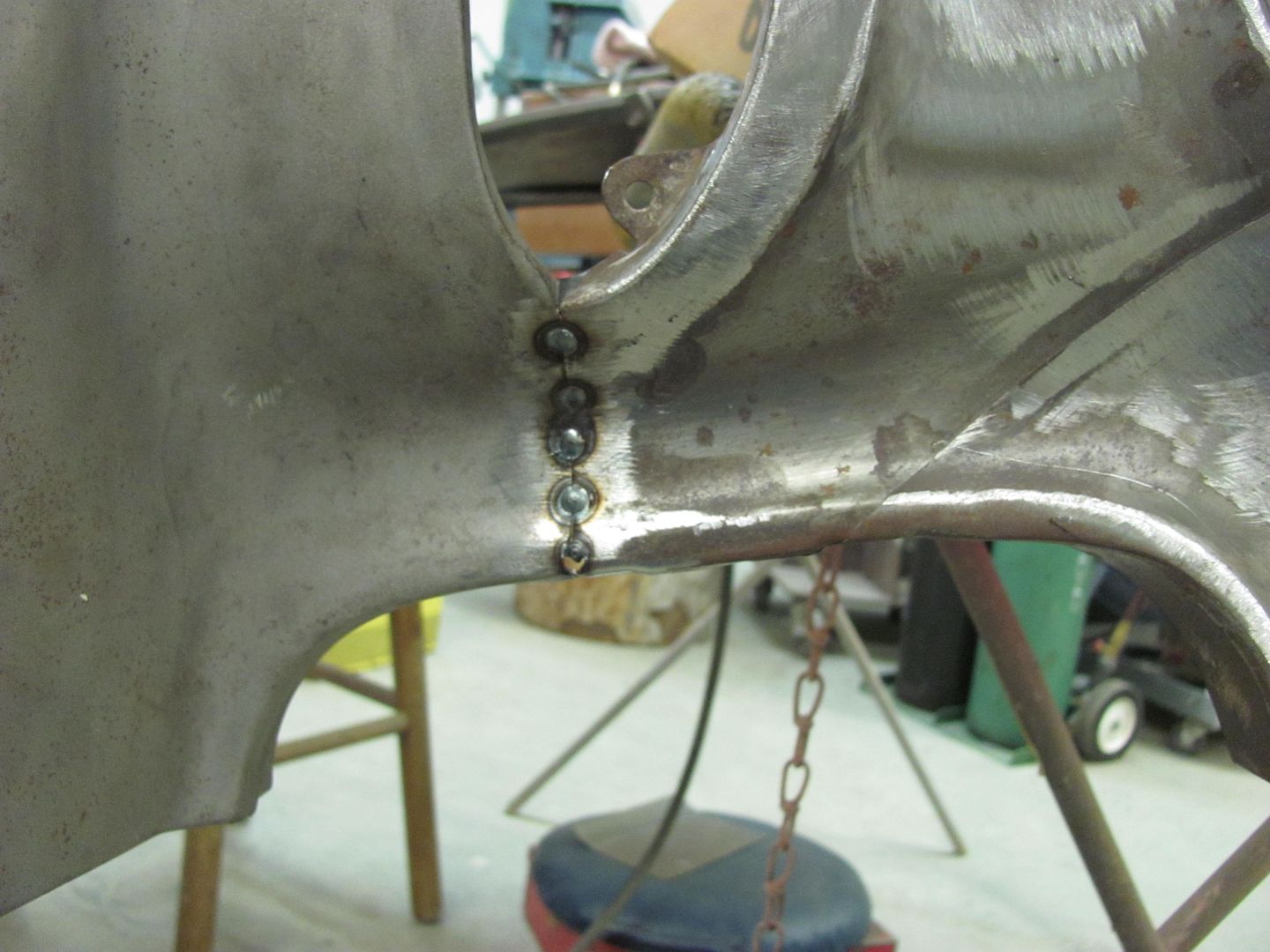
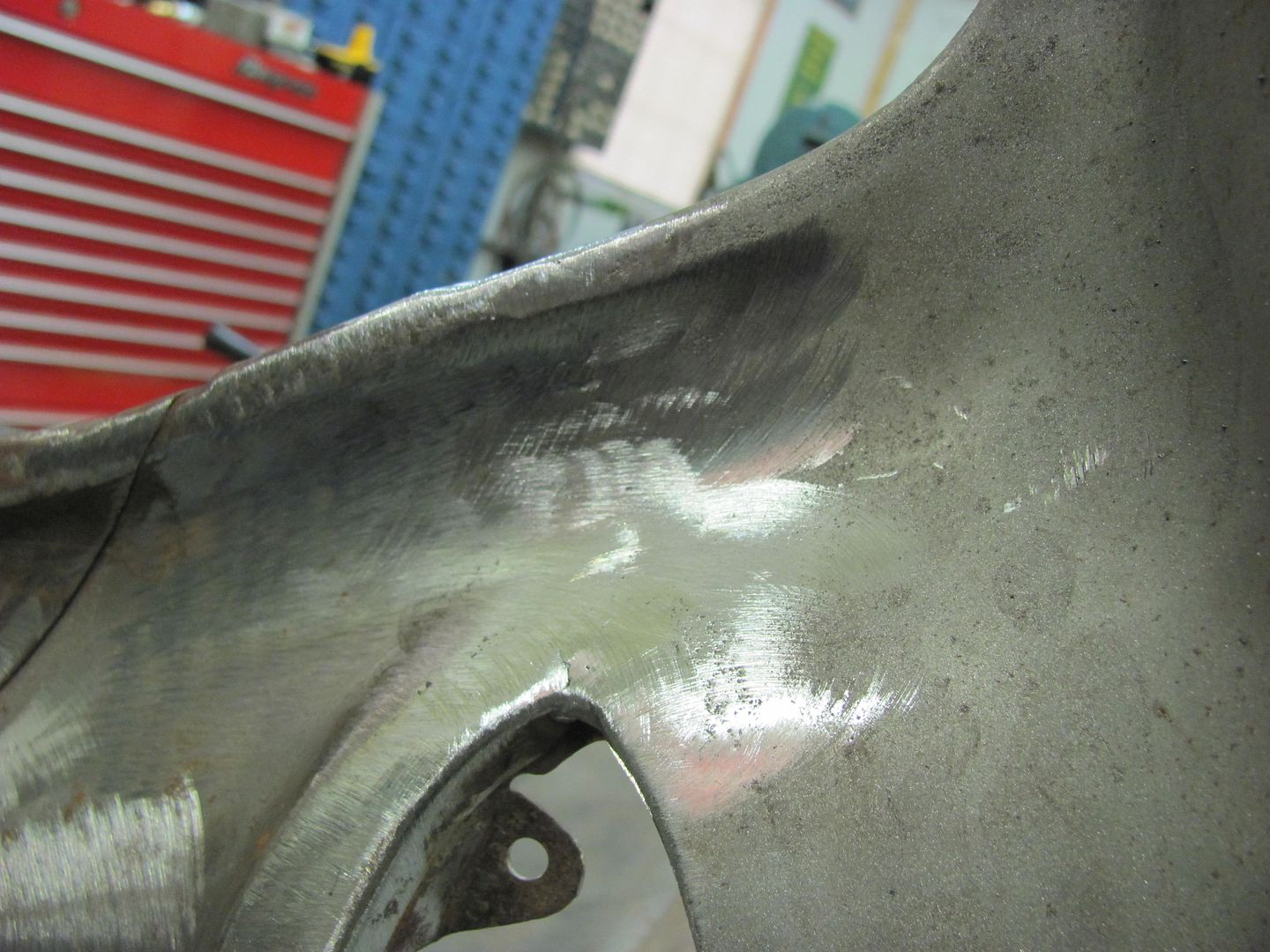
Then I got on a roll and missed some in process pics, but here is the result after dressing out all the welds...


Picture064-1.jpg


Back side....


Picture066-1.jpg


Picture067-1.jpg


Yeah, I like this much better....


Picture068-1.jpg


Picture069-1.jpg


Picture070-1.jpg
 

ChevyShak

Member
Joined
Jan 3, 2013
Messages
17
Location
Chester, IL
I've got a sanp-on mig 220 coming with a spool gun and a tig kit. $3500 due to some clever pencil whipping by my dealer to get a $500 rebate instead of a $250 rebate. it should last me a lifetime.
 

MP&C

Well-known member
Joined
Oct 21, 2009
Messages
4,396
Location
Leonardtown, MD
Thanks, hope it helps.

Ah, this thread needs a bump anyhow...


I was going to start the shave on the driver's side, but a few stumbling blocks along the way...

Mocked up all the front sheet metal just to see it together again.. Gotta love that hood bird..


Picture089-1.jpg


Here's the factory seam to compare to the shaved version...


Picture090-1.jpg


Picture091-1.jpg


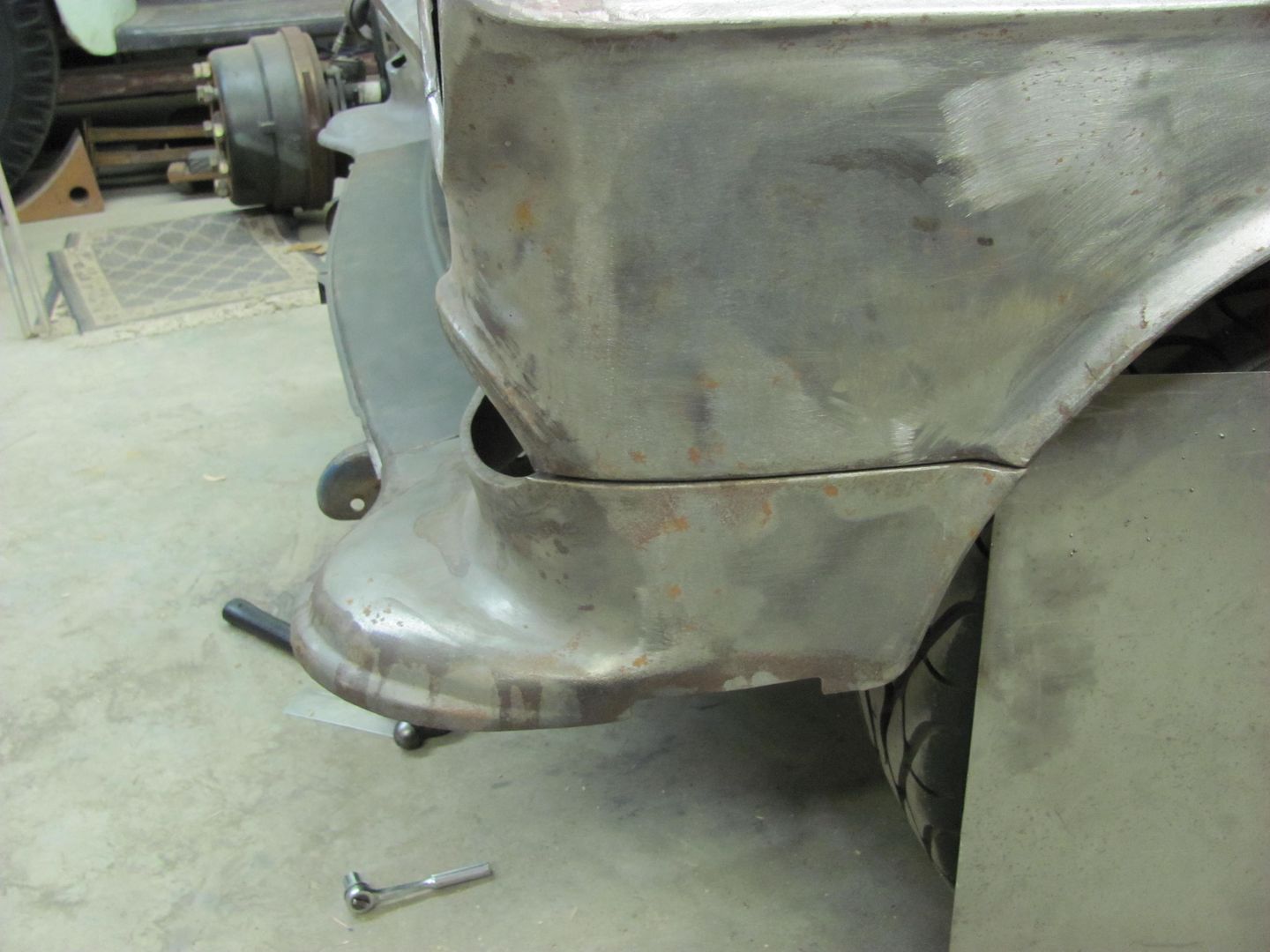
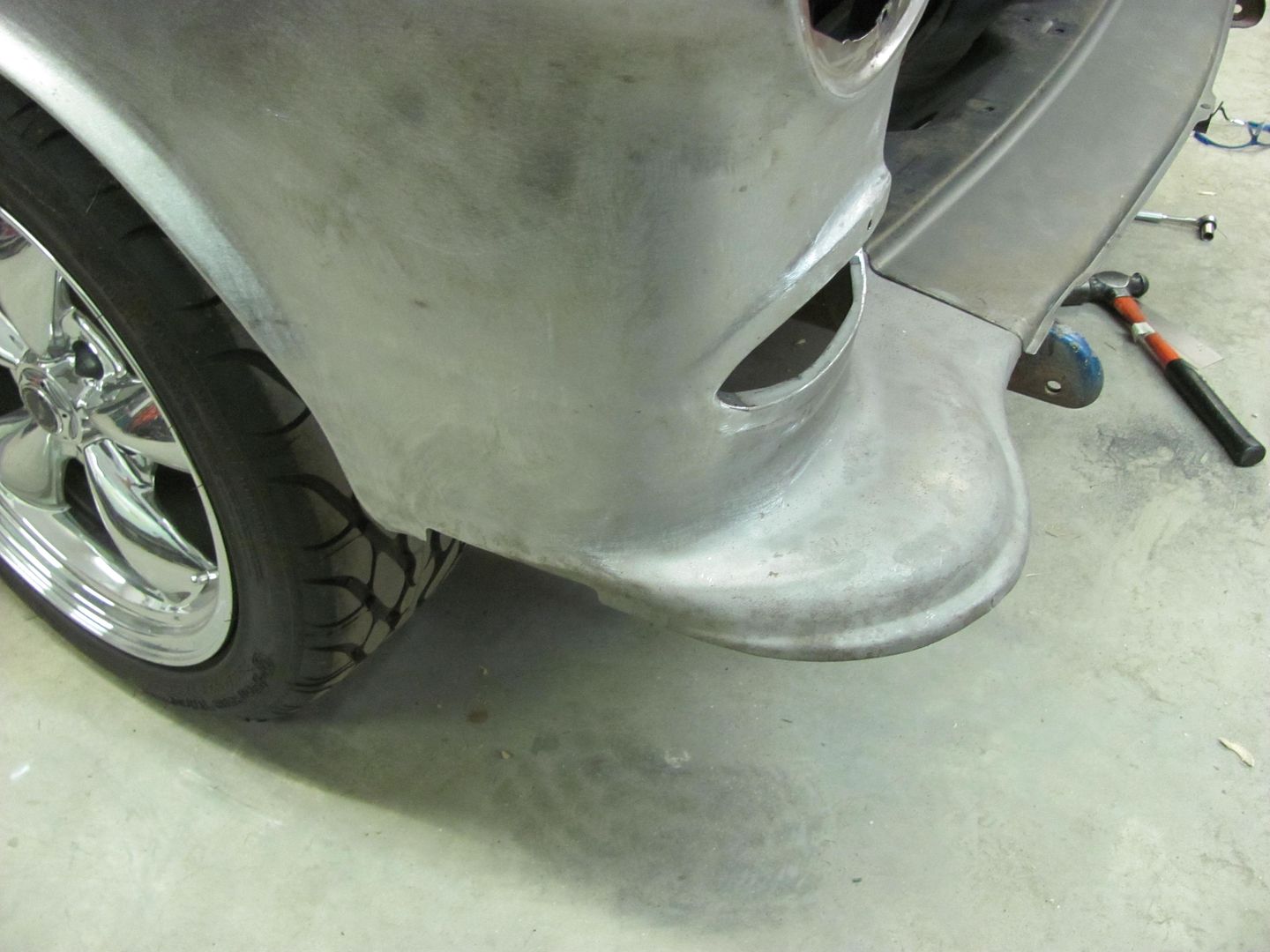
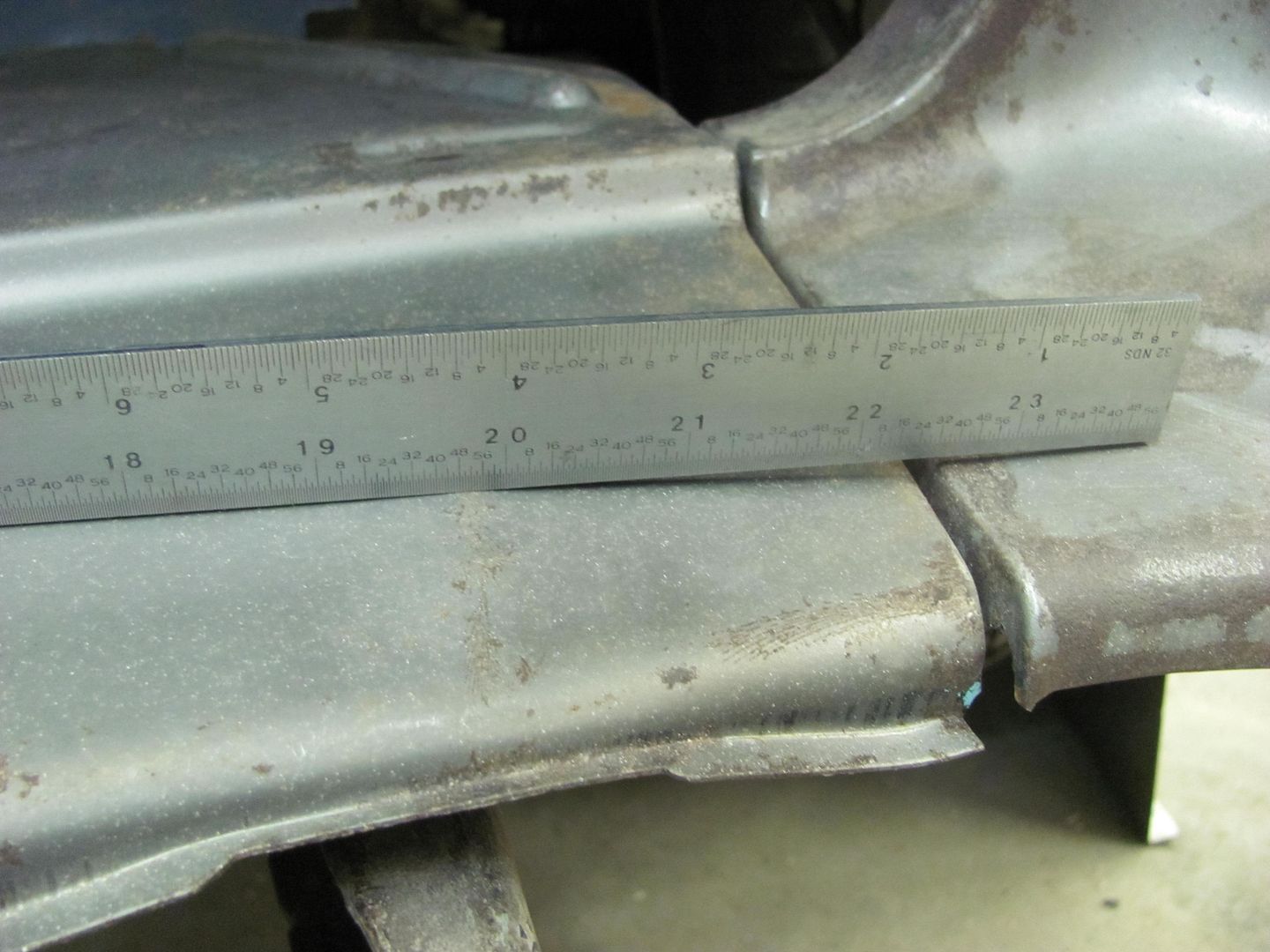
Bumper filler panel had been tweaked at some point in the past 50 years, so let's see what we can do to straighten it out some....


Picture092-1.jpg


Picture094-1.jpg


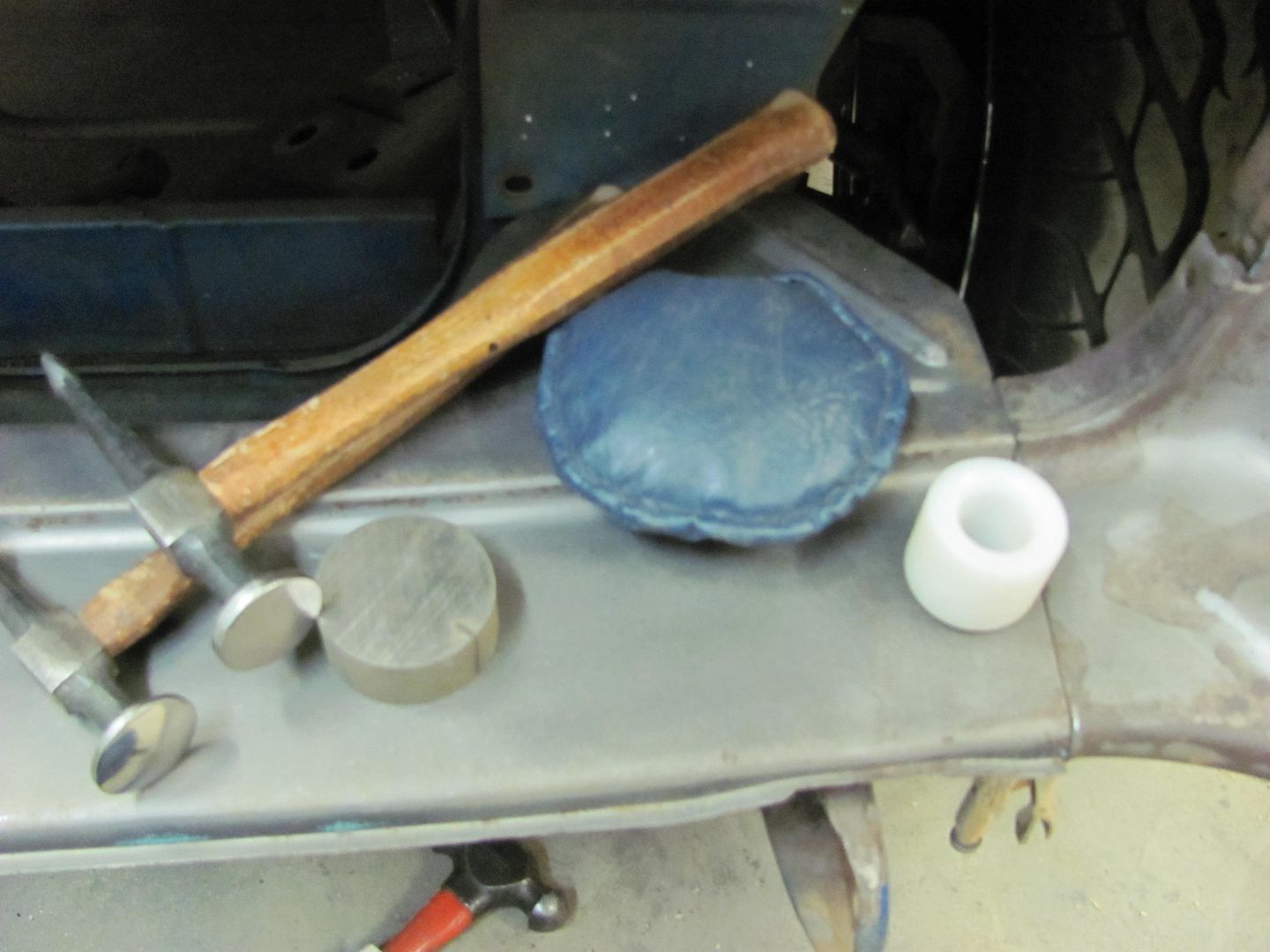
Used a combination of the flat and crowned body hammers, the donut dolly, the 5" dia shot bag, and a round hunk of steel.


Picture097-1.jpg


Much better...


Picture096-1.jpg


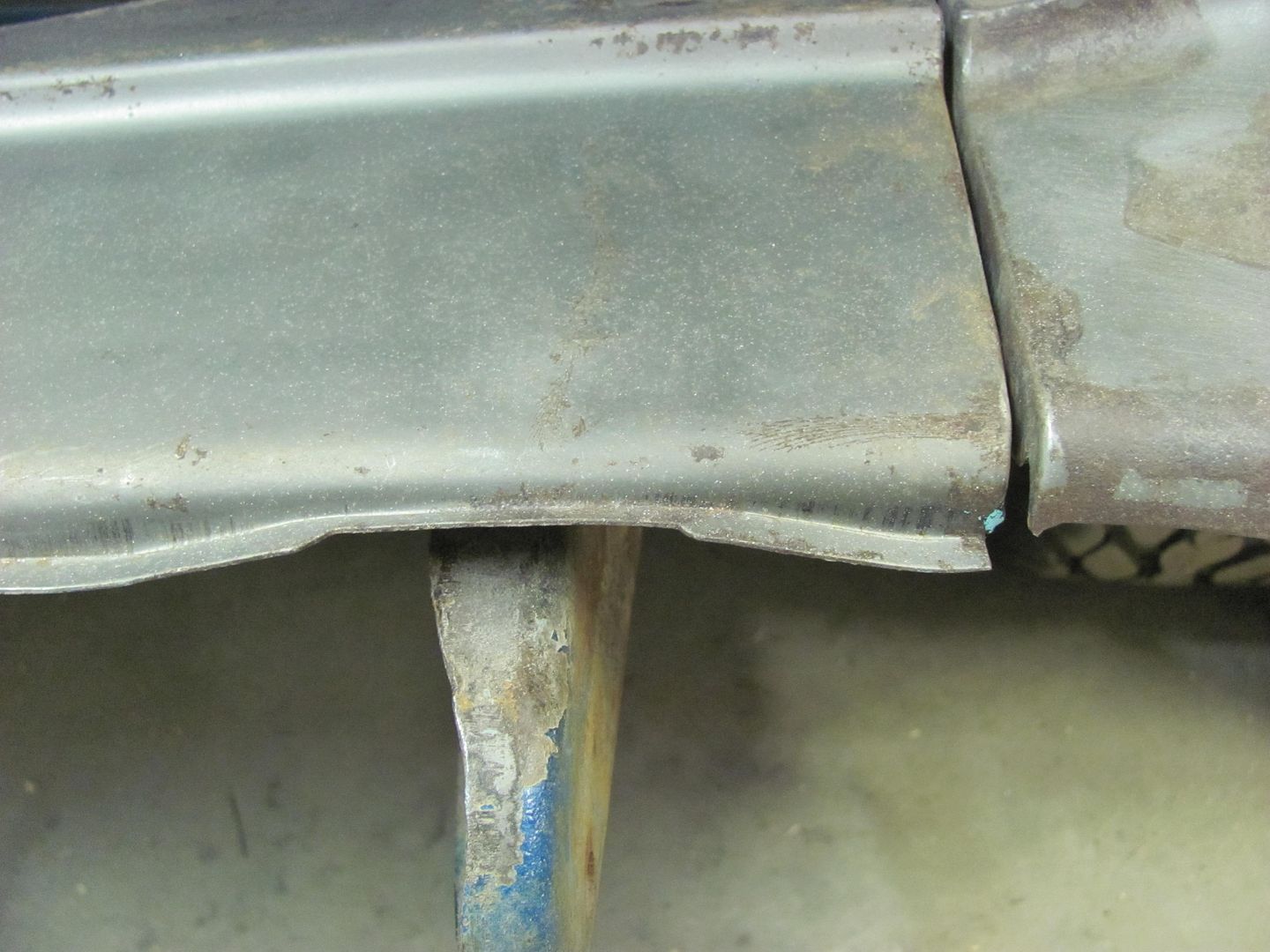
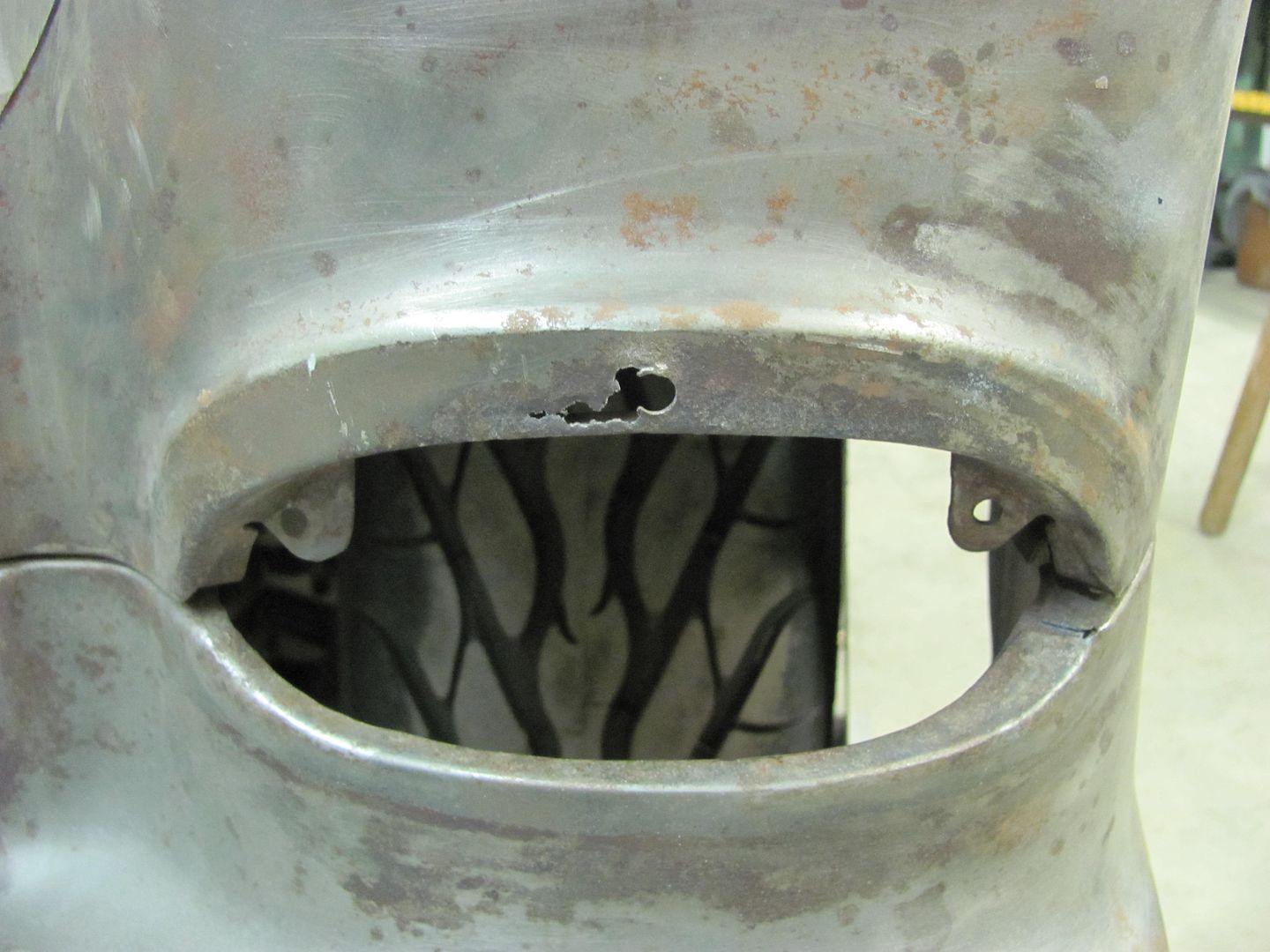
Next on the list before the next shave, a bit more rust to attend to...


Picture098-1.jpg


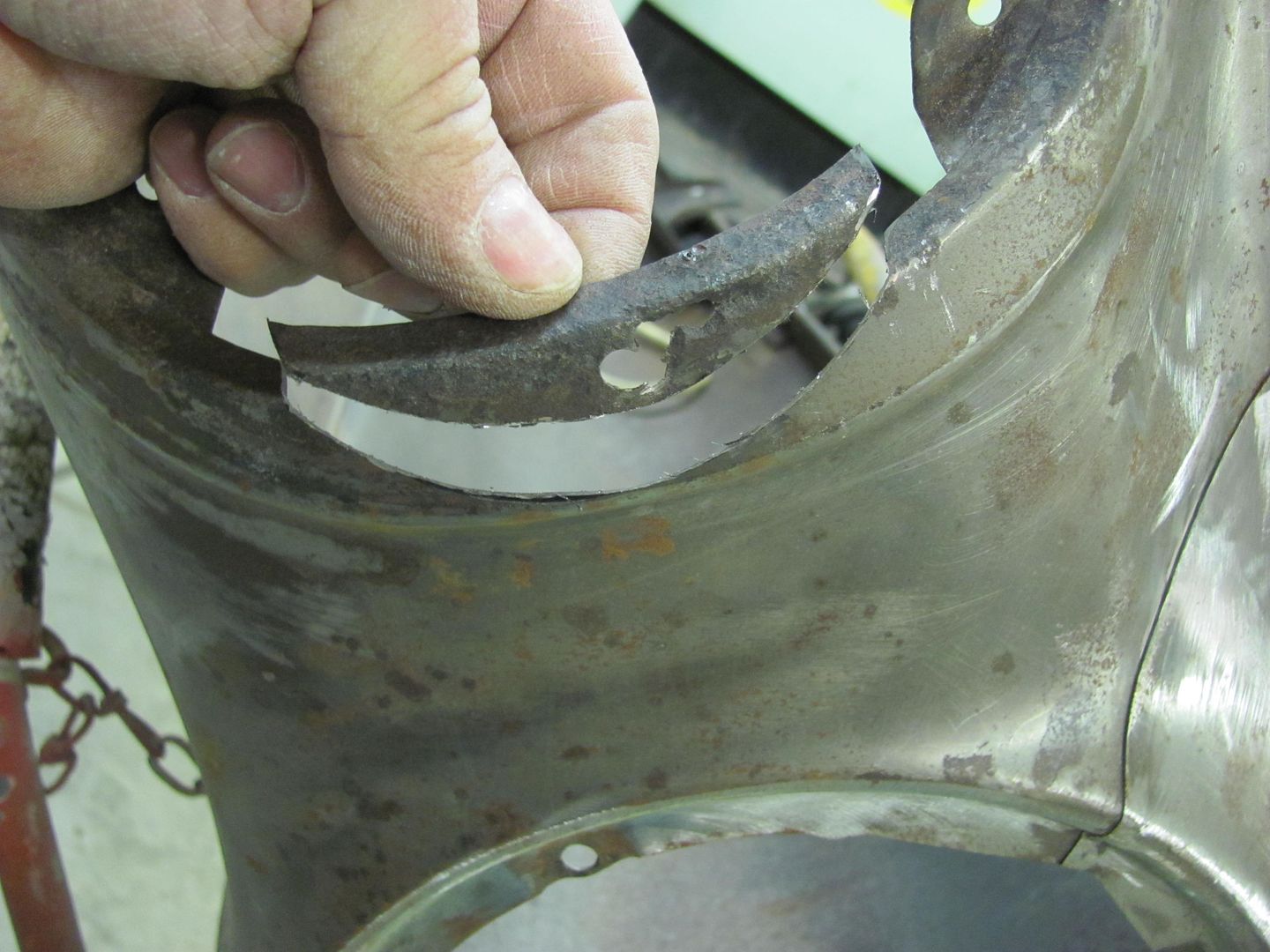
Used a wide sweeping radius on the cut to minimize any extra shrinking that occurs inside tight corners.


Picture099-1.jpg


To get a good, consistent profile on the patch, I used the go kart wheel...


Picture100-1.jpg


Picture101-1.jpg


Picture102-1.jpg


Picture103-1.jpg


Laying out the pattern..


Picture104-1.jpg


Picture105-1.jpg


Picture106-1.jpg


One last test fit before tipping the flange...


Picture108-1.jpg


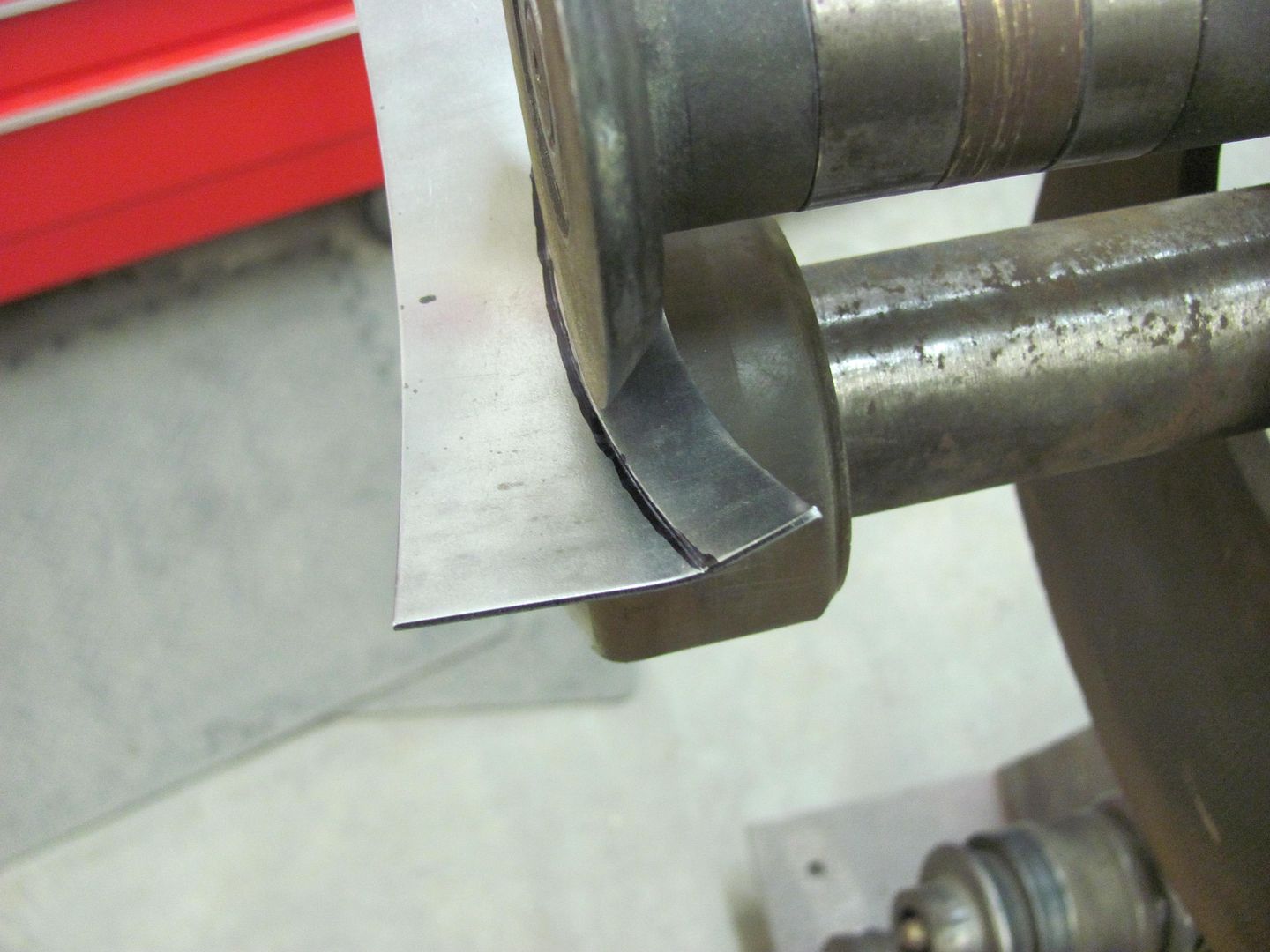
Dumb mistake number one....don't cut the patch so small you can't get leverage to force the flange to tip...


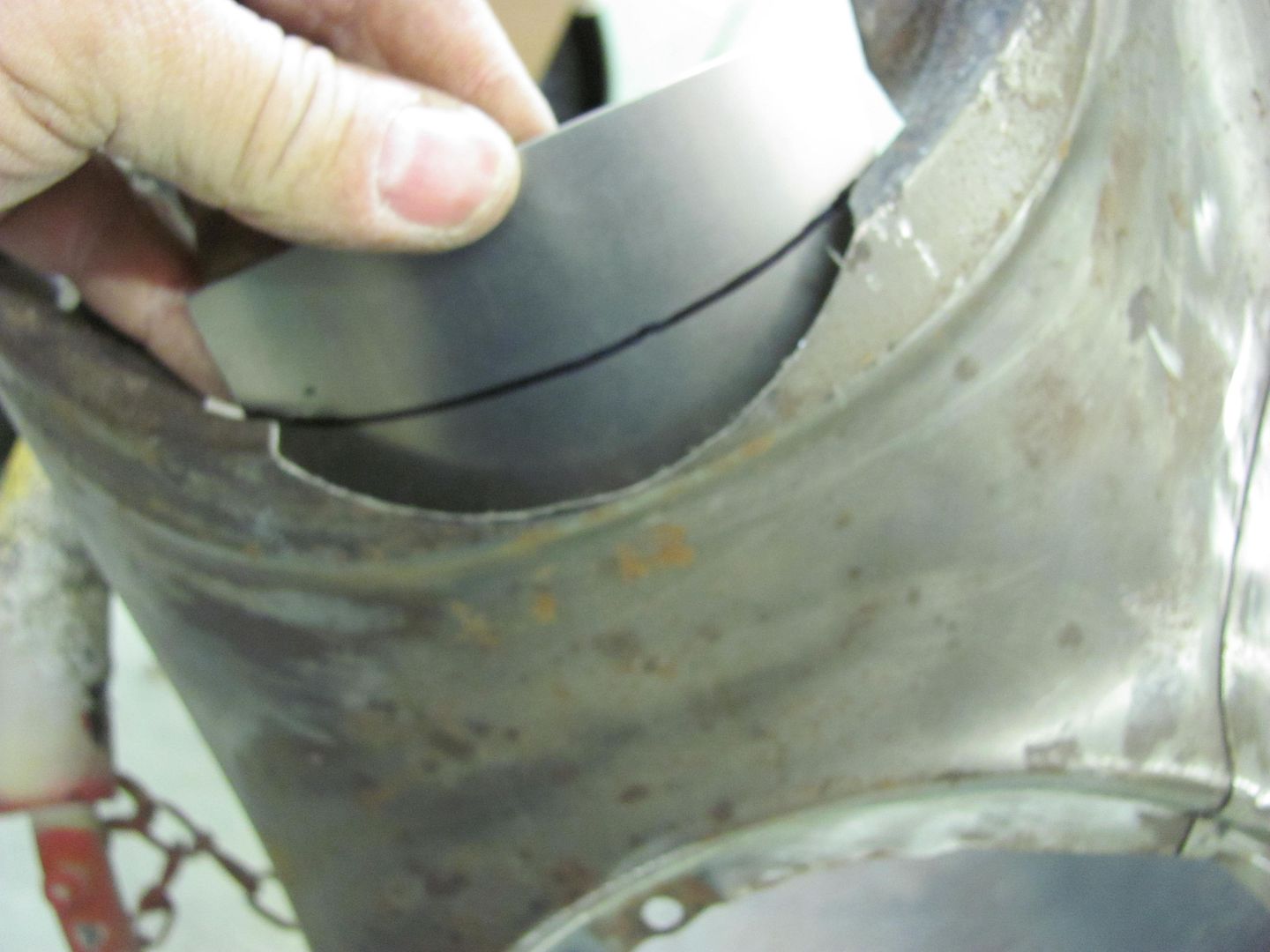
Picture110-1.jpg


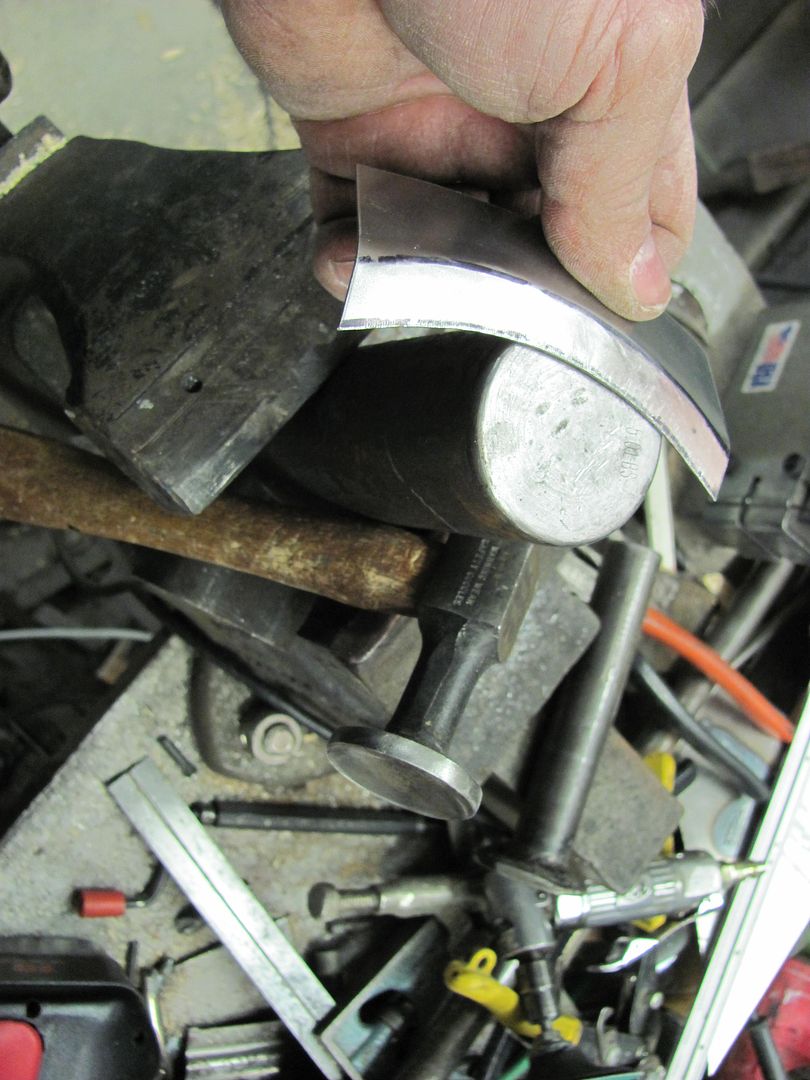
Well, we do have a good crease to work from now. Some hammering on the 2" round anvil will work


Picture114-1.jpg


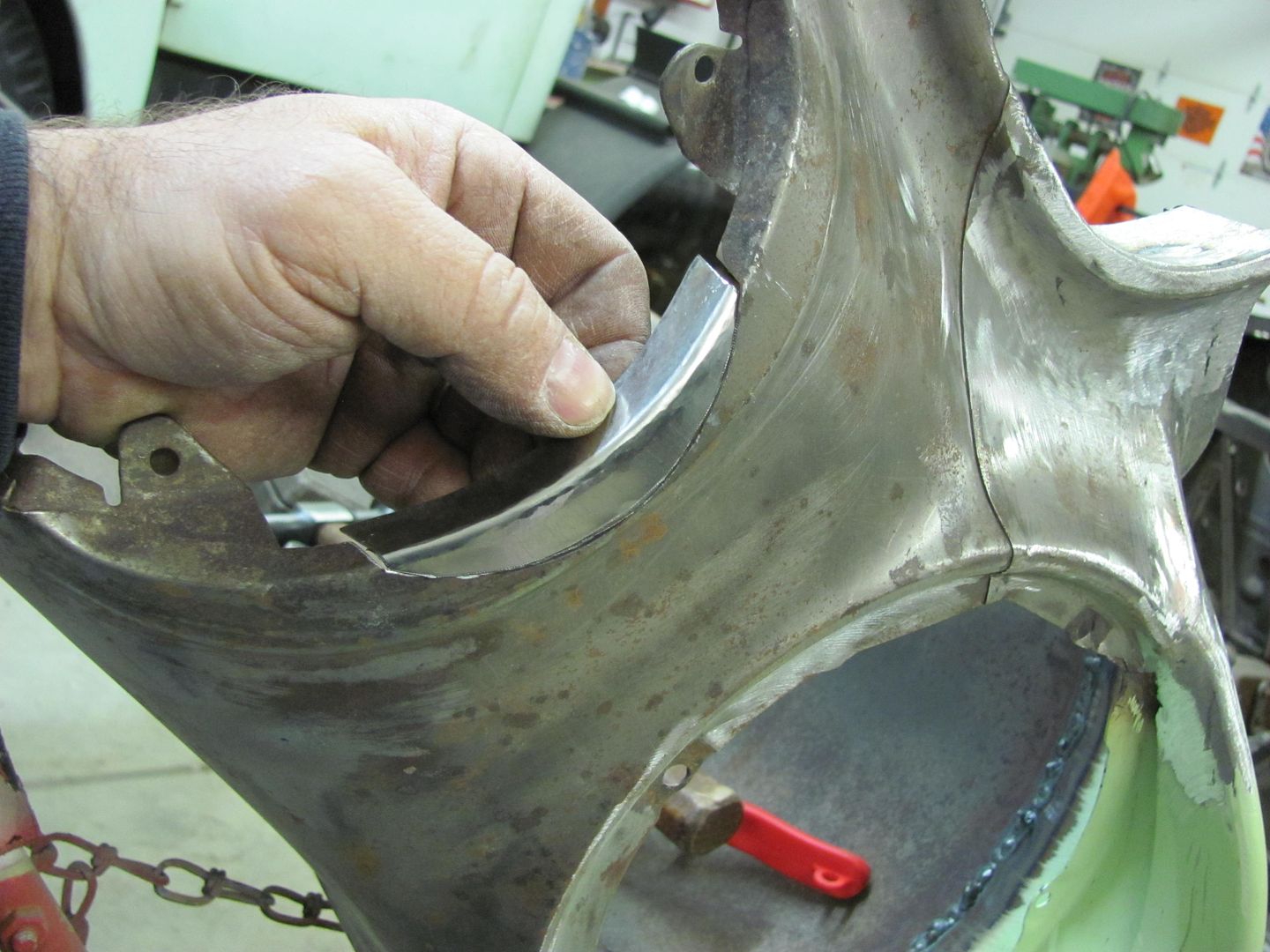
Trimmed to fit...


Picture115-1.jpg


Welded and dressed...


Picture116-1.jpg


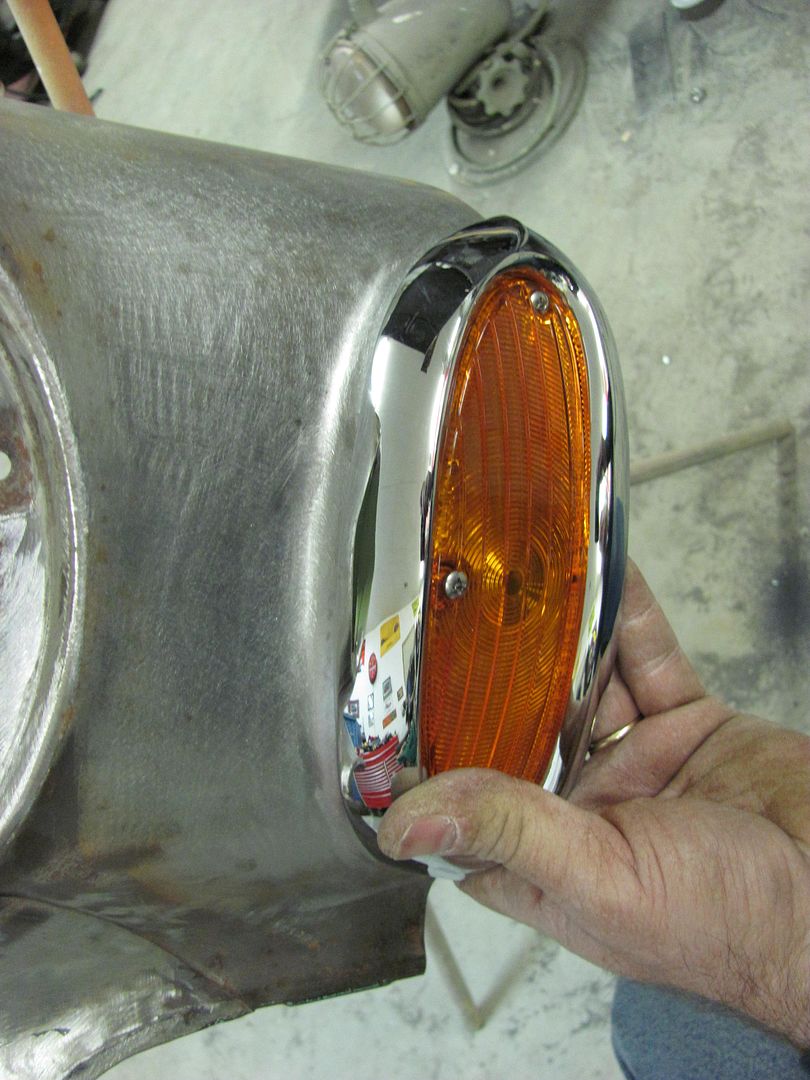
Hey...the light even fits


Picture117-1.jpg
 

NRDave

Active member
Joined
Jan 26, 2013
Messages
26
Location
Deltona, fl
A picture is worth a thousand words.
This is how I do it.

imgp5947w.jpg


imgp5948.jpg


imgp5949.jpg


imgp5950.jpg


imgp5951.jpg


imgp5952t.jpg


imgp5953.jpg


Ta da!

imgp5954.jpg


It can be done with hammer and dolley or back die. But that requires a lot of practice to get right.
Where your part will go also determines the method of dimpling.

What kind of press are you using?
 

Case IH

Well-known member
Joined
Dec 31, 2010
Messages
904
Location
Green Bay WI
What is the point of dimple dying something like what ZT built??just astetics?

I at work I build calf milk pasteurizers and when I build the tanks it's rolles sheet metal and I have to weld the seam and a cap on one end, and the holes all get pulled out like dimple dies do but for us it's so we can weld ferrals on cleanly since it all gets purge welded. So that's the only reason I see those used....
 
To avoid these ads, REGISTER NOW!
Top Bottom