From the site: "Latex is a coating designed to
reduce the loss of moisture through walls and ceilings"
It can't help with moisture loss through light fixtures, wall plugs, etc. In addition, I doubt it is building code approved as a true moisture barrier. I'm sure all paints and primers with Acrylic offer some resistance to moisture movement, but so does the drywall itself. I think I read somewhere that a hole the size of a nail in a vapour barrier can, in humid/cold climates allow for the transfer of a cup of water over a period of time (not sure what period).
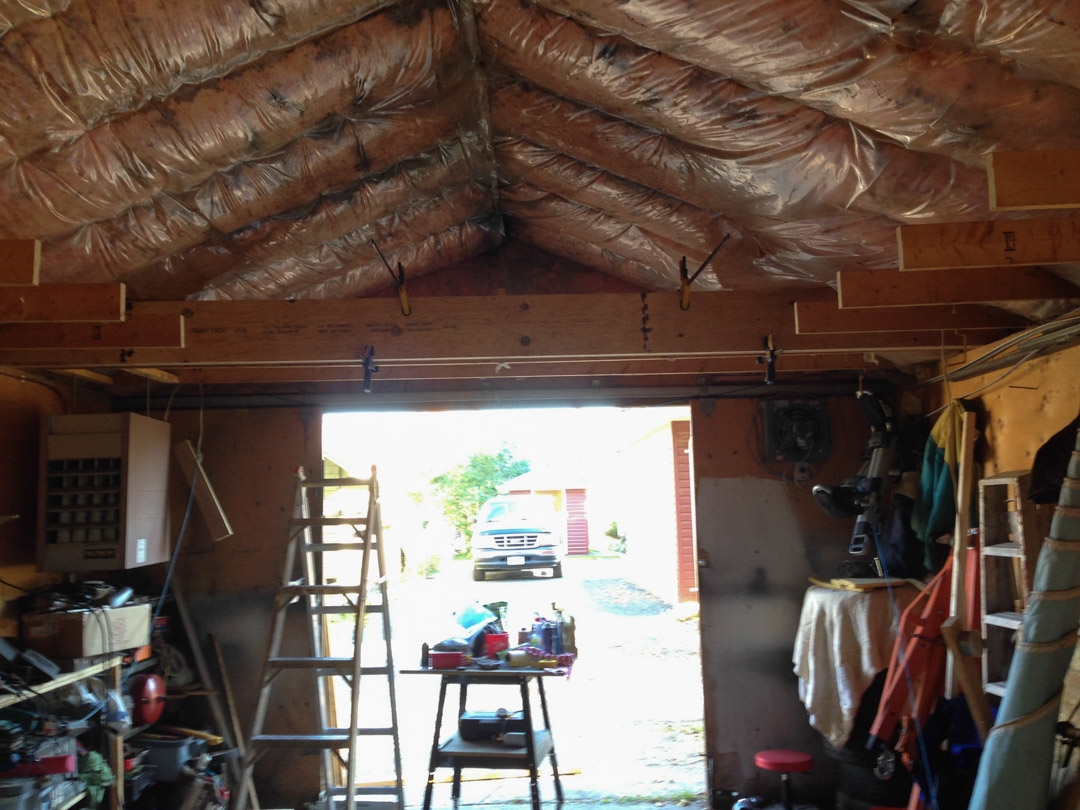
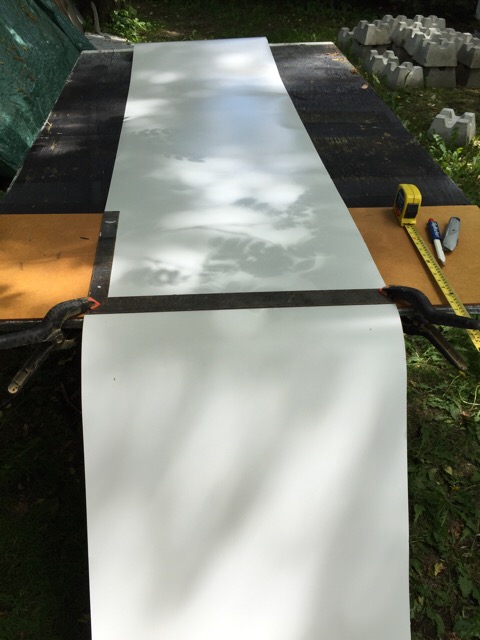
For the OP, it may not matter in his climate, but for those of us in the colder climes, a vapour barrier is essential for a dry, rot free structure. I recently completed the renovation of my 25' x 25' garage. I used Roxul Comfort bats in the walls and a put up 2" of Styrofoam SM 4 x 8 sheets under the ceiling joists. I added an approved vapour barrier on the warm side of everything. Where I used staples, I used pieces of tuck tape to seal them. I used plastic "boots" behind all of the wall plugs and electrical boxes.
The overnight lows have been dropping to 0C (32F) overnight here and frost is showing on the roof of the house and garage. You can tell the insulation and barrier are working when the garage is 22C, the outside is 0C and there is no frost melt where the roof meets the eavestrough.
A building envelope specialist I consulted (for a problem with ice damming on my house) said that ice damming isn't caused so much by poor insulation as it is by moisture escape into the attic space. Moisture travel is a major contributor to reduced insulation effectiveness as well as heat transfer through the wall/ceiling. If my experience so far is any guide, I'd say he is right, because I only have R10 in the attic so far.
For those of you wondering why I put SM sheets
under the joists, it is because due to the roof structure, I couldn't get spray foam into some of the spaces without taking the roof off the garage and spraying downward onto the ceiling of the garage. As soon as I complete a few wire runs, I'll be blowing in cellulose insulation to bring the attic value up to R45. That should help keep the heat in when the overnight lows reach -35C.