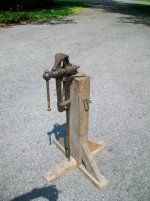
Nuts - As DIF said, I've had experience with post vises. As others have pointed out, the purpose of the design is to take a beating and transfer the shock down the leg to the ground. This allows the vise to take a harder hit, without breaking, than a machinists vise would handle.
A post vise ideally would be mounted to a wood bench (also absorbing some of the shock) and have the nub of the leg mounted in a hole in a piece of hardwood sitting on the floor. The "ring" around the bottom of the leg is a stop, so that you don't drive the leg into the wood like a RR spike. It works best if the floor is dirt (further absorbing shock), but you can get away with concrete if you can use a thicker piece of wood.
If you're going to mount it to a metal bench, then I'd suggest using a hardwood block between the mount and the table. This will help soften the shock to the mount so it is less likely to crack. It will also lift the vise a little, giving you more room at the bottom for a thicker block of wood under the leg.
The wood under the leg should be placed cross-grained. If you go end-grain, you risk splitting the block like cordwood. Make the block a little taller than you will need and squeeze the vise onto it when you mount it, because the wood will compress with use. Over time it may become loose, causing the vise to sag. Replace the block of wood as needed.
The story about the spring mount is BS. It may get by, but it doesn't really do the job. The guy understood the application, but not the concept. He weakened the effect of his hammer blows by lessening the resistance of the vise and put undue stress on the bench mount.
Enjoy !


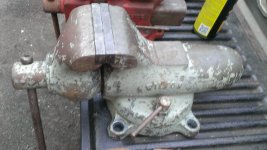
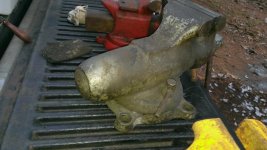

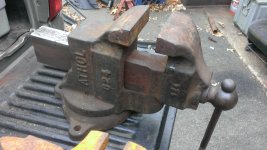
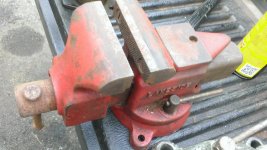

 I'll have to get some pictures up after I finish mine.