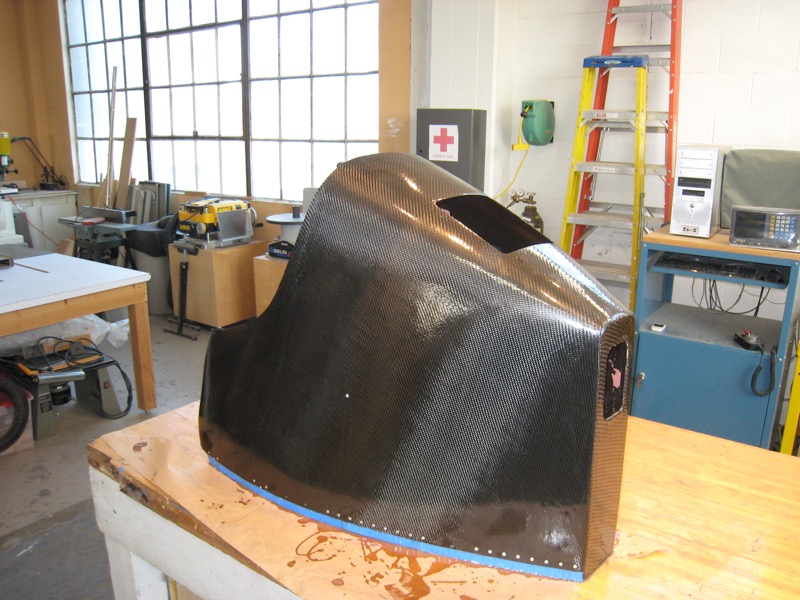
I figured I'd have until October to get the roof sealed up but the rains have started. Hopefully we'll have a dry stretch where I can finish it up before fall truly arrives.
So this plumbing vent cap was my first trial with all my new tools. You can read all about rivets and tools but it's only when you start that you figure it out.
New tool number... oh, let's not count, the wife might read this someday. This is a rivet drilling tool.
The collet at the nose encapsulates the rivet to help center the drill. The drill has a depth stop so that you only drill off the head of the rivet and don't accidentally drill out the hole and make it oversize. That's important if you want to keep using the same size rivets.
Disgusting.
Scotchbrite and mineral spirits seem to do a decent but time consuming job of getting up the gunk. I don't even know what the gray striped stuff is that covers the entire roof. It looks like it might have been a sealer but it seems too sparse so I'm wondering if it was a grip coating. At one place they brushed out "720" in larger numbers which means it probably wasn't something to cover the roof as a sealer. Who knows.
I mark out six spots on the new cap that will need 5/32" holes for the new rivets. I'm not measuring them but eyeing them.
The next tool - a Roper Whitney No. 4 punch. A sheet metal book recommended this tool as a great way to punch holes in the edges of material and they were right. It's got a depth stop for consistency and it's also super cheap on ebay since they've been making them for about 100 years in the same basic form. A great tool that does a perfect job.
Clecos and cleco pliers. I have wanted clecos forever. I don't know why but they've always seemed like this incredibly simple yet smart tool. They were originally developed to hold riveted panels together before they were permanently fastened with blind rivets. If you've ever tried to drill multiple holes in something and then try to get them to all line up you know the frustration. Clecoes solve this by letting you drill one hole and then insert the spring loaded cleco which draws the material together and holds it tightly together and also in alignment. Drill the next hole and insert cleco. Repeat.
Unlike the english wheel the clecos didn't disappoint me. They are magical little tools that are just as cool as I imagined they would be. I want to rivet everything now.
I use the knife to make a witness mark for alignment and then continue to drill and cleco the cap into place.
When you're not sure you wear belt and suspenders. Packed around the cap (where previously there was nothing) is
Dicor butyl tape which the RV community swears by. It's sticky and thick and fills up gaps pretty well and yes, I probably went overboard. I packed it in the gap
and held a piece of screen in place with it. It's like adult silly putty. The Sikaflex is the self leveling sealant that also gets praise. I use that outside the Dicor on the edge of the new cap.
I dip the rivet into the Sikaflex so as to complete the seal. Not sure if this is necessary but perhaps this is belt, suspenders and waders.
You would normally install the rivets one at a time while removing clecos but the sealant negates that since I don't want to ruin my new favorite gizmos. Luckily the witness mark and the use of the clecos means that the cap alignment is perfect. I used too much of the Sikaflex but I cleaned it up.
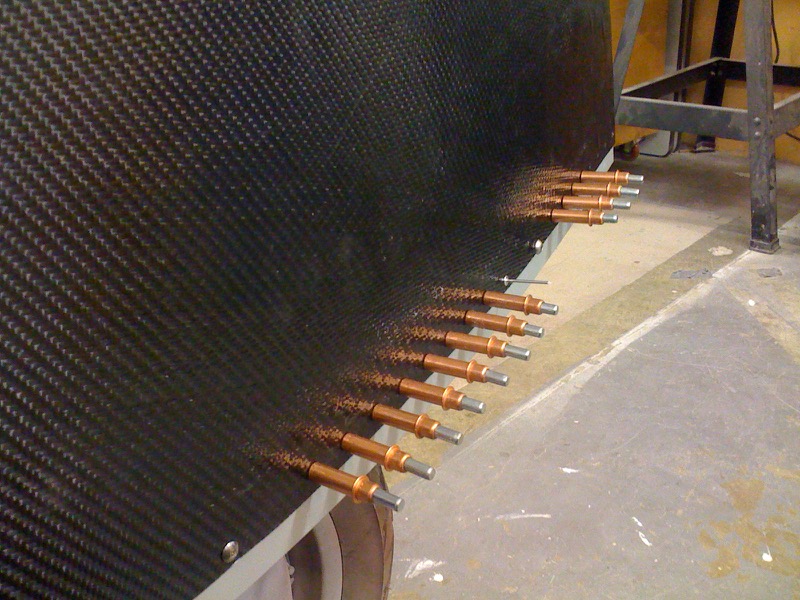
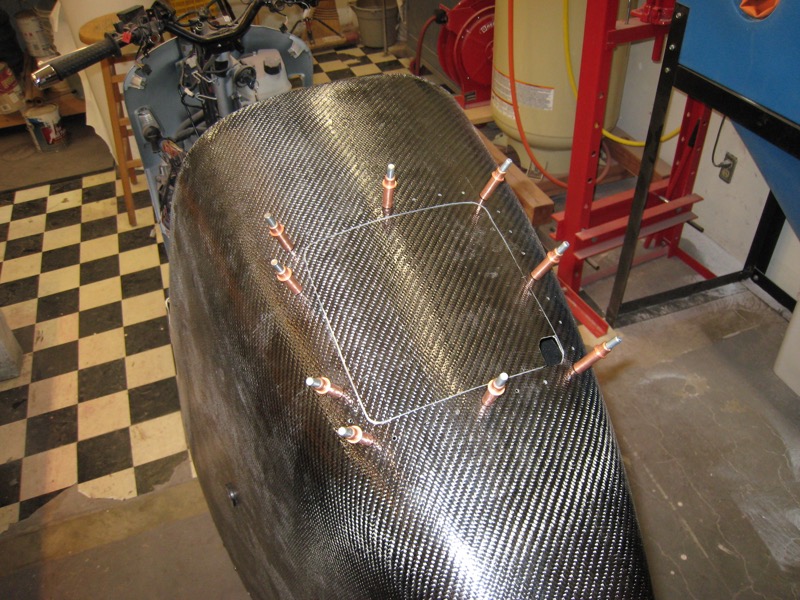
And now you're wondering why the rivets have this stem sticking up right? These are Olympic Shaveable Rivets. Another super cool little thing I've discovered. Here's the process.
They break higher up to guarantee a stem. You snip the stem with a pair of dykes so it's just proud of the rivet and then you use the rivet shaver to mill off the stem and shave the whole head so that it looks like a bucked rivet. Forgive the lack of an "action" shot but it's a two hand process.
Bucked rivets are a two man job that require access to both sides of the material. Solid and reliable and a time tested technique. If you don't have access to both sides you have to use a pop rivet but then you have something that looks like a pop rivet. This gives you the smooth look of a bucked rivet. Pretty nifty right?
I also got a new vent cap for the vent over the kitchen. Clecos to the rescue!
So that is one of three plumbing vents and the one main broken ventilation vent. The next main goal is to drill out the entire seam that was redone with pop rivets, clean it and then put dicor into the seam, clecos, sikaflex on the Olympic rivets and then finally cover the whole seam with Eternabond tape. That should be like belt, suspenders, waders, rain jacket and an umbrella...
I'm sure that at that point the windows will leak.
Once that is done I'll make patches for the two holes and repeat the process after wheeling and anodizing the patches but that is for another day and another post.
Gregor


 Grr, gonna be hard to resist!!