Wow, that was a lot to digest, and I've had a bit of a crazy day.
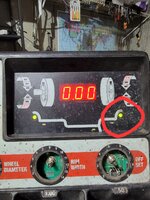
Ok, the potentiometers are clearly fine. Your testing was great, but the video I watched before that that showed the numbers on the display sealed that deal. Your balancer is quite a bit more advanced than my WB240 which does not give any display feedback about the knob positions, so I did not know to expect this.
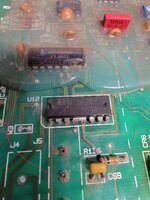
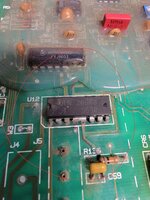
The chip you are focusing on (which again, I don't think is the problem) is a
ULN2068B. Have a look at the datasheet if you want. My mistake about 10V on pin14. 10V is the max input, but I believe the 5V you see should be fine. Anyway,
it is an easily replaced part.
I would not disassemble the heatsink. Every indication is that the voltage regulator on it is fine, plus that is more likely to be thermal epoxy than heat paste. Anyway, these always run hot.
The axial electrolytic capacitor with the hole has to be dead, and the hole has to be from a rubber fill plug that blew out. I would read the specs and replace it. As for reflowing the solder joints, this board predates ROHS and the associated issues with lead free solder, so this may not be all that necessary. If it were 20 years newer, it would likely be in worse condition now.
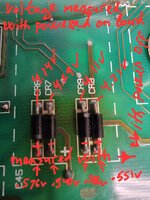
From seeing the back, the diodes are a full-wave bridge rectifier that takes the AC or DC input and feeds DC with the correct polarity into the voltage regulator. Very 1980's efficiency, but also very serviceable. Diodes running hot is either sub-optimal design, or higher than expected current draw (likely from failing capacitors), but with everything working as well as it does, I am not convinced this is a first stage power issue.
Here's my late-night over-tired at the end of the day thought. Spin a tire on it like you did in the video, and look at the arrow markings to find TDC. I get that it is calling for 000 weight, but it it also calling for a location. Chalk that spot, and spin it a few more times to see if the spot stays in the same region. Then rotate it to the location calling for weight, and put a LOT of weight on. Maybe 2 or 3 weights in a row, and spin it again. See if the location calling for weight is now opposite the chalk mark, even if it still says 000.
I am wondering if this is a loss of calibration memory. The sensor input IS working, because the same tachometer sensor that measures the static balance also tells you the orientation of the wheel and detects when the correct speed has been reached, etc. If that sensor had spurious input, you would get EEE (try rotating the shaft a few times without the wheel mounted, and you will see). 000 just means that it thinks you are close enough to balance to not need any weight. The calibration data allows the computer to know how much weight to recommend adding, and miscalibration could change that recommendation higher or lower (with 000 being one possible outcome). But calibration does NOT change where the machine thinks the weights should go. Only how much to add.

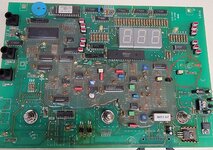
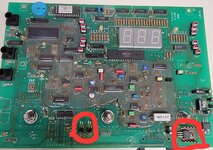
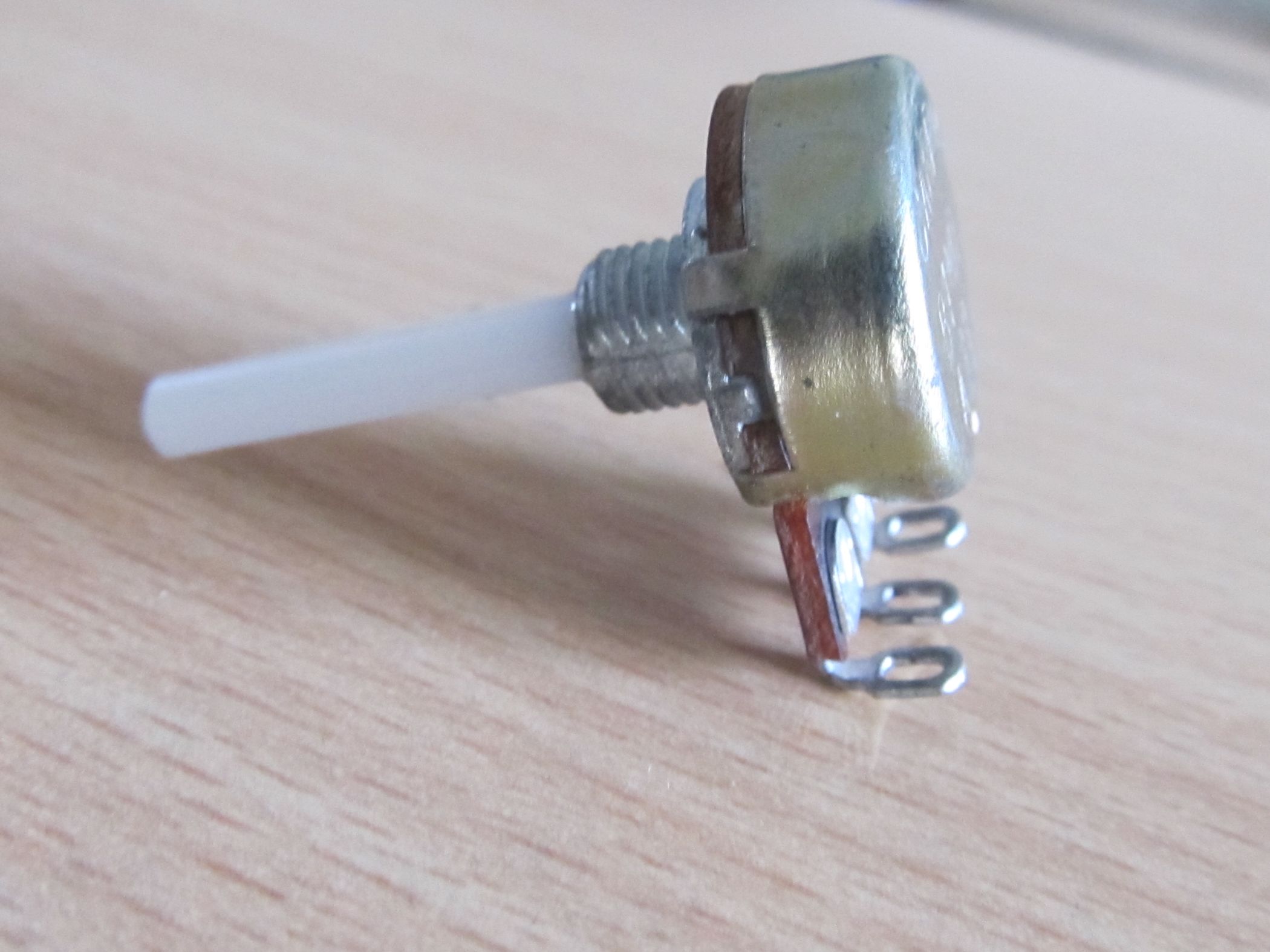



 How can I make sure that I order the right one to replace it? I have a picture befor damaging it, and I can see there's 25v but what else?