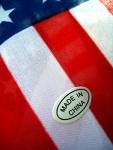
Tools are simple devices, a wrench forged in china, is still made with chinese steal smelted in a dirty chinese smelter using our scrap steal, what you get is a cheap and inferior wrench, and the waste is dumped into a river for all the locals to enjoy, hence their expendable workforce. BUT I do agree with you, we, do buy them (the tools). If there was no market for them, I guess they would be out of business.
All the $**** they do is indefensible. My friend had to go deep into the sticks inside China to scope out some site for a potential factory. My friend is from Maine! The air at this region is so bad that his eyes got a rash and an infection. Local water out of the tap is grey. Bottle water taste funny. He got out of there fast and told his boss he want nothing to do with the project. He advise his company that if they don't care about the Chinese people in the town, at least care about the people (managers and technical specialists) sent there from the California parent company. He don't want to add to the misery of the people in that village. Yet, the people there have nowhere to go. They welcome the possibility of more jobs that will raise their standard of living. They just don't have the time to think about tomorrow's illness. They are worrying about feeding their family today.
As for the crappy tool with inferior steel, as a consumer, if the thing breaks while I am using it, I don't care because I did not pay much, and I did not expect much. If my fancy way too expensive Nepros wrench or Snap On wrench breaks, I would care because my expectation is higher.
When you get into the human side of things, we all have to struggle with our moral compass. For the people of the village. They have chosen. What should WE do? Take their factory away? Let them drink the water? Demand the safety standard to be raised, and they'll loose the factories to another miserable town, or another country (India, Pakistan, Vietnam, etc). There is no simple answer.
Many years ago, there was a village in Vietnam. Most of the women are prostitutes. A factory opened, and they quit selling themselves and worked in the factory. Some well intentioned American group protest the company about working conditions. The factory owners finally caved and shut the place down. The women went back to prostitution.
If we care about the people, I believe strong trade will eventually raise their standard of living to a point where they won't put up with bad air, grey water, and sickness and death form chemical pollution. Where do we draw the line? If we don't do it, some other country will take over the empty space in the market and will import that same crappy tool, made in China, imported from Paskistan (or where ever). In the end, we still won't get our tool factory jobs back. No easy answers.