onewheat
Well-known member
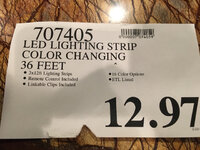
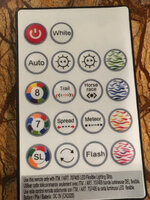
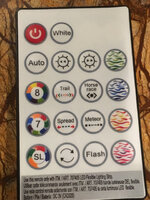
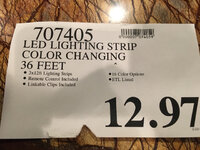
I have a 5 conductor flexible RGBW LED strip that has three 12' connectible sections for a total of a 36' tape. I want to modify it with some space between sections so I have four 5' sections with a foot or so of wire between sections so I can individually light four horizontal bar shelves without a vertical light section running between shelves. There are cut spots on the strips in 1' increments that you can make the strips shorter. I am cutting in 5' sections and resoldering and connecting with a solid 22-24 gauge wire. I have done this with two sections and when I add the third, only the first two feet of the section lights up. I thought I had a bad section, so I cut another strip and the same thing happens - only the first two feet of the third 5' strip lights up.
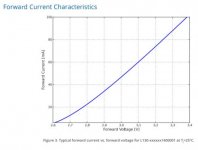
So my question is - in adding soldered wire to the circuit, am I creating additional resistance that makes the voltage too low further down the circuit not allowing LEDs past 12' to light up or am I just running into two bad sections in a row? All sections worked previously to cutting and soldering. I am kind of winging this and it isn't like I can call customer support to ask.
Maybe another option would be to run all sections individually from the controller vs running them in-line thus having FOUR 5' runs from the controller vs a 20' run (with four 5' sections separated by a length of wire)?
Any ideas?
So my question is - in adding soldered wire to the circuit, am I creating additional resistance that makes the voltage too low further down the circuit not allowing LEDs past 12' to light up or am I just running into two bad sections in a row? All sections worked previously to cutting and soldering. I am kind of winging this and it isn't like I can call customer support to ask.
Maybe another option would be to run all sections individually from the controller vs running them in-line thus having FOUR 5' runs from the controller vs a 20' run (with four 5' sections separated by a length of wire)?
Any ideas?