The issues are "Tire wear" and "Vibration", which also includes "operator comfort" and "Service life of vehicle components other than the tires".
1. Beads may correct static (single-plane) imbalance but they won't correct dynamic (two-plane) imbalance.
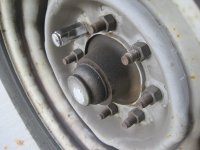
2. There's dozens of things that can cause vibration, and half-a-dozen affect the tire/wheel assembly. "Balancing" is the easiest of all of them to address. And by "easiest", of course what I mean is "raking-in-the-money PROFITABLE". The dumbest guy in the shop can do it successfully--if he can count to eight (lug nuts) and work a torque wrench, he's golden for 95% of vehicles on the road. Some shops still use those hateful torque-sticks on the end of a "rattle wrench", so using a torque wrench is somewhat optional (NOT on MY vehicle, it isn't.) Ideally, he'd be smart enough to recognize that if you break the lug stud removing the lug nut, the rest of them on that side of the car may be reverse thread. If it wasn't for liability lawyers, actual retarded people could balance tires. In fact, I'm fairly convinced that some do.
3. The fact that there's other issues at play may be the reason that sometimes "balancing wheels" still doesn't fix the real problem. Bent wheels, out-of-balance brake rotors or drums, bent axle, overlapped belts during tire construction (sidewall stiffness variation), non-obvious broken belts (they'll become obvious soon enough), failing to clean the mud from the inside of the wheel, rocks in the tread, existing tire wear--and the list goes on and on--are problems that can cause vibration or tire wear even if the tires are "balanced", and that's only the problem areas that are hanging off the end of the axle or spindle assembly.
4. Given that it's harder than ever to buy tires made in America, or even in North America or the Free World, the idea that they're becoming "more precise" is somewhat hilarious.
YES, I balance the tires. But I also understand that "balanced" is the BEGINNING, not the END of maximizing service life and comfort.

 . No offense, but you asked the question if the tires should be balanced and then said you unsure of shops knowing they need to calibrate their machines. If you know they need to keep their machines calibrated I would think you know you need to balance a wheel and tire combo. Even new tires can get thrown out as no good on a road force balancer. The problem is finding someone that actually gives a **** while doing the balance.