Found this a bit late, but here's some stuff I've learned here and there:
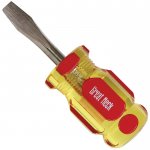
Mechanic's screwdrivers, also know as "keystone" screwdrivers have a tapered, flared tip (similar to a chisel, leading them to be used as such - incorrectly). These are typically strongest, often with a square shank or a bolstered round shank. Good ones are forged, and are usually strong enough to be used as a light pry tool. Some, like demo drivers, have a shank that goes all the way through the handle, with a strike cap on the end. These can generally handle a lot more abuse. Keep in mind that demo drivers also conduct electricity all the way through, so they are not the best tool for working on electrical panels.

Electrician's screwdrivers, also known as "cabinet" screwdrivers, have round shanks and a long taper, but the sides of the tip do not flare out, allowing access to deeply recessed screws. These should never be used as pry tools.
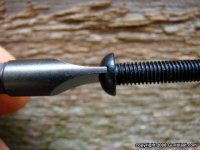
Hollow ground screwdrivers have inward curving grinds that come to a parallel tip. You tend to find these on insert bits more often than standalone drivers. These are more precise, and used for gunsmithing, or electronics repair. These, being more precise in nature, should never be used for anything other than turning screws, and may break when abused.
Keep in mind that US brands typically offer drivers in fractional sizes, and European brands tend to offer them in metric sizes. It doesn't hurt to have both. Gunsmithing kits usually have a lot of different sizes to fit the wide variety of screws.
I run into slotted screws all the time, typically finishing screws on wall plate covers, and small electronics. One thing to look for is a crisp, precise tip. If the tip edge reflects light like facets, then it was machined well. Craftsman and other entry-level brands have messy tips, and (in the case of Craftsman) may not be sized correctly, leading to damaged screws. You can grind these down, but I recommend getting better drivers to begin with. (Klein, Vaco, Williams, Wiha are some of my favorites.)