gahrajmahal
Well-known member
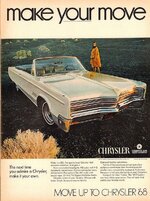
Why would you want to do this? Well, in the case of my 1968 Chrysler 300 Convertible, it is to give extended life to my original headlamp switch. Difficult to find replacements and very expensive too. Chrysler wiring systems run most everything through the switches with exception of the convertible top and the starter so high amperage loads over time corrode, pit and carry less voltage to whatever you are trying to operate electrically.
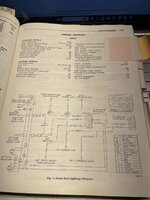
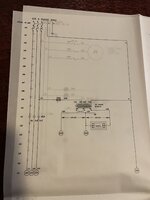
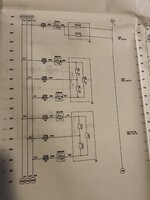
Most folks’ heads explode when asked to work on a vehicle electrical system and after getting a glimpse of my Chrysler service manual diagram, I can see why.

And there are MANY MORE PAGES.
I’m not going to lie, electrical work takes many steps and can be a challenge, but I have some methods that help clarify it for me. And that is what this thread is going to address. I’m not going to get into wiring tools, connectors, wires etc. as there are many great threads that cover this.
What type of relay to buy?
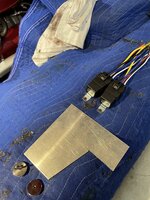
I chose to purchase individual SPDT (single pole, double throw) means one source can be switched either normally closed (NC) or normally open (NO). 12 volt activated (by the existing headlamp switch) and the LOAD SIDE is able to carry 30 amps. The load side will be protected with a 30-amp circuit breaker instead of a fuse and come directly off of the battery.

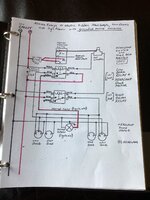
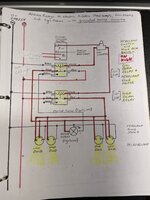
My method of sanity comes from using a type of electrical diagram (not wiring diagram) that defines all components for ONE function. In this case, turning on and off the headlights. This is a modified version (less complex) version of Ladder Logic Diagrams, used for industrial machines.


If Ladder Logic Diagrams can make this industrial application understandable, using it as ONE TYPE of tool to understand the wiring in your car, then that is what I wish to show you.
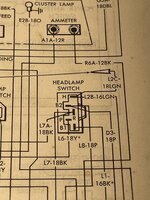
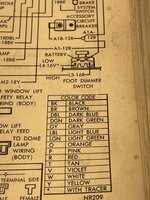
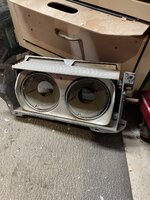
Here is a photo collage showing the original electrical components to make the headlamps turn off and on, High beam and Low beam.

I am not adding the running lights, tail lamps or dash lights to the relays. There is a separate set of contacts in the original headlight switch. I don’t care so much about their brightness plus it is easy to retrofit these bulbs with LED bulbs that will pull less amperage.
Most folks’ heads explode when asked to work on a vehicle electrical system and after getting a glimpse of my Chrysler service manual diagram, I can see why.
And there are MANY MORE PAGES.
I’m not going to lie, electrical work takes many steps and can be a challenge, but I have some methods that help clarify it for me. And that is what this thread is going to address. I’m not going to get into wiring tools, connectors, wires etc. as there are many great threads that cover this.
What type of relay to buy?
I chose to purchase individual SPDT (single pole, double throw) means one source can be switched either normally closed (NC) or normally open (NO). 12 volt activated (by the existing headlamp switch) and the LOAD SIDE is able to carry 30 amps. The load side will be protected with a 30-amp circuit breaker instead of a fuse and come directly off of the battery.
My method of sanity comes from using a type of electrical diagram (not wiring diagram) that defines all components for ONE function. In this case, turning on and off the headlights. This is a modified version (less complex) version of Ladder Logic Diagrams, used for industrial machines.
If Ladder Logic Diagrams can make this industrial application understandable, using it as ONE TYPE of tool to understand the wiring in your car, then that is what I wish to show you.
Here is a photo collage showing the original electrical components to make the headlamps turn off and on, High beam and Low beam.
I am not adding the running lights, tail lamps or dash lights to the relays. There is a separate set of contacts in the original headlight switch. I don’t care so much about their brightness plus it is easy to retrofit these bulbs with LED bulbs that will pull less amperage.