larry4406
Well-known member
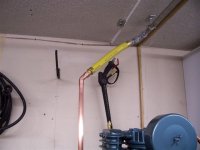
Most of the pictures and guidelines i have seen for air lines show the main line up high on the wall, pitched in the direction of flow, with risers going up from the horizontal pipe then with two elbows to make the down drop with a bleed at the bottom of the run. See the example below.
http://www.tptools.com/statictext/airline-piping-diagram.pdf
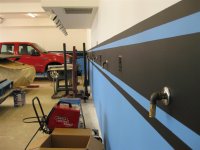
Is there anything wrong with inverting this concept? Basically, have the long horizontal pitched run down low (say about knee height), then use a tee to branch up about two feet with a single elbow to turn perpendicular to the wall? Using the diagram mentioned above, the 8 inch riser instead would be about two feet and the point of use tap would be in lieu of the elbow labled "E".
This concept would eliminate a drain valve in every point of use tap, still permits air to be drawn upwards leaving water behind in the main, and the biggest benefit i see is one single drain valve at the end of the horizontal pitched run. This concept also eliminates a number of elbows and connections.
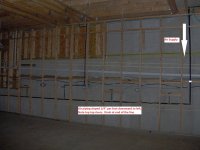
Does any one see any disadvantage to this scheme? I will be installing my airlines next weekend. My airlines will be in the walls (behind drywall) and I do not like the idea of having a bleed on every drop as these bleeds would be under my work bench and possible behind cabinets. So instead of drops, is anything wrong with risers?
I realize i could connect the bottoms of the risers into a common main but this seams to add more complications and expense.
thanks
http://www.tptools.com/statictext/airline-piping-diagram.pdf
Is there anything wrong with inverting this concept? Basically, have the long horizontal pitched run down low (say about knee height), then use a tee to branch up about two feet with a single elbow to turn perpendicular to the wall? Using the diagram mentioned above, the 8 inch riser instead would be about two feet and the point of use tap would be in lieu of the elbow labled "E".
This concept would eliminate a drain valve in every point of use tap, still permits air to be drawn upwards leaving water behind in the main, and the biggest benefit i see is one single drain valve at the end of the horizontal pitched run. This concept also eliminates a number of elbows and connections.
Does any one see any disadvantage to this scheme? I will be installing my airlines next weekend. My airlines will be in the walls (behind drywall) and I do not like the idea of having a bleed on every drop as these bleeds would be under my work bench and possible behind cabinets. So instead of drops, is anything wrong with risers?
I realize i could connect the bottoms of the risers into a common main but this seams to add more complications and expense.
thanks