Do you really not understand the difference?I use it on studs here (because of the amount of salt they use here) even though it says not to. Some guys here say they use a drop of oil instead. What's the difference? You are still using a lube on the threads. I think the warning on the label is there for the lawyers. The biggest issue is to not get it on the taper of the nut and the taper of the hole. THAT is what holds the nut from loosening and where the most friction is when tightening.


You are using an out of date browser. It may not display this or other websites correctly.
You should upgrade or use an alternative browser.
You should upgrade or use an alternative browser.
Anti-seize on Lug Studs?
- Thread starter Indexmill
- Start date
ftfyIf I even glance at a container of it on the store shelf, it somehow ends up all over me, my tools, and things I touched 30 minutes before I even walked in the store.
No to anti seize on the studs but I do use it on the hub face to prevent the wheel from sticking.
The taper is there to center the wheel correctly on the hub and wheel studs, not to hold the nut in place.
Isn’t the stretch on the threads of the stud/nut set to the correct torque what holds the nut tight?The biggest issue is to not get it on the taper of the nut and the taper of the hole. THAT is what holds the nut from loosening and where the most friction is when tightening.
The taper is there to center the wheel correctly on the hub and wheel studs, not to hold the nut in place.
kelpaso1
MEMBER EMERITUS
Ok I give. Tell me the answer.Do you really not understand the difference?
That is IMHO one of the best pieces of advice. I think most thread damage (and bolt breakage) occurs when you back a nut over the rusted thread. For trailers, we use dome nuts to keep thread clean. For cars and trucks not always possible. I would thing the BEST option if you have exposed fasteners is to buy the mickey-mouse plastic or steel chrome caps you can seem to find anywhere when you are not looking for them.Keep the center caps on and rotate the tires every great once in a while and you'll have no need to put anti-sieze on wheel studs IMHO.
Terra Nova
Well-known member
The stretch of the stud is what is providing the clamping force to hold the wheel on. You get that stretch by tightening the lug nut (obviously). However, the friction between the lug nut cone and the wheel is maintaining the torque (and resultant clamp force). If there was no friction in the cone/seat then nothing would keep the nut from backing off (in a frictionless world bolted joints won't work).No to anti seize on the studs but I do use it on the hub face to prevent the wheel from sticking.
Isn’t the stretch on the threads of the stud/nut set to the correct torque what holds the nut tight?
The taper is there to center the wheel correctly on the hub and wheel studs, not to hold the nut in place.
Last edited:
NO
Will I use it on the centering ring of the hub when putting a brake disc or wheel on ...YES
Even a Little where I know the wheel meets the face of the rotor... yes
But lug torque is a value given for a dry stud.
Lubricate that stud and the torque value goes out the window
It is one of the few fasteners that are intended to be assembled dry in order to get the right torque value ( which is just a numerical value to get the proper bolt stretch.
Even if you read a Machinery's Handbook and get a torque spec out of it for a a geeric bolt of any grade, it says the value is with the threads lightly oiled, but again wheel fastening hardware is an exception to that rule.
Will I use it on the centering ring of the hub when putting a brake disc or wheel on ...YES
Even a Little where I know the wheel meets the face of the rotor... yes
But lug torque is a value given for a dry stud.
Lubricate that stud and the torque value goes out the window
It is one of the few fasteners that are intended to be assembled dry in order to get the right torque value ( which is just a numerical value to get the proper bolt stretch.
Even if you read a Machinery's Handbook and get a torque spec out of it for a a geeric bolt of any grade, it says the value is with the threads lightly oiled, but again wheel fastening hardware is an exception to that rule.
Does antiseize on the nut face change that friction to zero? No.The stretch of the stud is what is providing the clamping force to hold the wheel on. You get that stretch by tightening the lug nut (obviously). However, the friction between the lug nut cone and the wheel is maintaining the torque (and resultant clamp force). If there was no friction in the cone/seat then nothing would keep the nut from backing off (in a frictionless world bolted joints won't work).
Farmall450
Well-known member
You have to between the rotor and the hub here or you'll need a torch to get them off.I also use a very light coating of it, not only on the studs but on the hub in order to keep the brake drum, rotor, and wheel from seizing to it. I have been doing this for the past 35 years on dozens of vehicles with no ill effects.
DudeManSpecial
Active member
- Joined
- Feb 25, 2012
- Messages
- 35
That has nothing to do with rust. It is the last guy that hammered them down with the impact gun instead if torquing them.Yes I do. Used to not till I started working on Subaru where the studs always freaking snap lol. Can’t tell you how many I replace on a weekly basis. But I use very little. Just a dab of it.
2ndGearRubber
Well-known member
Unless the stud needs replaced, and I'm not replacing it, I dont put grease on lug nut/stud threads. I will put grease on when I need to "send" some ****** lug the customer refuses to replace. If a customer has open top lugs, and rust is an issue, I'll put a little drop, like a pin head, at the back of the lug threads to help seal the threads. That and I usually put grease around the hub ring area, but that's a different thing.
Little light oil on the threads is preferred and less messy if you want lubrication. So long as it isnt sloppily applied and all gross, I really dont care what you do. People on forums get super excited about lug torque for some reason. It's not that big of a deal. Clamping forces should be generally even, and not stupid tight. It's not a sensitive value like a Torque to yield head bolt or a pinion nut. Just put the wheel on.
Little light oil on the threads is preferred and less messy if you want lubrication. So long as it isnt sloppily applied and all gross, I really dont care what you do. People on forums get super excited about lug torque for some reason. It's not that big of a deal. Clamping forces should be generally even, and not stupid tight. It's not a sensitive value like a Torque to yield head bolt or a pinion nut. Just put the wheel on.
Terra Nova
Well-known member
No, but it does reduce it. If you don't reduce the tightening torque to match the reduced friction under the nut face then you can possibly yield the stud (over stretch it and weaken it because more of the tightening torque is being used to to stretch the stud rather than overcome friction).Does antiseize on the nut face change that friction to zero? No.
That's why you can often get dry and wet tightening torque specs with some fasteners.
2ndGearRubber
Well-known member
That has nothing to do with rust. It is the last guy that hammered them down with the impact gun instead if torquing them.
Or the studs being stretched from hammering, or galled threads from junk on the threads, etc.
Nope. You keep doing you brother.Ok I give. Tell me the answer.
Aren’t wet torque values only for the threads being lubricated? The nut face or bolt head being lubed would have little effect on the stretch of the threads where they contact each other.No, but it does reduce it. If you don't reduce the tightening torque to match the reduced friction under the nut face then you can possibly yield the stud (over stretch it and weaken it because more of the tightening torque is being used to to stretch the stud rather than overcome friction).
That's why you can often get dry and wet tightening torque specs with some fasteners.
BlakeTheCarGuy
ALLIANCE MEMBER
Yeah I know. The anti seize usually helps from cross threading.That has nothing to do with rust. It is the last guy that hammered them down with the impact gun instead if torquing them.
Terra Nova
Well-known member
Generally it's both (see excerpt below from Peak Innovations, a fastener company I've had do some testing for me over the years). The friction under the head of the bolt/nut to the mating surface is about 50-55% of the total friction loss while the threads account for 35-40%.Aren’t wet torque values only for the threads being lubricated? The nut face or bolt head being lubed would have little effect on the stretch of the threads where they contact each other.
Anywhere you reduce friction results in an increase in clamp load/bolt stretch. You're stretching the whole stud, not just the threads.

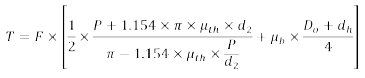
Nut K Factor Values With ISO 16047 | Bolt CoF Coefficient of Friction Testing
Peak Innovations Engineering understands the limitations of ISO 16047 and can help assess what testing is best suited to improve your fastening performance. Call 815-420-3802.
 pieng.com
jsmeece
Well-known member
Nevermind
Terra Nova
Well-known member
Loc-tite is a lubricant until it sets.Why do people think anti-seize is a lubricate?
And because, reasons…

BlakeTheCarGuy
ALLIANCE MEMBER
All of them. I’m sure the main part of the issue is guys hammering them down with an impact which leads to cross threading. Also had a few come in that you knew were going to snap because they were not on straight. But we replace studs here all the time. Especially on ones that are a few years old or more that have had the wheels off. They are very easy to cross thread which is why I get them as far down as I can before I tap them with the impact because if you drive it down with one it most likely isn’t coming off in one piece.WOW, i have never needed to do this to any of my Subaru's. May i ask what models?
2ndGearRubber
Well-known member
^ Subaru just uses ****** metal for the studs and lugs, IMO.
jsmeece
Well-known member
Maybe I should have specified that anti-seize is not substitute or similar to motor oil or grease (you know normal lubricates). I don't call anti-seize a lubricate, I call it anti-seize.Loc-tite is a lubricant until it sets.
And because, reasons…
interesting, I am not in the mechanics field so i do not get to see that many. However the 4 i have owned "all Subaru STI all different years" have never had that issue. But the 4 i have owned is nothing compared to the ones that must come through your placeAll of them. I’m sure the main part of the issue is guys hammering them down with an impact which leads to cross threading. Also had a few come in that you knew were going to snap because they were not on straight. But we replace studs here all the time. Especially on ones that are a few years old or more that have had the wheels off. They are very easy to cross thread which is why I get them as far down as I can before I tap them with the impact because if you drive it down with one it most likely isn’t coming off in one piece.
kelpaso1
MEMBER EMERITUS
Id like to know how one cross threads a lug nut? Do you not start it by hand a few turns first before using am impact? I worked at one shop once and the guy next bay over would put the nut in the socket and start the nut under power with gun. Well of course that is going to greatly up the chances of cross threading. I have NEVER in my 40 years of wrenching on something cross threaded a nut or bolt because I hand start each and every one first before I hit it with a power tool.
2ndGearRubber
Well-known member
Id like to know how one cross threads a lug nut? Do you not start it by hand a few turns first before using am impact? I worked at one shop once and the guy next bay over would put the nut in the socket and start the nut under power with gun. Well of course that is going to greatly up the chances of cross threading. I have NEVER in my 40 years of wrenching on something cross threaded a nut or bolt because I hand start each and every one first before I hit it with a power tool.
I just feed them into the gun, and on they go. Cross threading is negligent. Even if you do somehow mess it up, just chase the threads. Problem solved.
kelpaso1
MEMBER EMERITUS
Not sure if you are joking here or what?I just feed them into the gun, and on they go. Cross threading is negligent. Even if you do somehow mess it up, just chase the threads. Problem solved.
4 FN 27
ALLIANCE MEMBER
I use Directional Anti-Seize. Put it on in the direction you want to torque. Right Hand Thread go clockwise. Left Hand Thread go counter clockwise.

Just my $0.02 about this but I would "never" use or even thing about using any type of anti-seize, etc. on lug nuts.
1. ) snug, each nut lug accordingly, with a tire socket wrench, etc. (in order, as directed by the vehicles owners manual).
using something like this: https://kokenusa.com/ko-ken-spinner-cross-wrench-4711x-1-2-square-drive-2-piece-set/
2.) then use a torque wrench and apply the proper torque value tightening (as recommended on your vehicles owners manual).
https://applianceanalysts.com/torque-wrench-size/
(NOTE: I would use an impact only to remove nut lugs but that's it, never to put them back on.)
1. ) snug, each nut lug accordingly, with a tire socket wrench, etc. (in order, as directed by the vehicles owners manual).
using something like this: https://kokenusa.com/ko-ken-spinner-cross-wrench-4711x-1-2-square-drive-2-piece-set/
2.) then use a torque wrench and apply the proper torque value tightening (as recommended on your vehicles owners manual).
https://applianceanalysts.com/torque-wrench-size/
(NOTE: I would use an impact only to remove nut lugs but that's it, never to put them back on.)
Last edited:
2ndGearRubber
Well-known member
Not sure if you are joking here or what?
Not joking, that's my method. stick a lug in the socket. Zip it down, next one, zip it down. I never start them by hand. Unless one is starting it 2-3 threads it can still go on messed up, especially if the leading threads are messed up from a hammer hit or something.
A couple times a year when I start one a little off, I simply remove the fastener, run a chaser on the lug and stud,and it's just fine. So long as one uses little to no down pressure starting the nut, it isnt an issue. The threads want to line up, just like a tap wants to cut straight. You just need to let them.
Not all vehicles need tire rotations. Well, unless you want to wrestle 10 300+ wheels/tires.I live in the rust belt and have never used it and never had an issue on a vehicle I've maintained. As mentioned, if you are adding a lubricant to a threaded joint be sure to lower the torque spec accordingly otherwise you may be yielding the fastener without realizing it. Now how much do you lower it?? That's the question, and one no one here can answer because it'll be different across all the platforms and lug designs out there.
Keep the center caps on and rotate the tires every great once in a while and you'll have no need to put anti-sieze on wheel studs IMHO.
Do you not? Oil will do the same as antisieze.Do you really not understand the difference?
Al Borland
Well-known member
- Joined
- Jan 20, 2016
- Messages
- 1,602
Never anti-seize. That leaves visible residue for the lawyers/accident attorneys.
Now, cleaning the threads with a rag that might be a bit oily???
Of course, if you hate the owner, or maybe you're just mean, Lock-Tite could be fun...
Up here in the Rust Belt, lug nuts weld themselves to the studs with alarming regularity.
I've snapped studs removing the nuts with an impact, with a breaker bar, and with the ****** little tire irons they send with the car.
Then, the wheels (especially Fords) fuse themselves to the hubs. And the rear drums or discs weld themselves to the hubs, and...
Point is, rust *****.
Now, cleaning the threads with a rag that might be a bit oily???
Of course, if you hate the owner, or maybe you're just mean, Lock-Tite could be fun...
Up here in the Rust Belt, lug nuts weld themselves to the studs with alarming regularity.
I've snapped studs removing the nuts with an impact, with a breaker bar, and with the ****** little tire irons they send with the car.
Then, the wheels (especially Fords) fuse themselves to the hubs. And the rear drums or discs weld themselves to the hubs, and...
Point is, rust *****.
If you're worried about lawyers searching for anti seize you should just switch to loctite. Red, otherwise they can claim negligence.Never anti-seize. That leaves visible residue for the lawyers/accident attorneys.
Now, cleaning the threads with a rag that might be a bit oily???
Of course, if you hate the owner, or maybe you're just mean, Lock-Tite could be fun...
If you read my post, it will definitely not. The lubricity of virtually any amount of anti-seize is way beyond what amounts to using an oily rag to remove the residue left from a wire brushing and ensuring the leftover surface visually appears dry. I'm not talking about coating the thing in oil (though I still think they would be closer to the dry torque spec than even a minimal amount of anti-seize - people tend to slather that **** on). If the threads do not appear dry, I'm going to make them dry.Do you not? Oil will do the same as antisieze.
Antiseize for farm equipment is one thing. On a road vehicle, nope.
2ndGearRubber
Well-known member
I'll wipe the excess goop off, when people use half a bottle per wheel. But I'm not using a full sure-shot container stripping them clean of every spec of anti seize.
Even if the goop means the lugs are at 2X the spec torque, it's an m12 or bigger nut. Itll live. Goobers hammer on those things for years, over tightening them, and the attrition rate is astoundingly low. Not that I advocate cranking the lugs on, BTW. I did a Saturn today, lug nuts had been so abused the taper on the nuts was ground with a ridge front the steel wheel, from crushing the lug nuts down. Been that way as long as I can remember on the little Ion, and they still work just fine. The lugs went on with 1/2 second of hammer clatter from my astro stubby. There will be no issues.
Even if the goop means the lugs are at 2X the spec torque, it's an m12 or bigger nut. Itll live. Goobers hammer on those things for years, over tightening them, and the attrition rate is astoundingly low. Not that I advocate cranking the lugs on, BTW. I did a Saturn today, lug nuts had been so abused the taper on the nuts was ground with a ridge front the steel wheel, from crushing the lug nuts down. Been that way as long as I can remember on the little Ion, and they still work just fine. The lugs went on with 1/2 second of hammer clatter from my astro stubby. There will be no issues.
Lassen Forge
Well-known member
No no no no... A guy I used to work for sayd yes,but he could not understand why he kept breaking lug studs on his wife's Volvo... Anti-sieze is a lubricant, and Lug Nut (and bolt) torques are dry, because people DO NOT put lube on their lugnits or lugbolts...
2ndGearRubber
Well-known member
IMO, the number one "overtightened/stuck" lug cause, is rounded caps and irregular fit. You can put the nastiest gun in the shop on there to try to rattle them free, and itll never work, as you have so little surface area to actually transmit torque. Breaker bars will win every time there. If it is cross threaded, you can just snap the stud and move on to replace it. But when they're really a pain, it's because they're swollen.
KnurledNut
Well-known member
Around here its pizza grease and tobacco spit...
...then gun ‘em on ‘til they cry.
...then gun ‘em on ‘til they cry.