To avoid these ads, REGISTER NOW!

Back up heat

HoosierBuddy

Well-known member
Joined
May 9, 2006
Messages
2,913
Location
Southern Indiana
Hey guys,

So...I know a lot of people are without heat right now, especially those that rely on power and don't have a backup.

Curious who all on here has a backup heat source for their house or garage and how's it working for you.

I'll start: Backing up my natural gas furnace, boiler and water heater, (if the power goes out ) I have:

1. Natural Gas ventless space heater
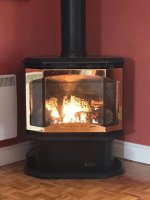
2. Natural Gas ventless log set in fireplace
3. Small camping generator (gasoline) could be wired into furnace with about 15 minutes of work to allow furnace to run with power off. Also could be used to power blower on power vent water heater at the same time.

4. Backup to my Backup. I have wood and fireplace grate on hand to convert fireplace from gas back to wood. Might take me an hour.

Phil

p.s. This post is more for the people who have no backup. I'm very worried about my inlaws in Texas right now who have been without power since yesterday and have no heat whatsoever.
 
To avoid these ads, REGISTER NOW!

theoldwizard1

Well-known member
Joined
Feb 22, 2011
Messages
43,073
Location
SE MI
2. Natural Gas ventless log set in fireplace
If you have a fireplace already and natural gas, this is the way to go !

Ventless propane (LP) will put a lot of moisture into the air. If you are planning a back up for a heat pump, make sure it is vented !
 

WisJim

Well-known member
Joined
Dec 20, 2010
Messages
2,255
Location
Menomonie, WI
Many fireplaces are for looks, not effective heating, and **** a lot of heat from the house up the chimney. A good woodstove makes sense to me. Our backup is wood furnace with solar charged battery for backup electric, and small wood stove if needed. Feeling bad for folks in Texas and elsewhere who are getting this unusual cold weather.
 

ericm

Well-known member
Joined
Apr 17, 2016
Messages
1,963
Location
Southern Oregon
In the mountains where we live there's a lot of outages (lots of rain, steep slopes, big trees, poor system maintenance by PG&E). We have a generator that can power the furnace blower. And a wood stove. When I moved here I got a chainsaw and a generator. I consider them requirements in this area.
 

walrus

Well-known member
Joined
Nov 12, 2008
Messages
11,672
Location
Maine
I wouldn't live in rural Maine without a woodstove and a gennie large enough to run well, fridge, freezer. My gennie won't run everything at once but it will keep my food cold, my toilet flushed and house warm.
 

thammel

Well-known member
Joined
Oct 3, 2005
Messages
2,233
Location
Maryland
I have 2 heat pumps for my house; backup is propane for one and electric heat for the other. Garage has 2 mini-split heat pumps and a reznor propane heater. I also have a propane fireplace that is rated also as a furnace and a propane driven backup electric generator. So propane is my main backup.
 

NUTTSGT

Super Moderator
Staff member
Joined
Sep 14, 2009
Messages
50,853
Location
Northern Central Ohio
Back up heat would be firing up the Honda 2000 and hooking up the furnace. If there's an issue there, I've told the wife, we're going to the garage.

I'll fire up the woodstove and wire the blower into the Honda.


Melt snow on it to flush the garage toilet.
 

b-boy

Well-known member
Joined
Oct 2, 2013
Messages
2,155
Location
Buffalo NY
I have a ventless NG fireplace I can use. It's 30K BTUs. It won't heat everything, but it will take the edge off. I also have a medium size generator. It can power my boiler, my freezer/fridge, and most importantly the TV.
 

PCustoms

Well-known member
Joined
Jul 23, 2011
Messages
22,198
Location
VT
I burn wood for 90% of my heat, propane furnace is my "backup" if I'm not around to load the stove.

I can run that from the generator if need be.

I also have a 50k btu burner in the basement, and a 30k portable.

If I leave for any extended time where there is risk of power interruption and pipes freezing I shut the water down and open faucets. I figure odds are in my favor, if not I might have to replace a toilet and a few fittings.
 

Don1357

Well-known member
Joined
Apr 15, 2019
Messages
948
Location
Palmer, AK
I have about cord an a half of wood which would feed the woodstove for a few weeks. It can warm up the house to opening windows in winter level of warm.

I keep two 20lb propane tanks around at all times (Now that I have the garage I plan on getting two 100lb tanks). They can feed a proper indoor space heater (with oxygen shutoff safety) or a heater head (tons of BTU but indoors just for sporadic use).
 

bored350

Well-known member
Joined
Mar 17, 2011
Messages
222
Location
Arkansas
I have a heat pump with resistance strips (all electric house, no NG available) as our primary in Central Arkansas. We've been in teens and single digits this past week so a few 5 gallon cans of gas, 15 gallons of gas in each of the 3 cars not being driven and 2 generators are our backup plan. The master bath and bedroom each have auxillary heat sources (1500 watt heater built into the bedroom ceiling fan and heater built into the bathroom exhaust fan) plus a few space heaters. I can maintain 24/7 power to the essentials and intermittently run the heat pump and/or resistance heat with a 65* set point for 9 days before running out of fuel. By that time I would have loaded up my 4wd truck and sought to refuel if TEOTWAWKI hasn't arrived.

Sent from my moto g stylus using Tapatalk
 

Jackfre

Well-known member
Joined
Dec 26, 2010
Messages
4,406
Location
N CA
Vent free heaters are great for this. Empire is my preferred infra-red brand other than the Rinnai 824, but the 824 will require a generator. It is only about 30 watts, but still power. I can run the place with my Generac which I installed last year for our multi-day outages. If I was to buy a small generator I would look first at the Honda’s which are excellent. Other than that for substantially less is the HF Predator series.
 

ambenz

Well-known member
Joined
Dec 12, 2010
Messages
4,236
Location
NW Chicago Suburbs
I am up the proverbial creek if I loose Natural Gas, and on the news today, although a very rare event, I saw a water main break caused the break in a gas main and a fire ensued, in a local neighborhood that had a natural gas outage today!!!!
I do have 5 electric room heaters. One is a baseboard oil filled, 2 are oil filled convectors, 2 are infrared. And if I also loose electricity.....
I do have a pump gas fired 5550 watt generator and a 4X4 truck with gas cans in a pinch.
View media item 104697
I really would like a wood stove in the basement next to the basement Main return vent to **** in the heat and distribute it using my current furnace heat ducts.
But, it's pretty rare to loose natural gas and it hasn't been a priority.
Since we got a new electric power distribution station in 2009, a mile away, we haven't had an electrical outage either, so my gene has been collecting cobwebs under the bench.

My natural Gas ventless in the garage is a champ, never fail at keeping the 660 squares between 50-58F, even during the coldest days...but we could also use electric heaters in a pinch as we store my garage queen in there and store a lot of water based car show cleaning and shining products for my wifes side business.
 
Last edited:

AP514

Well-known member
Joined
Jan 23, 2014
Messages
768
Location
Pearland, Tx
I just used my Generator to power 1 NG furnace and a few other circuits for the last few days here in Houston. I also have NG Fireplace(more for looks than Heat- but works if you sit close) I also would be hurting if I lost NG...
A few pic's
 

Attachments

  • Generator setup.jpeg
    Generator setup.jpeg
    57.3 KB · Views: 48
  • 30 Gal Fuel Drum.jpg
    30 Gal Fuel Drum.jpg
    65.7 KB · Views: 47
  • Generator at work.jpg
    Generator at work.jpg
    138.6 KB · Views: 48

Crazyjake8493

Well-known member
Joined
Sep 26, 2014
Messages
3,948
Location
Upstate NY
We don't have power outages very often (maybe two in the last 10 years), but my backups are a generator to run the furnace, fridge, and chest freezer, or a kerosene convection heater if there's an issue with the generator (or I run out of gas).
 

finn

Well-known member
Joined
Mar 27, 2005
Messages
16,179
Location
The UP, God's country
Michigan house: propane boiler with in floor radiant heat. Backup is electric baseboard in 4 basement rooms, two bathrooms, two upstairs bedrooms, and the living room. Also a wood stove and propane oven that can be lit with a match. 3500 watt generator for the well and to run the blowers and pump. Edit: forgot about the two Mitsubishi mini splits, one hyper heat that worked at -16 a couple of years ago, and the other three head that I think is good to something like 5 or 8 degrees.

Michigan garage: hanging propane heater and a wood stove, with a small portable electric space heater in the urinal room. 2000 w generator to run the blowers

Michigan shop: 125k btu boiler and in floor radiant, charged with antifreeze. Hanging 75k btu propane shop heater normally used for quick warm ups when working in the shop. Electric baseboard supplemental backup in the office, and electric space heater on a thermostat in the bathroom. Also an electric oven designated to powder coat curing that could also provide some space heating supplement. 2000 watt generator to power pumps and blowers. Have a space, including a thimble through the wall, for a wood stove. Also have a propane and two diesel/kerosene salimanders, and a wick type kerosene space heater Popular twenty years ago, and a propane patio heater.

Arizona house. Just a ng furnace and oven. The Coachman Beyond class b camper van is down here though, and it has a propane heater and a generator.
 
Last edited:

rlitman

Well-known member
Joined
Oct 18, 2010
Messages
24,576
Location
Long Island
I've got two portable as well as a stationary generator, so, so long as I have NG flowing, I can keep my home's heating system working. It does require electricity to run the pumps and gas valve, but not all that much.

From the backup to the backup department of redundancy department, I could scrounge together about 9000W worth of electric heaters (which I could in theory mostly run on my combined generators). Between those and a kerosene heater, I could keep my whole house from freezing without NG for a few days. I could get some more heat from my gas range as well, should the problem be with my boiler itself.

My plumbing is on a manifold system, so if SHTF, I can easily blow out (using my portable compressor, or the reserve of air in my 80 gallon tank, because my generator is not going to run that beast) the lines leading upstairs and just worry about heating the basement. Nothing there is run on an exterior wall (ok, the laundry connection is on an exterior wall, but it's below grade, and I wouldn't need to turn it on anyway). I have a few gallons of RV antifreeze in bottles, as well as a truck tire filled with the stuff (at the base of my tetherball pole) for a worst case scenario for toilets and traps in areas I would let freeze.

I drove a sand-point shallow well a few years ago for irrigation purposes, but I also have a manual pump I can use to draw from it too, and I have an electric distiller I can use to make that potable without chemicals (though I do have bleach too), again, should SHTF.

Yes, I have a fireplace and about a quarter cord of wood at the moment, but I wouldn't rely on that for heating. It's on an exterior wall that's just not going to cut it for keeping my pipes from freezing, though it would be suitable for cooking and some comfort heating. The cast iron fireback helps throw a lot of heat into the room, and I have an adjustable crane with a cooking grate that I haven't ever used, so it would be a nice supplement to the above. My range and grill are NG as well, but I have both propane (Primus 2 burner) and white gas (Coleman 2 burner) camping stoves packed away, and enough fuel to cook for a week or so on either (I also have hexamine and a matching stove, but things would have to be pretty bad before I tore into that).
 
To avoid these ads, REGISTER NOW!

Firebrick43

Well-known member
Joined
May 12, 2015
Messages
13,971
Location
West central Indiana
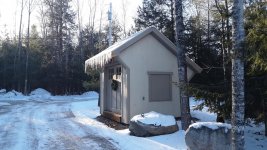
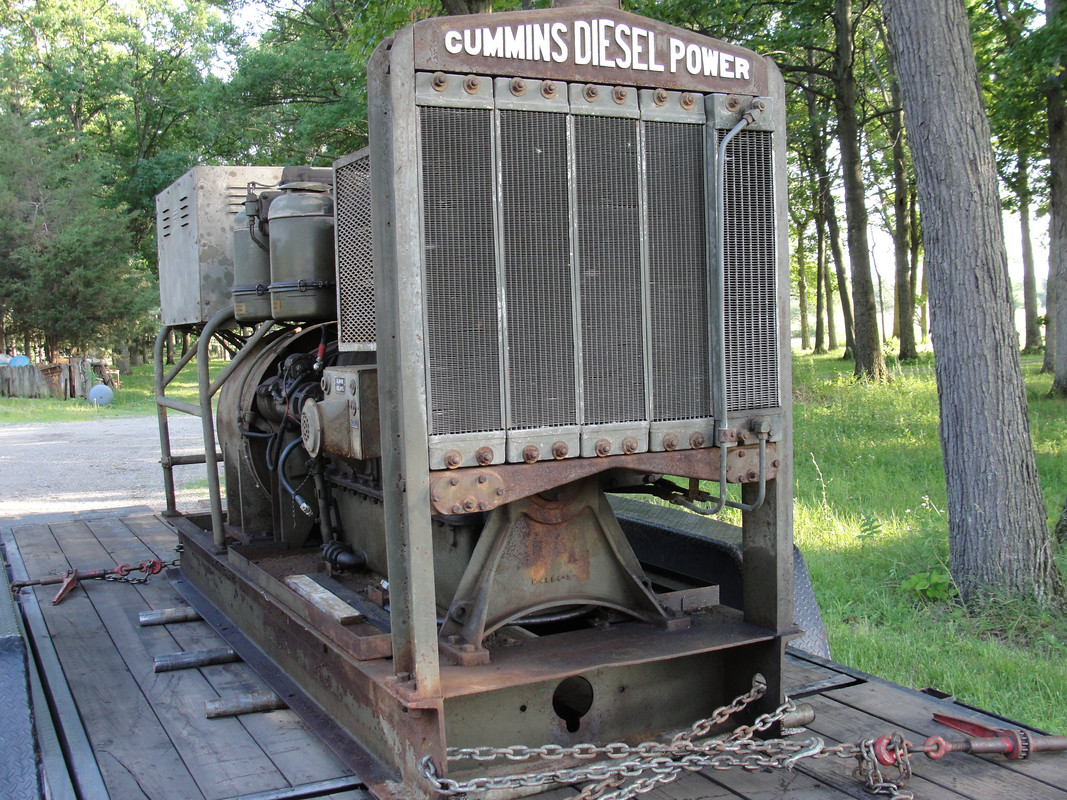
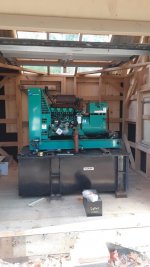
It's a Cummins so a little 4cyl onan diesel (I believe), hard to keepup with the Cummins/onan thing, certainly not a 4bt. 20kw.

Never seen an onan diesel. Sure didn't look like any cummins I had seen. The gen set have multiple engine sources however. The cummins branded genset we have at work has a John Deere 4 cylinder engine in it??

Note: I think your right on the onan diesel. Googlefu confirmed that onan used lister petter diesels branded as onan in some of there gen sets.

Interesting as my back up is a 6.5 hp listeroid single cylinder diesel
 

mattbal

Well-known member
Joined
Aug 5, 2007
Messages
56
Location
Connecticut
Lots of variety built into my primary and back up plans.

500 gallon propane tank for primary heat, hot water, stove, oven, and propane fire place.

Backup generator W/Transfer Switch that powers the essential circuits (Furnace, refrigerator, freezers, microwave, many outlets)

City water, back up is natural spring in back yard and Katadyne filter.

2ea 240V electric heaters in the garage with cords that can go to house. (Marley Model 402A)

Coleman 2 burner white gas fuel stove. (W/ adapter to convert to propane)

Coleman single burner propane stove (small canister).

Propane fireplace with battery power supply.

“Normal” wood fireplace and enough wood to last 1 season.

Gas grill and 3 propane tanks

Fire pit

And if we really really really need I have a Ready heater 75K BTU Multi fuel Kero, Diesel, JP, or Bio diesel) forced hot air heater, and inverter that will power it from 12V power (Wife hates the smell, so totally a last resort)

My car is diesel; wife’s car is gas.

I like to think we have options depending on the scenario we encounter.
We have pretty good variety of options available for all situations. The majority of these purchases were for normal use, but I tried to consider their feasibility in harsh situations. And went for variety when at all possible.
 

metlmunchr

Well-known member
Joined
Sep 10, 2011
Messages
1,278
My house had HW baseboard and an oil fired boiler when I bought it in 85. No A/C. I added a/c a couple years later but went with a heat pump because it would operate much cheaper than the boiler when temps are around freezing or above.

Bought a little Generac 4000xl around 18-20 yrs ago, and in power outages I turn off and lock the main breaker on the house panel and backfeed the house from the 100 amp panel in my detached garage. Plenty of power to keep the refrigerator, freezer, lights, and tv going as well as the boiler if the weather is cold. The generator will power the 4000 watt elements in the water heater but we make sure to shower during the daylight as most everything else needs to be turned off when the water heater breaker is turned on.

Not a 100% convenient setup as compared to a whole house gen, but for the infrequent times we've lost power over the years, it works plenty good enough that I never have seriously considered any sort of permanent setup.
 
Last edited:

nh_yota

Well-known member
Joined
Mar 10, 2015
Messages
4,068
Location
Seacoast New Hampshire
Obviously a generator is more useful but it's not always the best solution for every situation. My power rarely goes out and storing/running a generator on my tiny piece of property here downtown is more of a hassle than it's worth.

A direct-vent gas fireplace can work well for backup heat depending on its location in the house. My old house has steam heat with a gas-fired boiler as its primary heat and a direct-vent gas fireplace in the living room, primarily for ambience.

The fireplace has electronic ignition and a blower so it can really crank out heat once it gets going. When the power goes out the ignition has a battery backup but the blower does not. It's not nearly as energy efficient as central heat but I don't care about efficiency if I need to heat my house in an emergency. A bonus is that I can run it to heat my house if my boiler craps out regardless of power or no power.

Keep in mind that during an emergency you may have issues finding gasoline for your generator whereas natural gas keeps running as long as the supply lines are intact.
 
OP
H

HoosierBuddy

Well-known member
Joined
May 9, 2006
Messages
2,913
Location
Southern Indiana
Good responses everyone!

We should all take a few moments and a little money to get prepared.

For instance, after reviewing everything in my house right now...I've decided the biggest weakness is the water supply. I'm on town water. I worked on the old well and got it functional, but it's shallow, doesn't produce a lot of water, is very hard water, has not been tested, and requires power to get it out of the ground.

The wife keeps 5 to 10 1 gallon water jugs in the basement, and rotates them through to the fridge....but FEMA recommends a minimum of 1 gallon of water/day/person with a minimum of 2 weeks supply on hand. If my kids and mom and mom-in-law retreat to my house in a SHF situation..7 people....that means I need 98 gallons on hand minimum.

Looks like I've got a weekend project. I'm thinking a couple of the 65 gallon upright tanks Tractor Supply sells, weld up a stand, and a little bit of plumbing and I'll have a handy 130 gallons of drinking water in the basement. Plumb it up so I can refill it from a valve on the city water supply (which I can backfeed from my well with some valve adjustments)....and a drain hose over to the sump pit for change outs.

Phil
 

rlitman

Well-known member
Joined
Oct 18, 2010
Messages
24,576
Location
Long Island
Good responses everyone!

We should all take a few moments and a little money to get prepared.

For instance, after reviewing everything in my house right now...I've decided the biggest weakness is the water supply. I'm on town water. I worked on the old well and got it functional, but it's shallow, doesn't produce a lot of water, is very hard water, has not been tested, and requires power to get it out of the ground.

The wife keeps 5 to 10 1 gallon water jugs in the basement, and rotates them through to the fridge....but FEMA recommends a minimum of 1 gallon of water/day/person with a minimum of 2 weeks supply on hand. If my kids and mom and mom-in-law retreat to my house in a SHF situation..7 people....that means I need 98 gallons on hand minimum.

Looks like I've got a weekend project. I'm thinking a couple of the 65 gallon upright tanks Tractor Supply sells, weld up a stand, and a little bit of plumbing and I'll have a handy 130 gallons of drinking water in the basement. Plumb it up so I can refill it from a valve on the city water supply (which I can backfeed from my well with some valve adjustments)....and a drain hose over to the sump pit for change outs.

Phil

That 2 week supply is making the assumption that you have no water source at all. If you've got a shallow well, can you use a manual pump on it? I prime my irrigation well using a pitcher pump. Just keep a stock of cup leathers and a cylinder hone you can run in a cordless drill, and you're set for anything.

Even if that well isn't potable, you can use that water to flush toilets, and boil it for washing purposes (or even maybe distill it for drinking). Now you're down to a quart or less of potable water to store, which is a much easier prospect.
 
OP
H

HoosierBuddy

Well-known member
Joined
May 9, 2006
Messages
2,913
Location
Southern Indiana
That 2 week supply is making the assumption that you have no water source at all. If you've got a shallow well, can you use a manual pump on it? I prime my irrigation well using a pitcher pump. Just keep a stock of cup leathers and a cylinder hone you can run in a cordless drill, and you're set for anything.

Even if that well isn't potable, you can use that water to flush toilets, and boil it for washing purposes (or even maybe distill it for drinking). Now you're down to a quart or less of potable water to store, which is a much easier prospect.

I don't have any way to manually prime it, but I can run the pump off my camping generator. It's about 60 feet deep. The well is valved off from the house, but the whole system is there including a pressurized well tank. I've used it periodically over the years to water my lawn. I've never attempted to use it in house fixtures (I'm sure I could in an emergency) because:

1. The water is hard to the point when I've washed my car with it, the car comes out white with lime...and it would quickly do a number on flush valves and aerators.

2. It would be stealing. Why? Because I'd be stealing the sewer charge.

If I go with my plan to install 2 each 65 gallon water tanks in the basement....I'd be able to use one at a time and refill from the well manually between uses. I'll look into some of those chemical purification tablets like they use for camping and you'd be able to treat a tank full of well water to make it safe for drinking.

A buddy of mine drills wells for a living and he said he's confident my well would test positive for ***** coliform at very low levels, because he's seen the results of many tests in the area and that's what they typically show. You know though...as I'm writing this I'm thinking that most of the well users are further out in the county and they are going to be around cow pastures...and I'm not. So I probably should have mine tested and not just assume anything.

Phil
 
Last edited:

rlitman

Well-known member
Joined
Oct 18, 2010
Messages
24,576
Location
Long Island
...If I go with my plan to install 2 each 65 gallon water tanks in the basement....I'd be able to use one at a time and refill from the well manually between uses. I'll look into some of those chemical purification tablets like they use for camping and you'd be able to treat a tank full of well water to make it safe for drinking.

A buddy of mine drills wells for a living and he said he's confident my well would test positive for ***** coliform at very low levels, because he's seen the results of many tests in the area and that's what they typically show. You know though...as I'm writing this I'm thinking that most of the well users are further out in the county and they are going to be around cow pastures...and I'm not. So I probably should have mine tested and not just assume anything...

I'd go with your well buddy's assumption. You'll be using chemical purification regardless. Ideally, you want to filter it to the point of being absolutely clear (a well developed well in sand might not need any filtering at all...). At that point, anything large (multicellular life, and amoeba, etc.) that chemicals might not kill will not be present. However, since you plan to fill these storage tanks from city water before any event, that's sort of a moot point, at least until the time comes to refill them. And if you are able to conserve your tanks for drinking use, and plumb the well water for bathing and flushing, then your 65 gallons (x2) should last you a very long time.

As for the chemicals themselves, unscented bleach is at least as good as any camping tablets. Chlorine has a shorter shelf life than bromine, which in turn is shorter lived then iodine, but chlorine is still the gold standard for a good number of reasons.

The usual treatment for wells is to pour the bleach directly into the well and shock it. That's not ideal for consumption, but should make showering and washing dishes sufficiently safe.
 
OP
H

HoosierBuddy

Well-known member
Joined
May 9, 2006
Messages
2,913
Location
Southern Indiana
Thanks rLitman. I'm going to take all that advice and use it.

My project is as far as getting the first 65 gallon tank bought (My Tractor Supply only had one in stock), verifying I have enough steel on hand to build my stand, and measuring in the basement to see where I can put it.

I have an unused corner behind the water heater that is barely large enough for it to fit there. The corner is useless for anything as it's hemmed in by the water heater and has a return air over the top of it making the clear height from the floor only 65". It's perfect for a 45" tank on a 12" tall stand though. For added clearance, I'm going to move my water heater 6 inches further away. That may be all I get done this weekend. All of the hoses are flexible and it'll go....but it's a power vent so I'll have to extend the PVC Vent 6-inches...and while I'm there I'm going to redo how I have the combustion blower powered (going to put in it's own receptacle. Right now it has an extension cord that runs over to the sump pump receptacle as if the guy who installed it was in too big of a hurry...because I was. ) AND replace two pipe ******* between the shut off valves and the flexible hose that are rusted. They aren't leaking...but while I'm messing with it...might as well make it look nice.

Phil
 

toyotadriver

Well-known member
Joined
Dec 30, 2010
Messages
1,586
We have a heat pump with a backup propane furnace (dual fuel). We also have a wood stove in the basement and plenty of seasoned wood. We have two transfer switches....one is 120v only and it runs essential circuits in the house including refrigerator, stove/oven igniter, deep freeze, essential lights, and the furnace. The other transfer switch is a 200 amp 240v switch that can power the entire house. I don't have a big enough generator to run the heat pump but it can run everything else including the well pump.

I own several generators. One is reserved as a backup only. The other two are the primary generators. One is a 120v inverter generator converted to run on either propane or gasoline and the other generator is a 240v diesel generator. The propane generator can run on either propane bottles or the house 500 gallon tank. I keep about 20 gallons of diesel on hand. I have a diesel tractor so the diesel fuel is rotated through the tractor.

We don't worry about power outages.
 

p_mori7

Well-known member
Joined
Mar 23, 2010
Messages
3,340
Location
Montreal, QC., Canada
I have a propane stove (direct vent) hooked up to a 300 gallon tank. It has a millivolt thermostat, so no electricity needed unless I want to run the fan.

Propane fired Direct-Vent wall furnaces are a good option too. Easy to install. Will also fire automatically with a millivolt t/stat as long as the pilot is lit.
 

Attachments

  • stove.jpg
    stove.jpg
    36 KB · Views: 7

chuck356

Well-known member
Joined
Jun 17, 2018
Messages
48
Location
east-central Illinois
We live next to a forest preserve on 4 acres way out in the sticks, basically a house in woods. Power outages to to trees and tree limbs falling on lines is common, so years ago I bought a 14kw whole house generator that is plumbed into our 1000 gal propane tank for fuel source. We never let the the tank get below 35%, we use Ferrill gas and they do a pretty good job supply the propane.

Our main source of heat is from the outdoor wood boiler, before the bad cold weather came in a few weeks ago I made sure I was stocked up on firewood, plus I have a lot laying around that needs cut up, not to mention 100's of trees on the property. Chainsaw is ready and have plenty of fuel mixed for it as well. If for some reason the outdoor boiler fails, the propane furnace kicks on a 65 degrees. Not a perfect plan, but so far it has served us well.
 

dcg9381

Well-known member
Joined
Jun 20, 2018
Messages
11,627
Location
Austin, TX
I'd go with your well buddy's assumption. You'll be using chemical purification regardless. Ideally, you want to filter it to the point of being absolutely clear (a well developed well in sand might not need any filtering at all...).
The usual treatment for wells is to pour the bleach directly into the well and shock it. That's not ideal for consumption, but should make showering and washing dishes sufficiently safe.

I've owned two wells. Neither tested positive for e-coli, but they both did test positive for coliform. And the coliform always came back.

The suggestion for bleaching the well is good and totally valid, but it only lasts so long.

I've since moved to water collection - not because the wells were bad, but because our mineral content is super high and there is nothing that cleans that up other than reverse osmosis.

My shop has about 3,600 sqft of roof. It provides enough water, even in Texas, for a family of 4 year round..

But my point is this - you don't need to chemically treat. I use UV treatment on the wells and now on the water tanks. As long as you have power, it works great without adding chemicals....

The other "emergency" option is that you can UV sterilize at the drinking water source. I have a reverse osmosis system under a cabinet with a small UV light (I have a big one too) - it's a great budget solution that takes care of most common water problems that would make you sick.
 

rlitman

Well-known member
Joined
Oct 18, 2010
Messages
24,576
Location
Long Island
I've owned two wells. Neither tested positive for e-coli, but they both did test positive for coliform. And the coliform always came back.

The suggestion for bleaching the well is good and totally valid, but it only lasts so long.

I've since moved to water collection - not because the wells were bad, but because our mineral content is super high and there is nothing that cleans that up other than reverse osmosis.

My shop has about 3,600 sqft of roof. It provides enough water, even in Texas, for a family of 4 year round..

But my point is this - you don't need to chemically treat. I use UV treatment on the wells and now on the water tanks. As long as you have power, it works great without adding chemicals....

The other "emergency" option is that you can UV sterilize at the drinking water source. I have a reverse osmosis system under a cabinet with a small UV light (I have a big one too) - it's a great budget solution that takes care of most common water problems that would make you sick.

I've used UV clarifiers and UV sterilizers with pond water. UV is a great way to kill nasties in the water, but keep in mind the bulb hours. At the end of 1 year of continuous operation, the bulb is putting out something like half the UV output.

Also, cheap UV systems use glass tubes (you need something that keeps the bulb dry) that block a lot of the UV. You want to spring for something that encapsulates the bulb in a quartz tube, and preferably has an easy way to keep the tube surface clean as well.

For ongoing sanitary water, UV is great. But counting on it for once in a blue moon use might be pushing your luck.
 

kj_mustang

Well-known member
Joined
Feb 9, 2011
Messages
1,211
Location
Harrisonburg, VA
All it takes is some surface water leaking into the well through the casing and it will fail the coliform test. When I was in real estate sales in the country of VA, I would estimate that 95% of the surface wells (not deep drilled wells) that I had tested failed.
 

bonneyman

Well-known member
Joined
Apr 22, 2010
Messages
8,752
Location
Desert SW
I burn wood for 90% of my heat, propane furnace is my "backup" if I'm not around to load the stove.

I can run that from the generator if need be.

I also have a 50k btu burner in the basement, and a 30k portable.

If I leave for any extended time where there is risk of power interruption and pipes freezing I shut the water down and open faucets. I figure odds are in my favor, if not I might have to replace a toilet and a few fittings.

I like this plan! :bowdown:
 

nadogail

Well-known member
Joined
Jan 23, 2009
Messages
31,897
Location
Coronado, CA
We are heating with natural gas, cooking with electric and drinking city water.

I have a generator that will do an honest 6KW but runs on gasoline. I have 5 gallons of treated gas in a jeep can, which I rotate into the tank on my van.

Both my garage and workshop have 5KW electric heaters. Our climate is moderate and the last major electric outage lasted 9 hours, in the summer, and the freezer with the door closed gained only two degrees, from -1 to +1.

If TSHTF, we can shelter in either the garage or the workshop.
 
To avoid these ads, REGISTER NOW!
Top Bottom