Not even remotely true. Ridge and soffit vents are the preferred choice in wet and windy climates like here in the NEUS. Deck vents of any variety OTOH are the least desirable solution bc of eventual failure issues. They also commonly short-circuit the soffit-ridge combo and/or provide too much flow.
JMO but many folks get way too caught up with temperature and flow. In reality your attic should be a bit hot in summer with a very slight, almost unnoticeable but consistent breeze. The goal is to let moisture escape without letting the outside elements in, vent too much and you'll see snow/rain/dust coming in constantly and also issues with shingles and sealing.
They may be the preferred but the point I'm making still stands.
I'm going to say it again. In many applications ridge vents do not provide sufficient flow and it can be due to several factors. Lack of ridge, poor installation, ect. Furthermore in many applications the ridge is not sufficient to vent the attic space. Roof designs keep getting more complex, architecture is a commodity more than ever, and hips increase in popularity over gables. Ridges are shrinking in present design trends.
Short circuiting occurs in unbalanced systems and systems with mixed forms of intake or exhaust.
This is getting to be a HF vs snap on argument.
Furthermore the "feel" your talking about is a properly designed ventilation system where convection creates air flow and heat energy from the roof assembly is transferred to the attic air and out the exhaust.
Also, if your getting snow and rain through your vents you have insufficient intake. So yes maybe it's over vented / imbalanced but it's not due to moving to much air through the attic.
Unless you have seen it sucked through the intakes from excessive flow, if you see that happen please post a video.
We can agree that their are guidelines that dictate design and if adhered to regardless of the passive vent chosen it will work.
Sent from my iPhone using Tapatalk


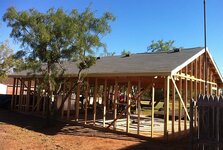
 NOT comfy work...