Well, this is going to piss-off a lot of people.
1. Vacuum bleeding *****. I've done it using a Mity-Vac, but not for twenty years. I gave up on it. You need to seal the bleeder screw to the wheel cylinder or you'll never know when you're done. The vacuum ***** air around the threads of the bleeder screw, or past the wheel cylinder cups, so there's ALWAYS air coming through the hose. Remember that wheel cylinder cups are designed to seal the fluid IN, they're not designed to seal air OUT. In normal use, they never see a vacuum.
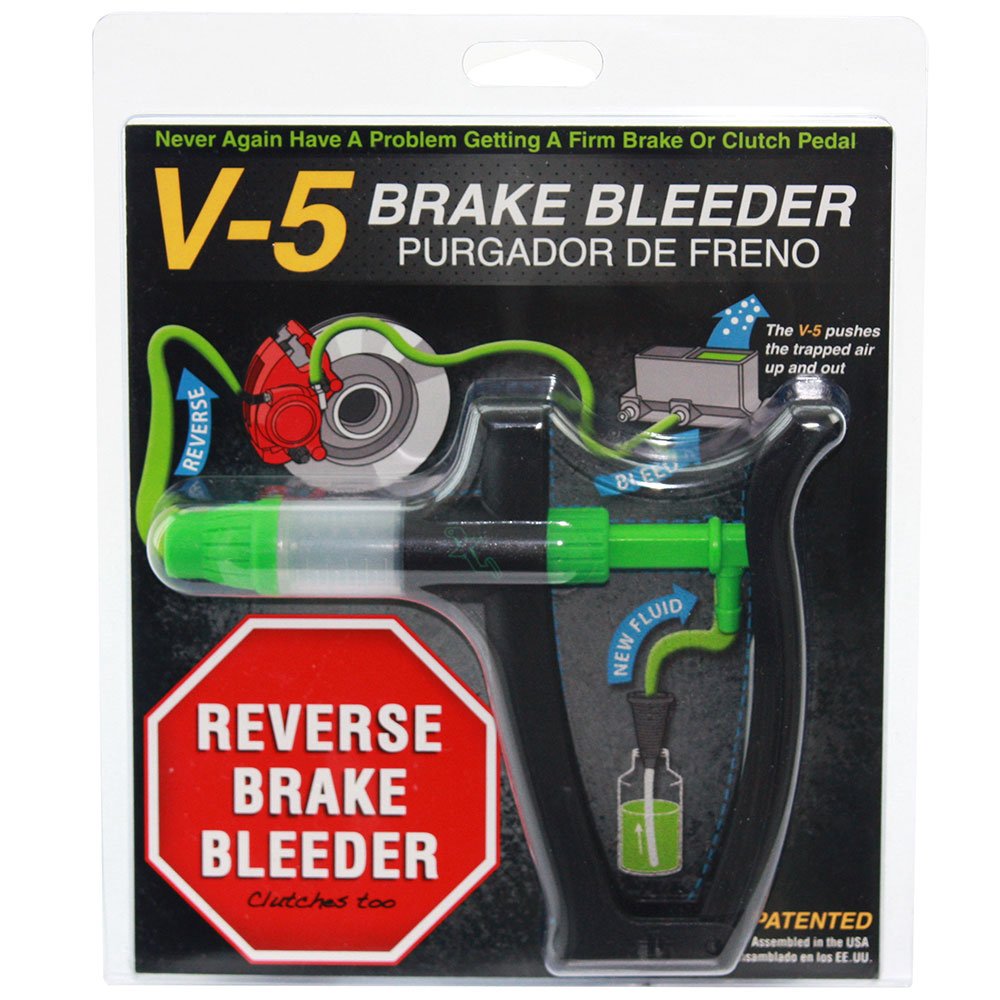
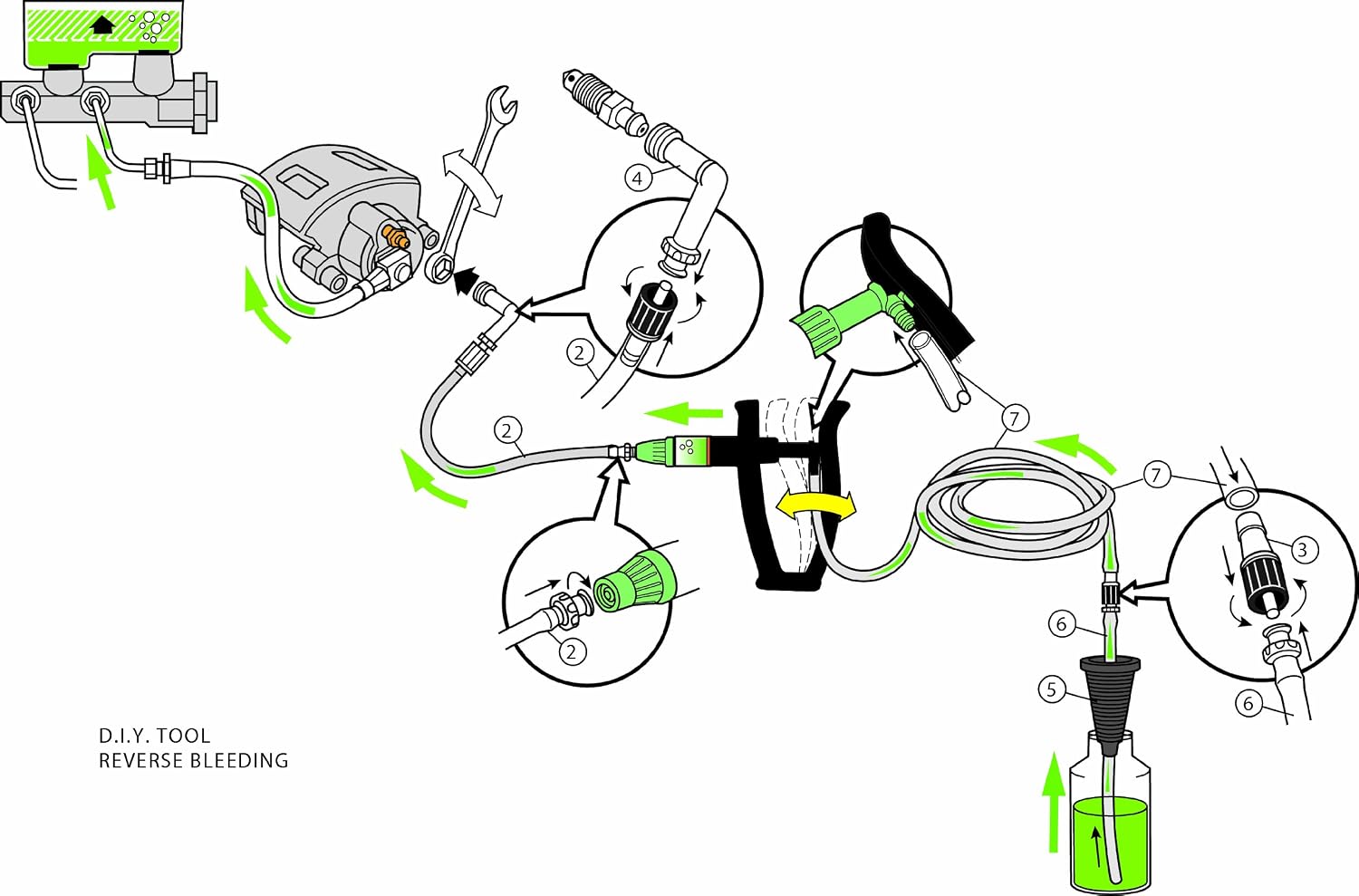
2. Reverse-injection bleeding *****. It ***** twice as hard when you buy some expensive tool to do it. All you need is to PUSH THE CALIPER PISTON(s) BACK INTO THE CALIPER. Of course, drum brakes are going to require some sort of special tool. The problem with reverse-injection bleeding is that it can only be done on a clean system or you're pushing contaminated fluid back through the ABS valving and the master cylinder. The fluid at the wheel cylinder (including caliper) is probably the most-contaminated fluid in the vehicle. So first you're bleeding in the regular direction, to get clean fluid into the caliper, so that then you can push it backwards? Friggin' crazy. The only time this makes sense is when the system is totally empty and clean. And THEN, you still have to bleed in the normal direction to finish the process, because the bleeder screw is always higher than the hose leading back to the master cylinder, and so you'll leave a bubble in the wheel cylinder unless you final-bleed out the bleeder screw. Does "Phoenix" tell you this?
3. Motive Products and other "pressure bleeders" that are some variation of a garden-sprayer don't have a diaphragm to separate the fluid from the air. As a result, the humidity in the air pumped into the "pressure bleeder" will immediately contaminate the brake fluid. Garden-sprayer bleeders are a poor solution--and it's not like they're inexpensive.
4. "Two-man" bleeding is a waste of labor. There's no reason on Earth that automotive brake bleeding should take two people, unless one of them is a Victoria's Secret model, and the other just likes to look up her skirt from under the car when she pumps the pedal. Overall, not a bad plan. It always ends with lots of pumping, but then you have to go back and work on the brakes.
5. I have no experience with "Speed Bleeders", I don't have any problems with the following two methods. "Speed Bleeders" just seem like an additional, un-needed expense.
6. Gravity bleeding takes no special tools, requires little set-up and take-down time. Does not waste fluid. Takes a long time to actually do the bleeding, so I reserve this method for when I'm doing minor work at/near the wheel cylinder.
7. Pressure bleeding with a diaphragm-style bleeder requires an investment in equipment, considerable set-up and take-down time, but the actual bleeding goes like lightning. I reserve this method for fluid flushes, extensive work, or work at/near the master cylinder.
For the record, I have NEVER had to "push the pin" on a metering/holdoff/combination valve to get fluid flow to the front wheels. Yes, the service manual says you have to do this. No, I've never actually needed to, and I've pressure-bled a bazillion cars over the years.
8. If you've bled the system once, thoroughly, you probably have an air pocket at the master cylinder, because the master cylinder is tipped "up" in front. You can bleed until the end of time and never pop that bubble out of the angled master cylinder. This is common as dirt. Raise the back of the vehicle to drop the front of the master cylinder, or remove the cylinder from it's mount WITHOUT removing the brake tubing. Push the front of the master so it's angled "down" just a little--and tickle the master primary piston while watching the "geyser" in the compensating port(s). As soon as the master is tipped "down" in front, the bubble should release into the reservoir provided there's a little fluid movement back and forth.