It was the Opel plant in Brandenburg, to be more specific, in 1944. Ford did the same. Its Cologne plant was not directly targeted, but its suppliers and supplies were, effectively shutting it down.
Not a shining moment for them, for sure. Their argument (taking the eventual 'spoils' of the victor spilling down to rebuild what was destroyed unnecessarily, exploiting Hap Arnold's October '45 Strategic Bombing survey) has actually been less problematic to me than GM's and Ford's overly long and reluctant prewar "withdrawal" of control, via questionable chain of power of attorney transfers, of their German subsidiaries after the Nazis started invading other countries and before we declared war, when they were disallowed all contact. And it goes beyond trucks. Opel was tied to Junker, Ford's supplies of rubber were being rerouted, and both helped with synthetic fuel during that period. While both companies have since strenuously condemned their own policies during that time, they also made it clear in 1974, the last time this was seriously debated here, that they would vigorously fight any legal actions, and when it was reheated by Holocaust class action against Switzerland's infamously neutral, conniving, and swindling malfeasance, extracting nearly $2B in ill-gotten gains from the central bank in the 90s, they stopped short of going after the likes of GM and Ford. Chrysler, to its credit, cut ties and activities much quicker and sooner.
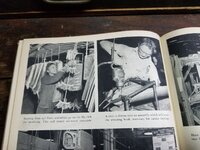
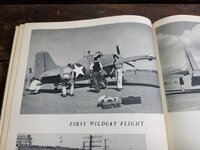
None of that completely detracts, however, in my opinion, from the rightness and mightness of their war effort at home, or from the joy of finding an uncommon, desirable book extolling those activities, and the jingoistic GM book is not the first and will not be the last of its kind in the 'arsenal of democracy' wing of my collection.
Since it's not the first time you've sneered about it here, RJ, I am well aware that you have a different view.