I side more with Dave455. I've also had bad luck with WD-40. I find it leaves rust spots if left very long between tool uses. I usually use paste wax on any tools used for woodworking or a quick spray with aerosol lithium grease followed by a wipe to remove the excess for any of my metal working or mechanic tools. They then get another quick wipe down from a lightly oiled rag after each handling/use. I have quite a few custom made bare steel hand tools that have zero rust years later from using this technique.
Condensation is solely a result of the air in the room reaching the dew point. The dew point being reached also applies to surfaces. A "local dew point" can occur on your tools more easily than it is reached elsewhere if your tools are physically colder than the room's air temp. The more mass one of your tools has, the slower it will warm up or cool down with room temperature changes, so larger/heavier/thicker tools are more susceptible to condensation than smaller/thinner/lighter tools.
If the humidity in your shop is kept low enough, and you also do a few things to help slow down temperature swings so the temperature of your tools can better change up and down along with the room air, you will never have condensation on your tools even with wild overall temperature swings, because those swings will never place your tool temps below the dew point. Even something as simple as leaving your tool drawers partially open might help warm air get inside faster and warm up the tools more quickly so they don't get condensation on them as temps go up each day.
Plug air leaks and dehumidify, that's usually the key. Most other techniques only cover the problem up instead of fixing it. You would be better off spending money on a dehumidifier instead of a second beater set of tools for garage use.
It is recommended in general to try and always keep humidity levels at 50% or below for living areas. This prevents mold growth over time. A dehumidifier set at 40-50% max humidity should be able to prevent almost all condensation for even the most extreme temperature changes day to night.
Look at the attached dew point chart to find what shop humidity level would allow for you to never reach the dew point on your tools. Set your dehumidifier's max humidity level just below that number.
If you don't know how to read the chart, here is an example for you-
If the room air is 80 degrees and the humidity level is 40%, a tool won't get any condensation on it unless the temperature of the tool itself is lower than 52 degrees.
Another example-
If your room and tools start off in the morning at 40 degrees with 35% air humidity and then the room air heats quickly to 80 degrees and 35% humidity by mid-day, you tools will have to warm up to at least 48 degrees in that same period of time to prevent them from having condensation on them.
If you can't do anything to slow air temp changes, increase the speed of tool temp changes, or reduce humidity, you pretty much have to coat your tools in light grease, rust preventative, etc. More of a hassle, but in life one can't always solve problems the easy way because there are sometimes other factors at play that can't be changed.



 I'll bring out some of the hand tools I'm not as worried about and wipe them down as instructed and see how they handle the conditions. I can determine from that if I want to risk the better quality stuff. For now, I have my cart holding my car detailing stuff and gardening tools.


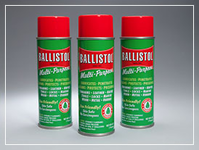
 or wait until it warms up mid-day before I go working in the shed.