To avoid these ads, REGISTER NOW!

CPR with Chiz

Chiz

Active member
Joined
Jun 11, 2017
Messages
29
Location
Ohio
CPR with Chiz - My Restoration Thread

My friends’ call me Chiz and I finished up my EMS (Emergency Medical Service) career about 15 years ago spending the last 20 years of it as a Flight Paramedic. These are my CPR stories… No not what you think…. but Cleaning, Painting and Restoring: machines, equipment and miscellaneous related do-dads. I am a woodworker and most of my projects revolve around that type of equipment. I first found this site looking for information on resuscitating my CM Block Grinder. I then got sucked into reading numerous posts and many restoration threads here. I found them to be very inspirational and thought I would add my 2 cents with some of my restorations. I see old iron and do not see junk but see what it once was and what it again could be. They truly do not make them like they used to. I have completed some projects; have a few in progress and some on the side line just waiting in the que. Like most I never know what is going to follow me home.

Restoration Index (Hyperlinked or scroll down to the referenced post number)


HTC Mobile Base – This post

Craftsman Woodworking vice #506-5189 - Post #4

Delta 14" Band Saw table, "Old Iron", and some Clamps - Post #9

Have you seen my Daddy?
Small Wilton vice looking for relatives
- Post #13


Wilton 6" Vice - The Restoration begins" - Post #18


HTC Mobile Base

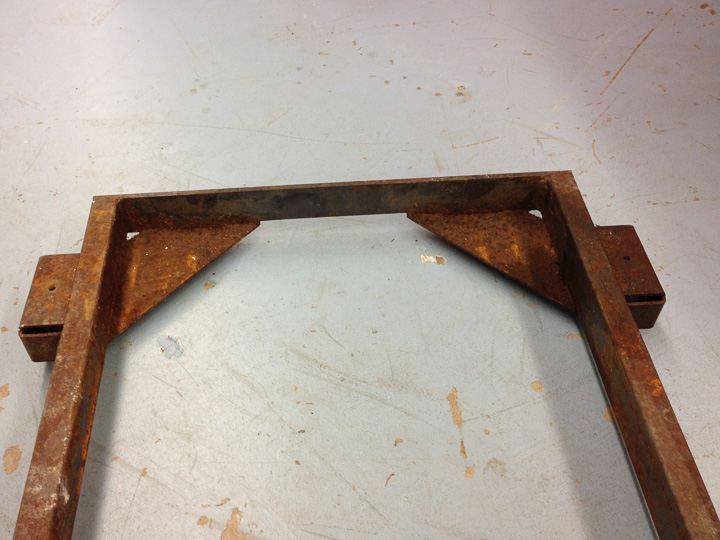
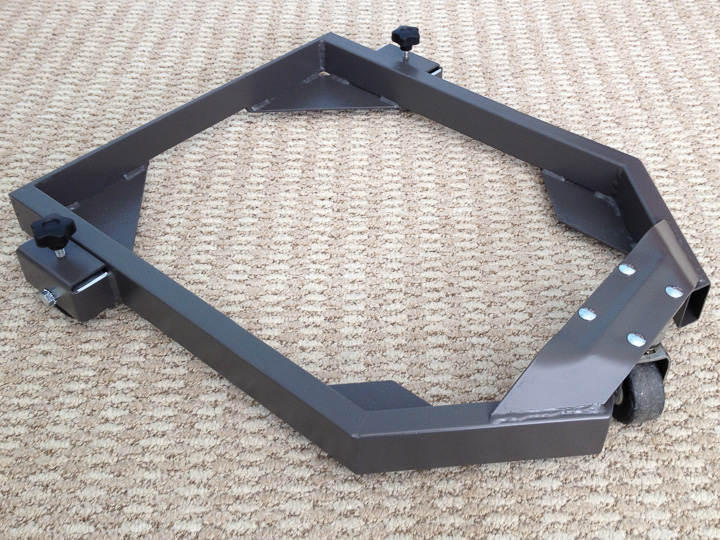
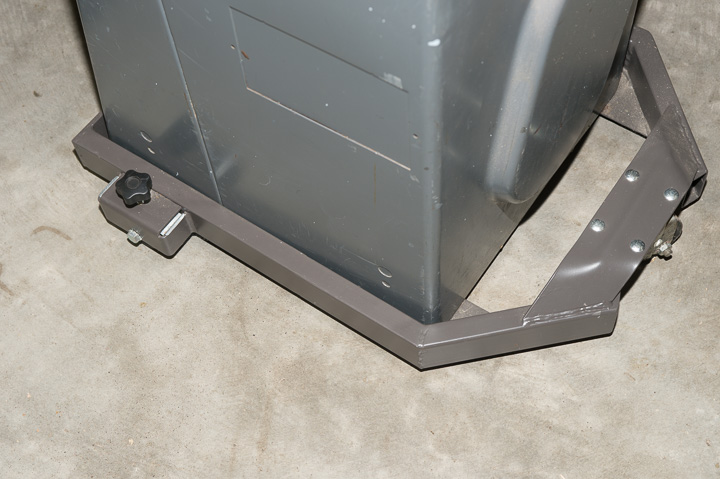
First up is a first generation HTC mobile base that did not fit anything I had, the previous owner was going to scrap it out when I asked about it and he gave it to me. I was in need of a mobile base for an older Delta 6 x 48 belt and 12” disc sander combo machine (another restoration project in the que). My son can weld and I got him to cut 6” out of each side to fit the Delta sander.
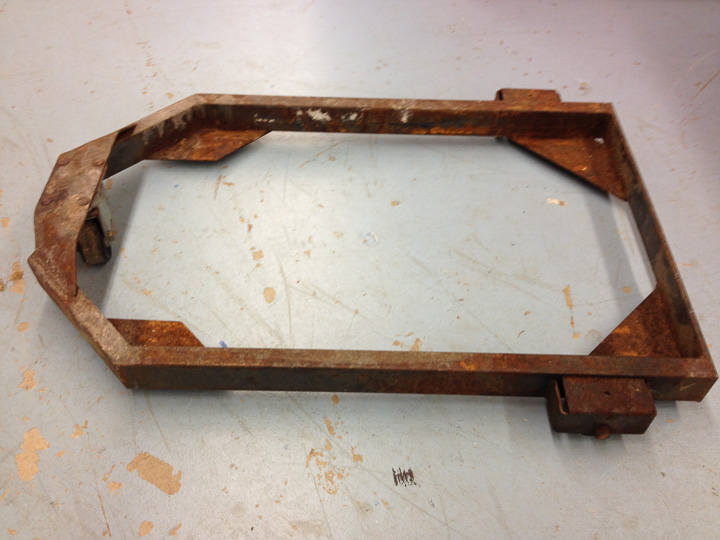
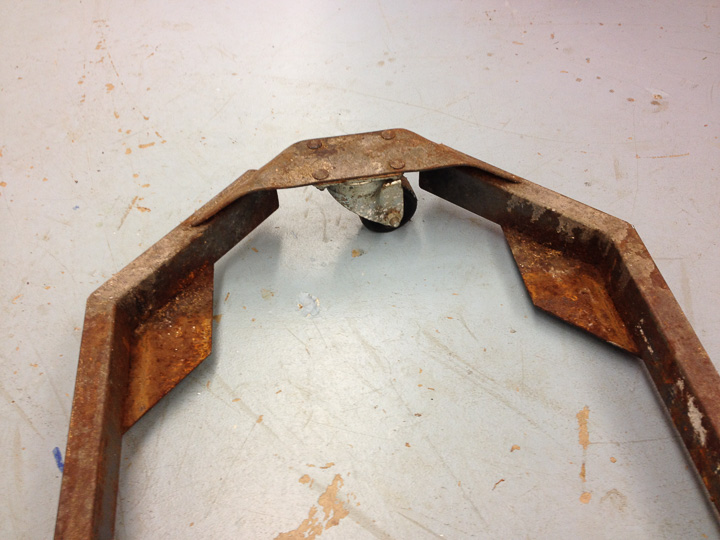
The Before

IMG_1328.jpg


IMG_1329.jpg


IMG_1330.jpg


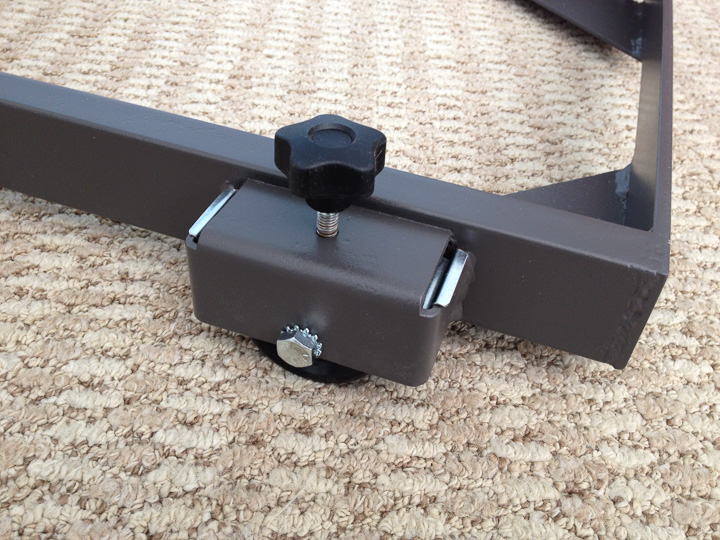
The After
Everything cleaned up pretty well, except I did replace all the nuts, bolts and washers. The paint is Rust-oleum Satin Anodized Bronze.

IMG_1332.jpg


IMG_1336.jpg


With The Sander On It

IMG_1337.jpg
 
Last edited:
To avoid these ads, REGISTER NOW!
OP
C

Chiz

Active member
Joined
Jun 11, 2017
Messages
29
Location
Ohio
Craftsman 506-5189

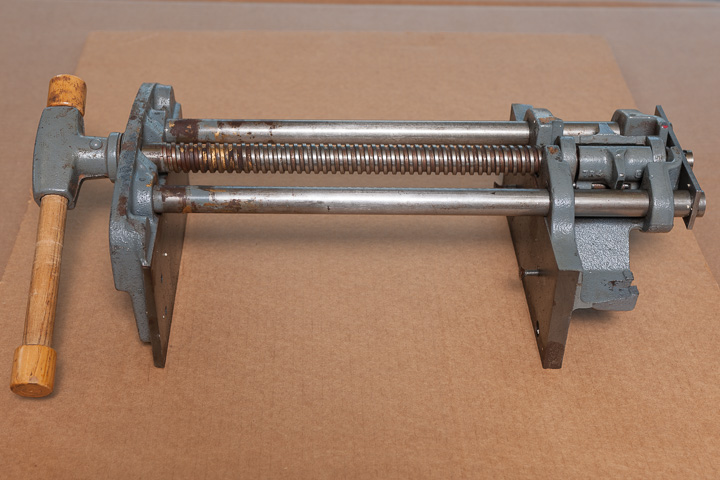
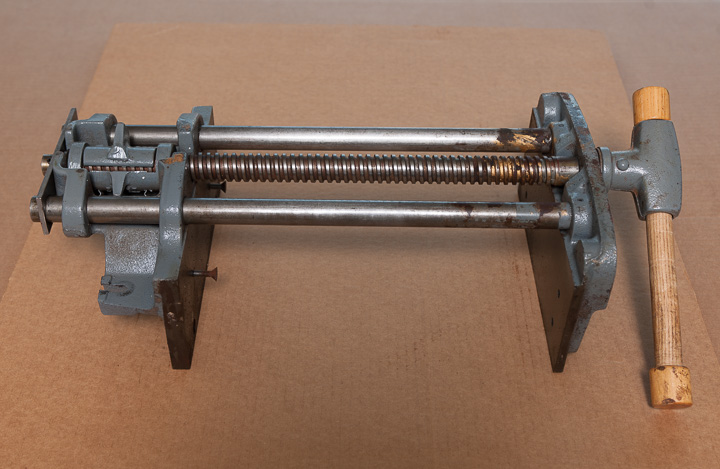
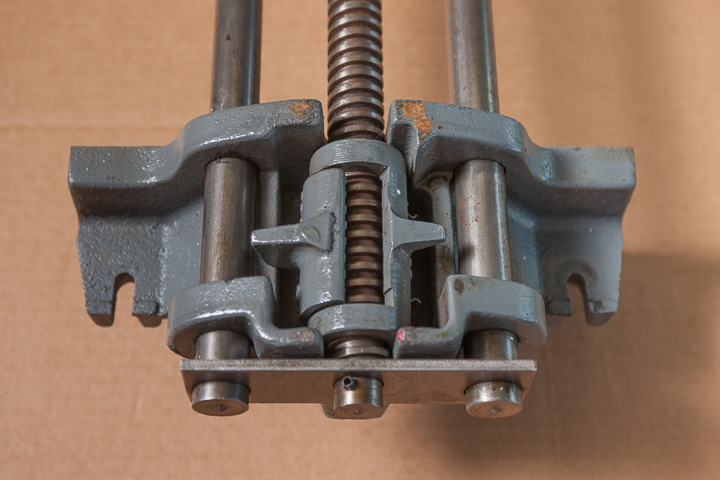
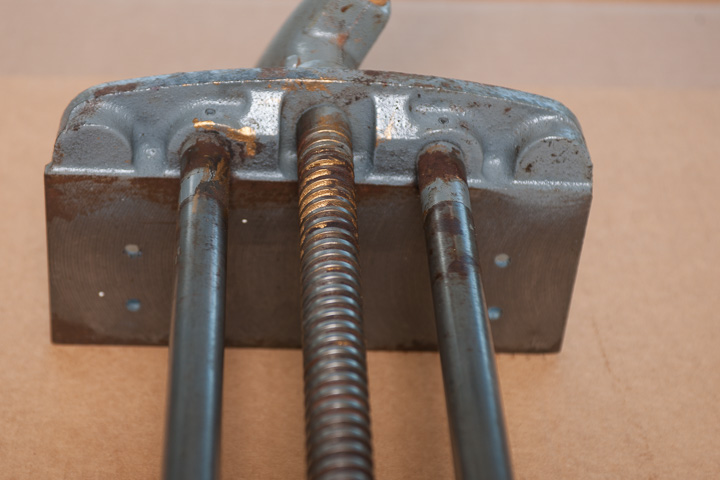
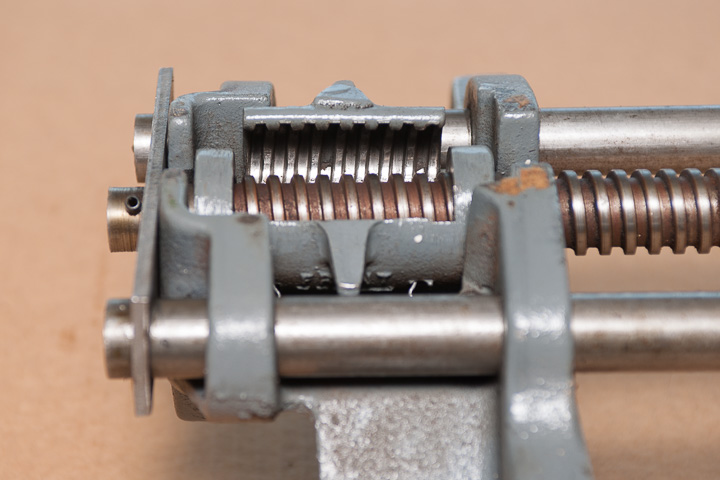
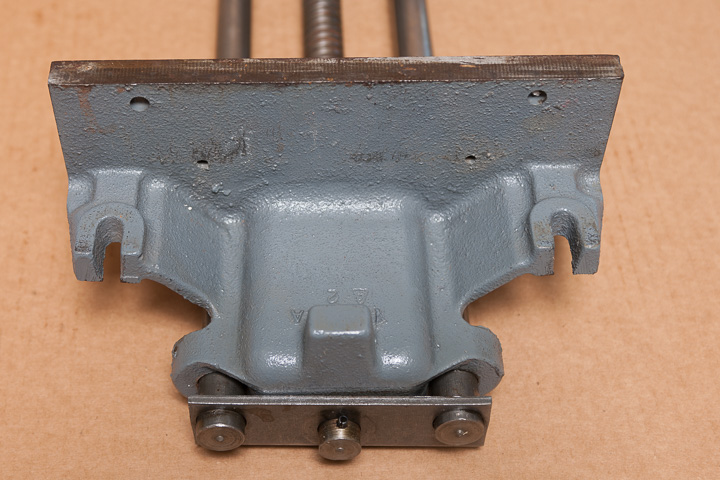
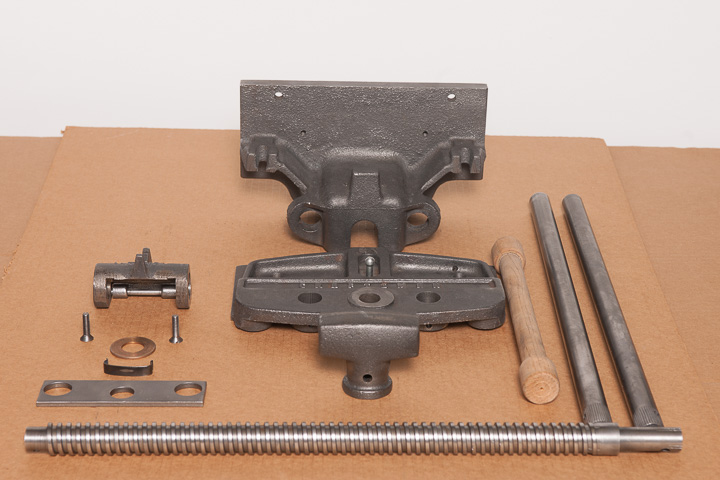
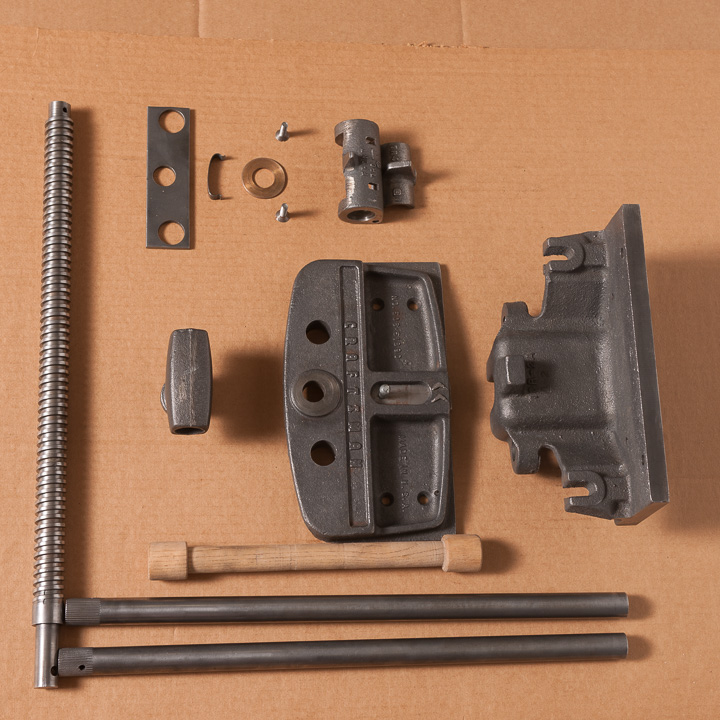
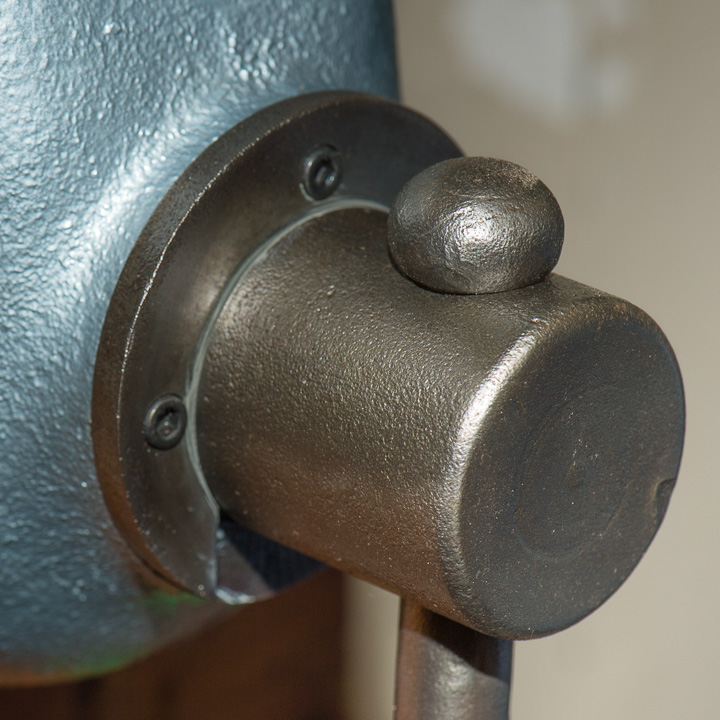
I had always wanted a quick release woodworking vice: specifically a large Record 53. After trying to find one for a few months it became quite obvious that it did not look like I was going to be able to afford one. I settled on a 10” Craftsman 506-5189. The price on the one I found was very good and its condition was better than most. I think the reason they sold it so cheap was that the dog would not fully retract back down and was always in the way. A set of picks some WD-40 and I was able to dig out years of dirt, grime and grease out of the bottom of the dog shaft. It now fully retracts down. It had been painted at least once and did have a little rust and grime on it. This would be a perfect 1st vice restore for me. Once I got it, I took pictures so knew exactly how to put it back together. It was going to be a piece of cake: grind off one end of the rivet and the punch the roll pin through and the acme tread was off. Then drill out the 2 blind roll pins and the guide bars would be off.

The Before

_DSC8058.jpg


_DSC8060.jpg


_DSC8059.jpg


_DSC8065.jpg


_DSC8066.jpg


_DSC8070.jpg


_DSC8072.jpg


_DSC8073.jpg


PRO TIP: If anything has blind roll pin DO NOT attempt to remove them unless it is life or death of the equipment or machine.

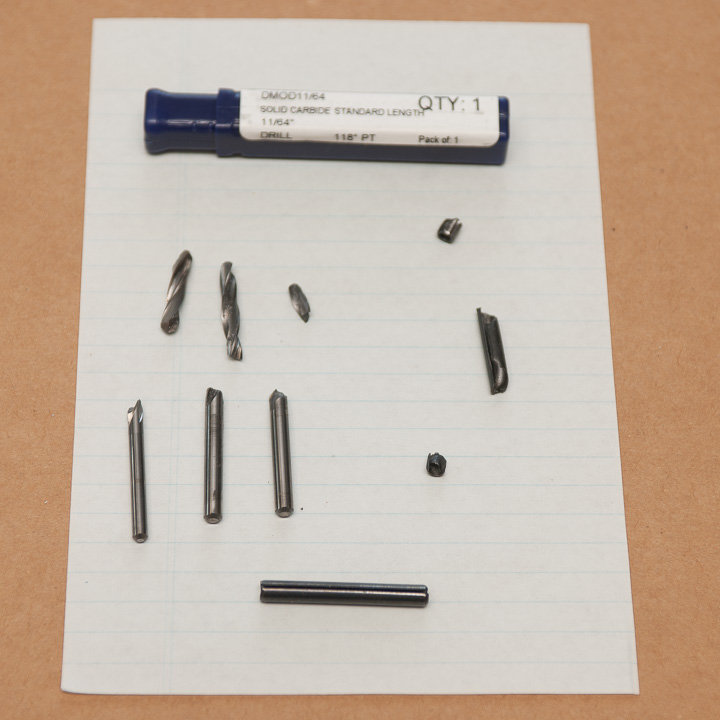
Let me explain I started drilling out one and made some good progress until the drill bit broke off in the hole. I could not easily get it out, so I started drilling out the other pin. Another broken bit in the hole, this one came out after a few minutes with fine needle nose plyers. I looked for solutions and with a Dremel, a carbide burr bit I was able to grind the bit out after about an hour. I went for the cobalt bit set, I could drill for about 4 minutes and then had to go to the Drill Doctor to sharpen the bit. After a total of several hours I had progressed about 3/4 of an inch and broke that bit off in the hole. This was killing me, way too much time trying to remove these roll pins, I started so I had to finish. I ordered several expensive carbide drill bits. When they arrived I was able to finish drilling out the first roll pin in a fairly quick manner. Then on to the 2nd hole I had just started and broke that expensive bit in the hole. It had caught in the space on the roll pin and broke off. It would not come out, nothing would cut it. I would up shattering it with a punch and hammer pulling small pieces out at a time. I sharpened up the broken bit and was finally able to remove the second roll pin. It took close to 2 weeks between waiting for drill bits to come and actual drilling and grinding the roll pins out. Again just don’t go there unless it is life or death. A hard and expensive lesson I learned that I pass on to you.

_DSC8669.jpg


My Next Craftsman Woodworking Vice Post
 
Last edited:
Provincial

Well-known member
Joined
Sep 21, 2011
Messages
6,855
Location
Near Salem, OR
Tip #1 - When you have a blind roll pin and the blind side is accessible with not too much material to remove, try this: Find a drill bit that will fit easily through the hole in the roll pin. Use this bit to drill a pilot hole through the "blind" side of the boss. using the roll pin as a guide. Use this small hole to position your bit to drill a hole slightly smaller than the roll pin (and also a slip fit on a pin punch) so you can drive out the roll pin from the "blind" side. Be very careful when drilling the hole for the punch so you don't catch the end of the roll pin and break the drill bit.

Tip #2 - Often when a roll pin sticks out at least equal one diameter, you can grab the protruding end with pliers or vise grips and pull it out. Don't grab so hard you smash the roll pin end. If you smash the roll pin, Tip #1 won't work very well.
 
OP
C

Chiz

Active member
Joined
Jun 11, 2017
Messages
29
Location
Ohio
Provincial, I appreciate the tips: I just wish those tips would have worked for me. I would have gladly drilled on through, but the length of the drill bit required made that prohibitive: The bit would have had to have been 5.5”+ long. I was also not lucky enough to have enough of the pin sticking out, they were actually slightly recessed as in shown in the before images.

In my search for easier blind roll pin removal solution I also found 3 other methods:

1 - A small easy out – I did not have one small enough and was not able to find one small enough to fit.

2 - Carefully welding some metal rod to the exposed end of the pin and pulling it out that way.

3 - The other method was to drill the center of the roll pin bigger and pack some grease in the hole with the thought that the pressure on the grease would create pressure on the bottom of the pin forcing it out so that you can grab it.

Thanks for the info!
 
OP
C

Chiz

Active member
Joined
Jun 11, 2017
Messages
29
Location
Ohio
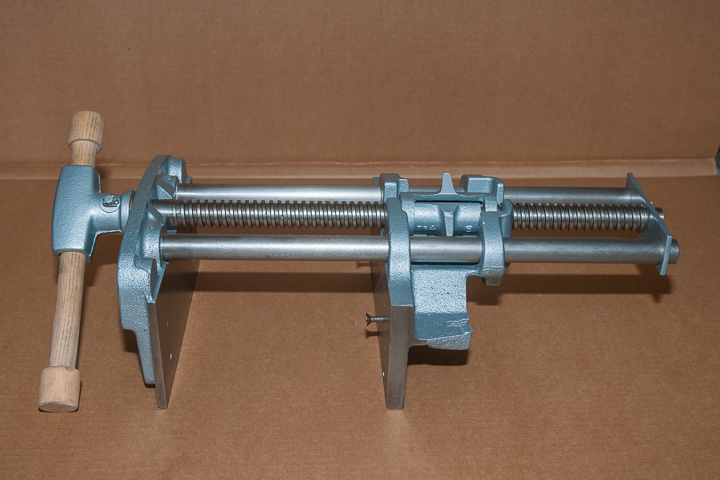
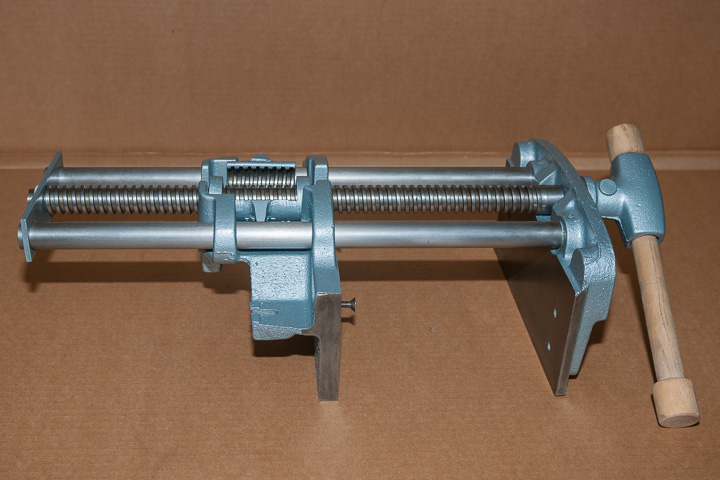
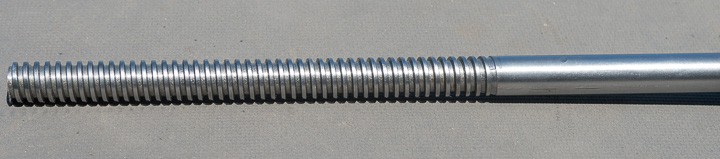
The acme thread and guide bars cleaned up really well with wire wheels, but was a lot more time consuming than I thought it would be. I gave electrolysis a try for removing rust and was impressed with the system. The remaining paint was stripped with citrus strip in fairly short order.

_DSC8620.jpg


_DSC8621.jpg


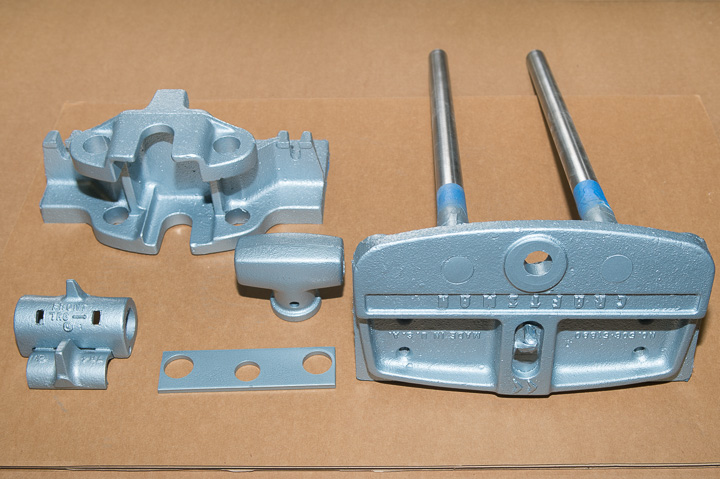
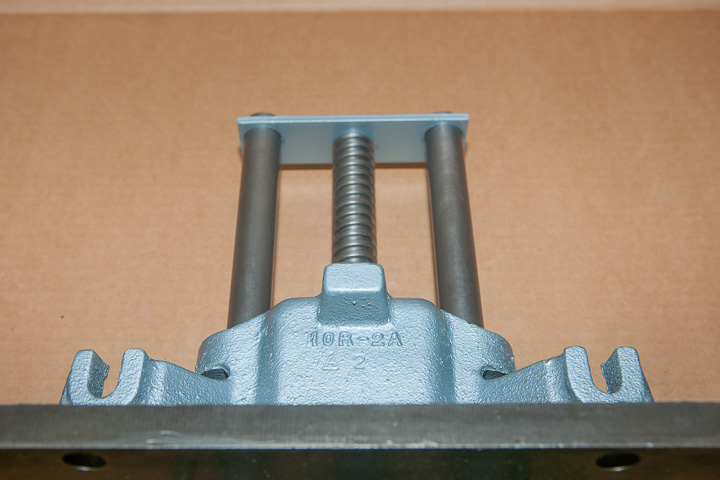
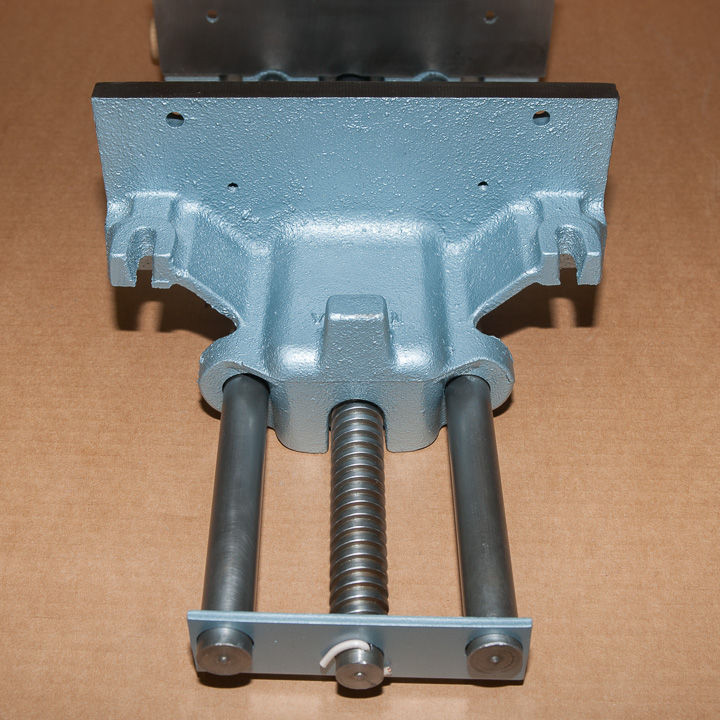
I masked the machined surfaces off and primed everything with Rust-oleum self-etching primer. This was followed up with Rust-oleum Hammered Light Blue.

This color choice is complements of “pendragon1998” https://www.garagejournal.com/forum/showthread.php?t=283074 Post ID 15.

_CSG1418.jpg


_CSG1454.jpg


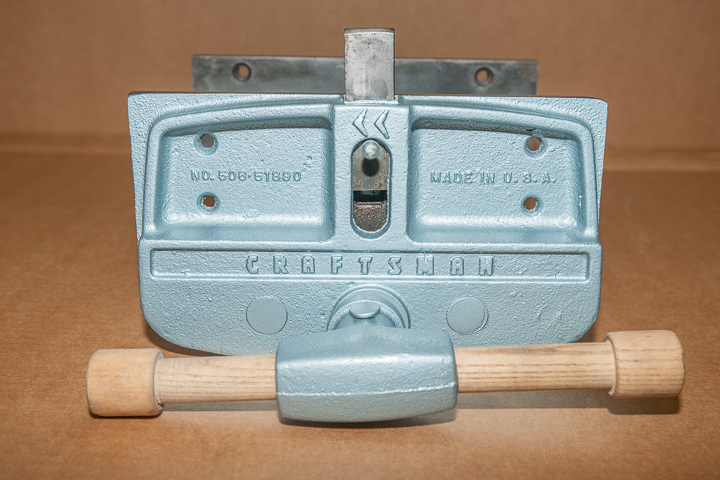
After painting and drying for a week I assembled everything. The exposed metal was coated with Bosch Boeshield. I have not finished the handle yet.

_DSC9493.jpg


_DSC9488.jpg


_DSC9489.jpg


_DSC9494.jpg


I still need to get a replacement roll pin for the back of the vice.
_DSC9496.jpg


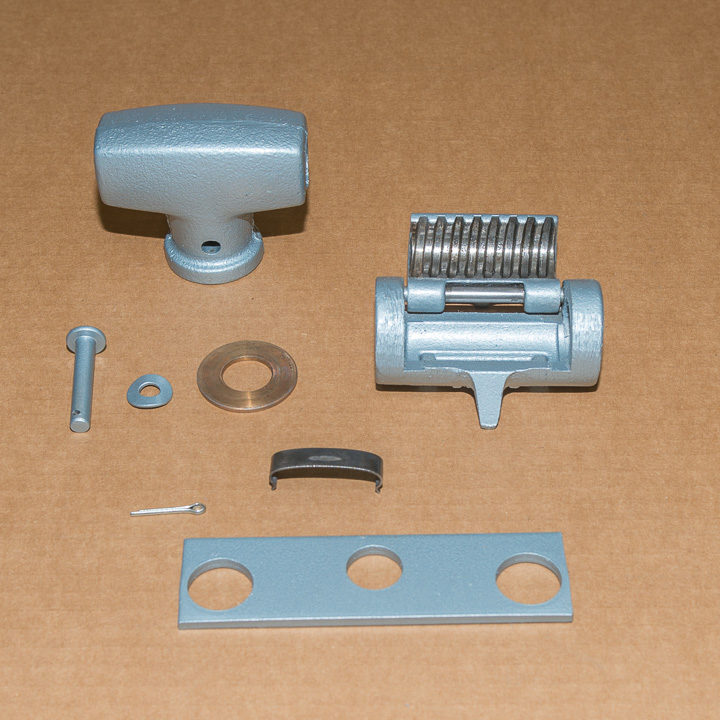
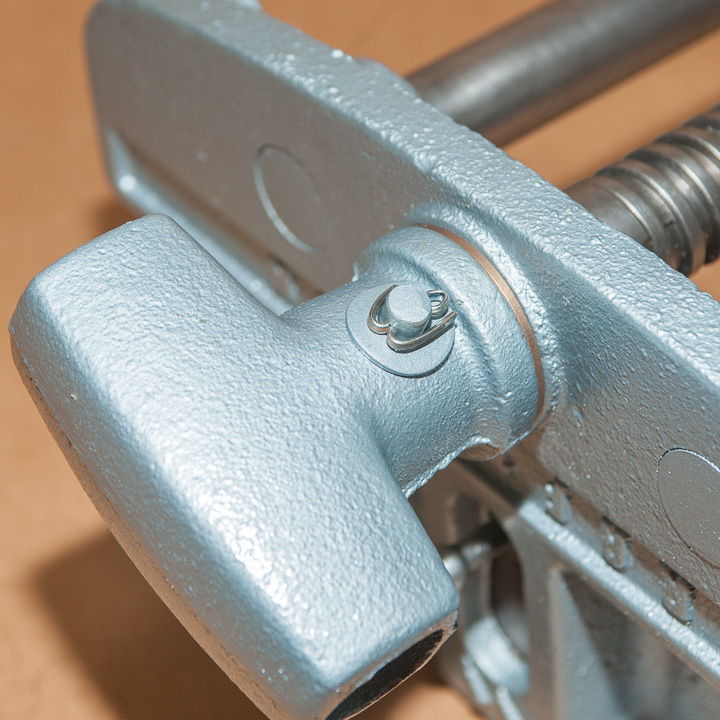
Because of the problem I had removing the roll pins I decided not to peen over the new rivet. Instead I marked it with a washer in place and drilled a hole for a cotter pin, trimmed the end and painted it. This will allow for easy removal in the future when it comes time to restore this again, most likely by one of my sons or grandsons.

_DSC9486.jpg


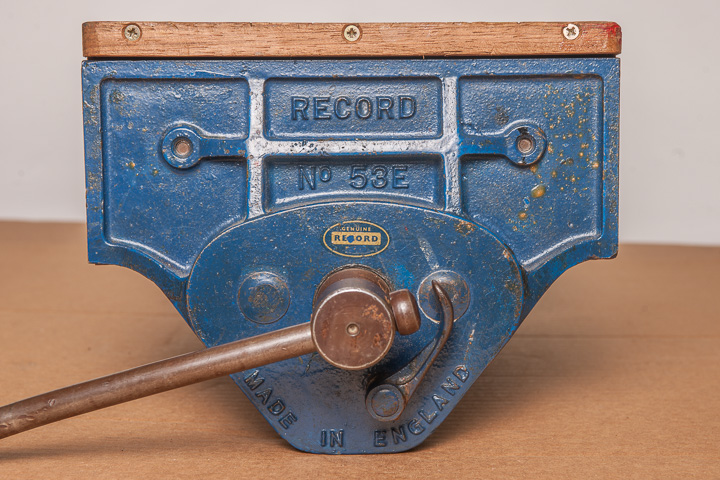
Epilog: After I had this vice apart an in the electrolysis bath I stumbled upon an original Made in England, Record 53E vice in the UK. The price was less than $170 including shipping, a lot more reasonable than what I had seen in the past. It too is in great shape and at this point I am undecided what exactly I am going to do with it. Oh, with 2 new woodworking vices a new hard maple woodworking bench is on the drawing table for a future project.

_DSC8645.jpg
 
OP
C

Chiz

Active member
Joined
Jun 11, 2017
Messages
29
Location
Ohio
Delta 14" Band Saw table, "Old Iron", and some Clamps

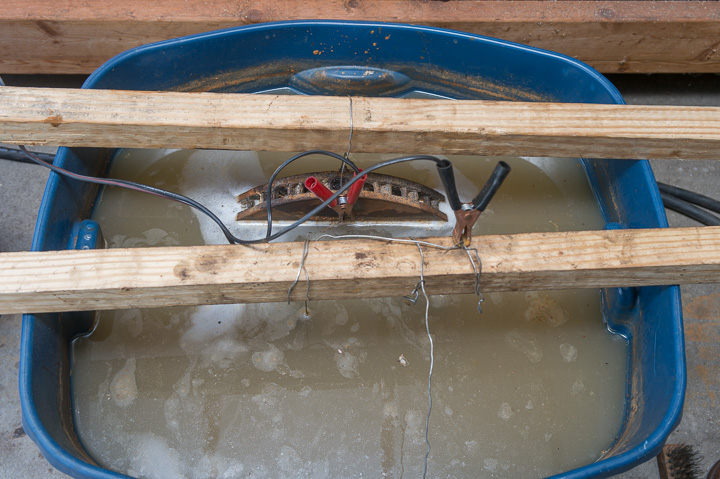
While I had the electrolysis soup mixed up for the vice anything with rust on it was no longer safe.

_CSG1397.jpg


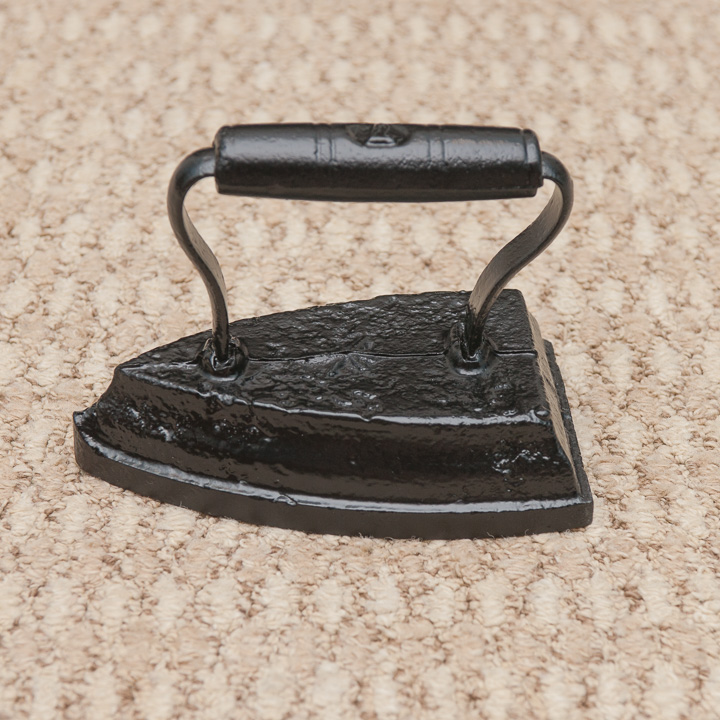
Yes, that is a used rotor for my sacrificial iron.


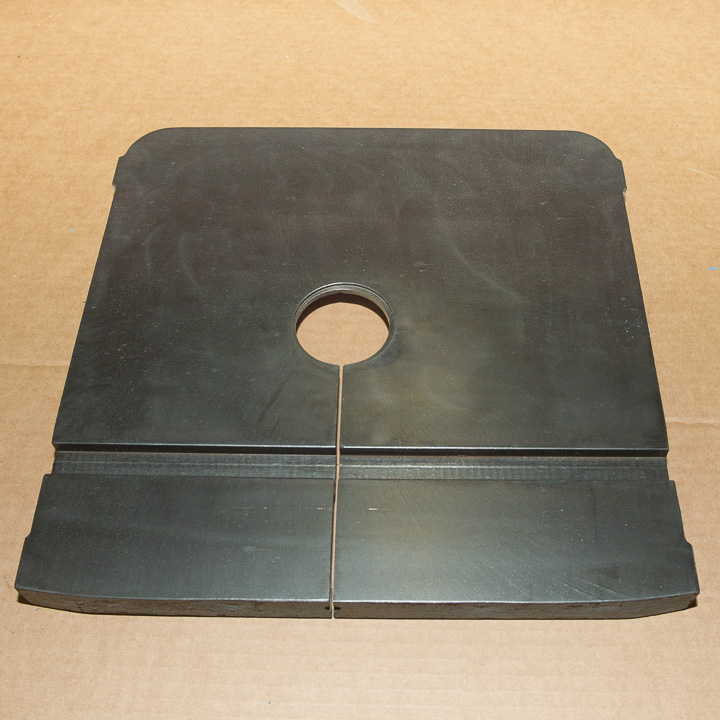
I started work on a 1950”s Delta 14” band saw that was given to me 20 years ago. The rusty table did go swimming in the electrolysis soup and came out really nice. I am still acquiring parts, but feel confident that I can get what I need in a reasonable amount of time. More about this band saw in the future.

_CSG1777.jpg


I found this “old iron” when I was digging a hole for a septic tank with a back hoe in Florida. The blob of rusty colored the soil really stood out so I stopped and pulled it out to see what it was. The rust was caked on fairly heavy and I was able to knock a lot of it off, but did not really want to invest the time to clean it up. After seeing the magic of electrolysis I gave this a try. Sorry no before images. My wife wants to now use it for a door stop.

_DSC9473.jpg


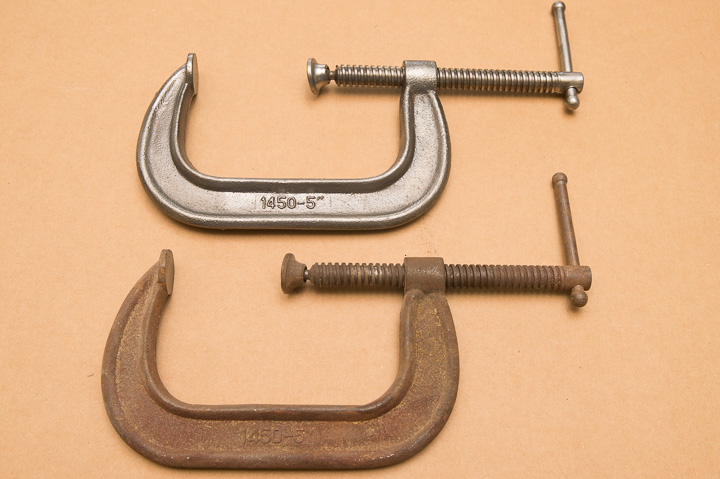
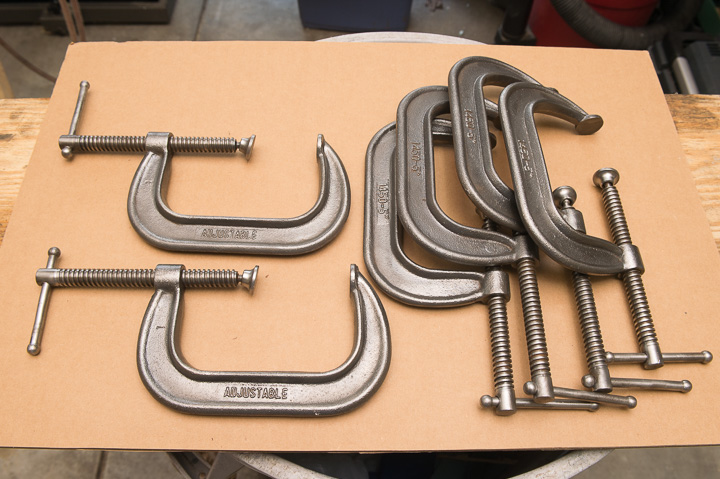
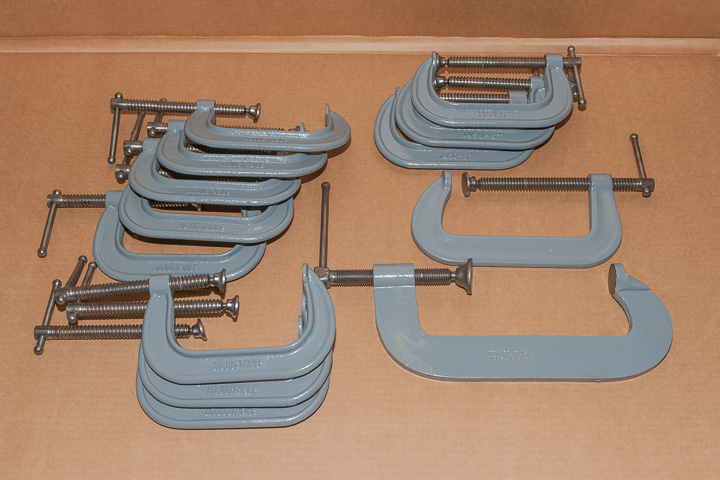
I had been given a box of c-clamps that quite frankly were too gross to use for woodworking. They were covered in rust, dirt and grime: some of the handles would not even turn. They went into the electrolysis soup two at a time for 16 to 24 hours. After drying them off they were quickly wire wheeled and when I had a small group done they were masked, primed and painted: Rust-oleum Gloss Smoke Gray, I originally bought this for the 14” band saw, but have since change my mind about gloss paint, I prefer satin when available.


A before and after electrolysis.

_CSG1395.jpg


The first group ready for priming and painting.

_CSG1396.jpg


Both groups of clamps done and ready to be put into service.

_DSC9478.jpg


Speaking of paint, I am not a fan of rattle cans. I know for small projects they are a necessary evil, but you cannot control the viscosity of the paint and the spray pattern. A good friend of mine who was a professional painter taught me how to mix and spray paint with a gun. At the time he painted Hellfire missiles for a military contractor and knew how to lay down thick paint to military specs without going back to recoat.

PRO TIP: There is a reason why professionals do things a certain way or use specific tools or equipment. Learn from them, they have already done the trial and error and learned from their mistakes. Do not make the same mistakes that others have: there are plenty of new ones for you to make on your own. I acquired this knowledge from my father in the late 60’s and 70’s and I use it anytime I want to do something I have never done before.
 
Last edited:
To avoid these ads, REGISTER NOW!
OP
C

Chiz

Active member
Joined
Jun 11, 2017
Messages
29
Location
Ohio
Have you seen my Daddy? Very small Wilton Vice looking for relatives.

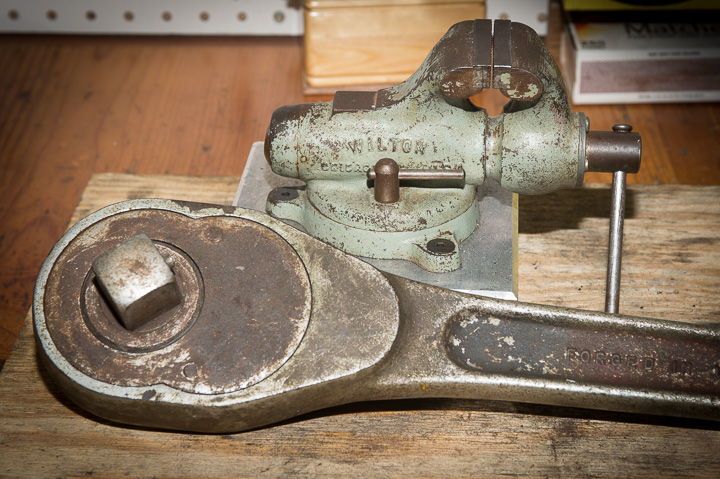
I have seen “Baby”, “Adolescent” and larger Wilton vices. This is the smallest professional quality vice, and by far the smallest Wilton I have ever seen. Is this one called a “Preemie”? To give you an idea for size comparison, the 3/8 drive ratchet.

_CSG1472.jpg


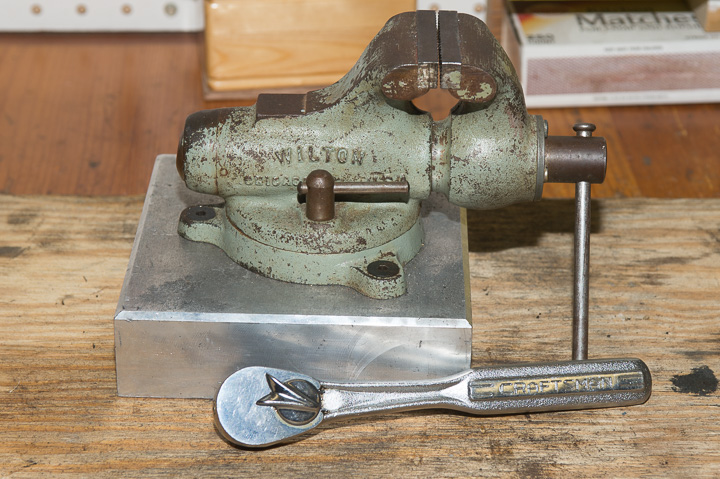
Ok I was messing with you just to see if you were awake. The image below is a Baby Wilton with a 3/8” drive ratchet. The ratchet above is a 1” drive with the same vice.

_CSG1473.jpg


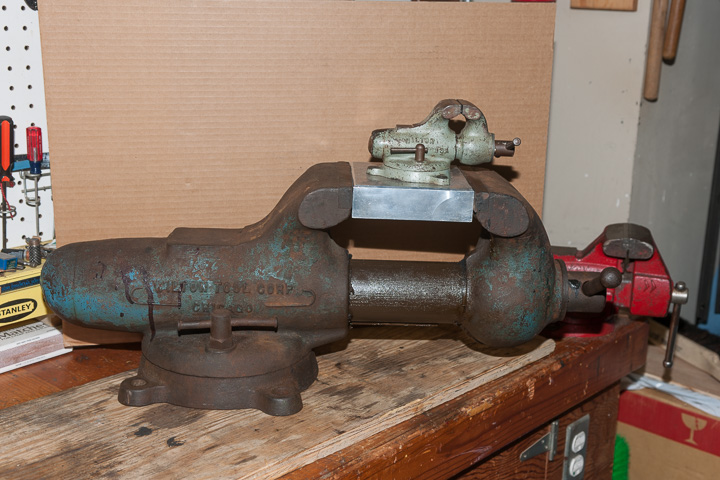
The Baby Wilton belonged to my father and he used it for model railroading, my mother gave it to my son because of his interest in HO trains. As he got older he wanted a bigger vice and naturally wanted a Wilton. After over a year of searching he found a 4” one he could afford. He restored it. I have a small 3 1/2” Craftsman and was fairly satisfied with it until I used my sons’ 4” Wilton. That was over a year ago and I began my quest for a 4” or larger one that had a swivel on it. When you able find one they are quite expensive. I considered a new one and that was even a bigger shock! Then about 2 weeks ago I was looking at new posts on CL and 3rd one in was a 6” Wilton with a swivel base and the price I thought was very affordable for what it was. I called him the next morning and asked him about it. He knew what he had but said it was just too big for his needs and it would need “some minor work”, one of the screws on the horse shoe clamp was broken off, but is very serviceable as is. I told him I wanted it, if the broken screw in the horse shoe clamp was the only problem and did not have any casting cracks. He assured me it was, and it followed me home after 2 hour one way drive. Below you can see that the Baby did indeed find his Daddy.

_DSC9470.jpg


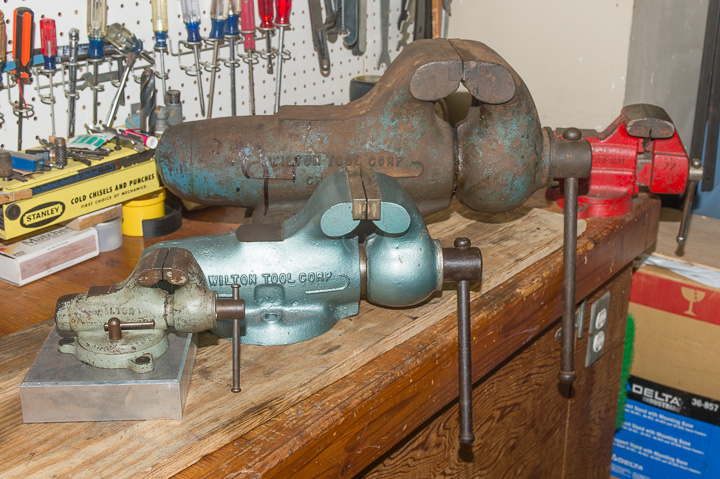
This image is all the machinist type vices in our household. I think I am going to like the large Wilton. Needless to say because I am a user and not a collector I want this put into service ASAP and it moves to the front of the que for restoration. Stay tuned.


_CSG1471.jpg
 
Last edited:
BuffettFan

Well-known member
Joined
Jul 11, 2017
Messages
10,835
Location
Central Illinois
Beautiful work Chiz! Your stuff looks better than new when you are done!
A couple tips that may or may not be of benefit to you.
(You know what "they" say about good advice- it costs nothing and is worth the price!)
For roll pins, I have a simple tool, I believe mine is made by OTC, that is a small block of aluminum with a hardened steel, not carbide, pc that goes through the block and "threads" into the roll pin slightly. this then pulls the roll pin out. It was made for removing roll pins from the inner tie rod ends on a steering rack. I will see if I can find it and post more info.
Second, carbide drill bits do not like any type of shock such as in an interrupted cut of the inside of a roll pin.
You will eat up HSS bits trying this as well, but they are a lot cheaper and less likely to break. 30 years as a machinist and counting. P.S. I have broken a LOT of drill bits, so....
 

BuffettFan

Well-known member
Joined
Jul 11, 2017
Messages
10,835
Location
Central Illinois
And a question, would you mind sharing your electrolysis recipe and technique?
I know there is a lot of info available on this but yours seems to work wonders!
Thanks!
 

Craptain

Well-known member
Joined
Apr 18, 2013
Messages
4,027
Location
Tampa Bay FL
And a question, would you mind sharing your electrolysis recipe and technique?
I know there is a lot of info available on this but yours seems to work wonders!
Thanks!
Not wanting to downplay his work but the method and materials are well covered. The critical variables are current and time. This is something you just have to test with your setup by constant monitoring till you are happy with your results. Personally, I go with about 1/2 to 1 amp for most jobs and time can be anywhere from 2 to 24 hours, or even a couple of days for some jobs. Good luck.

Also there is a thread dedicated to electrolysis with all you need to know.

Sent from my SM-G900T using Tapatalk
 
OP
C

Chiz

Active member
Joined
Jun 11, 2017
Messages
29
Location
Ohio
Beautiful work Chiz! Your stuff looks better than new when you are done!
A couple tips that may or may not be of benefit to you.
(You know what "they" say about good advice- it costs nothing and is worth the price!)
For roll pins, I have a simple tool, I believe mine is made by OTC, that is a small block of aluminum with a hardened steel, not carbide, pc that goes through the block and "threads" into the roll pin slightly. this then pulls the roll pin out. It was made for removing roll pins from the inner tie rod ends on a steering rack. I will see if I can find it and post more info.
Second, carbide drill bits do not like any type of shock such as in an interrupted cut of the inside of a roll pin.
You will eat up HSS bits trying this as well, but they are a lot cheaper and less likely to break. 30 years as a machinist and counting. P.S. I have broken a LOT of drill bits, so....

Thank you for your kind words! I listen to any advice as I am NOT an expert in everything. I am definitely interested in learning about your roll pin tool (as I am sure many others are) and most likely will get one to have on hand. I learned the hard way on carbide drill bits thus my 1st Pro Tip (scroll down on that post), I did end up with HSS drills and to the drill doctor every couple of minutes after the carbide bit died to finish them off. Your 30 years as a machinist is a lot more than me (none) and I hope hear back from you to learn from your experience.

And a question, would you mind sharing your electrolysis recipe and technique?
I know there is a lot of info available on this but yours seems to work wonders!
Thanks!

Happy too. Very simple: The electrolyte solution simply consists of 1 Tablespoon of Arm and Hammer Washing Soda for every gallon of water in the tote. I had 15 gallons of water. I used and old rotor for the sacrificial iron, as I wanted a large surface area. I initially held it up with just wire through the holes in the rotor that were submerged in the electrolyte solution. However, the wire corroded fairly fast so I drilled a hole in the top edge of the rotor and put a ¼ 20 bolt in it to keep the wire (on the positive side only) out of the electrolyte solution. The pieces/parts that I wanted to remove rust on were suspended about 3 inches away from the rotor. The negative lead was attached to these wire(s), corrosion was not too much of an issue with these wire(s) in the electrolyte solution. I used a Craftsman car battery charger with an amp meter on it for the power supply. It generally read 2-4 amps. I watched the water to see if there were any bubbles or movement (indicating that the process was still working), if there was none the part was done and it was removed.

Not wanting to downplay his work but the method and materials are well covered. The critical variables are current and time. This is something you just have to test with your setup by constant monitoring till you are happy with your results. Personally, I go with about 1/2 to 1 amp for most jobs and time can be anywhere from 2 to 24 hours, or even a couple of days for some jobs. Good luck.
Also there is a thread dedicated to electrolysis with all you need to know.

Yes, information is everywhere: Just search "electrolysis for rust removal" and you will get pages of info, including links to videos the go over the process in depth.
 
OP
C

Chiz

Active member
Joined
Jun 11, 2017
Messages
29
Location
Ohio
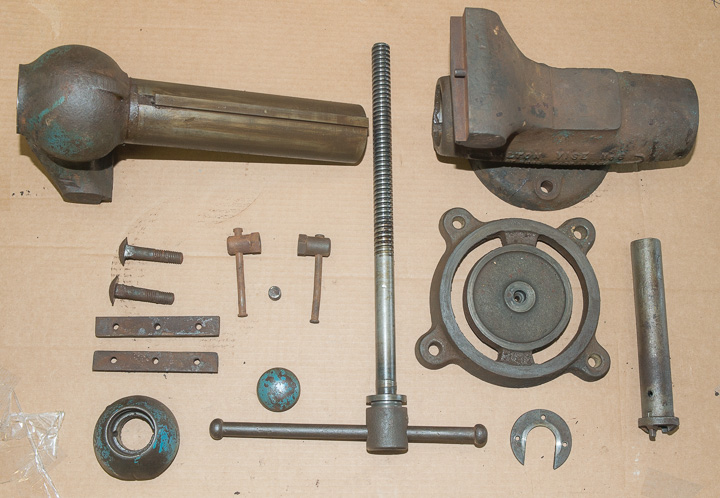
Following my own tip in Thread 9 above I got on the internet and started looking for Wilton Vice restoration tips and tricks. Among the sites I looked at I found mivice.com (who posts here as G-ManBart) and after reading his entire website, I contacted him. I asked a lot of question not covered on his site and he gave me a lot of great information. Tips on taking my vice apart, how to get jaws off and the video on his site explained how to get pins out with an Allen wrench. We talked about paint color and grease.

He also put in contact with KMScott from Wilton Vice Parts who makes high quality replacement parts. I needed a new set of jaws and ordered them.

Here it is in pieces:

_CSG1782.jpg


I was not able to make much progress over the weekend due to work related activities.
 
OP
C

Chiz

Active member
Joined
Jun 11, 2017
Messages
29
Location
Ohio
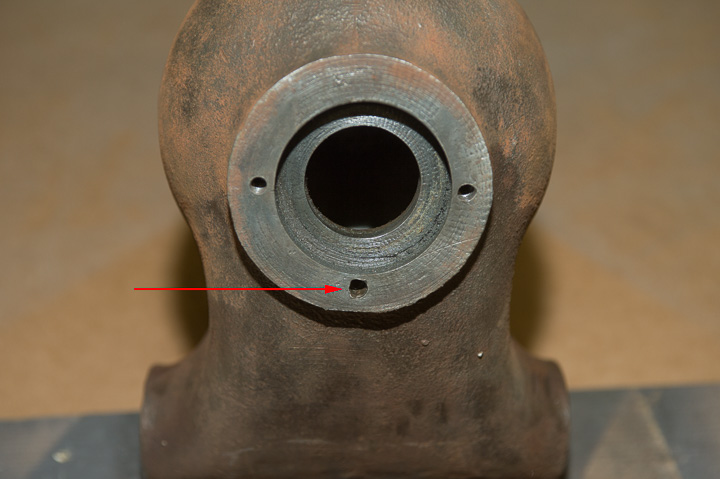
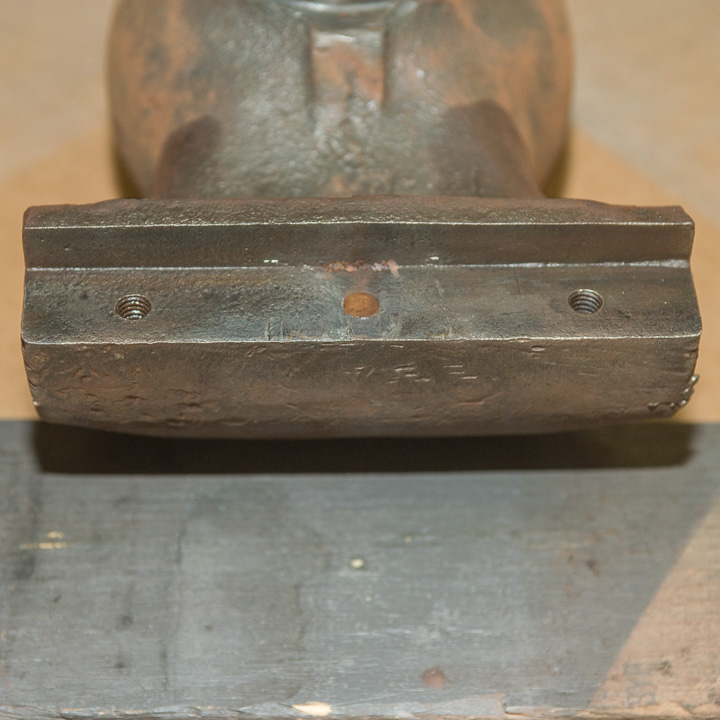
I should have posted this earlier, but as I was going through images I was reminded. One of the previous owners had attempted to repair a broken off 10-32 screw that held the horse shoe clamp in place. Clearly they gave up after breaking a drill bit off in the top hole of the clamp. Perhaps this is why I was able to get this vice at such a good price.

_CSG1796.jpg


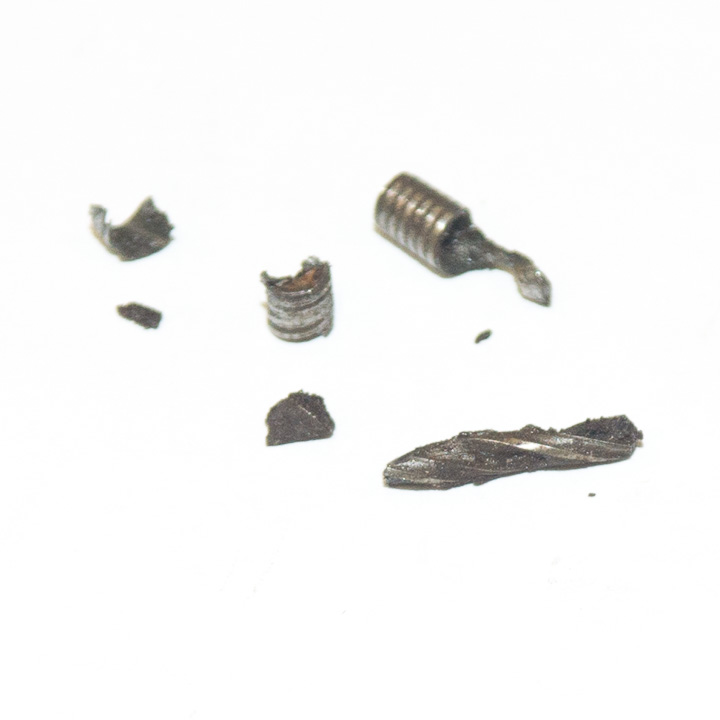
After about an hour of digging with various tools I was able to free the broken bit and finish removing the screw pieces. I was concerned the threads would be severely damaged, but upon threading a new screw in it was just as tight as the other 2 holes. (Sorry for the limited depth of field in the image)

_CSG1800.jpg


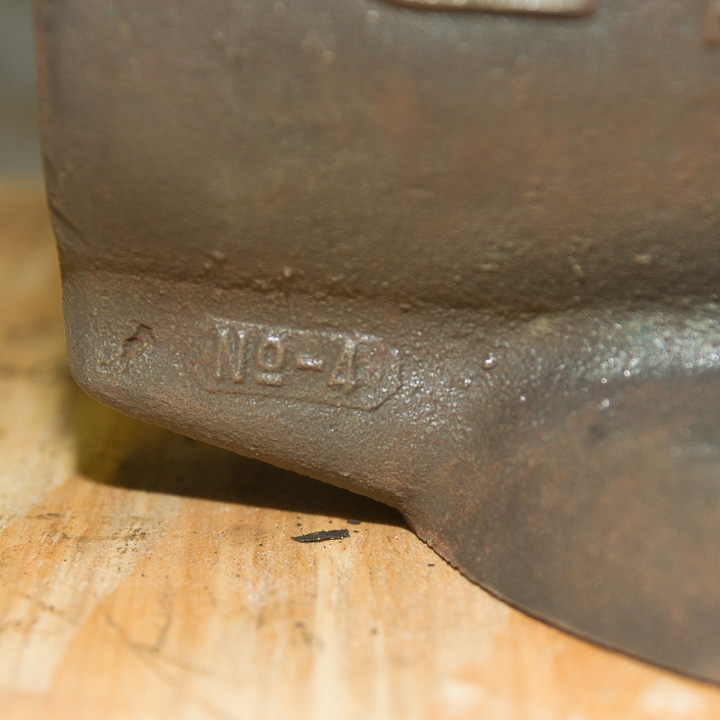
I wire wheeled the vice up and discovered a blue/gray layer of paint is some of the hard to reach places. The paint removal revealed another marking on the main body of the vice, a raised “No - 4”. I would guess this some sort of mold/casting number. As you can see the flash rust began almost immediately, we have had 40% humidity. I will have to give it a quick once over when get time to prime it.

_CSG1799.jpg


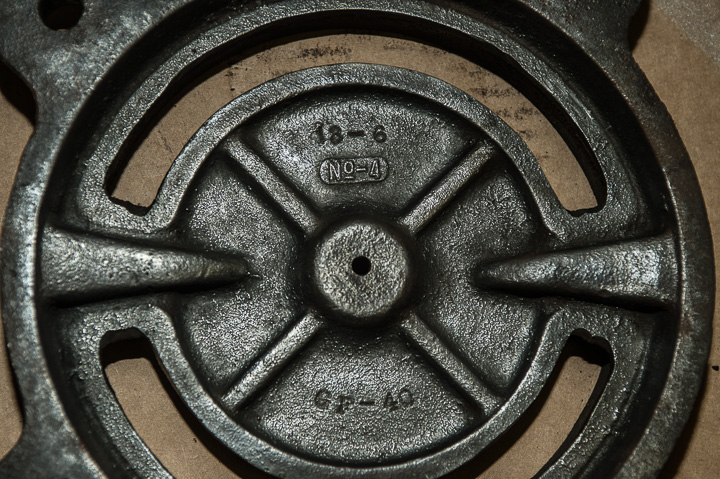
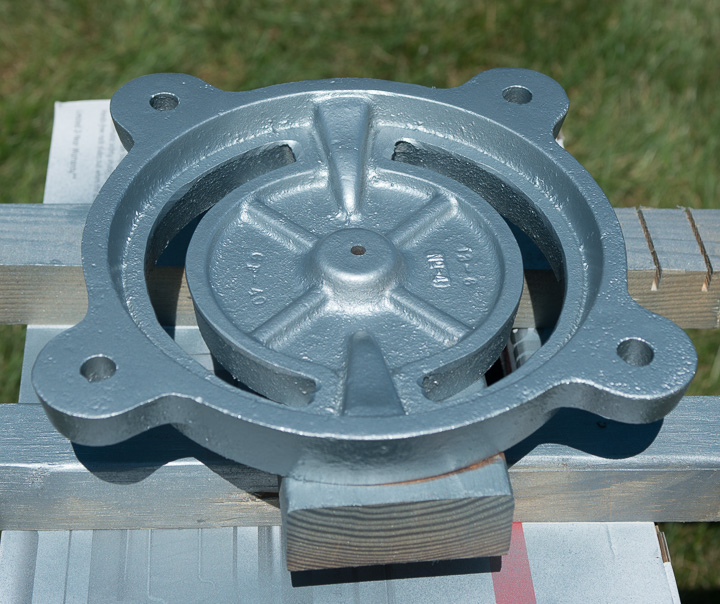
The swivel base also has the same “No – 4” along with “18 – 6” and “GF – 40”

_CSG1798.jpg


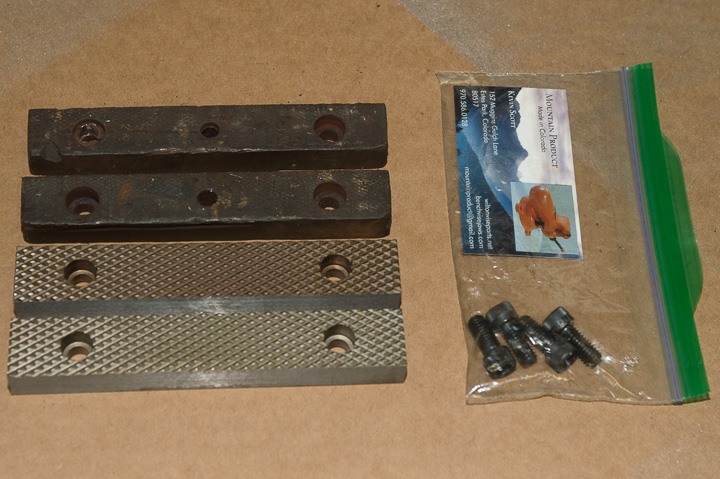
The jaws from Kevin (know here as KMScott) came on Saturday. The old one are on the top as you can see they are in pretty rough shape. He also supplies new hex cap bolts.

_CSG1783.jpg


This presented another problem: Removing the pins so the jaws would go in place.

_CSG1788.jpg


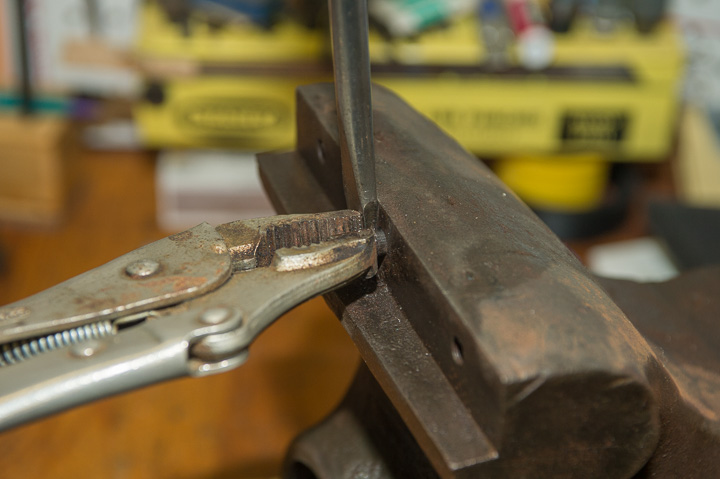
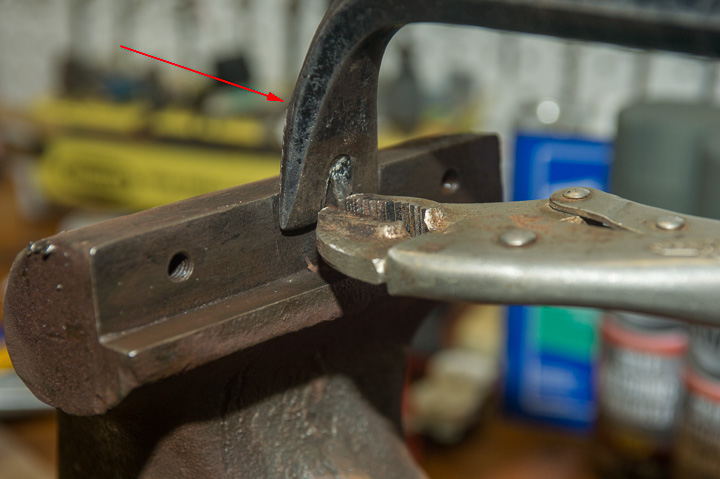
I soaked them for 24 hours with PB blaster and tried grabbing them with Vice Grips and tapping them out with a hammer. They did not budge. So I change the orientation of the Vice Grips and positioned them so that I could use and old screw driver to wedge them out. Success on the first one, second one was not as cooperative.

_CSG1792.jpg


After trying the above for about 20 minutes without any movement, I then secured the vice and used a small crow bar to apply pressure on both sides of the Vice Grips as shown in the image below. I really had to hit it with a hammer before it finally came out.

_CSG1794.jpg


Success!

_CSG1795.jpg
 
Last edited:
OP
C

Chiz

Active member
Joined
Jun 11, 2017
Messages
29
Location
Ohio
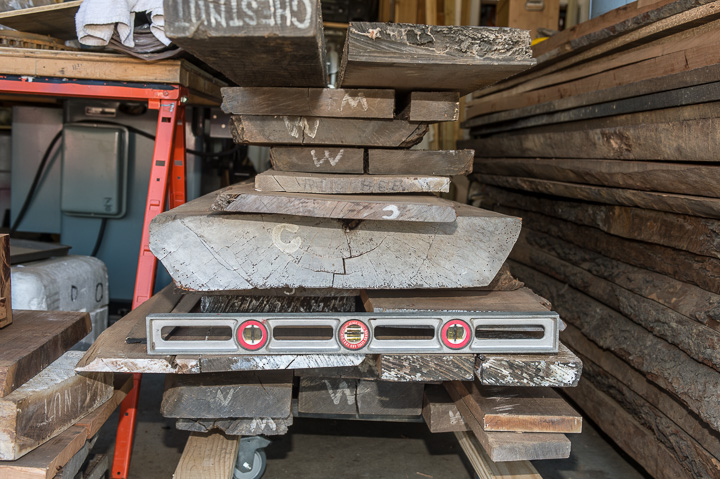
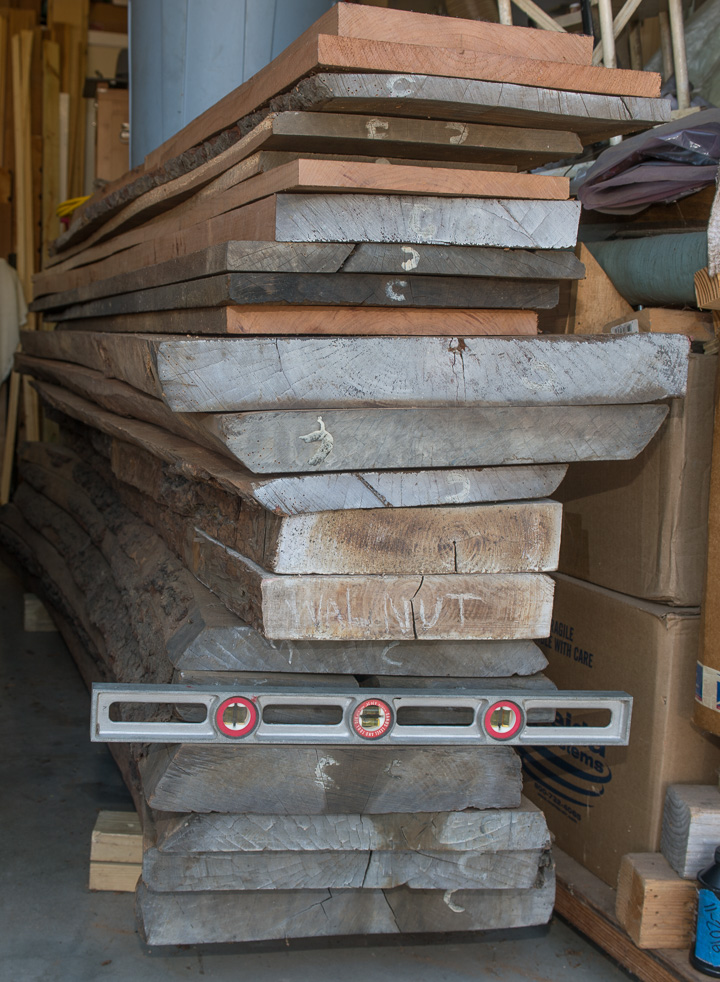
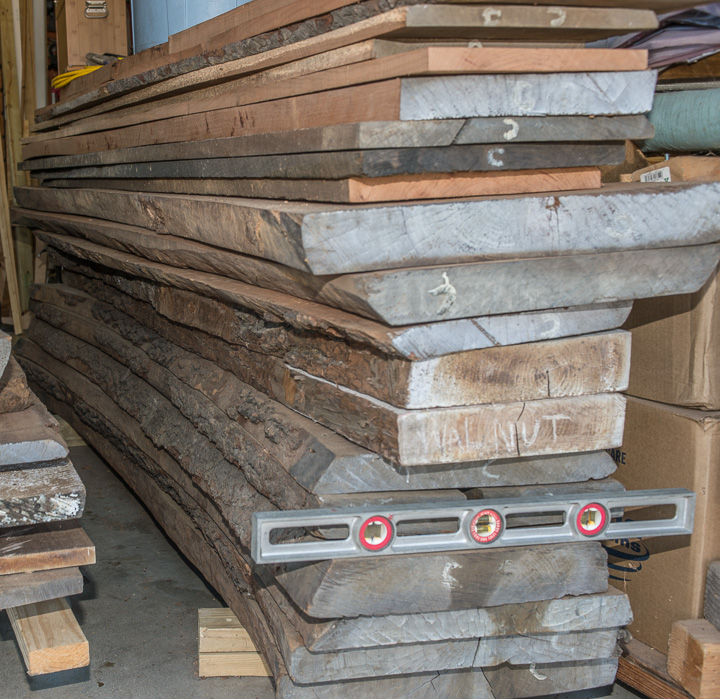
We interrupt this Wilton vice project for an unexpected pleasant distraction. If you are a serious woodworker you will fully understand. About 5 years ago a friend of mine told me about a large stash of hardwood that they had in an old 3 car garage that came with a house that his wife’s grandfather had built. This hardwood filled one of the 8’ x 8’ x 20’ bays floor to ceiling. Unfortunately the door to that bay did not open, so it was hard to see what was really there. I told them I was definitely interested in some of it. Over the years I asked him about it and he said they had not touched it yet, but when they do they will let me know. Well that time came about 2 weeks ago. We started pulling one piece after another of very exceptional rough cut hard wood. I had never seen wood this wide and this thick except in old pictures and in antique furniture. This pile consisted of Oak, Cherry, Walnut, Chestnut, Ash, Sycamore and some other unknowns. Soon my friend recognized some as the Oak as flooring used in the house. This house was built in 1930 so this wood had been there undisturbed since then. I was interested in the Walnut, Cherry and other misc wood. We pulled it all out and sorted it.

That is a 2 foot level in these images. W is Walnut, C is Cherry. The Cherry plank just about the level is 16/4 (4 inches) thick and is 22” wide and a little over 12” long. The small stack to the left is 4-5' shorts.

_CSG2415.jpg


Stack 2:
_CSG2416.jpg


The bottom 6 boards came from the same tree.

_CSG2417.jpg


Now back to Wilton:
Cleaned up all the parts and coated them with Boeshield T-9 which I had very good luck with when I lived in humid Orlando, Florida.

_CSG2419.jpg


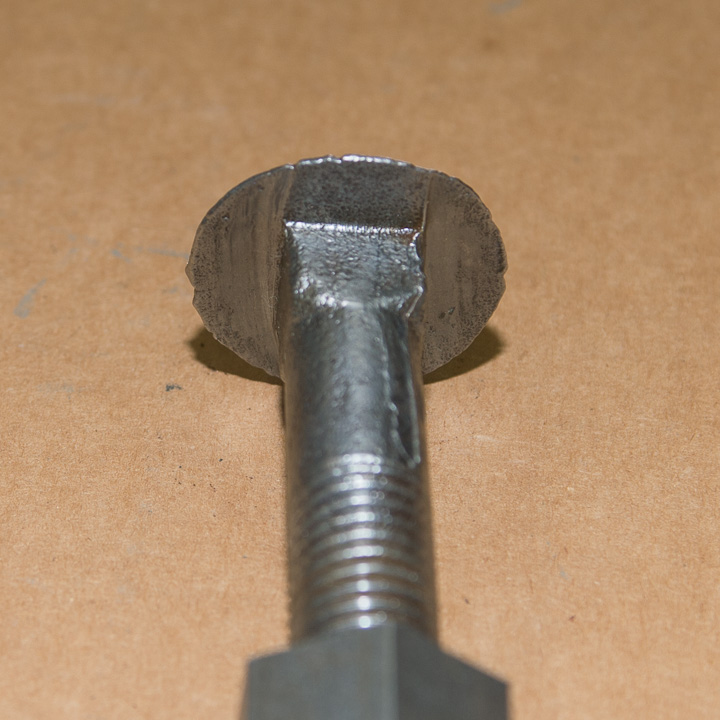
Note the manufacturing weld on the screw:

_CSG2420.jpg


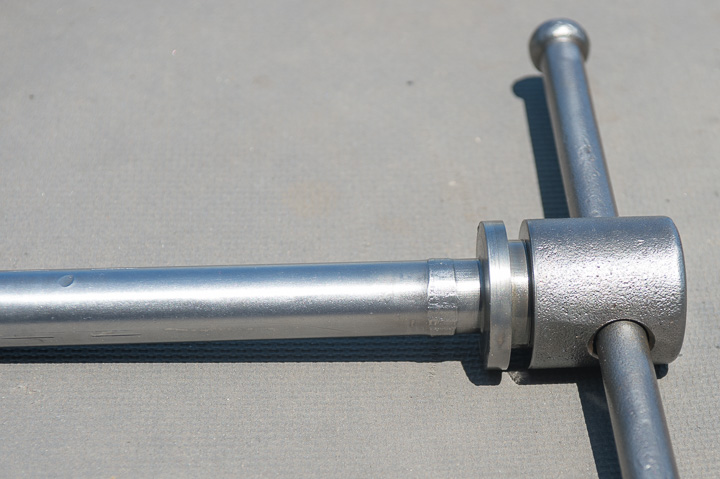
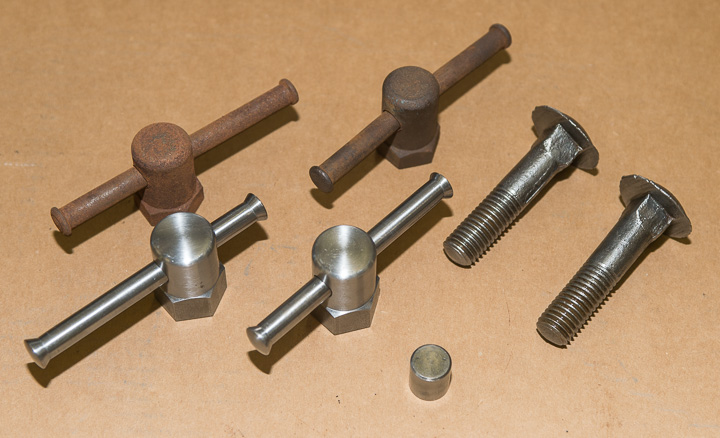
I had talked to Kevin Scott when I ordered my jaws and he had told me that he would replace the handle on my swivel lock, but I did not think it was that big of a deal and decided to just keep the original ones. Wrong move! It took very little effort to straighten them out, which meant it would take very little effort to bend them again. I ordered the new hardened ones from Kevin.

_CSG2430.jpg


The original carriage bolts have some slight wear on them and I decided to keep those as they will fit better and tighter than replacements.

_CSG2435.jpg


Humidity was low, so I cleaned off the flash rust and primed the painted parts with Rust-oleum self-etching primer.

_CSG2412.jpg


_CSG2424.jpg


_CSG2426.jpg


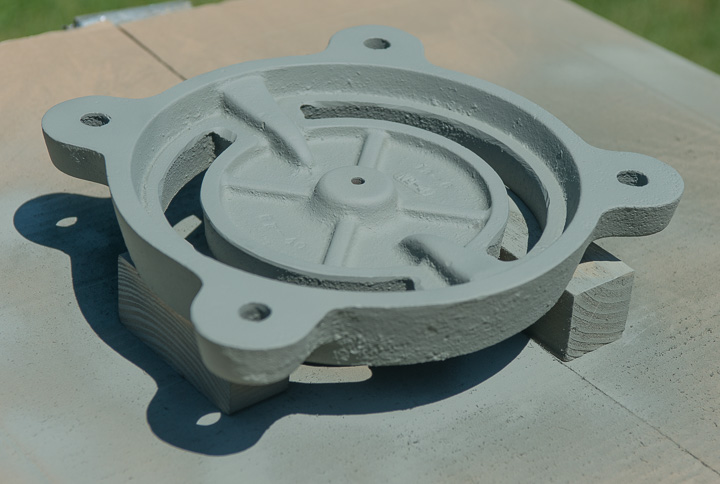
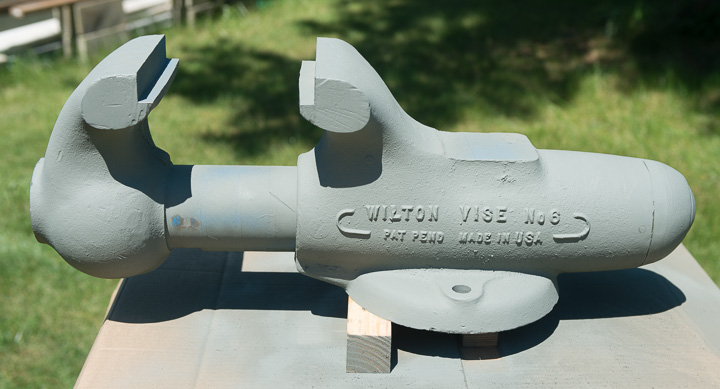
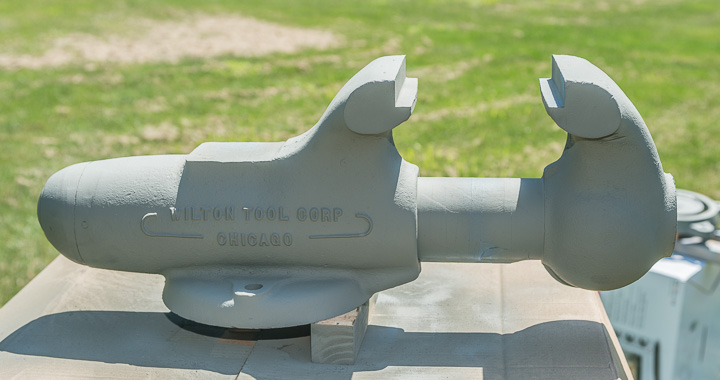
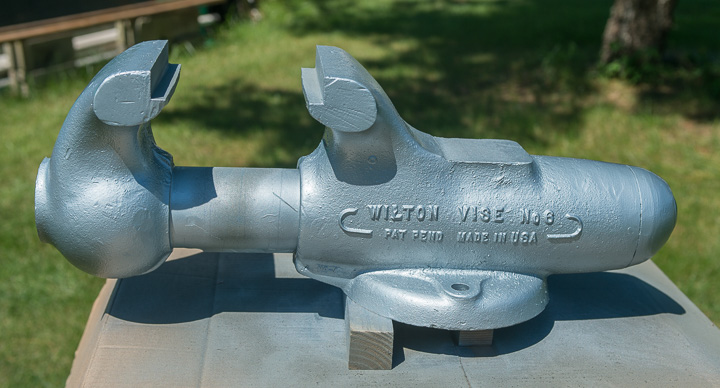
I had talked to Chris from MIVICE.com about color and the early ones (The key in this vice is stamped 5-46) were most likely painted “whatever color they could get” but from his experience the early ones were painted more of grey/blue or battleship gray. So this is painted with Rust-oleum Hammered Light Blue sprayed on the dry side if that makes sense, I wanted the color, but not the hammered paint look.

_CSG2427.jpg


_CSG2428.jpg
 
OP
C

Chiz

Active member
Joined
Jun 11, 2017
Messages
29
Location
Ohio
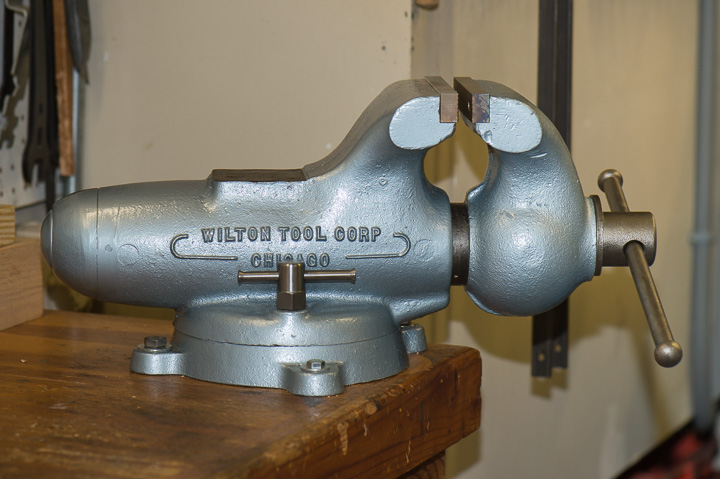
I was finally able finished up the Wilton 6” bullet vice. Not bad for a 70+ year old vice, the key is stamped 5-46. The unpainted surfaces were coated with linseed oil and allowed to dry. Grease was applied to the surfaces that required it and everything was put back together.

_CSG2540.jpg


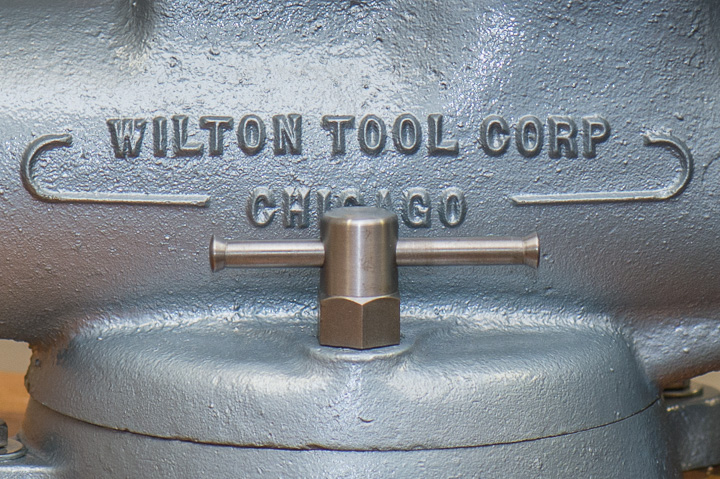
Replacement swivel locks from Kevin Scott worked perfect. I would have liked to use the original ones but the handles were way too soft as noted in an above post.

_CSG2541.jpg


I went with the hex cap 10-32 screws to ease future removal.

_CSG2542.jpg


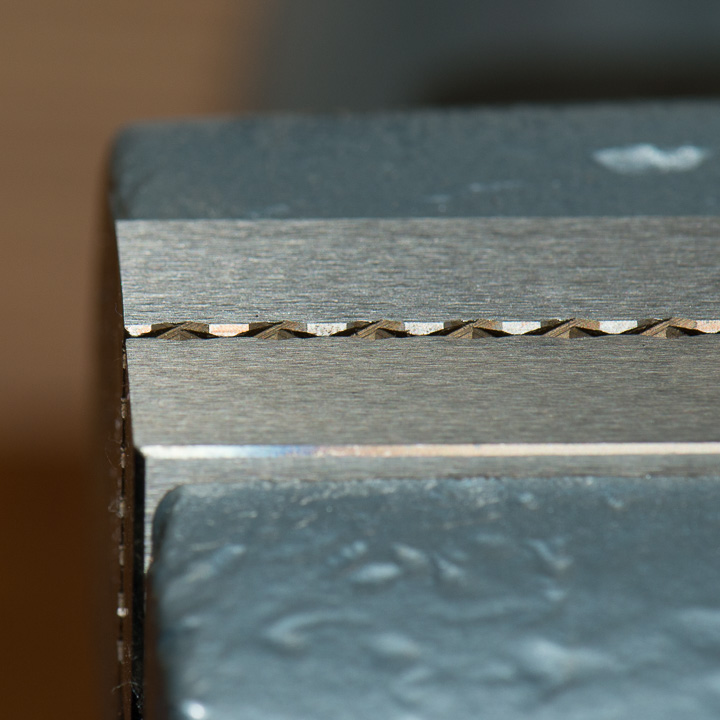
Very happy with the new jaws from Kevin Scott: they could not line up any better!

_CSG2548.jpg


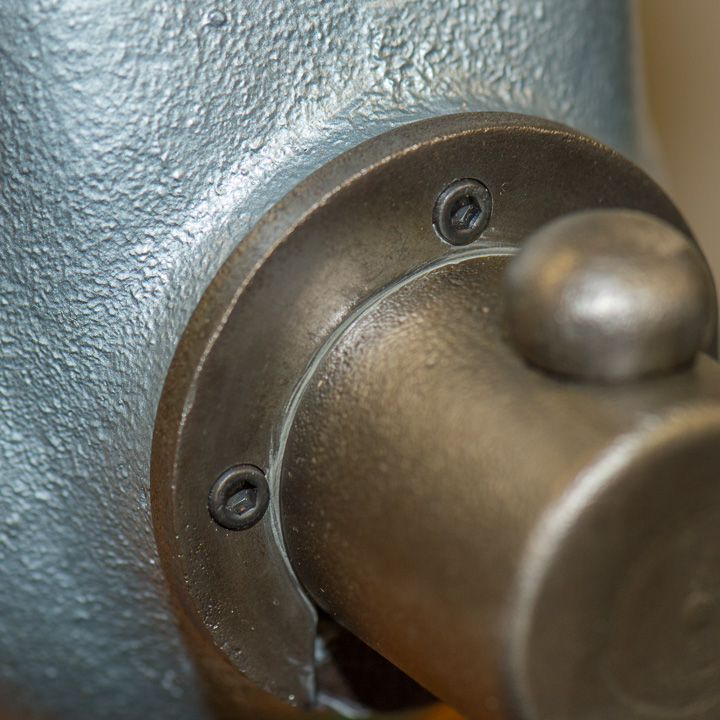
The texture on the main screw and handle are uniform on all area, finish is linseed oil.

_CSG2549.jpg


Again thanks to Chris from MIVISE.com for his consults in this project. It went a whole lot better because of his advise!
 
To avoid these ads, REGISTER NOW!
Top Bottom