All good advise haven't used Alex caulking for that before but learn something new everyday. Few more comments.
I cut drywall all the time with oscillating tool because it's so fast but sharp razor blade will keep dust down. If you do use the tool make sure to use a dust bag in vac or you may blow dust throughout the house with the exhaust from shop vac. I have a really good vac for this and it's rarely a problem but have also used my Rigid with HEPA and/or drywall bags and it works fine.
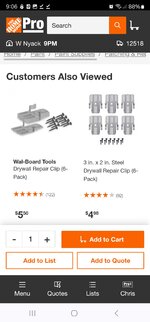
They sell drywall repair clips at most big box stores that will make short work of putting cut piece back in place. A piece of pine 1x2 or other scrap wood also works fine. The clips leave a small piece of metal on outside that has to be taped afterwards.
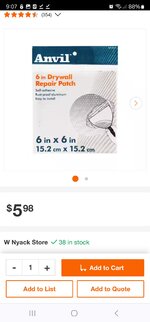
Not sure how large a hole you're making but you could also use a drywall patch, which is metal backed adhesive mesh to make repair. You could put this directly over small hole or over the reinstalled piece. I generally install over the cut piece it fills over any gaps left by cutting and leaves a nice smooth surface for the compound. By no means needed but just another option.
I've talked about this before but here's one of my "secrets" for great drywall repairs. Buy yourself a roll of Adfors Fibafuse and use instead of mesh or paper tape. Put a good coat of mud over seam, apply the fibafuse and embed it heavily into the compound. Scrape away all of the excess and let it dry. Another thin coat or two of compound, some very light sanding and patch will be nearly invisible. This is great stuff.

As for as hot mix or general purpose compound I use both. There's a little bit of a learning curve with hot mix you have to get consistency right and work fast but you can get job done in a day with it. It comes in various set times 5 min, 20min, 45 min, 90min, etc. I would use either 20 or 45 depending on how fast you work. 5 min is great for small repairs but you have to work FAST. There's a difference between cured and dry with hot mix the great thing about it is you can recoat when still wet as long as you waited long enough for the cure time to allow product to fully set. The downside is you can make as much dust as cutting just pouring it out of bag, you have to work fast and dispose of any excess before it hardens up and you have to keep all of your tools clean multiple times during repair. It doesn't shrink or crack, at least as much as General (or light weight/low dust) compound. I tend to use either hot or general purpose (standard weight) for repairs. Shrinking and dust are not an issue if you use thin coats and avoid putting anything on that will need to come off. Keep it thin and feathered and you won't really need to do much sanding at all.
Good luck.


 .
.