To avoid these ads, REGISTER NOW!

Designing a drill bit

ajchien

Well-known member
Joined
Sep 3, 2010
Messages
2,652
Location
Los Angeles, stuck on the 60 freeway.
Hi folks, I'm sorry to be somewhat vague about this question and application, but if someone could school me or refer me somewhere for more info that would be great.

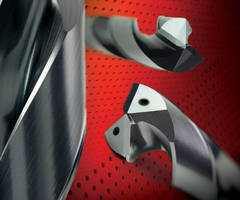
I've currently got a drill bit that has an eccentric tip. This is so that the drill purposely wobbles and the hole cut is larger than the drill bit itself, to allow a metal tube (sheath) to slide down along the side, surrounding the drill bit as it cuts deeper. Currently the flutes are only about 1cm in length and the shank is about 10cm long.

The drill has to penetrate through 7cm of soft material - without damaging the soft material (hence the Outer metal sheath). But then where i need to Cut, I'm cutting through pretty hard material- not quite as hard as steel, but much harder than hardwood. The depth of the hole cut only needs to be at most 5-6mm.

So the current problem is that I often need to withdraw the drill bit from the protective sheath because the flutes get filled up with the chips. I don't want to have to remove the drill to remove chips and to keep drilling longer. Is this accomplished by making the flutes longer? Wider? Should there be channels cut in them similar to taps to accommodate the chips?

Ok. Sorry for being so vague. Thanks for any thoughts. :)
 
Last edited:
To avoid these ads, REGISTER NOW!

mossyboy6

Well-known member
Joined
Dec 10, 2009
Messages
617
Location
St. Pete, FL
What comes to mind for me would be a forestner type bit, so all of the shavings accumulate in an open area, rather than having to travel all the way up the flutes.

Perhaps a larger auger type design around the shaft its self as well.
 
OP
A

ajchien

Well-known member
Joined
Sep 3, 2010
Messages
2,652
Location
Los Angeles, stuck on the 60 freeway.
can you drill undersized and finish with a reamer?

Are you saying that if I used an undersized drill, the chips would fall in the sheath and then a reamer could open the hole bigger and get rid if the extra chips at the same time? I really can't leave and chips in the channel.

Plus, I'm getting a chance to get this drill bit designed the way I need. Mostly the biggest problem is how can I accommodate more chips before I need to cleaning up.
 
Last edited:
OP
A

ajchien

Well-known member
Joined
Sep 3, 2010
Messages
2,652
Location
Los Angeles, stuck on the 60 freeway.
what are the materials?

Well, ok. You asked. Don't freak out. The soft materials are skin and muscle that I don't want to damage. The hard material I need a hole in is bone.

So the first step is to place a metal hollow sheath with a center solid rod through the skin and muscle to the edge of bone. Next is to take the center rod out, and to replace it with the eccentric drill. Drill the wobbly hole, that is larger than the drill bit and the hollow sheath follows the drill into the bone. Remove the drill, and now I have a pathway to the center of the bone through the metal hollow sheath. The problem is that the bone chips fill the flutes requiring drill removal to remove the chips from the flutes. Maybe 2-3 times before I'm finished.

The system is already in use. I just got asked how I think it could be improved. I said, the chips clog up the drill. They asked what I thought might be a solution. I said ... Hell if I know. All I want is a hole in bone. So I'm asking GJ.
 
Last edited:

Bull

Super Moderator
Joined
Dec 12, 2005
Messages
16,189
Location
MA
Well, ok. You asked. Don't freak out. The soft materials are skin and muscle that I don't want to damage. The hard material I need a hole in is bone.

This is one of the best posts ever. It's going to keep us wondering!
 

Hafen_Kafer

Well-known member
Joined
Feb 24, 2013
Messages
579
Location
SoCal - USA
They have through coolant drills that shoot pressurized coolant through the tip to avoid pecking, (retracting to clear chips). Depending of how the bone cuts, hopefully grinds into small particles, you could make a vacuum system to use the holes to **** the bone material.

602665.jpg
 
OP
A

ajchien

Well-known member
Joined
Sep 3, 2010
Messages
2,652
Location
Los Angeles, stuck on the 60 freeway.
They have through coolant drills that shoot pressurized coolant through the tip to avoid pecking, (retracting to clear chips). Depending of how the bone cuts, hopefully grinds into small particles, you could make a vacuum system to use the holes to **** the bone material.

602665.jpg

Neat. Ill propose a vacuum system. Keep the ideas coming! It's kinda if a brainstorming session with ideas ill take back to the maker.
 

Hafen_Kafer

Well-known member
Joined
Feb 24, 2013
Messages
579
Location
SoCal - USA
care to share a picture of the current tools you have to do this? might be easier to visualize it.

Extra GJ points if you post a picture with blood in it.

Here's the, "arm and muscle" version of a vaccum
Make a handle to give you grip for turning the drill and duct tape that to the end of a trhu coolant drill and

nasalaspirator.jpg
 
To avoid these ads, REGISTER NOW!

rlitman

Well-known member
Joined
Oct 18, 2010
Messages
24,678
Location
Long Island
Well, ok. You asked. Don't freak out. The soft materials are skin and muscle that I don't want to damage. The hard material I need a hole in is bone.

So the first step is to place a metal hollow sheath with a center solid rod through the skin and muscle to the edge of bone. Next is to take the center rod out, and to replace it with the eccentric drill. Drill the wobbly hole, that is larger thand the drill bit and the hollow sheath follows the drill into the bone. Remove the drill, and now I have a pathway to the center of the bone through the metal hollow sheath. The problem is that the bone chips fill the flutes requiring drill removal to remove the chips from the flutes. Maybe 2-3 times before I'm finished.

I'm not freaked out. Your initial description made me think that was your application right away. Cool.


They have through coolant drills that shoot pressurized coolant through the tip to avoid pecking, (retracting to clear chips). Depending of how the bone cuts, hopefully grinds into small particles, you could make a vacuum system to use the holes to **** the bone material.

Interesting idea, but I would think that in a living workpiece, this has some big drawbacks. Adding fluid will push the chips out into places you want clean, and can also introduce bad things along with the fluid (among other issues I can think of). A vacuum will actually do the same thing. Applying vacuum to the back of the tube will **** air in from the front of the tube along with those chips. That air has to come from somewhere (which will **** bad things into the opening), and has to have a way in (and I don't see that happening in this configuration)

Ok, here's my take. What you have, is VERY similar to a hollow chisel mortiser. Just that your mortiser is round, and they're normally square.

The flutes of the drill bit will act kind of like an Archimedes Screw to remove the chips out the back. BUT in a true Archimedes Screw, gravity keeps the material in the lower half of the screw, and the screw propels the material back. In the case of using a helical cut drill bit in a boring operation, chips leaving the cutting face of the bit apply force to the chips further up the screw, pushing the rest of the chips out. Friction between the chips and the inner walls of the tube will also help the screw to remove the chips

The catch is that the length of the helix of chips around the screw will have friction against the screw. And as the helix gets longer, the friction will eventually overcome the force of the chips leaving the cutting edge.

Having a tighter screw shape increases the amount that the screw helps, but it also increases the helical path that the chips have to travel along. The standard geometry of a twist drill bit tends to find the happy medium.

What I have noticed, in doing a lot of boring using twist drills on a lathe, is two things that should help guide you:

1) Different materials allow for different boring depths before the chips clog. This is largely dependent on the shape of the chips, and how well they "pack". In cutting metal, there isn't so much you can do about this, but perhaps you can adjust the cutting edge geometry to alter the chip size. That in turn may alter how well they pack in the tube, and how easy they are to get stuck.

2) Friction with the bit is the source of resistance to ejecting the chips. Friction against the tube actually helps the bit clear the chips.
In practice, drilling wooden pen blanks, I have seen that I can drill almost twice as far into wood with a TiN coated drill bit (the gold colored ones) vs a black oxide coated bit, before it clogs. This has nothing to with the sharpness of the bit. Rather, the gold bits are shiny, and have less friction to resist the chips working their way back.

On that note, how well polished is the screw? I'm guessing it is pretty shiny stainless already? If not, then there's your problem.
If so, can you teflon coat it, or perhaps apply a lubricant to it before inserting the bit into the tube?
 

The Ratchet Man

Well-known member
Joined
Jul 3, 2010
Messages
660
Location
Georgia
Neat video.

Question, why couldn't the outer sheath be made like a hole saw to do the cutting and have a plunger inside where the drill bit would go. Then you effectively would have a drilling syringe. This takes care of your clogging and chip removal. The chips remain in the sheath while drilling.

How this would work with the latter parts of the system in the video I don't know. Just thinking about the 2 issues you asked about.
 
OP
A

ajchien

Well-known member
Joined
Sep 3, 2010
Messages
2,652
Location
Los Angeles, stuck on the 60 freeway.
This is great. Regarding the friction and the flutes. One thing I noticed is that the flutes only go up the shaft by about one cm. the rest of the 9cm length is just shaft. No flute. would longer flutes help allow more material to go up? Would having the flutes get wider or deeper as you go up Also assist? Ill certainly bring up the lubricant/Teflon idea to them.

I'm not freaked out. Your initial description made me think that was your application right away. Cool.


Interesting idea, but I would think that in a living workpiece, this has some big drawbacks. Adding fluid will push the chips out into places you want clean, and can also introduce bad things along with the fluid (among other issues I can think of). A vacuum will actually do the same thing. Applying vacuum to the back of the tube will **** air in from the front of the tube along with those chips. That air has to come from somewhere (which will **** bad things into the opening), and has to have a way in (and I don't see that happening in this configuration)

Ok, here's my take. What you have, is VERY similar to a hollow chisel mortiser. Just that your mortiser is round, and they're normally square.

The flutes of the drill bit will act kind of like an Archimedes Screw to remove the chips out the back. BUT in a true Archimedes Screw, gravity keeps the material in the lower half of the screw, and the screw propels the material back. In the case of using a helical cut drill bit in a boring operation, chips leaving the cutting face of the bit apply force to the chips further up the screw, pushing the rest of the chips out. Friction between the chips and the inner walls of the tube will also help the screw to remove the chips

The catch is that the length of the helix of chips around the screw will have friction against the screw. And as the helix gets longer, the friction will eventually overcome the force of the chips leaving the cutting edge.

Having a tighter screw shape increases the amount that the screw helps, but it also increases the helical path that the chips have to travel along. The standard geometry of a twist drill bit tends to find the happy medium.

What I have noticed, in doing a lot of boring using twist drills on a lathe, is two things that should help guide you:

1) Different materials allow for different boring depths before the chips clog. This is largely dependent on the shape of the chips, and how well they "pack". In cutting metal, there isn't so much you can do about this, but perhaps you can adjust the cutting edge geometry to alter the chip size. That in turn may alter how well they pack in the tube, and how easy they are to get stuck.

2) Friction with the bit is the source of resistance to ejecting the chips. Friction against the tube actually helps the bit clear the chips.
In practice, drilling wooden pen blanks, I have seen that I can drill almost twice as far into wood with a TiN coated drill bit (the gold colored ones) vs a black oxide coated bit, before it clogs. This has nothing to with the sharpness of the bit. Rather, the gold bits are shiny, and have less friction to resist the chips working their way back.

On that note, how well polished is the screw? I'm guessing it is pretty shiny stainless already? If not, then there's your problem.
If so, can you teflon coat it, or perhaps apply a lubricant to it before inserting the bit into the tube?
 
OP
A

ajchien

Well-known member
Joined
Sep 3, 2010
Messages
2,652
Location
Los Angeles, stuck on the 60 freeway.
Neat video.

Question, why couldn't the outer sheath be made like a hole saw to do the cutting and have a plunger inside where the drill bit would go. Then you effectively would have a drilling syringe. This takes care of your clogging and chip removal. The chips remain in the sheath while drilling.

How this would work with the latter parts of the system in the video I don't know. Just thinking about the 2 issues you asked about.

I'm not sure if this answers your question. Bone has a harder outer portion called cortex and a softer inside called medullary cavity. Most of the time im trying to get through the cortex and into the medullary cavity. Either to take something out, or put another device in. The outer sheath is used more as a pathway that's kept in place. Through that sheath I can put things that do act like a hole saw to take stuff out, or I can put other things in. Sometimes my target is not just under the cortex, but a bit further deep.
 
OP
A

ajchien

Well-known member
Joined
Sep 3, 2010
Messages
2,652
Location
Los Angeles, stuck on the 60 freeway.
Is the process you're describing different that an IO and if it is could you use an IO.

Sorry, I didn't quite answer you question earlier. An IO is usually placed in the tibia bone, in emergency situations, to get access for medications. The location in the tibia has a fairly thin cortex (hard part of bone), so getting a hole in it relatively easy. The problems I'm usually dealing with are the harder bones with thicker cortex, such as the femur.
 
To avoid these ads, REGISTER NOW!
Top Bottom