To avoid these ads, REGISTER NOW!

Did I wire this correctly/safely?

jimmy-ray

Well-known member
Joined
Apr 3, 2017
Messages
49
I've never welded before but always wanted to. So I bought one of the cheapest stick welders I could find and figured if I liked it I would upgrade later. The welder was less than 100 bucks shipped. I got a cheap welding mask, some rod, gloves, a slag chisel and brush. I think everything all together was less than 200. Within an hour of messing around I realized I was hooked, I love welding. Also the welder didn't come with an electrical plug, so I picked up a 15 amp standard outlet plug and wired it up.

This is the welder I got, its really junky compared to the ones I've played around with a little at different shops.
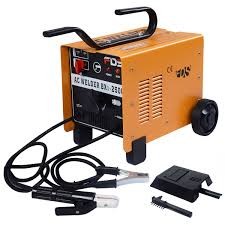
welder.jpg


So now the problem. I know nothing about home electrical btw, really nothing. After messing around a little the welder kept tripping the breaker. After about 2 inches or so the breaker would trip every time. I couldn't really find any info on the welder or what amp breaker it needs. The instruction/info that came with it are translated and don't really make sense.

I have I think two 220 outlets in my garage, one for a dryer and another that matches the plug that I got later but seems dead when I test it. I noticed both of the 220 breakers were 30 amps though and I wasn't sure if that would be enough. The only one more than 30 amps in the whole electrical box is for the furnace. I also have what I think are two 20 amp outlets in the garage, they look like this.
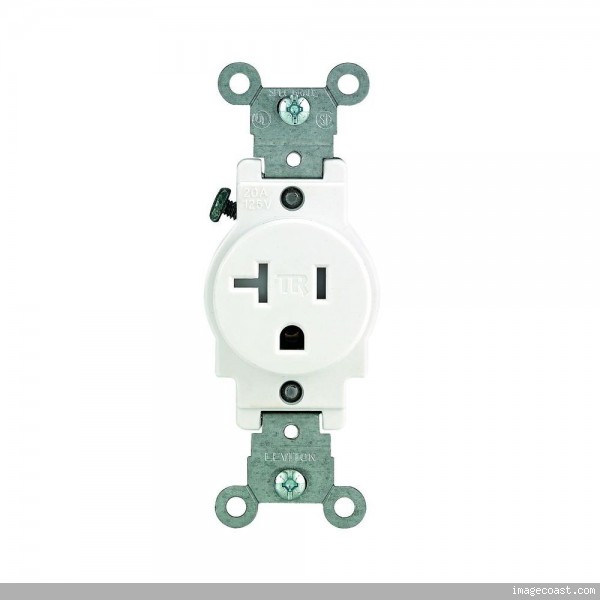
20ampoutlet.jpg


So I went back and bought a 20 amp plug wired it up and nothing, it doesn't turn on the welder.

Screw it, I did a little research online and most welding forums from what I could tell just advise to make a cord and wire it to a breaker, so that's what I did but not sure if I did it correctly or if its safe. Everything works great, no smoke was let out of any wires. The welder seems to work much better and all is good so far.


This is the outlet, plug, breaker and cord I used. I didn't want to use the existing 220 because when I test it with a meter it seemed dead, there are wires going to both 220 breakers but only one outlet (the one for the dryer) is working, I'm guessing the breaker for the other 220 is bad. I also didn't want to wire anything I couldn't easily undo when I decide to sell the house.

So I basically have this cord, I cut that dryer or range or whatever end off with a cut off tool. Then I ran the green to ground, used the black and red as hot and cut the white one, I put some liquid electrical tape over the end then taped it up to the rest of the cord
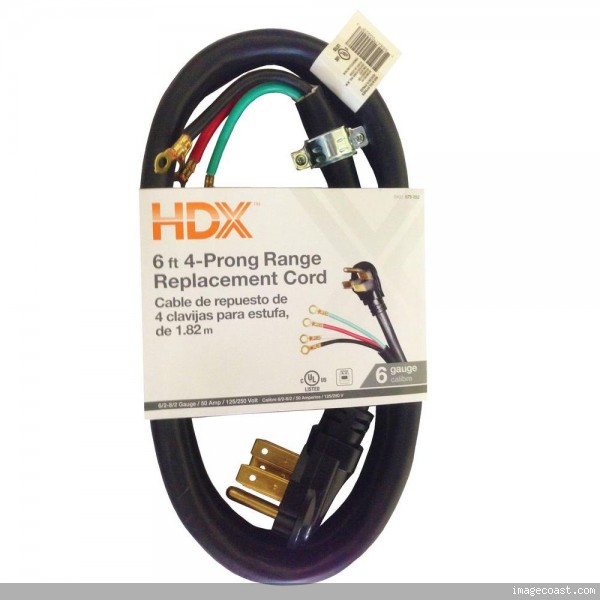
cord_1.jpg


I ran the cord to the electrical panel in the garage to this breaker, hooking the black and red to the breaker then the green wire from the cord to the ground bracket in the electrical panel.
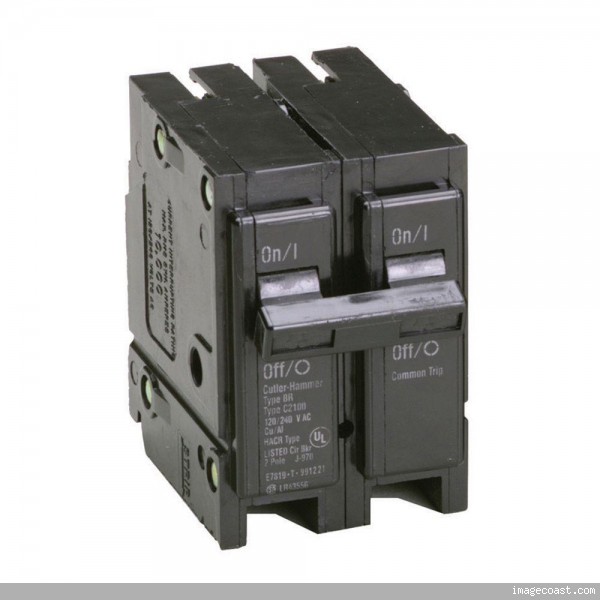
breaker_1.jpg


I wired the other end of the cord to this
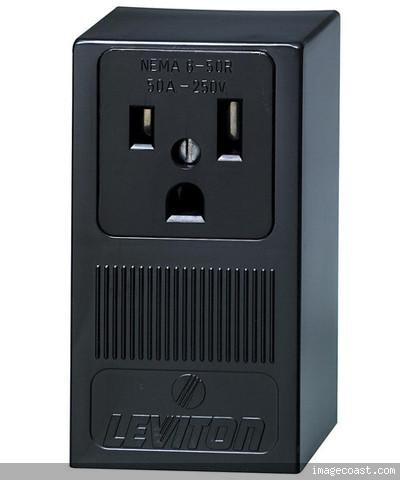
outlet.jpg


Then I wired this to the cord on the welder
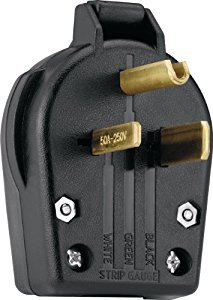
plug.jpg


After all that the welder is actually working pretty nice. I am looking forward to buying a decent mig though, I've played around with a few and they were much easier to use. With no experience though I'm not sure if that is because they were much better quality units or mig is just easier than stick. Either way I have a lot of research and learning to do and hopefully I did that right and don't burn down my house.
 
Last edited:
To avoid these ads, REGISTER NOW!

signcrafter

Well-known member
Joined
May 9, 2012
Messages
12,325
Is it safe? Probably. Is it correct? Heck no. Stranded wire should not be connected directly to a breaker

I have never heard of this. I have seen several commercial buildings with stranded thhn hooked up directly to breakers with no issues and that have passed inspections.
 

slodat

ALLIANCE MEMBER
Joined
Feb 6, 2010
Messages
3,679
Location
Central-ish, WA
Is it safe? Probably. Is it correct? Heck no. Stranded wire should not be connected directly to a breaker and you have used a 110 volt plug and outlet instead of the correct 220 volt.


A NEMA 6-50 is 250v. THHN is landed on breakers all day every day. Don't lead the guy astray.
 

jakemac

Well-known member
Joined
May 21, 2013
Messages
9,035
Location
New England
Stranded wire is fine, but if you're going to use it, it's recommended that you use a thicker gauge wire than what you would use for solid wire. I assume that's for heat and load management.
 

ssdave

Banned
Joined
Apr 11, 2015
Messages
2,913
Location
Eastern Oregon
What you did was okay, and safe. Not 100% proper; what should have been done is you would hook up the white lead to the neutral bar in the breaker box, and you should have wired the welder with a 4 wire plug, and used a 4 wire outlet instead of a 3 wire.


The welder should have two hots and a neutral terminal. You want to make sure you DO NOT hook up the ground wire to the neutral terminal, otherwise you have the potential of carrying current on the ground. You want that current to travel on the neutral, not the ground. The ground wire should be grounded to the frame of the welder.

If the welder is older, or has no 120 v components in it, then it may only have two hots and a ground, and no neutral. In that case, you should still hook up the neutral in the breaker panel, and run 4 wires to your outlet. (red, black, white, green) At the outlet, you would wire the 4 wires to a 4 wire receptacle. Then, you would wire a 4 wire plug to the welder, but would have no place to hook up the neutral. You would just hook up the two hots and the ground, and cap the neutral with a wire nut.

The reason to do this properly is that you may want to power other things from the receptacle. Another reason is that you want to properly carry any 120 volt power on the neutral from the welder; this may or may not be applicable depending on how your welder is wired. If it is truly a 3 wire appliance, a better way might have been to directly wire the cord to the welder, and eliminate the 3 wire outlet receptacle that you used as an intermediate to the welder. Then, the circuit would have been a dedicated circuit, and proper.
 
OP
J

jimmy-ray

Well-known member
Joined
Apr 3, 2017
Messages
49
What you did was okay, and safe. Not 100% proper; what should have been done is you would hook up the white lead to the neutral bar in the breaker box, and you should have wired the welder with a 4 wire plug, and used a 4 wire outlet instead of a 3 wire.


The welder should have two hots and a neutral terminal. You want to make sure you DO NOT hook up the ground wire to the neutral terminal, otherwise you have the potential of carrying current on the ground. You want that current to travel on the neutral, not the ground. The ground wire should be grounded to the frame of the welder.

If the welder is older, or has no 120 v components in it, then it may only have two hots and a ground, and no neutral. In that case, you should still hook up the neutral in the breaker panel, and run 4 wires to your outlet. (red, black, white, green) At the outlet, you would wire the 4 wires to a 4 wire receptacle. Then, you would wire a 4 wire plug to the welder, but would have no place to hook up the neutral. You would just hook up the two hots and the ground, and cap the neutral with a wire nut.

The reason to do this properly is that you may want to power other things from the receptacle. Another reason is that you want to properly carry any 120 volt power on the neutral from the welder; this may or may not be applicable depending on how your welder is wired. If it is truly a 3 wire appliance, a better way might have been to directly wire the cord to the welder, and eliminate the 3 wire outlet receptacle that you used as an intermediate to the welder. Then, the circuit would have been a dedicated circuit, and proper.

I was thinking about leaving that range or whatever plug on there and getting a receptacle to put on the welder but I didn't know which color wires were going where on the plug and by cutting off the end and just using the cord I could use the green for ground and the other colors however I wanted without worrying.

The welder is definitely only 3 wires, there is a blue, a tan/green, and a brown. It didn't even come with any type of plug, I guess because its both 110 and 200 depening on the plug you put on there, then there is a power switch for 110 or 220. I accidentally switch it to 110 while on the 220 breaker and the welder buzzed unusually loud and my wife came out and asked what I did because all the lights got really dim, lol. I never plan on using anything else on that circuit and when I do upgrade to a better welder I'll just pay an electrician to come out and either fix the other 220 outlet or wire this one proper.

Another weird thing is all the neutral wires and ground wires go to the same bar on my electrical box. Online it seemed like there should be 2 separate bars. I did find one thing online that said sometimes they share the same bar. I also couldn't find any difference between the grounds and neutrals, like different screw colors or anything.

I knew it wasn't proper and a little jenky, I just didn't want to run wires behind the wall or anything when I didn't really know what I was doing and hurt a future owner or worse down the line. It sounds like the cord I used might also be wrong or a little small. I just got one what was at least 240 volts and 50 amps. That plug I got for the welder also came with different contacts one was 30 amp and one 50. I used the 50 amp contact.

It does look all sorts of wrong with that cord sticking out of the electrical box lol. I unplug the welder when I'm not using it and cut off the breaker, not sure if that makes it any safer though. I was thinking about pulling the breaker each time, the only drawbacks to that is, that ground is kind of a pain to get on and off and I kill the main power any time I mess with it.

Either way thank you guys, your help is much appreciated
 
OP
J

jimmy-ray

Well-known member
Joined
Apr 3, 2017
Messages
49
What plug came on the machine?

It didn't come with any plug, just 3 bare wires. I'm guessing because you can run it as 110 or 220 so they don't include the plug. It's not a fluke either in the q&a section on amazon you can tell no ones came with a plug.


I did find this https://www.wireandcableyourway.com...MItfjekamt1QIViIWzCh0FVg0mEAkYDCABEgJw9vD_BwE after reading the responses, it says its up to 600 volts and 55 amps. I really wasn't even aware there were solid wires. If that's safer I'll order some and wire it up with that, if the stranded cord is safe though I'll just leave it until I get a nice mig, probably in a couple of months.
 

JeepinMike

Well-known member
Joined
Jan 11, 2007
Messages
67
Another weird thing is all the neutral wires and ground wires go to the same bar on my electrical box. Online it seemed like there should be 2 separate bars. I did find one thing online that said sometimes they share the same bar. I also couldn't find any difference between the grounds and neutrals, like different screw colors or anything.

Typically at the main panel where the electrical service enters the building the neutral is bonded to the ground wire (and the ground wire goes to a rod in the actual ground). At the panel in the building where the neutral and ground are bonded, they can share the same bar. You probably can see a large bare or green-insulated conductor coming up from the bottom of the panel without any other associated white or black wires going to that same bar; the other end of that conductor that would be going to the grounding rod.

If there are other panels in the building, they should have separate bars for neutrals and grounds.

So yes, what you are seeing is normal in most circumstances for a single family dwelling.

-mike
 
To avoid these ads, REGISTER NOW!

ssdave

Banned
Joined
Apr 11, 2015
Messages
2,913
Location
Eastern Oregon
If it can be switched to 110 or 220, it definitely needs to have a 4 wire circuit. The 3 wires need to be Hot+, Hot-, and neutral. The ground wire needs to be grounded to the machine frame if there is not a ground terminal.

In the box, as explained above by JeepinMike, the neutral and ground are bonded together. But, in wiring, they are treated entirely differently. The ground should never carry current, but if you switch the welder to 110 like you did, you will inadvertently be carrying current on the ground.

To me, this is a case where you should have definitely used a 4 wire cord.
 

sberry

Banned
Joined
Jun 18, 2005
Messages
35,747
Location
Brethren, Michigan
Its not 120/240 but either 120 or 240, dvi It came with the right cord, the owner is to put the one on it they are going to use. Should be a 6 50 for a welder.
 
Last edited:

PCustoms

Well-known member
Joined
Jul 23, 2011
Messages
22,543
Location
VT
If it can be switched to 110 or 220, it definitely needs to have a 4 wire circuit. The 3 wires need to be Hot+, Hot-, and neutral. The ground wire needs to be grounded to the machine frame if there is not a ground terminal.

In the box, as explained above by JeepinMike, the neutral and ground are bonded together. But, in wiring, they are treated entirely differently. The ground should never carry current, but if you switch the welder to 110 like you did, you will inadvertently be carrying current on the ground.

To me, this is a case where you should have definitely used a 4 wire cord.

Dave, wtf are you talking about? His welder came pre-wired with a 3 wire cord. It is capable of running on 120v OR 240v, not both at the same time. The 3 wire feed is proper for a dedicated 240v appliance. Pretty much any power tool (welder, table saw, dust collector etc) will only require a 3 wire 240v feed, as there is no 120v load within the tool. Sorry to be harsh, but I think you are taking advice related to 240v appliances (stoves, dryers etc) that have 120v loads and trying to apply it here, which is wrong and misleading.


OP, I think you are good. I went back and read again to make sure. My current setup is very similar, except I used a piece of 6-3 NM B from the breaker to the 6-50R. I plug my welder into that, and if needed, I swap the factory supplied cord out and plug it into a normal 120v outlet. Both cords only have 3 conductors!

BTW save up for a better welder it will make a world of difference!
 
Last edited:

M_George

Well-known member
Joined
Sep 25, 2016
Messages
966
Location
Eastern Pa.
I went through this with a Zeny plasma cutter. They use the international standard for the color code on the wiring.
 
OP
J

jimmy-ray

Well-known member
Joined
Apr 3, 2017
Messages
49
Thanks guys for all the help. The general consensus seems to be its safe enough so I think I'll just leave it until I save enough to get a nice welder, which should be soon anyway cause I'm hooked.

The welder definitely only has 3 wires, 2 hots I guess and a ground. You wouldn't normally be able to switch it back and forth between 110 and 220 because there is a safety peg that I had removed but since put it back in. It was just a screw with a spacer that prevents you from accidentally switching to the wrong voltage.

Thanks again guys, I'll sleep a little easier until I upgrade the welder. Thanks for the info on the ground and neutrals sharing a bar, its reassuring.
 

bsaint

Well-known member
Joined
Apr 26, 2010
Messages
5,109
Location
Manchester, CT
Stranded wire is fine, but if you're going to use it, it's recommended that you use a thicker gauge wire than what you would use for solid wire. I assume that's for heat and load management.

Wut. Have you seen welding cables? It has load of small strands for both surface area and flexibility.
 
To avoid these ads, REGISTER NOW!
Top Bottom