Solder is as good as proper crimps...
In a splice, sure. Under a screw terminal as the OP shows, solder is ABSOLUTELY NOT acceptable. The solder will cold flow under the screw, releasing the compression over time.
...
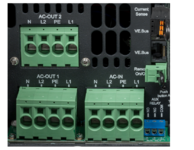
The Victron has a crappy clamp system for AC input and output and requires ferrules with stranded wire. Finding the right size (length), uninsulated, and right gauge, I've had to spend about $50 to get AWG sizes for these little boogers.
...
Am I doing it wrong?
Yes. For starters, bootlace fittings in those cord connectors aren't buying you much (I'll come back to that).
As to crimping bootlace ferrules meant to be used on stranded wire under screw terminals, I get that you want an uninsulated ferrule, because the insulated ferrules either aren't big enough for rubber insulation, or are too big to fit into the holes in that plastic. But you can easily buy a super cheap insulated ferrule kit, and press the ferrule into the plastic insulator. One little squeeze and it falls through, and viola, you have an uninsulated ferrule. Toss out the plastic, and you've saved a bundle.
As for the right size ferrules, again, you've got it wrong. You want a ferrule that's the same length as the wire strip length gauge. For that power inlet, it's probably 1/2".
This $20 ferrule AND crimper kit has ferrules that are plenty long for the job. In most cases, I find myself trimming the ferrule length after crimping, because they're easy to cut back when they're too long.
As for crimping, bootlace ferrules do not require high pressure crimps that cold-flow the copper together inside into an oxygen sealed package. They don't work like a typical electrical crimp, so if you find yourself using regular crimping tools on them, I see your frustration. What
you want is a 6-sided tool (my link is to a 4-jaw; more on that below) that crushes the ferrule into a tightly packed with copper dimpled square (or hex) that doesn't fall off the wire. After that, the screw terminal exerts the final pressure to compress everything into that oxygen tight zone, and the ferrule provides tension under the screw to keep all the strands together.
There are 4-sided and 6-sided versions of these, but since I tend to use these in smaller sizes that generally fit into square holes, I prefer the 4-sided crimper, because it allows me to pack the maximum amount of copper under a small screw (think green terminal blocks).
These terminal blocks have a screw that closes a clamp which pinches the square between the top and bottom.
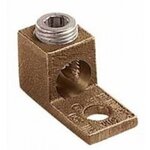
In your application with round holes, these cord connector fittings are designed to accept fine stranded wire, so the screw pulls a saddle against a plate, compressing the pack of strands together. Much like this connector where the wires do not go directly under the screw:

That saddle usually doesn't have a flat bottom, so a square bootlace crimp will get kind of crushed by it, but more importantly, that style connector isn't really helped by bootlace ferrules. I don't think they'll hurt, and they can make clean assembly easier, but I don't see much help from a bootlace here.